
The short version
- A nutritionist can provide highly personalised nutrition support around your individual goals. A dietitian can also provide personalised nutrition care, particularly when your needs involve clinical nutrition or a diagnosed medical condition.
- The right practitioner should look beyond generic meal plans and standard advice. Whether you choose a nutritionist or dietitian, they should understand your individual circumstances and provide recommendations that are relevant to your health, lifestyle and goals.
- For weight loss, sports nutrition and lifestyle change, a specialised nutritionist can provide highly targeted support. A dietitian is particularly valuable when your nutrition needs are closely connected to complex medical or clinical requirements.

The short answer
The difference between a nutritionist and dietitian comes down to their education, training, professional scope and the type of nutrition support they provide. Both work with nutrition, but the experience you receive can be very different depending on the individual practitioner and their area of expertise.
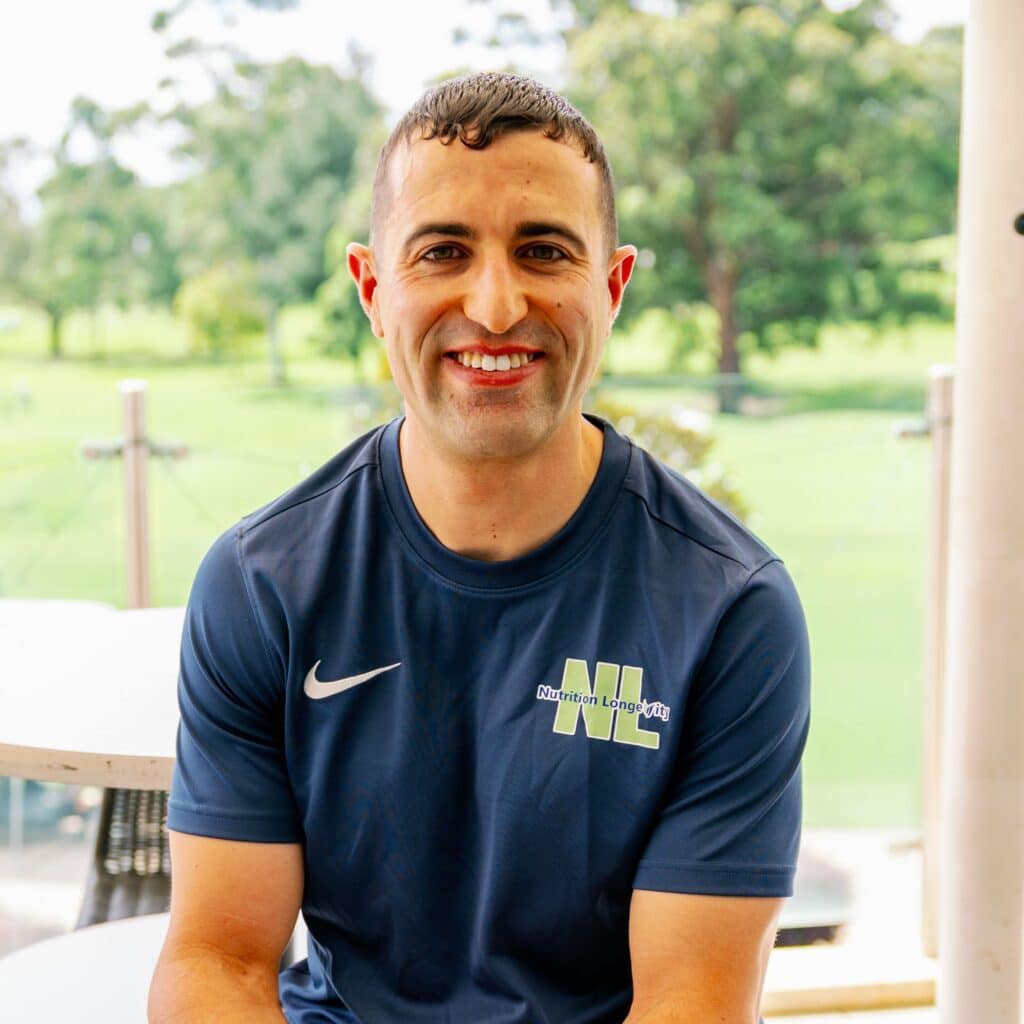
As a clinical nutritionist in Sydney, I am regularly asked whether a nutritionist or dietitian is the better choice. My view is that there is no automatic winner based on the title alone. If your goal is personalised support for weight loss, sports nutrition, improving your eating habits or changing your lifestyle, a nutritionist who specialises in your specific goal can be an excellent choice.
For me, the most important factor is not simply what qualification is written underneath someone’s name. It is whether that practitioner has the knowledge, experience and ability to understand you properly and create a nutrition strategy around your individual needs.
“The value of choosing between a nutritionist and dietitian comes from understanding your individual needs, goals and circumstances, rather than simply choosing based on the professional title. The right practitioner should have the relevant qualifications and experience to provide personalised nutrition support that addresses your specific goals and gives you practical strategies that fit your lifestyle”.
Jake Biggs, Nutrition Longevity

What does a nutritionist do?
A nutritionist uses their nutrition education and professional experience to help you improve your diet and achieve specific health, lifestyle or performance goals.
Nutritionists work across many areas, including weight management, sports nutrition, general nutrition, lifestyle change and health focused nutrition. The exact scope of practice depends on the practitioner’s qualifications, training and professional setting.
My own qualification is a Bachelor of Health Science in Nutrition and Dietetic Medicine with Honours. My work focuses on clinical nutrition, sustainable weight loss and sports nutrition, which means I work with people who want detailed nutrition strategies built around their individual circumstances.
What does a dietitian do?
A dietitian is a university trained nutrition professional who has completed an accredited dietetics pathway. Dietitians receive specific training in clinical nutrition and medical nutrition therapy and work across areas such as hospitals, healthcare settings, community health and private practice.
Dietitians have an important role in healthcare, particularly when nutrition needs to be managed alongside complex medical conditions.
This does not mean that every person looking for nutrition support needs a dietitian. The appropriate professional depends on what you are trying to achieve and the level of clinical care you require.
| Clinical nutritionist | Dietitian |
|---|---|
|
Qualifications A clinical nutritionist has university level qualifications in nutrition and clinical nutrition, providing a strong foundation in nutritional science and individual health support. |
Qualifications A dietitian completes an accredited university degree in dietetics, including specific training in nutrition, food science and dietetic practice. |
|
Regulation Clinical nutritionists who belong to a recognised professional association are required to meet defined education, professional and ethical standards. |
Regulation Dietitians are recognised healthcare professionals and must meet established education and professional standards to practise as dietitians in Australia. |
|
Clinical focus Clinical nutritionists focus on applying nutrition science to individual health concerns, dietary patterns, lifestyle factors and long term wellbeing. |
Clinical focus Dietitians have specific training in clinical dietetics and medical nutrition therapy, particularly for managing medical conditions through dietary intervention. |
|
Personalised nutrition A clinical nutritionist can provide personalised nutrition strategies based on your goals, lifestyle, dietary preferences and individual nutritional needs. |
Personalised nutrition Dietitians also provide personalised nutrition care, with their training particularly suited to complex clinical and medical dietary requirements. |
|
Which is right? A university qualified clinical nutritionist can provide personalised nutrition, lifestyle and wellbeing support, depending on your individual goals and health needs. |
Which is right? A dietitian can be appropriate when you require medical nutrition therapy or dietary management of a diagnosed medical condition. |

Why a nutritionist can offer a more personalised approach
One of the biggest advantages of working with a specialised nutritionist is the ability to focus deeply on your specific goal rather than applying a broad clinical framework to everyone.
If you come to me for sustainable weight loss, I want to understand much more than your current weight. I want to understand what you eat, when you eat, your hunger patterns, your activity, your sleep, your stress, your lifestyle, your food preferences and the habits that have made weight management difficult in the past.
The same applies to sports nutrition. Your training schedule, sport, position, competition demands, recovery, energy requirements and performance goals all influence your nutrition strategy.
This level of personalisation is what I believe makes nutrition support valuable. You should not receive the same plan as the person sitting next to you simply because you have a similar goal.
Personalised nutrition is more than a meal plan
A generic meal plan tells you what to eat. Personalised nutrition explains how your food choices fit into your life and why certain changes are appropriate for you.
Your nutrition strategy should take into account the foods you enjoy, the foods you dislike, your schedule, your cooking ability, your budget, your training and the challenges you face during a normal week.
For example, telling someone to eat salmon three times a week is easy. Understanding whether they enjoy fish, have time to cook, need convenient meals, train in the evening or regularly eat away from home is where personalised nutrition becomes much more useful.

Nutritionist or dietitian for weight loss?
For sustainable weight loss, I believe the quality and specialisation of the practitioner matters enormously.
A nutritionist who specialises in weight management can focus heavily on the behaviours, eating patterns and lifestyle factors that influence your ability to maintain progress. Instead of simply reducing calories, the approach can look at protein intake, fibre, meal structure, food quality, hunger, portion sizes, exercise, sleep, stress and consistency.
This is particularly important because successful weight management is not simply about knowing which foods contain fewer calories. You need a strategy that you can realistically follow within your normal life.
A weight loss nutritionist who works specifically in this area should be able to provide detailed, personalised guidance rather than handing you a standard diet sheet.
Why personalisation matters for sustainable weight loss
Two people can have exactly the same weight loss goal but require completely different nutrition strategies.
One person might struggle with excessive snacking in the afternoon. Another might skip breakfast, eat very little during the day and overeat at night. Someone else might eat a nutritious diet but have large portions and limited physical activity.
Giving all three people the same meal plan ignores the reason they are struggling.
Personalised nutrition identifies the specific barriers affecting you and then creates practical strategies to address them. That is where I believe a specialised nutritionist can provide significant value.

Nutritionist or dietitian for sports nutrition?
Sports nutrition requires a detailed understanding of how food interacts with training, recovery and performance.
If you are a young player, recreational competitor or highly trained performer, your nutrition needs to reflect the demands of your sport. Carbohydrate intake, protein, hydration, meal timing and recovery nutrition all need to be considered alongside your training schedule.
A nutritionist specialising in sports nutrition can build your strategy around your actual week rather than giving you generic advice about eating healthy.
For example, your nutrition on a training day does not necessarily need to look the same as your nutrition on a rest day. Competition days also require different planning, particularly when timing, hydration and carbohydrate availability become important.
The difference is often in the level of personalisation
When choosing between a nutritionist and dietitian, I would encourage you to look beyond the professional title.
The question I would ask is, who understands the exact problem I am trying to solve?
If you want support with sustainable weight loss, sports nutrition, improving your everyday diet or changing your relationship with food, a nutritionist who specialises in that area can provide highly focused support.
If you have complex medical nutrition requirements, a dietitian with the appropriate clinical training is an important option.
Neither professional should simply give you information and send you away. Good nutrition support should help you understand what you are doing, why you are doing it and how to make it work in your everyday life.
“The value of nutrition support comes from understanding the person, not simply understanding the food”.
Jake Biggs, Nutrition Longevity

What to look for in a nutritionist
If you decide that a nutritionist is right for you, I recommend looking closely at their qualifications and experience.
First, look at their university education. Then look at the area they specialise in. A nutritionist who primarily works with general nutrition will not necessarily have the same expertise as someone who focuses on sports nutrition or sustainable weight management.
I would also look at whether they offer genuinely personalised consultations. Your first appointment should involve detailed questions about your nutrition, lifestyle, goals and challenges.
A good nutrition consultation should feel like a conversation about you, not a lecture about food.
- Relevant university qualifications.
- Specific experience in your goal.
- Detailed personalised consultations.
- Practical strategies that fit your lifestyle.
Questions worth asking before you book
Ask what qualifications the practitioner holds and what area they specialise in. Ask whether they regularly work with people who have goals similar to yours.
It is also reasonable to ask how they approach personalised nutrition. If the answer is simply that they provide a standard meal plan, that tells you something about the type of service you are likely to receive.
I believe nutrition should be individual. Your strategy should reflect your food preferences, lifestyle, goals and starting point.

Why I believe personalised nutrition matters most
Nutrition is not a one size fits all process.
The foods you eat are important, but so are your habits, routines, preferences, training, lifestyle and goals. A nutrition professional needs to understand these factors before creating meaningful recommendations.
This is why I place so much emphasis on personalised consultations. I want to understand the full picture before deciding what changes will actually make a difference to your nutrition.
You do not need more generic nutrition information. Most people can find that online within minutes. What you need is help understanding how that information applies to you.

Which one should you choose?
If you have complex medical nutrition requirements, a dietitian with appropriate clinical training may be the right professional for you.
If your goal is sustainable weight loss, sports nutrition, improving your everyday diet or creating a long term nutrition strategy, I believe a specialised nutritionist can be an excellent choice, particularly when you value detailed and personalised support.
Ultimately, I would choose the practitioner rather than the title. Look at their qualifications, experience, specialisation and approach. Most importantly, choose someone who takes the time to understand you rather than giving you a generic plan.
Choose the specialist
Find a practitioner whose qualifications, experience and area of expertise directly match the goal you want to achieve.

The bottom line
A nutritionist and dietitian are not interchangeable professions, but neither title automatically makes one practitioner better than another.
For me, the most important difference is the relevance and depth of the support you receive. A nutritionist who specialises in your goal can provide an extremely personalised approach, particularly for sustainable weight loss, sports nutrition and lifestyle change.
The right nutrition professional should understand your starting point, identify what is holding you back and develop a practical strategy that fits your life.
That is what turns nutrition advice into personalised nutrition support.
Tap what you think is true. Each one reveals what actually matters when choosing a nutrition professional.
1. A nutritionist and dietitian have exactly the same training.
2. A nutritionist can provide personalised support for weight loss and sports nutrition.
3. A dietitian is particularly valuable for complex clinical nutrition needs.
4. What should you consider when choosing a nutrition professional?
Choose the right professional for your needs. A nutritionist can provide highly personalised support for areas such as weight loss, sports nutrition and lifestyle change, while a dietitian can provide specialised clinical nutrition care when medical needs are involved.
Frequently asked questions
Is a nutritionist better than a dietitian?
Neither profession is automatically better. The right choice depends on your individual needs. For sustainable weight loss, sports nutrition and lifestyle focused nutrition, a specialised nutritionist can provide highly personalised support. For complex medical nutrition requirements, a dietitian with appropriate clinical training can be the more suitable choice.
Should I see a nutritionist or dietitian for weight loss?
If your primary goal is sustainable weight loss, a nutritionist who specialises in weight management can provide detailed support around eating habits, meal structure, protein, fibre, portions, activity, sleep and lifestyle. A dietitian is also appropriate when weight management involves complex clinical nutrition requirements.
What makes a good nutritionist?
A good nutritionist should have relevant university qualifications, experience in your area of need and a personalised approach. They should take time to understand your goals, lifestyle, food preferences and challenges before making recommendations. Your nutrition strategy should be practical, individual and designed around your real life rather than a generic plan.
Can a nutritionist provide personalised nutrition advice?
Yes. A qualified nutritionist can provide personalised nutrition advice within their scope of practice. The quality of that support depends on their education, experience and area of specialisation. A detailed consultation should consider your individual goals, eating habits, lifestyle and challenges rather than simply providing a standard meal plan.
Keep reading
This article is general information, not personal medical or nutritional advice. Individual needs vary. For guidance tailored to you, book a consultation.
Book a 60 minute consultation, in Bondi Junction or by Telehealth from anywhere in the world.