

The quick answer
Nutrition for athletes is about eating enough of the right foods to support training, performance, muscle recovery and long term health. A balanced daily eating pattern should provide carbohydrates for energy, protein for muscle repair, healthy fats, fibre, vitamins, minerals and enough fluids, with food intake adjusted to match how much physical work your body is doing.
The short version
- Match your food intake to your training load. Hard training sessions, competitions and double training days demand more energy and carbohydrates to fuel performance and support recovery. Adjust your portions and snacks to ensure your body has enough fuel to meet the physical demands placed on it.
- Prioritise protein, carbohydrates and colourful plant foods. Protein supports muscle repair and growth, while carbohydrates provide the energy needed to train, compete and recover. Include a variety of vegetables, fruit, wholegrains, nuts and seeds to supply the essential vitamins, minerals and fibre your body needs.
- Eat consistently, stay hydrated and prioritise recovery. Skipping meals, neglecting fluids and under fuelling can compromise your ability to recover and adapt to training. Give your body the nutrition, hydration and rest it needs to perform consistently and maintain long term health.
Energy availability
Energy availability refers to the energy left for your body to carry out essential functions after accounting for the energy used during exercise. When an athlete consistently eats too little for their training demands, there may not be enough energy available to support recovery, growth, hormonal health and normal body functions. Inadequate fuelling can also contribute to fatigue, reduced exercise tolerance and muscle cramps.

| Focus Strategy | Action Plan | Impact on Results |
|---|---|---|
| Core Pillars | Balance energy availability to support workload, sustain continuous amino acid distribution for tissue repair, and restore cellular hydration. | Prevents fatigue, avoids Relative Energy Deficiency in Sport (REDs), and maximises functional physical adaptation. |
| Macronutrient Periodisation | Scale carbohydrates according to training intensity (higher on intense days, lower on rest days) while keeping protein intake consistently elevated. | Optimises glycogen storage, supports muscle protein synthesis, and controls systemic inflammation without excess caloric intake. |
| The 3 Rs Recovery Protocol | Rehydrate with fluids and electrolytes, refuel with fast carbohydrates, and rebuild using 20–40g of complete protein within 60 minutes post-session. | Accelerates post-exercise muscle glycogen restoration and triggers immediate tissue repair during the critical recovery window. |
| Hydration & Nighttime Fuel | Consume baseline fluids plus electrolytes daily, and take 30–40g of slow-digesting protein 30–60 minutes before sleep. | Maintains cardiovascular function, prevents cramping, and sustains overnight amino acid availability during deep anabolic sleep. |

How to build a nutrition plan for athletes calculator
Discover evidence-based nutritional strategies required to fuel training, rest days, and recovery. Complete your profile below to receive tailored guidance.
Your Athlete Nutrition Diagnostic Summary
Your profile indicates that requires careful optimisation to sustain high-intensity performance and recovery.
Your tailored athlete nutrition recommendations
Need a structured, professional clinical nutrition programme?
I will review your personal athletic goals and formulate an evidence-based strategy designed to support metabolic health and athletic performance safely.
Book a consultationThis interactive tool provides educational guidance to support healthy nutrition habits and is not a substitute for professional clinical advice.

“I built this calculator because traditional nutrition tools treat every day the same, ignoring how training loads, rest days, and recovery demands constantly shift. By factoring in your specific body mass, training phase, and energy strategy, this interactive tool translates complex sports science into clear, tailored guidance so you can fuel your performance and recovery effectively”.
Jake Biggs, Nutrition Longevity

What does nutrition for athletes look like day to day?
Nutrition for athletes should involve regular, balanced meals and snacks that provide enough energy to support daily activities, training and recovery. Rather than relying on one particular food or supplement, athletes should focus on building consistent eating habits around a variety of nutritious foods.

| Core Habit | Daily Action | Why It Matters | Main Benefit |
|---|---|---|---|
| Consistent Meals | Eat regular, balanced meals and snacks spaced evenly throughout the day. | Keeps energy levels steady so your body never runs low on fuel during busy schedules. | Sustained energy and stable daily focus. |
| Whole Food Variety | Build your plate using a wide selection of nutritious, everyday foods rather than single items. | Provides a full spectrum of vitamins, minerals, and nutrients to support overall health. | Stronger immunity and better general health. |
| Flexible Fueling | Adjust your food intake based on whether you have a heavy training session or a rest day. | Matches your calorie and carbohydrate intake directly to your actual physical output. | Better performance and faster muscle recovery. |
| Smart Recovery | Combine quality proteins and carbohydrates after exercise to help your body bounce back. | Repairs tired muscles and restores depleted energy stores effectively. | Less soreness and readiness for your next workout. |

What should an athlete eat for breakfast?
Breakfast provides an important opportunity to replenish energy after an overnight fast and prepare the body for the day ahead. I encourage athletes such as runners to include a combination of carbohydrates and protein, alongside fruit or other nutrient rich foods.
Suitable breakfast options include:
- Porridge made with milk or fortified soy milk, topped with banana, berries and Greek yoghurt.
- Wholegrain toast with scrambled eggs, avocado and grilled tomatoes.
- Greek yoghurt with rolled oats, fresh fruit, nuts and seeds.
- Smoothie made with milk or fortified soy milk, banana, berries, oats and protein powder if needed.
- Wholegrain cereal with milk, sliced banana and a handful of nuts.
The right breakfast depends on training times, appetite, individual preferences and the amount of energy needed throughout the day. Young athletes should also have enough time to eat before school and avoid regularly skipping breakfast because they are rushing out the door.

| Breakfast Option | Precision Formulation | Physiological Mechanism | Performance Outcome |
|---|---|---|---|
| Anabolic Porridge Bowl | Porridge with fortified soy milk or dairy, sliced banana, mixed berries, and Greek yoghurt. | Delivers sustained-release complex carbohydrates to restore liver glycogen alongside high-leucine protein. | Optimises metabolic priming and initiates morning muscle protein synthesis. |
| Endurance Toast & Eggs | Wholegrain toast paired with scrambled eggs, fresh avocado, and grilled tomatoes. | Supplies complete amino acids, sustained fibre, and essential monounsaturated fats for steady energy. | Stabilises glycaemic control and enhances endurance capacity. |
| Recovery Yoghurt Parfait | Greek yoghurt layered with rolled oats, seasonal fruit, raw nuts, and seeds. | Maximises bioavailable protein and micronutrient density while supporting digestive health. | Accelerates tissue repair and boosts immune resilience. |
| Liquid Fuelling Smoothie | Blended milk, banana, berries, oats, and optional protein isolate for rapid digestion. | Bypasses early morning gastric suppression to deliver rapid macronutrients to working cells. | Guarantees optimal fuelling prior to high-intensity morning training blocks. |

What should athletes eat for lunch and dinner?
Lunch and dinner should provide a substantial combination of carbohydrates, protein and vegetables to support energy levels, muscle repair and overall health.
Carbohydrate rich foods such as rice, potatoes, pasta, quinoa and wholegrain bread help replenish energy stores and support physical activity. Protein sources such as chicken, fish, eggs, lean meat, tofu, legumes and dairy foods contribute to muscle repair and growth.
I encourage athletes to avoid making meals unnecessarily complicated. A chicken and rice bowl with vegetables, salmon with roasted potatoes, or a beef and vegetable stir fry with noodles can all provide a nutritious combination.

| Main Meal Strategy | Precision Formulation | Physiological Mechanism | Performance Outcome |
|---|---|---|---|
| Power Bowl Fuel | Grilled chicken breast served over a substantial base of white or brown rice alongside colourful steamed vegetables. | Delivers rapid-digestion carbohydrates to saturate muscle glycogen stores combined with high-leucine lean protein. | Accelerates post-training recovery and sustains high-power output across afternoon or evening sessions. |
| Omega Recovery Plate | Fresh Atlantic salmon fillet paired with roasted sweet or white potatoes and a side of green vegetables. | Supplies anti-inflammatory omega-3 fatty acids, high-quality complete protein, and mineral-dense complex carbohydrates. | Reduces systemic exercise-induced inflammation and promotes deep muscular repair. |
| Anabolic Stir-Fry | Lean beef strips wok-fried with mixed Asian vegetables tossed through noodles or quinoa. | Maximises bioavailable iron and zinc absorption while topping up carbohydrate availability for high-load days. | Optimises oxygen transport capacity, immunity, and overall functional tissue growth. |

Are snacks important for athletes?
Yes, snacks can help athletes meet their daily energy and nutritional requirements, particularly when training schedules make it difficult to obtain enough food from three main meals.
Useful snack combinations include:
- Banana and Greek yoghurt.
- Wholegrain toast with ricotta and honey.
- Fruit and a handful of almonds.
- Cheese and wholegrain crackers.
- Smoothie made with milk, banana and berries.
- Yoghurt with muesli and fresh fruit.
For young athletes, snacks are particularly useful between school, afternoon training and dinner. I encourage parents to have convenient options available so their children are not going into demanding training sessions hungry.

| Snack Strategy | Precision Formulation | Physiological Mechanism | Performance Outcome |
|---|---|---|---|
| Pre-Session Energy Boost | Ripe banana paired with thick Greek yoghurt or wholegrain toast topped with ricotta and honey. | Supplies fast-acting carbohydrates to top up blood glucose alongside easily digested protein. | Prevents early fatigue and bridges the gap between school or work and afternoon training. |
| Sustained Satiety Pairings | Fresh seasonal fruit with a handful of raw almonds or cheese served on wholegrain crackers. | Combines slow-release carbohydrates with healthy unsaturated fats, calcium, and sustained amino acids. | Stabilises energy availability and supports bone health during heavy growth and training phases. |
| Rapid Recovery Refuel | Thick smoothie blended with milk, banana, and mixed berries, or Greek yoghurt layered with muesli. | Delivers bioavailable protein and rapid glycogen replenishment when solid appetite is suppressed. | Accelerates immediate tissue repair and meets elevated daily caloric targets effortlessly. |

How should you eat on training days vs rest days?
Athletes should adjust their food intake according to their training demands, eating more when physical activity increases and making smaller adjustments when training demands decrease. Rest days are still important recovery days, so reducing food intake significantly is not necessary.

| Nutritional Factor | High-Demand Training Days | Active & Complete Rest Days | Physiological Purpose |
|---|---|---|---|
| Overall Energy Intake | Elevated total caloric intake to match increased physical workload and session output. | Modest reduction in total calories without aggressive restriction or fasting. | Prevents low energy availability while avoiding unnecessary excess energy storage. |
| Carbohydrate Scaling | High carbohydrate servings centred around pre-training, intra-session, and post-workout windows. | Scaled-back carbohydrate portions, focusing on fibrous vegetables and wholegrains. | Matches glycogen availability directly to muscular fuel expenditure. |
| Protein Consistency | Consistent 1.6 to 2.2g per kilogram of body mass spread evenly across daily meals. | Maintained at the exact same elevated level as heavy training days. | Sustains continuous muscle protein synthesis and cellular tissue repair during recovery. |
| Healthy Fats & Micronutrients | Moderate healthy fats kept away from immediate training windows to optimise digestion speed. | Slightly increased healthy fats alongside colourful, antioxidant-rich whole foods. | Supports hormone synthesis, reduces systemic inflammation, and strengthens immunity. |

What should you eat on hard training days?
Hard training days require more energy to support exercise, replenish carbohydrate stores and assist muscle recovery. Athletes completing long sessions, high intensity training or physically demanding competitions generally need more food than they would on lighter training days.
Carbohydrates become particularly important because they provide the body with an accessible source of energy during exercise. Suitable options include oats, rice, pasta, potatoes, bread, fruit and wholegrain cereals.
I recommend including a carbohydrate source at each main meal and using additional snacks around training when needed.
For example, an athlete completing an afternoon cricket training session could have porridge and fruit for breakfast, a chicken and rice bowl for lunch, a banana and yoghurt before training, and a nutritious dinner containing fish, potatoes and vegetables afterwards.

| Daily Window | Precision Meal Example | Physiological Mechanism | Performance Outcome |
|---|---|---|---|
| Morning Priming | Rolled oat porridge cooked with milk and topped with sliced banana and mixed berries. | Replenishes liver glycogen after overnight fasting and establishes steady baseline blood glucose. | Primes metabolic energy pathways and prevents early afternoon energy crashes. |
| Midday Foundation | Substantial grilled chicken and rice bowl paired with steamed vegetables. | Saturates skeletal muscle glycogen reserves while delivering complete, high-leucine amino acids. | Ensures fuel tanks are completely full prior to demanding afternoon sessions. |
| Pre-Session Top-Up | Ripe banana paired with a tub of Greek yoghurt 60 to 90 minutes before training. | Supplies rapid-release glucose alongside easily digested protein without causing gastric distress. | Sustains high-intensity output, mental sharpness, and endurance throughout the session. |
| Post-Session Rebuild | Grilled fish fillet served with roasted potatoes and a generous portion of colourful vegetables. | Restores depleted glycogen stores, provides anti-inflammatory nutrients, and accelerates tissue synthesis. | Minimises muscle soreness and prepares the body for consecutive high-load training days. |

Should you eat less on rest days?
Rest days generally require less additional exercise fuel, but the body still needs sufficient energy, protein and nutrients to repair muscle tissue and recover from previous training sessions.
I encourage athletes to maintain regular meals and continue eating a balanced range of foods. There is no reason to remove carbohydrates simply because you are not exercising that day.
An athlete who trained particularly hard the previous day may also need additional food on their rest day to support ongoing recovery.

| Rest Day Principle | Nutritional Action | Physiological Mechanism | Recovery Outcome |
|---|---|---|---|
| Maintain Meal Rhythm | Keep eating regular, balanced meals throughout the day rather than skipping meals or aggressively cutting calories. | Sustains baseline energy availability so the body can execute cellular repair without metabolic stress. | Prevents recovery deficits and keeps daily energy levels stable. |
| Retain Carbohydrates | Include moderate portions of wholegrain carbohydrates rather than eliminating them completely. | Replenishes lingering muscle and liver glycogen deficits carried over from previous training sessions. | Restores full muscular fuel capacity ahead of the next training block. |
| Prioritise Protein & Nutrients | Keep protein intake high alongside colourful vegetables and nutrient-dense whole foods. | Supplies essential amino acids and antioxidants needed to rebuild damaged muscle fibres and reduce inflammation. | Accelerates structural tissue adaptation and strengthens immune resilience. |
| Account for Prior Workload | Increase rest day food intake slightly if following an exceptionally demanding competition or heavy training day. | Supports extended post-exercise oxygen consumption and elevated 24 to 48 hour tissue repair demands. | Guarantees complete physical bounce-back and prevents cumulative fatigue. |

Training day vs rest day meal examples
| Meal | Training day | Rest day |
|---|---|---|
| Breakfast | Porridge with milk, banana, berries and Greek yoghurt | Eggs on wholegrain toast with avocado and tomato |
| Morning snack | Greek yoghurt with fruit and muesli | Apple with almonds |
| Lunch | Chicken, brown rice and roasted vegetable bowl | Tuna and avocado sandwich with salad |
| Afternoon snack | Banana, yoghurt and wholegrain toast | Cottage cheese with berries |
| Dinner | Salmon, roasted potatoes and steamed vegetables | Chicken, sweet potato and mixed vegetables |
| Evening snack | Milk or Greek yoghurt with fruit if hungry | Yoghurt with nuts and seeds if hungry |
These are examples rather than fixed meal requirements. Portion sizes should reflect the athlete’s age, body size, appetite, training volume and individual nutritional needs.

Are you eating enough for the work you do?
Eating enough is essential for athletes because consistently consuming less energy than the body needs can interfere with training adaptation, recovery, growth and general health. Under fuelling can happen when athletes train frequently but do not increase their food intake to match their physical demands.

| Critical Area | Under-Fuelling Impact | Physiological Mechanism | Optimal Fuelling Solution |
|---|---|---|---|
| Training Adaptation | Stalled strength gains, plateaued endurance, and declining session intensity. | Chronic energy deficits suppress anabolic signalling pathways and force the body to conserve fuel rather than build tissue. | Scale total caloric and carbohydrate intake directly alongside increases in training volume or frequency. |
| Muscular Recovery | Persistent soreness, heavy legs, and prolonged bounce-back times between workouts. | Insufficient glucose and amino acid availability delays glycogen resynthesis and compromises cellular repair. | Prioritise consistent meals and post-session recovery snacks to replenish energy stores immediately. |
| Physical Growth | Impaired bone density development and stunted lean mass accretion, particularly in developing athletes. | Low energy availability disrupts endocrine hormone production essential for skeletal and muscular maturation. | Ensure daily energy intake covers both baseline growth requirements and full exercise expenditure. |
| General Health | Frequent illness, chronic fatigue, poor sleep quality, and heightened injury vulnerability. | Prolonged energy shortfall downregulates immune defences and weakens connective tissue resilience. | Maintain regular, nutrient-dense meals throughout the week without skipping snacks on busy training days. |

What is under fuelling?
Under fuelling occurs when an athlete does not consume enough food to meet the energy demands of exercise and normal daily body functions.
It is not always intentional. Some athletes have busy school or work schedules, train early in the morning, forget to eat after exercise or underestimate how much food they need.
Others may restrict carbohydrates, skip meals, avoid snacks or follow unnecessary dietary rules because they believe eating less will improve their sporting performance.
The problem is that training places additional demands on the body. Without adequate nutrition, the body may struggle to recover and adapt to the workload being placed on it.

| Training Stress Factor | Consequence of Inadequate Fuelling | Physiological Mechanism | Corrective Nutrition Action |
|---|---|---|---|
| Elevated Energy Expenditure | Rapid onset of physical exhaustion, sluggish movement, and diminished power output. | Training accelerates cellular ATP turnover and depletes stored glycogen faster than baseline intake can replace. | Increase daily carbohydrate portions around high-output sessions to sustain fuel availability. |
| Microscopic Muscle Damage | Prolonged soreness, stiffness, and weakened force production across consecutive sessions. | Mechanical load breaks down contractile muscle fibres, requiring surplus amino acids to rebuild stronger tissue. | Deliver 25 to 40 grams of high-quality protein evenly across regular meals and post-training windows. |
| Accumulated Workload Stress | Stalled athletic adaptation, suppressed immunity, and heightened overtraining vulnerability. | Unmatched training stress elevates cortisol levels and shifts the body into tissue breakdown rather than positive adaptation. | Maintain consistent daily meals, hydration, and nutrient-dense snacks to keep recovery ahead of workload. |

What are the signs that an athlete might not be eating enough?
There are several signs that may indicate an athlete is not adequately fuelling their training.
These can include:
- Persistent tiredness or low energy throughout the day.
- Difficulty recovering between training sessions.
- Declining sporting performance or difficulty maintaining training intensity.
- Increased hunger, particularly in the evening.
- Frequent illness or injuries.
- Changes in mood, concentration or motivation.
- Disrupted sleep or difficulty recovering from exercise.
- Unintentional weight changes.
These signs can have different causes and should not automatically be attributed to nutrition. However, they are worth taking seriously, particularly when several occur together.

| Warning Category | Observable Red Flags | Physiological Mechanism | Corrective Fuelling Action |
|---|---|---|---|
| Training & Output | Declining sporting performance, inability to hold training intensity, and slow bounce-back between sessions. | Depleted skeletal muscle glycogen and insufficient amino acids stall tissue repair and limit high-power output. | Increase carbohydrate portions before and after sessions alongside consistent daily protein. |
| Energy & Appetite | Persistent daytime tiredness, intense evening hunger spikes, and unintentional weight fluctuations. | Daytime caloric deficits trigger compensatory hunger hormones at night and force the body to downregulate baseline energy. | Establish regular, evenly spaced meals and daytime snacks rather than back-loading food at night. |
| Health & Resilience | Frequent illness, recurring soft-tissue or bone stress injuries, and disrupted sleep architecture. | Chronic low energy availability suppresses immune defences, impairs bone turnover, and elevates stress hormones. | Raise overall daily energy intake to match total training workload and prioritise nutrient-dense whole foods. |
| Focus & Mindset | Noticeable drops in concentration, low training motivation, and unexplained mood irritability. | The brain relies heavily on steady blood glucose; energy shortfalls directly impair neurotransmitter balance and cognitive sharpness. | Include slow-release carbohydrates at every main meal to stabilise blood glucose throughout the day. |

Why is low energy availability a concern?
Low energy availability can affect several systems throughout the body, including hormonal function, bone health, immune function and reproductive health.
This is particularly important for teenage athletes because they need additional energy and nutrients to support physical growth, development and sporting participation.
Female athletes experiencing missed or irregular menstrual periods should not dismiss these changes as a normal consequence of training. Male athletes can also experience health and performance consequences associated with inadequate energy intake.
Good nutrition is not simply about providing enough energy to complete a training session. It is about providing enough energy to support the entire body.

| Affected System | Clinical Impact | Physiological Mechanism | Long-Term Risk |
|---|---|---|---|
| Hormonal & Endocrine | Suppression of key metabolic and reproductive hormones across both male and female athletes. | Chronic energy shortfalls signal the brain to downregulate non-essential physiological processes to conserve fuel. | Disrupted endocrine balance, chronic fatigue, and slowed metabolic rate. |
| Bone Mineral Density | Weakened skeletal structure, increased stress reaction vulnerability, and delayed bone mineralisation. | Low energy availability impairs bone-building cellular activity and alters calcium metabolism. | Elevated risk of stress fractures and long-term bone health degradation. |
| Immune Resilience | Frequent upper respiratory tract infections and prolonged recovery periods from minor illnesses. | Insufficient circulating energy deprives immune cells of the resources needed to mount a robust defence. | Loss of training consistency and chronic systemic inflammation. |
| Growth & Development | Stunted physical maturation, delayed puberty, and menstrual irregularities (such as missed periods). | Adolescent and teenage athletes require a distinct energy surplus to simultaneously support growth and sport. | Compromised peak bone mass accrual and long-term reproductive health issues. |

How should athletes spread protein and fluids across the day?
Athletes should spread protein across their main meals and snacks while drinking fluids consistently throughout the day to support muscle repair, hydration and recovery.

| Daily Window | Protein Strategy | Fluid Protocol | Performance & Recovery Outcome |
|---|---|---|---|
| Morning & Breakfast | Consume 25 to 35 grams of complete protein (such as eggs, Greek yoghurt, or milk) upon waking. | Drink 500 to 600 mL of water or milk-based fluids immediately to reverse overnight fluid loss. | Halts overnight muscle breakdown and restores baseline blood plasma volume. |
| Midday & Afternoon | Include a palm-sized portion of lean meat, fish, poultry, tofu, or legumes at lunch plus a protein-rich snack. | Sip water steadily across work or school hours, aiming for pale straw-coloured urine before training. | Maintains positive amino acid balance and prevents dehydration-induced drops in focus. |
| Training & Post-Session | Deliver 25 to 40 grams of fast-digesting protein within 60 minutes of finishing exercise. | Drink steadily during sessions and replace 125 to 150 percent of sweat losses with water and electrolytes afterwards. | Maximises muscle protein synthesis and accelerates full cellular rehydration. |
| Evening & Pre-Sleep | Finish with a balanced dinner containing quality protein and vegetables, plus a light dairy snack if needed. | Top up fluids gently with dinner while tapering volume close to bedtime to protect sleep quality. | Sustains overnight tissue remodelling and supports uninterrupted restorative sleep. |

How much protein do athletes need?
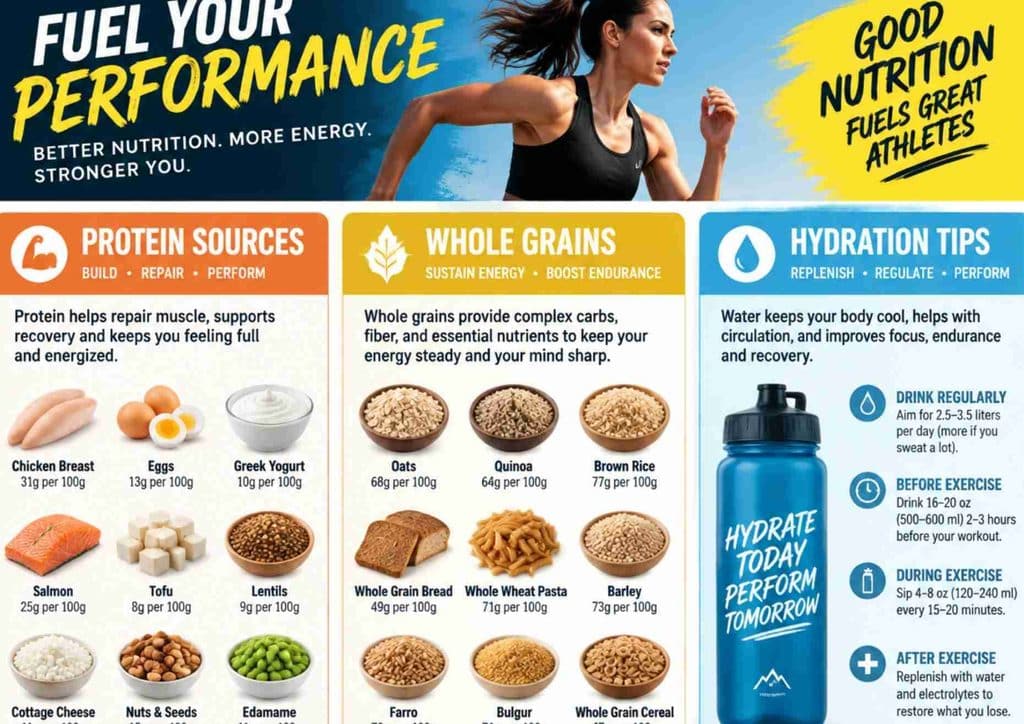
Protein is essential for repairing muscle tissue, supporting muscle growth and maintaining normal body functions. Athletes undertaking regular resistance training, strength training or demanding sporting activities generally have higher protein requirements than people who are less physically active.
A useful general guide for many exercising adults is approximately 1.6 to 2.2 grams of protein per kilogram of body weight daily, although individual requirements vary according to training, age, health and nutritional needs.
For example, an adult athlete weighing 80 kilograms may require approximately 128 to 176 grams of protein daily, depending on their circumstances.
However, protein intake should not come at the expense of carbohydrates, healthy fats or total energy intake.

| Parameter | Protein Recommendation | Physiological Mechanism | Balanced Fuelling Principle |
|---|---|---|---|
| Daily Requirement Range | 1.6 to 2.2 grams of protein per kilogram of body weight per day for exercising adults. | Provides a surplus of essential amino acids to repair exercise-induced micro-tears and build lean muscle tissue. | Tailored to individual training volume, age, and recovery demands. |
| Practical Example (80 kg Athlete) | Approximately 128 to 176 grams of total daily protein intake distributed across meals. | Saturates muscle protein synthesis pathways repeatedly throughout the waking hours. | Spread evenly across breakfast, lunch, dinner, and post-session snacks. |
| Nutritional Balance | Must be integrated alongside adequate carbohydrates, healthy fats, and total daily energy. | Proteins alone cannot fuel high-intensity glycogen demands or support optimal endocrine health. | Never compromise overall energy intake or carbohydrate stores in pursuit of high protein alone. |

How should athletes distribute protein throughout the day?
Rather than consuming most of their protein at dinner, athletes should aim to include a quality protein source at breakfast, lunch, dinner and suitable snacks.
This provides regular opportunities to supply the body with the amino acids needed for muscle repair and recovery.
Useful protein sources include:
- Chicken, turkey and lean meat.
- Fish and seafood.
- Eggs.
- Greek yoghurt, milk and cottage cheese.
- Tofu, tempeh and legumes.
- Protein powder when additional convenience is needed.
For example, an athlete could have eggs at breakfast, chicken at lunch, Greek yoghurt as an afternoon snack and salmon at dinner.
Young athletes should prioritise adequate overall nutrition and a variety of protein rich whole foods rather than focusing excessively on protein targets or supplements.

| Eating Occasion | Quality Whole-Food Options | Physiological Mechanism | Practical Athlete Strategy |
|---|---|---|---|
| Breakfast | Free-range eggs, Greek yoghurt, milk, or cottage cheese paired with wholegrains. | Reverses overnight muscle protein breakdown and supplies immediate essential amino acids upon waking. | Avoids back-loading protein at dinner by establishing an early anabolic foundation. |
| Lunch | Chicken breast, turkey, lean meat, tofu, tempeh, or legumes integrated into balanced meals. | Delivers a sustained wave of leucine and structural amino acids to support daytime tissue remodelling. | Maintains steady amino acid availability across school, work, and mid-day training schedules. |
| Afternoon Snack | Thick Greek yoghurt, milk-based smoothies, or convenient protein powder blends when short on time. | Bridges extended gaps between main meals and primes muscle tissue before or immediately after sessions. | Utilises whole foods first while keeping supplements strictly for high-convenience windows. |
| Dinner & Youth Focus | Atlantic salmon, seafood, lean meats, or plant-based proteins alongside vegetables and carbohydrates. | Supports overnight cellular repair while providing vital iron, zinc, and omega-3 fatty acids. | Encourages young athletes to prioritise overall dietary variety rather than fixating on rigid gram targets. |

How much water should athletes drink?
Fluid requirements vary depending on body size, exercise intensity, temperature, humidity and individual sweat losses. Athletes training outdoors in hot Australian conditions may need considerably more fluid than someone completing a short indoor session.
I encourage athletes to drink regularly throughout the day rather than waiting until they feel extremely thirsty.
Water is generally suitable for everyday hydration and many shorter exercise sessions. For prolonged or particularly demanding exercise, especially in hot conditions with substantial sweating, additional electrolytes and carbohydrate may be useful depending on the circumstances.

| Hydration Variable | Practical Guideline | Physiological Mechanism | Performance & Health Outcome |
|---|---|---|---|
| Environmental & Sweat Demands | Scale fluid volume to match body mass, exercise intensity, ambient temperature, and humidity. Athletes training outdoors in hot Australian conditions require significantly higher intakes. | High temperatures and radiant heat accelerate sweat rates to dissipate core body temperature, rapidly depleting total body water and blood plasma volume. | Prevents heat exhaustion, cardiovascular strain, and severe exercise-induced dehydration. |
| Daily Drinking Rhythm | Sip fluids consistently throughout the day rather than relying on thirst as an indicator, aiming for pale straw-coloured urine. | Thirst mechanisms lag behind actual fluid deficits; proactive drinking maintains optimal intracellular hydration and cellular enzyme function. | Sustains cognitive focus, muscular coordination, and consistent energy levels across daily tasks and training. |
| Everyday vs Prolonged Exercise | Use plain water for standard daily hydration and shorter sessions. Introduce targeted electrolytes and carbohydrates for prolonged, high-intensity exercise in hot conditions. | Sweat loss depletes sodium and chloride alongside water, while extended output requires exogenous fuel to maintain blood glucose and osmolality. | Prevents hyponatraemia, delays central nervous system fatigue, and supports sustained endurance output. |

What should athletes drink before, during and after exercise?
Before exercise, arrive adequately hydrated by drinking fluids regularly throughout the day.
During exercise, drink according to thirst, exercise duration, intensity and environmental conditions. Longer sessions and hot weather may require a more deliberate hydration strategy.
After exercise, replace fluid losses by drinking water alongside a nutritious meal or snack. Including foods containing sodium can also help replace electrolytes lost through sweating.

| Exercise Window | Hydration Strategy | Physiological Mechanism | Performance & Recovery Outcome |
|---|---|---|---|
| Before Exercise | Arrive fully hydrated by sipping fluids regularly across the hours leading up to the session, avoiding large boluses right before start time. | Pre-loads blood plasma volume and ensures optimal total body water balance before sweat losses begin. | Reduces cardiovascular strain and prevents early core temperature elevation during training. |
| During Exercise | Drink according to individual thirst, exercise duration, intensity, and environmental conditions, adopting deliberate fluid plans for hot weather or long sessions. | Replaces ongoing sweat losses to maintain stroke volume, blood pressure, and optimal thermoregulation. | Sustains muscular endurance, prevents dehydration-related performance drops, and maintains focus. |
| After Exercise | Replace fluid losses by drinking water alongside a nutritious recovery meal or snack containing natural dietary sodium. | Ingesting sodium alongside fluid stimulates thirst, enhances voluntary intake, and restores extracellular fluid balance. | Accelerates full cellular rehydration, speeds up recovery, and prevents post-exercise cramping. |

Do athletes need sports drinks?
Sports drinks are not essential for every training session. For shorter sessions and everyday exercise, water and regular meals are generally sufficient.
Sports drinks may be useful during prolonged or particularly demanding exercise when athletes need additional carbohydrate and fluid. Their usefulness depends on the type of sport, session duration and individual requirements.

| Training Scenario | Recommended Fluid | Physiological Mechanism | Practical Performance Outcome |
|---|---|---|---|
| Short Sessions & Everyday Exercise | Plain water supported by regular, balanced meals throughout the day. | Existing muscle and liver glycogen stores are sufficient to power shorter durations without exogenous sugar intake. | Maintains optimal hydration without unnecessary added sugars or dental enamel exposure. |
| Prolonged or Demanding Endurance | Formulated sports drinks containing easily absorbed carbohydrates and electrolytes. | Supplies rapid exogenous glucose to spare muscle glycogen while sodium enhances intestinal water absorption. | Delays central fatigue, sustains high-intensity output, and prevents significant performance drops. |
| Hot Weather & High Sweat Output | Tailored electrolyte solutions or diluted sports drinks matched to sweat rates and sport type. | Replaces substantial sweat-induced sodium losses to maintain blood plasma volume and fluid retention. | Supports effective thermoregulation and reduces the risk of heat stress and cramping. |

When is it worth getting a personalised plan from a sports nutritionist?
A personalised nutrition plan can be valuable when an athlete needs help matching their food intake to their training schedule, sporting demands, growth, recovery and individual nutritional requirements.

| Athlete Scenario | Specific Challenge | Specialist Value | Performance & Health Outcome |
|---|---|---|---|
| Heavy & Complex Training Schedules | Balancing multiple daily sessions, shift work, or school commitments without missing key fuelling windows. | Maps exact carbohydrate, protein, and fluid timing around unique daily timetables and travel logistics. | Eliminates guesswork, prevents energy crashes, and maximises session-to-session recovery. |
| High-Demand Sporting & Competition Goals | Preparing for endurance events, multi-day tournaments, or specific body composition and weight-class targets. | Calculates precise macro periodisation, race-day gut training, and safe body mass adjustments. | Optimises power-to-weight ratios and sustains peak competitive output under pressure. |
| Adolescent Growth & Development | Managing rapid physical maturation alongside escalating club, school, and representative sport workloads. | Ensures energy and micronutrient intake covers both biological growth curves and high exercise expenditure. | Protects long-term bone mineralisation, hormonal balance, and healthy physical development. |
| Individual Dietary & Recovery Needs | Navigating food intolerances, gastrointestinal distress during exercise, or signs of low energy availability. | Tailors whole-food alternatives, targeted supplementation, and clinical recovery strategies to individual physiology. | Resolves gut symptoms, restores immune resilience, and rebuilds sustainable energy levels. |

When should an athlete seek professional nutrition advice?
I recommend considering support from a sports nutritionist when an athlete:
- Participates in multiple training sessions throughout the week.
- Completes two training sessions in one day.
- Competes at representative, state or national level.
- Struggles to maintain energy throughout training.
- Has difficulty recovering between competitions.
- Needs support with vegetarian or vegan sports nutrition.
- Is experiencing challenges meeting their nutritional requirements around school, work and training.
- Wants to improve their everyday eating habits without relying on unnecessary supplements.

| Trigger Category | Specific Athlete Indicator | Specialist Intervention | Performance & Health Outcome |
|---|---|---|---|
| Escalating Training & Competition Load | Completing multiple weekly sessions, double-session days, or competing at representative, state, or national level. | Designs precision carbohydrate periodisation and rapid turnaround recovery protocols between back-to-back bouts. | Sustains peak physical output across demanding schedules and elevated competitive stages. |
| Energy & Recovery Bottlenecks | Struggling to hold energy during training or experiencing sluggish bounce-back between competitions. | Audits total energy availability, pre-session fuelling windows, and post-exercise hydration strategies. | Eliminates mid-session fatigue, speeds up tissue repair, and restores consistent training readiness. |
| Dietary Preferences & Food-First Focus | Following a vegetarian or vegan diet, or seeking to improve everyday habits without relying on unnecessary supplements. | Optimises plant-based amino acid profiles, iron, B12, and whole-food meal structures tailored to athletic needs. | Prevents micronutrient deficiencies and builds sustainable, evidence-based eating habits. |
| Complex Lifestyle Logistics | Finding it difficult to meet high nutritional demands around school, university, shift work, and travel. | Creates practical, portable meal and snack blueprints fitted directly into busy daily timetables. | Ensures reliable daily fuelling without added stress or missed recovery opportunities. |

Understanding the value of professional sports nutrition guidance
An athlete nutritionist can also help parents understand the nutritional demands of growing children and teenagers participating in competitive sport.
Understanding what a sports nutritionist does can help athletes and families recognise when professional nutritional guidance may be worthwhile.
The cost of individual support can vary depending on qualifications, consultation length and the level of ongoing assistance provided. My existing guide explains what a sports nutritionist costs in Sydney and the factors that influence professional fees.

| Support Pillar | Focus Area | Practical Guidance Delivered | Family & Athlete Outcome |
|---|---|---|---|
| Youth & Parent Education | Clarifying the elevated energy and nutrient needs of growing children and teenagers in competitive sport. | Translates complex growth and training demands into practical family meals, school lunchboxes, and pre-game snacks. | Protects healthy physical development, bone density, and sustained energy without food stress. |
| Clarity on Specialist Scope | Helping athletes and families recognise what a sports nutritionist does and when to engage support. | Provides evidence-based assessment, tailored fuelling blueprints, and ongoing adjustments across training cycles. | Replaces conflicting online nutrition advice with clear, actionable performance strategies. |
| Transparent Investment Factors | Understanding how professional fees vary by practitioner qualifications, consultation length, and ongoing support. | Offers structured consultation options ranging from initial assessments to comprehensive multi-month coaching. | Enables families to choose a tailored level of support that fits their goals and budget. |

Why should young athletes have different nutritional considerations?
Children and teenagers have additional nutritional requirements because they are supporting both sporting performance and normal physical development.
Their nutrition should prioritise sufficient energy, carbohydrates, protein, healthy fats, calcium, iron and other essential nutrients.
Parents should avoid placing unnecessary pressure on young athletes to count calories, restrict food groups or follow adult weight management diets.
Instead, I encourage families to establish regular meals, provide nutritious snacks, offer a variety of foods and make sure young athletes have enough to eat before and after training.

| Core Principle | Nutritional Focus | Physiological & Developmental Rationale | Family Implementation Strategy |
|---|---|---|---|
| Dual Demands of Growth & Sport | Prioritising sufficient total energy, carbohydrates, protein, healthy fats, calcium, and iron. | Young athletes must simultaneously fuel active training expenditure and drive normal biological growth, skeletal maturation, and tissue accretion. | Ensure meals are energy-dense and rich in micronutrients to cover both development and athletic workloads. |
| Protection from Harmful Diets | Avoiding unnecessary calorie counting, food group restrictions, or adult weight-management diets. | Rigid dietary restraint during adolescence disrupts hormonal balance, impairs peak bone mass accrual, and increases eating disorder vulnerability. | Focus entirely on performance, energy levels, and food enjoyment rather than body mass or restriction. |
| Positive Family Food Environment | Establishing regular meals, providing nutritious snacks, and ensuring adequate pre- and post-training fuelling. | Consistent nutrient delivery maintains steady blood glucose, supports cognitive focus at school, and accelerates physical recovery. | Offer a wide variety of whole foods and make accessible snacks available around school and training schedules. |

How can athletes build a balanced plate?
- Choose carbohydrates to match the session, such as rice, potatoes, oats, pasta or wholegrain bread, increasing portions when training demands are higher.
- Include a quality protein source such as chicken, fish, eggs, tofu, Greek yoghurt or legumes to support muscle repair.
- Add colour from vegetables and fruit to provide fibre, vitamins, minerals and antioxidants.
- Drink fluids regularly throughout the day and adjust hydration according to exercise duration, sweat losses and environmental conditions.

| Plate Pillar | Whole-Food & Fluid Examples | Physiological Role | Training Adjustment Strategy |
|---|---|---|---|
| 1. Session-Matched Carbohydrates | Rice, potatoes, rolled oats, pasta, or wholegrain bread. | Replenishes skeletal muscle and liver glycogen stores to power high-intensity muscular output. | Scale carbohydrate portion sizes up on heavy training days and moderate them during lighter recovery periods. |
| 2. Quality Protein Source | Chicken, fish, eggs, tofu, Greek yoghurt, or legumes. | Supplies essential amino acids to repair exercise-induced micro-tears and stimulate muscle protein synthesis. | Include a consistent, palm-sized protein anchor at every main meal rather than back-loading at dinner. |
| 3. Colourful Vegetables & Fruit | Leafy greens, capsicum, berries, bananas, broccoli, and seasonal produce. | Delivers dietary fibre, essential vitamins, minerals, and antioxidants to combat oxidative stress and support immunity. | Aim for multiple colours across meals while moderating high-fibre choices immediately before intense sessions. |
| 4. Purposeful Hydration | Plain water across the day, supplemented with electrolytes during prolonged or hot workouts. | Maintains blood plasma volume, regulates core body temperature, and supports nutrient transport. | Sip fluids steadily throughout the day and increase intake to match sweat losses, heat, and session duration. |

What happens when an athlete trains twice a day?
Athletes completing two training sessions in one day need to pay particular attention to their overall food intake, meal timing and recovery between sessions.
There may be limited time to replace energy and carbohydrate stores between morning and afternoon training. This makes convenient meals and snacks particularly important.

| Double-Session Challenge | Nutritional Focus | Physiological Mechanism | Practical Turnaround Strategy |
|---|---|---|---|
| Elevated Daily Energy Expenditure | Substantially higher total caloric and carbohydrate targets across the full day. | Two separate training bouts rapidly deplete skeletal muscle and liver glycogen reserves while elevating overall metabolic demand. | Increase portion sizes at all main meals and integrate planned snacks rather than relying on appetite alone. |
| Tight Inter-Session Turnaround Window | Rapid glycogen resynthesis and immediate muscle repair between morning and afternoon workouts. | Muscle cells exhibit peak insulin sensitivity and glycogen synthase activity within the first 30 to 60 minutes post-exercise. | Consume fast-digesting carbohydrates and lean protein immediately after Session 1 to jump-start restoration. |
| Digestive Comfort & Practical Convenience | Portable, easy-to-digest meals and snacks fitted around work, school, or travel schedules. | Excess dietary fibre or heavy fats between sessions slow gastric emptying and risk gastrointestinal distress during Session 2. | Utilise convenient options such as fruit smoothies, flavoured milk, sandwiches, or rice dishes to hit targets without gut heaviness. |

Plan your recovery between sessions
After your first training session, prioritise a meal or snack containing carbohydrates and protein, such as a chicken sandwich, Greek yoghurt with banana and oats, or a smoothie with milk and fruit. Do not wait until dinner to replace the energy used during the morning session.

| Recovery Option | Key Macronutrients | Physiological Mechanism | Session 2 Readiness Outcome |
|---|---|---|---|
| Chicken & Salad Sandwich | Complex carbohydrates from bread paired with lean poultry protein and dietary sodium. | Provides sustained glucose release to rebuild muscle glycogen while supplying complete amino acids for tissue repair. | Delivers a satisfying, portable midday anchor without causing digestive heaviness before afternoon training. |
| Greek Yoghurt with Banana & Oats | Fast- and slow-release carbohydrates combined with high-leucine dairy protein and potassium. | Stimulates immediate insulin-driven glycogen resynthesis and initiates muscle protein synthesis within the post-exercise window. | Restores energy reserves quickly and keeps afternoon blood glucose stable across work or school hours. |
| Milk & Fruit Recovery Smoothie | Liquid carbohydrates, whey and casein proteins, electrolytes, and high fluid volume. | Accelerates gastric emptying for rapid nutrient delivery while simultaneously replacing sweat-induced fluid and sodium losses. | Ideal when post-training appetite is suppressed or turnaround time before the second session is tightly compressed. |
| Immediate Timing Rule | Prioritised post-Session 1 intake rather than delaying energy replacement until evening dinner. | Prevents prolonged catabolism and avoids entering the second workout with depleted skeletal muscle glycogen stores. | Protects afternoon training intensity, lowers perceived exertion, and prevents late-evening energy crashes. |

Good to know
Recovery does not stop when training finishes. Your body continues using energy and nutrients to repair muscle tissue, replenish fuel stores and support normal physiological functions between sessions.

| Recovery Phase | Physiological Process | Underlying Cellular Mechanism | Long-Term Training Adaptation |
|---|---|---|---|
| Immediate Post-Session Window | Rapid replenishment of depleted muscle glycogen stores and initiation of muscle protein synthesis. | Enhanced insulin sensitivity and elevated glucose transporter activity drive nutrients into worked tissue. | Accelerates bounce-back speed and prepares the body for subsequent training bouts. |
| Extended Inter-Session Period | Continuous structural tissue repair, hormonal balance, and nervous system recalibration. | Sustained amino acid availability supports collagen synthesis and muscle fibre hypertrophy over 24 to 48 hours. | Builds greater baseline strength, structural resilience, and improved physical performance. |
| Overnight Recovery & Sleep | Deep cellular restoration, growth hormone release, and immune system maintenance. | Slow-wave sleep stages trigger peak tissue regeneration and systemic repair processes across vital body systems. | Ensures waking readiness, sustained training motivation, and reduced injury vulnerability. |

Red flag: Persistent fatigue, missed periods or frequent injuries
If you experience ongoing fatigue, missed or irregular menstrual periods, recurrent injuries, unexplained weight changes or persistent declines in performance, arrange an assessment with your GP. These symptoms can have several causes and should not simply be dismissed as part of being an athlete.

| Clinical Red Flag | Specific Presentation | Underlying Physiological Mechanism | Actionable Medical & Recovery Strategy |
|---|---|---|---|
| Persistent Fatigue & Performance Drops | Ongoing exhaustion, sluggishness, and unexplained declines in training output or strength. | Chronic energy deficit, depleted iron stores (ferritin), or overtraining syndrome suppressing central nervous system drive. | Arrange a comprehensive medical review with your GP to test iron panels, thyroid function, and total energy availability. |
| Menstrual Irregularity or Amenorrhoea | Missed, delayed, or irregular menstrual periods in female athletes. | Low energy availability (LEA) down-regulates the hypothalamic-pituitary-ovarian axis, conserving energy by halting reproductive function. | Recognise this as a critical warning sign of bone mineral density loss and seek prompt specialist sports nutrition and medical support. |
| Recurrent Injuries & Slow Healing | Frequent soft-tissue strains, stress fractures, or prolonged recovery times between sessions. | Inadequate protein, calcium, vitamin D, and total energy impair collagen synthesis, bone remodelling, and tissue repair. | Investigate underlying nutritional inadequacies rather than dismissing injuries as an inevitable part of hard training. |

“You cannot expect your body to consistently perform, adapt and recover from demanding training if you are not giving it enough food to do the work”.
Jake Biggs, Nutrition Longevity

What to do this week
- Eat a balanced breakfast every day and avoid regularly skipping meals.
- Include a quality protein source and carbohydrate rich food at each main meal.
- Prepare convenient snacks to support your training schedule and recovery.
Final thoughts
Nutrition for athletes is about much more than simply eating healthy foods or increasing protein intake. It is about understanding how different foods support energy production, muscle repair, physical performance, recovery and long term health. Whether you are a recreational athlete, competitive sportsperson or a young athlete balancing school and training, your daily nutrition should reflect the physical demands you place on your body.
One of the biggest mistakes I see is athletes underestimating how much food they need to support their training. Hard training days, competitions and double training sessions require adequate energy and carbohydrates, while rest days remain essential opportunities for recovery and adaptation. Consistently eating enough, spreading protein throughout the day, including a variety of nutrient rich foods and maintaining good hydration can help establish a strong nutritional foundation.
My advice is to stop thinking about nutrition as something you only need to get right on competition day. Your performance is influenced by the decisions you make at breakfast, lunch, dinner and everything in between. Give your body the fuel it needs, respect the demands of your training and make everyday nutrition a priority throughout your sporting journey.

Nutrition for athletes quiz
Test your understanding of how to fuel hard training days, structure rest day nutrition, hydrate effectively, and manage recovery across demanding schedules.
1. How should an athlete adjust their nutrition on a rest or lighter recovery day?
2. When are formulated sports drinks most beneficial for an athlete?
3. What is the most effective nutritional priority between two training sessions on the same day?
4. What should parents and coaches prioritise when feeding growing young athletes?
5. How should an athlete respond to persistent fatigue, missed menstrual periods, or recurrent injuries?
Smart sports nutrition matches your daily fuel, hydration, and recovery habits to your training load so you can perform and adapt consistently.

Frequently asked questions
What should athletes eat every day?
Athletes should eat a variety of nutritious foods, including carbohydrates, protein, healthy fats, vegetables, fruit, wholegrains and dairy or suitable alternatives, with enough total food to support their training and recovery.
Do athletes need more carbs on training days?
Generally, yes. Harder and longer training sessions increase carbohydrate requirements, so athletes should adjust their intake to match their exercise demands.
What happens if an athlete does not eat enough?
Consistently inadequate food intake can contribute to fatigue, poor recovery, reduced performance, hormonal disturbances, increased injury risk and impaired health.
Do athletes need supplements?
Not necessarily. Most athletes should prioritise meeting their nutritional requirements through everyday foods, with supplements considered only when there is a specific nutritional need or evidence based performance benefit.

Keep reading
This article is general information, not personal medical or nutritional advice. Individual needs vary. For guidance tailored to you, book a consultation.
Book a 60 minute consultation, in Bondi Junction or by Telehealth from anywhere in the world.