

Are protein pancakes a good breakfast option for weight loss? Absolutely!
The short version
- Protein pancakes make a high-protein, high-satiety breakfast that supports weight loss.
- Each serve has around 28g of protein and roughly 280 calories, with dietary fibre from oats and Greek yoghurt.
- They take about 10 minutes, meal prep well, and adapt easily to your needs.
In my clinical practice, protein pancakes are an effective breakfast option for clients aiming for weight loss because they provide a high-protein, high-satiety start to the day.
Adequate morning protein helps regulate appetite hormones, stabilises blood glucose and reduces the likelihood of mid-morning cravings or reactive snacking.
This makes protein pancakes a practical alternative to traditional high-carbohydrate breakfasts that often lead to energy crashes and increased hunger.
I also use protein-based breakfasts like these pancakes to support lean muscle preservation during a calorie deficit, which is essential for long-term metabolic stability.
The recipe offers predictable portion control, balanced macronutrients and easy digestibility, making it suitable for busy clients who need a quick, nutrient-dense meal.
When paired with dietary fibre-rich toppings or controlled-carbohydrate sides, protein pancakes become a sustainable, evidence-based component of a structured weight-loss plan.
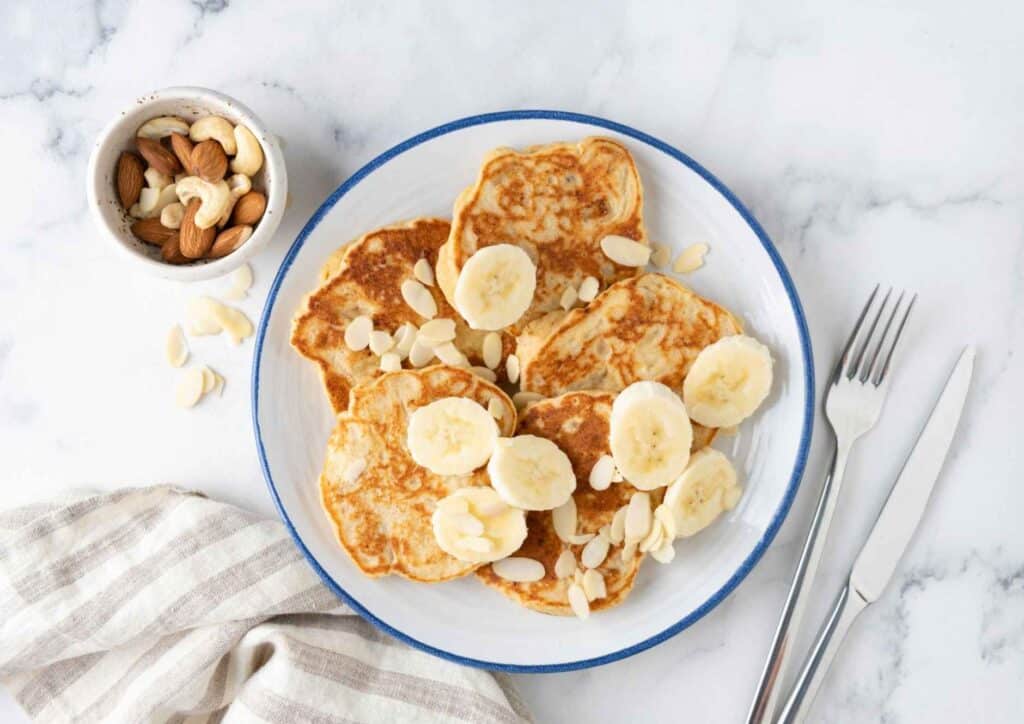
The Science Behind Protein and Weight Loss
Protein is crucial for weight management. Research shows that consuming a high-protein breakfast can:
- Reduce appetite throughout the morning
- Lower total energy intake for the day
- Preserve lean muscle mass during fat loss
A study in The American Journal of Clinical Nutrition found that participants eating a high-protein breakfast experienced greater satiety and reduced calorie intake at later meals.
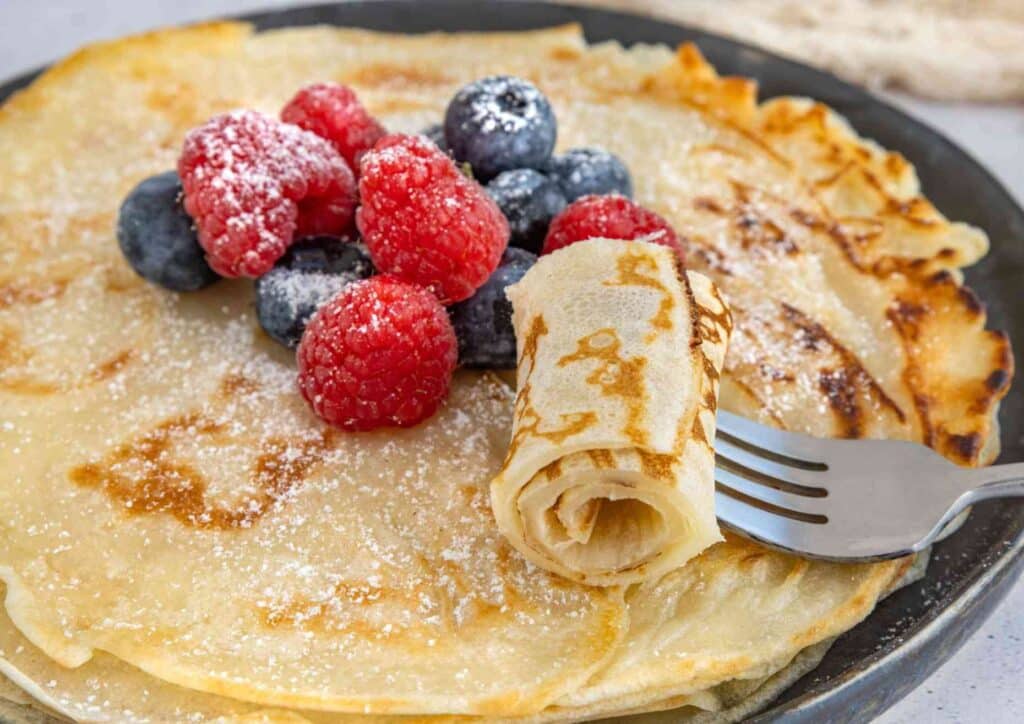
Ingredients and Their Role in Weight Loss
1. Protein Powder (30g)
High-quality whey, casein, or plant-based protein provides 25–30g per serve to increase fullness and support muscle maintenance.
2. Rolled Oats (50g) or Oat Flour
Rich in soluble dietary fibre (beta-glucan), which helps regulate blood sugar, improve gut health, and promote fullness.
3. Eggs (2 large) or Egg Whites (4)
Low in kilojoules, high in protein, and packed with essential nutrients.
4. Greek Yoghurt (60g, low-fat/high-protein)
Adds creaminess, protein, and probiotics for gut health, which is important for sustainable weight loss.
5. Banana (½ medium)
Natural sweetness and potassium for energy and muscle function.

6. Cinnamon (1 tsp) & Vanilla Extract (½ tsp)
Adds flavour without extra sugar. Cinnamon may help regulate blood sugar.
7. Baking Powder (½ tsp)
Helps pancakes rise for a light, fluffy texture.
8. Almond Milk or Water (2–4 tbsp)
Adjusts batter consistency without adding extra kilojoules.
Optional Toppings (Weight-Loss Friendly):
- Fresh berries
- Sugar-free maple syrup
How I plate these for weight loss
For a weight-loss breakfast I keep the pancakes simple and add a handful of berries and a spoon of Greek yoghurt rather than syrup. The extra dietary fibre and protein slow digestion, smooth out your blood glucose and keep you full through to lunch. If you want that tailored to you, a nutritionist can help you lose weight in a way that lasts.
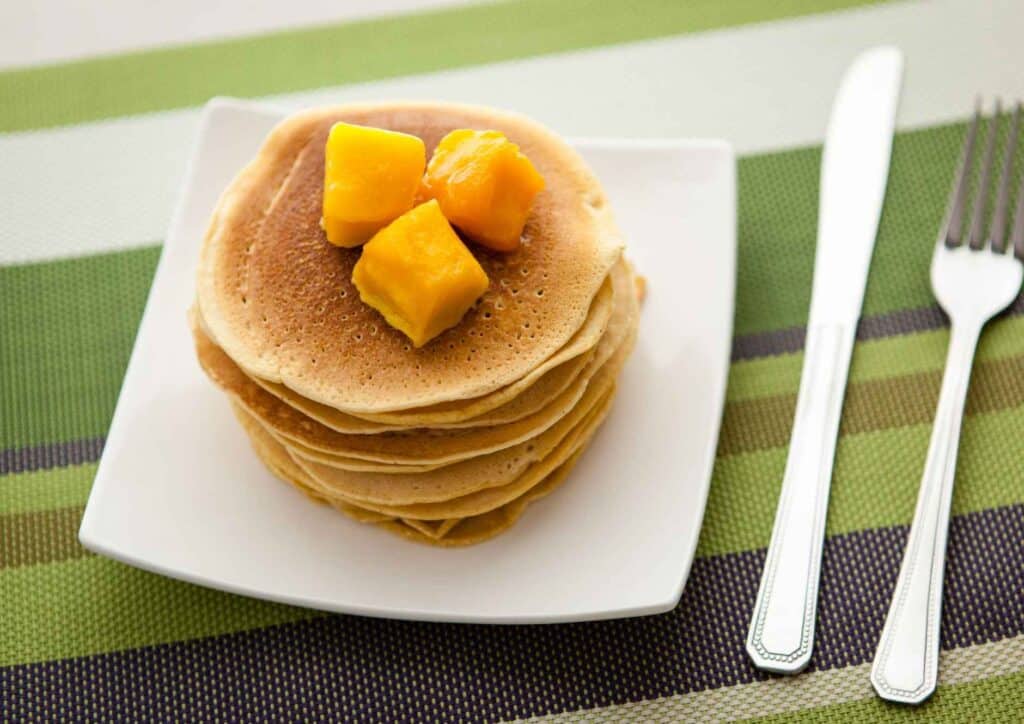
Step by Step Recipe
Serves: 2 | Prep Time: 5 minutes | Cook Time: 5 minutes
- Blend Ingredients: Combine oats, protein powder, eggs, Greek yoghurt, banana, cinnamon, vanilla extract, and baking powder. Blend until smooth. Add almond milk or water to reach a thick but pourable consistency.
- Heat Pan: Preheat a non-stick pan over medium heat. Lightly grease with olive oil or cooking spray.
- Cook Pancakes: Pour small amounts of batter onto the pan. Cook 2–3 minutes until bubbles form, then flip and cook another 1–2 minutes until golden.
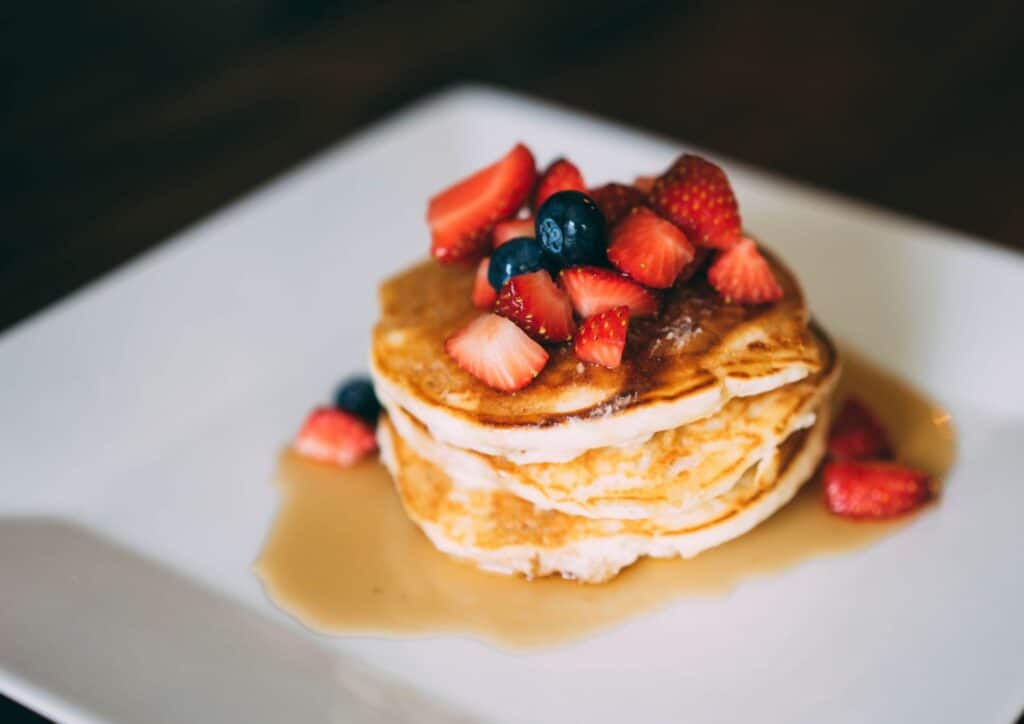
- Serve: Stack pancakes and top with berries or yoghurt.
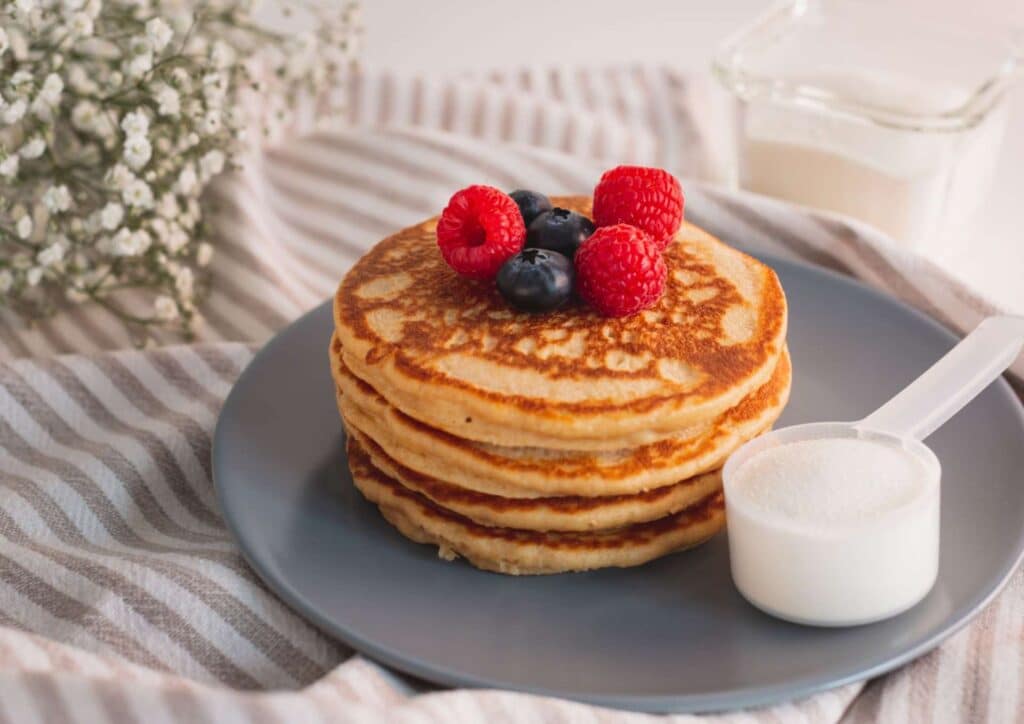
Nutritional Overview (Per Serve)
- Kilojoules: 1,170kj
- Protein 28g
- Carbohydrate: 26g
- Dietary Fat: 8g
- Dietary Fibre: 5g
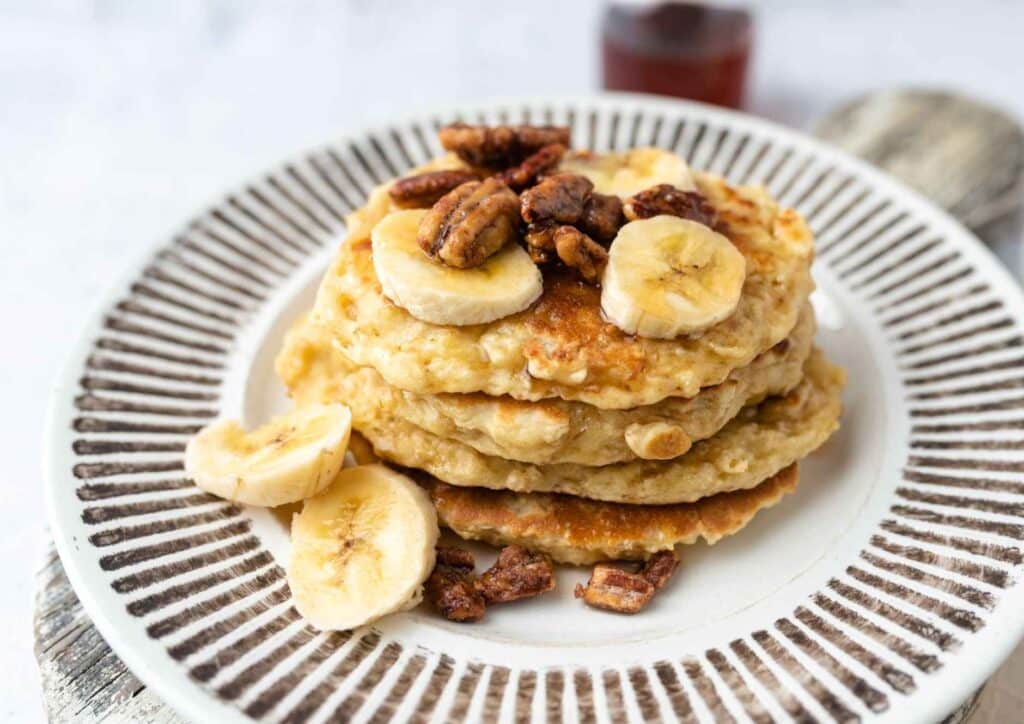
This macro balance makes a high-protein, moderate-carb breakfast that fuels your muscles, supports satiety, and aids weight loss.
Why a High-Protein Breakfast Helps With Weight Loss
| Reason | Explanation |
|---|---|
| Supports fullness | Protein can help increase feelings of fullness after breakfast, which may make it easier to manage hunger and avoid unnecessary snacking later in the morning. |
| Helps manage appetite | Starting the day with a protein rich meal can help create a more satisfying eating pattern, making appetite easier to manage throughout the day. |
| Supports muscle | Adequate protein provides amino acids needed for muscle maintenance, which is particularly important when you are reducing your energy intake for weight loss. |
| Creates a balanced breakfast | Combining protein with dietary fibre rich carbohydrates, fruit and healthy fats can create a more balanced and satisfying breakfast. |
| May reduce snacking | A satisfying breakfast can make it easier to reach lunch without relying on frequent snacks, particularly when the meal contains adequate protein and dietary fibre. |
| Supports sustainable habits | A high protein breakfast can become a simple daily habit that supports consistent nutrition without requiring extreme restriction or complicated dieting rules. |
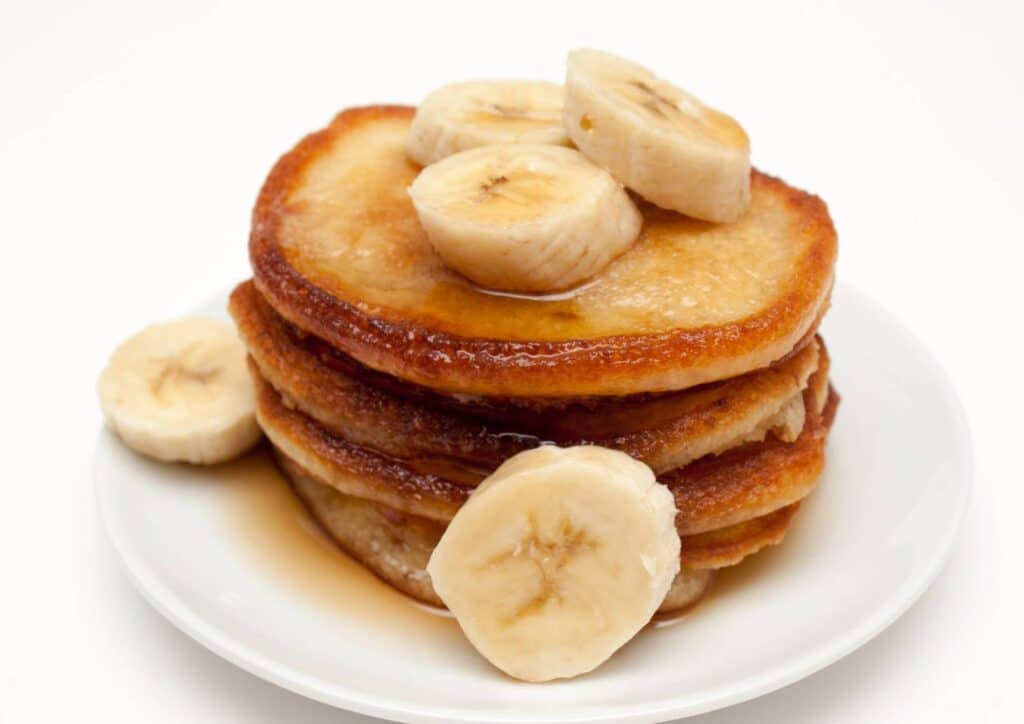
Eating protein at breakfast isn’t just about kilojoules, it’s about setting your day up for sustainable success.
“A good breakfast is not about eating less, it is about eating in a way that keeps you full and steady. Protein pancakes do exactly that, which is why they work so well for weight loss”.
Jake Biggs, Nutrition Longevity
Tips, Meal Prep & Variations
| Section | Details |
|---|---|
| Meal prep | Prepare protein sources such as eggs, Greek yoghurt, chicken or lean mince in advance so you can build a balanced meal quickly during busy mornings. |
| Breakfast variation | Rotate between eggs on wholegrain toast, Greek yoghurt with fruit and oats, or porridge with milk, yoghurt and berries to keep breakfast interesting. |
| Add fibre | Include oats, wholegrain bread, berries, fruit, chia seeds or vegetables alongside your protein source to increase dietary fibre and support fullness. |
| Increase protein | Add Greek yoghurt, eggs, milk or another suitable protein source when your usual breakfast leaves you hungry soon afterwards. |
| Portion awareness | A high protein breakfast can still contain substantial energy if portions of toppings, oils, spreads or higher energy foods become excessive. Keep portions appropriate for your individual goals. |
| Busy mornings | Keep simple options available, such as overnight oats with Greek yoghurt and berries, so you have a nutritious breakfast ready when time is limited. |
| Keep it practical | The most useful breakfast is one you can consistently prepare and enjoy. Focus on a combination of protein, fibre rich foods and a sensible portion rather than perfection. |
Final Thoughts
Healthy protein pancakes are a practical, evidence-based breakfast option that supports weight loss by providing a high-satiety, high-protein start to the day.
In my clinical practice, clients who shift from carbohydrate-heavy breakfasts to protein-focused meals experience more stable energy, fewer cravings and better appetite control across the morning.
This stability is essential for reducing grazing, emotional eating and reactive snacking later in the day.
Protein pancakes also offer predictable portion control and can be adapted to individual dietary needs without compromising their nutritional value. Their balance of protein, dietary fibre and controlled carbohydrates helps maintain lean muscle mass during a calorie deficit, which is critical for long-term metabolic health. As part of a structured nutrition plan, they provide a simple, enjoyable and sustainable way to support weight-loss goals.
Tap what you think is true. Each answer shows what really makes this breakfast work for weight loss.
1. Are protein pancakes filling because they are low in calories, or because they are high in protein and fibre?
2. A high-protein breakfast can reduce how much you eat later in the day.
3. These pancakes can be made ahead and stored for busy mornings.
4. For weight loss, what matters most when you eat protein pancakes?
The simple rule: protein pancakes give you a full, steady start, and the results come from keeping that balance going across the day.
Frequently asked questions
Are protein pancakes good for weight loss?
Yes. Protein pancakes give you a high-protein, high-satiety breakfast that helps regulate appetite, stabilise blood glucose and reduce mid-morning cravings, which makes it easier to eat less across the day as part of a balanced weight-loss plan.
How much protein is in these protein pancakes?
This recipe provides around 28g of protein per serve, alongside roughly 280 calories, 26g of carbohydrate, 8g of fat and 5g of dietary fibre, which makes it a high-protein, moderate-carbohydrate breakfast.
Can I meal prep protein pancakes?
Yes. Batch-cook the pancakes, let them cool completely, then store them in an airtight container in the fridge for up to 3 days or freeze them with baking paper between the layers. Reheat in a pan or toaster for a quick breakfast on busy mornings.
What are the best weight-loss friendly toppings?
Fresh berries or a little sugar-free maple syrup work well. Fibre-rich toppings like berries add volume and slow digestion, which supports fullness and steadier blood sugar without many extra kilojoules.
Can I make these pancakes dairy-free or gluten-free?
Yes. Use a dairy-free protein powder and a milk alternative such as almond milk, and choose certified gluten-free oats or oat flour. You can also add chia or flaxseeds for extra fibre while keeping the portions controlled.
Keep reading
This article is general information, not personal medical or nutritional advice. Individual needs vary. For guidance tailored to you, book a consultation.
Book a 60 minute consultation, in Bondi Junction or by Telehealth from anywhere in the world.