

The short version
- Chia seeds are not a magic food for weight loss. They may support weight loss by helping you feel fuller for longer, which can make it easier to manage hunger and maintain a calorie deficit.
- Use a measured spoon, not a sprinkle. Chia seeds can be included in a weight loss plan, but portion size still matters because they contain calories, so measuring your serving helps manage your overall energy intake.
- Chia seeds can definitely be part of a nutrition plan for weight loss. Their high dietary fibre content can help increase fullness and satisfaction, making them a useful addition to meals and snacks when the goal is sustainable weight loss.
The short answer
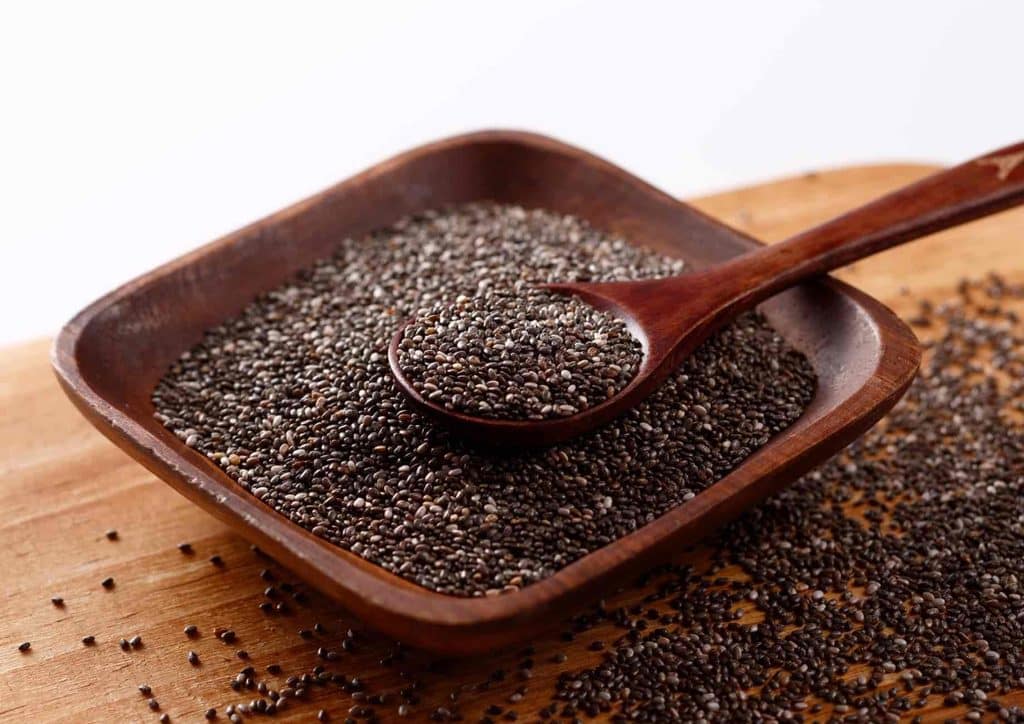
When you ask do chia seeds help with weight loss you are really asking if one food changes your body on its own. Chia seeds do not burn fat, they do not target your stomach, and they do not replace the work of your overall eating pattern. They give you extra dietary fibre and a small amount of protein, which helps you feel fuller and steadier between meals. That fullness support matters when you are trying to change your portions and your habits, and it is the reason I use chia seeds with my clients that are seeking sustainable long term.
“Chia seeds can be a useful tool for weight loss because their high fibre content may help you feel fuller for longer and better manage hunger between meals. However, chia seeds alone do not cause weight loss, your overall eating pattern, portion sizes, food choices and consistency are what ultimately determine whether you achieve sustainable weight loss”.
Jake Biggs, Nutrition Longevity
| At a glance | What the trend says | What actually happens |
|---|---|---|
| Chia seeds | Eating chia seeds automatically causes weight loss. | Chia seeds support weight loss because their dietary fibre helps with fullness, but your overall eating pattern and portion sizes still matter. |
| Dietary fibre | The more chia seeds you eat, the more weight you will lose. | Dietary fibre supports fullness, but eating larger portions does not automatically lead to greater weight loss. |
| Protein balance | Chia seeds alone are enough to keep you full until lunch. | Adding protein such as yoghurt or milk creates a more balanced meal that holds your appetite for longer. |
| Toppings and mix ins | Healthy toppings can be added freely because they are nutritious. | Nut butter, honey, dried fruit and other toppings increase the overall energy content of your meal, so portions still matter for weight loss. |
What is actually in chia seeds
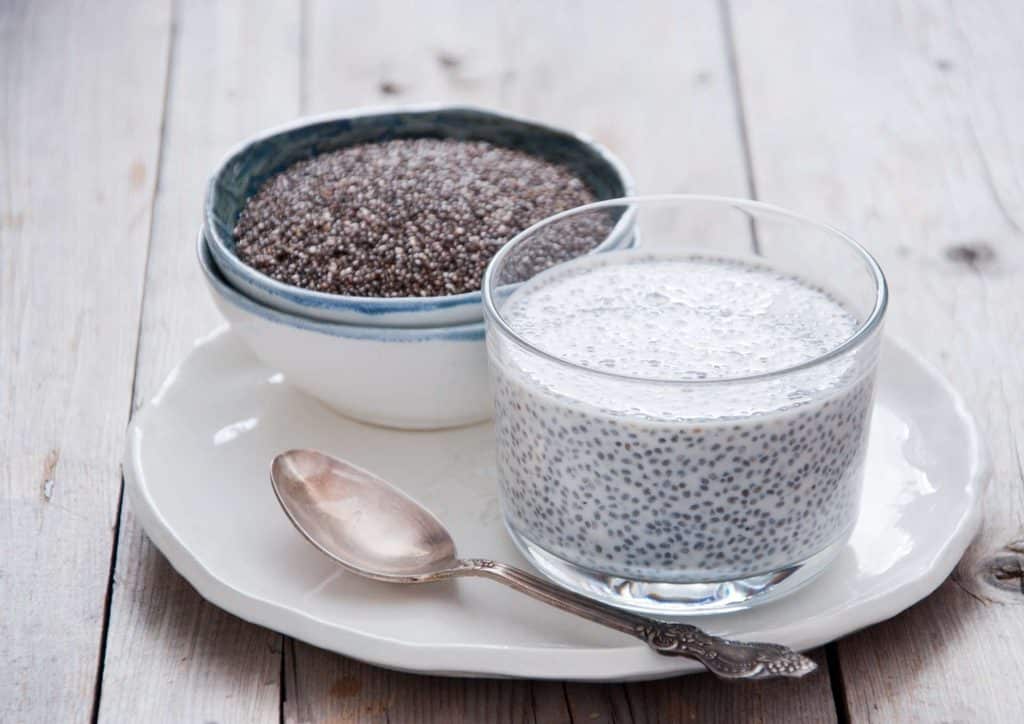
Chia seeds are tiny, but they carry a concentrated mix of nutrients. A standard tablespoon gives you a meaningful hit of dietary fibre, a modest amount of protein, and a mix of fats that includes plant based omega 3. They also contain minerals such as calcium and magnesium, which support general health rather than driving fat loss.
Chia seeds and dietary fibre
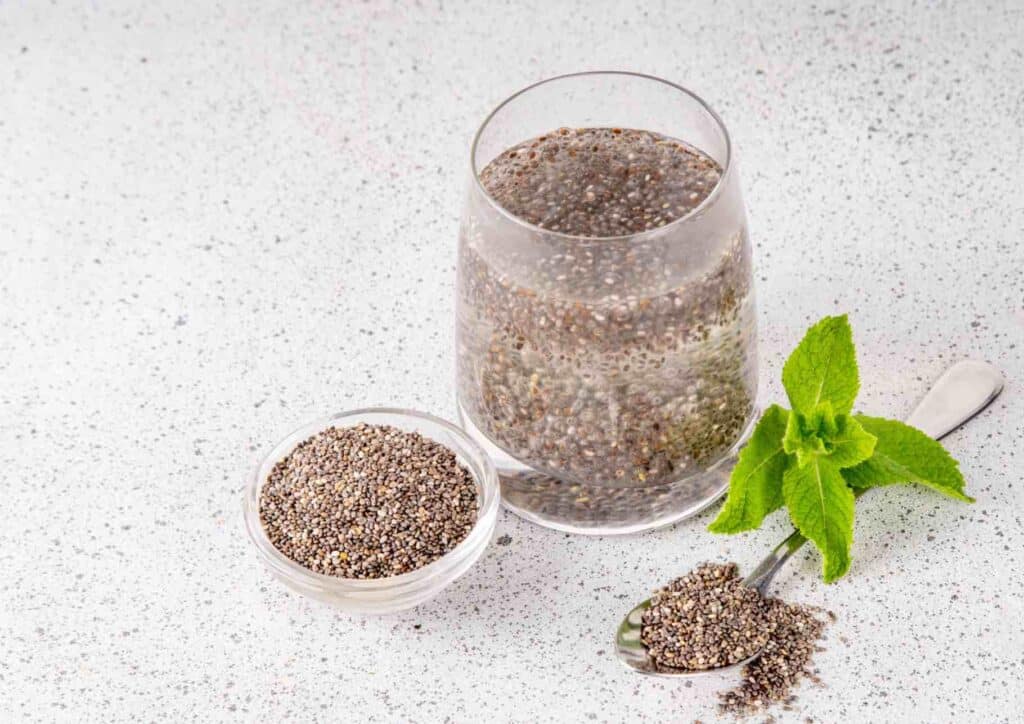
The most important part of chia seeds for weight management is their dietary fibre content. When you add chia seeds to fluid, they swell and form a gel. That gel slows how quickly food leaves your stomach, which helps you feel satisfied for longer after a meal or snack. This is why chia seeds and dietary fibre belong in the same conversation whenever we talk about appetite and portion control.
What chia seeds actually do in your stomach
Once chia seeds reach your stomach, the outer layer absorbs water and forms that gel like texture. This texture mixes with the rest of your meal and gives it more volume without adding many kilojoules. Your stomach stretches, your gut sends clearer fullness signals to your brain, and you feel more comfortable stopping at a smaller portion. The effect is gentle, not dramatic, and it works well when the rest of the meal is balanced.
Dietary fibre, fullness and appetite
Dietary fibre is one of the quiet drivers of appetite control. When your day includes enough dietary fibre, your blood glucose rises and falls more steadily, your gut hormones send clearer messages, and your cravings feel less intense. Chia seeds contribute to that dietary fibre total, especially at breakfast and snacks, where many people fall short.
Why fullness matters more than fat burning claims
You might have seen headlines asking do chia seeds burn belly fat. That idea sounds appealing, but it does not match how the body works. Fat loss comes from a consistent energy deficit over time, not from one ingredient. Chia seeds help by making that deficit more tolerable. When you feel comfortably full, you are more willing to stick with smaller portions and fewer kilojoules without feeling deprived.
| At a glance | What the trend says | What actually happens |
|---|---|---|
| Chia seeds | Chia seeds melt stomach fat and work on their own. | Chia seeds do not burn fat. Their dietary fibre helps with fullness, which supports portion control inside a balanced eating pattern. |
| Dietary fibre | A larger serve of chia seeds leads to greater fullness. | Dietary fibre supports fullness, but very large portions can feel heavy and uncomfortable. A measured serve works more smoothly. |
| Fluid | Chia seeds work the same whether you drink extra fluid or not. | Chia seeds absorb fluid strongly. Matching the extra dietary fibre with water or herbal tea helps them move comfortably through your gut. |
| Meal balance | Chia seeds alone are enough to keep you full until lunch. | Chia seeds work more effectively when paired with protein and nutritious foods such as yoghurt, milk or fruit. |
Matching dietary fibre with fluid
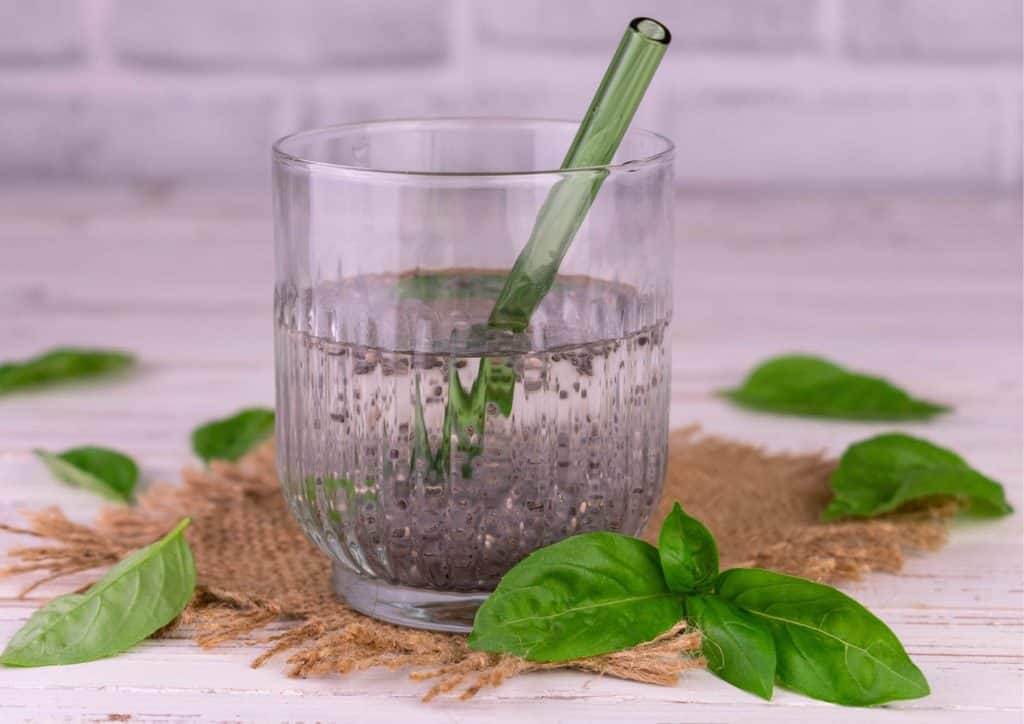
When you increase dietary fibre, you must increase fluid. Chia seeds absorb water strongly, and they need that water to move smoothly through your gut. If you add chia seeds to your breakfast and snacks but keep drinking the same small amount of fluid, you feel heavy and uncomfortable. A simple rule is to add at least one extra glass of water or herbal tea for every tablespoon of chia seeds you use in a day.
Start small and build
Begin with one tablespoon of chia seeds a day, drink an extra glass of water, and give your gut a week to adjust before you increase the amount.
- Add them to breakfast yoghurt.
- Stir them into porridge while it cooks.
- Blend them into a high protein banana smoothie.
- Mix them through a simple salad for crunch.
How much to actually use
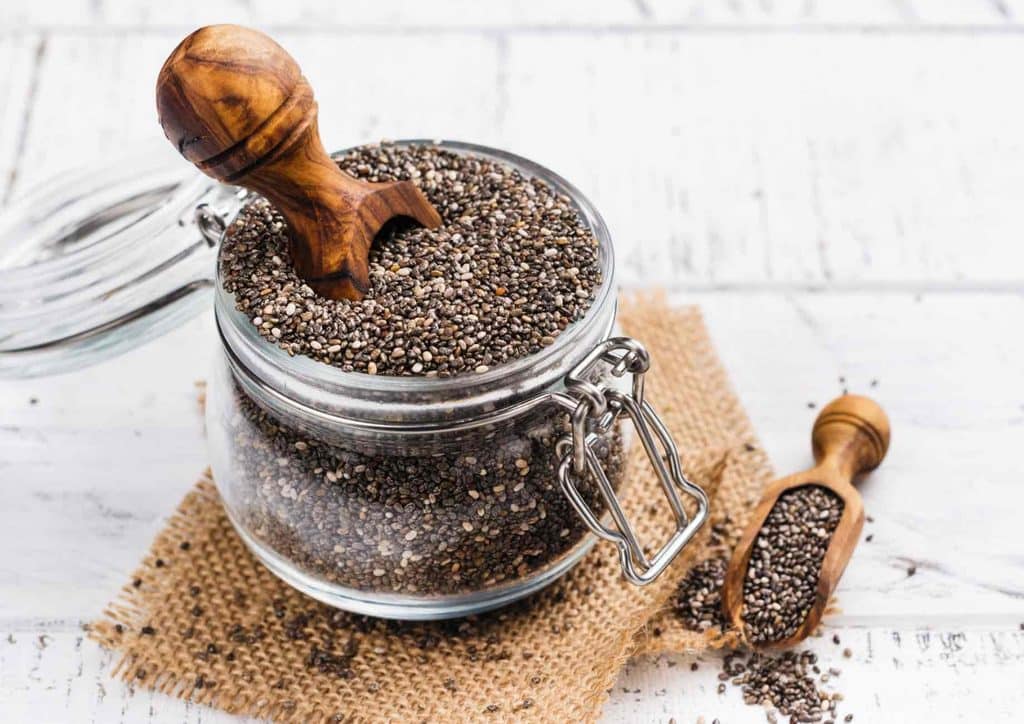
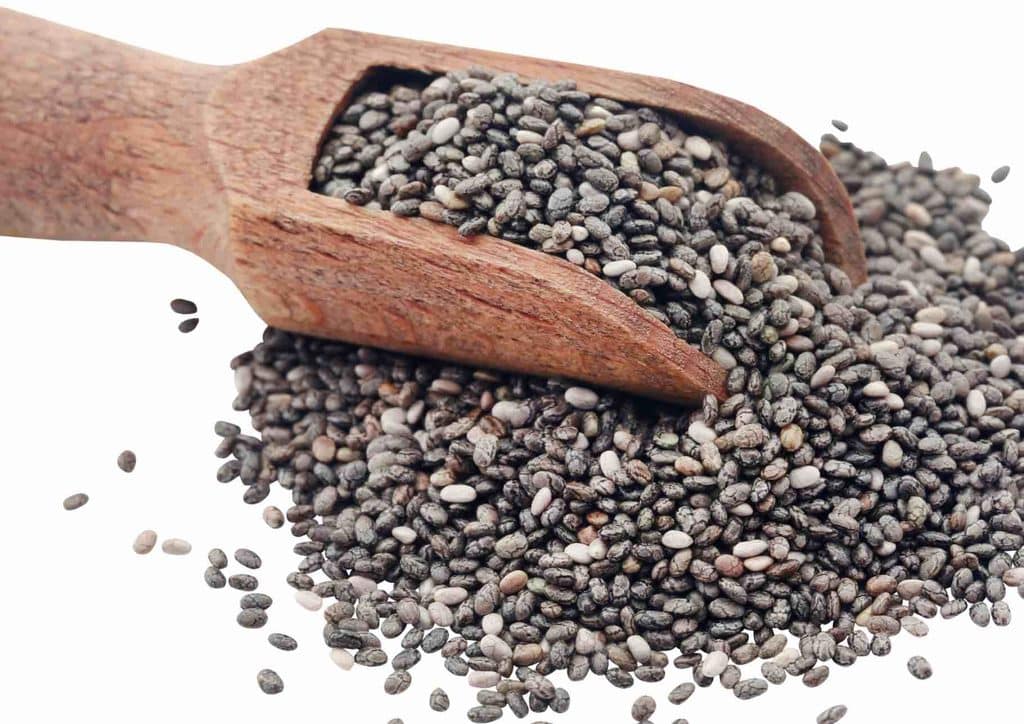
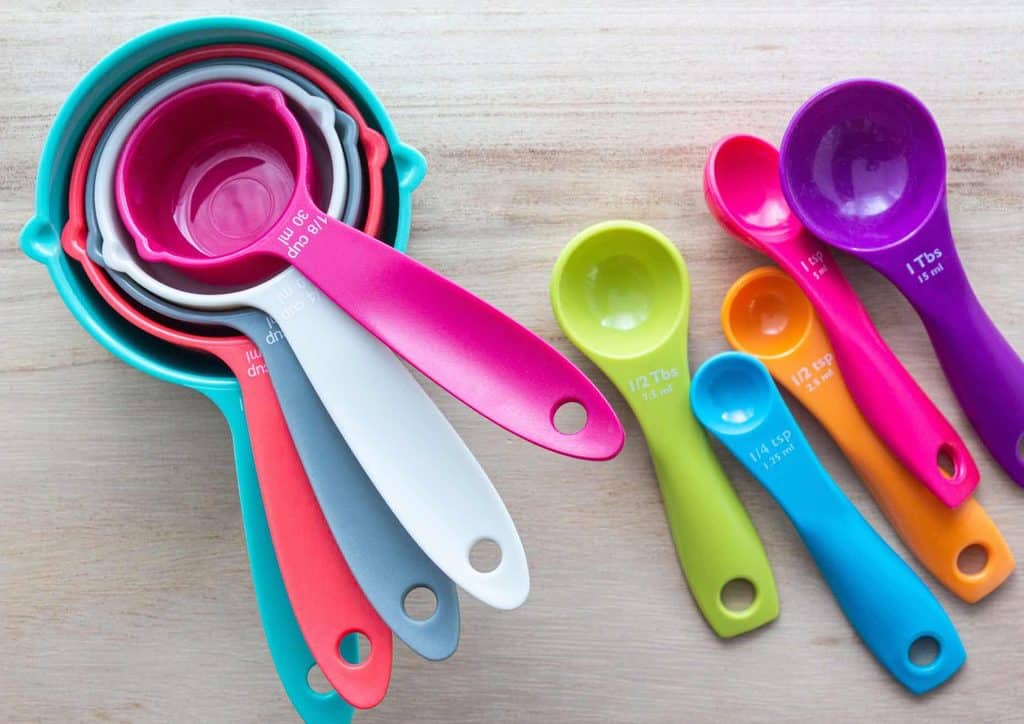
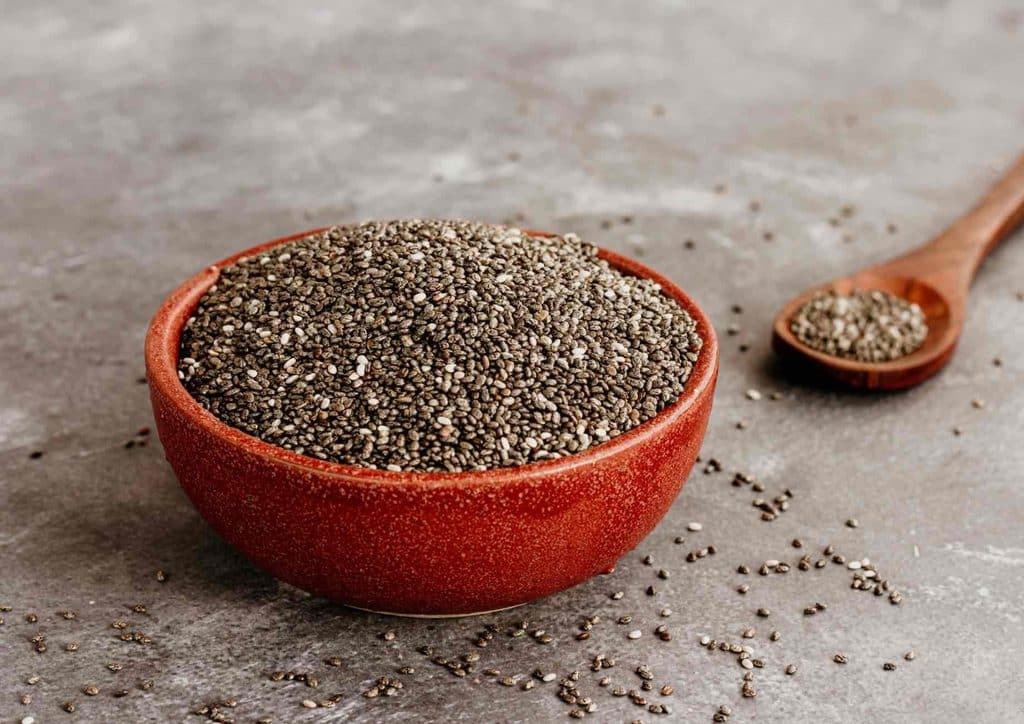
Most people sprinkle chia seeds over food and stop there. That sprinkle looks nice, but it does not give enough dietary fibre to change fullness. A practical starting point is one tablespoon a day, which is roughly twelve grams. This amount fits easily into breakfast or a snack and gives a noticeable lift in dietary fibre without overwhelming your gut.
How many chia seeds per day in real life
Once your gut feels comfortable with one tablespoon, you can move to two tablespoons spread across the day. For example, one tablespoon in breakfast and one in an afternoon snack. This pattern suits most adults who are working on weight management and fits smoothly into everyday eating. I use this range often when I provide sustainable weight loss nutrition plans.
Chia seeds and the rest of your plate
Chia seeds work well when they sit inside a balanced meal. If you add them to a breakfast that already includes protein, such as yoghurt or eggs, and some fruit, you create a meal that holds your appetite for longer. If you add them to a snack that already includes nuts or hummus, you get the same effect. On their own in water, they feel more like a supplement than food, and they rarely feel satisfying.
| Option | Main role |
|---|---|
| Yoghurt with chia and berries | Breakfast that boosts dietary fibre and fullness |
| Porridge with chia and cinnamon | Warm start that steadies appetite through the morning |
| High protein banana smoothie with chia | Portable option that combines protein, dietary fibre and fluid |
Simple ways to add them to your week
Chia seeds fit well when you attach them to habits you already have. If you always eat breakfast, choose one or two breakfast options that include chia seeds and rotate them through the week. If you often forget snacks, set up one reliable snack that uses chia seeds and keep the ingredients ready at home or at work.
Breakfast ideas that actually work
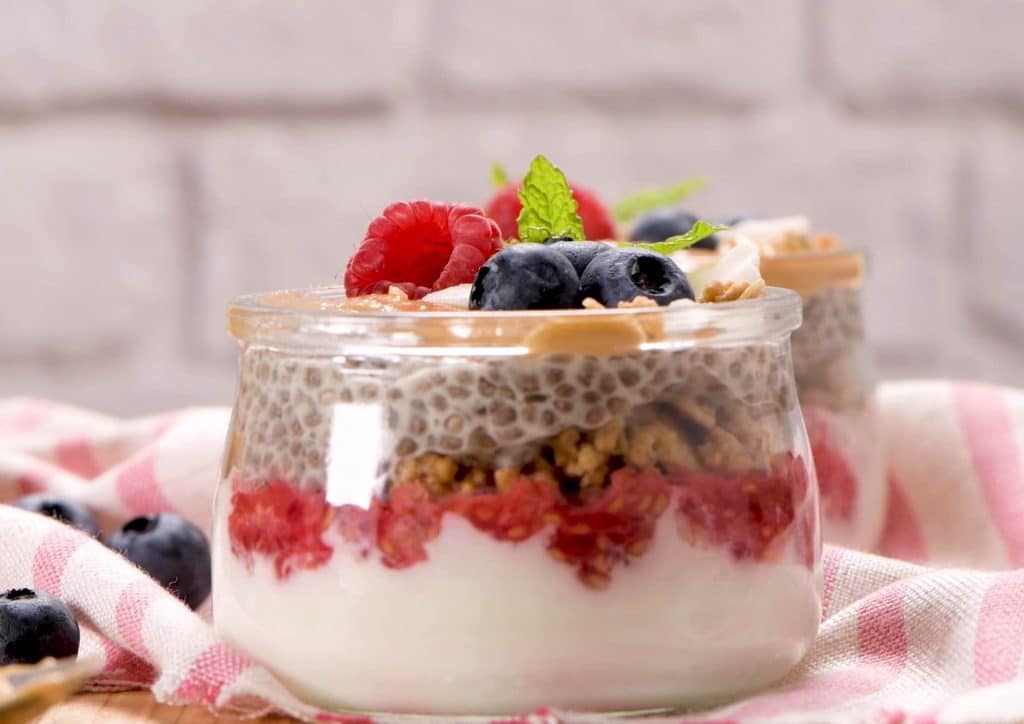
A simple option is Greek yoghurt with chia seeds and berries. The yoghurt gives protein, the chia seeds give dietary fibre, and the berries add natural sweetness and extra plant compounds. Another option is porridge cooked with milk, then stirred with chia seeds at the end. Both breakfasts feel familiar, they use supermarket ingredients, and they support steadier appetite through the morning.
Snacks that support portion control
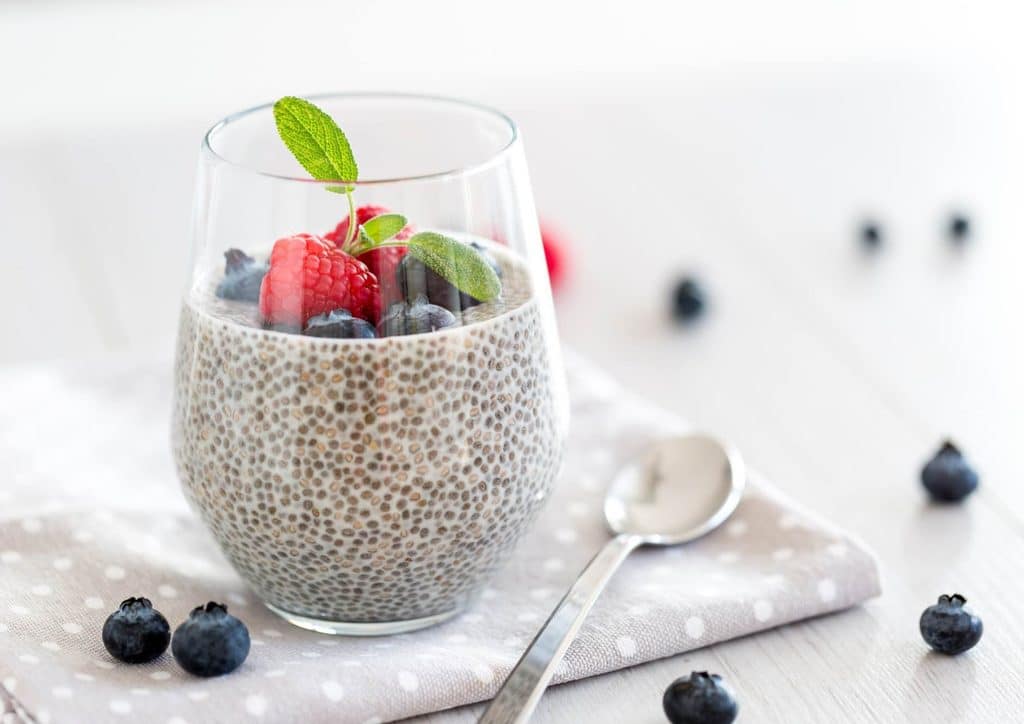
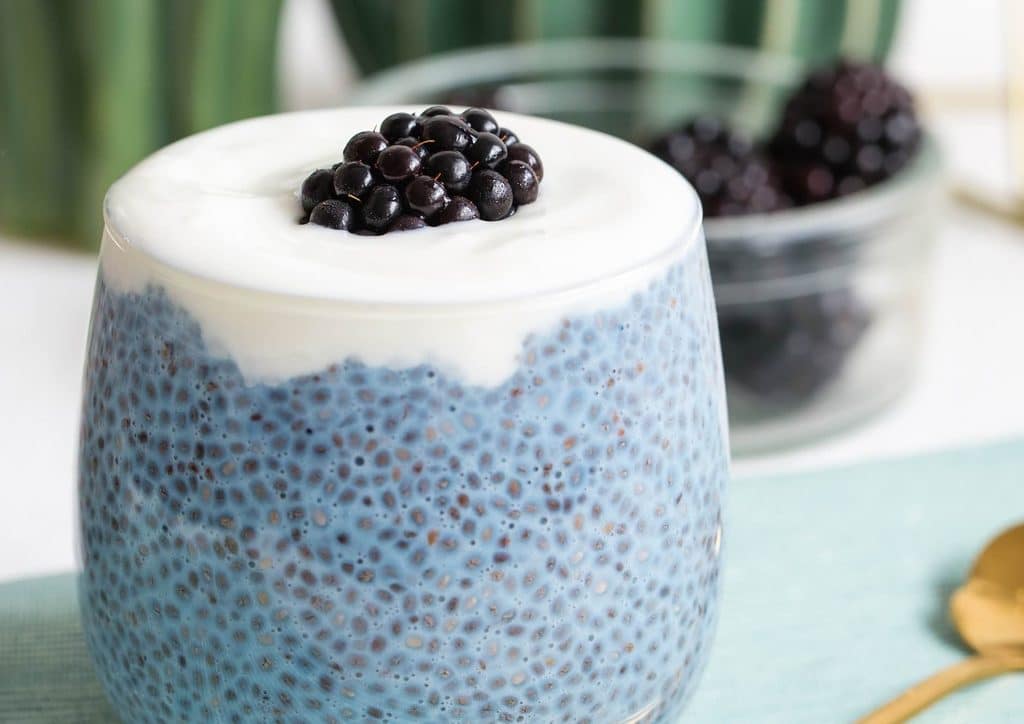
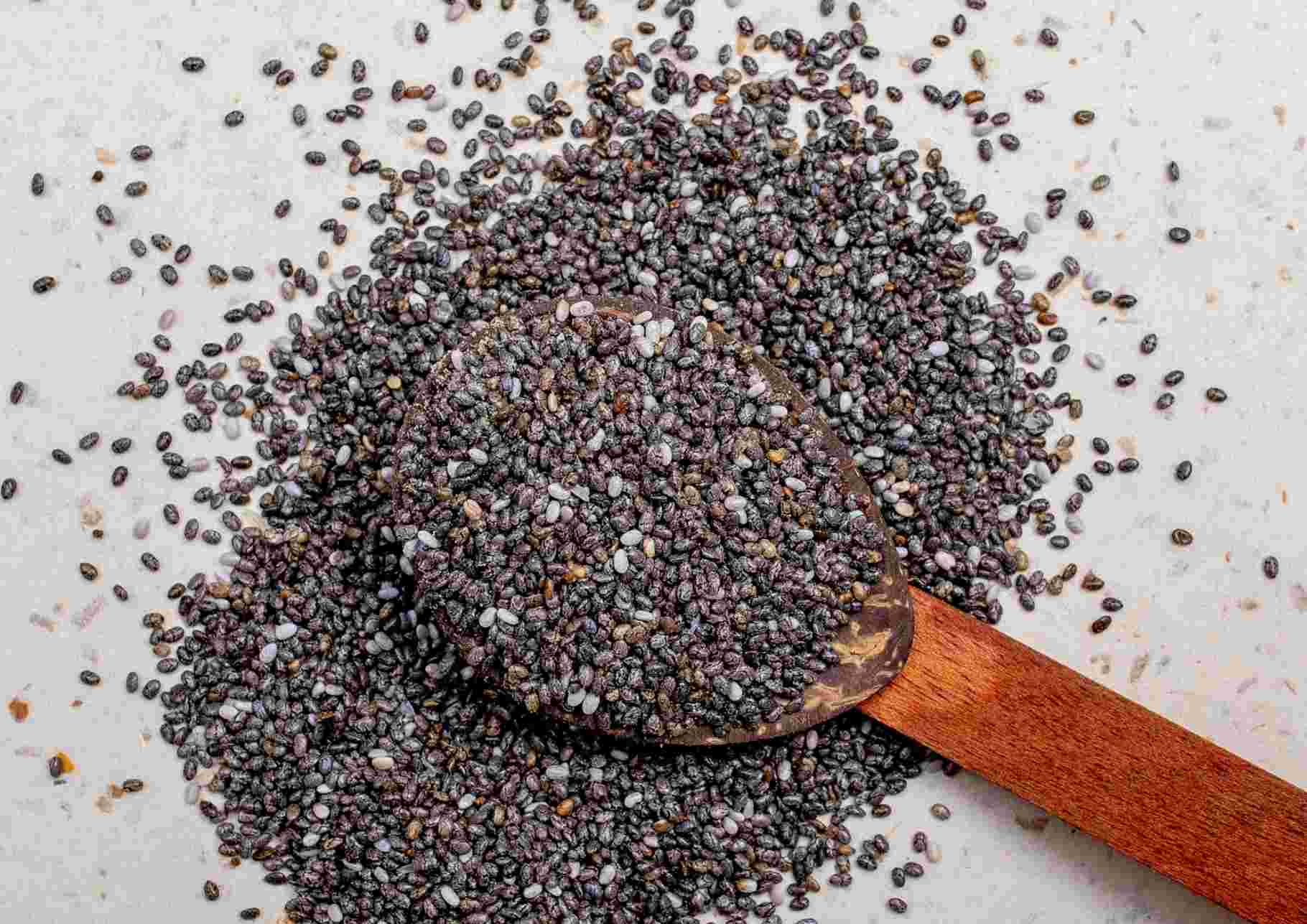
For snacks, I like chia pudding made with milk or a milk alternative and a small amount of fruit. You mix chia seeds with fluid, let them thicken, then add fruit on top. The texture feels different at first, but it delivers dietary fibre, fluid and a little protein in one bowl. Another option is a smoothie that includes chia seeds, fruit and a protein source, which works well on busy days.
What about belly fat claims
You will see social media posts promising that eating chia seeds melts stomach fat. That claim ignores the reality that your body draws fat from many areas, not just your stomach, and it does so in response to your overall energy balance. Chia seeds help you feel full, they help you keep portions realistic, but they do not target belly fat directly.
| At a glance | What the trend says | What actually happens |
|---|---|---|
| Chia seeds | Chia seeds melt belly fat and target your stomach directly. | Chia seeds do not burn belly fat. Their dietary fibre supports fullness, which helps with portion control and steady eating patterns. |
| Dietary fibre | Eating more chia seeds speeds up belly fat loss. | Dietary fibre supports appetite control, but larger portions do not speed up fat loss. A measured serve works more comfortably. |
| Fluid | Chia seeds work the same whether you drink extra fluid or not. | Chia seeds absorb fluid strongly. Matching the extra dietary fibre with water or herbal tea helps them move smoothly through your gut. |
| Overall pattern | Chia seeds alone are enough to flatten your stomach. | Fat loss comes from your overall eating pattern, movement and portion control. Chia seeds are one small tool inside that broader approach. |
Building a realistic weekly pattern
If you want chia seeds to play a useful role, choose a realistic weekly pattern. For example, include them in breakfast four mornings a week and in one snack most days. Combine that pattern with regular movement, enough sleep and a consistent eating structure. When I sit with clients for a 60 minute consultation, whether in Bondi Junction or online, we build this kind of pattern together rather than chasing single foods.
When chia seeds are not the right focus
Chia seeds are not the right starting point for everyone. If your current eating pattern is irregular, if you skip meals, or if your portions swing wildly from day to day, those foundations need attention first. Once your meals feel more predictable, chia seeds become a useful extra tool. In the second half of that journey, it makes sense to ask do chia seeds help with weight loss, because you are ready to use them properly.
Tap what you think is true. Each one reveals what actually happens.
1. Eating chia seeds automatically causes weight loss.
2. Adding chia seeds to a balanced breakfast can help you feel fuller for longer.
3. A larger serve of chia seeds always leads to more weight loss.
4. What makes chia seeds more suitable for weight loss?
Spot the difference. Chia seeds can be a useful food for weight loss because their dietary fibre supports fullness, but the overall meal and your daily pattern matter. Focus on a sensible portion, add protein and fluid, and place chia seeds inside meals that help you feel satisfied without overeating.
Frequently asked questions
How many chia seeds should I have a day?
A practical starting point is one tablespoon a day, roughly twelve grams, mixed into food rather than taken alone. Once your gut feels comfortable, most adults do well with up to two tablespoons spread across meals, as long as fluid intake increases alongside the extra dietary fibre.
Do chia seeds need to be soaked first?
Chia seeds do not have to be soaked, but soaking often feels more comfortable. When you mix them with yoghurt, milk or water and let them thicken, they absorb fluid before reaching your gut. This reduces the chance of discomfort and helps them deliver that gentle, steady fullness effect.
Can chia seeds cause bloating?
Chia seeds increase dietary fibre quickly, so bloating happens when the amount jumps too fast or fluid stays low. Starting with a small daily serve, drinking extra water and giving your gut a week to adjust usually keeps symptoms mild. If discomfort continues, it is sensible to reduce the amount and review your overall dietary fibre intake.
Are chia seeds better than linseed?
Chia seeds and linseed share many qualities, including dietary fibre and plant based omega 3 fats. Chia seeds are easier to use without grinding, which suits busy routines, while linseed often needs grinding for full benefit. Neither is automatically superior, and both work well when they sit inside a balanced eating pattern.
Keep reading
This article is general information, not personal medical or nutritional advice. Individual needs vary. For guidance tailored to you, book a consultation.
Book a 60 minute consultation, in Bondi Junction or by Telehealth from anywhere in the world.