

The quick answer
Whey protein for weight loss can be useful because it helps you increase your protein intake, manage hunger and support muscle maintenance while losing weight. However, protein powder is not a weight loss solution on its own, and you can meet your protein needs through high-protein foods for weight loss if that suits you better.
The short version
- Choose a whey protein powder with a suitable protein content and minimal added sugars. Check the energy content per serving to ensure it fits your weight loss plan.
- Use a whey protein shake for weight loss when you struggle to meet your protein needs through food. It can be useful on busy mornings or after exercise when preparing a meal is difficult.
- Prioritise protein rich foods, vegetables, fruit and wholegrains to support weight loss. These foods provide protein, dietary fibre and other nutrients to help manage hunger and maintain muscle.
Whey protein
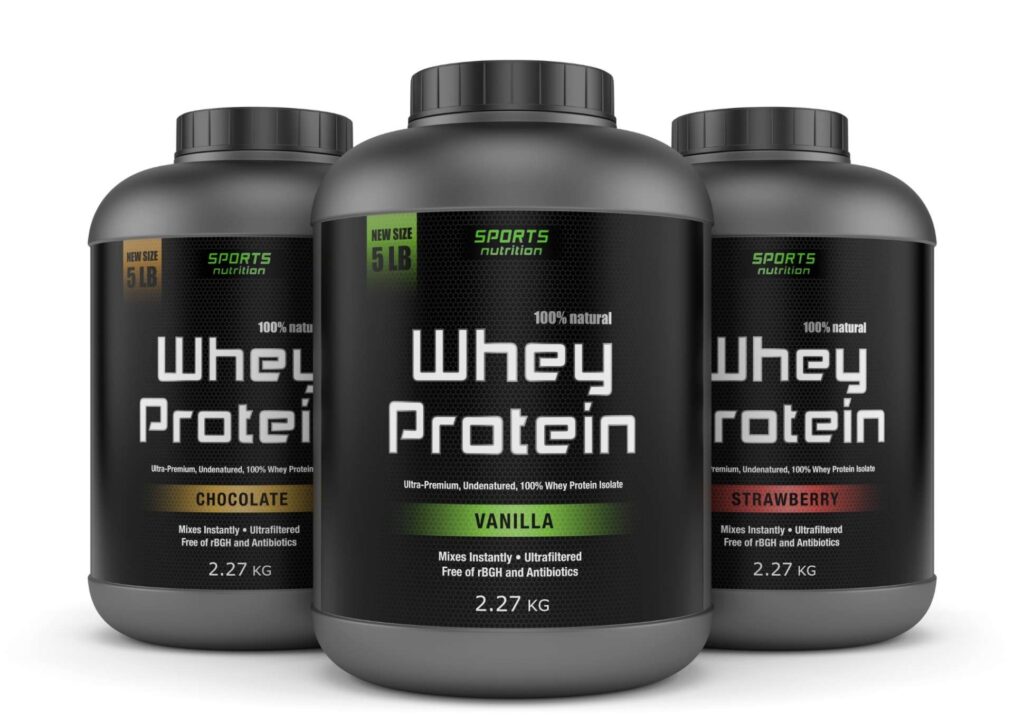
Whey protein is a protein derived from milk during cheese production. It is commonly sold as a powder that can be mixed with water, milk or other ingredients to increase the protein content of a meal or snack.
| Comparison Area | Low Protein / Standard Shake | Whey Protein Supplementation | Clinical Takeaway |
|---|---|---|---|
| Satiety & Appetite | Fails to suppress ghrelin, leading to frequent hunger pangs and cravings. | Triggers GLP-1 and PYY hormones, significantly delaying stomach emptying. | Whey suppresses appetite and reduces overall daily calorie intake. |
| Metabolic Rate (TEF) | Low thermic effect means minimal extra energy expended during digestion. | High Thermic Effect of Food (TEF) boosts daily calorie burn by 20–30%. | Protein digestion increases metabolic energy expenditure. |
| Lean Mass Preservation | Calorie deficits without high protein risk significant muscle wasting. | Rich in Leucine, stimulating muscle protein synthesis during weight loss. | Preserves lean muscle to protect resting metabolic rate. |
| Fat Mass Reduction | Inconsistent calorie control often stalls body fat loss goals. | Promotes higher fat oxidation while maintaining lean tissue balance. | Accelerates targeted fat loss while protecting body composition. |
“Whey protein can be a useful tool for weight loss because it provides high-quality protein that supports satiety, helps preserve lean muscle mass during a calorie deficit, and offers a convenient way to meet daily protein requirements. However, whey protein works best when it complements a balanced diet and active lifestyle, rather than replacing whole-food meals on a regular basis”.
Jake Biggs, Nutrition Longevity
| Topic Area | Common Myth | Evidence Based Fact | Clinical Takeaway |
|---|---|---|---|
| Physique Impact | Whey protein causes bulkiness and unwanted muscle gain in non-athletes. | Significant muscle hypertrophy requires heavy resistance training and deliberate hyper-caloric intake. | Whey shapes lean tone, not excess bulk. |
| Weight Loss Role | Whey protein directly burns body fat without dietary changes. | Whey increases satiety hormones and metabolic thermogenesis, making dietary consistency easier. | Whey supports appetite and metabolic control. |
| Nutritional Timing | Shakes must be consumed within 30 minutes of exercise to work. | Total daily protein distribution and total intake outweigh short post-workout timing windows. | Daily protein total matters most. |
| Wholefood Comparison | Protein powders are superior to real food sources for losing weight. | Wholefood protein remains essential; whey serves as a convenient supplement to hit daily targets. | Use whey to complement whole foods. |
Whey protein dosage for weight loss calculator
Discover evidence-based whey protein supplementation strategies tailored to your protein targets, appetite control, and body composition goals. Complete your profile below to receive personalised guidance.
Your Whey Protein Diagnostic Summary
Your profile indicates that requires careful optimisation for successful fat loss.
Your tailored whey protein recommendations
Need a structured, professional weight loss program?
I will review your personal preferences and formulate an evidence-based clinical strategy designed to help you achieve sustainable results safely.
Book a consultationThis interactive tool provides educational guidance to support safe weight management and is not a substitute for professional clinical nutrition or medical advice.
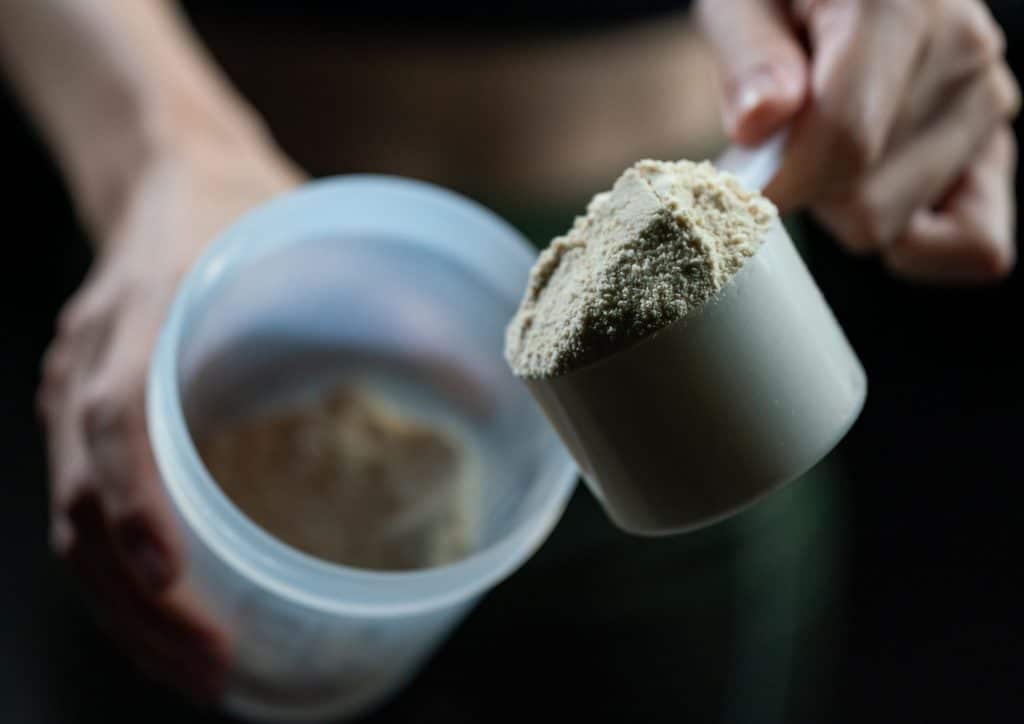
 16Week ProgramMenopause Weight Loss ProgramFor women in perimenopause and menopause
 16Week ProgramMen’s Weight Loss ProgramFor men with stubborn weight
“As a weight loss nutritionist, I built this interactive strategy planner to show you how to pair whey protein with a balanced diet for weight loss, eliminating the guesswork and driving consistent, real-world progress”.
Jake Biggs, Nutrition Longevity
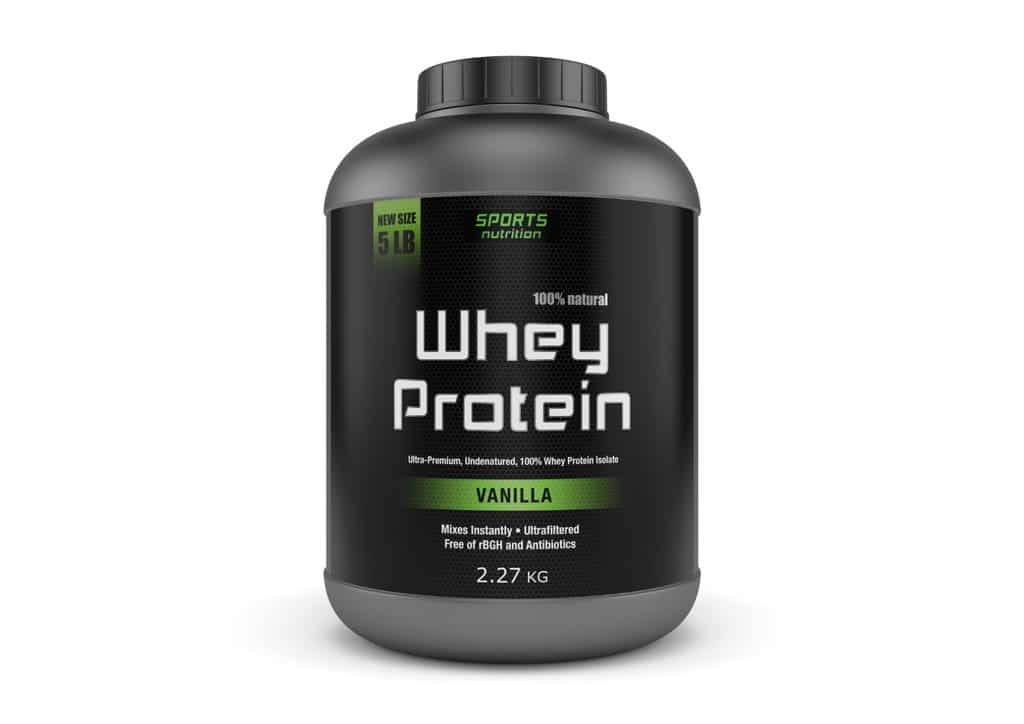
What whey protein is
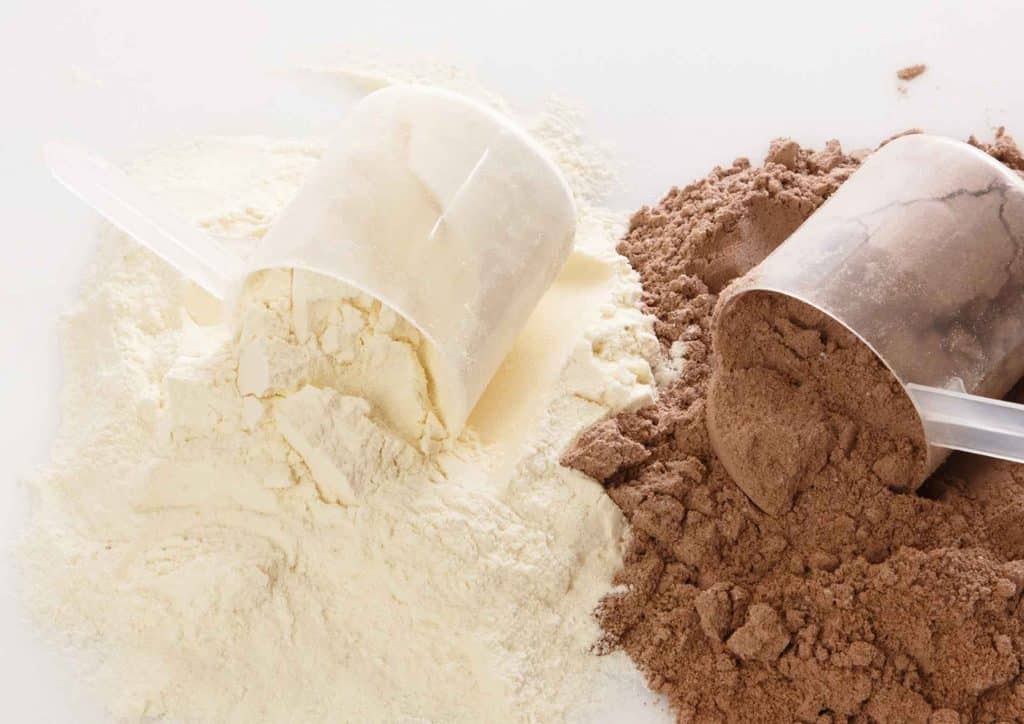
Whey protein is a convenient source of dairy protein that provides the amino acids your body needs to maintain and repair muscle tissue. It is available in several forms, with whey protein concentrate and whey protein isolate being two common options.
Whey protein is also one of the most researched sports nutrition supplements available, with studies consistently demonstrating its effectiveness for supporting muscle protein synthesis, recovery, and lean muscle maintenance.
For people pursuing sustainable weight loss, whey protein can be a practical way to increase daily protein intake, improve satiety, and help preserve muscle mass while reducing body fat.
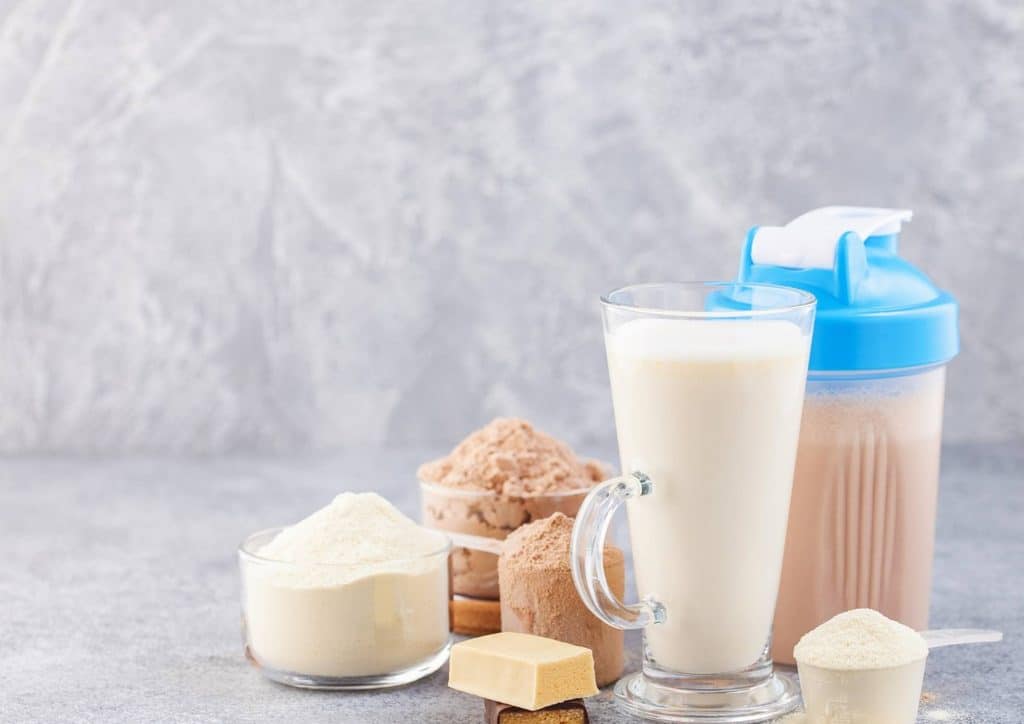
| What to Know About Whey Protein | Clinical Perspective |
|---|---|
| Whey protein is a high-quality protein naturally derived from milk during the cheese-making process | It contains all nine essential amino acids, making it a complete protein source that supports muscle maintenance and repair. |
| Whey protein is available in different forms, including concentrate and isolate | These options vary in protein content, lactose content, and processing methods, allowing individuals to choose based on their goals and preferences. |
| Whey protein is widely used by active individuals, athletes, and those looking to improve their nutrition | It is one of the most extensively researched sports nutrition supplements, with strong evidence supporting its role in muscle protein synthesis and recovery. |
| Many people use whey protein as a convenient way to increase their daily protein intake | When combined with a balanced diet, whey protein can improve satiety, support lean muscle mass, and assist with sustainable body composition goals. |
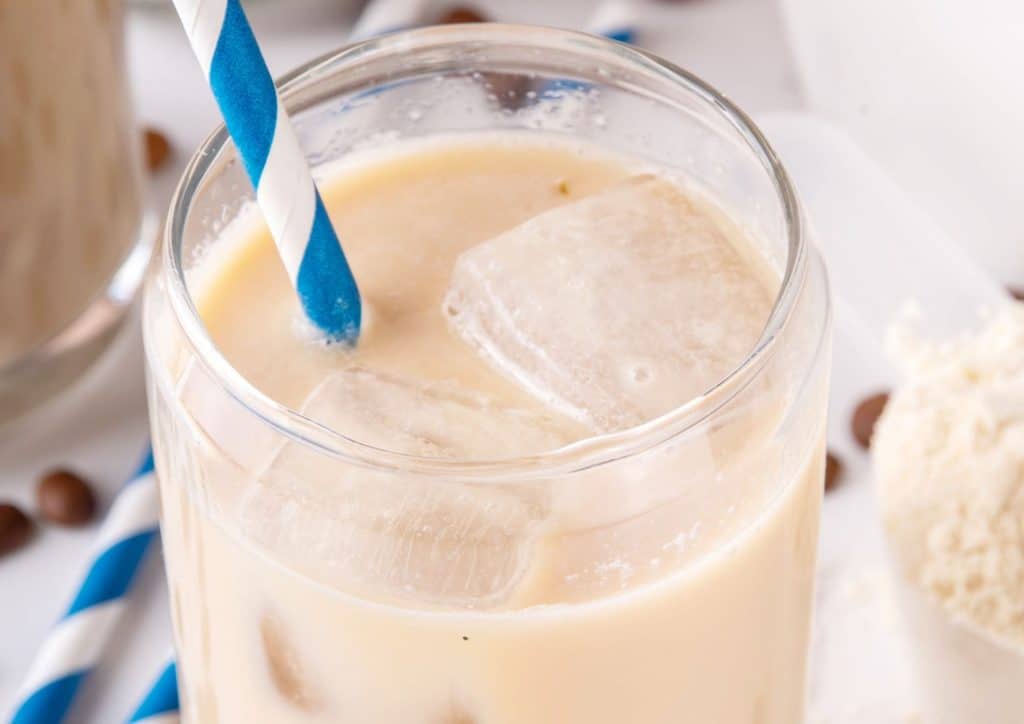
What is the difference between whey concentrate and isolate?
Whey protein concentrate generally contains some lactose, fat and carbohydrate alongside protein. Whey protein isolate is processed to contain a higher proportion of protein and typically less lactose and fat, although the exact amounts depend on the product.
Both can contribute to your daily protein intake. The choice depends on your dietary requirements, digestive tolerance, budget and the ingredients listed on the packaging.
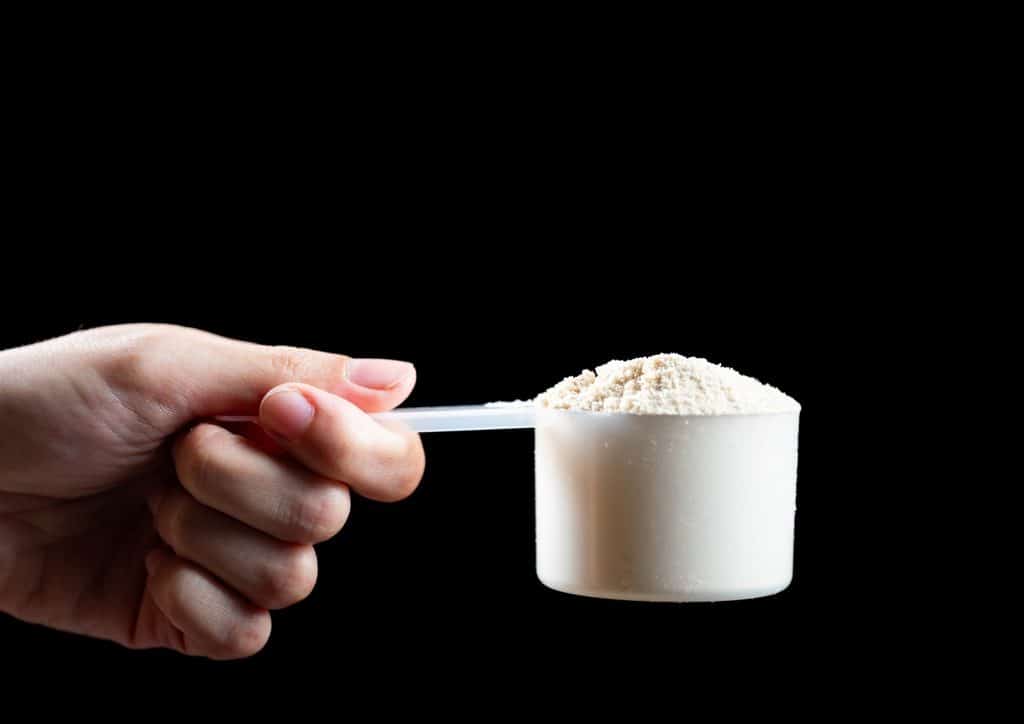
| Whey Protein Concentrate | Whey Protein Isolate |
|---|---|
| Contains a combination of protein, lactose and naturally occurring milk fats | Undergoes additional filtration to remove more lactose and fat while increasing protein concentration |
| Typically contains a lower percentage of protein per serving compared with isolate | Usually provides a higher percentage of protein per serving |
| Often preferred by people looking for a less processed protein option | Commonly chosen by individuals who prefer a leaner protein source |
| Can be a cost-effective way to increase daily protein intake | Generally comes at a higher price point due to additional processing |
| Suitable for many people who tolerate dairy products well | May be a better option for those sensitive to larger amounts of lactose |
| Supports muscle maintenance, recovery and daily protein requirements | Supports muscle maintenance, recovery and daily protein requirements |
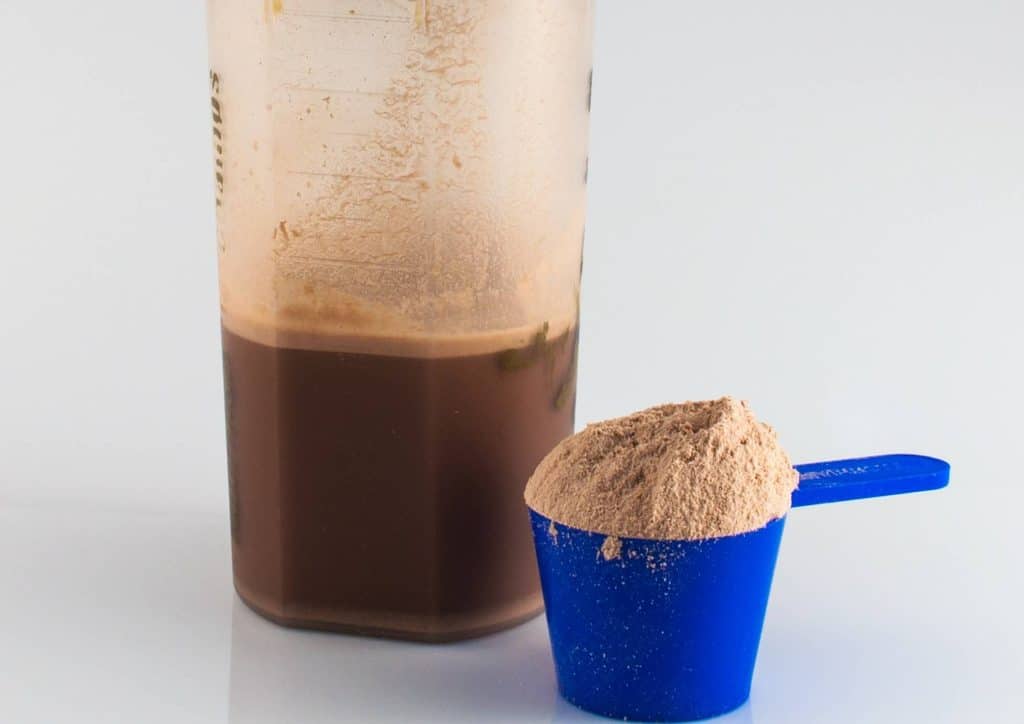
Why does your body need protein?
Protein is important for everyone, but it becomes particularly relevant when you are trying to lose weight while maintaining muscle. Your body needs sufficient protein alongside appropriate overall nutrition and regular physical activity to support muscle maintenance.

| Role of Protein | Why It Matters |
|---|---|
| Provides the building blocks required for growth, repair and maintenance of body tissues | Protein supplies essential amino acids that help support muscles, organs, skin, hormones and other important bodily structures. |
| Supports lean muscle mass | Adequate protein intake helps preserve muscle tissue, particularly during periods of weight loss or reduced calorie intake. |
| Contributes to feelings of fullness after eating | Higher-protein meals can help improve satiety, making it easier to manage hunger throughout the day. |
| Works alongside exercise to support body composition goals | Combining sufficient protein intake with regular physical activity can help maintain muscle while supporting fat loss efforts. |
| Supports overall health and daily functioning | Protein plays a role in countless processes throughout the body, including recovery, immune function and enzyme production. |
Can whey protein help weight loss?
Whey protein for weight loss may be helpful when it allows you to meet your protein requirements, feel comfortably satisfied after eating and maintain muscle during a period of weight loss. However, its usefulness depends on your overall eating pattern, portion sizes, activity levels and total energy intake.
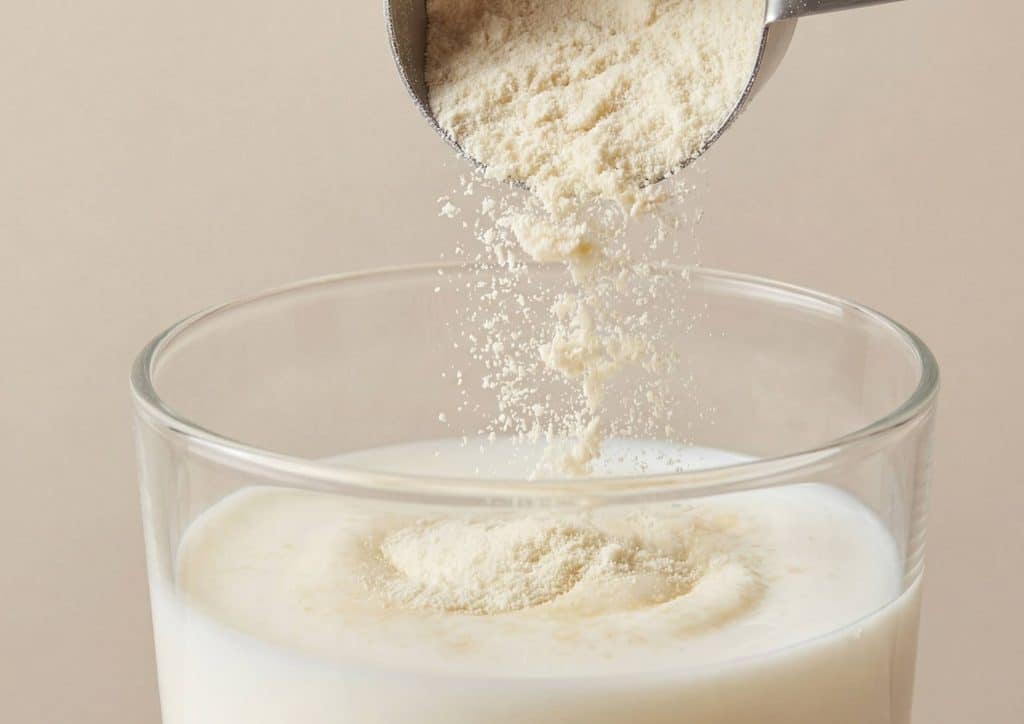
| Potential Benefit | Important Consideration |
|---|---|
| Whey protein can help increase daily protein intake | Meeting protein requirements may support fullness, recovery and muscle maintenance during a weight loss phase. |
| Higher protein intakes can help some people feel more satisfied after meals | Satiety is influenced by overall food choices, meal composition and eating habits, not protein alone. |
| Whey protein provides a convenient source of high-quality protein | Its usefulness depends on whether it addresses a genuine nutritional gap within your existing diet. |
| Adequate protein supports lean muscle preservation | Maintaining muscle mass is an important consideration when reducing body fat and losing weight. |
| Protein shakes can be incorporated into a structured nutrition plan | Long-term weight loss is influenced by overall dietary patterns, activity levels, portion sizes and total energy intake. |
| Whey protein may complement a weight loss strategy | No supplement can replace consistent nutrition habits, balanced meals and a sustainable approach to eating. |
Can protein help you feel fuller for longer?
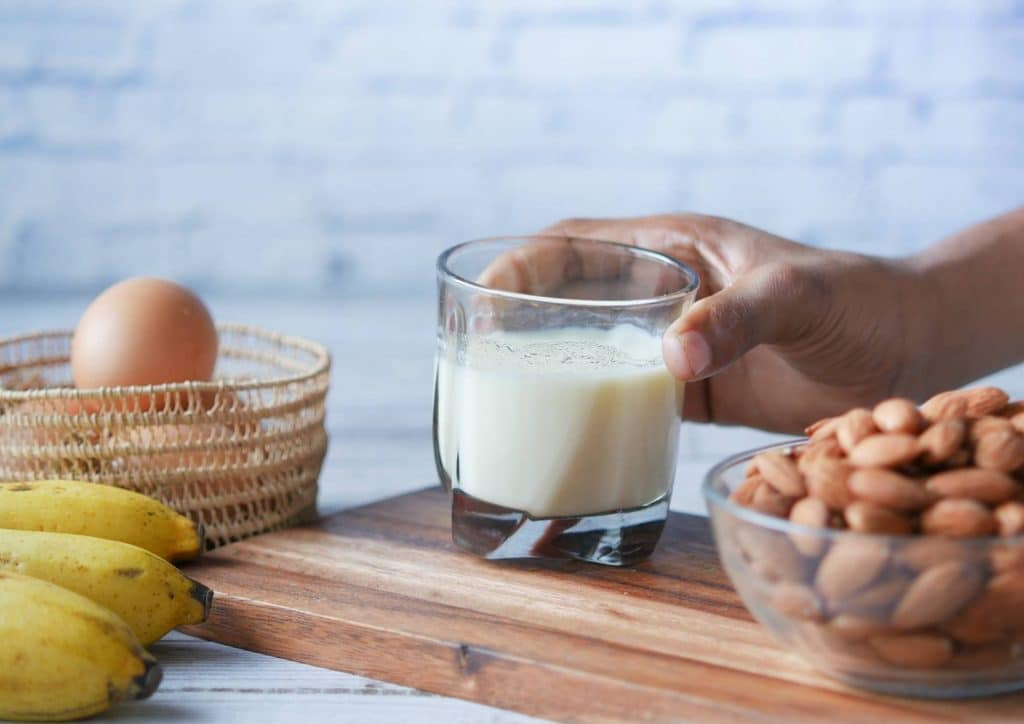
Protein contributes to satiety, which is the feeling of fullness after eating. Including a suitable amount of protein in meals can help you feel satisfied for longer, although individual responses vary.
For example, a breakfast containing eggs, wholegrain toast and fruit provides protein alongside carbohydrates, fibre and other nutrients. If you enjoy cooked breakfasts, protein pancakes can be another practical option.
If you struggle to eat breakfast or regularly find yourself hungry soon afterwards, reviewing the composition and size of your meal may be more useful than automatically adding a supplement.
| Key Consideration | Practical Application |
|---|---|
| Protein is one of the nutrients most closely associated with feelings of fullness after a meal | Including adequate protein throughout the day may help improve satisfaction after eating and reduce the urge to snack between meals. |
| A well-balanced meal contains more than just protein | Combining protein with fibre-rich carbohydrates, healthy fats and whole foods can contribute to longer-lasting satiety. |
| Breakfast composition can influence hunger levels later in the day | Meals such as eggs on wholegrain toast with fruit provide a combination of protein, fibre and energy that may help support appetite control. |
| Persistent hunger after meals is not always due to insufficient protein | Meal size, food quality, fibre intake and overall eating patterns should also be considered when reviewing hunger levels. |
| Protein supplements are not always the first solution | Assessing the balance and adequacy of your meals may be more beneficial than immediately relying on shakes or supplements. |
Does whey protein help you lose body fat?
A protein shake can help if your existing diet does not provide enough protein. However, adding a shake on top of everything you already eat increases your overall energy intake. Whether that supports your goals depends on your individual circumstances.
Protein also helps support the maintenance and repair of muscle tissue. This matters because losing weight should not be solely about seeing a lower number on the scales. Maintaining muscle, strength and physical function is an important part of a sustainable approach.
I encourage people to consider their entire dietary pattern rather than focusing on one nutrient or supplement. If you want to improve your protein intake, start by understanding which foods support weight loss fit comfortably into your usual meals.
| Important Consideration | What It Means in Practice |
|---|---|
| Whey protein can help increase daily protein intake when dietary protein is insufficient | Using whey protein strategically may help support nutrition goals when it replaces lower-protein food choices or fills a genuine gap in intake. |
| Adding a protein shake without adjusting the rest of your diet increases overall energy intake | Weight and body fat changes are influenced by total energy balance rather than any single food or supplement. |
| Protein plays an important role in preserving lean muscle tissue | Maintaining muscle mass during a weight loss phase helps support strength, function and overall body composition. |
| Successful fat loss involves more than simply reducing body weight | A sustainable approach focuses on improving body composition while preserving muscle and supporting long-term health. |
| Overall eating habits remain the foundation of any weight loss strategy | Prioritising protein-rich whole foods and building balanced meals is generally more important than relying on supplements alone. |
When a protein shake makes sense
A protein shake makes sense when it offers a practical way to meet your nutritional needs, particularly when preparing or eating a balanced meal is difficult. It is a convenience option, not an essential part of a weight loss plan.
| Situation | How Whey Protein Can Help |
|---|---|
| Busy schedules make preparing meals difficult | A whey protein shake can provide a convenient source of protein when time, travel or work commitments limit meal preparation. |
| Daily protein intake falls below requirements | Supplementing with whey protein can help bridge nutritional gaps and support adequate protein consumption. |
| A balanced meal is not immediately available | Whey protein can serve as a practical short-term option until a more complete meal can be consumed. |
| Recovery nutrition is needed after training | The amino acids in whey protein support muscle repair and recovery following physical activity. |
| Weight loss goals require higher protein intake | Whey protein may help support satiety and muscle preservation when incorporated into a well-structured eating plan. |
| Convenience is required without sacrificing protein intake | Protein shakes are best viewed as a convenient nutritional tool rather than an essential component of a healthy weight loss strategy. |
Using a protein shake on busy mornings for breakfast
If you have limited time before work, a shake combined with grapes, oats, chia seeds or another suitable food can provide a more substantial breakfast than having nothing at all. The aim is to create a meal that meets your needs, rather than relying on protein powder alone when you need more food.
| Common Situation | Practical Nutrition Approach |
|---|---|
| Limited time for breakfast before work or other commitments | A protein shake can be a convenient way to include protein when preparing a full meal is not realistic. |
| Skipping breakfast altogether due to a busy schedule | Combining a shake with foods such as fruit or oats may provide a more balanced option than having nothing at all. |
| Feeling hungry shortly after breakfast | Adding fibre-rich carbohydrates and other nutritious foods alongside protein may improve satisfaction and fullness. |
| Relying solely on protein powder as a meal replacement | A more complete breakfast generally includes a combination of protein, carbohydrates, fibre and other essential nutrients. |
| Looking for a sustainable morning routine | The goal is to create a breakfast that meets your nutritional needs and keeps you energised throughout the morning. |
Having protein after exercise
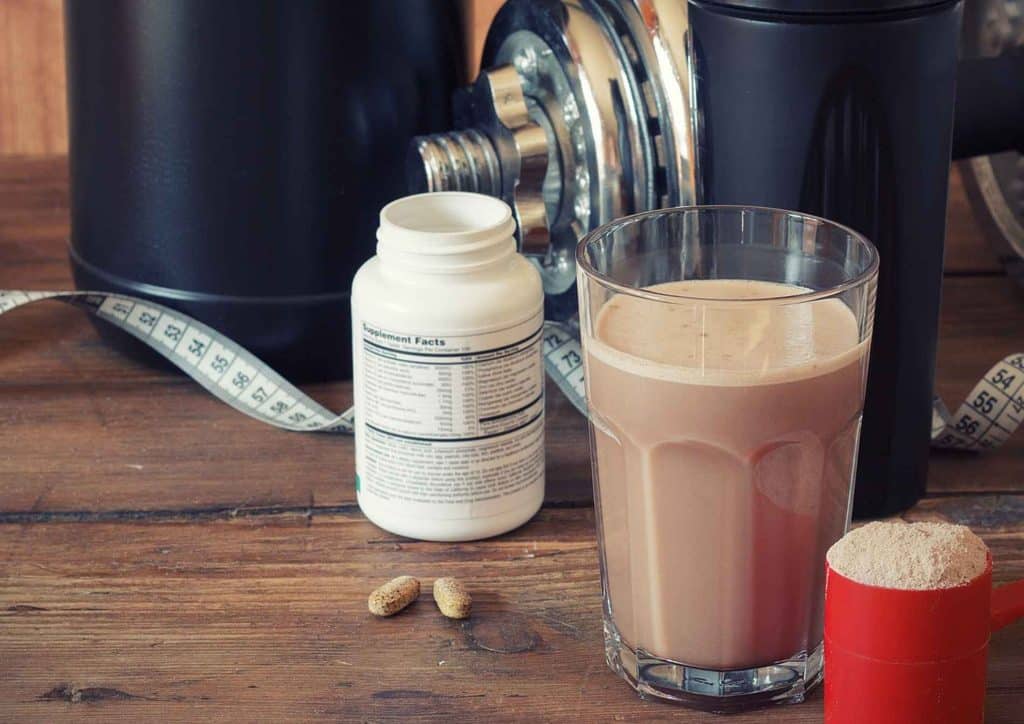
If you have completed a strength training session or other physical activities such as reformer pilates and cannot eat a meal soon afterwards, a protein shake can provide a convenient source of protein. You do not need to drink one immediately after every workout, provided your overall diet supplies sufficient protein throughout the day.

| Common Scenario | Evidence-Based Perspective |
|---|---|
| You finish a gym session and cannot eat a meal for several hours | A whey protein shake can provide a convenient source of high-quality protein to support recovery until your next meal. |
| You regularly perform strength or resistance training | Adequate protein intake throughout the day helps provide the amino acids required for muscle repair and maintenance. |
| You believe a protein shake must be consumed immediately after exercise | Total daily protein intake is generally more important than consuming protein within a specific post-workout timeframe. |
| You already consume enough protein from meals and snacks | Additional whey protein may offer limited benefit if your daily protein requirements are already being met. |
| You are looking for a simple recovery option after training | Whey protein can be a practical nutritional tool, particularly when convenience and portability are important. |
Using a shake when meal preparation is difficult
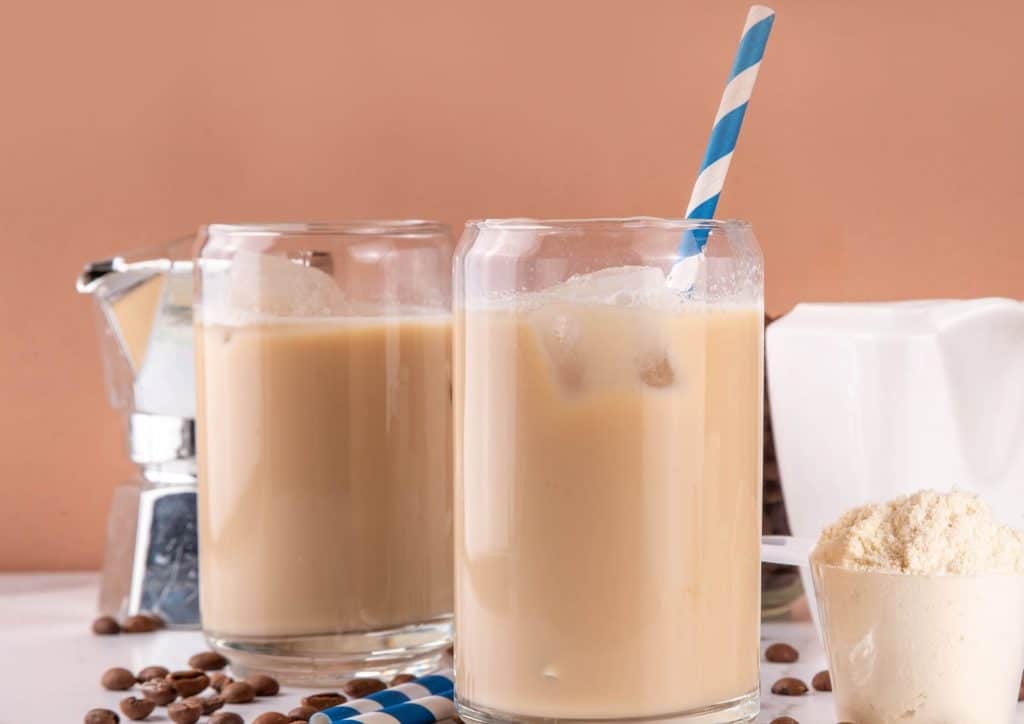
Some people find it difficult to prepare protein rich meals consistently. A shake can help fill that practical gap while they work towards a more reliable eating routine.
If you prefer a drink that provides a wider range of nutrients, you could make a high protein banana smoothie using milk or a suitable alternative, banana, oats and yoghurt or another protein source. The ingredients can be adjusted to suit your preferences and nutritional requirements.
| Challenge | Helpful Approach |
|---|---|
| Preparing protein-rich meals regularly feels difficult due to time, skills or lifestyle demands | A whey protein shake can provide a simple and convenient way to increase protein intake while working towards more consistent meal preparation habits. |
| Meals are often skipped because suitable food options are unavailable | Having a protein shake available can be a practical fallback option when a balanced meal is not immediately accessible. |
| You want a drink that offers more than just protein | Combining protein with ingredients such as milk, yoghurt, oats and fruit can create a more balanced and satisfying option. |
| Convenience is important but nutritional quality also matters | A homemade smoothie can provide protein, fibre, carbohydrates and a broader range of nutrients than protein powder alone. |
| You are trying to establish sustainable eating habits | Protein shakes are most useful as a practical support tool rather than a replacement for developing a consistent routine of balanced meals. |
When a protein shake is unnecessary
A shake is not automatically more filling than food, and it is not necessarily a complete meal. Depending on the product and how you prepare it, it may provide little fibre and limited variety.
If you already meet your protein requirements through your usual meals, snacks and a generally balanced diet for weight loss, you may not benefit from adding a supplement. Spending money on protein powder is not necessary simply because you are trying to lose weight.
| Common Belief | What to Consider |
|---|---|
| A protein shake is always more filling than a regular meal or snack | Satiety depends on the overall composition of a meal, including fibre, fluid, food volume and energy content, not just protein alone. |
| Protein shakes provide everything needed for a complete meal | Many products contain limited fibre and fewer nutrients compared with balanced meals built around whole foods. |
| Anyone trying to lose weight should buy protein powder | If your usual meals already supply enough protein, additional supplementation may offer little additional benefit. |
| Adding a shake automatically improves weight loss results | Success depends on overall dietary patterns, activity levels and energy intake rather than any single supplement. |
| Protein powders are essential for achieving health and body composition goals | Many people can meet their protein requirements comfortably through foods such as dairy products, eggs, seafood, meat, poultry, legumes and soy-based foods. |
How to read a protein powder label
Reading a protein powder label helps you understand what you are buying, how much protein you will receive per serving and whether the product suits your dietary needs. You do not need an expensive product or an elaborate ingredient list to make an informed choice.
| Label Feature | Why It Matters |
|---|---|
| Protein content per serve | Check how many grams of protein are provided in a typical serving rather than focusing solely on marketing claims on the front of the package. |
| Serving size information | Comparing products is easier when you understand how much powder is required to achieve the listed protein content. |
| Ingredients list | Reviewing the ingredients helps identify the main protein source as well as flavourings, sweeteners and other added ingredients. |
| Carbohydrate and fat content | The nutritional profile can vary considerably between products, particularly when comparing whey concentrate and whey isolate options. |
| Dietary suitability | The label can help determine whether a product aligns with your nutritional preferences, digestive tolerance and individual requirements. |
| Product marketing claims | An expensive product or a lengthy ingredient list does not automatically indicate higher quality or better results. |
Check the protein content per serving
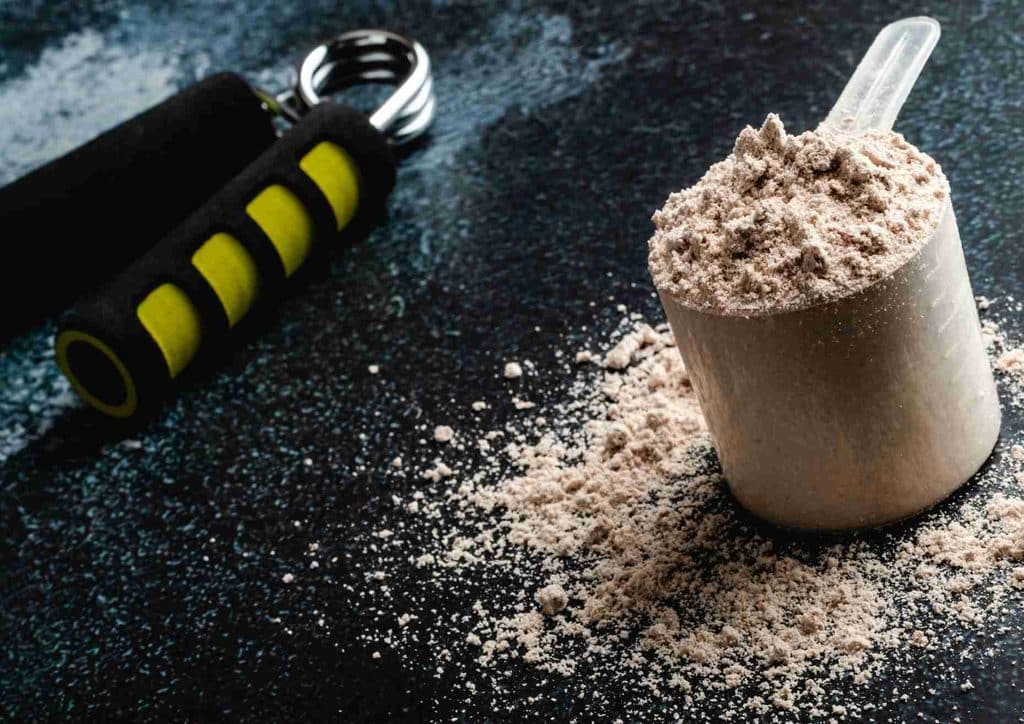
Start with the nutrition information panel rather than the marketing claims on the front of the container. Compare products using the serving size and protein content, while also considering the energy content, added sugars, ingredients and your tolerance.
| On the label | Look for | Be wary of |
|---|---|---|
| Protein per serving | A clearly stated amount that helps you meet your individual protein needs | Assuming a larger serving is automatically more useful |
| Serving size | The actual recommended serving weight in grams | Comparing products using different serving sizes without adjusting for the difference |
| Energy content | Kilojoules or calories that fit your overall dietary needs | Assuming a product has no energy simply because it is marketed as protein |
| Sugars and carbohydrates | Amounts that suit your preferences and dietary requirements | Treating every carbohydrate or naturally occurring sugar as something harmful |
| Ingredients | A straightforward list that you understand and tolerate | Unnecessary ingredients that you do not want or need |
| Allergens | Clear information about milk and other relevant allergens, including lactose information where provided | Assuming every whey product is suitable for dairy intolerance or allergy |
Are expensive protein powders worth buying?
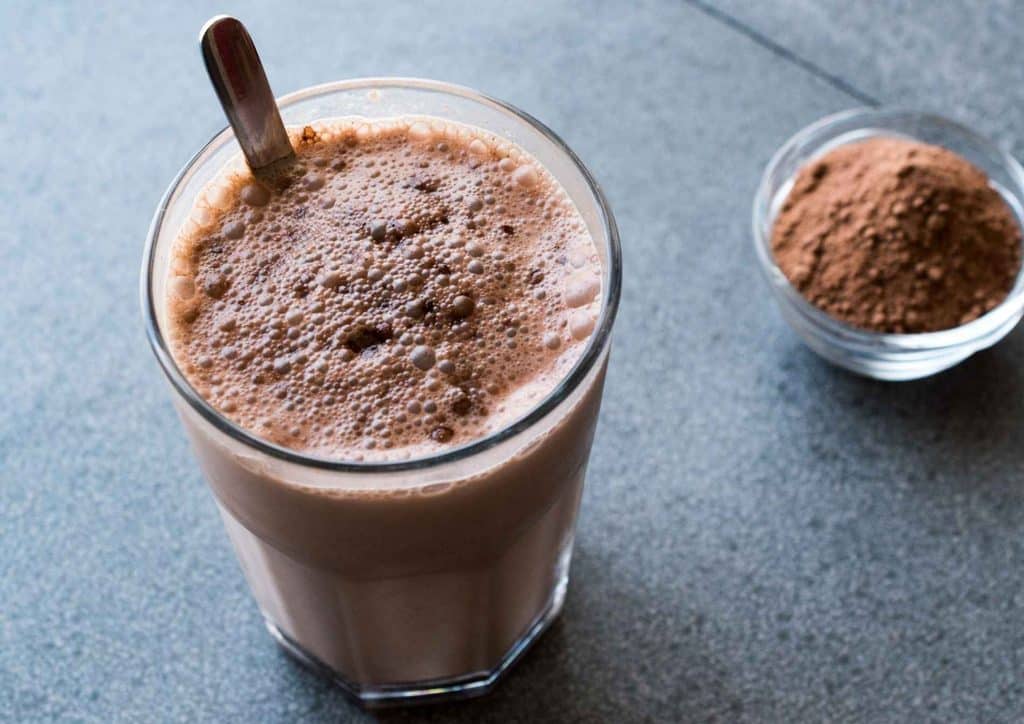
There is no single protein content or energy value that makes a powder appropriate for everyone. Your requirements depend on factors such as body size, activity levels, existing dietary intake and health circumstances.
Be cautious of products marketed with claims about rapid fat loss, detoxification or dramatic body transformations. Protein powder is a food supplement, not a shortcut that overrides the fundamentals of nutrition.
| What Many People Assume | What Actually Matters |
|---|---|
| More expensive protein powders are always higher quality | Price alone does not determine quality, suitability or effectiveness for your individual nutrition goals. |
| There is one ideal protein content that everyone should aim for | Protein requirements vary based on factors such as body size, age, activity levels, dietary intake and health circumstances. |
| Premium products produce faster weight loss results | No protein powder can replace the importance of overall dietary habits, physical activity and energy balance. |
| Products with long ingredient lists offer superior benefits | A simpler product that meets your nutritional needs may be just as effective as a more heavily marketed alternative. |
| Claims about fat burning, detoxification or dramatic transformations should be expected from supplements | Be cautious of exaggerated marketing claims, as protein powders are supplements designed to complement, not replace, good nutrition practices. |
What about protein powders with additional ingredients?
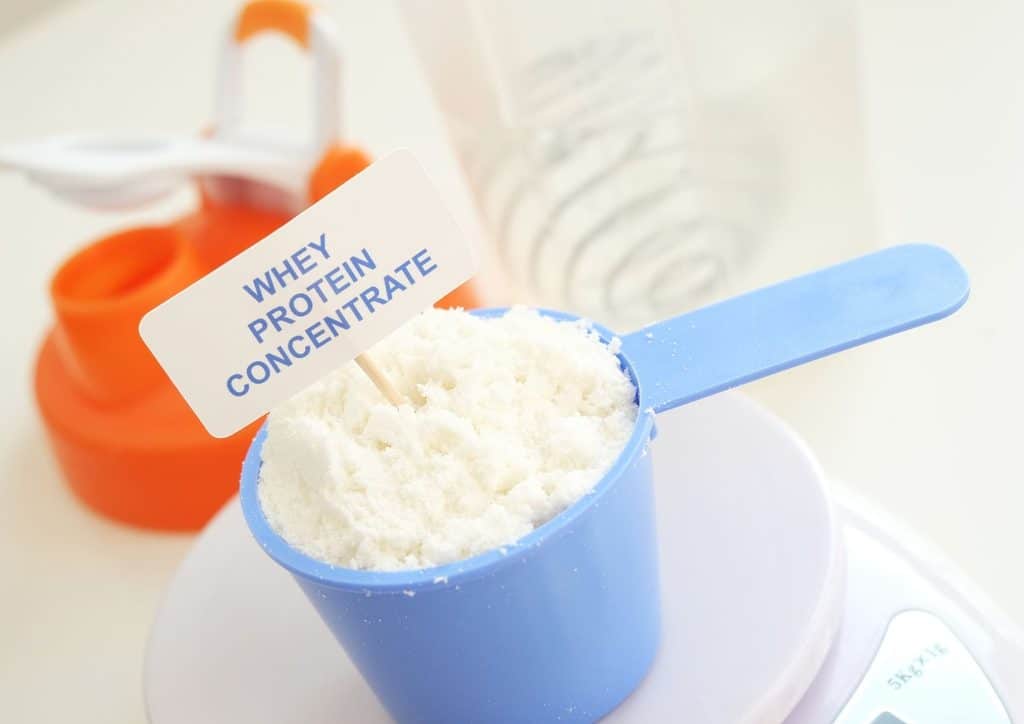
You may also see powders containing additional ingredients such as creatine. These are separate considerations, and you should understand their purpose rather than assuming a product containing more ingredients will improve your results.
If you are considering creatine for weight loss, remember that creatine is not a weight loss supplement, and changes in body weight can occur for reasons unrelated to body fat.
| Additional Ingredient | Important Considerations |
|---|---|
| Some protein powders contain ingredients beyond protein alone | Understanding the purpose of each ingredient can help you determine whether it aligns with your goals and requirements. |
| Products may include compounds such as creatine, vitamins, minerals or performance-focused blends | Additional ingredients are not automatically beneficial and should be evaluated on their individual merits. |
| More ingredients can make a product appear more advanced or effective | A longer ingredient list does not necessarily lead to superior results, better health outcomes or greater value. |
| Creatine is commonly added to some protein powders | Creatine is primarily used to support exercise performance and muscle-related goals rather than directly promoting fat loss. |
| Changes in body weight may occur after starting products containing creatine | Weight fluctuations can occur for reasons unrelated to body fat, so scale weight alone does not always reflect changes in body composition. |
Good to know
Protein can contribute to feeling full after a meal, but fullness also depends on the meal’s total size, fibre content, food texture and your individual appetite.
Make it part of a meal
If you use a shake at breakfast, consider pairing it with fruit, oats or another suitable source of fibre and nutrients rather than routinely replacing a balanced meal with protein powder alone.
Why food still comes first
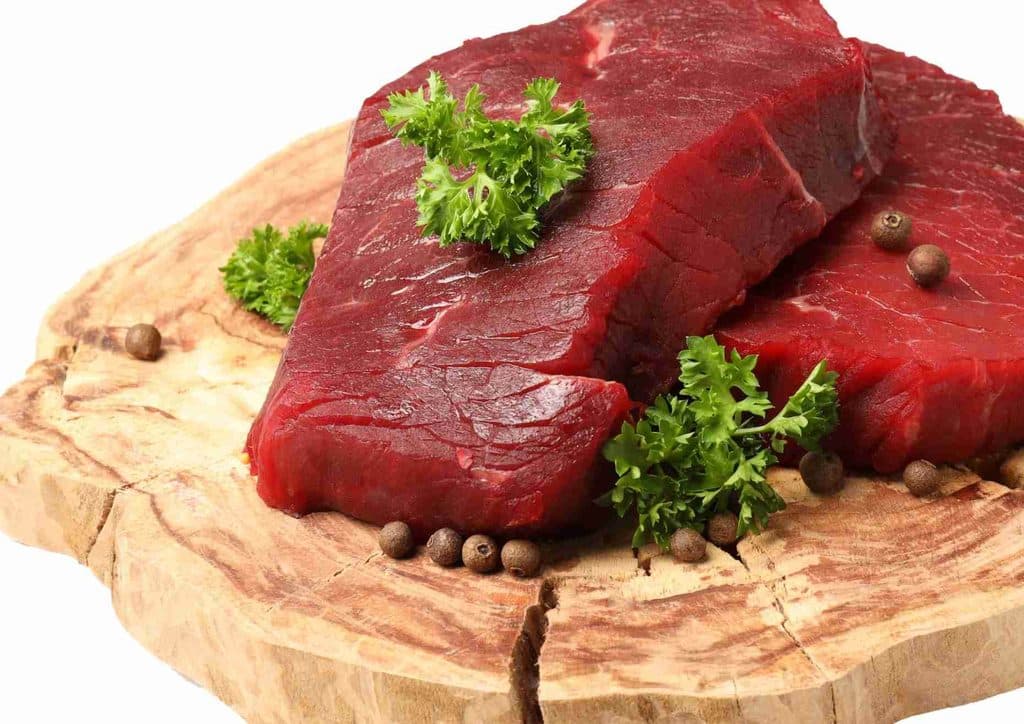
Whole foods should generally form the foundation of your diet because they provide a broader range of nutrients, textures and eating experiences than protein powder alone. Whey protein can complement a balanced diet, but it does not replace the variety of foods your body needs.
| Whole Food Benefits | Why This Matters |
|---|---|
| Foods such as dairy, eggs, meat, seafood, legumes, vegetables, fruits and wholegrains provide more than just protein | These foods contribute a wide variety of vitamins, minerals, fibre and other nutrients that support overall health. |
| Whole foods offer different textures, flavours and eating experiences | Enjoyable and satisfying meals can make healthy eating habits easier to maintain over the long term. |
| Balanced meals naturally combine multiple nutrients in a single eating occasion | This supports nutritional adequacy while helping control hunger and maintain energy levels throughout the day. |
| Protein powder provides a concentrated source of protein | While convenient, it does not replicate the nutritional diversity found in a varied diet based on whole foods. |
| Supplements can complement a nutritious eating pattern | Whey protein is best viewed as a practical addition to a balanced diet rather than a replacement for nutritious meals and snacks. |
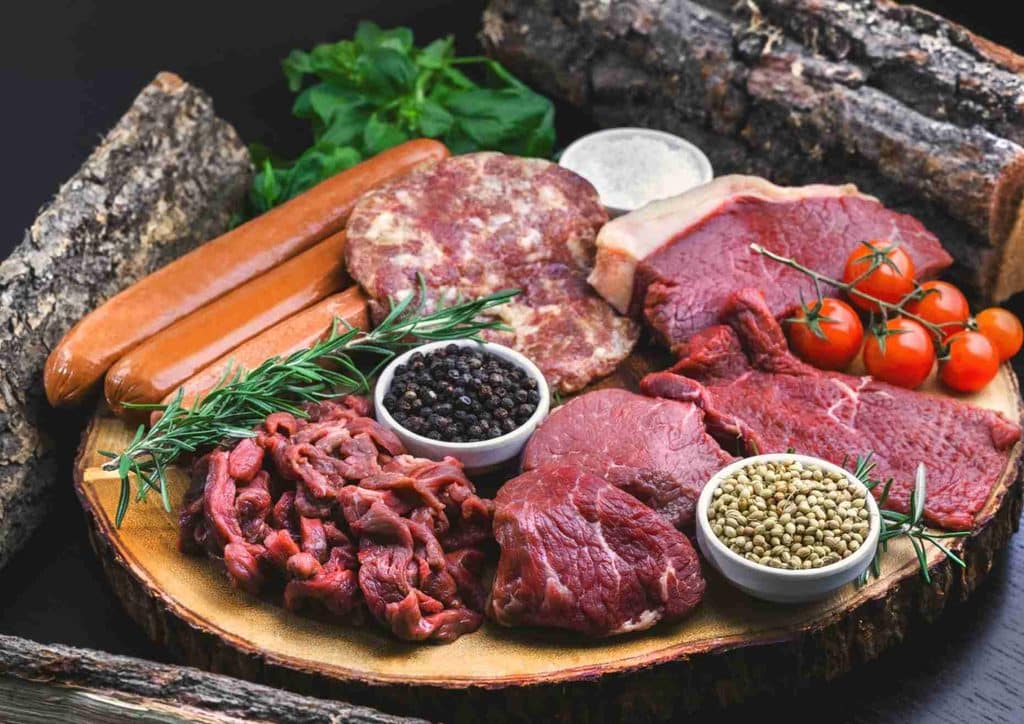
Which foods provide protein naturally?
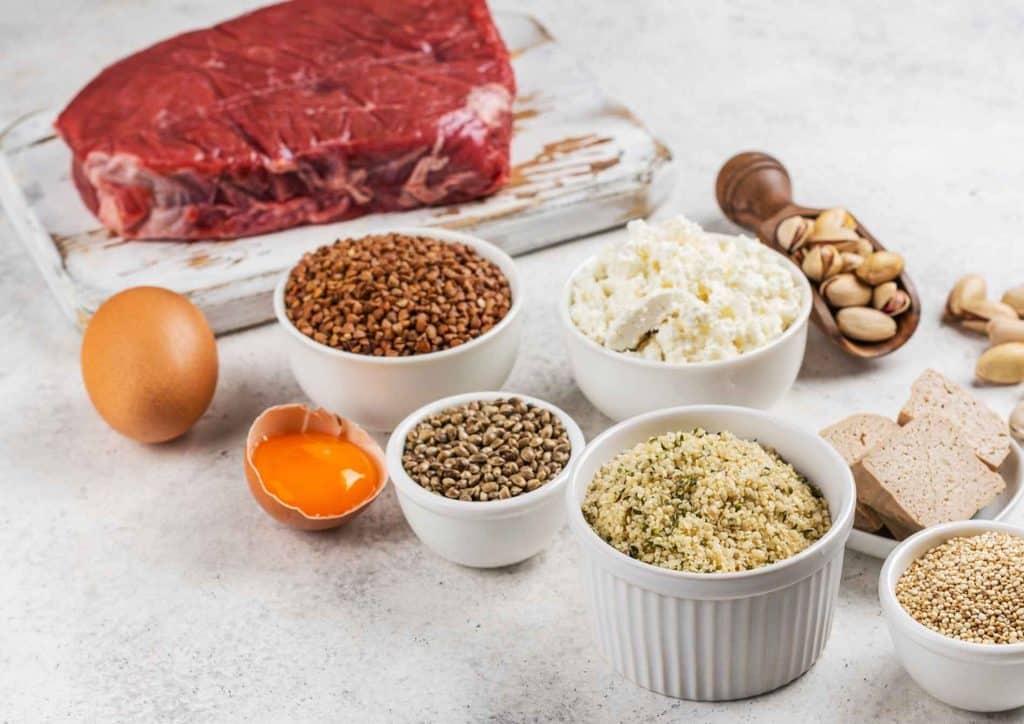
Foods such as eggs, fish, chicken, lean meat, Greek yoghurt, milk, tofu, legumes, nuts and seeds can all contribute protein. They also provide different combinations of vitamins, minerals, fats and other nutrients.
For example, a meal containing grilled chicken, vegetables, brown rice and olive oil provides protein, dietary fibre, carbohydrates and fats. A shake may provide protein efficiently, but it does not automatically offer the same nutritional variety.
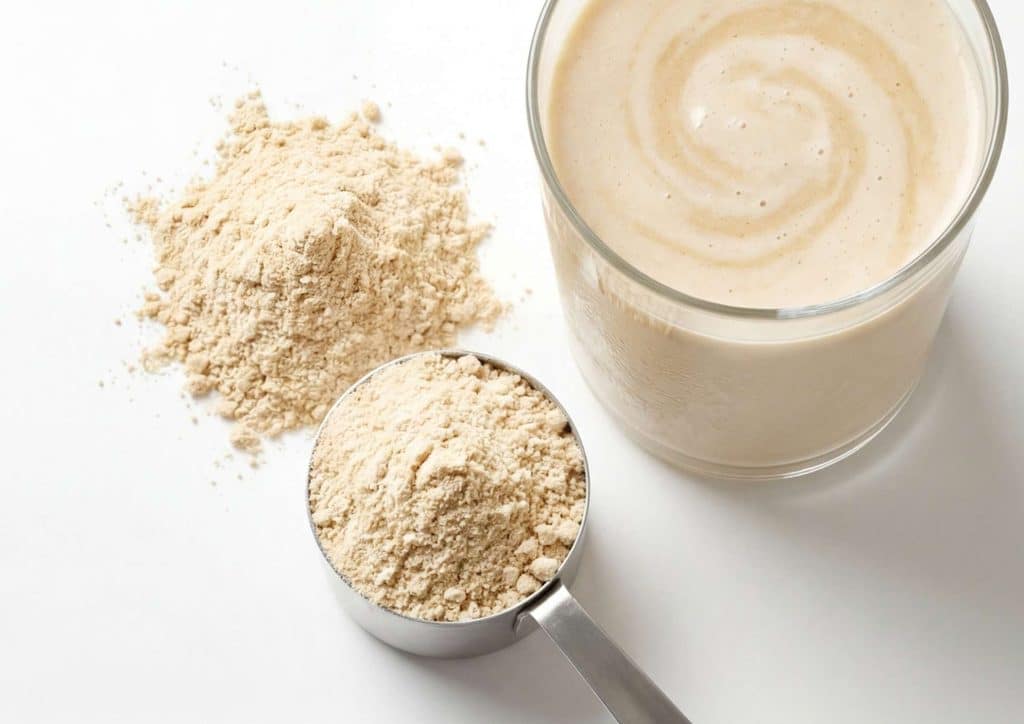
| Protein-Rich Foods | Nutritional Advantages |
|---|---|
| Foods including eggs, fish, poultry, lean meats, dairy products, tofu, legumes, nuts and seeds naturally provide protein | These foods contribute a range of nutrients beyond protein, including vitamins, minerals, healthy fats and dietary fibre. |
| Different protein foods offer unique nutritional benefits | Including a variety of protein sources can help support a more balanced and nutrient-rich eating pattern. |
| Whole food meals combine multiple food groups | A meal containing chicken, vegetables, brown rice and olive oil provides protein, carbohydrates, fibre and healthy fats in one eating occasion. |
| Protein powders deliver protein in a concentrated and convenient form | While efficient, they may not offer the same diversity of nutrients found in minimally processed foods. |
| Building meals around naturally protein-rich foods remains a valuable strategy | Whole foods can help meet protein requirements while supporting overall dietary quality, satisfaction and long-term health goals. |
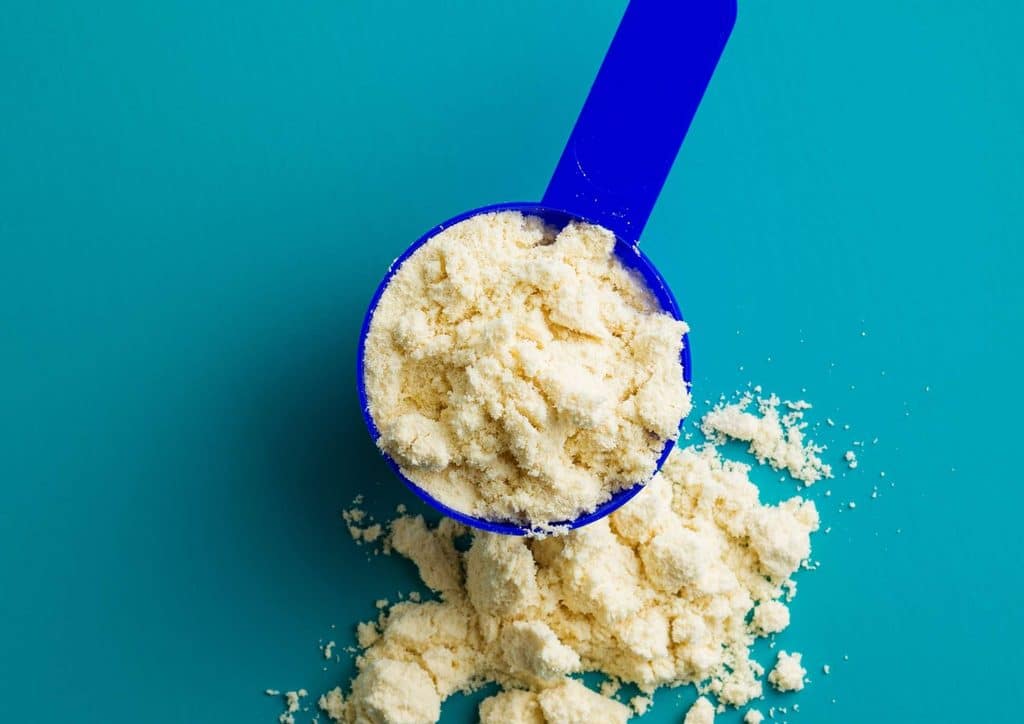
Can you get enough protein without supplements?
Food also gives you flexibility. You might prefer eggs and wholegrain toast at breakfast. A chicken and chickpea salad at lunch similar to these healthy lunch ideas. A dinner containing fish, sweet potato or rice and vegetables, similar to these healthy dinner ideas. You can meet your protein needs in many different ways without relying on the same supplement every day.
You can also incorporate protein into familiar meals. Protein pancakes made with eggs, oats and yoghurt are one option if you enjoy a cooked breakfast. The ingredients can contribute protein while providing other nutrients, depending on the recipe and portions.
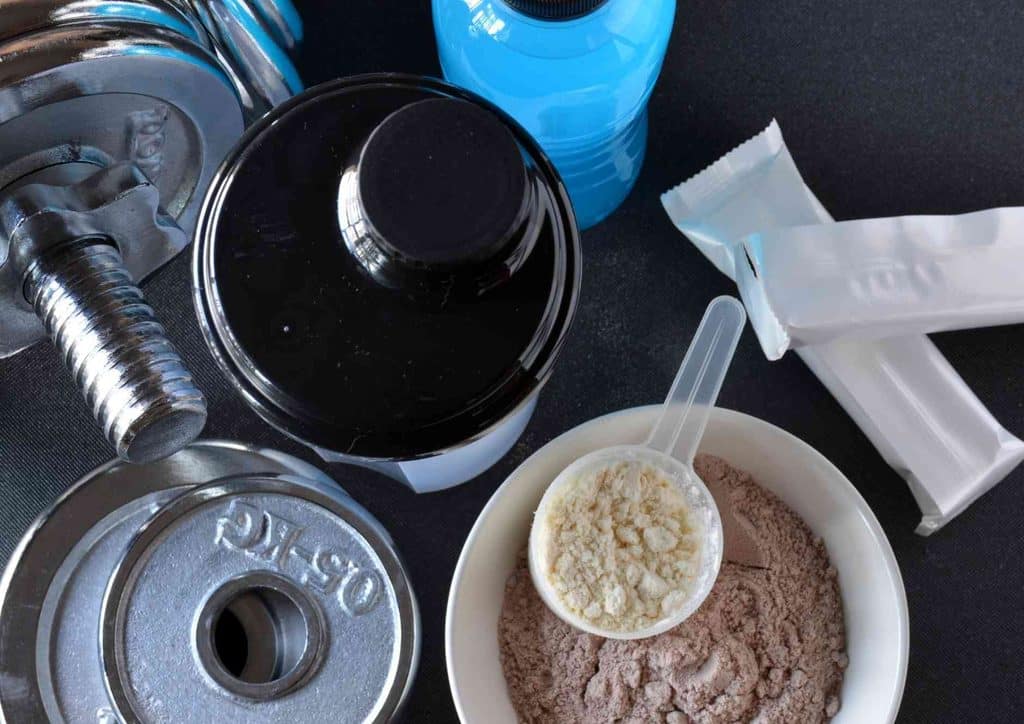
| Myth | Fact |
|---|---|
| It is impossible to consume enough protein without protein powder. | Many people can comfortably meet their protein requirements through foods such as eggs, dairy products, seafood, poultry, lean meats, legumes and tofu. |
| You need a protein shake every day to support muscle maintenance. | Protein intake can be achieved through a wide variety of meals and snacks without relying on supplements. |
| Protein powder is superior to whole food protein sources. | Whole foods provide protein alongside fibre, vitamins, minerals and other nutrients that support overall health. |
| The same protein shake is the best way to hit your protein target every day. | Food offers flexibility, allowing you to obtain protein from meals such as eggs on toast, chicken salads, fish, legumes and dairy products. |
| High-protein meals must be complicated or heavily supplemented. | Simple options such as protein pancakes made with eggs, oats and yoghurt can contribute meaningful amounts of protein while providing additional nutrients. |
| Weight loss automatically requires protein supplements. | For many people, strategically including protein-rich foods throughout the day is sufficient to support appetite, muscle maintenance and weight management goals. |
Why balanced meals matter for sustainable weight loss
You do not need to make every meal high in protein or eliminate carbohydrates to lose weight. Your overall dietary pattern matters more than any individual food.
When I help people develop sustainable weight loss habits and build healthy meal plans for weight loss, I look at meal structure, hunger, energy levels, food preferences and consistency. I also consider whether the person is eating enough to support daily activities and exercise. A nutrition plan should fit into real life rather than requiring a collection of supplements to make it work.
| Common Weight Loss Belief | A More Sustainable Approach |
|---|---|
| Every meal needs to be extremely high in protein to support weight loss | Successful weight management is influenced by your overall dietary pattern rather than the protein content of a single meal. |
| Carbohydrates need to be avoided to achieve long-term results | Appropriately portioned carbohydrate-rich foods can form part of a balanced eating plan that supports energy, exercise and overall wellbeing. |
| Supplements are the key to making a nutrition plan work | Practical meal planning, food quality and consistency are usually far more important than relying on specialised products. |
| Weight loss should focus only on eating less | Hunger levels, energy, food enjoyment and nutritional adequacy all influence whether a plan remains achievable over time. |
| The best nutrition strategy is the one that works the fastest | The most effective plan is typically one that fits into everyday life while supporting work, family commitments, physical activity and long-term consistency. |
| There is a single ideal diet for everyone | Individual preferences, lifestyle demands, eating habits and health goals all play a role in creating a sustainable nutrition approach. |
Red flag: Kidney problems or complex medical needs
If you have kidney disease, have been advised to restrict protein or have another medical condition that affects your nutritional requirements, speak with your GP or treating nutritionist before increasing your protein intake or starting a supplement. If you are unsure whether professional support would be useful, learn more about what a weight loss nutritionist does. If you have a milk allergy, do not assume whey protein is safe, as whey is derived from milk.
What to do this week
- Review your usual meals and identify where you could include a suitable protein source.
- Compare two protein powder labels by checking protein per serving, energy content and ingredients.
- Choose one balanced meal you can prepare consistently without relying on a supplement.
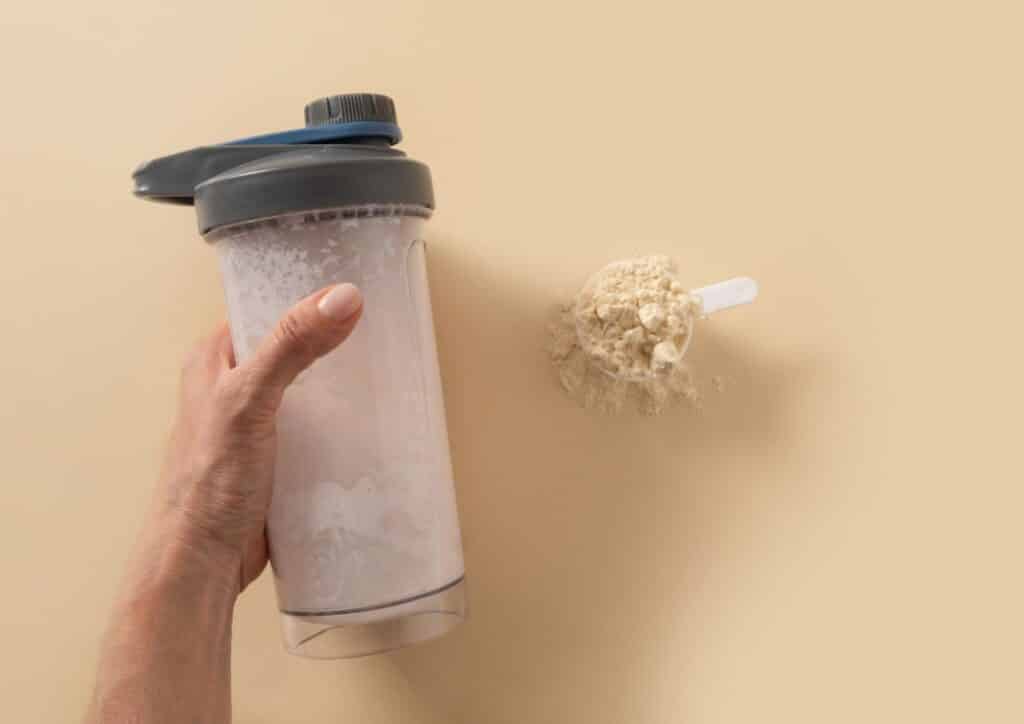
When a weight loss nutritionist can help with personalised protein requirements for weight loss
A weight loss nutritionist can help you determine personalised protein requirements for weight loss based on factors such as your body size, activity levels, exercise routine, dietary preferences and overall health goals. Whether your aim is body fat reduction, postpartum weight loss or maintaining muscle while dieting, understanding how much protein you actually need can help take the guesswork out of your nutrition plan.
Rather than following generic recommendations or relying on protein supplements alone, working with a nutritionist for weight loss can provide a more personalised approach. This may include identifying suitable protein targets, choosing appropriate protein-rich foods, distributing protein across meals and snacks, and creating a balanced eating pattern that supports satiety, muscle maintenance and sustainable weight loss.
A personalised approach can help ensure your protein intake works alongside adequate carbohydrates, healthy fats and overall nutrition. creating a realistic plan that fits into everyday life and supports long-term results.
If you are comparing practitioners, it may also help to understand how much a weight loss nutritionist costs in Sydney and how to choose the right weight loss nutritionist.

| Nutrition Challenge | Personalised Nutrition Support |
|---|---|
| Uncertainty about how much protein you actually need | A weight loss nutritionist can calculate protein requirements based on factors such as body composition, activity levels and weight loss goals. |
| Difficulty balancing fat loss with muscle maintenance | Appropriate protein recommendations can help preserve lean muscle mass while supporting a sustainable calorie deficit. |
| Confusion caused by conflicting nutrition advice online | Individualised recommendations are tailored to your circumstances rather than based on generic formulas or trends. |
| Struggling to include enough protein throughout the day | Guidance can be provided on meal structure, snack choices and practical ways to distribute protein across meals. |
| Relying heavily on supplements to meet protein targets | A personalised plan can identify suitable whole-food protein sources while using supplements only when appropriate. |
| Wanting a realistic nutrition plan that fits daily life | Protein recommendations can be integrated into meals that align with your preferences, schedule and long-term weight management goals. |
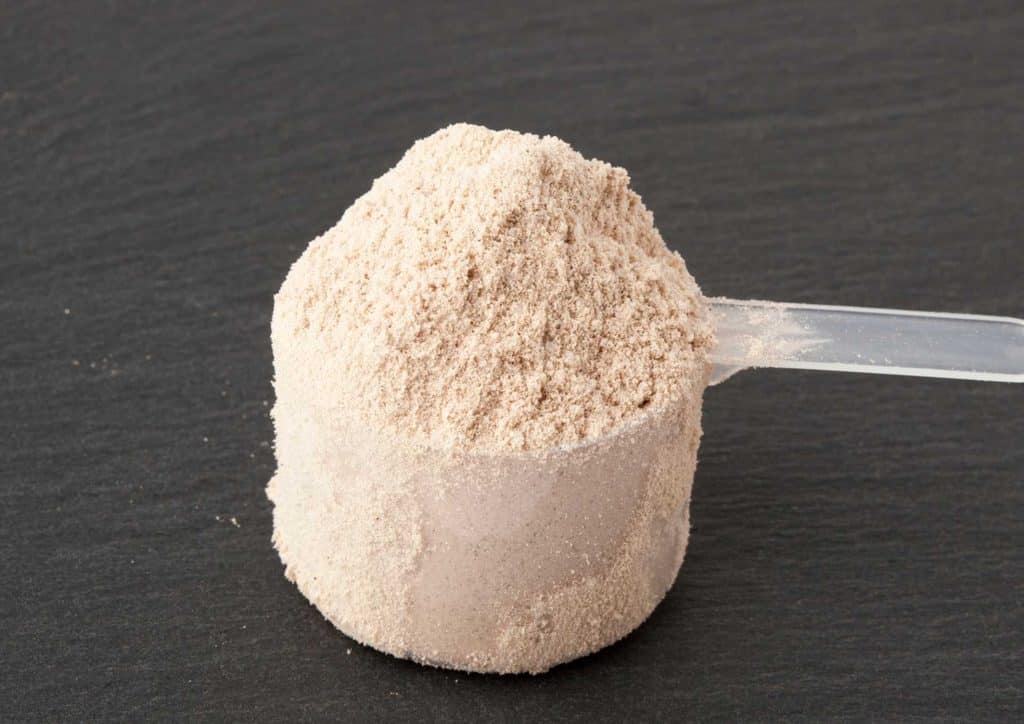
Final thoughts
Whey protein can be a useful addition to your weight loss nutrition plan if you struggle to meet your daily protein requirements through food alone. It offers a convenient option on busy mornings or after exercise, but it is not essential for losing weight.
For readers exploring other approaches, topics such as intermittent fasting, the Mediterranean diet and keto versus low carb diets may also be useful to compare.
Before choosing a protein powder, check the protein content, energy content and ingredients to ensure it suits your individual nutritional needs. If you already obtain sufficient protein from balanced meals, there may be no need to spend money on a supplement.
From my perspective , sustainable weight loss comes from developing consistent eating habits that support fullness, energy levels and muscle maintenance over the long term. I encourage a food first approach that includes protein rich foods, vegetables, fruit, wholegrains and healthy fats, with supplements used when they serve a genuine purpose.
The goal is not to rely on protein shakes or eliminate particular foods, but to build a balanced nutrition plan that fits your lifestyle and supports lasting changes.

Whey protein for weight loss interactive quiz
Think you know how whey protein can support sustainable weight loss? Test your knowledge of protein powder, hunger management, muscle maintenance, and choosing the right products for your nutritional needs.
1. Is whey protein essential for losing weight?
2. How can whey protein support weight loss?
3. What should you check when choosing a whey protein powder for weight loss?
4. When might a protein shake be useful during a weight loss journey?
5. Do you need to eliminate carbohydrates to lose weight while using whey protein?
Sustainable weight loss is about building balanced eating habits that meet your nutritional needs. Whey protein can be useful for convenience, but you do not need supplements, restrictive diets, or the elimination of entire food groups to develop a healthy relationship with food.
Frequently asked questions
Can whey protein make you gain weight?
Yes, it can contribute to weight gain if it increases your overall energy intake beyond your needs over time. However, it does not automatically cause weight gain, and its effect depends on your overall diet and energy balance.
When is the best time to have a protein shake?
There is no single required time. You can have one at breakfast, after exercise or whenever it conveniently helps you meet your protein needs.
Is whey protein OK if I am lactose intolerant?
Some people tolerate whey protein isolate because it typically contains less lactose than whey concentrate, but amounts vary. Check the label and your individual tolerance, and avoid whey entirely if you have a milk allergy.
Is plant protein as good as whey?
Plant protein can be an effective alternative for meeting your protein needs. Soy protein provides all essential amino acids, and a varied plant based diet can supply the essential amino acids your body requires.
Keep reading
This article is general information, not personal medical or nutritional advice. Individual needs vary. For guidance tailored to you, book a consultation.
Book a 60 minute consultation, in Bondi Junction or by Telehealth from anywhere in the world.