

The short version
- High protein foods can transform how you manage hunger during weight loss. Choosing satisfying protein rich foods can help you feel fuller for longer, reduce unnecessary snacking and make your goals easier to maintain.
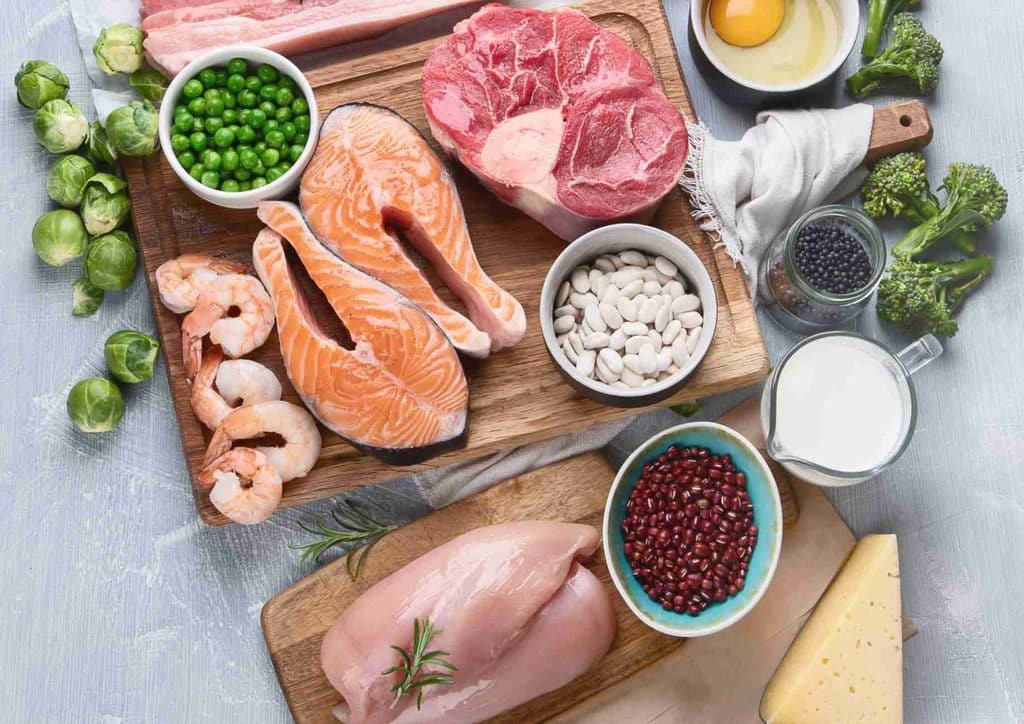
- Make a quality protein source the foundation of every main meal. Chicken, fish, eggs, lean beef, Greek yoghurt, cottage cheese and legumes can support fullness, muscle maintenance and consistent progress.
- Protein works best when it is part of a balanced, satisfying meal. Combine protein rich foods with vegetables, fibre rich carbohydrates and sensible portions to create meals that support sustainable weight loss without unnecessary restriction.
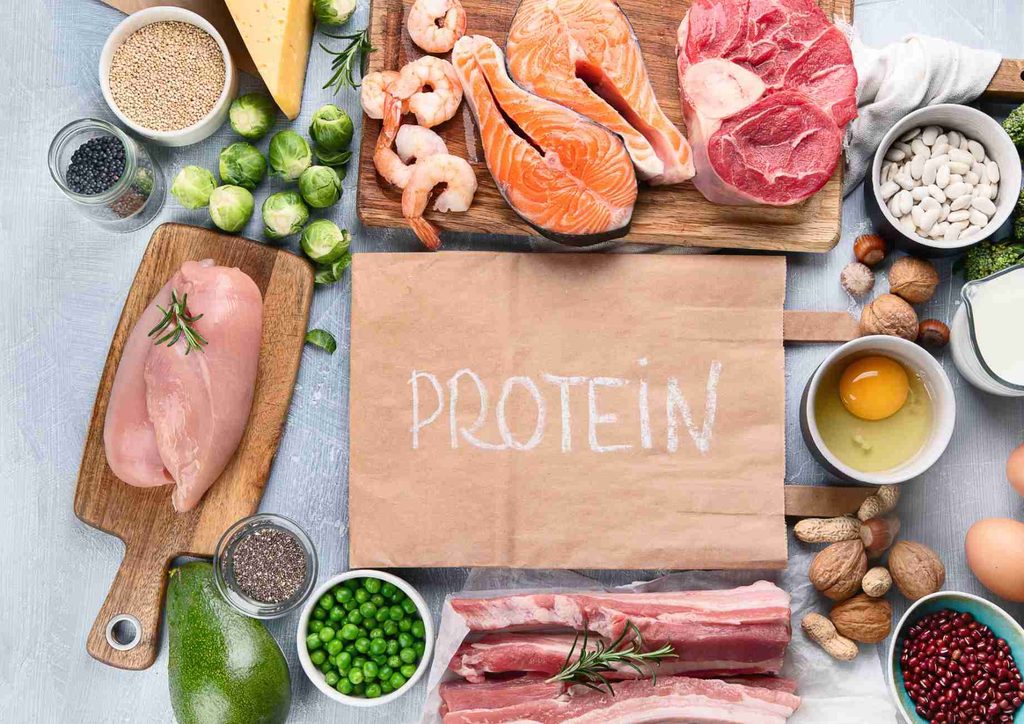
Why protein is the one thing worth getting right
The high protein foods that actually help with weight loss are the ones that deliver a solid serve of protein, keep you full for hours and fit easily into everyday meals. As a weight loss nutritionist, I regularly recommend Greek yoghurt, eggs, chicken breast, tinned tuna, lentils and cottage cheese as staple protein foods for my clients to achieve sustainable weight loss.
Most clients come to me confused because they are eating what they think are healthy foods, but they are still hungry and still asking themselves why am I not losing weight. Protein is a powerful foundation for long term weight loss, helping you preserve muscle, stay fuller for longer and push through weight loss plateaus when progress starts to stall.
“High protein foods can be a powerful part of sustainable weight loss because they help you build meals that are genuinely satisfying, not simply lower in calories. The goal is not to eat as much protein as possible, but to use protein strategically to create balanced, filling meals that support your long term weight loss”.
Jake Biggs, Nutrition Longevity
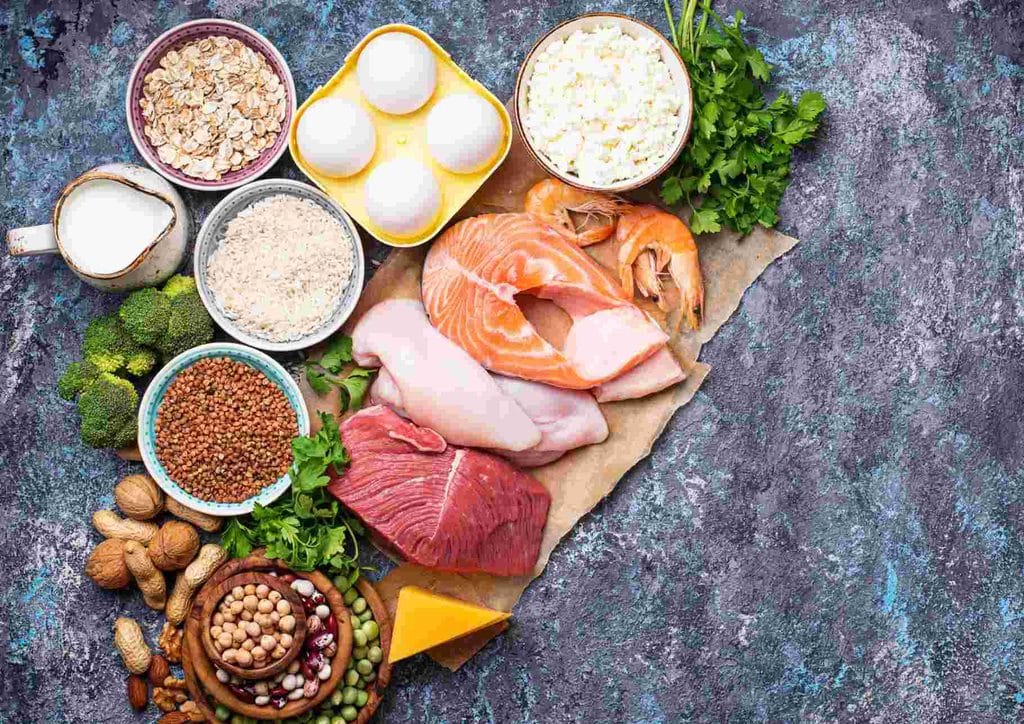
Calculate your protein requirements for weight loss
Meeting your protein requirements plays an essential role in supporting sustainable weight loss. This calculator provides a practical daily protein range to help you optimise your nutrition and support a balanced approach to weight loss.
Estimated protein requirements
Your suggested daily protein range is 0 to 0 grams per day.
Your personalised recommendations
Want help creating a sustainable weight loss nutrition plan?
I will design for you a customised nutrition plan for you to achieve and maintain your long term weight loss goals.
Book a consultationThis calculator provides a general estimate for educational purposes and is not a substitute for personalised nutrition or medical advice. Individual protein requirements may vary depending on your health, training, dietary intake and personal circumstances.
“Your protein needs are individual to you. This calculator provides a practical starting point based on your body weight, helping you understand how much protein you may need each day to support fullness, muscle maintenance and sustainable weight loss”.
Jake Biggs, Nutrition Longevity
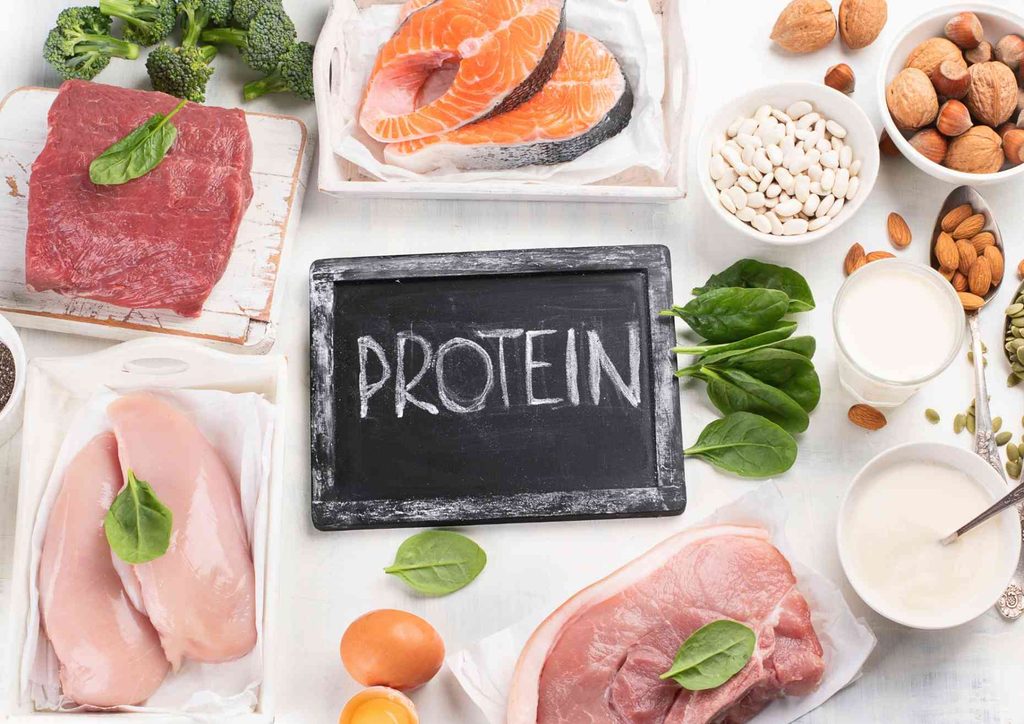
How much protein you actually need
Protein is the macronutrient that is critical for weight loss. It steadies appetite, reduces cravings and supports a higher metabolic rate. When clients ask me, “Jake, how much protein do I need each day for weight loss”, my answer is always the same: let’s check your data first.
| Protein Target | What It Means |
|---|---|
| 0.8 g/kg/day | The general adult protein requirement, but it may not be enough to optimally support muscle retention during active weight loss. |
| 1.0 g/kg/day | A useful step above the basic requirement, although higher intake may provide greater support for preserving lean mass during weight loss. |
| 1.2 g/kg/day | A practical starting point for many people losing weight, particularly when preserving muscle is an important goal. |
| 1.4 g/kg/day | A strong middle ground that can help support fullness and muscle maintenance while creating a sustainable approach to weight loss. |
| 1.6 g/kg/day | The upper end of the commonly recommended range for many adults during weight loss, particularly when resistance training is included. |
| More than 1.6 g/kg/day | More is not automatically better. Higher intakes may be appropriate in specific circumstances, but protein needs should be individualised rather than increased without purpose. |
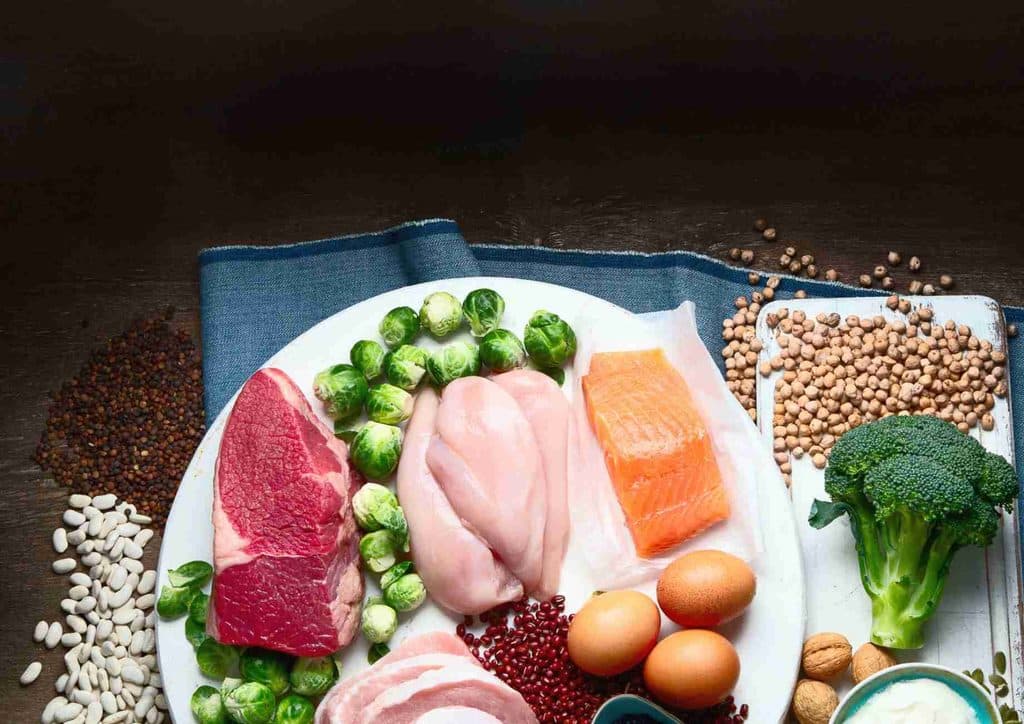
Protein requirements are multifaceted and highly individual. Age, height, weight, activity levels, training load, metabolic health, body composition goals and even digestive tolerance all influence how much protein a person actually needs. There is no single number that works for everyone, but there is always a precise range that works for you.
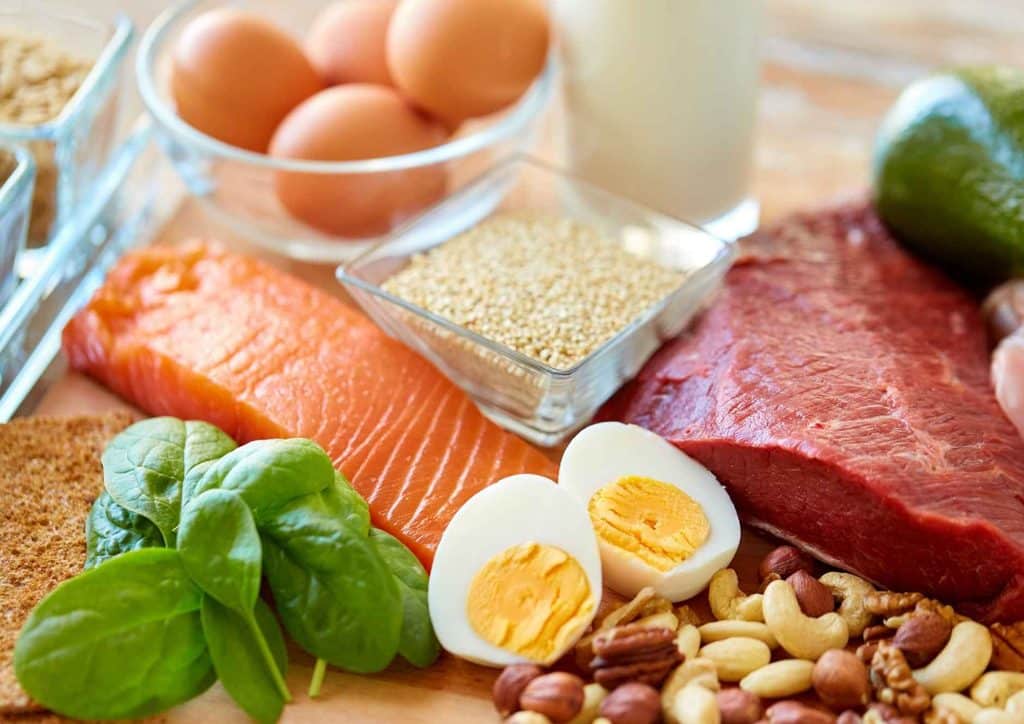
| Factor | Relationship to Protein Requirements |
|---|---|
| Body Weight | Protein requirements are commonly estimated relative to body weight, so a larger body generally requires more protein to support muscle maintenance and other physiological functions. |
| Age | Protein needs can increase with age because maintaining muscle mass becomes increasingly important and the body may require a stronger protein stimulus to support muscle protein synthesis. |
| Height | Height does not directly determine protein requirements. It can provide additional context about body size, but body weight and body composition are generally more relevant when estimating protein needs. |
| Sedentary | Lower activity levels generally require less protein than regular training, although adequate protein remains important for maintaining muscle mass and supporting normal body functions. |
| Light Activity | Regular light activity can increase the importance of adequate protein for recovery and muscle maintenance, although requirements are generally lower than for people undertaking frequent or demanding training. |
| Moderate Activity | Moderate physical activity increases the need to support muscle repair and recovery. A higher protein intake can therefore be useful, particularly when exercise includes resistance training. |
| Very Active | High levels of physical activity can increase protein requirements because regular training places greater demands on muscle repair, recovery and adaptation. |
| Weight Loss | During weight loss, adequate protein can help support the preservation of lean muscle mass while reducing overall energy intake. This makes protein particularly important when trying to lose weight without unnecessarily compromising muscle. |
| Resistance Training | Resistance training increases the stimulus for muscle protein synthesis. Combining resistance exercise with sufficient protein provides important nutritional support for maintaining and building muscle. |
| Muscle Maintenance | Consistently meeting protein requirements provides the amino acids needed to support muscle protein turnover and helps maintain lean tissue, particularly during periods of weight loss. |
| Individual Goals | Protein requirements can differ depending on whether the goal is general health, sustainable weight loss, muscle maintenance, muscle gain, sports performance or recovery from demanding training. |
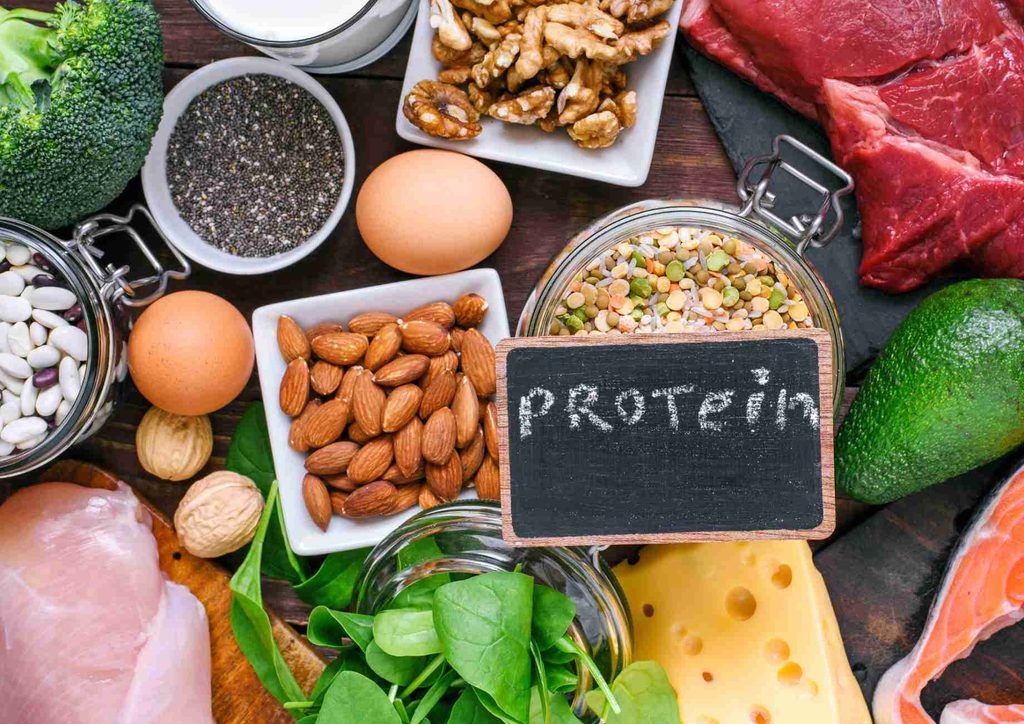
The best high-protein foods, ranked for real life
| Food | Evidence |
|---|---|
| Chicken Breast | High in protein and relatively low in energy, making it particularly useful for increasing protein intake while managing total energy intake. |
| Fish | Provides high quality protein and essential nutrients. Oily fish also provides omega 3 fatty acids, which support overall health. |
| Eggs | Eggs provide complete, high quality protein containing all essential amino acids. Their protein content can contribute to greater satiety and appetite control. |
| Greek Yoghurt | A protein rich dairy food that can increase protein intake while providing calcium and other important nutrients. Higher protein intake is associated with improved fullness. |
| Lean Beef | Provides high quality protein alongside iron, zinc and vitamin B12. Adequate protein intake is important for supporting muscle maintenance during weight loss. |
| Tuna | A concentrated source of high quality protein with relatively little carbohydrate. Its high protein content makes it useful for reaching daily protein requirements. |
| Cottage Cheese | Rich in protein and particularly useful for increasing total protein intake. Dairy proteins provide essential amino acids that support muscle protein synthesis. |
| Legumes | Beans, lentils and chickpeas provide protein together with substantial amounts of dietary fibre. Fibre and protein can both contribute to greater fullness and appetite control. |
| Turkey | A lean source of high quality protein that provides all essential amino acids. Adequate protein intake can help support preservation of lean mass during weight loss. |
| Tofu | Provides plant based protein and essential amino acids. Soy protein can support muscle protein synthesis and contributes to meeting daily protein requirements. |
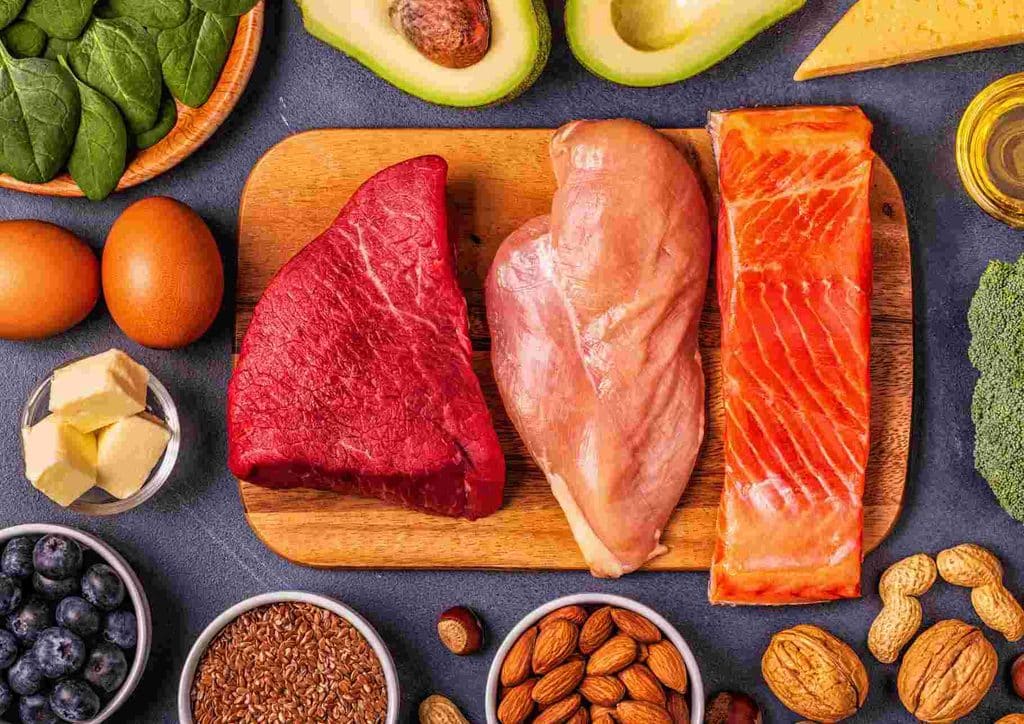
How to Incorporate High‑Protein Foods for Weight Loss
| Food | High Protein Meal |
|---|---|
| Chicken Breast | Grilled chicken with roasted sweet potato, broccoli and avocado. |
| Salmon | Baked salmon with brown rice, asparagus and spinach. |
| Eggs | Scrambled eggs with wholegrain sourdough, spinach and avocado. |
| Greek Yoghurt | Greek yoghurt with oats, berries, chia seeds and a small amount of honey. |
| Lean Beef | Lean beef mince with sweet potato, vegetables and cottage cheese. |
| Tuna | Tuna with brown rice, cucumber, spinach, avocado and mixed vegetables. |
| Cottage Cheese | Cottage cheese with eggs, wholegrain toast, spinach and tomato. |
| Lentils | Lentil and vegetable curry with brown rice and Greek yoghurt. |
| Turkey | Turkey mince with quinoa, roasted vegetables and avocado. |
| Tofu | Crispy tofu with brown rice, broccoli, spinach and mixed vegetables. |
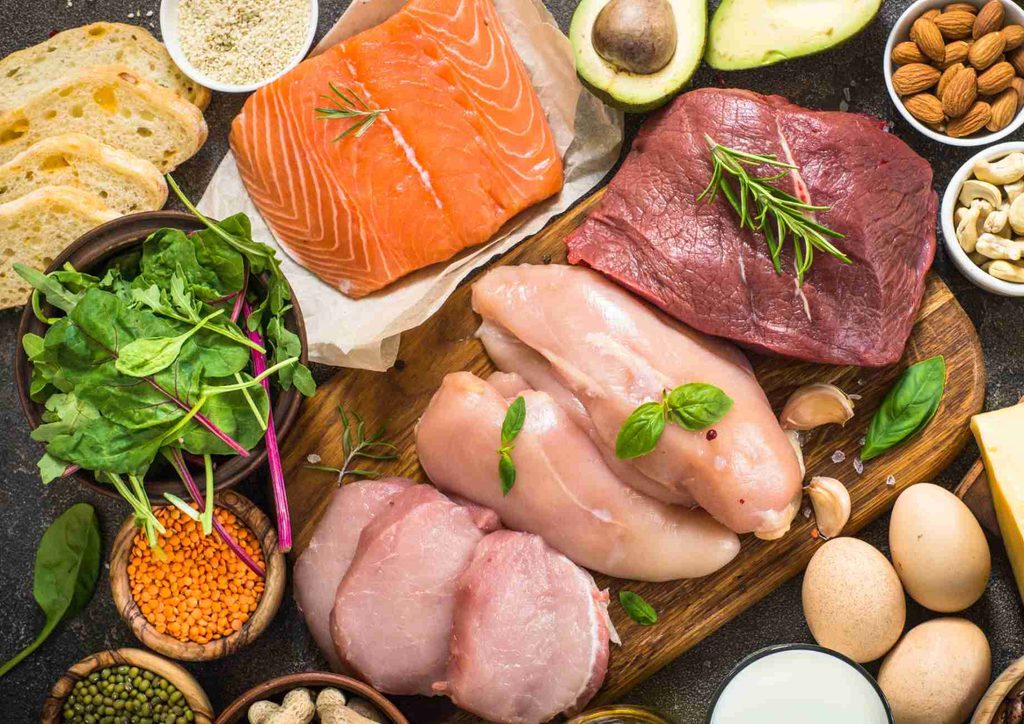
How much protein is in high protein foods
| Food | Protein Per 100g |
|---|---|
| Chicken Breast | Raw: 23g Cooked: 31g |
| Salmon | Raw: 20g Cooked: 25g |
| Tuna | Raw: 24g Cooked: 29g |
| Lean Beef Mince | Raw: 21g Cooked: 26g |
| Turkey Breast | Raw: 24g Cooked: 29g |
| Eggs | Raw: 13g Cooked: 13g |
| Greek Yoghurt | Raw: 10g Cooked: 10g |
| Cottage Cheese | Raw: 11g Cooked: 12g |
| Tofu | Raw: 8g Cooked: 17g |
| Lentils | Raw: 9g Cooked: 9g |
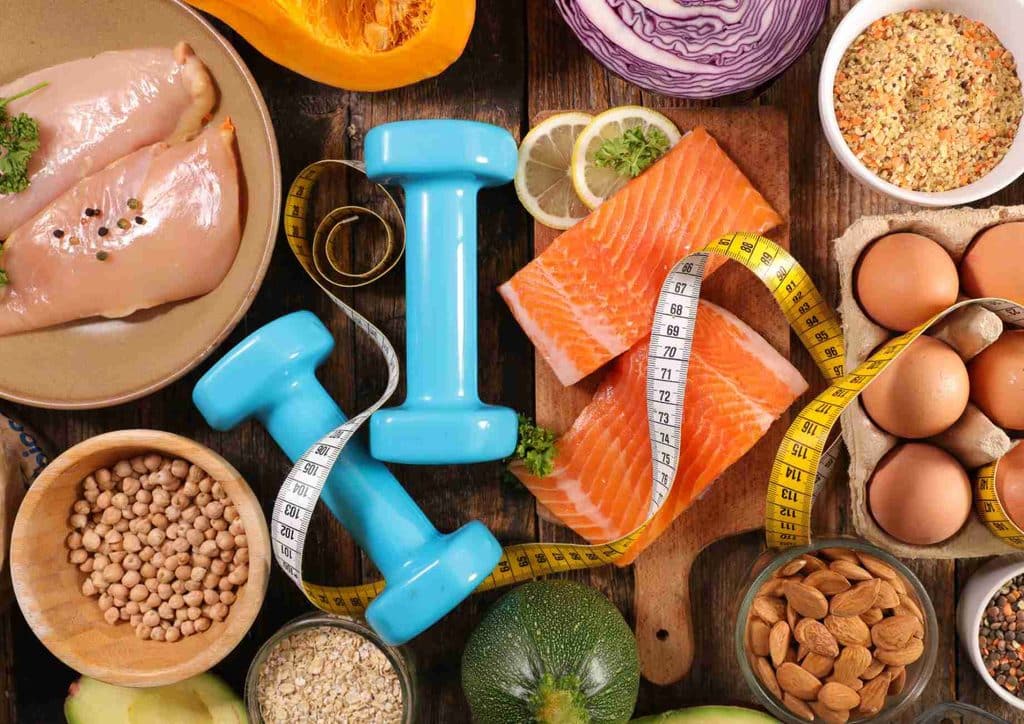
A simple high-protein day on a plate
A list of high protein foods is useful, but knowing what to eat is not enough. The real difference comes from turning those foods into a simple routine you can follow every day. I want you to stop thinking about protein as something you need to “fit in” and start making it the foundation of your meals. Build your breakfast around protein, build your lunch around protein and build your dinner around protein.
This simple approach can completely change how satisfying your day feels. When protein is the anchor of each main meal, you are more likely to feel satisfied, manage hunger and stay consistent with your weight loss. Then add vegetables, fibre rich carbohydrates and healthy fats around that protein source. You do not need a complicated plan. You need a structure that makes healthy choices easier to repeat.
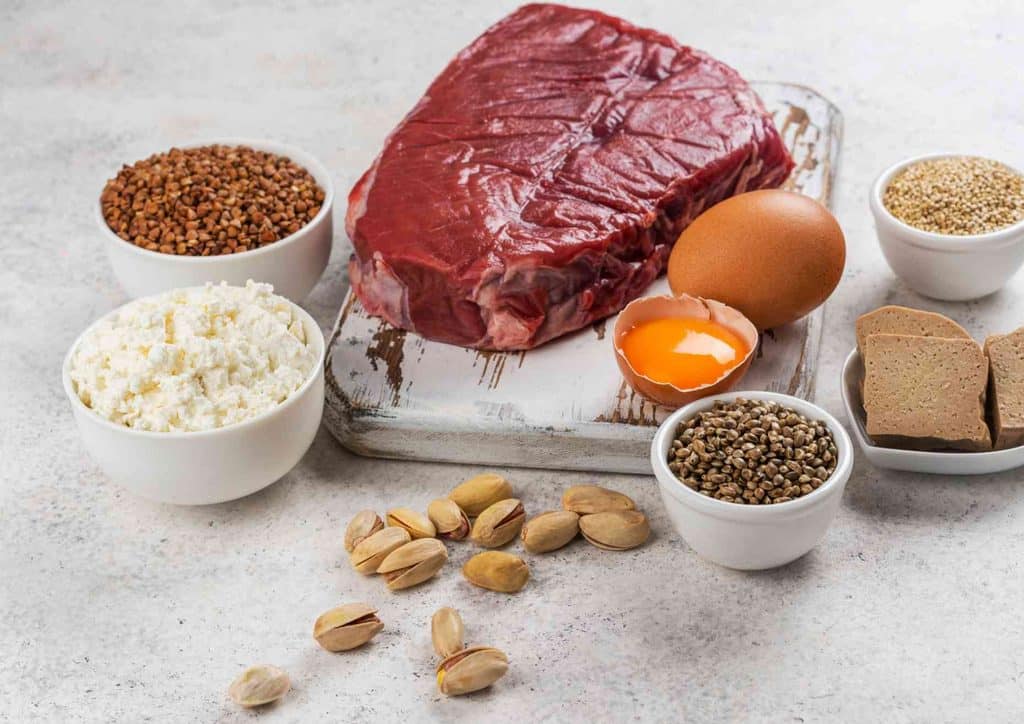
| Meal | Simple High Protein Example |
|---|---|
| Breakfast | Greek yoghurt with oats, berries and chia seeds, providing protein alongside fibre and carbohydrates. |
| Morning Snack | Two boiled eggs with a piece of fruit, providing a simple source of high quality protein. |
| Lunch | Grilled chicken breast with brown rice, mixed vegetables and a simple dressing. |
| Afternoon Snack | Greek yoghurt or cottage cheese with berries, providing a convenient protein rich option. |
| Dinner | Lean beef mince with roasted sweet potato, broccoli, spinach and avocado for a balanced meal. |
| The Bigger Picture | Rather than trying to consume most of your protein in one meal, spreading protein across the day can make it easier to reach your overall target. |
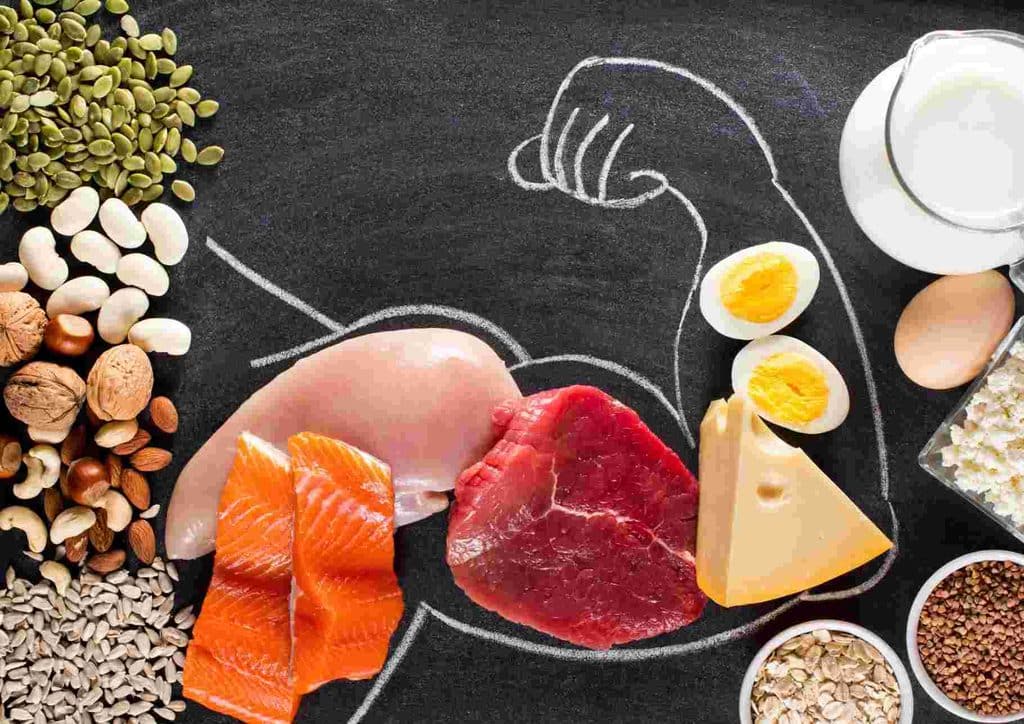
Breakfast
Greek yoghurt with fruit, cottage cheese with berries, eggs with vegetables, protein pancakes, a banana smoothie, chia seed pudding or protein rich oats are all simple ways to start the day with a strong protein foundation. Starting breakfast with protein can help you feel fuller for longer and make it easier to manage hunger throughout the morning, while also helping you work towards your daily protein target.
A protein focused breakfast can also help reduce the urge to constantly snack before lunch. Rather than starting the day with a meal that leaves you hungry soon after eating, choose a breakfast that provides protein, fibre and nutritious whole foods to support steady energy and sustainable weight loss.
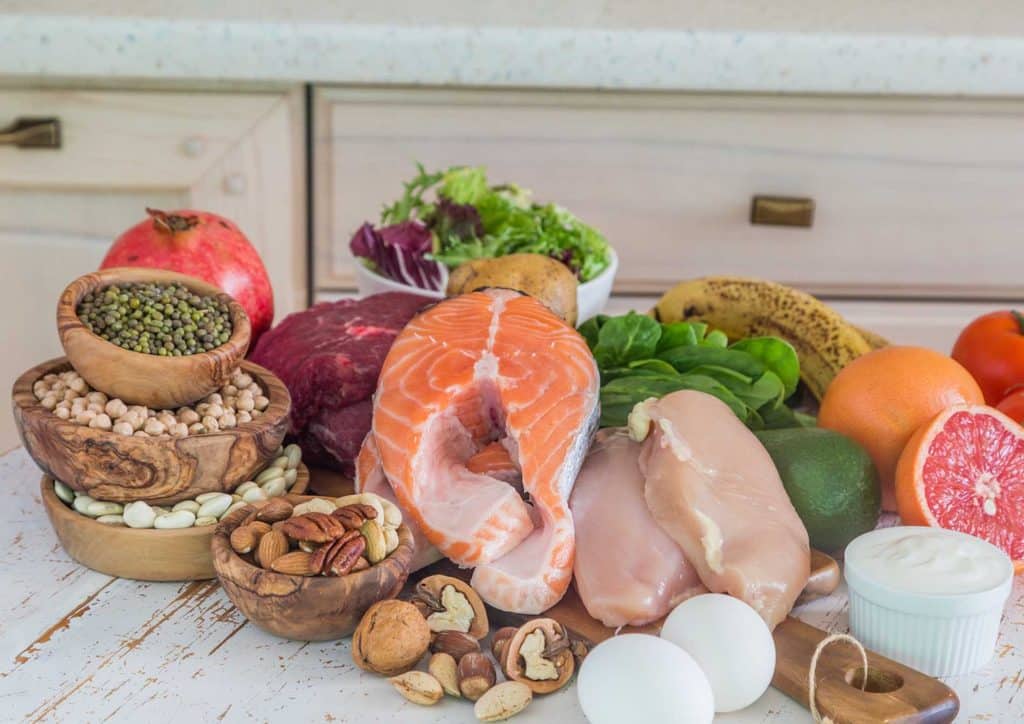
| Meal | Protein Evidence |
|---|---|
| Greek Yoghurt, Berries and Chia Seeds | Greek yoghurt provides a concentrated source of high quality protein, while chia seeds contribute additional plant protein and fibre. |
| Scrambled Eggs on Wholegrain Toast | Eggs provide complete protein containing all essential amino acids. Wholegrain toast adds a smaller amount of additional protein. |
| Protein Porridge with Greek Yoghurt | Oats provide some plant protein, while Greek yoghurt increases the total protein content and provides high quality dairy protein. |
| Egg and Avocado Toast | Eggs provide high quality complete protein. Avocado contributes a small amount of protein alongside fibre and unsaturated fats. |
| Greek Yoghurt and Oats | Combining Greek yoghurt with oats provides protein from both dairy and grains, making it a simple way to increase protein at breakfast. |
| Cottage Cheese and Berries | Cottage cheese is naturally rich in protein and provides essential amino acids that contribute to maintaining muscle tissue. |
| Egg and Spinach Omelette | Eggs provide complete, high quality protein, while spinach adds a small amount of plant protein alongside fibre and micronutrients. |
| Overnight Oats with Greek Yoghurt | Greek yoghurt substantially increases the protein content of overnight oats, while oats provide additional protein and dietary fibre. |
| Smoked Salmon and Eggs | Both salmon and eggs provide high quality protein containing essential amino acids, making this a protein rich breakfast combination. |
| Greek Yoghurt, Banana and Oats | Greek yoghurt provides the main protein source, while oats contribute additional protein and banana provides carbohydrate for energy. |
Lunch
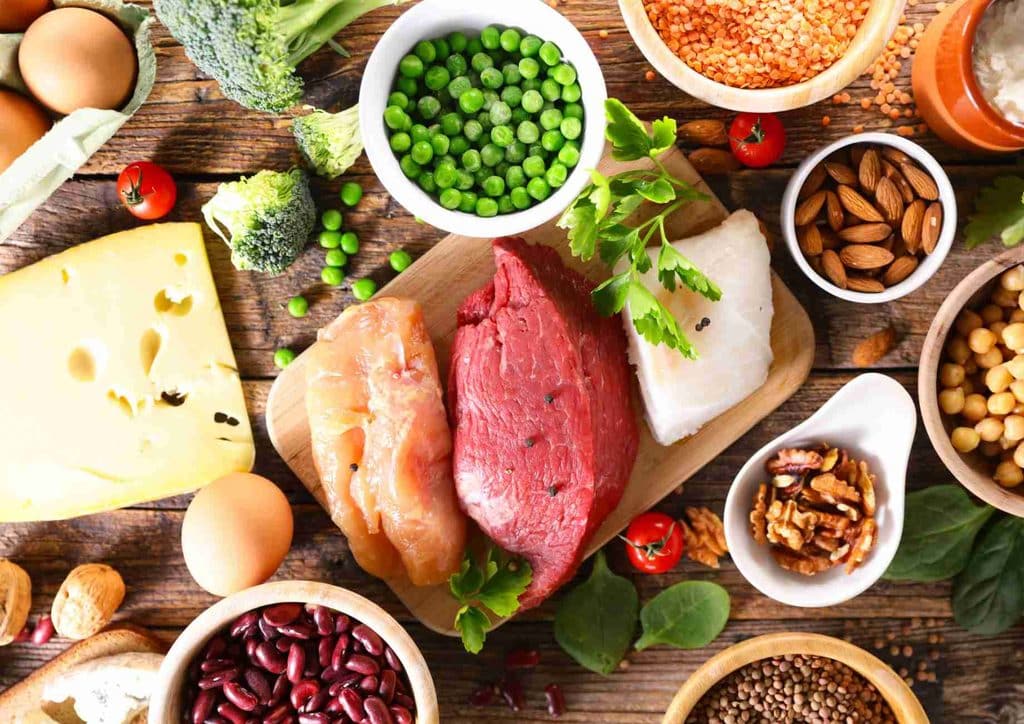
Lunch is where many people unknowingly under eat protein. Chicken breast, tinned tuna or lentils added to a salad or wrap can give your meal a strong protein foundation and help keep you satisfied through the afternoon. You can also include a carbohydrate source such as rice or sweet potato, which can provide energy and make your lunch more satisfying.
A salad may look healthy, but if it contains very little protein, it may leave you hungry again soon after eating. Building your lunch around a quality protein source can make the meal more filling, reduce unnecessary snacking and support sustainable weight loss. Adding fruit such as grapes can also provide a naturally sweet addition to your meal, while coconut water can be included as part of your overall dietary intake.
It is also important to remember that simple additions to your diet do not automatically cause weight loss. Lemon water can be a refreshing way to increase your fluid intake, while pink salt does not have special weight loss properties. The focus should remain on building a balanced lunch with enough protein, vegetables, a suitable carbohydrate source and foods you genuinely enjoy.
| Meal | Protein Evidence |
|---|---|
| Grilled Chicken and Brown Rice Bowl | Chicken breast provides a concentrated source of high quality protein, while brown rice adds additional plant protein alongside carbohydrates and fibre. |
| Tuna and Wholegrain Salad | Tuna provides high quality protein with all essential amino acids. Combining it with vegetables and wholegrains creates a filling, balanced lunch. |
| Lean Beef and Sweet Potato Bowl | Lean beef provides high quality protein as well as iron, zinc and vitamin B12. Sweet potato and vegetables provide carbohydrate and fibre. |
| Chicken and Avocado Wrap | Chicken provides the main source of high quality protein, while a wholegrain wrap contributes additional protein and fibre. |
| Salmon and Quinoa Salad | Salmon provides high quality protein and essential nutrients, while quinoa contributes additional protein and fibre to the meal. |
| Turkey and Salad Sandwich | Turkey provides lean, high quality protein, while wholegrain bread adds additional protein and fibre to help create a more filling meal. |
| Chicken and Chickpea Salad | Chicken provides high quality protein, while chickpeas contribute plant protein and dietary fibre, creating a protein and fibre rich lunch. |
| Lean Beef Bolognese with Wholegrain Pasta | Lean beef provides high quality protein, while wholegrain pasta adds additional protein and fibre. The combination can help support muscle maintenance and fullness. |
| Egg and Tuna Salad Bowl | Tuna and eggs both provide complete, high quality protein containing all essential amino acids, making this a protein rich lunch option. |
| Tofu and Vegetable Rice Bowl | Tofu provides plant based protein and essential amino acids, while vegetables and rice contribute fibre, carbohydrates and other nutrients. |
Dinner
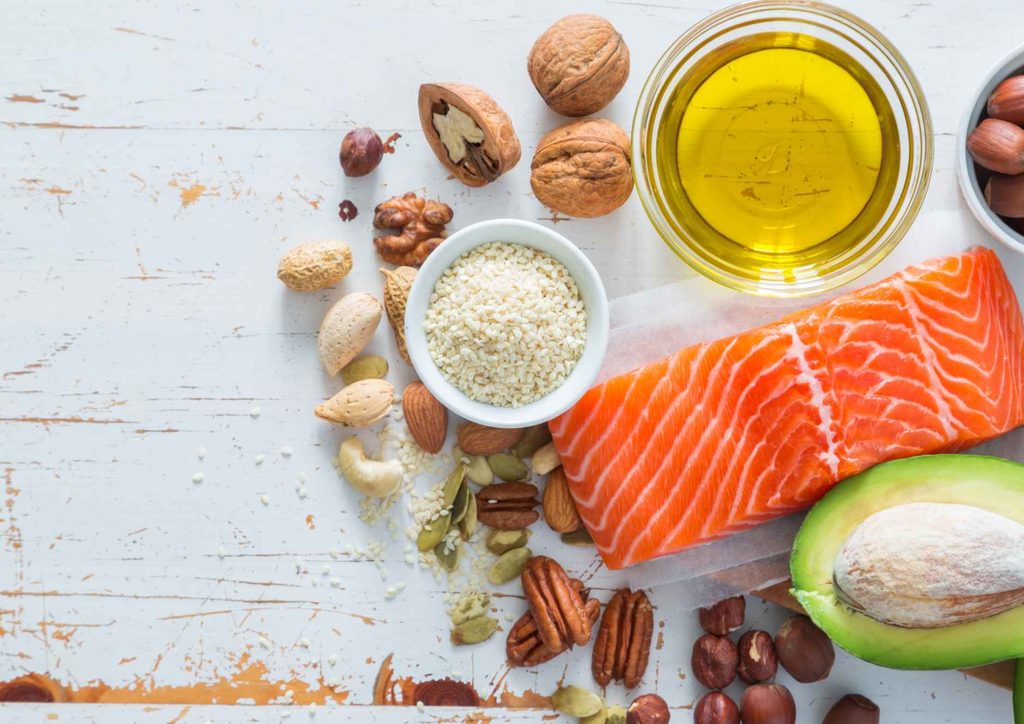
A palm sized serve of chicken breast, fish, lean mince or lentils provides a substantial source of protein at dinner and helps create a filling, balanced meal. Pairing your protein with vegetables and a quality carbohydrate can make dinner more satisfying and support your overall weight loss goals.
When dinner is balanced and satisfying, you are less likely to finish the evening feeling hungry. This can make it easier to avoid unnecessary late night snacking and stay consistent with your nutrition throughout the week.
| Meal | Protein Evidence |
|---|---|
| Grilled Chicken, Sweet Potato and Vegetables | Chicken breast provides a lean source of high quality protein, while sweet potato and vegetables provide carbohydrate, fibre and important micronutrients. |
| Lean Beef Mince, Rice and Vegetables | Lean beef provides high quality protein alongside iron, zinc and vitamin B12. Rice and vegetables complement the meal with carbohydrates and fibre. |
| Salmon, Potatoes and Broccoli | Salmon provides high quality protein and omega 3 fatty acids, while potatoes and broccoli provide carbohydrate, fibre and a range of micronutrients. |
| Turkey, Quinoa and Roasted Vegetables | Turkey provides lean, high quality protein, while quinoa contributes additional protein, fibre and carbohydrates to create a balanced dinner. |
| Chicken and Chickpea Curry with Rice | Chicken provides high quality protein, while chickpeas add plant protein and fibre. Rice provides carbohydrate to complete the meal. |
| Lean Beef and Sweet Potato Bowl | Lean beef provides high quality protein and essential nutrients, while sweet potato provides carbohydrate and vegetables add fibre and micronutrients. |
| Tuna, Brown Rice and Vegetable Bowl | Tuna is a concentrated source of high quality protein, while brown rice and vegetables provide carbohydrate, fibre and additional nutrients. |
| Chicken, Wholegrain Pasta and Tomato Sauce | Chicken provides the main source of high quality protein, while wholegrain pasta contributes additional protein and fibre alongside carbohydrates. |
| Egg, Tofu and Vegetable Stir Fry | Eggs and tofu provide complementary sources of high quality protein and essential amino acids, while vegetables add fibre and micronutrients. |
| Lamb, Quinoa and Green Vegetables | Lean lamb provides high quality protein as well as iron, zinc and vitamin B12. Quinoa and vegetables provide additional protein, fibre and carbohydrates. |
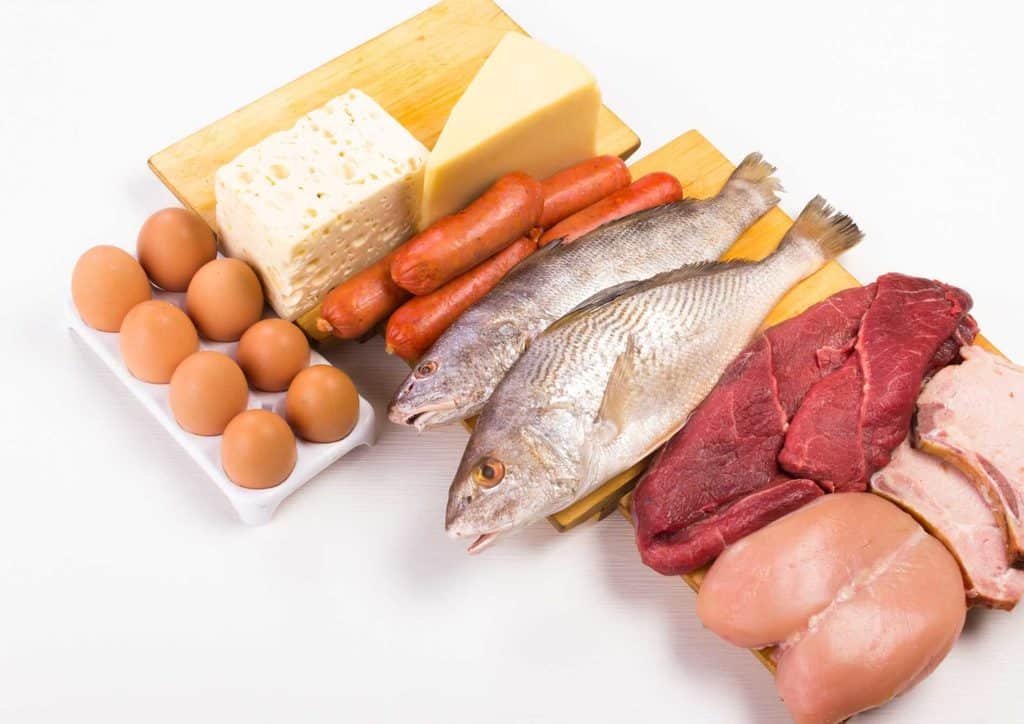
The mistakes that leave you short
Once you have your anchors in place, you can adjust portions, snacks and meal timing based on your appetite. This is where high protein foods for weight loss become part of a rhythm instead of a rule. You do not need perfection, you need consistency. When someone starts working with a weight loss nutritionist, the biggest shift is usually confidence. They stop guessing and start eating in a way that matches their body.
Fullness is not just a feeling, it is a signal. When your meals contain enough protein, your hunger signals calm down and your cravings soften. When your meals are low in protein, your hunger signals stay loud and your cravings stay sharp. This is why protein anchors matter so much.
Most people notice steadier appetite, fewer cravings and more predictable hunger when they increase protein. Individual results vary, but the pattern is consistent. You feel more in control because your meals are doing their job.
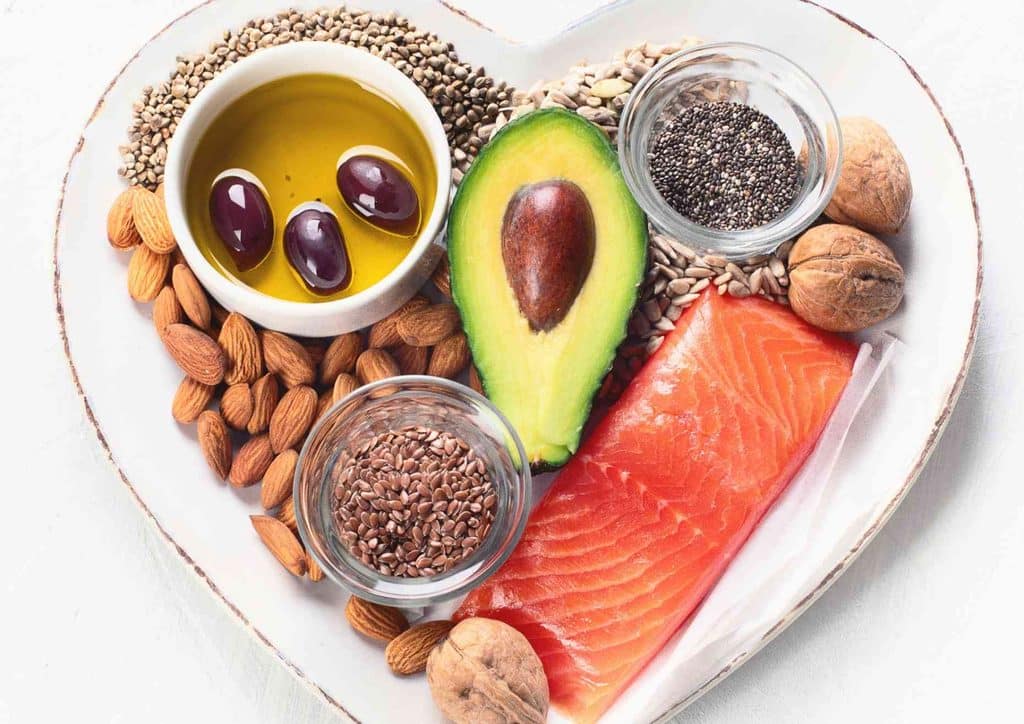
Start with adding a high protein food to each meal
Start by adding a high protein food to each meal. Choose simple options such as eggs, Greek yoghurt, chicken breast, fish, lean beef, cottage cheese, tofu or lentils. Making protein a regular part of breakfast, lunch and dinner can help you create meals that are more filling and satisfying.
You do not need to completely change the way you eat. Start by looking at your usual meals and asking, “Where is the protein?” Adding a quality protein source can make a noticeable difference to fullness, appetite control and your ability to stay consistent with sustainable weight loss.
- Greek yoghurt bowl.
- Eggs with vegetables.
- Chicken salad.
- Cottage cheese snack.
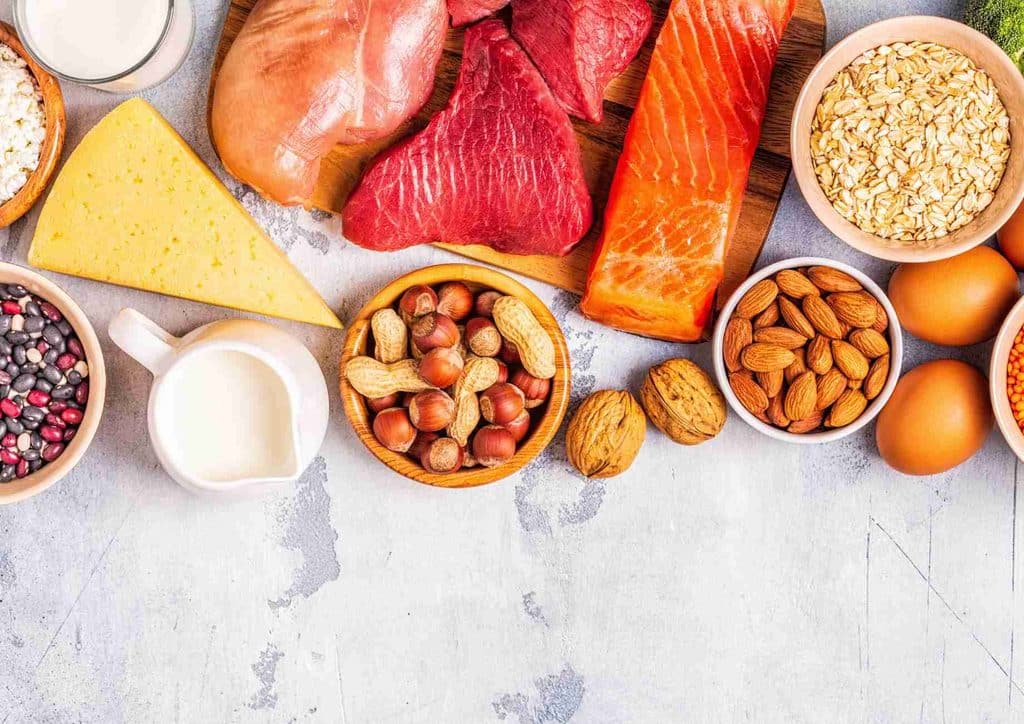
Final thoughts
High protein foods can make sustainable weight loss easier because they help you build meals that are filling, satisfying and easier to stick with. The goal is not to eat as much protein as possible, but to include a quality protein source consistently across your day.
Start by making protein the foundation of breakfast, lunch and dinner. Choose foods such as chicken, fish, eggs, Greek yoghurt, lean beef, cottage cheese, tofu or legumes, then build the rest of your meal around vegetables, fibre rich carbohydrates and healthy fats.
If you are regularly hungry between meals, constantly thinking about food or struggling to stay consistent with your weight loss, look at the protein content of your meals before simply trying to eat less.
Working with a weight loss nutritionist can also help you understand how much protein you may need, identify gaps in your current diet and develop a personalised approach that fits your lifestyle. A more satisfying approach can make a significant difference to how manageable your weight loss feels over time.
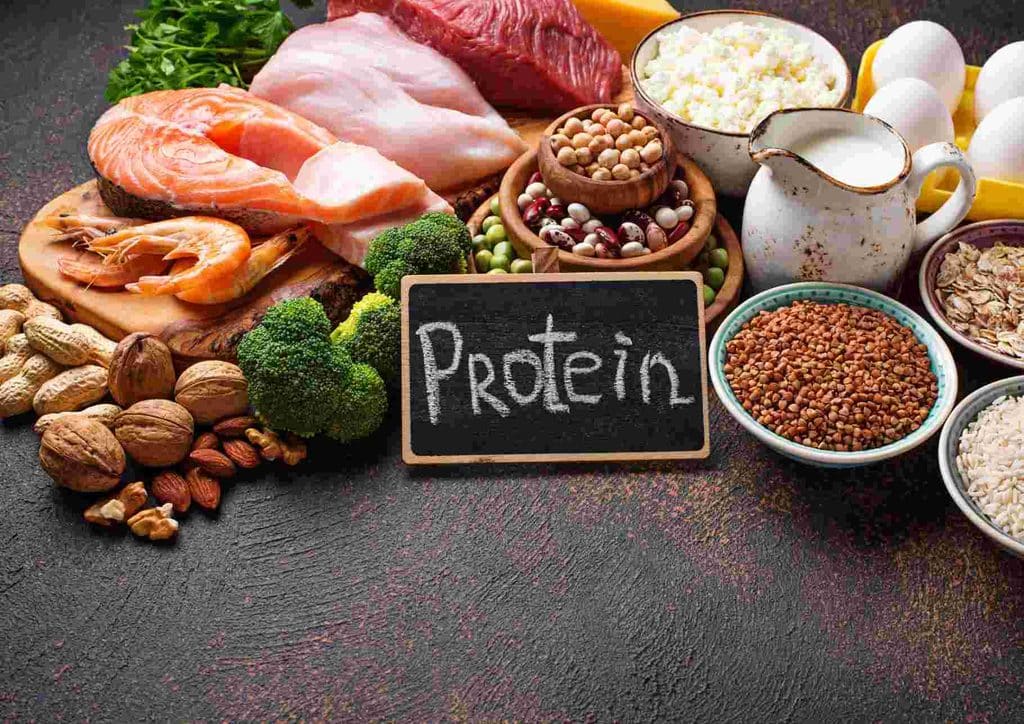
Tap what you think is true. Each one reveals what actually happens.
1. Eating more protein can help you feel fuller for longer during weight loss.
2. You need to eat extremely high amounts of protein to lose weight.
3. Making protein the foundation of your main meals can support sustainable weight loss.
4. Which approach is most useful when increasing protein for weight loss?
Make protein part of your routine, not something you have to think about every day. Building your meals around quality protein can help improve fullness, manage hunger and support muscle maintenance while you work towards sustainable weight loss.
Frequently asked questions
How much protein do I need to lose weight?
Most people do well when they include a solid serve of protein at each meal. The exact amount depends on your body, your activity and your appetite. A palm sized portion of protein rich food at breakfast, lunch and dinner is a simple way to stay full and support weight loss.
Can you eat too much protein?
It is possible to overdo anything, including protein, but most people who struggle with hunger are under eating it rather than over eating it. If your meals feel balanced, your digestion feels comfortable and your appetite is steady, your protein intake is usually in a sensible range.
What is a high protein breakfast for weight loss?
Greek yoghurt with fruit, eggs with vegetables or cottage cheese with berries are simple options that keep you full and steady your appetite. A breakfast built around protein helps prevent mid morning cravings and sets you up for a more controlled day of eating.
Do I need protein at every meal to lose weight?
You do not need perfection, but including protein at each meal makes weight loss easier because it keeps you full and reduces cravings. When your meals contain enough protein, your appetite becomes more predictable and your food choices feel more manageable.
Keep reading
This article is general information, not personal medical or nutritional advice. Individual needs vary. For guidance tailored to you, book a consultation.
Book a 60 minute consultation, in Bondi Junction or by Telehealth from anywhere in the world.