ACCREDITED CLINICAL NUTRITIONIST, SPORTS NUTRITIONIST: BONDI JUNCTION, SYDNEY & ONLINE
What is the perfect diet

What Is The Perfect Diet?

Table of Contents

What Actually Is The Dream Perfect Diet?

What is the perfect diet

What is the perfect diet? When it comes to health, energy, longevity, and weight management, one question that frequently arises is, What really is the perfect diet? This question is often asked by those who are looking for a structured, clear answer in a world filled with ever-changing health trends and contradictory advice. 

As an accredited clinical nutritionist, Jake Biggs has seen firsthand how people struggle to find the ideal diet plan for their specific needs. The truth is, the perfect diet isn’t one-size-fits-all—it is an individualised approach that reflects the unique characteristics of each person.

In this educational post, Jake delves into what the perfect diet truly means, how it varies from person to person, and the essential principles behind building a diet that optimises health, supports longevity, and enhances quality of life.

The Perfect Diet

What Does "Perfect" Really Mean?

When exploring what is the perfect diet, it’s important to understand that the idea is highly individual. What feels perfect for one person might be unrealistic, unsatisfying, or unsustainable for someone else. In the context of nutrition, the term perfect diet doesn’t refer to a strict or flawless eating pattern. Instead, it represents a balanced and holistic approach that supports health, nourishment, and long-term wellbeing.

So, what is the perfect diet in practical terms? It is a way of eating that promotes optimal health without leaving you feeling restricted or deprived. It includes a wide variety of nutrients—vitamins, minerals, and macronutrients—that your body needs to function at its best. At the same time, it’s flexible enough to reflect your individual lifestyle, cultural background, personal preferences, and daily demands.

The perfect diet should support long-term health without relying on extreme rules or exclusions. It should be nourishing, energising, and easy to maintain. It should empower you to stay focused and energised, promote sustainable weight management if that is your goal, and most importantly, it should fit comfortably within your life—your budget, schedule, and the foods you enjoy.

The Perfect Diet For Health

Bio-Individuality: The Core of the Perfect Diet

When considering what is the perfect diet, one of the most important concepts to understand is bio-individuality. This principle recognises that no two people are the same—biologically, genetically, or physiologically. Each individual has unique nutritional needs shaped by their genetics, lifestyle, medical history, and even their environment. As such, the perfect diet is never a one-size-fits-all solution.

For example, someone with insulin resistance may benefit from a low-glycaemic, higher-protein eating pattern, while another person might thrive on a plant-based, fibre-rich approach. What works well for one person may be ineffective—or even harmful—for another. Understanding what is the perfect diet for you depends on a variety of key factors, including:

  • Genetics: Your genetic makeup can influence how your body metabolises nutrients, your response to carbohydrates, fats, and proteins, and your risk for chronic diseases.

  • Lifestyle: Daily routines, physical activity levels, sleep quality, and stress all affect your body’s nutritional requirements.

  • Health Conditions: Conditions such as diabetes, hypertension, gut disorders, and cardiovascular disease require targeted dietary strategies to manage symptoms and prevent complications.

  • Goals: Whether the aim is to lose weight, build muscle, increase energy, or improve overall health, the perfect diet should reflect and support these individual objectives.

Jake Biggs strongly advocates for a personalised, evidence-based approach to nutrition. He emphasises that discovering what is the perfect diet involves aligning your eating habits with your unique biology and lifestyle, so that it supports not just physical health, but emotional wellbeing and long-term sustainability.

The Best Diet

The Four Pillars of a Balanced Diet

To answer the question of what is the perfect diet, it’s important to first understand the foundational components that make up a well-rounded, nourishing eating pattern. A truly balanced diet supports the body’s daily functioning, energy needs, and long-term health by including four essential pillars:

1. Protein
Protein is a cornerstone of a healthy diet and plays a vital role in muscle repair, immune defence, hormone production, and overall cell health. It also helps promote satiety, keeping you fuller for longer and supporting appetite regulation. Quality protein sources include:

  • Lean meats (such as chicken and turkey)

  • Fish and seafood

  • Eggs

  • Plant-based options (like lentils, tofu, and tempeh)

  • Dairy products (for those who include them)

2. Carbohydrates
When asking what is the perfect diet, it’s clear that carbohydrates play an essential role—but the type matters. Low-glycaemic index (low-GI) carbohydrates provide slow-releasing energy, helping to regulate blood sugar levels and support sustained energy. They’re also a key source of dietary fibre, which is crucial for digestive health. Examples include:

  • Whole grains (such as brown rice, quinoa, and oats)

  • Starchy vegetables (like sweet potatoes and pumpkin)

  • Legumes (beans, chickpeas, lentils)

3. Healthy Fats
Healthy fats are critical for brain function, hormone balance, and reducing inflammation in the body. Omega-3 fatty acids, in particular, offer significant health benefits and are found in foods such as oily fish, flaxseeds, and walnuts. Other nutritious sources of fat include:

  • Extra virgin olive oil

  • Avocados

  • Coconut oil (in moderation)

4. Micronutrients
Micronutrients—vitamins and minerals—support nearly every function in the body, from bone health and immunity to energy metabolism. A colourful, varied diet rich in fruits, vegetables, whole grains, nuts, and seeds helps ensure an adequate intake of these essential nutrients.

In summary, what is the perfect diet? It’s one that integrates these four key pillars—protein, carbohydrates, healthy fats, and micronutrients—in balanced proportions. By doing so, it provides the fuel your body needs to thrive, enhances daily function, and supports long-term health and wellbeing.

Perfect Diet Nutrition

Why Diets Fail: The Psychology of Eating

Another critical aspect of answering what is the perfect diet is recognising the psychological factors that influence eating habits. Many individuals begin diets seeking rapid results, often at the expense of long-term health and emotional wellbeing. These restrictive approaches frequently lead to feelings of deprivation, guilt, and frustration—ultimately resulting in diet fatigue, disordered eating patterns, and a cycle of failure.

Overly rigid diets can trigger unhealthy behaviours such as binge eating, emotional eating, or compulsive overeating. They may also negatively impact metabolism and lead to nutrient deficiencies. From Jake Biggs’ perspective, the perfect diet is one that supports a healthy, positive relationship with food. It must be flexible, enjoyable, and most importantly, sustainable.

A truly sustainable and psychologically sound diet should:

  • Encourage balanced eating without depriving the body of essential nutrients

  • Allow for occasional indulgences without guilt or shame

  • Promote mindful eating habits that build awareness and satisfaction

  • Empower individuals to feel confident and in control of their food choices

In essence, when asking what is the perfect diet, it’s not just about the nutrients—it’s also about creating a way of eating that supports mental wellbeing, consistency, and a lifelong healthy approach to food.

Best Diet

Gut Health and the Perfect Diet

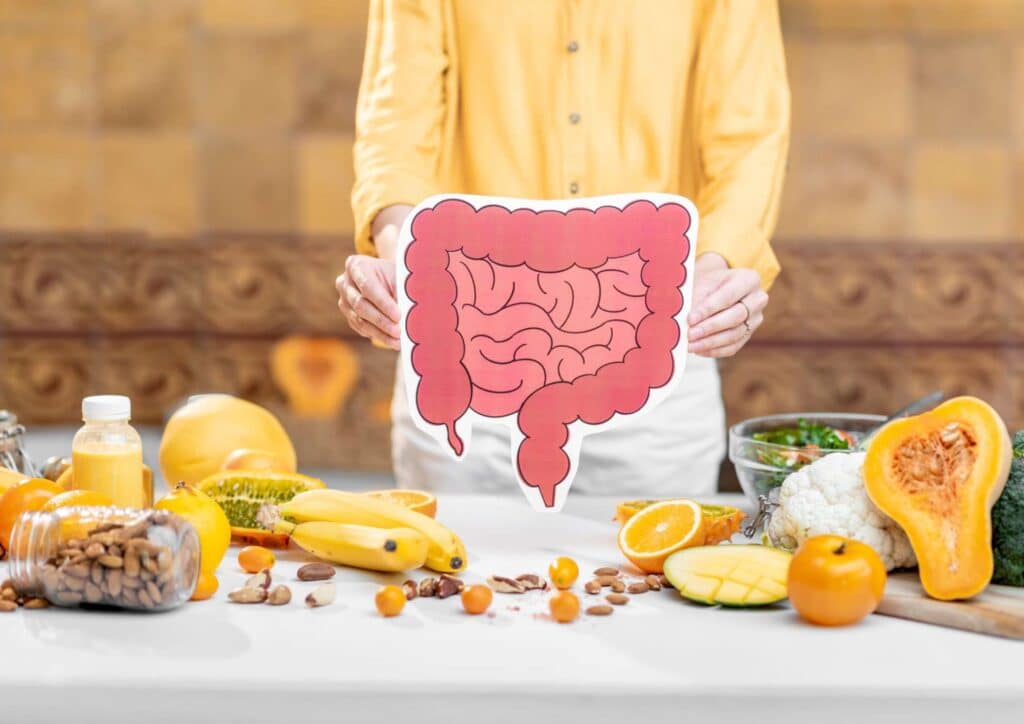
Gut health plays an integral role in overall wellbeing, and any meaningful discussion around what is the perfect diet must include its impact on the gut microbiome. The gut microbiome consists of trillions of microorganisms—primarily bacteria—that play essential roles in digestion, nutrient absorption, immune defence, and even mental health regulation. When the balance of these microbes is disrupted, it can contribute to digestive discomfort, weakened immunity, inflammation, autoimmune conditions, and mood disturbances such as anxiety or low mood.

To support a healthy and diverse microbiome, the perfect diet should be rich in dietary fibre, prebiotics, and probiotics. Fibre acts as fuel for beneficial bacteria and is found abundantly in vegetables, fruits, legumes, nuts, seeds, and whole grains. Prebiotics—specific types of fibre found in foods like garlic, onions, leeks, asparagus, and bananas—promote the growth of good bacteria. Probiotics, found in fermented foods such as sauerkraut, kimchi, kefir, yoghurt, and miso, help introduce and maintain healthy bacterial populations in the gut.

When considering what is the perfect diet, it becomes clear that one which supports gut health can improve digestion, reduce bloating, enhance immune function, and even boost cognitive function and emotional wellbeing. A healthy gut is truly a cornerstone of overall health, making it a fundamental part of any personalised, sustainable dietary approach.

Perfect Diet Gut Health

The Role of Protein, Fibre, and Low-GI Carbs

When considering what is the perfect diet, one of the key principles is achieving the right balance of macronutrients—particularly protein, fibre, and low-GI (glycaemic index) carbohydrates. These components work synergistically to stabilise blood sugar levels, support consistent energy throughout the day, and enhance feelings of fullness and satisfaction after meals.

Protein is crucial for muscle repair, immune defence, hormone production, and maintaining lean body mass. Fibre supports healthy digestion, promotes bowel regularity, stabilises blood sugar, and contributes significantly to satiety—making it a valuable tool in sustainable weight management. Low-GI carbohydrates, such as whole grains, legumes, and starchy vegetables, release glucose slowly into the bloodstream, preventing spikes and crashes in energy.

Integrating these macronutrients into everyday meals is a cornerstone of what defines the perfect diet. This approach not only nourishes the body but also helps individuals feel energised, satisfied, and better equipped to meet their health goals.

Best Diet For Health

How to Build the Perfect Plate

When exploring what is the perfect diet, it can be helpful to simplify the process of healthy eating by using an easy-to-follow framework for building meals. One effective strategy that supports balance, nutrition, and sustainability is the 80/20 plate method. This approach visually divides your plate into specific portions of key food groups, helping to create meals that are both nourishing and satisfying—without the need for calorie counting or rigid rules.

Under this method, the foundation of each meal is built on three essential components:

1. 50% of the plate: Non-starchy vegetables
Half of your plate should be dedicated to a wide variety of colourful, fibre-rich, non-starchy vegetables. These include options such as leafy greens (like spinach, kale, rocket), cruciferous vegetables (like broccoli, cauliflower, Brussels sprouts), and other nutrient-dense choices like zucchini, cucumber, tomatoes, and capsicum. These vegetables are low in calories but high in vitamins, minerals, antioxidants, and gut-supportive fibre—making them essential to the perfect diet. They also add volume and texture to meals, which enhances satiety and visual appeal.

2. 25% of the plate: High-quality protein
A quarter of your plate should consist of lean, high-quality protein sources. These may include animal-based options like chicken breast, turkey, eggs, or oily fish, as well as plant-based choices such as tofu, tempeh, or lentils. Protein is a crucial macronutrient that supports muscle repair, immune function, and hormonal balance. In the context of what is the perfect diet, protein is vital not only for physical health but also for helping to regulate appetite and maintain stable energy levels throughout the day.

3. 25% of the plate: Low-GI carbohydrates
The final quarter of the plate should contain complex, low-glycaemic index (low-GI) carbohydrates. These include whole grains like brown rice, quinoa, bulgur, oats, or starchy vegetables like sweet potato and pumpkin. Low-GI carbs release energy slowly into the bloodstream, helping to stabilise blood sugar, prevent energy crashes, and support cognitive clarity. Including the right carbohydrates is a key component of the perfect diet, particularly for managing conditions like diabetes, fatigue, and insulin resistance.

This simple but powerful plate method aligns with the principles of what is the perfect diet by ensuring every meal is balanced, nutrient-dense, and tailored to support long-term health. It also offers flexibility—allowing for different cultural cuisines, seasonal produce, and dietary preferences—while keeping meals structured and consistent. Ultimately, this practical framework promotes better portion control, greater satisfaction, and a strong foundation for sustainable eating habits.

What Is The Perfect Diet
Facebook
Twitter
LinkedIn
Pinterest

Leave a Reply

Your email address will not be published. Required fields are marked *

Related Posts

What is sustainable weight loss
Weight Loss
Jake Biggs

What Is Sustainable Weight Loss?

What Actually Is Sustainable Weight Loss? The clinically proven path to long term weight loss without restriction! What is sustainable weight loss? If you have ever asked yourself “Why do I keep regaining weight after every diet?” you are not alone. The reality is that most weight loss methods are designed to fail. They rely on restriction, willpower, and short term compliance. Sustainable weight loss is different. It is not a diet. It is a system. One that works with your metabolism rather than against it. As a sustainable weight loss nutritionist based in Sydney, I work with clients who are exhausted from yo yo dieting, metabolic burnout, and one size fits all advice. Many have tried keto, intermittent fasting, calorie counting, and nothing has lasted. Not because they failed. Because the approach itself failed them. I specialise in sustainable weight loss that supports your metabolism, regulates hormones, and removes the need to obsess over every bite of food. My approach is clinical, evidence based, and tailored to the individual. No generic meal plans. No starvation. Just results that last. I will guide you through exactly what sustainable weight loss involves, why most diets fail, and how to build a fat loss system that works with your body for the long term. What is sustainable weight loss? What you will learn: Introduction: The Problem Isn’t You — It’s the System Defining Sustainable Weight Loss Why Most Diets Fail (And What Actually Works) The Metabolic Science Behind Sustainable Fat Loss Hormonal and Psychological Benefits Nutrition Principles for Long-Term Success Red Flags and Common Pitfalls Bibliography Introduction: The Problem Isn’t You — It’s the System Every week, I speak with clients who feel defeated. They’ve tried keto, calorie counting, fasting, detoxes — and none of it stuck. Not because they lacked discipline. But because they were sold a system designed to fail. In Sydney and across Australia, we’re bombarded with quick-fix diets, 8-week shred programs, and influencer meal plans that promise rapid results. But the data tells a different story: A review of 29 studies found that 80% of people regain the weight they lost within 5 years Extreme restriction leads to metabolic slowdown, hormonal disruption, and rebound eating Only 20% of people with obesity successfully maintain long-term weight loss This isn’t a willpower issue. It’s a systems issue. As a sustainable weight loss nutritionist, I specialise in sustainable weight loss, the kind that protects your metabolism, supports your hormones, and builds habits that last. This guide isn’t about dieting harder. It’s about understanding how to lose fat in a way that’s clinically sound, psychologically supportive, and metabolically protective. If you’ve ever asked yourself: “Why do I keep regaining weight?” “Why does dieting feel harder each time?” “Is there a way to lose fat without wrecking my energy or sleep?” You’re in the right place. Defining Sustainable Weight Loss Sustainable weight loss is the process of reducing body fat in a way that’s: Gradual (0.5–1kg/week) Maintainable long-term Supportive of metabolic and hormonal health Built on behavioural change, not restriction It’s not about cutting carbs or fasting until noon. It’s about building a system that works for your body, your lifestyle, and your psychology. According to Healthline, sustainable weight loss is achieved through eating pattern changes and behavioural shifts that are maintainable over time. Why Most Diets Fail (And What Actually Works!) Crash diets fail because they: Create large calorie deficits Disrupt hunger hormones (ghrelin, leptin) Reduce lean mass Increase cravings and binge risk A review of 29 studies found that 80% of people regain the weight they lost within 5 years. Sustainable weight loss avoids this by: Prioritising protein and fibre Supporting thyroid and insulin function Building habits that survive stress and travel The Metabolic Science Behind Sustainable Fat Loss Your metabolism adapts to stress, food intake, and movement. Sustainable weight loss protects it by: Avoiding starvation Preserving lean mass Supporting insulin sensitivity Key markers: Marker Benefit Fasting insulin Improved fat burning Leptin Regulated hunger T3 thyroid hormone Maintained energy CRP (inflammation) Reduced systemic stress   Studies show that gradual weight loss improves metabolic outcomes more reliably than rapid loss. Hormonal and Psychological Benefits Sustainable weight loss improves: Sleep quality Mood stability Energy levels Emotional eating patterns It also protects: Cortisol (stress hormone) Ghrelin (hunger hormone) Leptin (satiety hormone) Thyroid hormones (T3, T4) According to Prime Wellness, sustainable weight loss is about habit formation, mindful eating, and realistic goal setting. Nutrition Principles for Long-Term Success Forget calorie counting. Focus on: Protein-rich meals (25–30g per meal) Wholefood carbs for thyroid and mood Fibre for satiety and blood sugar Electrolytes for hydration and cravings Meal timing aligned with circadian rhythm Sample Day: Breakfast: Eggs, avocado, sourdough Lunch: Chicken salad with quinoa Snack: Greek yoghurt with berries Dinner: Salmon, sweet potato, greens Red Flags and Common Pitfalls Even well-intentioned people fall into traps that sabotage their fat loss goals. These behaviours may seem harmless, or even “healthy”, but they often backfire by disrupting hormones, slowing metabolism, and increasing rebound risk. Here’s what to avoid: Fasting until 2pm Skipping breakfast and pushing your first meal into the afternoon may seem like a shortcut to calorie control, but it often leads to: Elevated cortisol levels in the morning Increased ghrelin (hunger hormone) by midday Poor blood sugar regulation Binge eating later in the day A study published in Obesity found that consuming more calories earlier in the day improves insulin sensitivity and supports fat loss. Cutting Carbs Completely Low-carb diets can work short-term, but long-term restriction of wholefood carbohydrates can: Suppress thyroid function (especially T3) Reduce serotonin and mood stability Impair workout recovery Increase cravings and emotional eating Wholefood carbs like sweet potato, quinoa, and fruit support metabolic flexibility and hormonal balance. Overtraining More isn’t always better. Excessive cardio or high-intensity training can: Elevate cortisol chronically Break down lean muscle Increase appetite and fatigue Disrupt sleep and recovery Sustainable weight loss prioritises resistance training, walking, and recovery, not punishment. Ignoring Sleep Sleep is non-negotiable. Poor sleep:

Read More
Bowl of healthy breakfast foods in Sydney designed to support weight loss and balanced nutrition.
Recipes
Jake Biggs

Is Breakfast the Most Important Meal of the Day?

Is Breakfast Really the Most Important Meal of the Day? Myth or Fact?! It’s one of the most common questions I get asked and one of the most misunderstood. Whether it’s a client trying to lose weight, an athlete training at sunrise, or a busy professional skipping meals to save time, the debate around breakfast is alive and well. As an Accredited Clinical Nutritionist, Sports Nutritionist, and Weight Loss Nutritionist based in Sydney, I’ve worked with hundreds of individuals to optimise their nutrition. And I can tell you the answer isn’t simple. Nutrition is never black and white. It’s contextual, goal driven, and deeply personal. In this article, I’ll unpack the science behind breakfast, explore its impact on metabolism, performance, appetite regulation, and hormonal health, and share how I tailor breakfast strategies to suit individual needs. If you’ve ever wondered “Is breakfast the most important meal of the day?” this article will give you clarity, backed by evidence and clinical experience. Is Breakfast the Most Important Meal of the Day? What you will learn: Where Did the Breakfast Hype Come From? What the Research Really Says Breakfast and Athletic Performance Hormonal and Metabolic Implications of Breakfast Timing What Makes a Nutritious Breakfast? Personalised Breakfast Strategies Common Breakfast Mistakes I See Bibliography Where Did the Breakfast Hype Come From? The phrase “breakfast is the most important meal of the day” didn’t originate in clinical nutrition, it came from marketing. In the early 20th century, cereal companies like Kellogg’s and Post began promoting breakfast as essential for health. Their campaigns were wildly successful, embedding the idea into public consciousness. Later, observational studies seemed to support the claim. People who ate breakfast regularly tended to have lower BMIs, better blood sugar control, and healthier overall diets. But these studies were correlational, not causal. Breakfast eaters may also be more likely to exercise, sleep well, and avoid smoking. That doesn’t mean breakfast itself is the reason. As a clinical nutritionist, I always ask: what’s the context? What’s the goal? Before we decide whether breakfast is the most important meal of the day, we need to understand the individual. If you’re unsure how breakfast fits into your lifestyle or goals, I offer personalised nutrition consultations where we build a strategy that works for you, not just for the textbook. What the Research Really Says Let’s move past the headlines and look at what the evidence actually shows about whether breakfast is the most important meal of the day. Appetite Regulation Eating a protein-rich breakfast can influence hunger hormones like ghrelin (which stimulates appetite) and leptin (which signals fullness). A 2013 study published in Obesity found that participants who consumed a high-protein breakfast reported fewer cravings and reduced snacking later in the day. Blood Sugar Control For individuals with insulin resistance or type 2 diabetes, consuming calories earlier in the day may improve glycaemic control. A 2015 study in Diabetes Care demonstrated that front-loading calories, especially with a balanced breakfast, led to better postprandial glucose responses. Cognitive Function Breakfast may support concentration and memory, particularly in children and adolescents. In adults, the evidence is mixed. If you’re well-nourished and slept well, skipping breakfast doesn’t necessarily impair cognitive performance. Weight Management A 2020 meta-analysis in BMJ reviewed 13 randomised controlled trials and found that skipping breakfast did not lead to weight gain. In some cases, it was associated with modest weight loss. However, the quality of the studies varied, and individual responses differed significantly. So, is breakfast the most important meal of the day for weight loss? Not universally. It depends on how it fits into your overall energy intake, eating pattern, and metabolic profile. Breakfast and Athletic Performance As a sports nutritionist, I work with athletes and active clients who train early. For them, breakfast can be a performance lever. Pre-Workout Fuel High-intensity training demands fuel. Fasted workouts may impair performance, especially for endurance or strength. A small meal with carbohydrates and protein , such as a banana with Greek yoghurt,  can improve stamina, reduce perceived exertion, and support better training outcomes. Recovery Post-training breakfast helps replenish glycogen stores and initiate muscle repair. I often recommend a smoothie with whey protein, oats, and berries for clients training before 9am. The timing and composition of breakfast can directly influence recovery and adaptation. If you’re training in the morning and unsure how to fuel properly, I offer sports-specific nutrition consults tailored to your training schedule and goals. Hormonal and Metabolic Implications of Breakfast Timing Beyond calories and macros, breakfast timing can influence your hormonal rhythm, particularly cortisol, insulin, and melatonin. Cortisol Awakening Response Cortisol naturally spikes in the early morning to help wake you up. Eating a balanced breakfast during this window can help stabilise blood sugar and reduce stress-related cravings later in the day. Insulin Sensitivity Insulin sensitivity is highest in the morning and declines throughout the day. This means your body is more efficient at processing carbohydrates earlier, making breakfast an ideal time for nutrient-dense, fibre-rich carbs. Circadian Rhythm Your body’s internal clock (circadian rhythm) influences digestion, metabolism, and hormone release. Eating breakfast at a consistent time helps anchor this rhythm, improving sleep quality and metabolic health. Thyroid and Reproductive Hormones For women, skipping breakfast can disrupt thyroid function and reproductive hormones, especially if combined with high stress or low calorie intake. I’ve seen this firsthand in clients with irregular cycles, fatigue, and stubborn weight gain. What Makes a Nutritious Breakfast? If you do eat breakfast, quality matters far more than timing. If breakfast is going to be the most important meal of the day for you, it needs to be built right. My Formula for a Balanced Breakfast Component Function Examples Protein Satiety, muscle preservation Eggs, Greek yoghurt, protein powder Fibre-rich carbs Gut health, slow digestion Oats, wholegrain toast, berries Healthy fats Hormone support, fullness Avocado, nuts, chia seeds Hydration Energy, digestion Water, herbal tea, black coffee   Avoid sugary cereals, white toast with jam, or fruit juice, they spike blood sugar and leave

Read More
High Protein Banana Smoothie Weight Loss
Recipes
Jake Biggs

High Protein Banana Smoothie For Weight Loss

The Ultimate Delicious High Protein Banana Smoothie For Weight Loss Smoothies have become a staple in my practice, not because they’re trendy, but because they work. As a leading weight loss nutritionist in Sydney, I’ve seen how a well-crafted smoothie can help clients feel fuller for longer, stabilise energy levels, and support fat loss without resorting to restrictive dieting. If you’re looking for expert guidance, I’m Jake Biggs, and I specialise in sustainable, results-driven nutrition strategies tailored to your lifestyle. This high protein banana smoothie is one I’ve recommended to countless clients in my clinic. It’s simple, satisfying, and backed by science. Whether you’re starting your day or recovering after a workout, this blend delivers the nutrients your body needs to burn fat efficiently and stay energised. High Protein Banana Smoothie for Weight Loss! What you will learn: Introduction Why Protein Is Essential for Sustainable Fat Loss The Role of Bananas in Weight Management Macronutrient Balance: What Makes a Fat-Burning Smoothie Recipe: High Protein Banana Smoothie Timing and Usage for Optimal Results Common Pitfalls and How to Avoid Them Bibliography Introduction When I work with clients on sustainable weight loss, one of the first things I address is how to build meals that actually satisfy. Smoothies are a brilliant tool for this, especially when they’re high in protein, rich in fibre, and low in added sugars. But not all smoothies are created equal. Many are overloaded with fruit, juice, or poor-quality protein powders that spike insulin and leave you hungry an hour later. This article breaks down the science behind a truly effective weight loss smoothie, and I’ll share my go-to recipe that’s helped many of my clients feel fuller, lose fat, and stay consistent. If you’ve tried eveything to lose weight and keep it off, I will create a personalised sustainable weight loss nutrition plan catered for you to achieve your goal weight and empower you to keep it off for life. Book in a weight loss consultation with me today.  Why Protein Is Essential for Sustainable Fat Loss Protein is the foundation of any effective fat loss strategy. It’s not just about building muscle, it’s about preserving lean mass, regulating hunger hormones, and increasing thermogenesis (your body’s calorie-burning process). Why I Prioritise Protein with Clients Satiety: Protein increases levels of peptide YY and GLP-1, hormones that help you feel full. Muscle Preservation: When you’re in a calorie deficit, protein helps maintain lean tissue and keeps your metabolism stable. Thermic Effect: Your body burns more calories digesting protein than it does carbs or fats. Backed by Research A 2015 study in The American Journal of Clinical Nutrition found that people eating 30% of their calories from protein had fewer cravings and less late-night snacking. A 2019 meta-analysis in Obesity Reviews showed that high-protein diets led to greater fat loss and better body composition than standard diets. The Role of Bananas in Weight Management Bananas get unfairly criticised in weight loss circles. Yes, they contain natural sugars, but they also offer resistant starch, fibre, and potassium, which all support fat loss when used properly. Why I Use Bananas in Smoothies Resistant Starch: Slightly underripe bananas contain resistant starch, which feeds good gut bacteria and improves insulin sensitivity. Potassium: Helps regulate fluid balance and supports muscle function, especially important if you’re training. Natural Sweetness: They add creaminess and flavour without needing honey, dates, or syrups. I always recommend using frozen bananas, they give the smoothie a thick, milkshake-like texture without needing ice cream. Struggling to get the right breakfast option for weight loss? Book a one-on-one consultation with me and I’ll design a personalised weight loss breakfast plan that keeps you full and losing weight. Macronutrient Balance: What Makes a Fat-Burning Smoothie A fat-burning smoothie needs more than just fruit and liquid. It should be built around protein, fibre, and healthy fats to keep you full and stabilise blood sugar. My Formula for a Fat-Loss Smoothie Component Function Examples Protein Satiety, muscle preservation Whey, pea protein, Greek yoghurt Fibre-rich carbs Gut health, slow digestion Banana, oats, chia seeds Healthy fats Hormone support, fullness Almond butter, flaxseed Liquid base Hydration, texture Unsweetened almond milk, water Boosters Metabolism, flavour Cinnamon, matcha, cacao nibs I steer clients away from fruit juice bases, they spike insulin and add unnecessary calories. Unsweetened almond milk or water is a better choice.  Recipe: High Protein Banana Smoothie This is the exact recipe I use myself and recommend to clients. It’s ideal for breakfast, post-training, or a mid-afternoon pick-me-up. Ingredients (Serves 1) 1 frozen banana (slightly underripe for resistant starch) 1 scoop vanilla whey or plant-based protein powder (~25g protein) 1 tbsp natural almond butter 1 tbsp chia seeds ¾ cup unsweetened almond milk ½ tsp cinnamon Optional: 1 tsp matcha powder or cacao nibs Instructions Add all ingredients to a high-speed blender. Blend until smooth and creamy. Pour into a chilled glass and enjoy immediately. Nutritional Breakdown (Approximate) Calories: 320 Protein: 28g Carbohydrates: 22g Fat: 14g Fibre: 8g Want help building a full weight loss nutrition plan around this? Book in a consultation and I’ll tailor it to your weight loss goals. Timing and Usage for Optimal Results When you drink your smoothie matters just as much as what’s in it. Best Times to Use It Morning: Kickstarts metabolism and curbs mid-morning cravings. Post-workout: Replenishes glycogen and supports muscle recovery. Afternoon slump: Prevents energy crashes and mindless snacking. I don’t recommend having it too close to bedtime, protein and banana can be energising and may affect sleep quality. Common Pitfalls and How to Avoid Them Even healthy smoothies can backfire if you’re not careful. Here are the mistakes I see most often: What to Watch Out For Too much fruit: Stick to one banana—adding mango or berries can spike sugar. Sugary protein powders: Choose brands with less than 2g sugar per serve. Skipping fats: Healthy fats slow digestion and improve satiety. Using juice as a base: Adds unnecessary sugar and calories. Not measuring portions: Smoothies can be

Read More
Call Now Button