

- Coconut water does not directly cause weight loss or increase fat burning. Its main benefit is providing fluid and some electrolytes, rather than acting as a weight loss drink.
- Plain water is usually the better everyday choice for hydration. It provides fluid without the additional calories and naturally occurring sugars found in coconut water, making it a simple option when your primary goal is staying hydrated while losing weight.
- Coconut water can be useful after heavy sweating when you need to replace both fluid and some electrolytes. This may be particularly relevant after prolonged exercise or significant sweating, although it should be viewed as a hydration option rather than a weight loss strategy.

The short answer
If you are asking, is coconut water good for weight loss, the honest answer is that it is not a special weight loss drink. Coconut water contains fluid, naturally occurring sugars and potassium, but drinking it does not directly cause weight loss.
As a weight loss nutritionist, I believe that sustainable weight loss is not achieved by relying on a single food or drink such as coconut water. Rather, it comes from understanding your overall nutrition, energy intake, food choices, portion sizes, physical activity and the daily habits that support long term health and weight management.
“Coconut water is a pleasant drink, and it can be a useful source of fluid and electrolytes after heavy sweating, but it is not a weight loss tool. If you enjoy it, there is no reason to avoid it, but it is important to understand what it actually does and not expect it to produce weight loss simply because it is marketed as a natural or healthy drink”.
Jake Biggs, Nutrition Longevity

Coconut water weight loss calculator
Coconut water can provide fluid and carbohydrate, but it does not directly cause weight loss. Enter your current weight, goal weight, activity level and coconut water habits to receive a personalised indication of how it may fit into a sustainable weight loss approach.
What your result means
Want help creating a personalised sustainable weight loss nutrition plan?
A personalised nutrition approach can help you structure your meals, drinks, portions and activity nutrition while working towards your goal weight.
Book a consultationThis calculator provides general educational information and does not predict weight loss or determine your individual fluid requirements. Coconut water contains natural carbohydrate and energy and does not directly cause weight loss. Individual hydration and electrolyte requirements vary depending on activity, climate, health, medication and personal circumstances.
“Your weight loss journey is individual to you. This calculator provides a practical estimate of coconut water intake based on your body weight, activity level, hydration habits and weight loss goals”.
Jake Biggs, Nutrition Longevity

What is actually in coconut water
| Component | What It Actually Contributes |
|---|---|
| Water | Coconut water is predominantly water, making hydration its primary nutritional role. |
| Potassium | One of the most abundant electrolytes found in coconut water and a key reason it is often promoted as a hydration beverage. |
| Natural Sugars | Coconut water naturally contains sugars that contribute to its slightly sweet taste and calorie content. |
| Carbohydrates | Provides modest amounts of carbohydrates, primarily from naturally occurring sugars. |
| Electrolytes | Contains electrolytes such as potassium and smaller amounts of sodium, magnesium and calcium. |
| Calories | Coconut water contains calories, meaning it is not calorie free like plain water. |
| The Practical Reality | Coconut water can contribute to hydration and electrolyte intake, but it is not a fat burning beverage and should not be viewed as a weight loss solution on its own. |

Coconut water compared with plain water
For everyday hydration, plain water wins on simplicity. Water provides hydration without adding kilojoules. It is also generally cheaper than packaged coconut water. If you are sitting at your desk, driving around Sydney, working from home or simply going about your day, there is usually no nutritional reason to choose coconut water instead.
My recommendation for you is to make plain water your main drink throughout the day, while using coconut water when you genuinely enjoy it or when you have been sweating heavily and want some additional carbohydrate and electrolytes; there is no need to avoid coconut water during weight loss, but there is also no need to choose it over water simply because it is marketed as a healthier option.

| Coconut Water | Plain Water |
|---|---|
| Contains calories from naturally occurring sugars. | Contains virtually no calories. |
| Provides electrolytes including potassium. | Provides hydration without meaningful amounts of electrolytes. |
| Has a naturally sweet flavour that some people enjoy. | Neutral taste with no added sugars or flavour. |
| May be useful after prolonged exercise when fluid and electrolyte replacement is required. | Suitable for everyday hydration and most routine fluid needs. |
| Contributes to daily energy intake. | Does not contribute meaningful calories to the diet. |
| Can fit into a balanced diet when enjoyed in appropriate amounts. | Often the most practical choice for regular hydration and weight management. |
| Not a weight loss drink. | Not a weight loss drink either, but choosing water instead of higher calorie beverages may help reduce overall calorie intake. |

If you are simply thirsty during a normal day, plain water is usually the best choice as it provides effective hydration without extra kilojoules or sugar. Coconut water is not necessary for everyday hydration, but after prolonged or particularly sweaty exercise, especially in hot conditions, it can be a practical option due to its fluid, carbohydrate and electrolyte content, which may help support recovery and rehydration.
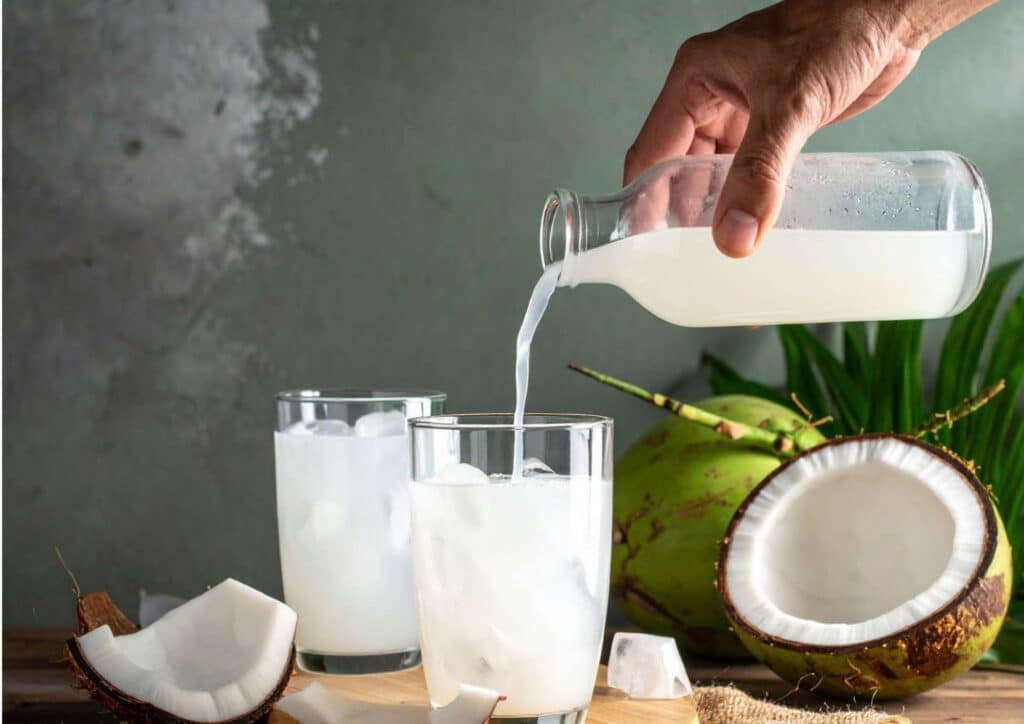
When coconut water is genuinely useful
| Situation | Why Coconut Water May Be Useful |
|---|---|
| After Prolonged Exercise | Coconut water provides fluid and electrolytes that may help replace some of what is lost through sweat. |
| Hot Weather | The combination of fluid and electrolytes can be a refreshing option during periods of increased sweating. |
| When Plain Water Is Less Appealing | Some people find coconut water easier to drink, which may help support overall fluid intake. |
| Light Recovery Drinks | It can be used as part of a recovery routine following physical activity when additional fluid intake is needed. |
| As An Alternative To Sugary Soft Drinks | Unsweetened coconut water is generally lower in calories than many sugar sweetened beverages. |
| Supporting Hydration Habits | For some people, having a palatable hydration option may encourage more consistent fluid consumption. |
| Not As A Fat Loss Tool | Coconut water can support hydration, but its benefits should not be confused with direct effects on fat burning or weight loss. |

How to choose the right coconut water if you enjoy it
If you enjoy coconut water, you do not need to avoid it. Instead, choose it deliberately.
Start by checking the nutrition panel. Look at the serving size, kilojoules and carbohydrate content. Some products contain only coconut water, while others contain additional ingredients. You do not need a complicated product, particularly if you are simply looking for a refreshing drink.
Portion size also matters. A small serve can fit very differently into your day compared with drinking a large bottle without thinking about it.
I also recommend thinking about why you are drinking it. If you are choosing it because you genuinely enjoy the flavour, that is perfectly reasonable. If you are choosing it because you believe it will cause weight loss, there is no good reason to spend the extra money.
Final Thoughts
Coconut water can be a refreshing and nutritious beverage, but it is not a magic solution for weight loss. While it provides fluid, electrolytes and natural sugars, there is no evidence that coconut water directly burns fat or accelerates metabolism. If it helps you stay hydrated or replaces higher calorie drinks such as soft drinks, juices or energy drinks, it may support your overall weight loss efforts.
However, sustainable weight loss still comes down to the fundamentals: maintaining an appropriate calorie intake, prioritising protein and fibre, eating plenty of nutrient dense foods, staying active and building habits that you can maintain long term. Coconut water can be part of a healthy eating pattern, but it should be viewed as a hydration choice rather than a weight loss strategy in its own right.
Tap what you think is true. Each one reveals what the physiology actually shows.
1. Coconut water directly burns body fat and speeds up weight loss.
2. Coconut water is a low kilojoule drink that always supports weight loss.
3. The minerals in coconut water make it a special weight loss drink.
4. What actually drives lasting weight loss when you include coconut water?
Spot the pattern. Coconut water is a drink, not a strategy. The results you want come from the everyday basics you can keep up over time.
Frequently asked questions
Is coconut water better than a sports drink?
It depends on the situation. Coconut water provides fluid, naturally occurring carbohydrate and electrolytes, including potassium. A sports drink is formulated specifically around exercise hydration and carbohydrate delivery. For ordinary hydration, neither is necessary over plain water. After prolonged, sweaty exercise, either can have a practical role depending on your needs.
How much coconut water can I drink in a day?
There is no single amount that suits everyone. Consider your overall food and drink intake, your exercise, your energy requirements and why you are drinking it. If you are drinking coconut water purely for hydration, water is simpler. If you enjoy coconut water, a sensible serve can fit comfortably into a balanced diet.
Is coconut water good for bloating?
Coconut water is not a treatment for bloating. Some people find particular drinks comfortable while others notice that certain beverages make digestive symptoms worse. If bloating is persistent, severe or affecting your daily life, it is worth discussing the pattern with an appropriate health professional rather than relying on coconut water as a solution.
Is coconut water better than plain water after exercise?
After a short or moderate exercise session, plain water is generally sufficient for hydration. After prolonged exercise with substantial sweating, coconut water provides fluid, carbohydrate and potassium, which can make it useful. Your recovery meal also matters, so coconut water does not automatically provide an advantage over water.
Keep reading
This article is general information, not personal medical or nutritional advice. Individual needs vary. For guidance tailored to you, book a consultation.
Book a 60 minute consultation, in Bondi Junction or by Telehealth from anywhere in the world.