

The quick answer
Yes, a vegetarian diet for weight loss can be an effective approach because it can include plenty of fibre rich vegetables, legumes, wholegrains and protein rich foods. However, going vegetarian does not automatically lead to weight loss. The key is building balanced, satisfying meals with enough protein and essential nutrients while managing your overall energy intake.
The short version
- Include a protein source at every main meal to make weight loss easier to maintain. Protein helps keep you feeling full for longer and supports muscle maintenance, helping you manage hunger while maintaining a sustainable calorie deficit.
- Eat plenty of vegetables, legumes, fruit and wholegrains to encourage healthy weight loss. These foods provide dietary fibre, which helps you feel satisfied after meals and makes it easier to manage your overall energy intake.
- Pay attention to iron, vitamin B12, zinc and omega 3 intake when losing weight on a vegetarian diet. Getting enough of these nutrients helps maintain your energy levels and overall health while making dietary changes to achieve your weight loss goals.
Complete protein
A complete protein contains all nine essential amino acids that the body needs from food. Eggs, dairy, soy foods such as tofu and tempeh, and quinoa are examples of complete protein sources.

| Focus Area | Practical Guideline | Timing or Target | Why It Matters for Weight Loss |
|---|---|---|---|
| Protein Prioritisation | Anchor meals around protein-rich plant sources such as tofu, tempeh, edamame, legumes, and eggs or Greek yoghurt (if lacto-ovo). | 25–30g per meal | Preserves lean muscle tissue in an energy deficit and significantly enhances satiety mechanisms to prevent overeating. |
| Ultra-Processed Limits | Minimise reliant consumption of commercial mock meats, vegan bakery items, and highly refined vegetarian snack foods. | Occasional treat | Reduces hyper-palatable, energy-dense foods that frequently drive passive overconsumption without providing lasting fullness. |
| Whole Plant Carbohydrates | Choose intact, high-fibre options like quinoa, oats, lentils, sweet potatoes, and brown rice over refined white grains. | Every main meal | Promotes steady blood glucose regulation, prolongs gastric emptying, and mitigates post-meal energy slumps and cravings. |
| Mindful Healthy Fats | Measure energy-dense plant fats including olive oil, nuts, seeds, tahini, and avocados rather than free-pouring. | 1–2 portion palms daily | Prevents subtle, uncounted energy surpluses whilst ensuring adequate absorption of fat-soluble vitamins and hormonal health. |
| Volume Plate Structuring | Fill half of your plate with non-starchy, high-water vegetables such as leafy greens, broccoli, capsicum, and zucchini. | Lunch and Dinner | Maximises physical food volume and gastric stretch receptor activation while keeping total meal energy density low. |
| Nutrient Safeguarding | Monitor key plant-based nutrients including Vitamin B12, iron, zinc, and omega-3 fatty acids, supplementing strategically where necessary. | Daily consistency | Sustains optimal metabolic rate, daily energy levels, and overall vitality during structured body composition changes. |
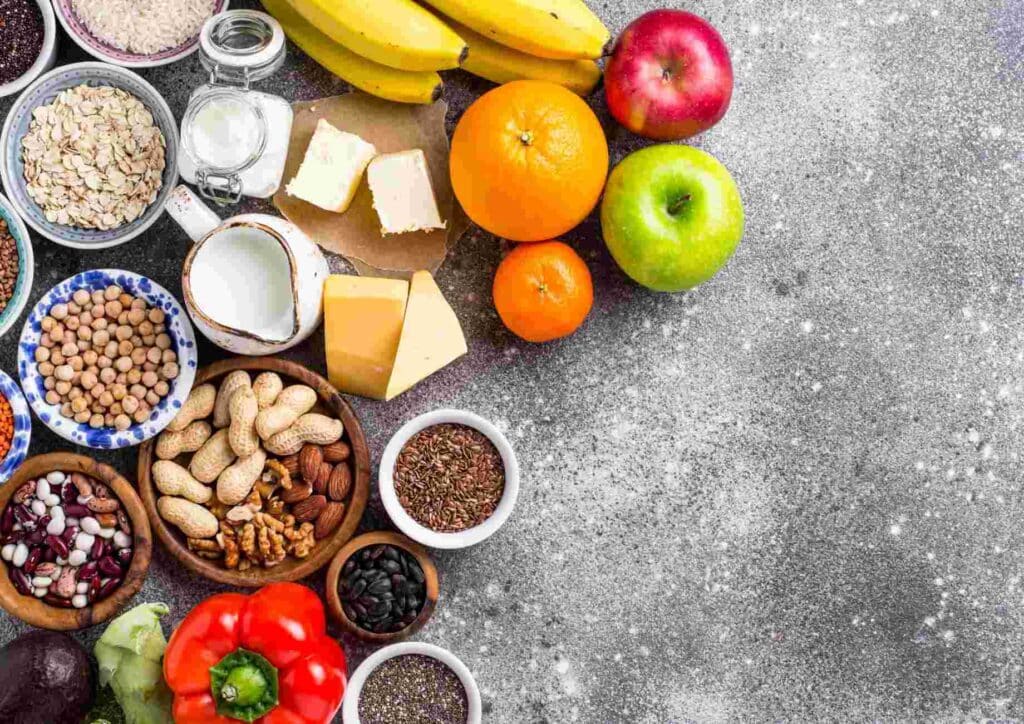
“A vegetarian nutrition intake for weight loss isn’t just about eating more vegetables. It’s about combining plant based foods with enough protein, fibre and essential nutrients to create balanced, satisfying meals that make long term weight loss easier to maintain”.
Jake Biggs, Nutrition Longevity
| Topic Area | Common Myth | Evidence Based Fact | Practical Takeaway |
|---|---|---|---|
| Automatic Weight Loss | Cutting out meat automatically guarantees fat loss without monitoring food quantity. | Vegetarian diets can still be energy-dense through refined carbs, processed snacks, cheeses, and cooking oils, regardless of meat intake. | Focus on whole plant foods and maintain awareness of total energy intake rather than relying solely on food exclusion. |
| Protein Sufficiency | It is impossible to hit optimal protein targets for body composition on a plant-based diet. | With intentional meal planning, plant proteins like tofu, tempeh, edamame, and legumes easily fulfill protein requirements to preserve lean muscle. | Distribute protein-rich plant foods across every main meal to support satiety and muscle recovery. |
| Meat Alternatives | Commercial plant-based mock meats are always a healthier, low-calorie choice for slimming down. | Many ultra-processed meat substitutes contain high levels of added sodium, refined oils, and caloric density comparable to or higher than whole foods. | Treat commercial mock meats as occasional convenience options rather than daily diet staples. |
| Satiety & Hunger | Vegetarian meals leave you feeling hungry shortly after eating because they lack animal protein. | High-fibre plant whole foods slow gastric emptying and release gut satiety hormones, keeping you full when paired with adequate protein and fats. | Combine high-fibre vegetables and legumes with quality plant proteins and portion-controlled healthy fats at every meal. |
| Carbohydrate Quality | All plant carbohydrates cause unwanted blood glucose spikes and prevent body fat reduction. | Intact, fibre-rich complex carbs like oats, quinoa, and sweet potatoes stabilize blood sugar levels and supply sustained metabolic energy. | Prioritise minimally processed whole grains and root vegetables over refined flour and sugar products. |
| Micronutrient Status | Plant-based diets naturally cover all nutritional needs without any targeted planning or supplementation. | Key nutrients like Vitamin B12, iron, zinc, and omega-3s require deliberate dietary choices or supplementation to support baseline metabolic health. | Monitor nutrient intake through blood testing and supplement B12 and essential minerals strategically. |
Vegetarian diet for long term weight loss calculator
Discover practical, evidence-based plant nutrition strategies tailored to your protein targets, meal patterns, and weight management goals. Complete your profile below to receive tailored guidance for sustainable progress.
Your Vegetarian Weight Loss Diagnostic Summary
Your profile indicates that requires careful optimisation for safe, sustainable body composition results.
Your tailored vegetarian weight loss recommendations
Need a structured, professional clinical nutrition programme?
I will review your personal preferences and formulate an evidence-based strategy designed to support metabolic health and sustainable weight management safely.
Book a consultationThis interactive tool provides educational guidance to support healthy nutrition habits and is not a substitute for professional clinical advice.

“I built this interactive calculator to help you cut through the confusion and take the guesswork out of following a vegetarian diet for weight loss. By tailoring your approach to your current eating habits, protein intake and nutritional needs, you can build balanced, satisfying meals that manage hunger, support muscle maintenance and make long term weight loss easier to achieve and maintain”.
Jake Biggs, Nutrition Longevity

 16Week ProgramMenopause Weight Loss ProgramFor women in perimenopause and menopause
 16Week ProgramMen’s Weight Loss ProgramFor men with stubborn weight
Does going vegetarian help weight loss?
How plant based eating can support weight loss
A vegetarian diet for weight loss can help create a sustainable calorie deficit when meals are built around nutritious, filling foods, particularly some of the best foods for weight loss. Vegetables, fruit, legumes and wholegrains provide dietary fibre, which helps increase meal volume and supports feelings of fullness, making the principles of a high fibre diet particularly useful for weight management.
One of the advantages of vegetarian eating is the variety of plant foods available. Lentils, chickpeas, wholemeal pasta, sweet potato, oats, brown rice and wholegrain bread can all form part of a balanced eating pattern.
| Core Advantage | How It Works | Best Plant Sources | Your Weight Loss Result |
|---|---|---|---|
| Natural Fullness | High water and fibre content physically expands in your stomach, triggering fullness receptors without extra calories. | Fresh vegetables, salads, and whole fruits | Feel deeply satisfied on fewer kilojoules so you can effortlessly maintain a calorie deficit on the scale. |
| Steady Energy | Complex carbohydrates break down slowly, keeping your blood sugar stable rather than spiking and crashing. | Oats, brown rice, and wholegrain bread | Stops stubborn afternoon energy slumps and prevents frantic sugar cravings that stall weight loss. |
| Lasting Hunger Control | Plant proteins and viscous fibres slow down digestion, keeping hunger hormones balanced for hours. | Lentils, chickpeas, and mixed beans | Eliminates between-meal grazing and makes sticking to your weight loss targets simple. |
| Metabolic Support | Diverse plant fibre feeds beneficial gut bacteria, which release compounds that assist metabolic health. | Root vegetables, legumes, and grains | Optimises your internal metabolism for smoother, long-term body mass reduction. |
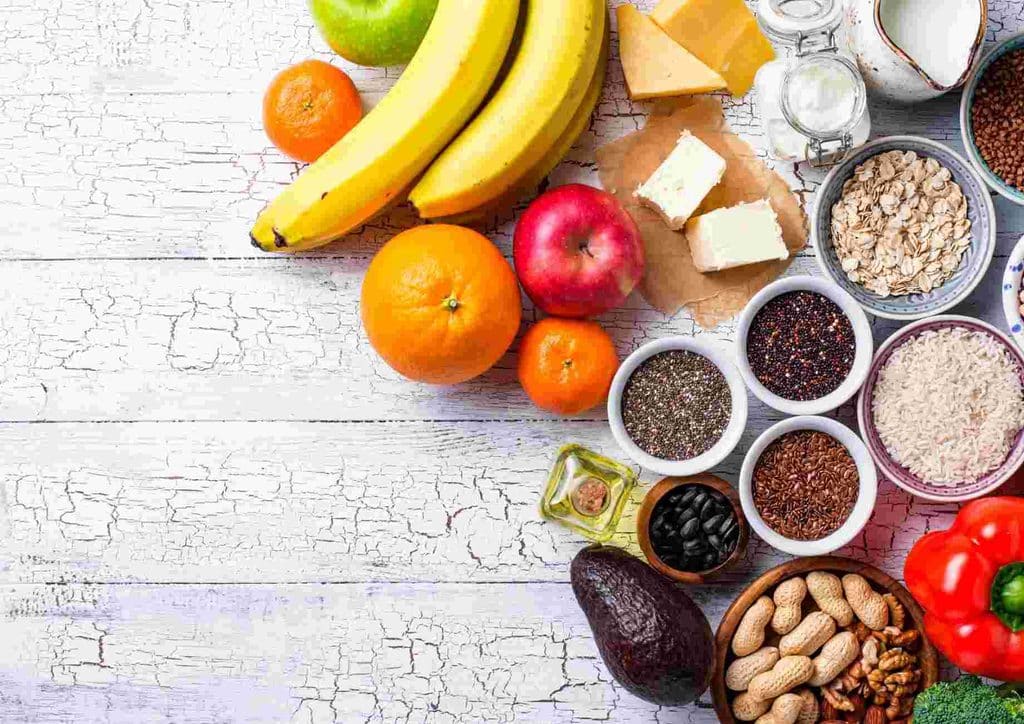
Does vegetarian automatically mean healthy?
Vegetarian foods are not automatically low in calories. Large portions of cheese, creamy sauces, pastries, fried foods, vegetarian burgers and highly processed meat alternatives can increase your overall energy intake without necessarily keeping you satisfied.
I generally recommend focusing on what you can include rather than what you need to eliminate when building a balanced diet for weight loss. A combination of protein, vegetables, fibre rich carbohydrates and healthy fats provides a practical foundation for sustainable weight loss and long term weight management.
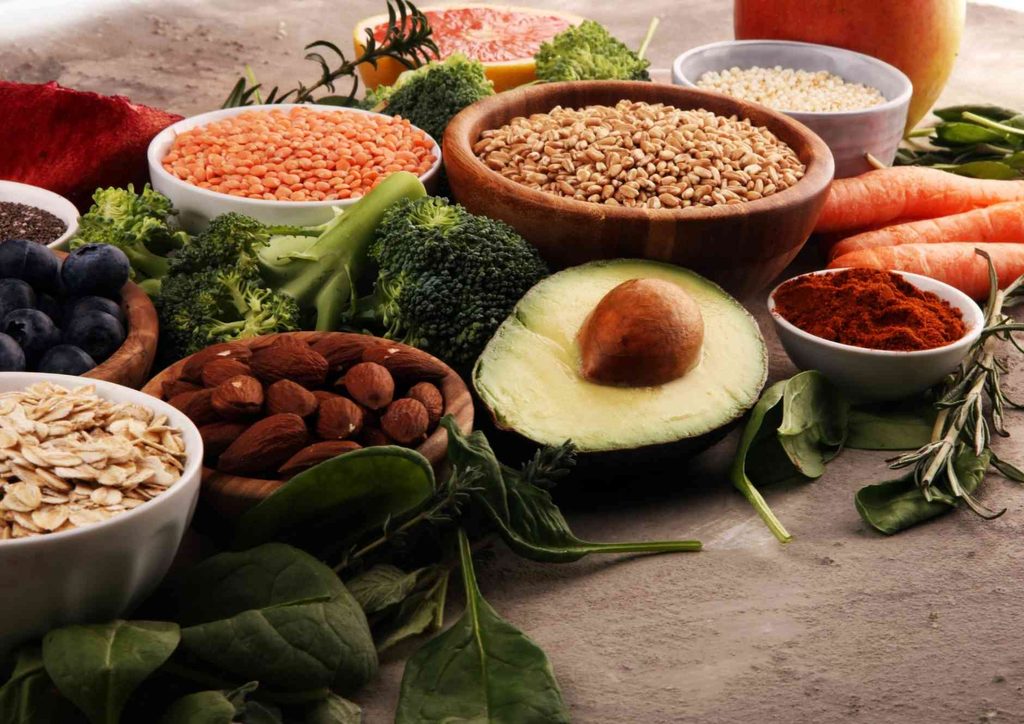
| Dietary Pitfall | Why It Stalls Progress | Common Hidden Culprits | Smart Inclusion Strategy |
|---|---|---|---|
| Energy Density | Meat-free foods can still pack high kilojoule loads that quietly override your calorie deficit. | Rich cheeses, heavy cream sauces, butter, and pastries | Measure portions of energy-dense additions rather than free-pouring or guessing amounts. |
| Processed Convenience | Commercial vegetarian options often lack the dietary fibre needed to trigger natural fullness. | Deep-fried snacks, frozen meat alternatives, and refined takeaway options | Prioritise whole, minimally processed plant foods as your daily dietary baseline. |
| Incomplete Satiety | Meals missing key structural elements leave you searching for food shortly after eating. | Low-protein salads and refined carbohydrate snacks | Combine quality protein, high-fibre carbs, and healthy fats at every sitting for lasting fullness. |
| Restriction Fatigue | Focusing purely on cutting out favourite items creates burnout and makes weight loss harder. | Overly rigid food rules and strict elimination mindsets | Build your plates around nourishing inclusions rather than worrying about what to ban. |
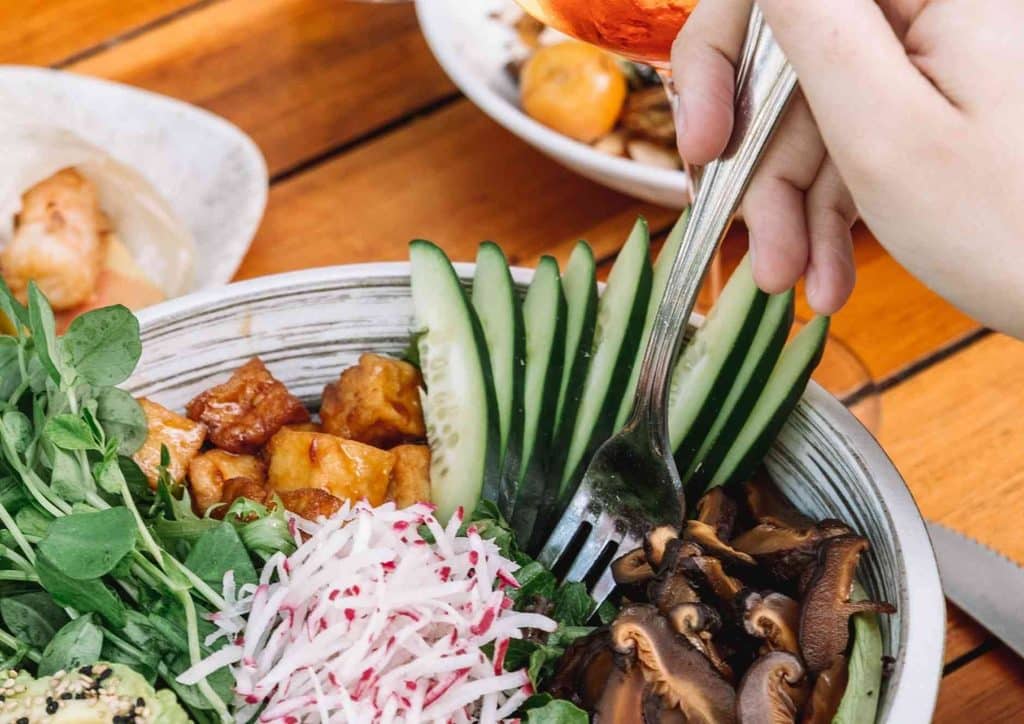
The protein question
Why is protein important for weight loss?
Getting enough protein is important when following a vegetarian diet for weight loss, particularly when trying to maintain muscle mass while losing body fat. The good news is that there are plenty of vegetarian protein sources that can be included throughout the day.
Protein also helps with satiety, making meals more satisfying and potentially reducing the temptation to snack frequently between meals.
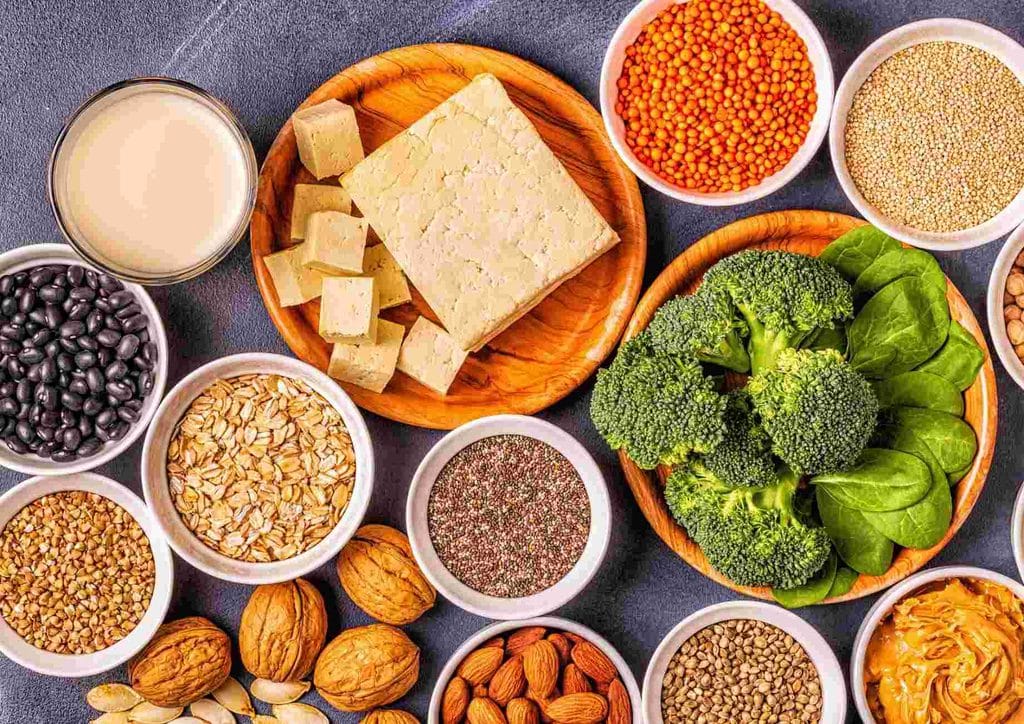
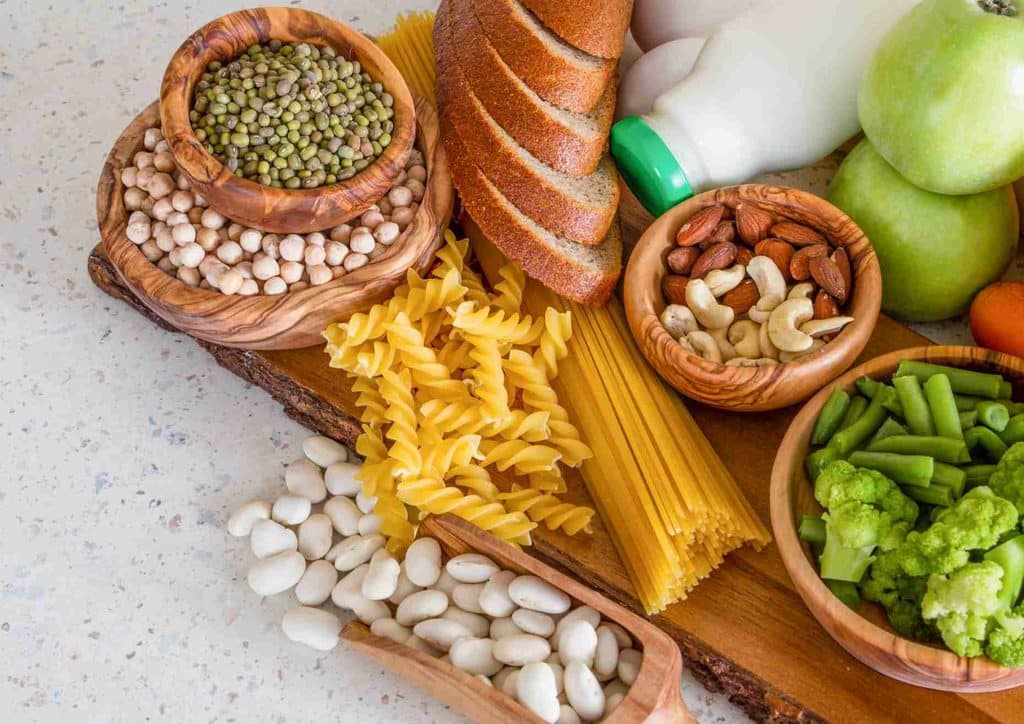
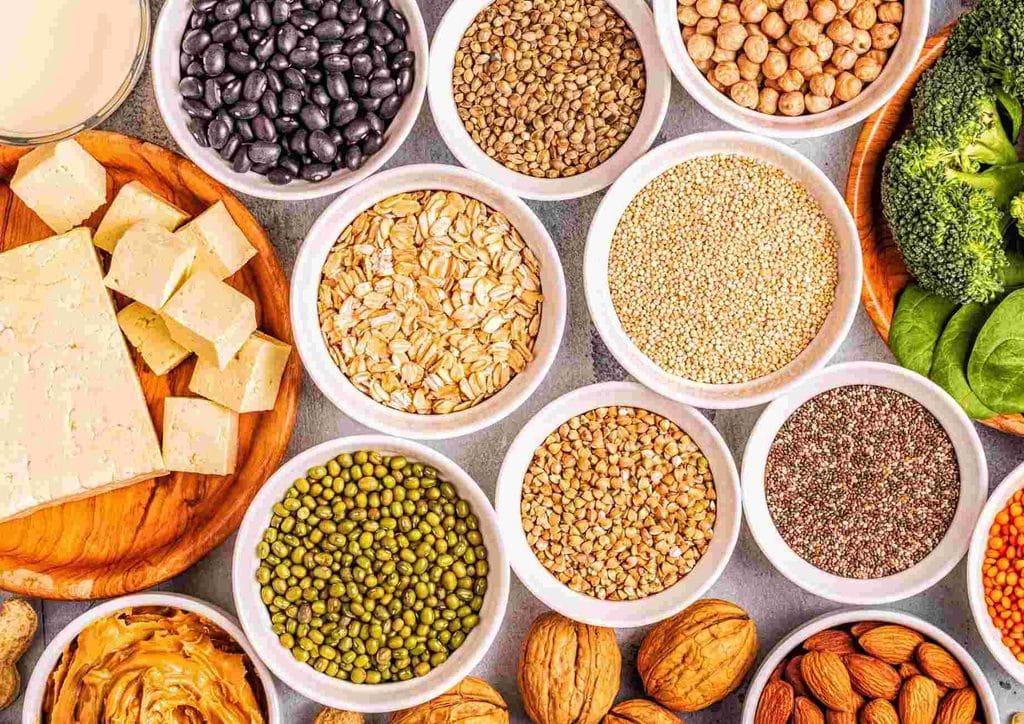
Some of the high protein foods I recommend incorporating into vegetarian eating include eggs, Greek yoghurt, cottage cheese, tofu, tempeh, edamame, lentils, chickpeas and beans.
You do not need to rely on protein supplements such as whey protein to meet your requirements. However, a protein powder can be a convenient option when you struggle to get enough protein from meals, particularly on busy days, such as in a high protein banana smoothie.

| Core Benefit | How It Works | Recommended Sources | Your Weight Loss Outcome |
|---|---|---|---|
| Lean Tissue Protection | Supplies essential amino acids to safeguard your muscle mass while you are in a calorie deficit. | Eggs, Greek yoghurt, cottage cheese, tofu, and tempeh | Ensures your weight loss comes primarily from stored body fat rather than metabolising active muscle tissue. |
| Enhanced Satiety | Slows down digestion and triggers powerful satiety hormones that signal fullness to your brain. | Edamame, lentils, chickpeas, and mixed beans | Keeps you feeling deeply satisfied after eating and curbs the temptation to graze between meals. |
| Flexible Convenience | Provides reliable nutrition options that fit effortlessly into busy schedules without stress. | Whole food proteins and optional quality protein powders | Makes hitting your daily protein targets simple and sustainable even on hectic days. |
| Metabolic Stability | Requires more energy for your body to break down and process compared to carbs or fats. | Diverse plant and dairy protein sources across all meals | Supports a steady metabolic rate and stabilises energy levels throughout your weight loss journey. |
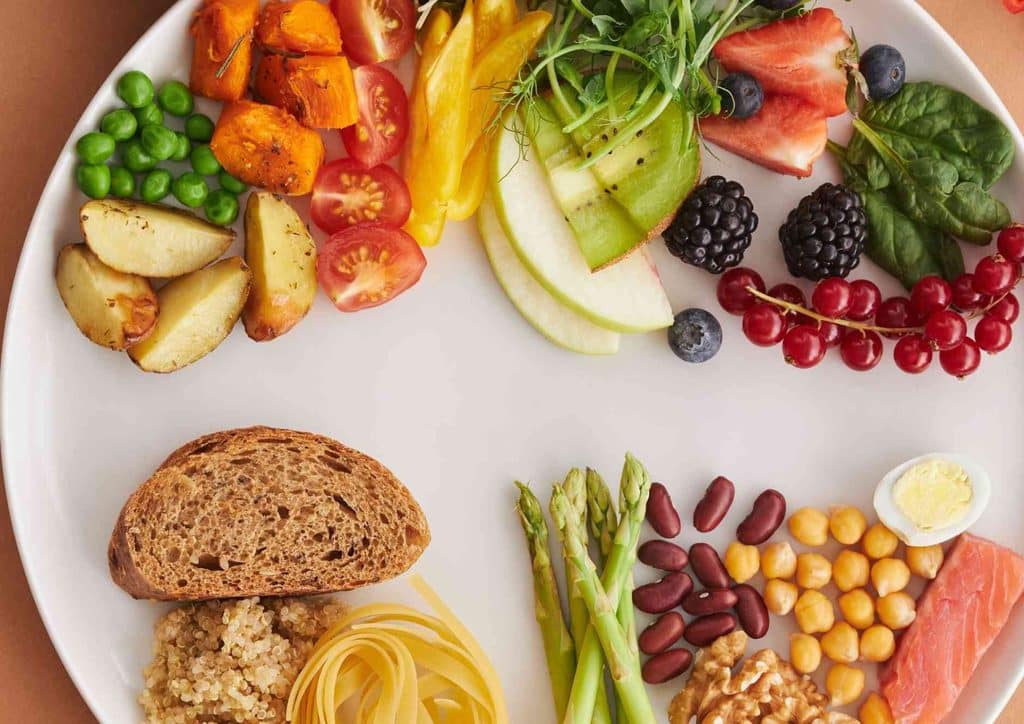
How much protein should you eat?
Protein requirements vary depending on your body weight, age, activity levels, health and individual goals. Someone who regularly strength trains may have different requirements from someone who is less physically active.
Rather than relying on one large protein serving at dinner, I recommend spreading protein intake across breakfast, lunch and dinner.
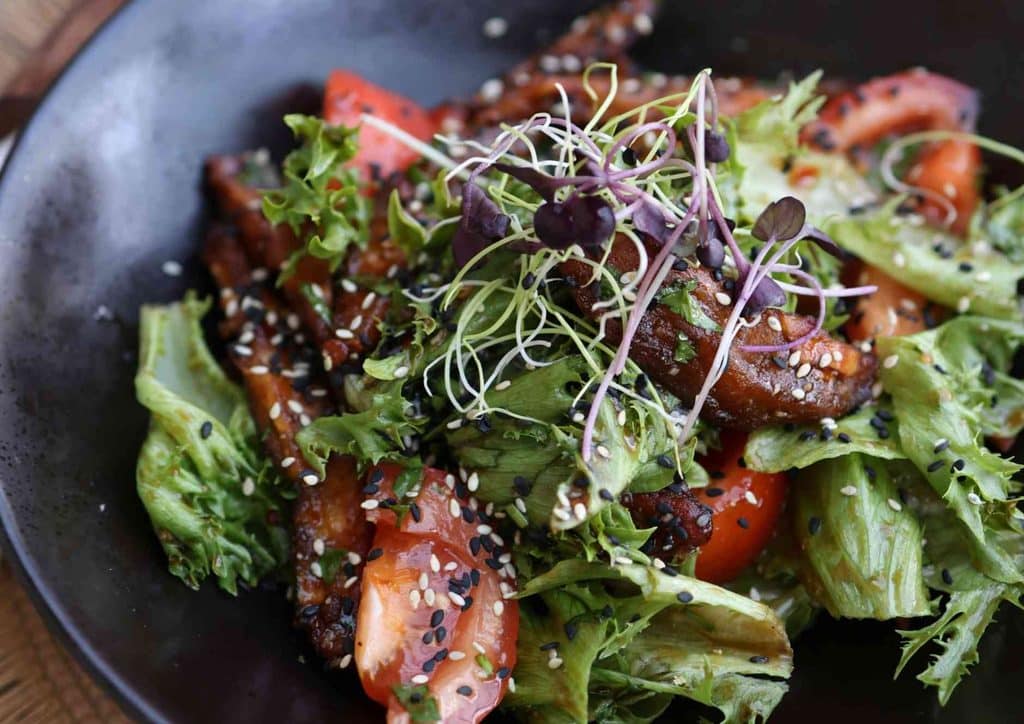
For example, breakfast could include eggs or high protein Greek yoghurt, lunch could include tofu or chickpeas, and dinner could feature tempeh, lentils or a combination of beans and wholegrains.
| Key Factor | Why It Influences Your Target | Practical Meal Distribution | Weight Loss Advantage |
|---|---|---|---|
| Personalised Requirements | Protein needs shift based on your body weight, age, daily activity levels, and overall health goals. | Tailored intake matched to your unique lifestyle and daily movement | Prevents under-eating essential nutrients or overshooting your daily energy budget. |
| Activity & Training | Regular strength training or high physical activity increases your body’s demand for amino acids. | Higher protein targets on training days to support recovery | Protects lean muscle tissue while actively reducing body mass on the scale. |
| Consistent Distribution | Spreading protein intake across the day is far more effective than cramming it into one large evening meal. | Protein at breakfast, lunch, and dinner rather than dinner alone | Keeps satiety hormones elevated continuously and stops grazing between meals. |
| Whole Food Pairing | Combining versatile plant and dairy proteins ensures delicious variety without getting bored. | Eggs/Greek yoghurt (morning), tofu/chickpeas (midday), tempeh/lentils (evening) | Makes hitting your daily protein targets effortless and sustainable long term. |

Nutrients to keep an eye on
Iron
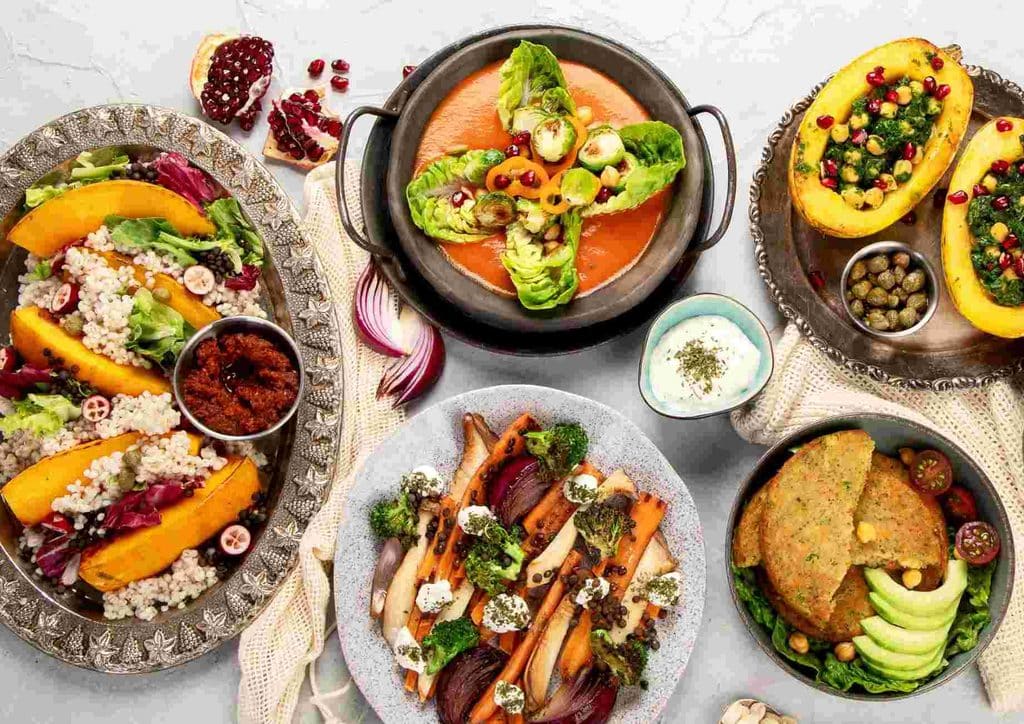
A vegetarian diet needs to provide sufficient iron to support oxygen transport and normal energy levels. Plant based iron sources include lentils, chickpeas, kidney beans, tofu, spinach, pumpkin seeds and fortified breakfast cereals.
Plant based iron is not absorbed as efficiently as iron from animal foods. Pairing iron rich plant foods with vitamin C sources, such as capsicum, tomatoes, kiwifruit or oranges, can help improve absorption.
| Physiological Role | Absorption Challenge | Best Iron & Vitamin C Pairings | Weight Loss & Energy Outcome |
|---|---|---|---|
| Oxygen Transport | Sufficient iron is vital to support red blood cell function and maintain normal, steady energy levels. | Lentils, chickpeas, kidney beans, tofu, spinach, and pumpkin seeds | Prevents fatigue and lethargy, ensuring you stay active and energised throughout your weight loss journey. |
| Bioavailability Factor | Plant-based (non-haem) iron is not absorbed by the digestive tract as efficiently as iron from animal foods. | Fortified breakfast cereals paired with fresh citrus fruits | Highlights why intentional food pairing is essential to meet your daily micronutrient requirements safely. |
| Enhancing Absorption | Pairing iron-rich plant foods with vitamin C significantly boosts the body’s uptake rate. | Capsicum, tomatoes, kiwifruit, and oranges added to meals | Maximises the nutritional value of your meals without needing excessive portion sizes. |
| Metabolic Vitality | Avoiding iron depletion protects your baseline metabolic rate and overall physical performance. | Strategic meal combinations at lunch and dinner daily | Supports consistent daily movement and exercise recovery while maintaining a calorie deficit. |

Vitamin B12
Vitamin B12 is important for normal nerve function and red blood cell production. Naturally occurring vitamin B12 is mainly found in animal derived foods, including eggs and dairy products.
If you follow a vegan diet, or consume very little dairy and eggs, fortified foods or supplementation may be necessary to meet your requirements.

| Physiological Role | Dietary Source Reality | Natural & Fortified Options | Metabolic & Health Outcome |
|---|---|---|---|
| Nerve Function | Vitamin B12 is essential for maintaining normal nervous system health and optimal neurological signaling. | Eggs and quality dairy products (if lacto-ovo vegetarian) | Supports long-term neurological wellbeing and prevents deficiency-related fatigue during weight management. |
| Red Blood Cells | Plays a critical role in cellular formation and energy production pathways throughout the body. | Nutritional yeast and fortified plant milks or cereals | Maintains robust physical stamina and prevents sluggishness while you are in a calorie deficit. |
| Vegan & Restricted Intake | Strict plant-based diets lacking animal products naturally contain little to no active vitamin B12. | Intentionally fortified foods and targeted supplementation | Ensures your nutritional bases are fully covered without compromising your ethical or dietary preferences. |
| Proactive Monitoring | Routine checks and strategic planning prevent silent deficiencies from stalling your health goals. | Regular pathology reviews and reliable daily habits | Protects your baseline vitality and ensures smooth, sustainable progress on your weight loss journey. |

Zinc
Zinc supports immune function, wound healing and normal growth and development. Vegetarian sources include legumes, wholegrains, nuts, seeds and dairy products.
Including a variety of these foods throughout the week can help improve your overall zinc intake.

| Physiological Role | Dietary Strategy | Best Vegetarian Sources | Weight Loss & Vitality Outcome |
|---|---|---|---|
| Immune Support | Zinc is essential for maintaining a robust immune system and defending against everyday illness. | Legumes, beans, and lentils | Keeps your immune defences strong so you can stay consistent with your exercise and weight loss routines. |
| Tissue Repair | Supports normal cellular growth, healing processes, and post-workout muscle recovery. | Wholegrains, oats, and brown rice | Helps your body bounce back efficiently after physical activity while maintaining lean tissue. |
| Dietary Variety | Including a diverse rotation of plant and dairy foods across the week safeguards your nutrient status. | Raw nuts, seeds, and quality dairy products | Prevents nutritional gaps and supports overall metabolic health during structured weight management. |
| Metabolic Balance | Adequate mineral intake ensures your internal enzyme systems function smoothly under a calorie deficit. | Balanced daily inclusion across main meals | Protects your baseline energy levels and supports long-term, sustainable body mass reduction. |
Omega 3
Omega 3 fatty acids support normal heart and brain function. Vegetarian sources of plant based omega 3 include chia seeds, ground linseeds, walnuts and hemp seeds.
For example, adding chia seeds to porridge, Greek yoghurt or smoothies is a simple way to include more plant based omega 3 in your diet.

| Physiological Role | Simple Inclusion Habit | Best Plant-Based Sources | Weight Loss & Health Outcome |
|---|---|---|---|
| Heart & Brain Function | Essential fats that support cardiovascular health, neurological performance, and cognitive wellbeing. | Chia seeds, ground linseeds, walnuts, and hemp seeds | Protects long-term cardiovascular health while you actively work towards your weight loss goals. |
| Easy Daily Habits | Seamlessly mixing nutrient-dense seeds into your favourite morning routines requires zero extra cooking time. | Stirring seeds into porridge, Greek yoghurt, or smoothies | Makes hitting your daily essential fatty acid targets effortless and sustainable. |
| Satiety & Texture | Adding healthy fats and fibres helps slow digestion and enhances the creaminess and fullness of meals. | Ground linseeds and chia gels in breakfast bowls | Keeps you satisfied for longer, curbing between-meal cravings and supporting your calorie deficit. |
| Nutritional Balance | Ensures your vegetarian eating pattern remains fully balanced across all essential micronutrient categories. | Consistent daily rotation of nuts and seeds | Supports steady metabolic function and overall vitality throughout your weight management journey. |
A vegetarian day of eating
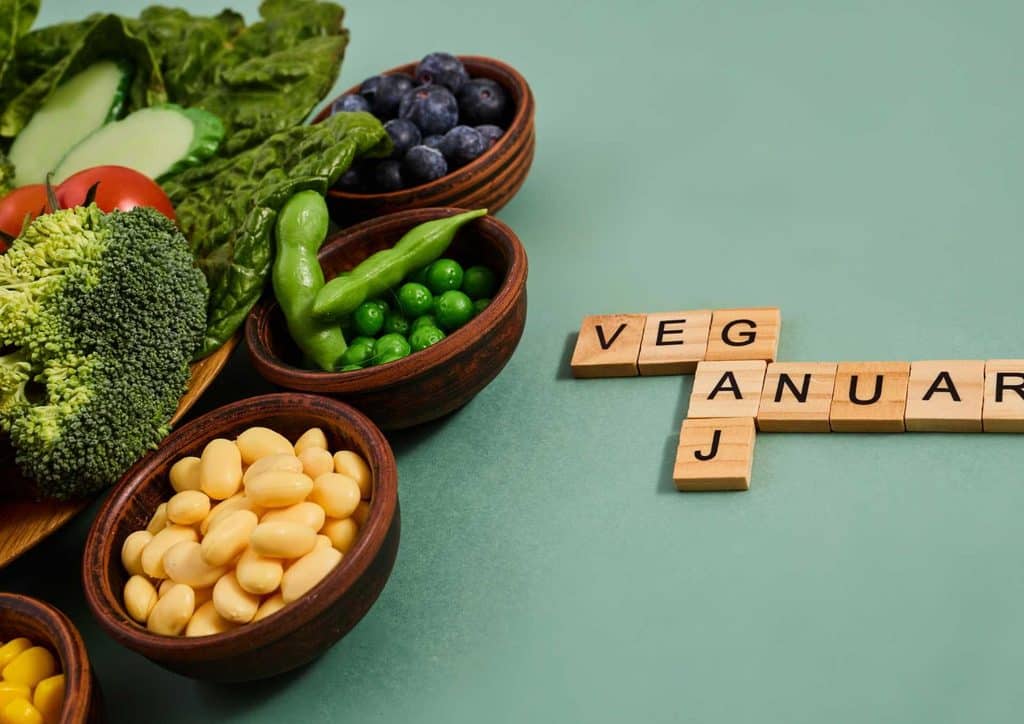
A balanced vegetarian day of eating for weight loss should include protein at each main meal, plenty of vegetables, fibre rich carbohydrates and moderate amounts of healthy fats.
| Meal Time | Sample Meal Structure | Key Protein & Fibre Focus | Weight Loss & Satiety Benefit |
|---|---|---|---|
| Breakfast | Rolled oats cooked with plant milk, stirred through with Greek yoghurt, topped with chia seeds and fresh berries. | Greek yoghurt, chia seeds, oats, and berries | Provides a balanced mix of protein and viscous fibre to kick-start morning fullness and stabilise blood sugar. |
| Lunch | Warm salad bowl featuring mixed leafy greens, diced capsicum, cherry tomatoes, canned chickpeas, and a lemon-tahini dressing. | Chickpeas, leafy greens, capsicum, and tahini | Delivers high food volume and vitamin C to boost iron absorption while keeping energy density controlled. |
| Afternoon Snack | Carrot and celery sticks paired with a protein-rich cottage cheese dip or roasted edamame beans. | Cottage cheese or edamame beans | Bridges the gap between lunch and dinner, preventing afternoon energy slumps and impulsive grazing. |
| Dinner | Tofu and vegetable stir-fry with broccoli, zucchini, and snap peas, served over a moderate portion of brown rice. | Tofu, broccoli, zucchini, and brown rice | Anchors the evening with quality plant protein to protect lean muscle mass and satisfy evening hunger. |
Breakfast
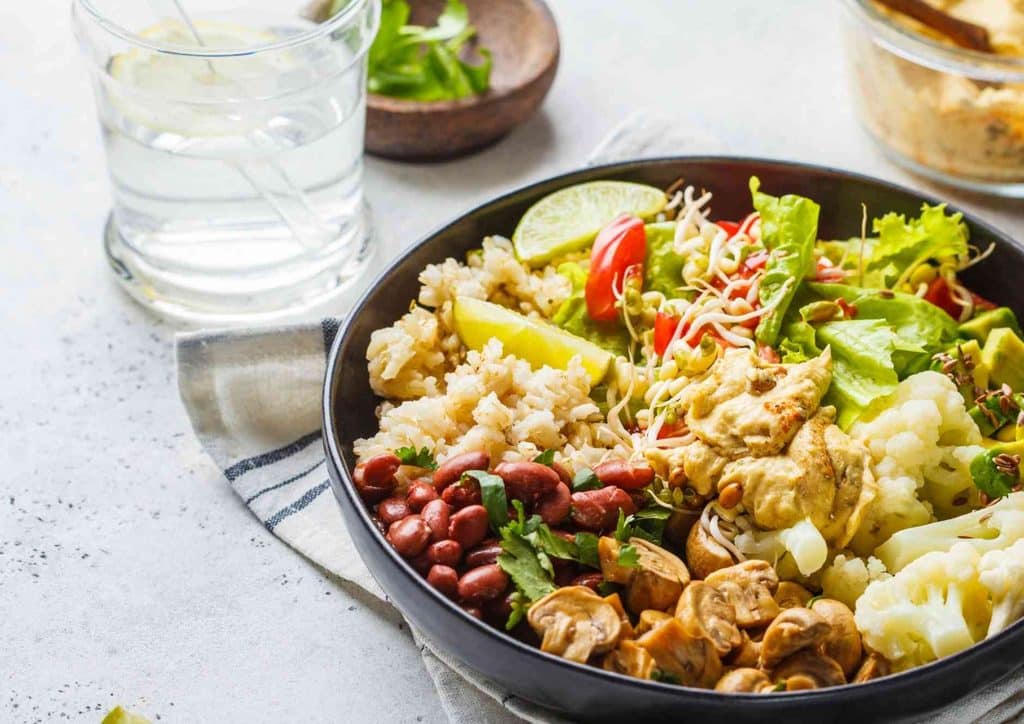
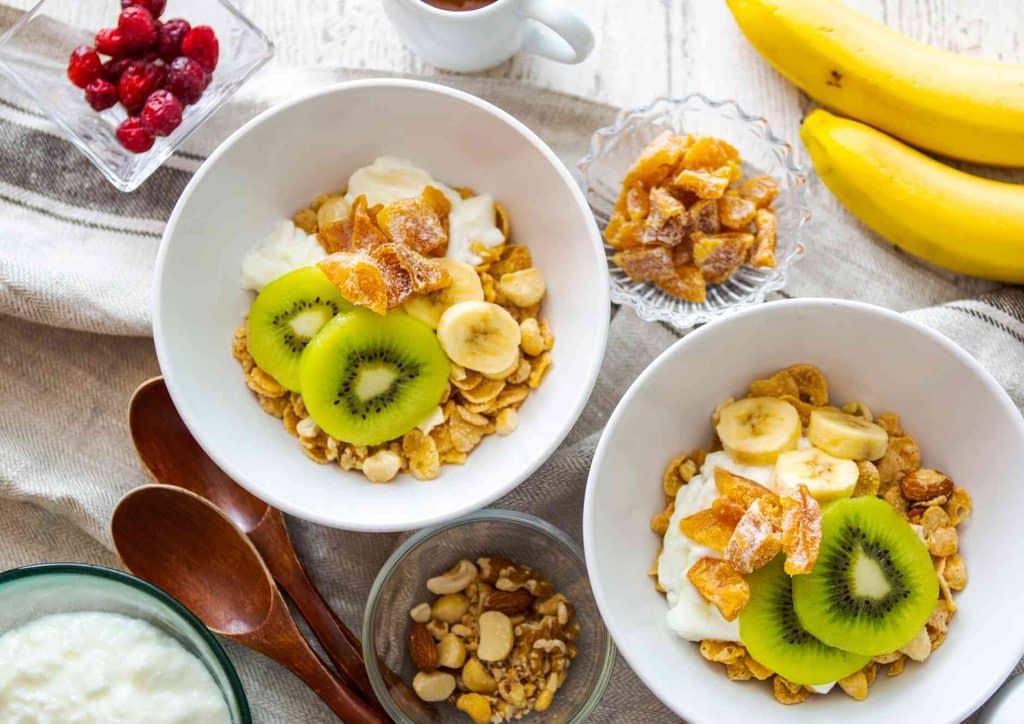
Protein pancakes made with oats, high protein Greek yoghurt, soy milk, berries and chia seeds.
| Meal Component | Practical Inclusion | Key Nutrient Focus | Weight Loss & Satiety Benefit |
|---|---|---|---|
| Pancake Batter Base | Rolled oats blended together with high-protein Greek yoghurt and soy milk. | Complex wholegrain carbohydrates and combined dairy and plant protein | Provides steady morning energy and a satisfying texture without excessive kilojoules. |
| Protein Anchor | Reinforced naturally through Greek yoghurt and protein-rich soy milk in the batter. | High-quality amino acids and casein protein | Safeguards lean muscle mass and enhances morning satiety to prevent early snacking. |
| Antioxidant Boost | Fresh or gently warmed berries folded into the mix or served on top. | Vitamins, dietary fibre, and polyphenol antioxidants | Adds natural sweetness and physical food volume to keep your meal light and filling. |
| Viscous Healthy Fats | Chia seeds whisked into the batter or sprinkled generously over the finished stack. | Omega-3 fatty acids and gel-forming soluble fibre | Slows gastric emptying to keep you feeling full right through to lunchtime. |
Morning snack
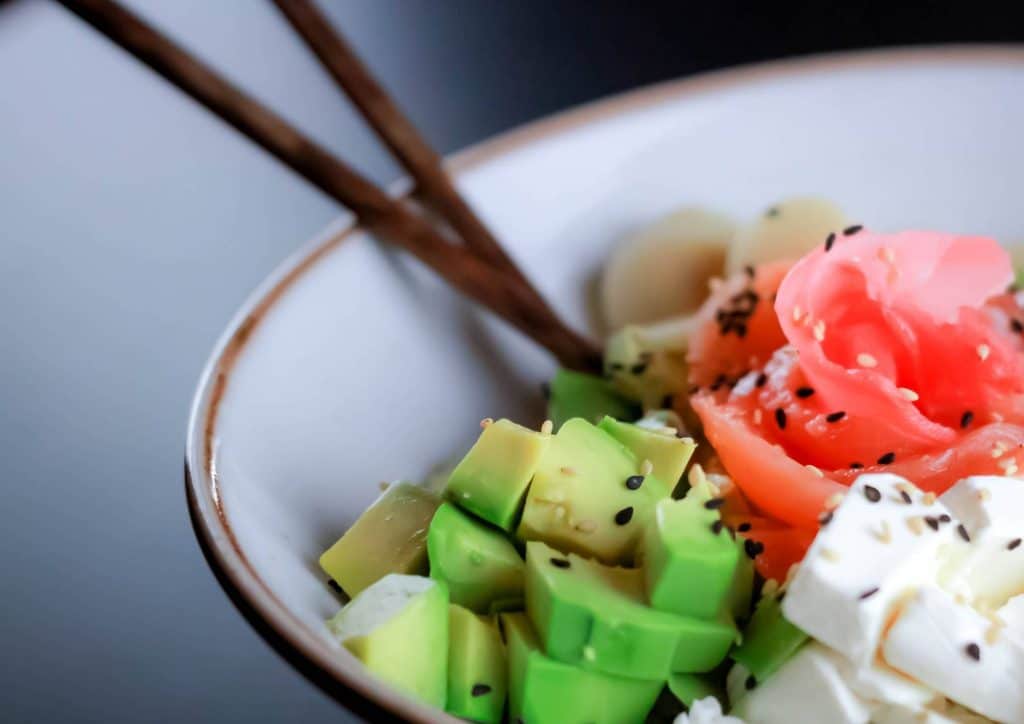
One piece of fruit, such as an apple, pear, banana or grapes.
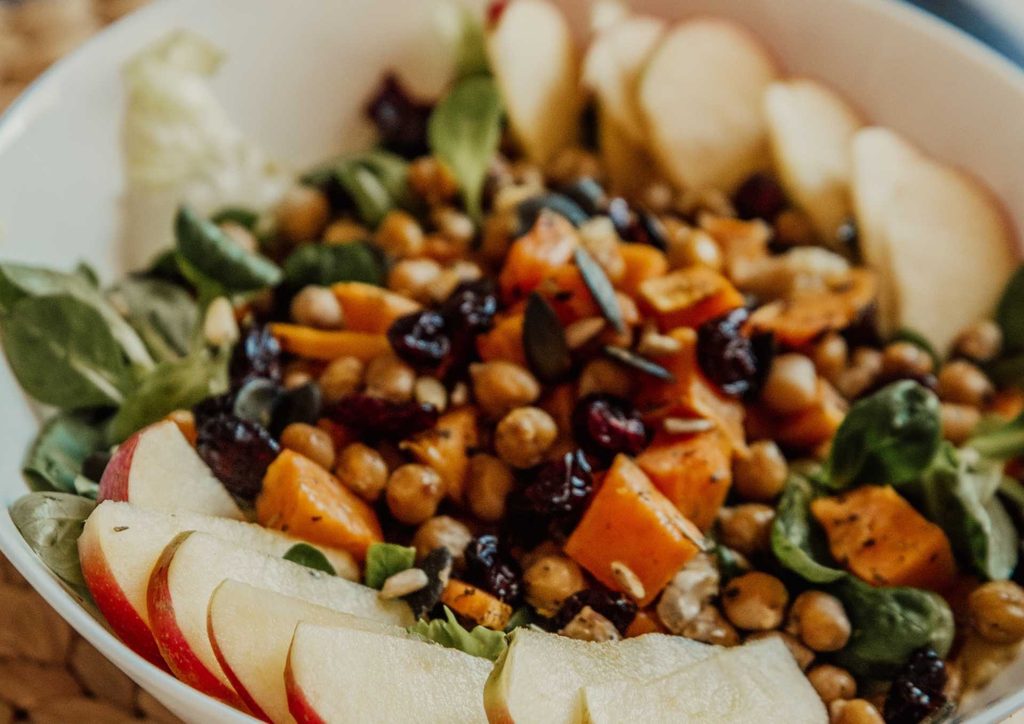
| Snack Component | Practical Inclusion | Key Nutrient Focus | Weight Loss & Satiety Benefit |
|---|---|---|---|
| Natural Carbohydrate | One fresh piece of whole fruit, such as an apple, pear, or banana. | Natural fruit sugars, vitamins, and hydration | Provides a quick, wholesome energy lift to bridge the gap between breakfast and lunch. |
| Dietary Fibre | Intact fruit skin and flesh consumed directly. | Soluble and insoluble plant fibre | Slows digestion speed and encourages natural chewing satisfaction. |
| Energy Control | Portion-controlled single piece serving size. | Controlled kilojoule density | Prevents mindless grazing while maintaining your daily calorie deficit. |
| Metabolic Balance | Readily available whole food nutrition without processed additives. | Essential micronutrients and antioxidants | Supports consistent daily energy levels and keeps your weight loss journey on track. |
Lunch
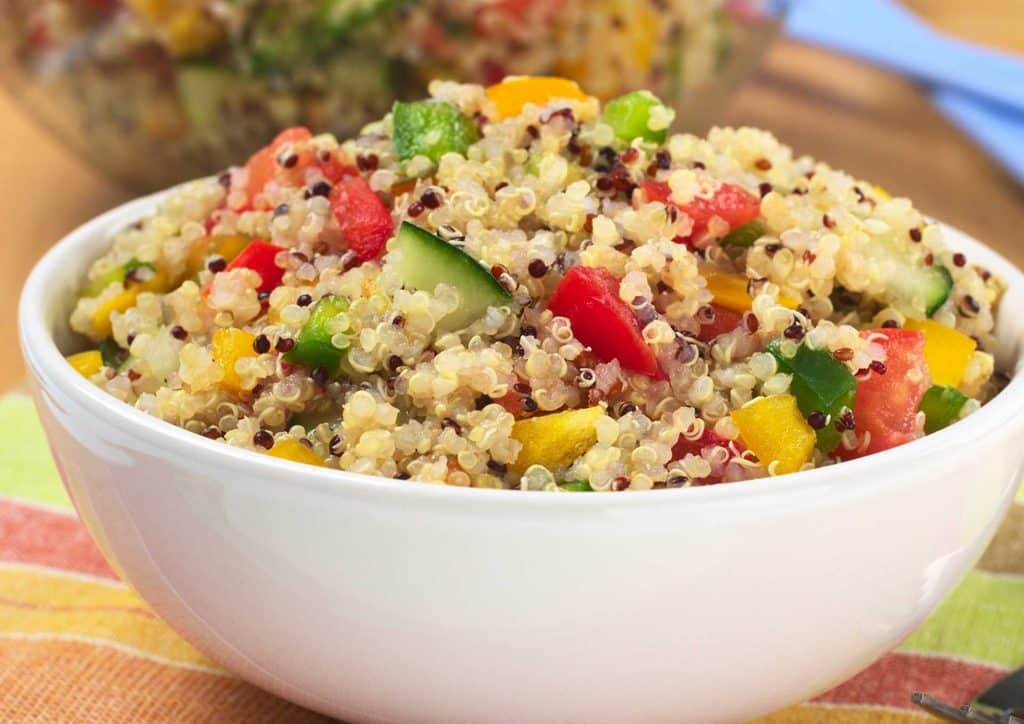
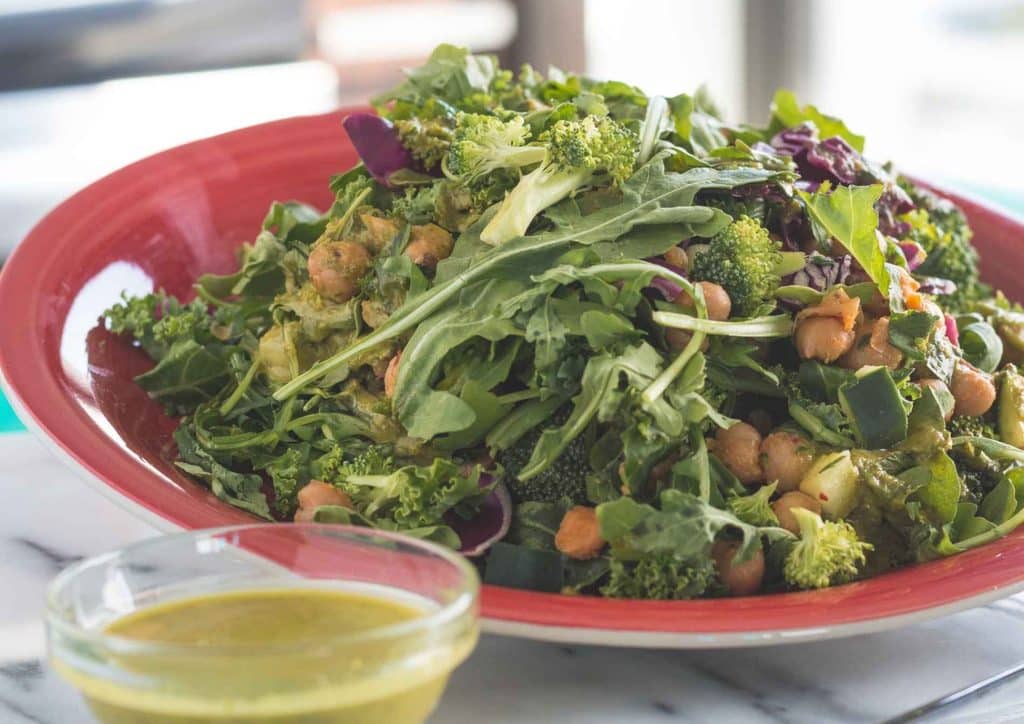
A tofu and vegetable stir fry with brown rice, edamame and a light soy based sauce.
| Meal Component | Practical Inclusion | Key Nutrient Focus | Weight Loss & Satiety Benefit |
|---|---|---|---|
| Plant Protein Anchor | Firm tofu cubes and vibrant edamame beans tossed through the pan. | Complete plant-based protein and iron | Protects lean muscle mass and satisfies midday hunger without heavy animal fats. |
| High-Volume Vegetables | A generous mix of stir-fry vegetables providing bulk and colour. | Dietary fibre, vitamins, and high water volume | Fills your stomach physically to trigger natural satiety signals on a controlled energy budget. |
| Sustained Carbohydrate | A moderate portion of wholegrain brown rice as the base. | Complex carbohydrates and slow-release energy | Refuels your glycogen stores and prevents the afternoon slumps that trigger sugar cravings. |
| Flavour & Control | A light soy-based sauce bringing savouriness without excess kilojoules. | Umami depth with minimal added oils or sugars | Keeps meals enjoyable and packed with flavour while keeping your calorie deficit on track. |
Afternoon snack
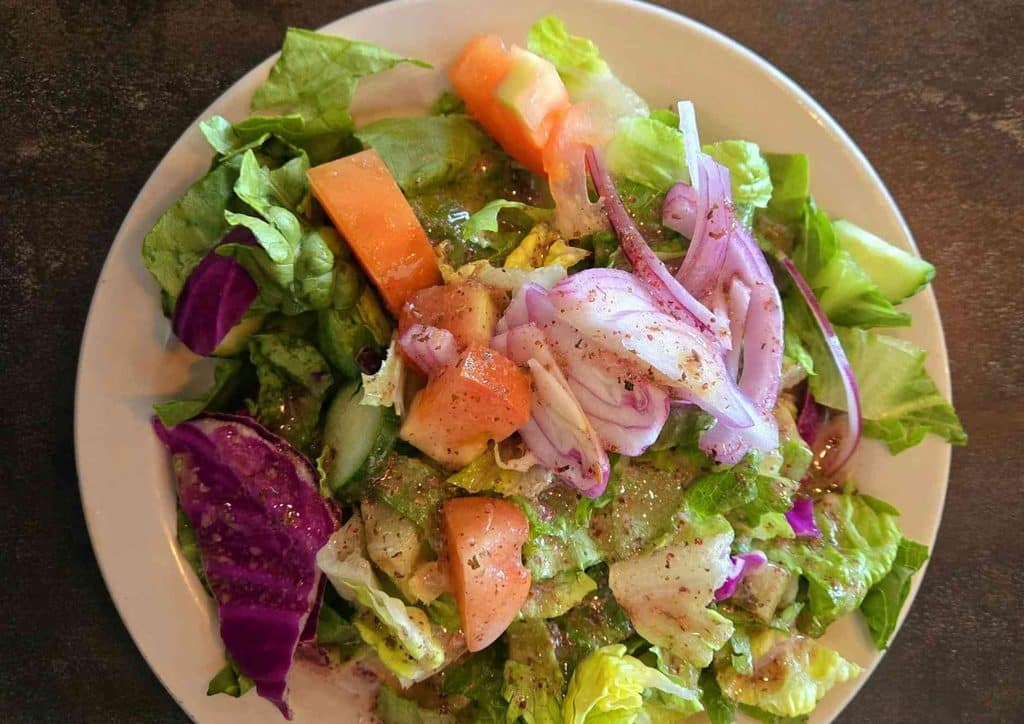
Cottage cheese with berries or one of many healthy snacks for weight loss that help support fullness between meals.
| Snack Component | Practical Inclusion | Key Nutrient Focus | Weight Loss & Satiety Benefit |
|---|---|---|---|
| Protein Base | Creamy cottage cheese paired with fresh berries or a small handful of mixed nuts. | Slow-digesting casein protein and amino acids | Provides sustained nourishment to bridge the gap between lunch and dinner without excessive kilojoules. |
| Antioxidant & Fibre Pairing | Juicy berries or portion-controlled crunchy nuts added to the mix. | Dietary fibre, vitamins, and healthy plant fats | Enhances meal satisfaction and curbs the temptation to raid the pantry during the late-afternoon slump. |
| Appetite Control | Strategically timed snack to keep hunger hormones balanced into the evening. | Balanced protein-to-energy ratio | Prevures ravenous overeating at dinner by gently stabilising blood glucose levels. |
| Sustainable Habit | Quick, effortless assembly requiring no cooking or complex preparation. | Whole food nutrition on busy afternoons | Makes sticking to your daily calorie target simple, realistic, and entirely stress-free. |

Dinner
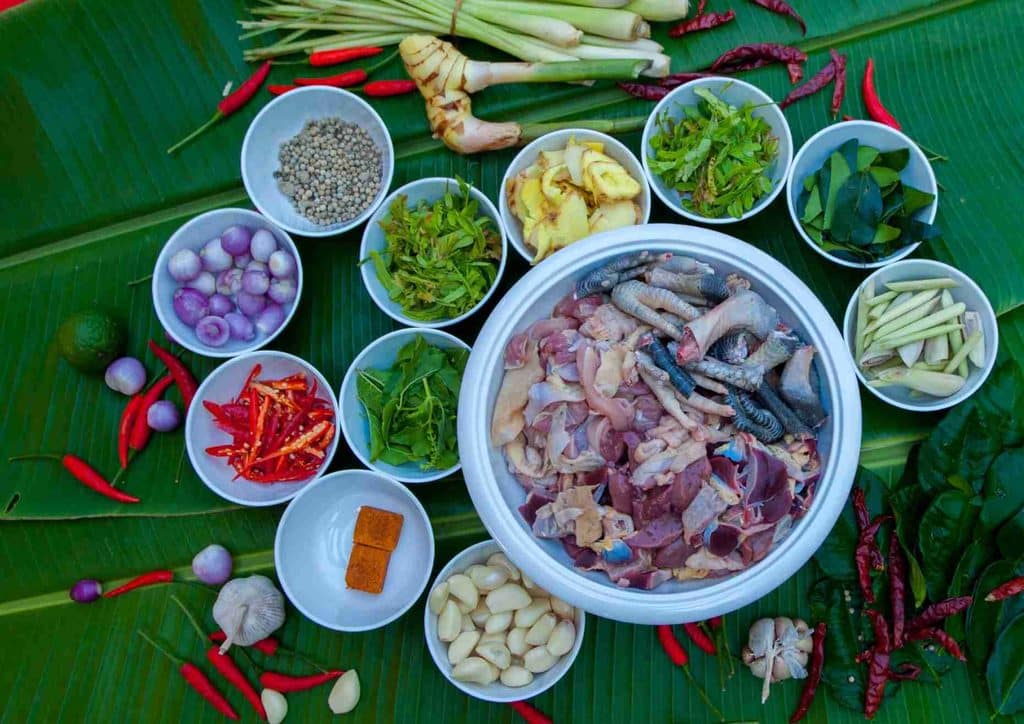
Lentil and vegetable pasta made with wholemeal pasta, tomato based sauce, mushrooms, spinach and a sprinkle of parmesan cheese.
This approach provides a combination of protein, dietary fibre and carbohydrates to support energy levels and keep meals satisfying.
You can also change the protein sources throughout the week. For example, swap tofu for tempeh, lentils for chickpeas or cottage cheese for Greek yoghurt.
| Meal Component | Practical Inclusion | Key Nutrient Focus | Weight Loss & Satiety Benefit |
|---|---|---|---|
| Wholegrain Base | Wholemeal pasta tossed with nutrient-dense lentils and a rich tomato-based sauce. | Complex carbohydrates, dietary fibre, and plant protein | Restores energy levels and delivers long-lasting evening fullness without excess kilojoules. |
| Micronutrient Boost | Sautéed mushrooms and tender spinach folded generously through the dish. | Vitamins, minerals, and high physical food volume | Fills your plate generously to satisfy appetite cues while keeping energy density controlled. |
| Savours & Variety | A light sprinkle of parmesan cheese alongside weekly protein rotations. | Umami depth, dairy calcium, and flexible protein swapping | Prevents diet fatigue by keeping meals deeply satisfying, delicious, and endlessly customisable. |
| Metabolic Harmony | A balanced combination of protein, fibre, and quality carbs. | Sustained macronutrient distribution | Supports overnight recovery and keeps your weight loss journey smooth and sustainable. |
Common vegetarian weight loss traps
Relying too heavily on carbohydrates
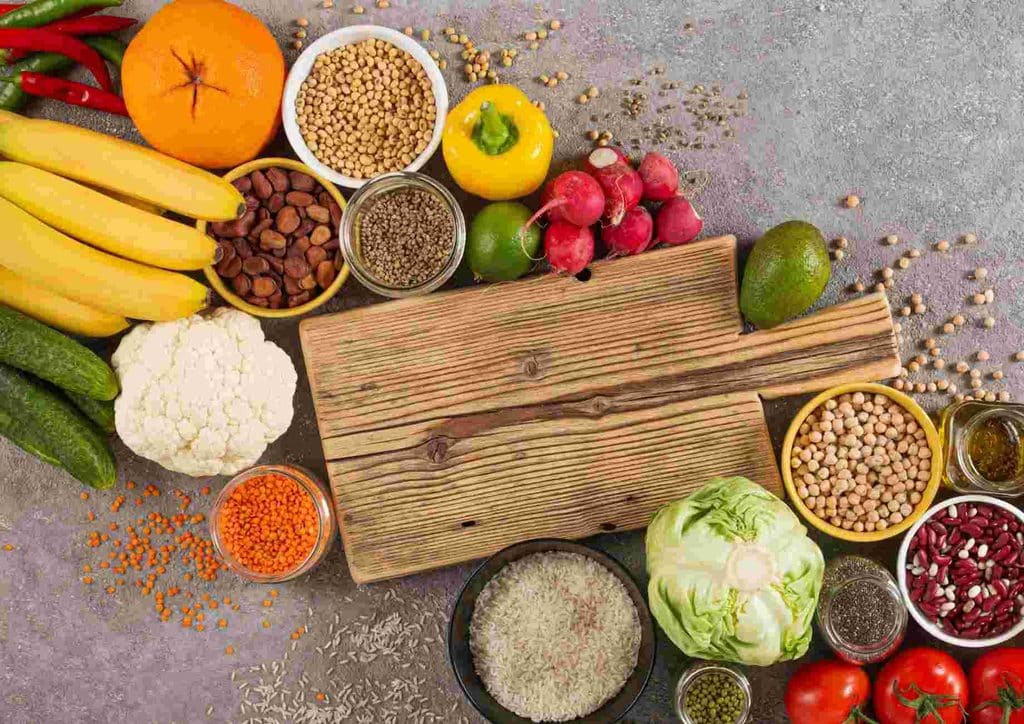
Carbohydrates are not the enemy of weight loss, but meals consisting mainly of toast, pasta, rice or cereal can leave you hungry if they contain insufficient protein and vegetables.
Instead, combine carbohydrates with a substantial protein source. For example, pair wholegrain toast with eggs or cottage cheese, or combine pasta with lentils and vegetables.

| Dietary Pitfall | Why It Stalls Progress | Smart Protein & Fibre Pairings | Weight Loss & Satiety Outcome |
|---|---|---|---|
| Carbohydrate-Heavy Meals | Meals built entirely around toast, pasta, rice, or cereal can leave you hungry quickly if protein and vegetables are lacking. | Wholegrain toast paired with eggs or cottage cheese | Prevents rapid blood glucose spikes and eliminates the sudden hunger crashes that trigger snacking. |
| Missing Satiety Anchors | Eating carbs in isolation fails to trigger the key fullness hormones required to manage appetite in a calorie deficit. | Pasta combined generously with lentils and vibrant vegetables | Slows gastric emptying and delivers lasting fullness so you can effortlessly stick to your weight loss goals. |
| Flexible Inclusion | Carbohydrates are not the enemy of weight loss; they provide vital energy when structured correctly. | Balanced portions of wholegrains alongside quality proteins | Keeps your daily eating pattern enjoyable, sustainable, and entirely free from unnecessary restriction. |
| Metabolic Energy Balance | Pairing complex carbohydrates with protein and fibre maintains steady physical and mental stamina. | Consistent macronutrient blending across all main meals | Supports optimal exercise performance and keeps your weight management journey smooth and achievable. |

Eating too many processed vegetarian alternatives
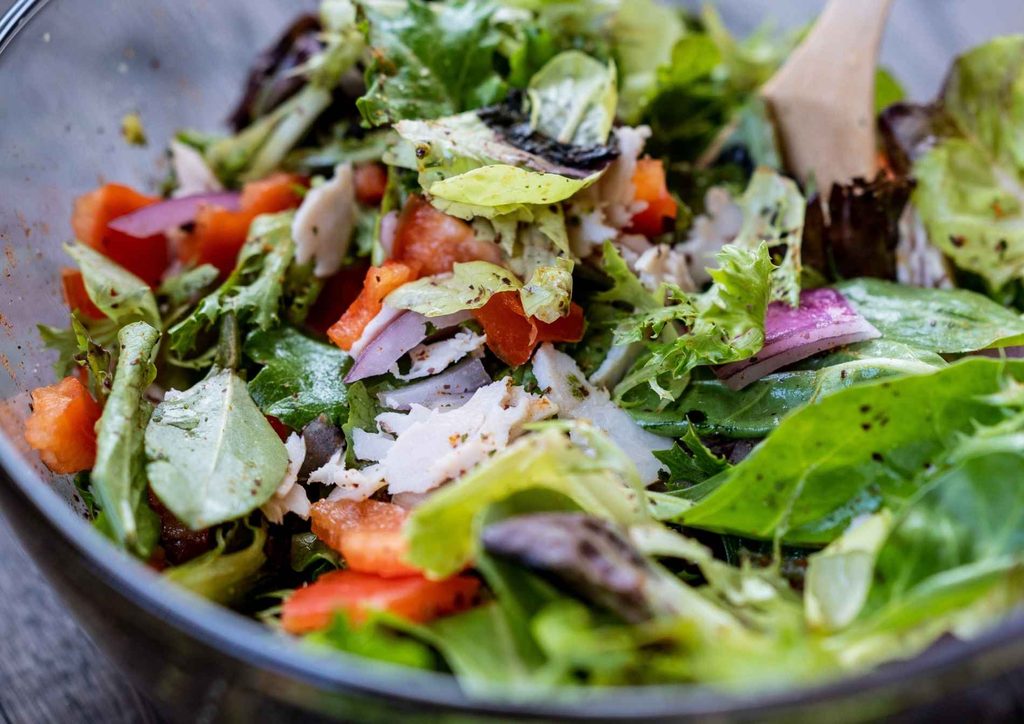
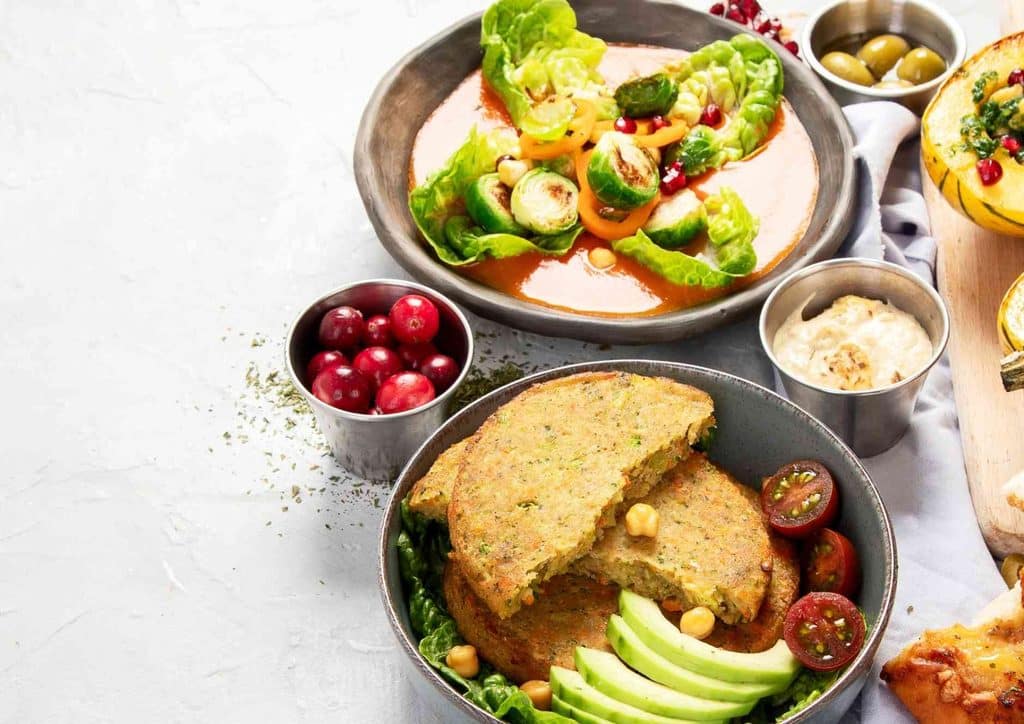
Vegetarian sausages, meat free burgers, packaged nuggets and plant based convenience meals can be useful occasionally. However, these products vary considerably in their protein, fibre, sodium and energy content.
Do not assume that something labelled plant based or vegetarian is automatically nutritious. Check the nutrition information panel and ingredient list, paying particular attention to protein, fibre and saturated fat.
| Convenience Pitfall | Why It Stalls Progress | Common Commercial Products | Smart Label Reading Strategy |
|---|---|---|---|
| Nutritional Variability | Plant-based convenience foods vary widely in their protein, fibre, sodium, and total energy content. | Vegetarian sausages, meat-free burgers, and packaged nuggets | Never assume an item is automatically healthy just because it carries a plant-based label. |
| Hidden Kilojoule Density | Highly processed meat alternatives can quietly inflate your daily energy intake without delivering lasting satiety. | Pre-made convenience meals and heavily processed snacks | Inspect the nutrition information panel to compare kilojoule and saturated fat levels. |
| Inadequate Fibre & Protein | Many commercial options lack the substantial protein and dietary fibre required to keep you full in a deficit. | Low-protein plant burgers and refined imitation meats | Prioritise products that clearly deliver strong protein and fibre content per serving. |
| Occasional Flexibility | Processed meat alternatives can still be useful for convenience occasionally when integrated thoughtfully. | Occasional freezer items balanced with whole foods | Keep convenience items as an occasional addition rather than the foundation of your daily diet. |
Not eating enough protein
One common issue with vegetarian eating is replacing meat with vegetables or carbohydrates without adding another substantial protein source.
For example, a vegetable sandwich may contain plenty of fibre but very little protein. Adding eggs, tofu, cottage cheese or hummus can make it a more balanced and satisfying meal.
| Common Pitfall | Why It Stalls Progress | Practical Protein Additions | Weight Loss & Satiety Outcome |
|---|---|---|---|
| Accidental Low Intake | Replacing meat purely with vegetables or extra carbohydrates often leaves meals deficient in essential amino acids. | Eggs, sliced tofu, cottage cheese, or a generous spread of hummus | Transforms an unbalancing meal into a structured powerhouse that protects lean muscle mass. |
| Missing Satiety Triggers | Vegetable-heavy sandwiches or salads lack the structural protein needed to switch off hunger hormones. | Adding protein-rich fillings to daily wraps, sandwiches, and salads | Significantly increases meal satisfaction and prevents the urge to snack shortly after eating. |
| Inclusion Over Elimination | Focusing on what to add rather than what to restrict keeps your eating pattern enjoyable and sustainable. | Whole food protein sources integrated effortlessly into your favourites | Makes sticking to your calorie deficit feel natural and entirely free from restriction fatigue. |
| Metabolic Stability | Ensuring adequate protein at every sitting stabilises blood glucose and maintains steady daily energy levels. | Balanced distribution across breakfast, lunch, and dinner | Supports consistent physical activity and ensures smooth, long-term body composition progress. |

Eliminating too many foods
Weight loss does not require eliminating bread, pasta, rice, potatoes or other carbohydrate rich foods. Restricting too many foods can make an eating plan unnecessarily difficult to maintain.
I prefer a balanced approach that includes foods you enjoy while paying attention to portions, protein intake and overall dietary quality.
| Restriction Pitfall | Why Over-Elimination Fails | Sustainable Core Approach | Weight Loss & Psychological Outcome |
|---|---|---|---|
| Unnecessary Food Bans | Weight loss does not require cutting out bread, pasta, rice, potatoes, or other carbohydrate-rich foods. | Including carbohydrate foods you genuinely enjoy as part of balanced meals | Removes unnecessary deprivation and prevents the restriction fatigue that often leads to binge eating. |
| Dietary Sustainability | Restricting too many food groups makes an eating plan overly rigid and practically impossible to maintain long term. | Focusing on portion awareness rather than complete avoidance | Allows you to enjoy social dining and family meals without stress or social isolation. |
| Quality & Portion Focus | Obsessing over removing foods distracts from the core pillars of energy balance and nutrient adequacy. | Prioritising protein intake and overall dietary quality | Keeps your metabolism protected and energy levels steady throughout your weight loss journey. |
| Flexible Lifestyle Integration | A balanced philosophy turns healthy eating into a permanent lifestyle rather than a temporary fix. | Enjoyable whole foods structured around your personal preferences | Ensures steady, lifelong weight management success without sacrificing your love for food. |

Getting individual nutrition advice
For additional guidance, working with a vegetarian nutritionist can help identify nutritional gaps and create an eating pattern that suits your lifestyle and individual requirements.
| Food | How to use it | Good to pair with |
|---|---|---|
| Eggs | Omelettes, boiled eggs or scrambled eggs | Wholegrain toast and vegetables |
| Greek yoghurt | Breakfast bowls, snacks or smoothies | Berries, oats and chia seeds |
| Cottage cheese | Toast toppings or afternoon snacks | Fruit, wholegrain crackers or vegetables |
| Tofu | Stir fries, salads and rice bowls | Brown rice and mixed vegetables |
| Tempeh | Grilled meals, wraps and salads | Wholegrains and leafy greens |
| Lentils | Soups, curries and pasta sauces | Brown rice and vegetables |
| Chickpeas | Salads, curries and roasted snacks | Quinoa and capsicum |
| Edamame | Stir fries, salads and rice bowls | Brown rice and other vegetables |
| Kidney beans | Chilli, burrito bowls and salads | Wholegrain wraps and vegetables |
Good to know
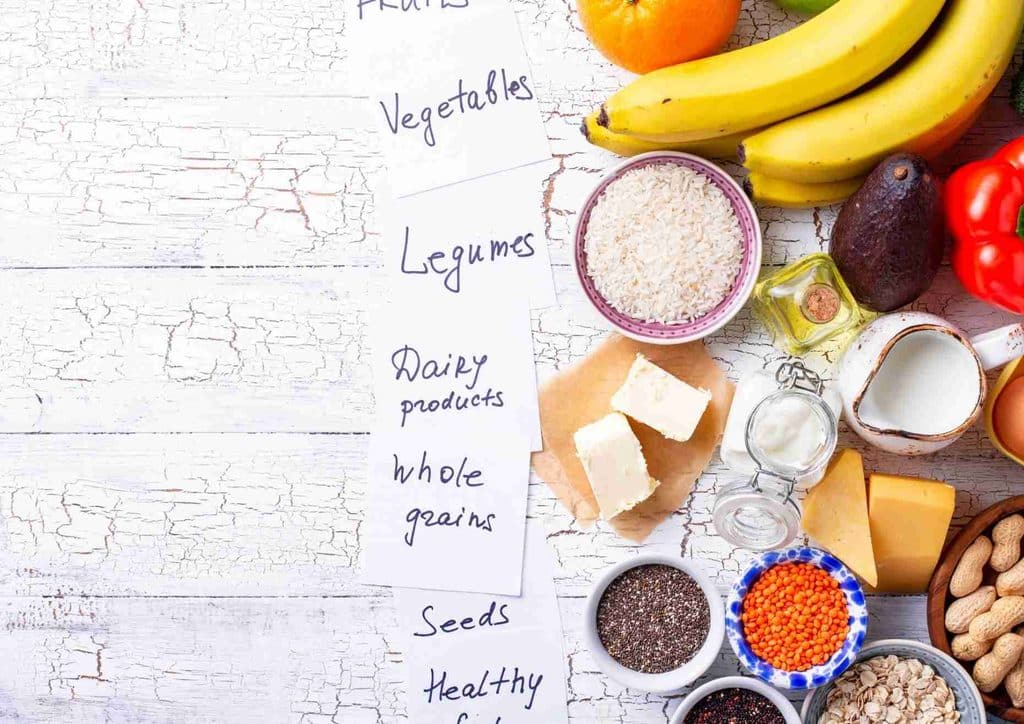
Plant based iron is absorbed more effectively when eaten alongside vitamin C rich foods. Try combining lentils with tomatoes, chickpeas with capsicum or iron fortified cereal with fresh berries.

Build a balanced plate
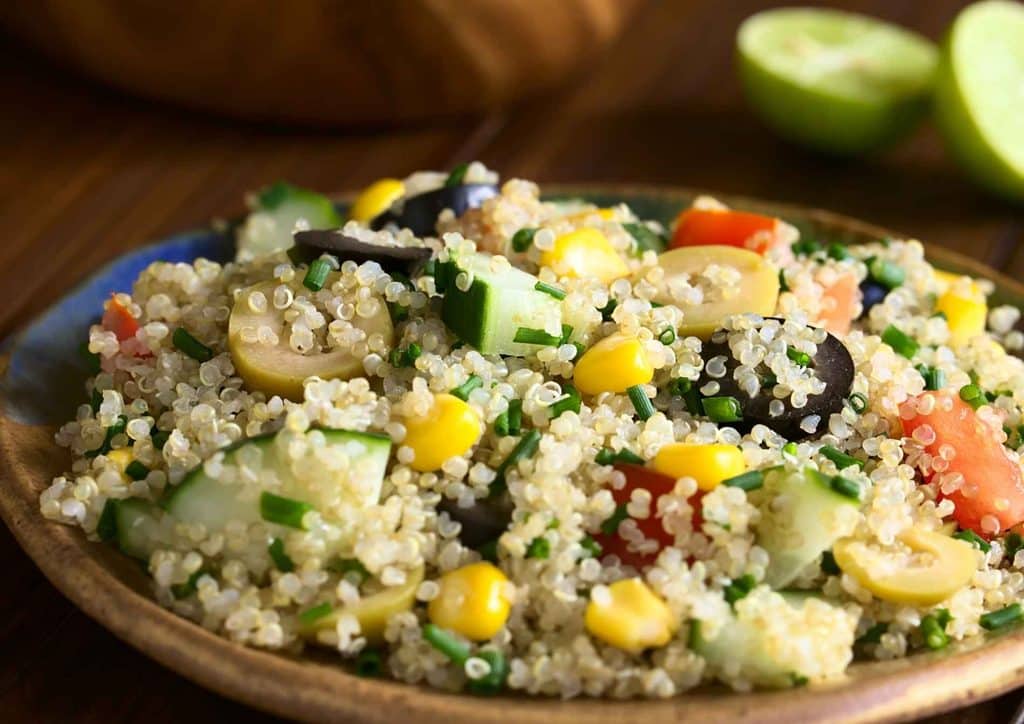
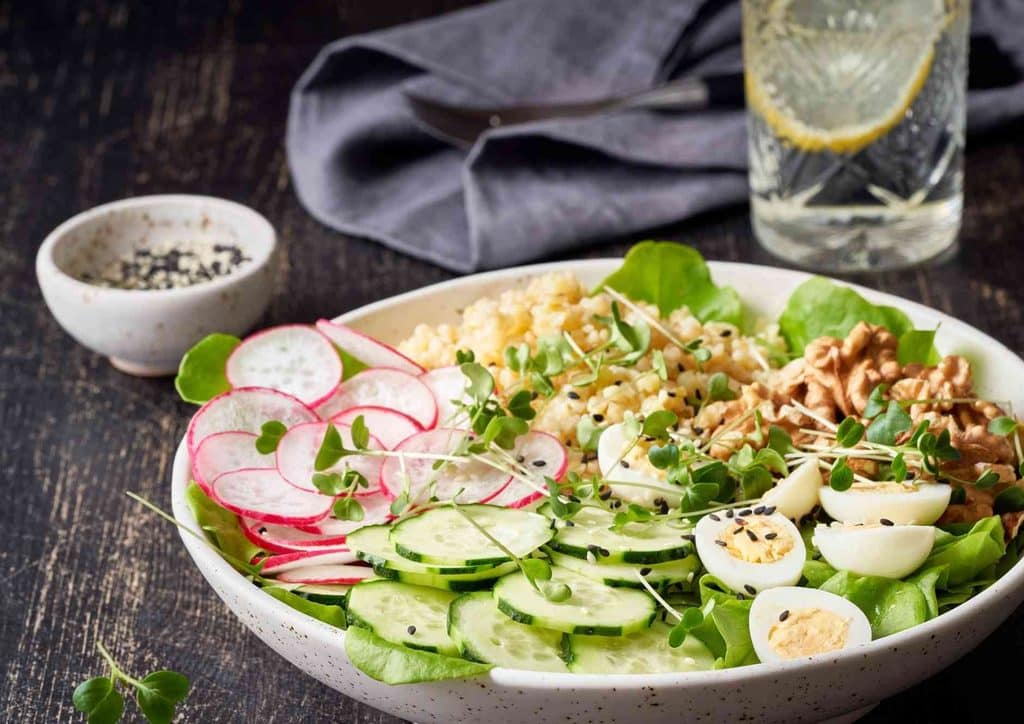
Start with a substantial protein source, fill around half your plate with vegetables, add a portion of wholegrain carbohydrates and include a moderate amount of healthy fats.
Red flag: Persistent tiredness
If you experience tiredness that will not lift, unexplained weakness, dizziness or other ongoing symptoms, speak with your GP about whether blood tests are appropriate. Depending on your diet and symptoms, they may consider checking iron status, vitamin B12 and other relevant markers rather than assuming your symptoms are related to food intake.

“Weight loss does not mean eating less of everything, it means building balanced meals that give your body the protein, fibre and nutrients it needs while supporting a sustainable energy deficit”.
Jake Biggs, Nutrition Longevity

What to do this week
- Include a protein source at breakfast, lunch and dinner.
- Add at least one iron rich plant food to your daily meals.
- Plan three balanced vegetarian dinners using tofu, lentils or beans, similar to these healthy dinner meals for weight loss.
When a weight loss nutritionist can help
A weight loss nutritionist can help when you feel overwhelmed by conflicting advice about vegetarian eating or are unsure how to get enough protein and essential nutrients while losing weight. Understanding what a weight loss nutritionist is can also help you decide whether professional support is right for you.
Rather than relying on restrictive diets, trying to lose weight fast or eliminating entire food groups, a weight loss nutritionist can help you develop a balanced vegetarian eating pattern that supports fullness, preserves muscle mass and promotes long-term weight management while fitting realistically into your lifestyle.

A weight loss nutritionist can also provide personalised guidance if you struggle with vegetarian meal planning, finding suitable protein sources or managing hunger throughout the day. The focus is not on extreme calorie restriction, trendy approaches such as natural alternatives to Ozempic, or unnecessarily eliminating foods. Instead, the goal is to build balanced meals with enough protein, fibre and essential nutrients to help you feel fuller for longer and achieve sustainable weight loss without restrictive dieting.
Those considering professional support may also want to understand how to choose the right weight loss nutritionist, how much a weight loss nutritionist costs, what their services involve and what level of support they require.
| Common Challenge | Why Professional Guidance Helps | Personalised Nutrition Focus | Long-Term Weight Loss Outcome |
|---|---|---|---|
| Overwhelming Advice | Cuts through conflicting information about vegetarian eating and removes confusion around nutrient targets. | Evidence-based clarity on protein and essential nutrient requirements | Prevents frustration and gives you a clear, confident roadmap tailored to your body and goals. |
| Meal Planning Struggles | Addresses difficulties in finding suitable plant-based protein sources and managing daily hunger cues. | Practical meal structures and high-satiety whole-food combinations | Keeps you full for longer, making a sustainable energy deficit easier to maintain day after day. |
| Rejecting Restriction | Replaces extreme diets and food group bans with an enjoyable, flexible eating pattern. | Inclusion over elimination matching your unique lifestyle preferences | Protects lean muscle mass, supports metabolic health, and prevents restriction fatigue. |
| Sustainable Success | Helps you understand what level of support you need to transition from short-term fixes to lifelong habits. | Structured guidance fostering long-term weight management confidence | Ensures lasting results without social isolation or sacrificing your love for good food. |
Final thoughts
A vegetarian diet for weight loss can be a practical and sustainable approach when you focus on balanced meals, adequate protein and a variety of nutrient rich foods. Including eggs, Greek yoghurt, tofu, tempeh, lentils and beans can help you meet your protein needs, while vegetables, fruit and wholegrains provide fibre to help you feel fuller for longer. Paying attention to iron, vitamin B12, zinc and omega 3 is also important to ensure your eating pattern meets your nutritional needs while losing weight.
You do not need to eliminate carbohydrates, follow restrictive diets such as keto or intermittent fasting to achieve your weight loss goals. Instead, focus on creating balanced meals that fit your lifestyle, manage hunger and are easy to maintain, especially with practical healthy meal plans for weight loss.
With a consistent approach to nutrition, portion sizes and physical activity, vegetarian eating can form part of a sustainable weight management plan whether your goal is general weight loss, belly fat reduction, improving metabolic health or overcoming a weight loss plateau.

A vegetarian diet for long term weight loss quiz
Test your understanding of how to build a balanced, sustainable vegetarian weight loss plan focused on protein, satiety, and whole food nutrition without restrictive dieting.
1. How does protein primarily support weight loss on a vegetarian eating pattern?
2. Is it necessary to completely eliminate carbohydrates like bread, pasta, and rice to lose weight?
3. Which factors can make a vegetarian weight loss plan challenging if not managed properly? Select all that apply.
4. Pairing plant based iron sources with vitamin C can help improve iron absorption.
5. What is the core philosophy of a sustainable vegetarian weight loss approach?
Building a successful vegetarian weight loss plan is about inclusion over elimination, ensuring adequate protein and micronutrients, and creating balanced meals that keep you satisfied for the long term.

Frequently asked questions
Is a vegetarian diet good for weight loss?
Yes, a vegetarian diet can support weight loss when meals provide sufficient protein, fibre and essential nutrients while maintaining a sustainable calorie deficit.
How do vegetarians get enough protein?
Include eggs, Greek yoghurt, cottage cheese, tofu, tempeh, edamame, lentils, chickpeas and beans regularly throughout the day.
What nutrients do vegetarians need to watch?
Pay particular attention to iron, vitamin B12, zinc and omega 3, and discuss any concerns about deficiencies with your GP.
Can vegetarian processed food stall weight loss?
Yes, frequently relying on energy dense processed vegetarian foods can make managing overall energy intake more difficult. Choose minimally processed protein sources and balanced meals more often.

Keep reading
This article is general information, not personal medical or nutritional advice. Individual needs vary. For guidance tailored to you, book a consultation.
Book a 60 minute consultation, in Bondi Junction or by Telehealth from anywhere in the world.