

The short version
- Pink salt is often promoted as a health food, but it is still primarily salt and does not have a special ability to accelerate weight loss. Himalayan pink salt is mostly sodium chloride, just like regular table salt, and the small amounts of trace minerals it contains are not present in quantities that would meaningfully increase metabolism or help your body burn more weight.
- Using pink salt instead of regular salt is unlikely to make a meaningful difference to your weight loss results. While pink salt may contain small amounts of minerals such as iron, calcium and magnesium, these amounts are generally too small to provide a significant nutritional advantage.
- Sustainable weight loss comes from your overall nutrition habits, not the type of salt you sprinkle on your food. Your regular food choices, portion sizes, protein and fibre intake, hydration, physical activity and consistency will have a far greater impact on your weight loss progress than switching from table salt to pink salt.
What the pink salt trend claims
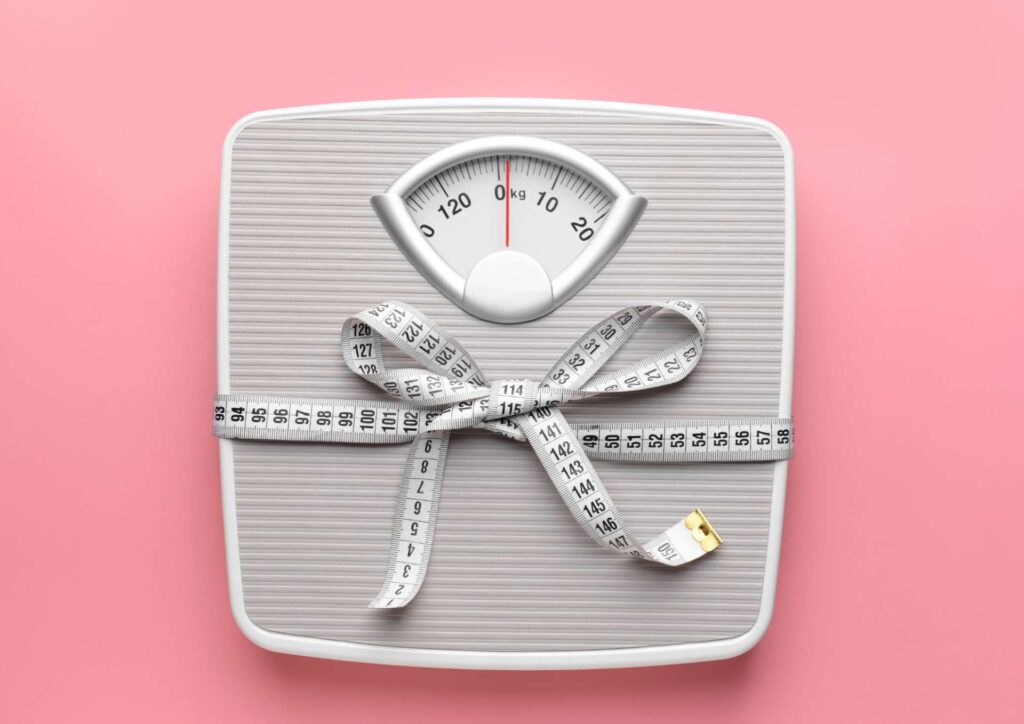
If you have been scrolling through social media recently, you have probably come across pink salt for weight loss claims. The trend often centres around a simple drink or morning ritual made with Himalayan pink salt and water, with claims that it can support easier weight loss, increase energy, reduce cravings, improve blood sugar control or even “reset” your metabolism.
As a weight loss nutritionist, one of the questions I regularly get from clients is, “Does pink salt actually help with weight loss, Jake?”
“Pink salt does not directly cause weight loss. While your body needs sodium, there is no good evidence that pink Himalayan salt boosts metabolism or helps you burn body fat. In fact, adding extra salt to your diet can increase sodium intake and may cause your body to retain more fluid, which can temporarily affect the number you see on the scales”.
Jake Biggs, Nutrition Longevity
Pink salt weight loss calculator
Pink salt does not directly burn fat or cause weight loss. This calculator looks at your current weight, goal weight, activity, salt habits and reasons for using pink salt to provide a practical indication of where it may fit into your overall approach.
What your result means
Want help creating a personalised sustainable weight loss nutrition plan?
A personalised nutrition approach can help you improve your meal structure, food choices, portions and overall nutrition while working towards your goal weight.
Book a consultationThis calculator provides general educational information and does not predict weight loss or determine an appropriate sodium intake. Pink salt does not directly cause weight loss and still contributes sodium. Individual requirements can vary, particularly for people with high blood pressure, heart or kidney conditions, or those taking medication. Seek appropriate professional advice for guidance suited to your health.
“Your weight loss journey is individual to you. This calculator provides a practical estimate of Himalayan pink salt intake based on your body weight, activity level, fluid intake habits and weight loss goals”.
Jake Biggs, Nutrition Longevity
What is actually in Himalayan pink salt
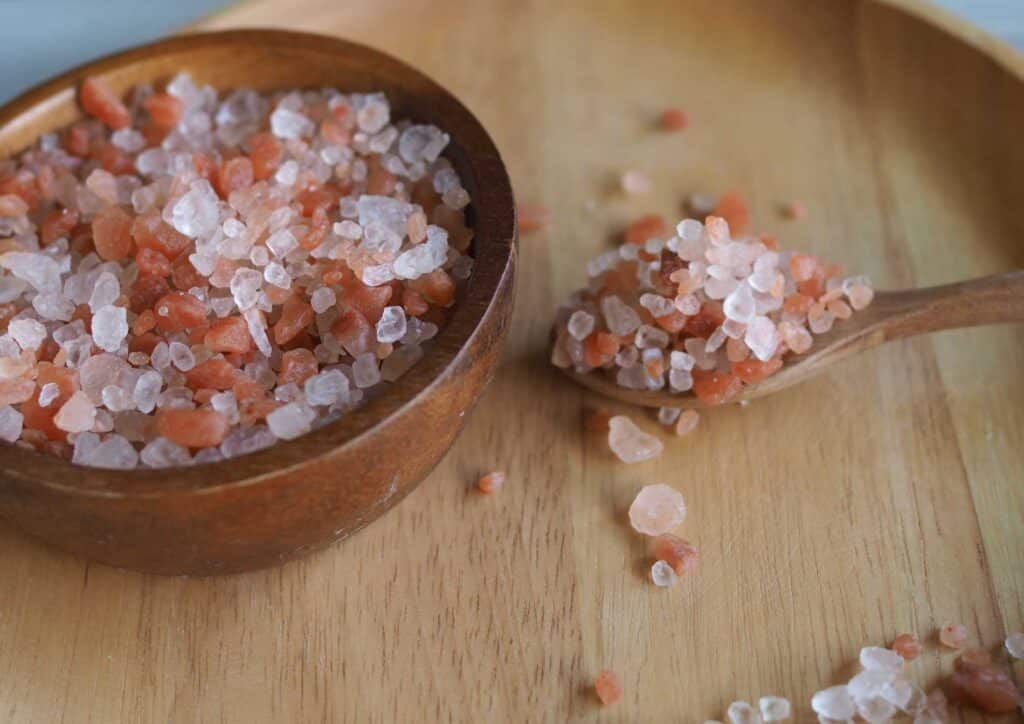
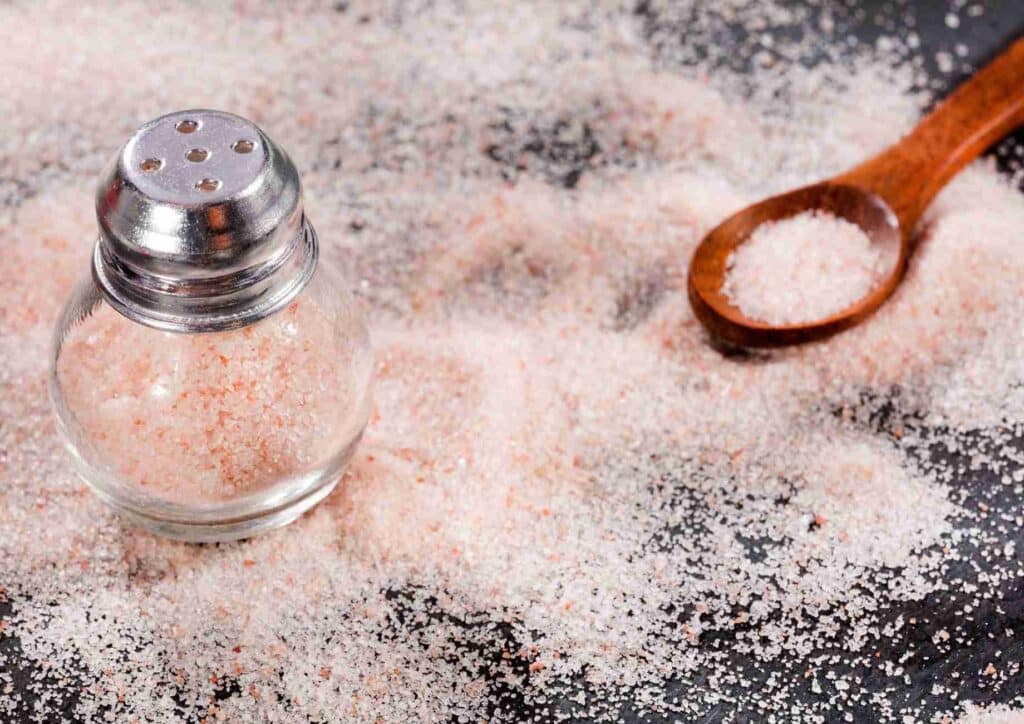
| Component | What It Actually Contributes |
|---|---|
| Sodium Chloride | Like regular table salt, Himalayan pink salt is made predominantly of sodium chloride and functions primarily as a seasoning and source of sodium. |
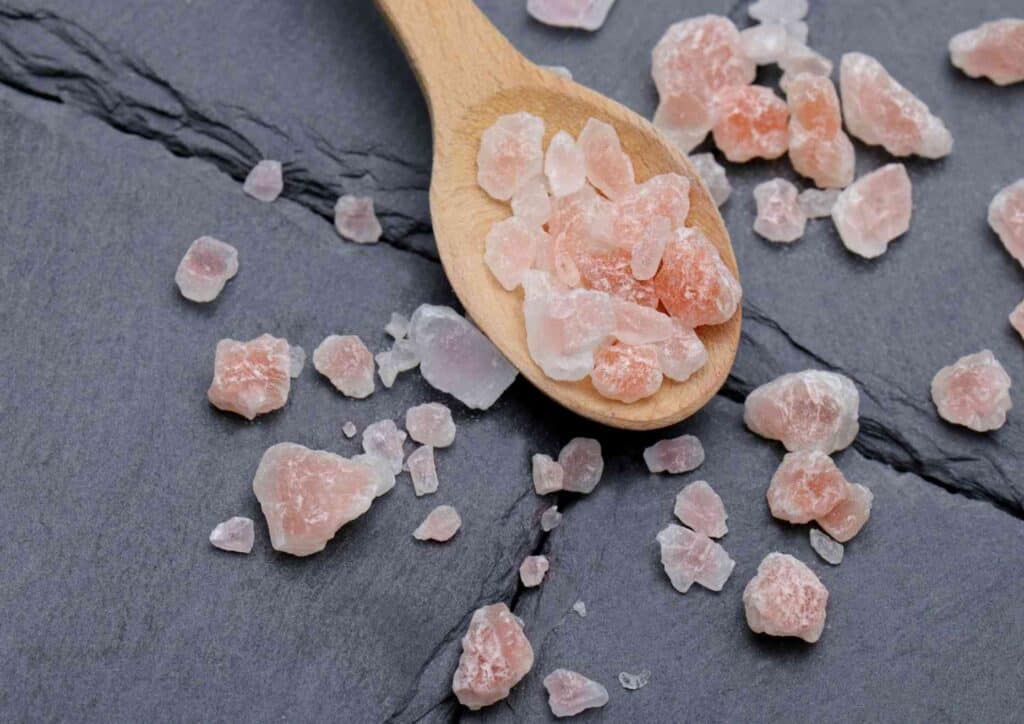
| Trace Minerals | Himalayan pink salt contains small amounts of minerals that contribute to its characteristic colour and appearance. |
| Iron | Trace amounts of iron are commonly credited with giving Himalayan pink salt its pink hue. |
| Potassium | Small quantities of potassium may be present, although the amounts are generally low in typical serving sizes. |
| Magnesium | Contains trace amounts of magnesium, but not enough to be considered a major dietary source. |
| Calcium | May contain small amounts of calcium alongside other naturally occurring minerals. |
| Practical Reality | Although Himalayan pink salt contains more trace minerals than refined table salt, the quantities consumed are usually too small to make a meaningful contribution to overall nutrient intake. |
There is also a bigger issue when pink salt is promoted as a health product. More is not better when it comes to sodium. Your body does require sodium for important functions such as maintaining fluid balance, nerve signalling and muscle contraction, but most people can obtain enough sodium from their usual diet without deliberately adding large quantities to drinks.
Regularly consuming excessive sodium can contribute to higher blood pressure, particularly in people who are sensitive to sodium. So, using pink salt as a way to obtain trace minerals is not only unnecessary, but can work against your broader health goals.
When I work as a weight loss nutritionist, I focus on foods that genuinely contribute nutrients, such as vegetables, fruit, whole grains, lean protein and healthy fats. Pink salt does not belong in that group. It is a seasoning, not a source of vitamins or minerals that move the needle for your health.

Does it do anything for weight loss
| The Trend | The Evidence |
|---|---|
| Adding a pinch of pink salt to your morning drink fires up your metabolism and helps you burn more kilojoules. | Pink salt does not increase metabolic rate or cause your body to burn more kilojoules. Your overall energy intake, activity and eating patterns have a much greater influence on weight loss. |
| Drinking pink salt water in the morning switches on fat burning and helps you lose weight faster. | Pink salt does not switch on fat burning. Sustainable weight loss comes from an appropriate energy deficit created through consistent nutrition, physical activity and lifestyle habits. |
| Pink salt water reduces hunger and stops cravings throughout the day. | Salt does not have a meaningful appetite suppressing effect. Hunger and cravings are influenced by factors such as meal structure, protein, dietary fibre, energy intake, sleep and eating patterns. |
| Pink Himalayan salt provides a rich source of essential minerals that can improve your health and support weight loss. | Pink salt may contain small amounts of various minerals, but these quantities are generally too low to make it a significant nutritional source. Increasing salt intake for minerals is not an appropriate weight loss strategy. |
| Pink salt resets your metabolism and helps balance blood glucose. | Pink salt does not reset metabolism or balance blood glucose. Blood glucose regulation is influenced by your overall dietary pattern, physical activity, body composition and individual health factors. |
If you want progress, focus on regular meals with enough protein, plenty of vegetables and smart carbohydrate portions. That structure supports appetite control, steadier energy and gradual fat loss. Pink salt and weight loss trends sit on the surface. Your daily food pattern does the real work.
- Build regular meal times.
- Include protein at each meal.
- Fill half your plate with vegetables.
- Keep added salt modest.

| My Recommendation | Why It Matters |
|---|---|
| Do Not Rely On Himalayan Pink Salt For Weight Loss | There is no evidence that Himalayan pink salt burns fat, resets metabolism or directly accelerates weight loss. |
| Keep The Ritual If You Enjoy It | A warm drink containing water, lemon and a small amount of salt may be an enjoyable routine, but any value comes from the habit itself rather than a unique property of the salt. |
| Focus On Sustainable Weight Loss Principles | Long term results are more likely to come from habits such as regular balanced meals, adequate protein and fibre, appropriate portion sizes and consistent eating patterns. |
| Prioritise Nutrient Dense Foods | Whole foods such as vegetables, fruit, lean proteins, legumes and wholegrains contribute far more to overall health and weight management than the type of salt used. |
| Stay Hydrated | Hydration is important for overall health, but plain water is generally sufficient without needing specialty salts. |
| Maintain Regular Movement | Physical activity and resistance training are key contributors to body composition, health and long term weight management. |
| Trust Consistency Over Trends | The most effective weight loss strategies are usually simple habits that can be maintained long term rather than viral nutrition trends promising quick results. |
The risks worth knowing about
| Risk | Why It Is Worth Knowing About |
|---|---|
| It Is Still Primarily Salt | Despite the marketing, Himalayan pink salt remains a significant source of sodium and should be consumed in moderation. |
| Excess Sodium Intake | Consuming too much sodium from any source may not align with dietary recommendations for some individuals. |
| False Health Halo | The presence of trace minerals can create the impression that larger amounts are beneficial, even though nutrient contributions are typically minimal. |
| Not A Meaningful Mineral Source | Relying on Himalayan pink salt for minerals may distract from obtaining nutrients through nutrient rich foods. |
| May Not Contain Added Iodine | Unlike many iodised table salts, some Himalayan pink salt products do not provide added iodine, an important nutrient for thyroid function. |
| Marketing Can Be Misleading | Claims relating to detoxification, special healing properties or superior health benefits are often overstated compared with the available evidence. |
| Health Depends On The Overall Diet | The impact of one type of salt is generally much less important than overall dietary patterns, food quality and total sodium consumption. |
What actually works instead for sustainable weight loss
Real progress with weight loss comes from consistent, boring habits that quietly stack up over time. Regular meals, enough protein, plenty of plant foods and realistic portions create a foundation that your body understands. When you commit to those basics, you give your metabolism a clear, steady message.
If you want to use a simple morning ritual, choose one that supports those fundamentals. A glass of water, a short walk, a balanced breakfast with protein and whole grains, these steps move you forward. They do not rely on a single ingredient or a secret trick. They respect how your body regulates energy.
Social media often turns nutrition into a series of hacks. Pink salt weight loss trends fit that pattern, much like the claims made for coconut water or saunas. When you step back, you see that the hack usually replaces something more important, such as planning your lunch or preparing a snack that actually satisfies you. The more attention you give the hack, the less energy you have for the basics.
If you feel drawn to trends, use them as a prompt rather than a solution. Ask what the trend is trying to offer. Usually it promises control, simplicity and hope. You deserve those feelings, yet you gain them more reliably from everyday habits than from a single ingredient. Salt belongs on your plate, not at the centre of your strategy.
Tap what you think is true. Each one reveals what the evidence says.
1. A pinch of pink salt in warm water fires up your metabolism.
2. The trace minerals make pink salt a great source of nutrients.
3. Himalayan pink salt is gentler on your blood pressure than table salt.
4. What actually drives lasting weight loss?
Spot the pattern. Pink salt is a seasoning, not a strategy. The results you want come from the everyday basics you can keep up long after the trend fades.
Frequently asked questions
Is Himalayan pink salt healthier than table salt?
Himalayan pink salt looks different and contains trace minerals, yet it is still mostly sodium chloride. Your body handles the sodium in both salts in the same way. If you use more pink salt than you would table salt, you increase your sodium intake without gaining meaningful extra nutrition.
Does the pink salt drink actually work?
The drink often replaces a snack and encourages a pause, which can reduce mindless eating. The salt itself does not burn fat or reset metabolism. Any benefit comes from the routine and the attention you give your day, not from the pink salt. It is still just salt.
How much salt is reasonable in a day?
A reasonable intake keeps your blood pressure in a healthy range and fits within your medical advice. Focus on cooking with modest amounts of salt, tasting your food before adding more and limiting heavily salted packaged foods. Your overall pattern matters more than a single pinch at one meal.
Who should be careful with extra salt?
Anyone with high blood pressure, kidney disease or a strong family history of heart disease needs to treat extra salt with caution. Older adults and those already taking medication for hypertension also benefit from keeping salt modest. Trends that add salt to drinks are not a safe shortcut for these groups.
Keep reading
This article is general information, not personal medical or nutritional advice. Individual needs vary. For guidance tailored to you, book a consultation.
Book a 60 minute consultation, in Bondi Junction or by Telehealth from anywhere in the world.