

The quick answer
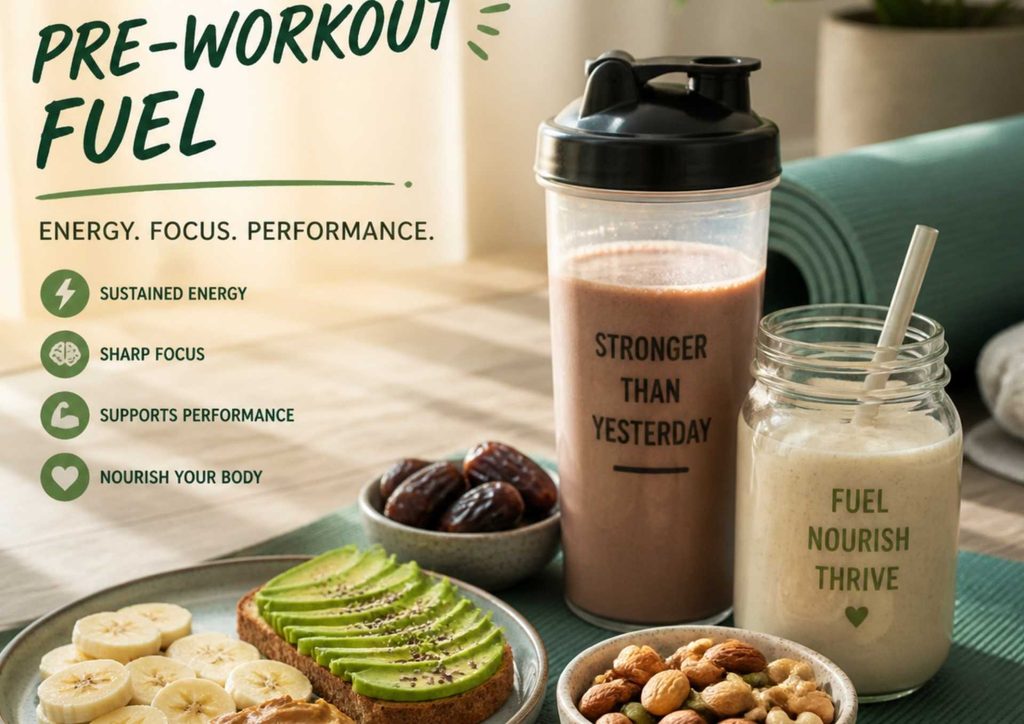
A good pre workout snack provides easily digested carbohydrates to fuel your training without leaving you feeling overly full. For most everyday gym sessions, a banana, a slice of toast or a small bowl of oats eaten 30 to 60 minutes beforehand can work well, although the right timing depends on your appetite, the type of exercise and how your stomach feels.
The short version
- Fuel your workout with easily digested carbohydrates to support energy, training intensity and performance. Choose simple options such as a banana, toast or oats to give your body accessible fuel without feeling overly full.
- Eat a small snack 30 to 60 minutes before training, or allow two to four hours to digest a larger meal comfortably. The closer you eat to exercise, the more important portion size and food choice become.
- Find the timing and foods that help you feel energised, comfortable and ready to train. Pay attention to your digestion and performance, then adjust your routine to suit your body and training demands.
Pre workout snack
A small amount of food eaten before exercise to provide energy and help you feel ready to train. It usually focuses on carbohydrates, with protein included when it suits your appetite, training goals and overall eating pattern.

| Focus Area | Practical Guideline | Timing or Target | Why It Matters for Performance |
|---|---|---|---|
| Fast-Acting Carbohydrates | Prioritise simple, easily digestible carbs like a banana, rice cakes with honey, or white toast with jam. | 30–60 mins pre-workout | Rapidly tops up blood glucose and muscle glycogen levels to provide immediate, accessible energy during high-intensity sessions. |
| Digestive Ease (Low Fibre) | Limit high-fibre grains, raw vegetables, and large salads immediately before training. | Pre-training window | Prevents gastrointestinal discomfort, bloating, and stomach cramping when blood flow shifts away from digestion towards active muscles. |
| Moderate Dietary Fat | Keep heavy fats like large amounts of butter, oils, or dense cheese minimal right before exercise. | < 5–10g fat per snack | Fats significantly slow gastric emptying, which can cause sluggishness and stomach heaviness during intense movement. |
| Lean Protein Addition | Include a small dose of light protein such as a scoop of whey/plant protein powder, Greek yoghurt, or egg whites. | 10–20g per snack | Supplies circulating amino acids to prime muscle protein synthesis and reduce muscle tissue breakdown during training. |
| Optimised Hydration | Pair your pre-workout snack with water and a small pinch of electrolytes or sodium if training hard or sweating heavily. | 350–500ml water | Ensures adequate cellular hydration, supports optimal muscular contraction, and maintains endurance capacity throughout the workout. |
| Ergogenic Boost (Optional) | Consider strategic performance boosters like black coffee, green tea, or pre-workout compounds (e.g., caffeine, beta-alanine). | 30–45 mins pre-workout | Enhances alertness, reduces rate of perceived exertion (RPE), and improves muscular power output and focus. |

“Fuelling your workout does not need to be complicated. The right food, eaten at the right time, can help you train with more energy, feel stronger and get more out of every session”.
Jake Biggs, Nutrition Longevity
| Topic Area | Common Myth | Evidence-Based Fact | Practical Takeaway |
|---|---|---|---|
| Training on Empty | Fasted training is always superior for boosting workout performance and maximum output. | Consuming a targeted carbohydrate snack prior to exercise increases blood glucose availability, allowing higher training intensity and longer time to exhaustion. | Eat a light carb-rich snack 30–60 minutes before demanding or high-intensity sessions to maximize output. |
| Carbohydrate Timing | Eating carbohydrates right before exercise leads to energy crashes and sluggishness during training. | Fast-acting, low-fibre carbohydrates provide rapid energy without digestive distress, whilst physical activity suppresses excessive insulin spikes. | Choose easily digestible options like bananas, white toast with jam, or rice cakes before training. |
| Pre-Workout Protein | Protein pre-workout is unnecessary because muscle repair only begins after the workout ends. | Having amino acids circulating during exercise primes muscle protein synthesis early and reduces muscle tissue degradation during intense sessions. | Include a small dose of easily absorbed protein (10–20g), such as Greek yoghurt or whey/plant protein powder, with your snack. |
| Fat & Fibre Intake | High-fibre, high-fat healthy snacks are the best choice right before a workout for sustained endurance. | Fats and fibre significantly delay gastric emptying, which increases the risk of stomach cramps, bloating, and sluggishness under physical strain. | Keep fats minimal (< 5–10g) and fibre low in the immediate pre-workout window to protect digestive comfort. |
| Hydration & Electrolytes | Drinking plain water immediately before a workout is all you need for optimal cellular hydration. | Without adequate sodium and electrolytes, large volumes of plain water can dilute plasma levels and fail to retain fluid in active muscle tissue. | Pair your pre-workout snack with 350–500ml of fluid and a small pinch of electrolytes or sodium. |
| Caffeine & Boosters | Pre-workout stimulant supplements are essential for achieving an effective training session. | While caffeine can reduce perceived exertion and enhance focus, whole food energy and consistent sleep remain the primary drivers of sustained performance. | Use caffeine or pre-workout aids strategically when needed, rather than relying on them to replace solid nutrition. |

Pre workout snacks before your training calculator
Discover practical, evidence-based pre-workout nutrition strategies tailored to your training schedule, energy targets, and digestive comfort. Complete your profile below to receive tailored guidance for optimal performance.
Your Pre-Workout Nutrition Diagnostic Summary
Your profile indicates that requires careful optimisation for safe, peak training performance.
Your tailored pre-workout nutrition recommendations
Need a structured, professional clinical nutrition programme?
I will review your personal training requirements and formulate an evidence-based strategy designed to support metabolic health and athletic performance safely.
Book a consultationThis interactive tool provides educational guidance to support healthy nutrition habits and is not a substitute for professional clinical advice.
“I created this interactive calculator to simplify pre-workout nutrition and cut through the confusion. It gives you immediate, evidence-based guidance tailored to your body weight, session length, and digestive comfort, helping you fuel performance and hit your goals with confidence”.
Jake Biggs, Nutrition Longevity

Do you need to eat before a workout?
How food fuels your training
You do not always need to eat before a workout, but having something beforehand can help you feel more energised, particularly if you are training hard, exercising for longer or have not eaten for several hours.
Your body uses stored energy to support exercise, including glycogen, which is the stored form of carbohydrate found in your muscles and liver. Eating carbohydrates before training can help provide additional fuel, especially when exercise is intense or prolonged.
For a short, easy walk or a light gym session, you might feel perfectly comfortable training without eating first. However, if you are lifting weights, completing intervals or heading into a longer training session, a small snack may help you maintain your energy and get more out of the session.
| Training Scenario | Fuelling Requirement | Recommended Food Options | Your Performance Result |
|---|---|---|---|
| Heavy Resistance Training | Consuming fast-acting carbohydrates tops up glycogen stores to fuel intense, high-load muscular contractions. | White toast with jam, rice cakes with honey, or ripe bananas | Maintains strength output, preserves muscle glycogen, and supports higher workload capacity. |
| High-Intensity Intervals | Readily available glucose prevents early anaerobic fatigue and reduces overall rate of perceived exertion. | Liquid carbohydrate drinks, energy gels, or dried fruit | Sustains maximum speed and power across every interval repetition without stomach heaviness. |
| Extended Endurance Sessions | Easily digestible carbohydrates maintain blood glucose levels during prolonged exercise lasting over an hour. | Oatmeal with fruit, sourdough toast, or liquid energy blends | Prevents energy depletion, delays exhaustion, and maintains steady pacing throughout. |
| Low-Intensity Light Exercise | Minimal or light snacks are sufficient as baseline fat oxidation handles lower energy requirements comfortably. | Fasted option, a small piece of fruit, or green tea | Ensures digestive comfort without unnecessary gut fullness during gentle walking or mobility work. |

Should you train on an empty stomach?
I would not automatically recommend eating before every workout or skipping food to train on an empty stomach. What matters is how you feel, what you are training for and whether your overall food intake supports your activity.
If your goal is building muscle with a nutritionist, it is worth considering your food intake across the entire day, including what you eat before and after exercise. One snack alone will not determine your results.
| Decision Factor | Key Consideration | Practical Guidelines | Your Long-Term Outcome |
|---|---|---|---|
| Individual Comfort | Personal preference and digestive tolerance determine whether training on an empty stomach feels energising or sluggish. | Listen to your body signals and test pre-workout snacks to find what sits comfortably. | Prevents gastrointestinal discomfort whilst ensuring high energy and focus throughout your workout. |
| Training Specificity | Higher-intensity lifting or prolonged interval sessions require readily available carbohydrates compared to low-intensity walks. | Fuel up for heavy, demanding sessions, and keep light activity flexible or fasted if preferred. | Matches substrate availability to exercise demands, supporting peak performance when it matters most. |
| Daily Nutrition Balance | Total daily energy and macronutrient intake drive body composition progress rather than a single pre-workout snack in isolation. | Distribute carbohydrates, protein, and healthy fats consistently across your entire day. | Sustains metabolic health and progressive adaptation without reliance on rigid timing rules. |
| Muscle Preservation | Adequate daily protein and strategically timed intake safeguard lean muscle tissue when undergoing rigorous strength training. | Pair circulating amino acids around training with total daily target consistency. | Supports muscle recovery and strength building while maintaining lean mass balance. |

How long before training should you eat?
Match your timing to the size of your meal
You should generally allow around 30 to 60 minutes after a small snack and around two to four hours after a larger meal, adjusting the timing to suit your digestion and training intensity.
The more food you eat, the more time you may need to digest it comfortably. A small banana shortly before exercise will usually feel different from a large meal containing meat, vegetables, wholegrains and added fats.
If you eat too close to an intense session, you might experience bloating, nausea, reflux or stomach discomfort. This does not mean you need to avoid food before exercise. It may simply mean adjusting the portion size, food choices or timing.
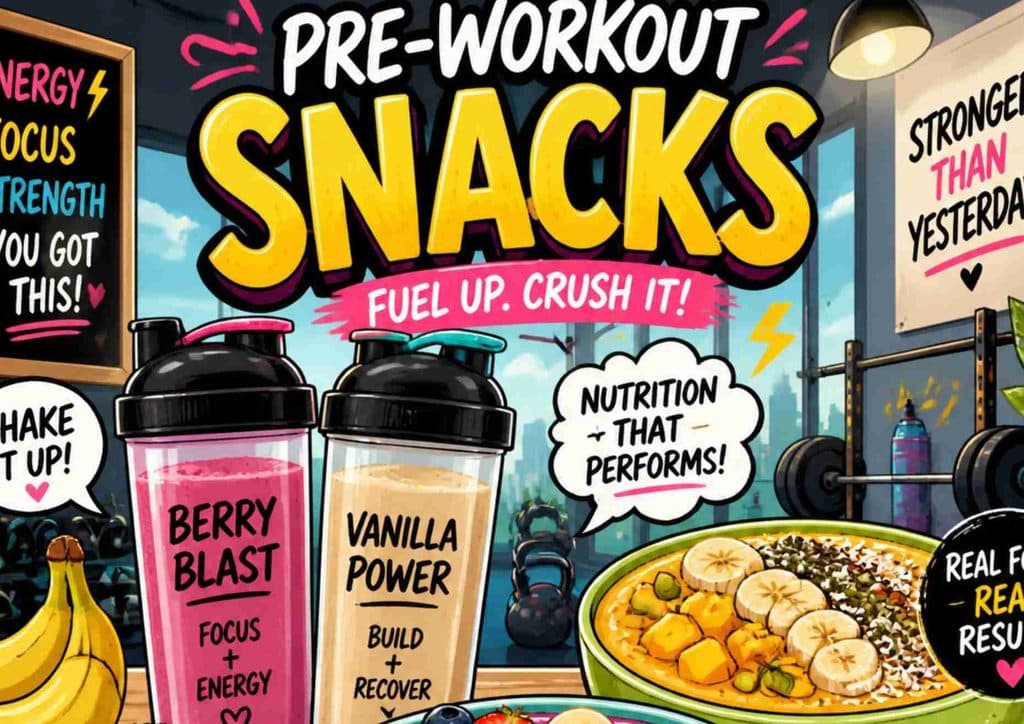
| Meal Category | Digestive Breakdown | Optimal Timing Window | Your Training Advantage |
|---|---|---|---|
| Light Pre-Workout Snack | Simple carbohydrates with low fat and fibre content pass through the stomach rapidly without digestive strain. | 30–60 minutes before training | Delivers fast, accessible fuel for high-intensity movement while keeping stomach heaviness to a minimum. |
| Moderate Mixed Meal | Balanced portions of lean protein, soft carbs, and minimal fat require moderate gastric clearance time. | 1.5–2 hours before training | Provides sustained blood glucose levels and circulating amino acids for mid-length workouts. |
| Large Main Meal | Complex meals rich in protein, intact grains, vegetables, and fats take considerable time to breakdown. | 2–4 hours before training | Allows complete nutrient absorption while preventing bloating, nausea, and reflux under physical strain. |
| Timing & Portion Adjustment | Tailoring meal volume and food structure to session intensity protects blood flow and gastrointestinal comfort. | Adjust according to session demand | Eliminates digestive cramping so you can train with peak focus and maximum physical output. |
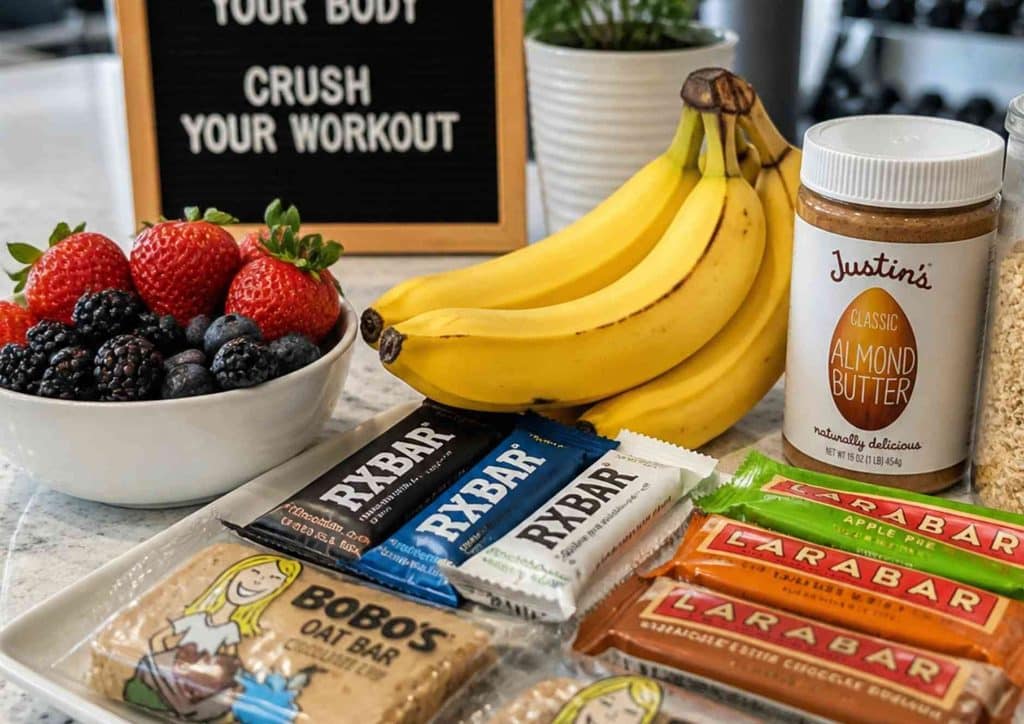
Does your training session make a difference?
For longer endurance sessions, harder training days or competitions, eating earlier and including enough carbohydrates can be particularly helpful. If you are doing a short strength session, a smaller snack may be all you need.
There is no single timing rule that works for everyone. A sports nutritionist can help you adjust your meals and snacks around your training schedule, especially if you train frequently or have specific performance goals.
Understanding what is a sports nutritionist can help you see how tailored professional guidance improves meal timing, refines food choices, and elevates your overall training performance, particularly if you exercise frequently or are working toward specific fitness goals.
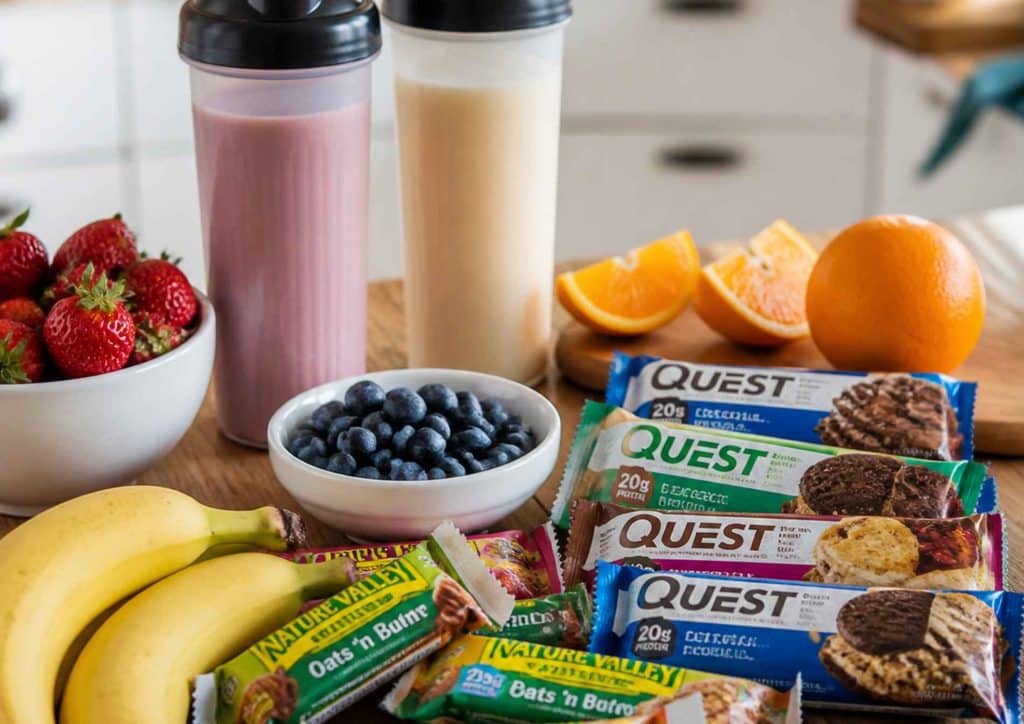
| Training Demand | Fuelling Strategy | Timing & Composition | Your Performance Outcome |
|---|---|---|---|
| Long Endurance & Competitions | Extended physical exertion and high-output event days require substantial carbohydrate priming before starting. | Eat earlier with a carbohydrate-rich meal | Saturates muscle glycogen stores, delays exhaustion, and maintains steady pacing over prolonged periods. |
| Short Strength Sessions | Shorter resistance workouts demand less systemic glycogen storage, making light preparation entirely sufficient. | A small, simple carbohydrate snack | Provides immediate energy for high-load sets without causing gastrointestinal heaviness or sluggishness. |
| Frequent & High-Volume Training | Athletes training multiple times daily require individualised strategies to ensure rapid recovery between sessions. | Structured daily meal timing | Supports consistent metabolic health and maximises replenishment across successive workloads. |
| Professional Nutrition Guidance | Customising your dietary intake around unique performance goals ensures optimal adaptation without rigid rules. | Consult a sports nutritionist | Delivers tailored, evidence-based frameworks designed to support your exact body composition and output targets. |

| Timing before training | What to eat | Example |
|---|---|---|
| 30 to 60 minutes | A small, easily digested carbohydrate snack | One banana or a slice of toast with honey |
| One to two hours | A light snack or small meal containing carbohydrates | Oats with milk or toast with eggs |
| Two to four hours | A balanced meal with carbohydrates and a source of protein | Chicken with rice and vegetables or eggs on toast with fruit |
These timings are general starting points rather than strict rules. Adjust them according to your training intensity, portion size, appetite and digestive comfort.
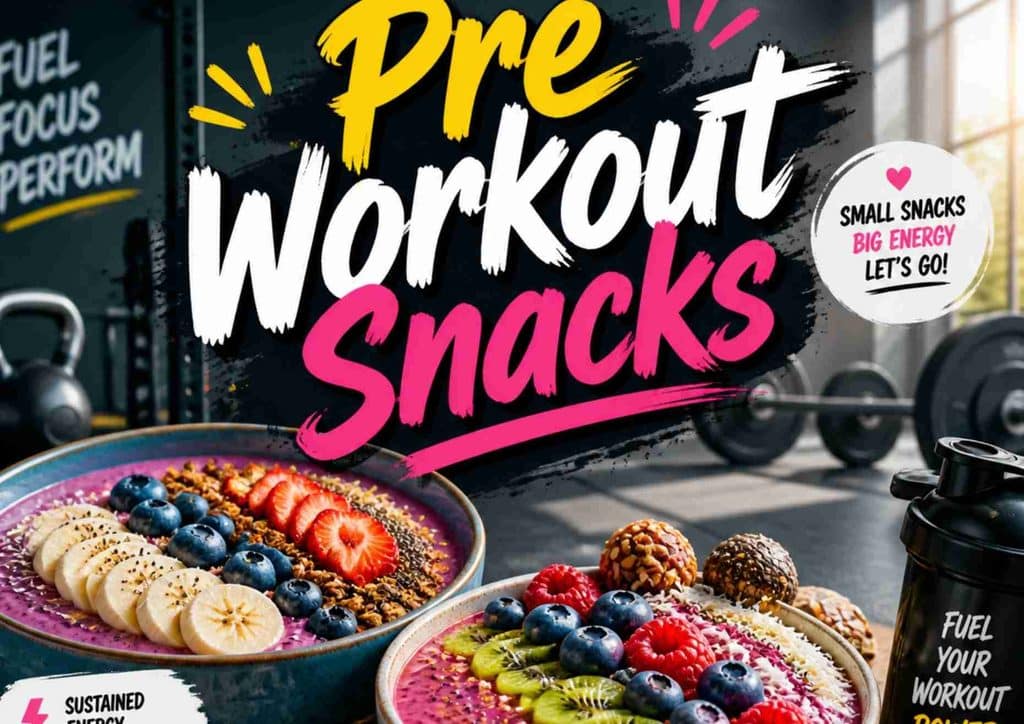
Pre workout snack ideas that work
Simple carbohydrate options
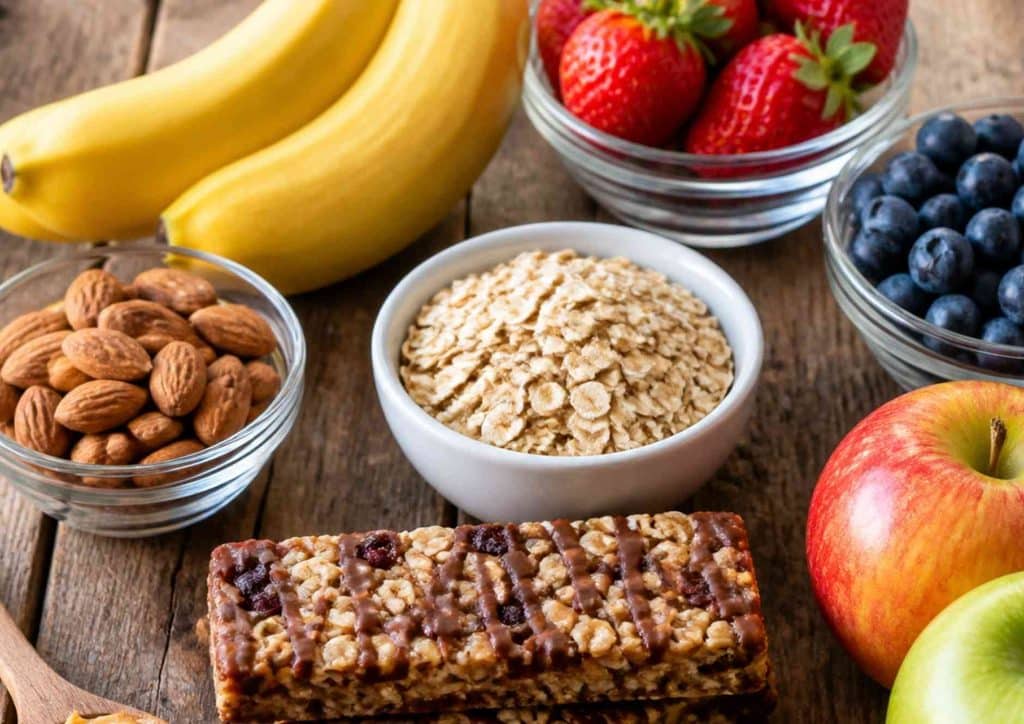
Simple foods containing easily digested carbohydrates are practical choices before most workouts, particularly when you do not have much time to eat.
Carbohydrates provide fuel for exercise, and you do not need complicated recipes or expensive products to get them. Start with familiar foods that sit comfortably in your stomach.
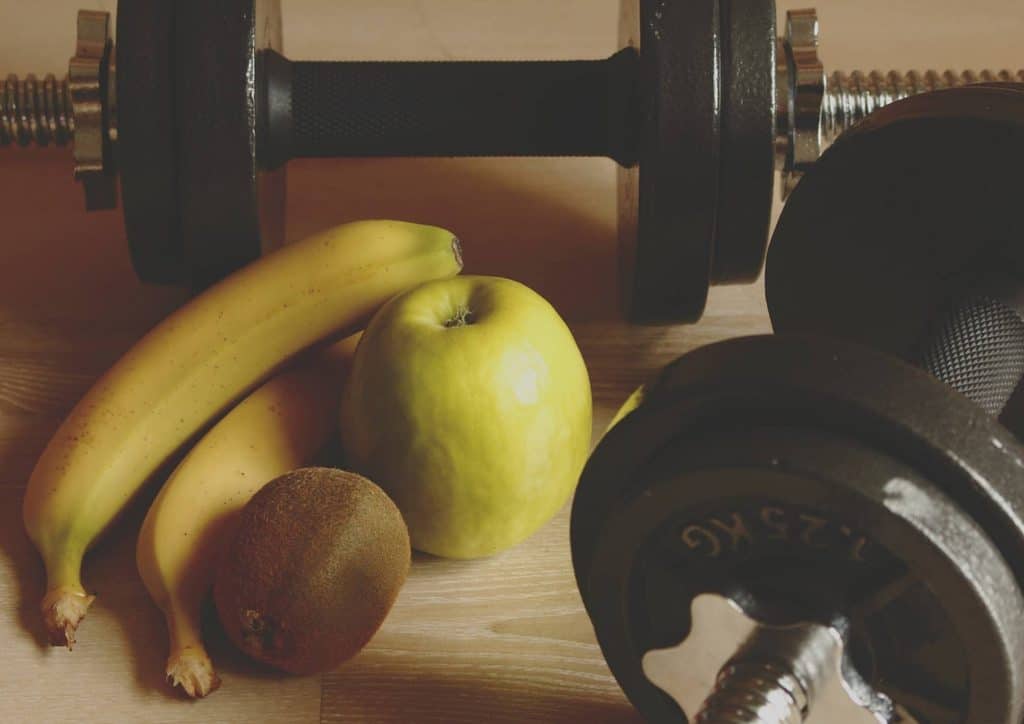
A banana is convenient, portable and provides carbohydrates without requiring preparation.
Toast with honey or jam provides carbohydrates in a simple format that can suit an early morning workout.
A small bowl of oats provides carbohydrates and fibre, although a large serving close to exercise may feel too filling for some people.
A few plain crackers or rice cakes can be useful when you want something light before heading to the gym.

| Food Selection | Practical Benefit | Optimal Timing | Your Training Outcome |
|---|---|---|---|
| Ripe Banana | Convenient, portable, and naturally rich in easily digestible carbohydrates requiring zero preparation. | 30–45 minutes pre-workout | Quickly tops up blood glucose and provides immediate energy for training without digestive heaviness. |
| Toast with Honey or Jam | Provides simple, rapid-absorption carbohydrates that suit early morning training sessions perfectly. | 30–60 minutes pre-workout | Delivers fast fuel to combat overnight fasting and primes your muscles for high-intensity movement. |
| Small Bowl of Oats | Supplies steady complex carbohydrates and gentle fibre when given sufficient time to digest. | 1–2 hours pre-workout | Sustains prolonged energy output while preventing the sluggish feeling associated with large portions. |
| Rice Cakes or Crackers | Offers an extremely light, crisp snack when you want minimal food volume before heading to the gym. | 20–30 minutes pre-workout | Ensures digestive comfort and prevents stomach cramping during agile or high-impact exercise. |

Snacks with protein
Fruit with a small amount of yoghurt provides carbohydrates and some protein, making it a useful option when you have a little more time before training.
A small high protein banana smoothie can work when you prefer drinking something rather than eating solid food. Keep the portion comfortable and avoid adding so many ingredients that it becomes heavy before exercise.
Protein is important for muscle maintenance and repair, but you do not need to consume a large amount immediately before every workout. Focus on getting enough protein throughout the day and distributing it across your meals.

| Snack Option | Nutritional Profile | Timing & Portion | Your Performance Result |
|---|---|---|---|
| Fruit with Greek Yoghurt | Combines easily digestible carbohydrates from fresh fruit with a moderate dose of quality protein from yoghurt. | 1–1.5 hours pre-workout | Provides sustained energy while supplying circulating amino acids to support muscle integrity during exercise. |
| Light Protein Smoothie | Liquid nutrition featuring a banana and a small scoop of protein powder for effortless consumption. | 45–60 minutes pre-workout | Delivers fast fuelling without solid food heaviness, protecting digestive comfort during high-intensity training. |
| Daily Protein Distribution | Prioritising consistent protein intake across multiple daily meals rather than overloading immediately before training. | Consistent daily schedule | Optimises muscle repair, supports recovery, and maintains balanced metabolic health over the long term. |
| Digestive Comfort Balance | Keeping pre-workout protein portions moderate to prevent sluggishness and slow gastric emptying under physical strain. | Keep portions light and simple | Ensures smooth blood flow distribution to active working muscles without interference from heavy digestion. |
Which snack should you choose?
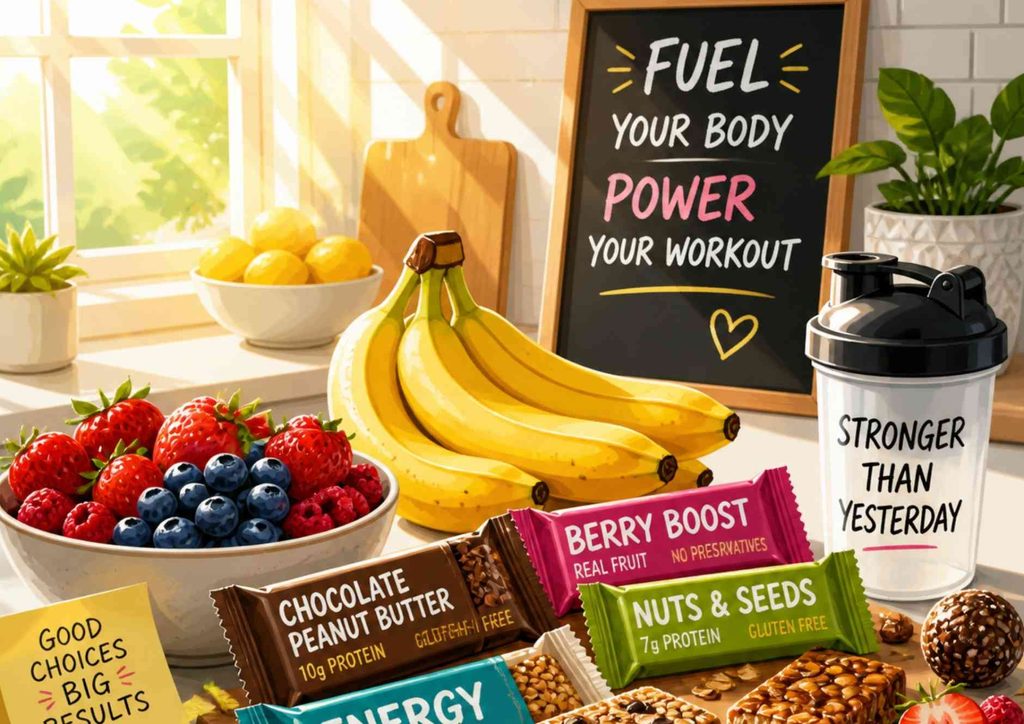
The important thing is to match your snack to your session. A short workout may require very little additional food, while a longer or more demanding session may benefit from a more substantial carbohydrate intake.
| Training Intensity | Nutrition Recommendation | Carbohydrate Requirement |
|---|---|---|
| Brief & Light Exercise | Requires little to no extra solid food beforehand. | Low requirement; relies on existing stored energy. |
| Extended Training | Demands strategic pre-workout fueling for sustained output. | Moderate requirement to prevent stamina decline. |
| High-Stamina Effort | Needs substantial nutrition to fuel high energy expenditure. | High requirement for significant carbohydrate loading. |
What about a full pre workout meal?
Build a balanced meal
A full pre workout meal can be useful when you have several hours before training, particularly if you are preparing for a long session or demanding exercise.
A balanced meal can provide carbohydrates for energy, protein to support muscle maintenance and repair, and other nutrients that contribute to your overall health.
For example, you could eat chicken with rice and vegetables, eggs on wholegrain toast with fruit, or tofu with rice and cooked vegetables.
You do not need to eliminate fat or fibre from your diet before exercise. Both have important roles in a balanced eating pattern. However, large amounts of fat and fibre immediately before training can slow digestion or cause discomfort for some people.

| Meal Idea | Nutritional Breakdown | Timing Strategy | Digestive Guidance |
|---|---|---|---|
| Chicken with Rice & Vegetables | Delivers lean protein for muscle repair alongside quality carbohydrates and essential micronutrients. | Several hours prior to exercise | Allows ample time for complete digestion while keeping fibre and fat in proper balance. |
| Eggs on Wholegrain Toast with Fruit | Combines complete proteins and healthy fats with complex and fast-acting carbohydrates. | 2 to 3 hours pre-workout | Provides long-lasting satiety and energy without causing stomach heaviness during training. |
| Tofu with Rice & Cooked Vegetables | A plant-based powerhouse offering steady fuel, quality protein, and wholesome nutrients. | 3 to 4 hours pre-workout | Ensures smooth nutrient absorption and steady blood flow to working muscles. |
| Fat & Fibre Management | Emphasises keeping overall intake balanced without eliminating healthy fats or dietary fibre entirely. | Keep portions moderate right before training | Prevents sluggishness and slow gastric emptying caused by overly large pre-session portions. |

What if you are training early in the morning?
If you have a few hours before your workout, a normal balanced meal is often a practical choice. If you only have 30 minutes, a smaller snack containing easily digested carbohydrates may be more comfortable.
It is also worth looking at your overall eating pattern rather than focusing exclusively on what you eat before exercise. If you regularly arrive at the gym feeling exhausted or excessively hungry, your meals earlier in the day may need attention.
And if you have ever wondered is breakfast the most important meal of the day, the answer depends on your individual needs and routine. Breakfast is not compulsory for everyone, but eating beforehand may be helpful if you train in the morning and find that exercising without food leaves you feeling flat.

| Focus Area | Nutritional Strategy | Timing & Routine | Key Performance Outcome |
|---|---|---|---|
| Extended Preparation Time | Consuming a full, well-balanced meal containing protein, complex carbohydrates, and micronutrients. | 2 to 3 hours prior to session | Allows complete nutrient digestion and steady energy release for demanding morning workouts. |
| Express Morning Start | Choosing a light, easily digested carbohydrate snack such as fruit or a simple smoothie. | 30 minutes prior to session | Prevents stomach discomfort while delivering fast-acting energy to wake up your system. |
| Daily Intake Optimisation | Reviewing your complete daily eating schedule to address persistent fatigue or intense pre-workout hunger. | Consistent daily schedule | Ensures your baseline energy stores are restored well before you step foot in the gym. |
| Breakfast Personalisation | Tailoring morning meals to your personal tolerance rather than following rigid dietary rules. | Adjusted to individual preference | Avoids feeling sluggish or depleted during early exercise sessions without forcing unnecessary meals. |

What to skip before training
Large meals that leave you feeling uncomfortable
Before training, it is sensible to limit foods and drinks that you know cause digestive discomfort, particularly when eaten in large amounts shortly before exercise.
There is no universal list of forbidden foods. What feels comfortable for one person may cause bloating or nausea for someone else.
Large, high fat meals can take longer to digest and may leave you feeling heavy during exercise. Examples include a large fried breakfast or a takeaway meal eaten shortly before a hard session.

| Digestive Principle | Nutritional Insight | Timing & Portion | Physical Impact |
|---|---|---|---|
| Personal Tolerance | Recognising that individual food sensitivities vary widely with no universal set of prohibited items. | Pre-session intake | What causes bloating or nausea for one athlete may be easily handled by another. |
| High-Fat & Heavy Foods | Substantial greasy meals or takeaway foods consumed too close to training. | Shortly before hard training | Slows gastric emptying significantly, leaving you feeling sluggish and weighed down. |
| Smart Meal Spacing | Allowing adequate time for larger meals to process fully before high-intensity activity begins. | Several hours prior | Ensures complete comfort and lets blood flow circulate properly to active working muscles. |
| Irritant Minimisation | Avoiding specific food and drink triggers that historically cause personal stomach upset. | Adjusted to preference | Protects your digestive ease and maintains peak performance throughout your session. |
Too much fibre immediately before exercise
Very large portions of high fibre foods can also cause discomfort for some people, especially before running or high intensity exercise. Those involved in regular endurance training may benefit from more tailored nutrition for runners strategies to support performance while minimising gastrointestinal discomfort.
Fibre is important for digestive health and overall nutrition, so there is no need to avoid it altogether. Instead, consider the amount you eat and how close your meal is to the start of your workout.

| Fibre Strategy | Nutritional Context | Timing & Selection | Digestive Impact |
|---|---|---|---|
| High-Fibre Caution | Consuming substantial portions of legumes, high-bran cereals, or large raw salads right before training. | Immediately prior to exercise | Can trigger abdominal discomfort or gut distress, particularly during running or intense training. |
| Strategic Meal Spacing | Enjoying nutrient-dense, high-fibre meals well in advance of physical activity. | Further away from sessions | Allows adequate time for breakdown and absorption without disrupting your workout performance. |
| Long-Term Health Balance | Recognising that dietary fibre is vital for gut health, meaning total elimination is unnecessary. | Daily eating pattern | Maintains optimal digestive function and general wellbeing over the course of the day. |
| Portion & Schedule Adjustment | Modifying total intake volume based on how quickly your session starts. | Tailored to workout start time | Protects stomach comfort while still fulfilling your daily nutritional requirements. |
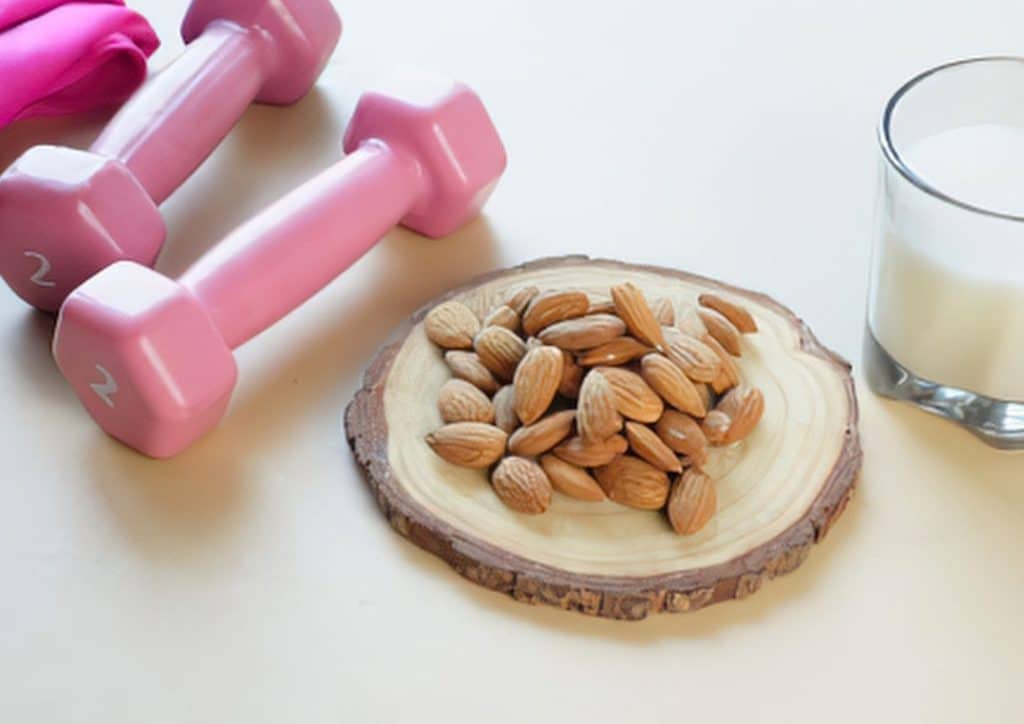
Unfamiliar foods and personal triggers
Spicy foods can trigger reflux or stomach discomfort in some people. If this happens to you, choose a milder meal before exercise.
Be mindful of unfamiliar foods before an important competition. A new snack might work perfectly well, but it is usually more practical to experiment during regular training rather than on race day.
You do not need to cut out entire food groups or follow a restrictive eating plan to fuel exercise properly. Focus on foods you enjoy, sensible portions and timing that works for your body.
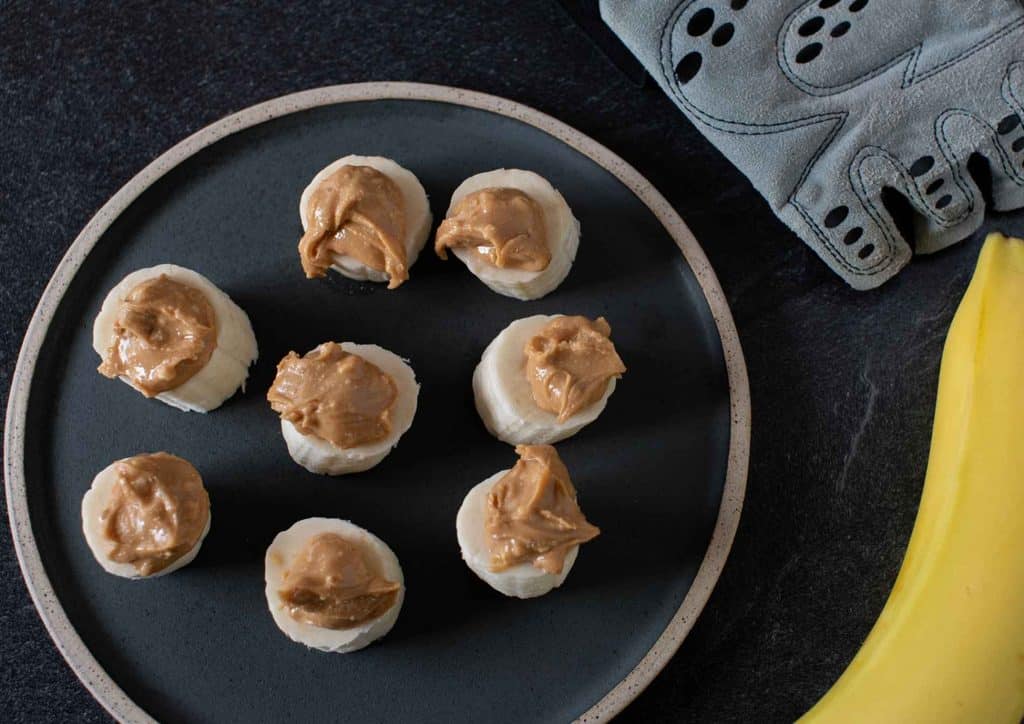
| Key Focus | Nutritional Strategy | Timing & Application | Performance & Comfort Outcome |
|---|---|---|---|
| Spicy & Acidic Triggers | Selecting milder, simpler meal options to prevent heartburn or gastric irritation before physical activity. | Pre-workout meals | Protects stomach comfort and prevents acid reflux during movement. |
| Race-Day Routine | Sticking to familiar, tried-and-tested snacks rather than introducing novel ingredients on event day. | Important competitions | Minimises the risk of unexpected gastrointestinal upset when performance matters most. |
| Training-Phase Testing | Using everyday practice sessions as a testing ground for new food choices and strategies. | Regular training blocks | Allows safe experimentation to determine individual food tolerance without consequences. |
| Inclusive Fuelling Approach | Prioritising enjoyable foods, balanced portions, and practical timing over overly restrictive diets. | Consistent daily pattern | Sustains optimal energy levels while maintaining a healthy, flexible relationship with food. |
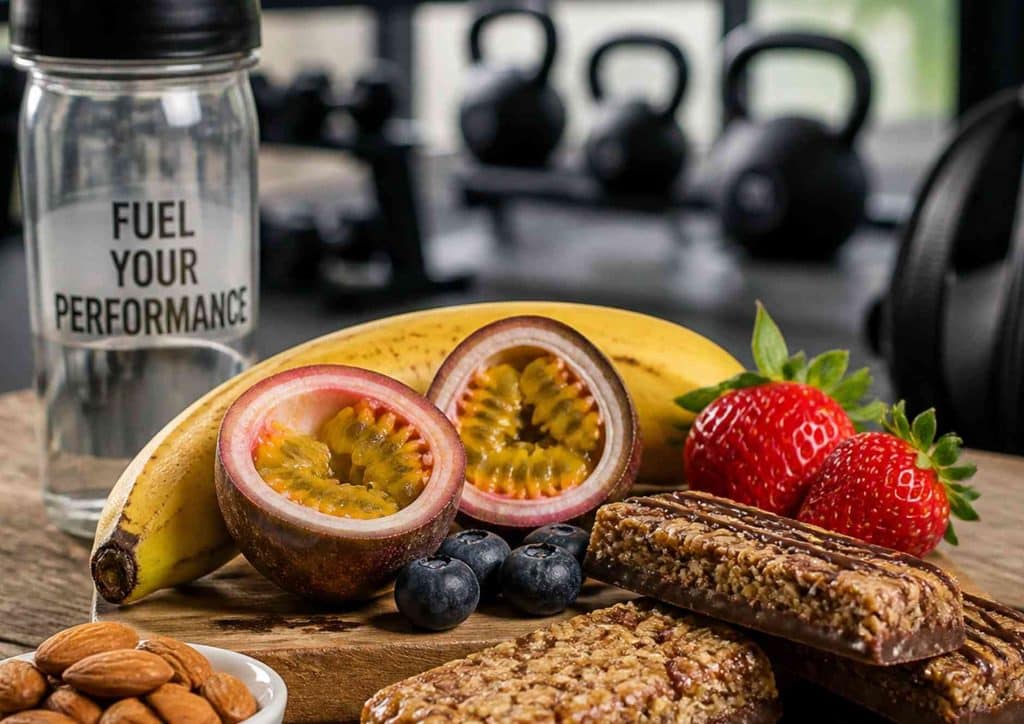
Training early in the morning
If you struggle to eat immediately after waking, try a banana, a piece of toast or a few mouthfuls of a smoothie before training. If you feel comfortable exercising without food and your session is short and easy, you may not need a snack, but pay attention to any dizziness, weakness or unusual fatigue.

| Morning Scenario | Nutritional Strategy | Timing & Selection | Key Outcome & Safety |
|---|---|---|---|
| Low Morning Appetite | Opting for small, easy-to-digest carbohydrates like a banana, toast, or a few sips of a smoothie. | Immediately after waking | Provides gentle energy without causing nausea or stomach heaviness. |
| Fasted Short Sessions | Exercising without food when undertaking brief, low-intensity workouts. | Light morning workouts | Saves time while relying on existing energy stores without impairing performance. |
| Body Awareness Monitoring | Tracking physical signals during fasted sessions to assess your food tolerance. | Throughout training | Helps prevent dizziness, sudden weakness, or excessive post-workout fatigue. |
| Personalised Fuelling Routine | Adjusting morning intake based on session demands rather than forcing large meals. | Pre-session habit | Establishes a sustainable routine tailored to your digestive comfort and training goals. |
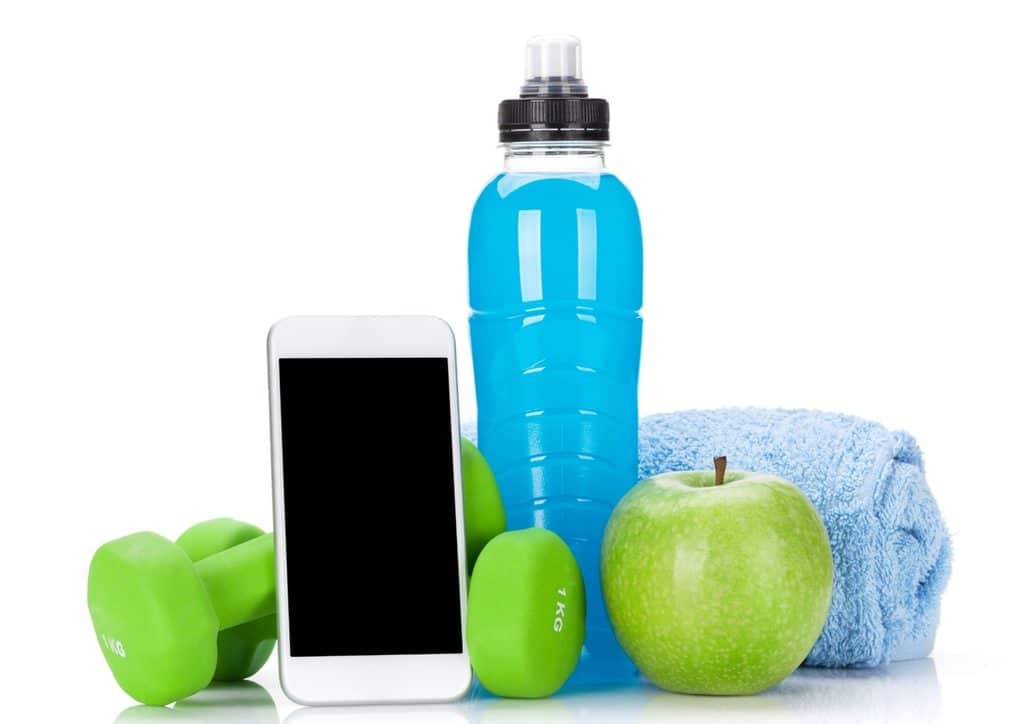
Good to know
Drinking fluids before exercise helps you start training hydrated. Drink water regularly in the hours leading up to your session and have some before you begin, adjusting for the weather, your sweat losses and the demands of your workout.

| Hydration Focus | Fluid Strategy | Timing & Intake | Performance Benefit |
|---|---|---|---|
| Pre-Session Hydration | Consuming fluids steadily to ensure you commence training in a well-hydrated state. | Hours leading up to exercise | Optimises fluid balance and prevents early performance declines caused by dehydration. |
| Environmental & Sweat Adaptation | Modifying water volume to account for ambient temperature, humidity, and individual perspiration rates. | Adjusted to conditions | Prevents overheating and maintains cardiovascular efficiency during demanding sessions. |
| Session Demand Matching | Tailoring fluid intake to mirror the intensity and duration of your planned workout. | Right before beginning | Ensures optimal stomach comfort without causing fluid sloshing during physical movement. |
| Consistent Fluid Habit | Sipping water regularly throughout the day rather than trying to chug large amounts at once. | Throughout the day | Promotes steady absorption and maintains overall wellbeing without overloading the gut. |
Red flag: Feeling faint, dizzy or unwell during training
Stop exercising if you feel faint, dizzy or unusually unwell, and seek medical advice rather than assuming you simply need more food. If symptoms are severe, you collapse, experience chest pain or have difficulty breathing, seek urgent medical care. Recurrent symptoms during exercise should be assessed by your GP.

| Warning Indicator | Immediate Action | Response Timing | Medical Guidance |
|---|---|---|---|
| Faintness, Dizziness or Malaise | Cease physical activity immediately rather than assuming the cause is simply a lack of food. | At onset of symptoms | Seek professional medical advice to investigate underlying causes safely. |
| Severe Symptoms & Collapse | Call for emergency medical assistance if fainting, chest pain, or breathing difficulties occur. | Urgent / Emergency | Requires immediate professional healthcare evaluation and intervention. |
| Recurrent Episode Management | Schedule an appointment with your general practitioner to evaluate repeat occurrences during workouts. | Post-session follow-up | Ensures proper clinical assessment of ongoing exercise-related symptoms. |
| Health Prioritisation | Place physical wellbeing above training targets when unusual bodily distress is experienced. | Always | Protects long-term cardiovascular health and prevents dangerous exertion injuries. |
“You do not need complicated sports nutrition to fuel a good workout, you need enough food, sensible timing and an approach that works for your body”.
Jake Biggs, Nutrition Longevity

What to do this week
- Try one easily digested carbohydrate snack before a training session.
- Experiment with eating at different times to find what feels comfortable.
- Drink water regularly and pay attention to your energy and digestion during exercise.

| Action Item | Practical Implementation | Schedule & Frequency | Expected Benefit |
|---|---|---|---|
| Carbohydrate Snack Trial | Incorporate a small, easily digested carbohydrate option like a banana or toast before working out. | Prior to a session this week | Provides accessible energy without causing digestive sluggishness. |
| Meal Timing Experiment | Test eating your pre-session meal or snack at various intervals to discover your optimal comfort window. | Across upcoming workouts | Identifies the ideal digestion timeframe for your personal routine. |
| Hydration & Energy Tracking | Sip water consistently while actively monitoring how your body responds in terms of energy and gut comfort. | Throughout all training sessions | Optimises performance and ensures proper fluid balance during exertion. |
| Refining Your Routine | Evaluate what worked best and adjust your fuelling strategy moving forward based on personal feedback. | End of the week review | Builds a sustainable, personalised approach to sports nutrition. |
When a sports nutritionist can help
While self-experimentation with pre-workout snacks and meal timing works well for many, consulting a sports nutritionist can provide invaluable clarity if you have complex performance goals or persistent challenges. If you are considering professional support, understanding sports nutritionist costs in Sydney can help you make an informed decision before booking an appointment.
A sports nutritionist can tailor a precise fuelling strategy around your specific training volume, body composition targets, and schedule, taking the guesswork out of nutrient timing. This personalised approach ensures you are consuming the right ratio of carbohydrates, proteins, and fluid to optimise your energy output during sessions without carrying unnecessary fullness or fatigue into your workouts.
Individualised guidance is particularly crucial if you manage food intolerances, irritable bowel syndrome, or gastrointestinal distress while exercising. A sports nutritionist can help identify specific food triggers, design stomach-friendly pre-session options, and ensure you remain fully nourished without compromising gut comfort.
Beyond day to day training, they can also build structured race day carbohydrate loading protocols and hydration plans, giving you the confidence that your body is thoroughly prepared to perform at its best when it matters most.

| Support Area | Nutritional Service | Scope & Application | Key Benefit |
|---|---|---|---|
| Tailored Meal Planning | Designing custom energy strategies mapped to your training workload, body composition goals, and daily schedule. | Complex fitness targets | Removes guesswork around nutrient timing, ensuring steady stamina without post-meal fatigue. |
| Digestive Health & Triggers | Pinpointing individual food sensitivities and creating stomach-friendly meal schedules. | Intolerances or IBS management | Prevents gastrointestinal distress during workouts while keeping daily nutrition complete. |
| Event & Race Day Guidance | Structuring tailored carbohydrate loading phases and targeted hydration regimes. | Upcoming events or long runs | Maximises glycogen stores and fluid retention so you feel fully prepared to perform. |
| Long-Term Strategy Refinement | Adjusting diet protocols as your workout routine and personal goals evolve over time. | Ongoing training development | Establishes sustainable nutrition habits that support recovery, immunity, and overall health. |
Final thoughts
Optimising your pre-workout nutrition does not require overly rigid meal rules or drastic dietary overhauls. Instead, effective fuelling comes down to understanding your body’s individual needs, respecting digestive boundaries, and matching your food choices to the intensity of your session. By experimenting with easy-to-digest carbohydrates, adjusting your timing, and maintaining steady hydration throughout the day, you can establish a reliable routine that keeps your energy levels high and stomach comfort intact.
Remember that pre-session nutrition is a personal process of fine-tuning rather than a one-size-fits-all formula. What works brilliantly for someone else might feel uncomfortable for you, which is why testing different options during routine training is essential. Listen to your body’s physical cues, refine your strategy over time, and seek qualified professional guidance when dealing with complex goals or persistent digestive issues to ensure you are always fully supported for every workout.
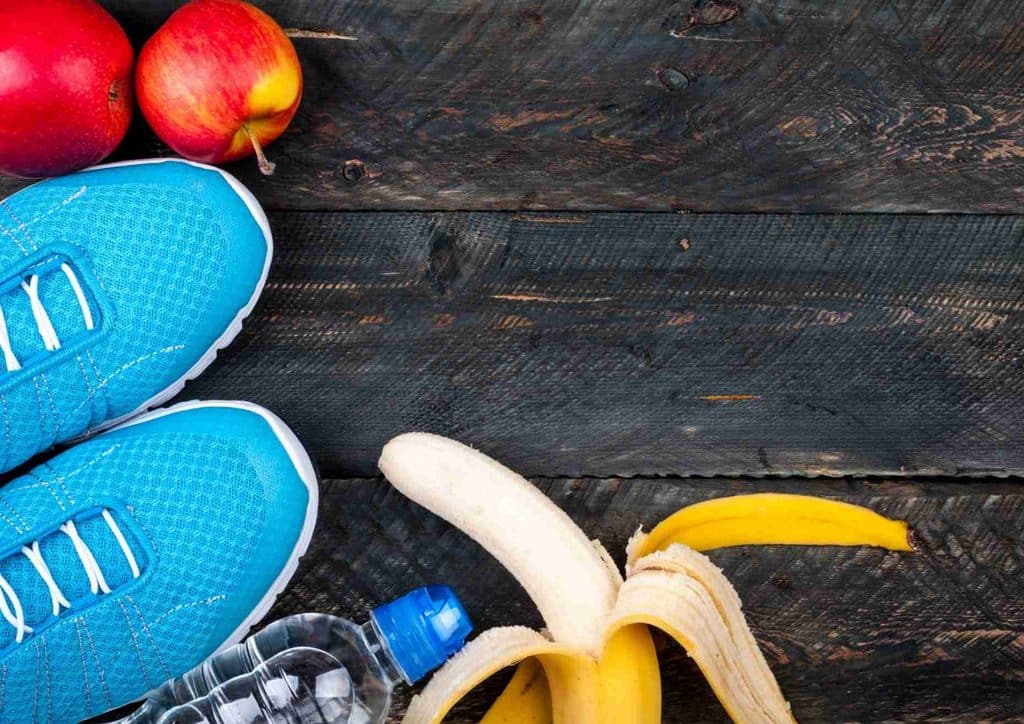
What snacks to eat before pre workout quiz
Test your understanding of pre-exercise fuelling, carbohydrate timing, hydration management, and digestive comfort before your next session.
1. What is the primary role of a pre-workout snack eaten 30–60 minutes before training?
2. Is it necessary to eat a pre-workout snack before every single morning session?
3. Which factors should you consider when planning pre-exercise nutrition? Select all that apply.
4. You should immediately stop exercising if you experience faintness, severe dizziness, or chest pain.
5. What is the key to creating a successful pre-workout nutrition strategy?
Mastering your pre-workout snacks is about individual testing, balancing energy availability with digestive ease, and maintaining optimal hydration for every session.

Frequently asked questions
Is it OK to train on an empty stomach?
Yes, for many people, particularly during short, easy sessions. For harder or longer workouts, eating beforehand may help, and you should stop and seek advice if you experience concerning symptoms.
Is a banana a good pre workout snack?
Yes, a banana provides easily digested carbohydrates and is convenient to eat before exercise. It is a practical option when you want something simple without a large meal.
Should I have protein before a workout?
You can include protein before training, but carbohydrates are often the main priority for immediate exercise fuel. Getting enough protein across the day is important for muscle maintenance and repair, particularly if you train regularly.
What should I eat if I train early in the morning?
Try a banana, toast with honey or a small smoothie if you want something light before training. If you prefer not to eat beforehand, consider your session intensity and how you feel, and make sure your overall food intake supports your activity.
Keep reading
This article is general information, not personal medical or nutritional advice. Individual needs vary. For guidance tailored to you, book a consultation.
Book a 60 minute consultation, in Bondi Junction or by Telehealth from anywhere in the world.