

The short version
- Grapes can be a useful food for weight loss because they provide natural sweetness for relatively few calories. Their high water content can add volume to your diet, making them a satisfying option when you want something sweet without choosing a higher calorie dessert.
- Portion size is important when eating grapes for weight loss because their sweetness and small size can make them easy to overeat. Including a sensible portion allows you to enjoy grapes regularly while keeping your overall calorie intake aligned with your weight loss goals.
- You can eat grapes regularly and still achieve sustainable weight loss. Rather than avoiding grapes because they contain natural sugar, focus on how they fit into your overall calorie intake and use them as a nutritious alternative to higher calorie snacks and desserts.

The short answer
If you are wondering are grapes good for weight loss, you are not alone. Grapes fit comfortably into a long term weight loss plan when you treat them like a structured snack rather than something you eat straight from a large bowl. When you give them a clear portion, pair them with something that steadies your appetite and stay mindful, they support your routine without pulling you off track.
As a weight loss nutritionist, I often reassure clients that grapes do not need to be avoided for successful weight loss. The key is ensuring they fit within an overall eating pattern that supports appetite control, calorie intake and sustainable weight loss.
“Grapes do not cause weight gain and they do not prevent weight loss. What matters is the overall pattern of your eating habits. When grapes are consumed with intention, in appropriate portions and within a structured nutrition plan, they become a nutritious part of your diet that supports progress rather than sabotages it”.
Jake Biggs, Nutrition Longevity

Grapes weight loss calculator
Grapes can be included as part of a balanced approach to weight loss, but portion size and eating habits still matter. Enter your current weight, goal weight, activity level and grape habits to receive a personalised indication of how grapes may fit into your sustainable weight loss approach.
What your result means
Want help creating a personalised sustainable weight loss nutrition plan?
A personalised nutrition approach can help you structure your meals, snacks, fruit portions and activity nutrition while working towards your goal weight.
Book a consultationThis calculator provides general educational information and does not predict weight loss or determine your individual nutrition requirements. Grapes contain natural carbohydrate and can be included within a balanced nutrition approach, but they do not directly cause weight loss. Individual requirements vary depending on health, activity, appetite, medication and personal circumstances.
“Your weight loss journey is unique to you. This calculator provides a practical estimate of grape intake based on your body weight, activity levels, and weight loss goals. It helps you enjoy grapes as part of a sustainable weight loss nutrition plan”.
Jake Biggs, Nutrition Longevity

What is actually in a serve of grapes
A serve of grapes is smaller than most people expect. When we talk about how many grapes per serve, I am usually guiding people toward roughly a small handful, not a giant mixing bowl. That amount gives you natural sweetness, water and dietary fibre without turning into a sugar bomb.
Grapes bring natural antioxidants and a gentle hit of natural fruit sugar, wrapped inside their skins and pulp. When you eat them as part of a planned snack, they help you feel satisfied without relying on processed sweets.
A helpful tip that I give to anyone who wants to include grapes while working toward long term weight loss and calm digestion is to create a simple three step formula.
- Rinse the grapes thoroughly to wash away any surface residue and give yourself a clean starting point.
- Portion your grapes with intention and use your eye to set a clear measurement that matches your goals.
- Sit down and eat your grapes slowly so your digestion stays calm and your body has time to register fullness.

Fruit sugar compared with added sugar
| Comparison Point | Fruit Sugar vs Table Sugar |
|---|---|
| Source | Fruit sugar occurs naturally within whole fruits such as grapes, while table sugar is a refined sweetener extracted and processed from sugar cane or sugar beet. |
| Nutritional Package | Fruit comes packaged with water, fibre, vitamins, minerals and beneficial plant compounds, whereas table sugar provides energy with little nutritional value. |
| Fibre | Whole fruits contain fibre, which can support digestive health and satiety. Table sugar contains no fibre. |
| Hydration | Fruits such as grapes contain substantial amounts of water that contribute to hydration, while table sugar provides no fluid. |
| Vitamins & Antioxidants | Fruit provides vitamins, minerals and antioxidants that contribute to overall health. Table sugar does not offer these benefits. |
| Calories | Both fruit sugar and table sugar contribute calories and can affect overall energy intake when consumed in excess. |
| The Practical Reality | Although fruit and table sugar ultimately contain sugar molecules, whole fruits provide a far more nutrient-dense package. This is why fruits such as grapes are generally encouraged as part of a balanced diet, whereas excessive intake of added sugars is typically discouraged. |
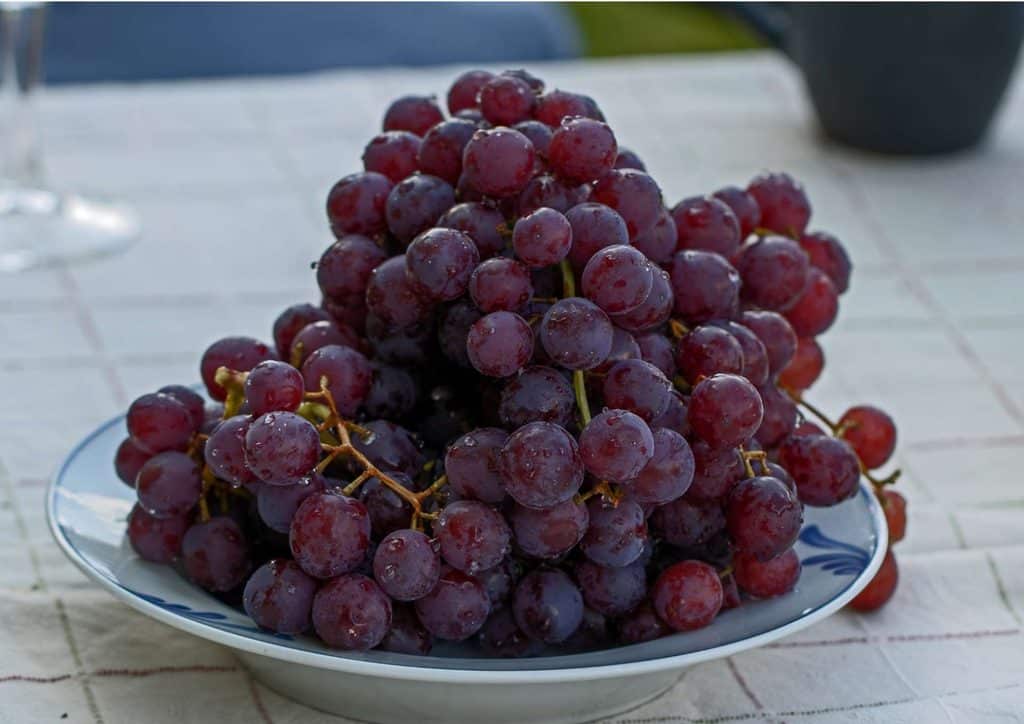
You can eat grapes and still lose weight
| The Trend | The Evidence |
|---|---|
| Grapes boost metabolism and help you burn more kilojoules throughout the day. | Grapes do not significantly increase metabolic rate. They provide carbohydrates, natural sugars, water and other nutrients as part of your overall fruit intake. |
| Eating grapes switches on fat burning and helps your body lose weight faster. | Grapes do not directly switch on fat burning. Weight loss is influenced by your overall energy intake, food choices, physical activity and consistency over time. |
| Grapes stop cravings and keep you feeling full for hours. | Grapes can be a nutritious and refreshing snack, but they are relatively easy to eat in large quantities. Combining a portion of grapes with protein or another source of fibre can create a more satisfying snack. |
| Grapes are a low sugar fruit that you can eat freely because the sugar is natural. | Grapes contain naturally occurring sugars, and their nutritional value does not mean portions are unlimited. A sensible serving can fit comfortably into a balanced weight loss diet. |
| Grapes balance blood glucose and prevent blood sugar spikes. | Grapes contain carbohydrate and can raise blood glucose. The response depends on factors such as portion size, the overall meal and individual differences in glucose regulation. |
| Grapes are a special weight loss food that can be eaten without limits. | Grapes can absolutely be included in a weight loss diet, but portion awareness still matters. Eating an appropriate serve alongside protein, fibre and balanced meals can support sustainable weight loss. |

Why grapes are easy to over eat
Grapes are small, sweet, convenient and require very little effort to eat, making it easy to consume large amounts without realising it. Unlike larger fruits that need peeling, slicing or individual preparation, grapes can be eaten quickly by the handful while working, driving, watching television or snacking mindlessly. Although grapes are a nutritious fruit, their ease of consumption means that portion sizes can add up faster than many people expect, increasing overall calorie and carbohydrate intake.
It is recommended to portion grapes before eating, sit down, slow the pace and treat them as a planned part of the day. This simple structure keeps the eating experience intentional and reduces the likelihood of drifting into overeating, because the grapes are anchored within a clear and mindful routine.

Where grapes fit in a weight loss plan
| Consideration | Where Grapes Fit |
|---|---|
| Snack Option | Grapes can be a convenient and nutritious snack that provides hydration, carbohydrates and beneficial nutrients. |
| Portion Size | As grapes are easy to eat in large quantities, being mindful of portion size can help manage overall calorie intake. |
| Sweet Cravings | Their natural sweetness may help satisfy sweet cravings while providing more nutritional value than many processed snack foods. |
| Meal Balance | Grapes are best included as part of a balanced diet alongside foods that provide protein, healthy fats and additional fibre. |
| Calorie Awareness | Although nutritious, grapes still contribute calories and carbohydrates, which count towards total daily intake. |
| Nutritional Benefits | Grapes provide water, vitamin K and beneficial plant compounds such as polyphenols that support overall dietary quality. |
| The Practical Reality | Grapes can absolutely fit into a weight loss plan when consumed in appropriate portions. Rather than focusing on individual foods, successful weight loss depends on overall nutrition, energy intake, physical activity and long term lifestyle habits. |
Final thoughts
Grapes are a carbohydrate-rich fruit, but carbohydrates are not the enemy when it comes to weight loss. Just as foods such as pasta, rice, sweet potato and oats can all have a place in a balanced diet, grapes can also fit within a well-structured weight loss plan. The key factor is not whether a food contains carbohydrates but how it contributes to your overall nutrition, calorie intake, satiety and dietary pattern.
They only become a problem when the portion grows without intention or when they drift into grazing. When you portion them properly, sit down, slow your pace and place them inside a balanced day, grapes support your long term routine rather than disrupt it.
The real work is not about removing fruit, it is about building structure, awareness and consistency. When you do that, grapes feel like a normal part of your nutrition plan and not something that pulls you away from your weight loss goals.
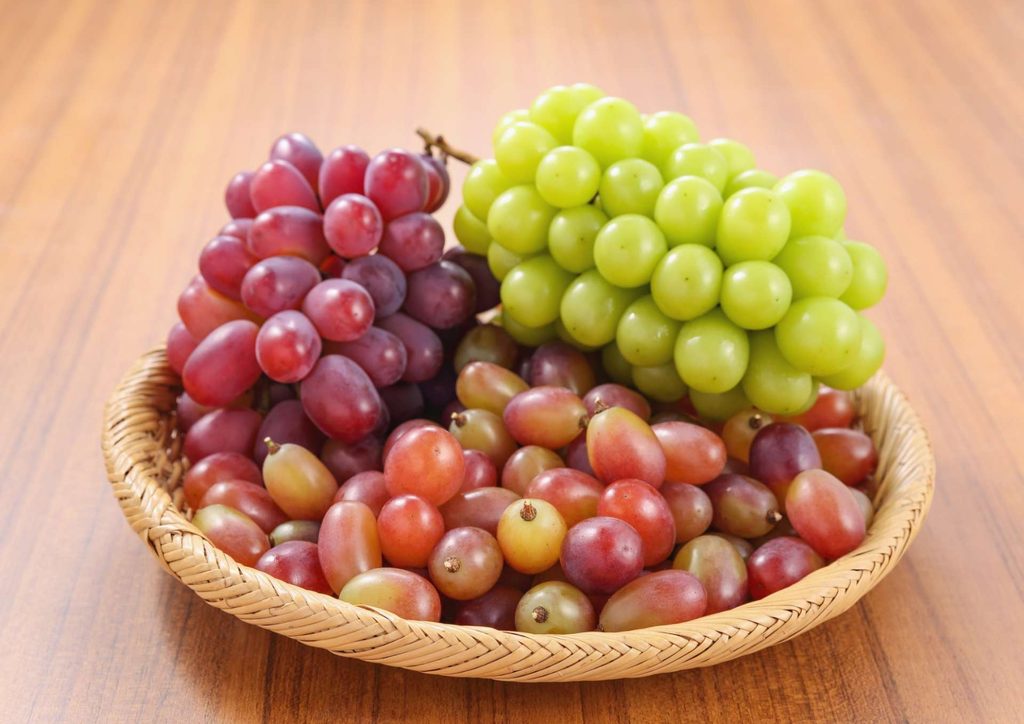
Tap what you think is true. Each one reveals what the evidence actually shows.
1. Grapes are a low kilojoule fruit you can eat freely for weight loss.
2. Grapes keep you full for long periods and curb cravings.
3. Grapes help with weight loss because they are high in antioxidants.
4. What actually drives lasting weight loss when grapes are part of your diet?
Spot the pattern. Grapes are a nutritious fruit, not a weight loss shortcut. The results you want come from the everyday basics you can keep up over time.
Frequently asked questions
How do I work out how much grapes I can have per day and still lose weight?
There is no one‑size‑fits‑all answer. Your grape portion depends on your age, weight, gender, metabolism, hormones, hunger patterns and fullness cues. All of these factors determine your overall energy requirements and how much fruit fits into your day without slowing weight loss. As a generic rule of thumb, most people do best choosing a single measured serve and anchoring it within a structured snack rather than grazing.
If you would like a personalised weight loss nutrition plan, including the right amount of grapes that suits your body and your goals, it is best to work with an experienced weight loss nutritionist who can design this for you. A proper assessment looks at your hunger patterns, your fullness cues, your daily structure and your overall energy needs, then fits fruit into that framework in a way that supports long term progress.
How many grapes are in one serve?
A practical serve of grapes is roughly a small handful in a bowl, enough to cover the base without piling high. That amount gives you natural sweetness, water and dietary fibre without tipping into a large sugar hit. The key is to decide your portion before you start eating and stick to it.
Are frozen grapes a good snack while losing weight?
Frozen grapes are a sensible snack when you treat them like any other planned portion. Freezing them slows your eating and makes each grape feel more satisfying. Use a small container, sit down and enjoy them mindfully. Avoid grazing from a large tub, which quietly turns into a much bigger serve.
Do grapes raise blood sugar quickly?
Grapes do raise blood sugar, but the effect is moderated by their dietary fibre and water. When you eat a measured serve, especially alongside protein, the rise is steadier and more controlled. Eating a very large amount at once pushes your blood sugar up more sharply than a sensible portion.
Is the sugar in fruit as much of a problem as added sugar?
Sugar in whole fruit behaves completely different from added sugar because it arrives with dietary fibre, water and natural plant compounds. That package slows absorption and helps your body handle the sugar more smoothly. Added sugar in drinks or sweets arrives alone, so it hits your system faster and contributes less to fullness.
Keep reading
This article is general information, not personal medical or nutritional advice. Individual needs vary. For guidance tailored to you, book a consultation.
Book a 60 minute consultation, in Bondi Junction or by Telehealth from anywhere in the world.