

The short version
- Oats can support weight loss because their dietary fibre helps you feel fuller after breakfast. Feeling satisfied can make it easier to manage hunger and avoid unnecessary snacking later in the morning.
- Adding protein to oats is important when your goal is weight loss. Greek yoghurt, milk or protein powder can make breakfast more filling and help you stay satisfied for longer.
- Oats can fit into a weight loss diet, but portion size and toppings still matter. Choose a sensible serving and avoid turning your bowl into a high calorie breakfast with large amounts of honey, dried fruit, chocolate or nut butter.

The short answer
Yes, are oats good for weight loss is a useful question because oats are a nutritious food that fits well into a balanced eating pattern. Their dietary fibre content helps make a bowl of oats satisfying, but the way you build your breakfast matters just as much as the oats themselves.
For weight loss, the goal is not to avoid carbohydrates, whether that is oats, sweet potato, pasta, rice or other grains. It is to create meals that keep you satisfied and make your overall eating pattern easier to maintain for sustainable weight loss.
“Oats do not need to be complicated to support weight loss. A bowl with a sensible portion of oats, plenty of protein and dietary fibre can keep you fuller for longer, helping you manage hunger and your overall food intake throughout the day”.
Jake Biggs, Nutrition Longevity

Why oats are excellent for weight loss
Oats are one of the best foods to include in a weight loss nutrition plan because they are rich in fibre, filling and highly nutritious. Their high content of beta-glucan, a type of soluble fibre, helps slow digestion, promote fullness and reduce hunger between meals. This can make it easier to control portion sizes and manage overall energy intake throughout the day.
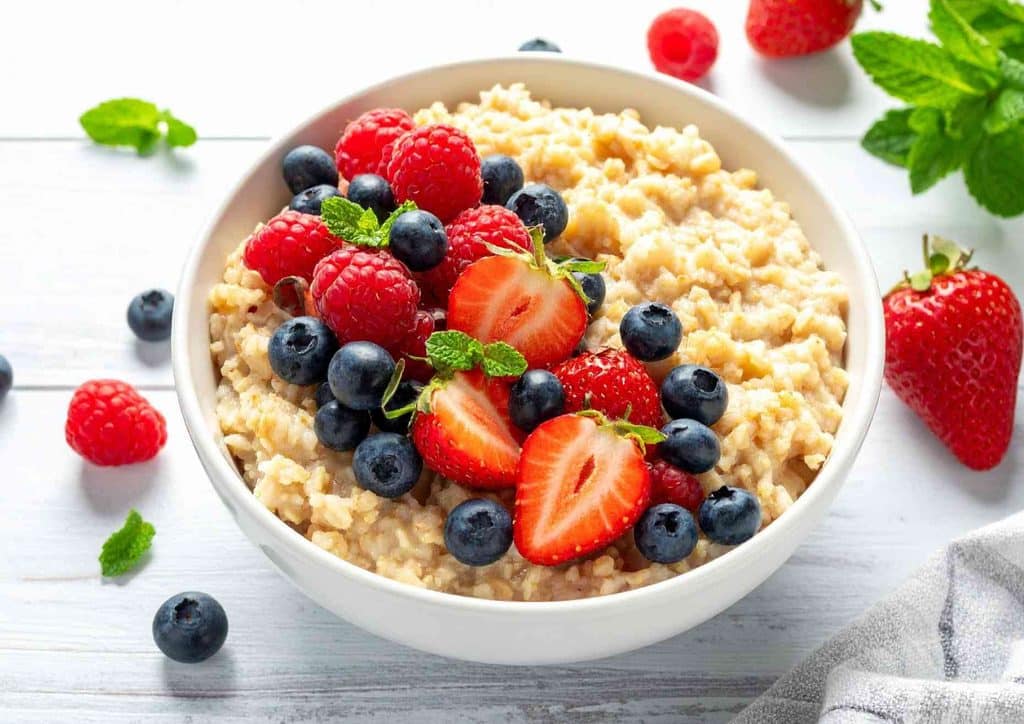
Oats portion size calculator for weight loss
Oats can be a nutritious and satisfying part of your nutrition plan to achieve sustainable weight loss. This calculator provides a practical starting portion based on your body weight, weight loss approach, meal context, cardio exercise, and weight training exercise.
Your Estimated Oats Portion
Your suggested dry oats portion is 0 to 0 grams per serving.
Your personalised recommendations
Want help creating a personalised weight loss nutrition plan?
I will create for you a customised sustainable weight loss nutrition plan to achieve your long term weight loss goals.
Book a consultationThis calculator provides a general estimate for educational purposes and is not a substitute for personalised nutrition or medical advice. Appropriate portions can vary depending on your health, activity, dietary intake, appetite and personal circumstances.
 16Week ProgramMenopause Weight Loss ProgramFor women in perimenopause and menopause
 16Week ProgramMen’s Weight Loss ProgramFor men with stubborn weight
“This calculator gives you a practical daily oats portion based on your weight, activity level and weight loss goal. It helps you understand how much oats may fit into your meals, so you can enjoy the benefits of oats without overdoing your portion, supporting a balanced and sustainable approach to weight loss”.
Jake Biggs, Nutrition Longevity

What makes oats so filling
The main reason I use oats as a weight loss nutritionist in practical meal planning is their dietary fibre content, which is essential for gut health. Dietary fibre adds bulk to a meal and contributes to the feeling of fullness after eating. Oats contain a type of soluble dietary fibre called beta glucan, which gives cooked oats their characteristic creamy texture.
Dietary fibre is particularly useful when you are trying to manage your food intake because a satisfying meal is easier to stick with than one that leaves you searching for another snack shortly afterwards.
When you are hungry again shortly after breakfast, adding more oats is not always the answer. Look at the protein first.
The important point is that oats are not a magic weight loss food. They are simply a nutritious carbohydrate that works particularly well as the foundation of breakfast.

Dietary fibre is only part of the picture
A bowl containing oats on their own does not provide much protein. This is where many otherwise healthy breakfasts fall short.
Protein helps create a more balanced meal and supports muscle maintenance when you are reducing your overall energy intake. Adding Greek yoghurt, milk, cottage cheese, eggs on the side or a suitable protein powder can make a substantial difference to how satisfying breakfast feels.
- Oats for dietary fibre.
- Greek yoghurt for protein.
- Berries for fruit and flavour.
- Chia seeds for additional dietary fibre.
The difference between a bowl of oats that leaves you hungry and one that keeps you satisfied is often what you add to it.

What about calories?
Oats are nutritious, but portion size still matters. A large bowl of oats containing generous amounts of honey, nut butter, dried fruit and other toppings can become a very energy dense breakfast.
This does not mean you need to remove those foods. It means you need to pay attention to how much you are adding.
A simple bowl with a sensible portion of oats, a protein source and fruit is usually easier to manage than an oversized bowl covered with several energy dense toppings.
| The Trend | The Evidence |
|---|---|
| Eating oats automatically causes weight loss. | Oats can support weight loss because their dietary fibre can contribute to fullness, but your overall eating pattern, portions and energy intake still matter. |
| The more oats you eat, the more weight you will lose. | Dietary fibre can support fullness, but increasing portion sizes does not automatically lead to greater weight loss. |
| Oats alone are enough to keep you full until lunch. | Oats provide carbohydrates and dietary fibre, while adding protein such as Greek yoghurt, milk or a suitable protein source can make breakfast more balanced and satisfying. |
| Healthy toppings can be added freely because they are nutritious. | Nut butter, honey, dried fruit, seeds and other toppings can increase the energy content of your breakfast, so portions still matter when working towards weight loss. |
| Oats are a special fat burning food that speeds up your metabolism. | Oats do not directly burn body fat or significantly speed up metabolism. Their value comes from their nutritional profile and how they can fit into a balanced, satisfying diet. |
| Instant oats are unhealthy and should always be avoided for weight loss. | Instant oats can still be included in a weight loss diet. The ingredients, added sugars, portion size and what you add to the meal are more important than simply choosing one type of oat. |

Rolled, steel cut or instant oats
Rolled oats, steel cut oats and instant oats all start with the same basic grain, but they are processed differently.
Rolled oats are steamed and flattened into flakes. They cook relatively quickly and have a soft texture while still retaining a pleasant amount of bite. They are an excellent everyday choice.
Steel cut oats are oat groats that have been chopped into smaller pieces. They take longer to cook and have a firmer, chewier texture. They are a good option if you enjoy a more substantial breakfast and have extra preparation time.
Instant oats are more finely processed and generally cook very quickly. They are convenient and still provide useful nutrition. Choosing instant oats does not automatically make your breakfast unsuitable for weight loss.
I would rather see you eat plain instant oats consistently than buy steel cut oats that sit untouched in the cupboard.

Which should you choose?
The most important choice is the one that helps you consistently prepare a balanced breakfast. There is little value in buying an option that takes too long to prepare if you then skip breakfast or reach for less satisfying food later.
Be careful with flavoured instant oat products. The oats themselves are not the issue, but added sugar and other ingredients can change the nutritional profile of the meal.
Choose for convenience
Plain rolled or instant oats are both practical options. Focus on the ingredients you add and the overall size of your bowl.

How to build a bowl that keeps you full
| Bowl Component | Why It Helps Keep You Full |
|---|---|
| High Protein Base | Start with Greek yoghurt, cottage cheese or another quality protein source to help increase satiety and support muscle maintenance. |
| Fruit | Add berries, banana, apple or other fruit to provide natural sweetness, fibre and important micronutrients. |
| Chia Seeds | Use approximately ½ teaspoon to 1 teaspoon of chia seeds to increase fibre intake and add texture. |
| Additional Fibre | Add rolled oats, wheat bran or extra fruit to further support fullness and digestive health. |
| Healthy Fats | A small amount of nuts or seeds can improve satisfaction and contribute healthy fats. |
| Keep Added Sugars Minimal | Relying mainly on fruit for sweetness can help control overall calorie intake while maintaining flavour. |
| Example Bowl | Greek yoghurt, mixed berries, rolled oats and ½ teaspoon to 1 teaspoon of chia seeds creates a balanced combination of protein, fibre and carbohydrates. |
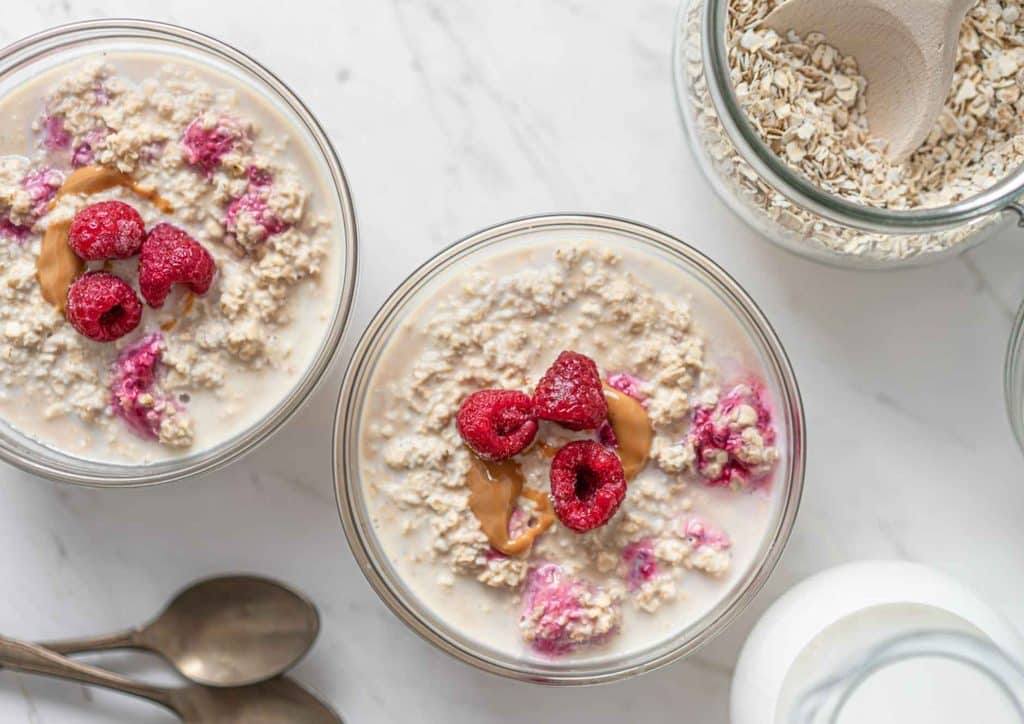
Including oats in your breakfast for weight loss
| Breakfast Idea | Why It May Support Weight Loss |
|---|---|
| Oats With Greek Yoghurt And Berries | Combines fibre rich oats with protein and fruit to create a satisfying breakfast that may help keep you fuller for longer. |
| Overnight Oats | Easy to prepare in advance and can include protein rich foods, fruit and a small amount of chia seeds for additional fibre. |
| Oats With Cottage Cheese And Fruit | Provides a balance of protein, carbohydrates and fibre to support satiety throughout the morning. |
| High Protein Banana Smoothie | A practical breakfast option that pairs well with oats on the side for additional fibre and sustained energy. |
| Protein Pancakes | A higher protein breakfast choice that can fit into a balanced eating pattern when paired with fruit and appropriate portions. |
| Baked Oats With Fruit | Provides a filling breakfast option that combines wholegrain carbohydrates with naturally sweet fruit. |
| Oats As Part Of A Balanced Breakfast | Including oats alongside protein rich foods and fruit may improve satiety compared with eating carbohydrate rich foods alone. |

| The Myth | The Evidence |
|---|---|
| A high protein breakfast is only important if you exercise. | Protein at breakfast can help create a more satisfying meal and support a balanced approach to managing hunger and weight loss, whether or not you exercise. |
| Eating a large breakfast will keep you full all morning. | Fibre rich foods can support fullness, but the overall balance of the meal matters more than simply making breakfast larger. |
| Carbohydrates at breakfast will make you hungry again quickly. | Carbohydrates can form part of a satisfying breakfast when paired with protein, dietary fibre and nutritious foods. |
| The bigger the breakfast, the longer you will stay full. | A very large breakfast is not automatically more satisfying. A sensible portion containing protein and dietary fibre is a more practical approach for weight loss. |

What about oat milk?
Is oat milk good for weight loss? Oat milk can fit into a weight loss focused diet, but I would not automatically choose it because it is marketed as a healthier option. Different oat milks have different nutritional profiles, so check the nutrition panel and choose one that suits the rest of your meal.
If your breakfast already contains plenty of carbohydrate from oats and fruit, adding a milk alternative with a similar nutritional role is worth considering carefully. A higher protein milk or yoghurt can sometimes make more sense if fullness is your priority.
If fullness is your priority, do not overlook the protein in your milk and yoghurt choices.

Add protein rather than simply adding more oats
| Protein Addition | Why It May Be Better Than Adding More Oats |
|---|---|
| Greek Yoghurt | Adds protein which may help increase satiety without substantially increasing the carbohydrate content of the meal. |
| Protein Powder | A simple way to increase protein intake while keeping breakfast practical and convenient. |
| Cottage Cheese | Provides additional protein and can help create a more balanced meal. |
| Eggs | Adding eggs alongside oats increases protein intake and may support longer lasting fullness. |
| Milk Or High Protein Milk | Preparing oats with a protein rich milk option can increase overall protein intake. |
| Higher Protein Breakfast Components | Building meals around protein rich foods can improve satiety while still allowing oats to contribute fibre and carbohydrates. |
| Avoid Simply Increasing Oat Portions | Extra oats primarily increase carbohydrate and calorie intake, while adding protein may provide greater satiety and meal balance. |
As a weight loss nutritionist, I often focus on this simple change when reviewing breakfast habits. The goal is not to make breakfast complicated. It is to make it satisfying enough that you are comfortable until your next meal. If you have tidied up breakfast and progress has still stalled, a nutritionist can help you review the whole day rather than one meal.

The most common mistakes
| Mistake | Rationale |
|---|---|
| Eating A Large Bowl Of Oats Without Protein | Oats provide carbohydrate and fibre, but adding protein may improve satiety and overall meal balance. |
| Assuming Oats Automatically Cause Weight Loss | Weight loss depends on overall energy intake, physical activity and long term dietary habits rather than one food alone. |
| Adding Excessive Amounts Of Honey Or Syrup | Large amounts of added sugars can substantially increase calorie intake without necessarily improving fullness. |
| Using Large Portions Of Nut Butters | Nut butters provide healthy fats but are energy dense and can significantly increase meal calories. |
| Ignoring Portion Size | Even nutritious foods contribute calories, making appropriate portions important for weight management goals. |
| Relying On Oats Alone For Satiety | Combining oats with protein, fruit and other nutrient rich foods often creates a more satisfying breakfast. |
| Adding More Oats Instead Of More Protein | Increasing protein intake may support satiety more effectively than simply increasing carbohydrate intake from larger oat portions. |
Tap what you think is true. Each one reveals what actually happens.
1. Eating oats automatically causes weight loss.
2. Adding protein to oats can make breakfast more filling.
3. Eating a larger bowl of oats will lead to more weight loss.
4. What makes an oat breakfast more suitable for weight loss?
Spot the difference. Oats can be a useful food for weight loss because their dietary fibre supports fullness, but the overall meal matters. Focus on a sensible portion, add protein and choose toppings that help you enjoy your breakfast without turning it into an oversized meal.
Frequently asked questions
Are overnight oats good for weight loss?
Yes, overnight oats can fit into a weight loss focused eating pattern. Prepare them with a sensible portion of oats, a protein source such as Greek yoghurt, fruit and a suitable milk. Avoid turning them into a dessert with large amounts of honey, syrup or other energy dense toppings.
How much oats should I have for breakfast?
A practical starting point is around 40 to 50 grams of dry oats, then adjust according to your hunger, activity and overall eating pattern. The important point is to build the bowl with protein and fruit rather than relying on oats alone to keep you satisfied.
Are instant oats worse than rolled oats?
No. Plain instant oats are still a nutritious option and provide dietary fibre and carbohydrate. They are more processed and have a softer texture, but convenience is valuable. Choose plain varieties where possible and pay attention to what you add to the bowl rather than avoiding instant oats altogether.
What can I add to oats to get more protein?
Greek yoghurt, milk, cottage cheese or a suitable protein powder are practical options. You can also eat eggs alongside your oats if you prefer a larger breakfast. Choose one main protein source and combine it with oats and fruit to create a balanced meal that keeps you satisfied.
Keep reading
This article is general information, not personal medical or nutritional advice. Individual needs vary. For guidance tailored to you, book a consultation.
Book a 60 minute consultation, in Bondi Junction or by Telehealth from anywhere in the world.