

The quick answer
A post workout meal should include protein, carbohydrate and fluids to support recovery after training. For most people, eating within a couple of hours is perfectly reasonable, while active individuals training more than once a day may benefit from eating sooner. A well planned post workout meal helps replace energy used during exercise and provides nutrients needed for recovery.
The short version
- Include protein and carbohydrate after training. Recovery does not happen in the gym, on the track or on the field, it happens afterwards when your body has access to the nutrients it needs to repair and adapt.
- Eat within a few hours in most situations. You do not need to sprint to the kitchen the second training ends, but delaying food for hours can mean missing a valuable opportunity to support recovery.
- Rehydrate as part of recovery. Replacing fluids lost through sweat is one of the simplest and most effective ways to support recovery, energy levels and overall performance.
Recovery meal
A recovery meal is food eaten after exercise that provides the nutrients and fluids needed to support normal recovery from training. It usually includes protein, carbohydrate and fluid.

| Category | Meal Option | Recovery Benefit |
|---|---|---|
| Fast & Portable | Whey Protein Isolate Shake + 1 Ripe Banana | Provides 25g+ of rapid amino acids and fast-acting carbs for immediate post-training uptake. |
| Fast & Portable | Greek Yoghurt Parfait with Honey & Mixed Berries | High leucine content from dairy speeds up protein synthesis while fruit polyphenols combat inflammation. |
| Fast & Portable | Rice Cakes with Light Cream Cheese & Sliced Turkey | Easily digested carbs combined with lean protein for quick, convenient nutrient delivery. |
| Whole Food Refuel | Grilled Chicken Breast, Sweet Potato & Steamed Greens | Sustained complex carbs replenish liver/muscle glycogen alongside lean bioavailable protein. |
| Whole Food Refuel | Baked Salmon Bowl with Quinoa or Brown Rice | Combines quality protein with Omega-3 fatty acids to reduce joint soreness and muscle fatigue. |
| High-Intensity / Endurance | Protein Oatmeal topped with Sliced Banana & Honey | Restores heavily depleted glycogen stores after high-volume sessions without overwhelming digestion. |

How to build your own workout meal for your goal calculator
Discover how to build your own workout meal tailored to your specific training goals and recovery requirements. Complete your profile below to receive custom guidance.
Your Workout Meal Diagnostic Summary
Your profile indicates that requires careful optimisation to build effective workout meals and support recovery.
Your tailored workout meal recommendations
Need a structured, professional clinical nutrition programme?
I will review your personal athletic goals and formulate an evidence-based strategy designed to support metabolic health and athletic performance safely.
Book a consultationThis interactive tool provides educational guidance to support healthy nutrition habits and is not a substitute for professional clinical advice.

“I created this interactive calculator because generic post workout advice treats every session the same, ignoring how training intensity, session duration, and specific athletic goals dictate your recovery needs. By matching your body mass, training phase, and primary obstacles, this tool simplifies sports science into exact, tailored post workout meal strategies to ensure you rebuild muscle tissue and restore glycogen efficiently after every workout”.
Jake Biggs, Nutrition Longevity

| Common Myth | Evidence-Based Fact | Practical Takeaway |
|---|---|---|
| You must consume protein within 30 minutes or lose your gains. | The muscle protein synthesis response remains elevated for hours post-workout, making total daily protein intake and meal distribution far more critical than an immediate 30-minute window. | Aim for 20–40g of quality protein within 1–2 hours post-training, rather than stressing over immediate ingestion. |
| Carbohydrates after training make you gain body fat. | Post-workout carbohydrates prioritised muscle glycogen replenishment and spike insulin to aid tissue repair, rather than storing as fat. | Pair fast-digesting carbohydrates with protein after intense sessions to accelerate recovery without fat gain. |
| Protein shakes are superior to whole food meals after training. | Protein powders offer convenience and rapid absorption, but high-quality whole foods deliver identical muscle recovery alongside essential micronutrients. | Use protein powders for convenience, but rely on whole food meals like chicken, eggs, or fish whenever possible. |
| Dietary fat post-workout completely ruins recovery. | While high fat intake slows gastric emptying and delays protein absorption slightly, moderate dietary fats do not diminish overall muscle protein synthesis. | Include moderate healthy fats in your post-workout meal without worrying about slowing down recovery. |

What should you eat after a workout?
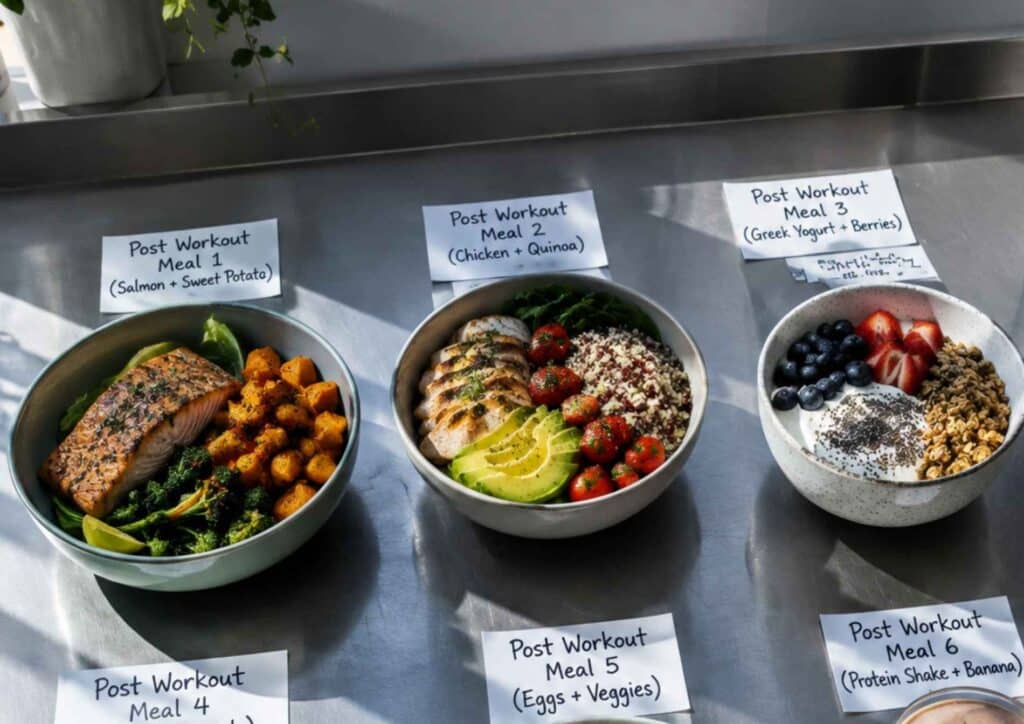
A post workout meal should contain protein, carbohydrate and fluid. This combination helps support recovery, restores energy stores and provides the building blocks needed for training adaptation. Understanding your overall nutritional requirements throughout training, rest days and recovery is equally important.
| Nutrient Pillar | Primary Function | Optimal Strategy |
|---|---|---|
| Protein | Provides essential amino acids to repair exercise-induced muscle tissue breakdown and stimulate muscle protein synthesis. | Consume 20–40g of complete protein within 60 to 120 minutes post-training. |
| Carbohydrate | Restores depleted muscle and liver glycogen stores while raising insulin to assist nutrient delivery into cells. | Match carbohydrate intake to session volume and intensity, prioritising fast-digesting options after heavy training. |
| Fluid & Electrolytes | Replaces sweat losses, restores cellular hydration, and maintains cardiovascular function for subsequent recovery. | Rehydrate with water and key electrolytes (sodium and potassium) to compensate for fluid losses during the session. |

Why protein is important after training
Protein supplies amino acids that the body uses to repair and remodel muscle tissue after exercise. Understanding how much protein you need to build muscle can also help you determine whether your daily intake supports your training goals.
Good protein choices include eggs, dairy foods, fish, chicken, lean meat, tofu, tempeh and legumes. The specific food matters less than consistently including a quality protein source after training.

| Key Element | What It Does | Why It Matters |
|---|---|---|
| Tissue Repair | Delivers vital amino acids directly to damaged muscle fibres immediately after your workout. | Turns physical training stress into faster recovery, reduced soreness, and stronger muscle tissue. |
| Muscle Growth | Provides essential raw materials to trigger muscle protein synthesis and prevent tissue breakdown. | Ensures your hard work in training translates directly into measurable physical adaptations. |
| Quality Sources | Requires consistent intake from rich options like eggs, dairy, seafood, poultry, lean meat, tofu, tempeh, or legumes. | Focuses on hitting your protein target consistently after every session, regardless of your dietary style. |

Why carbohydrate deserves attention
Carbohydrate is often overlooked, but it plays an important role in recovery. Exercise uses stored carbohydrate for fuel, particularly during higher intensity training and longer sessions.
Replacing some of these stores after exercise can be especially useful for people who train frequently. Active individuals working towards muscle gain or body recomposition often benefit from paying attention to both protein and carbohydrate rather than focusing on protein alone.

| Key Element | What It Does | Why It Matters |
|---|---|---|
| Glycogen Refuelling | Restores depleted carbohydrate stores broken down during hard training sessions and high intensity efforts. | Refills your energy tanks rapidly, preventing fatigue and keeping performance high for your next workout. |
| Recovery Acceleration | Spikes insulin naturally to drive glucose and vital nutrients directly into working muscle cells. | Crucial for frequent trainers who need to recover faster between back-to-back sessions. |
| Complete Adaptations | Pairs alongside post-training protein to create the optimal environment for muscle tissue growth and repair. | Unlocks superior muscle gain and strength gains compared to focusing on protein alone. |

What about fluids?
Sweating results in fluid losses that vary from one person to another. Replacing some of those losses after training can support normal hydration and help prepare the body for future activity. Hydration is also worth considering when looking at what causes muscle cramps during exercise and how to manage them.
Water is often sufficient for shorter sessions, while fluids consumed alongside meals can further contribute to rehydration.

| Key Element | What It Does | Why It Matters |
|---|---|---|
| Fluid Replacement | Restores essential water levels lost through sweat during varying training workloads. | Re-establishes optimal cellular hydration, protecting cardiovascular efficiency and thermal regulation. |
| Session Duration | Provides adequate rehydration via plain water for lighter sessions, maintaining baseline balance. | Keeps hydration simple and effective without requiring unnecessary calorie or electrolyte additions. |
| Nutrient Transport | Combines fluid intake alongside post-workout meals to enhance fluid retention and nutrient delivery. | Speeds up systemic recovery, ensuring your body is fully prepared and refuelled for future performance. |

How soon after training should you eat?
Most people do not need to eat immediately after finishing exercise. A post workout meal consumed within the next couple of hours is generally practical and appropriate for everyday training.

| Key Element | What It Does | Why It Matters |
|---|---|---|
| Flexible Timing Window | Extends the viable post-session nutrient intake frame across 1 to 2 hours following exercise. | Eliminates the stress of immediate food consumption while securing maximum tissue repair and recovery gains. |
| Practical Refuelling | Integrates smoothly into routine daily schedules without compromising long-term physiological adaptations. | Delivers high-yield results through consistent habit-building rather than rigid, impractical rules. |
| Total Intake Priority | Focuses on meeting total daily energy and protein targets over hyper-specific minute-by-minute timing. | Ensures sustained athletic progress, optimal muscle protein synthesis, and reliable performance restoration. |

Is there a recovery window?
Recovery is not usually determined by a narrow window lasting only a few minutes. The body continues recovering well beyond the end of a workout, and total daily nutrition remains important.
Focusing on consistently eating balanced meals throughout the day is often more useful than worrying about exact timing.

| Core Concept | How It Works | Practical Benefit |
|---|---|---|
| Extended Timeline | Your body continues repairing muscle and restoring energy for many hours after training finishes. | Removes the stress of an urgent post-workout deadline while securing complete physical recovery. |
| Total Daily Intake | Meeting your overall daily energy and nutrition targets matters far more than precise timing. | Drives continuous strength gains, tissue repair, and sustained daily energy levels. |
| Consistent Meals | Spreading quality protein and carbohydrates evenly across your day keeps recovery active. | Provides a steady stream of fuel to working muscles without complicated diet rules. |

When should you eat sooner?
Eating sooner may be helpful if you are training twice in one day, completing long endurance sessions or going many hours between meals. In these situations, early recovery nutrition may help support preparation for the next session. Planning what you eat before exercise is also important, particularly when preparing for demanding training sessions.
The closer together your training sessions are, the more attention timing may deserve.

| Training Scenario | Why Timing Matters | Actionable Strategy |
|---|---|---|
| Multiple Daily Sessions | Training twice in one day leaves minimal time to restore energy stores and repair muscle tissue before you go again. | Prioritise fast-digesting carbohydrates and quality protein immediately after your first session to ensure you are fully refuelled. |
| Long Endurance Workouts | Extended efforts deeply deplete muscle glycogen and fluid levels, making early recovery essential to prevent excessive fatigue. | Consume a balanced recovery meal or snack as soon as practicable to kickstart glycogen storage and rehydration. |
| Tight Turnarounds | Going many hours between finishing training and your next scheduled meal delays essential repair processes. | Bridge the gap with a targeted protein and carbohydrate snack to maintain a steady flow of nutrients to working muscles. |

Does appetite matter?
Many people are not hungry immediately after exercise. If a large meal feels unappealing, starting with a simple snack and eating a larger meal later can be a sensible approach.
Recovery nutrition should fit around real life rather than feeling like another training session.

| Appetite Reality | Physiological Context | Sensible Strategy |
|---|---|---|
| Suppressed Hunger | Strenuous physical effort temporarily suppresses hunger hormones, making heavy meals unappealing immediately post-training. | Accept that lack of appetite right after exercise is completely normal and avoid forcing uncomfortable meals. |
| Targeted Snacking | Starting with a light, easy-to-digest snack bridges the nutritional gap until your natural appetite returns. | Opt for a small protein source or piece of fruit first, saving a larger, satisfying meal for later when hunger kicks in. |
| Lifestyle Flexibility | Rigid dietary rules increase unnecessary stress and fail to account for individual real-world variances. | Customise your recovery nutrition to fit smoothly around your daily life rather than feeling like another training chore. |

Post workout meal ideas
Post workout meals do not need to be expensive, complicated or highly specialised. Everyday foods can provide everything needed for recovery.

| Core Concept | How It Works | Practical Benefit |
|---|---|---|
| Affordable Simplicity | Focuses on budget-friendly, accessible ingredients without requiring expensive supplements or complex preparation steps. | Keeps your nutrition sustainable and cost-effective while delivering elite recovery results. |
| Everyday Whole Foods | Utilises standard supermarket staples like eggs, rice, oats, tuna, and vegetables rather than niche specialty products. | Proves that superior recovery relies on fundamental nutrition principles rather than expensive marketing hype. |
| Complete Recovery Fuel | Combines accessible proteins and carbohydrates to hit every physiological requirement for muscle repair and glycogen restoration. | Delivers everything your body needs to rebuild stronger without unnecessary kitchen complexity. |
Breakfast recovery meals
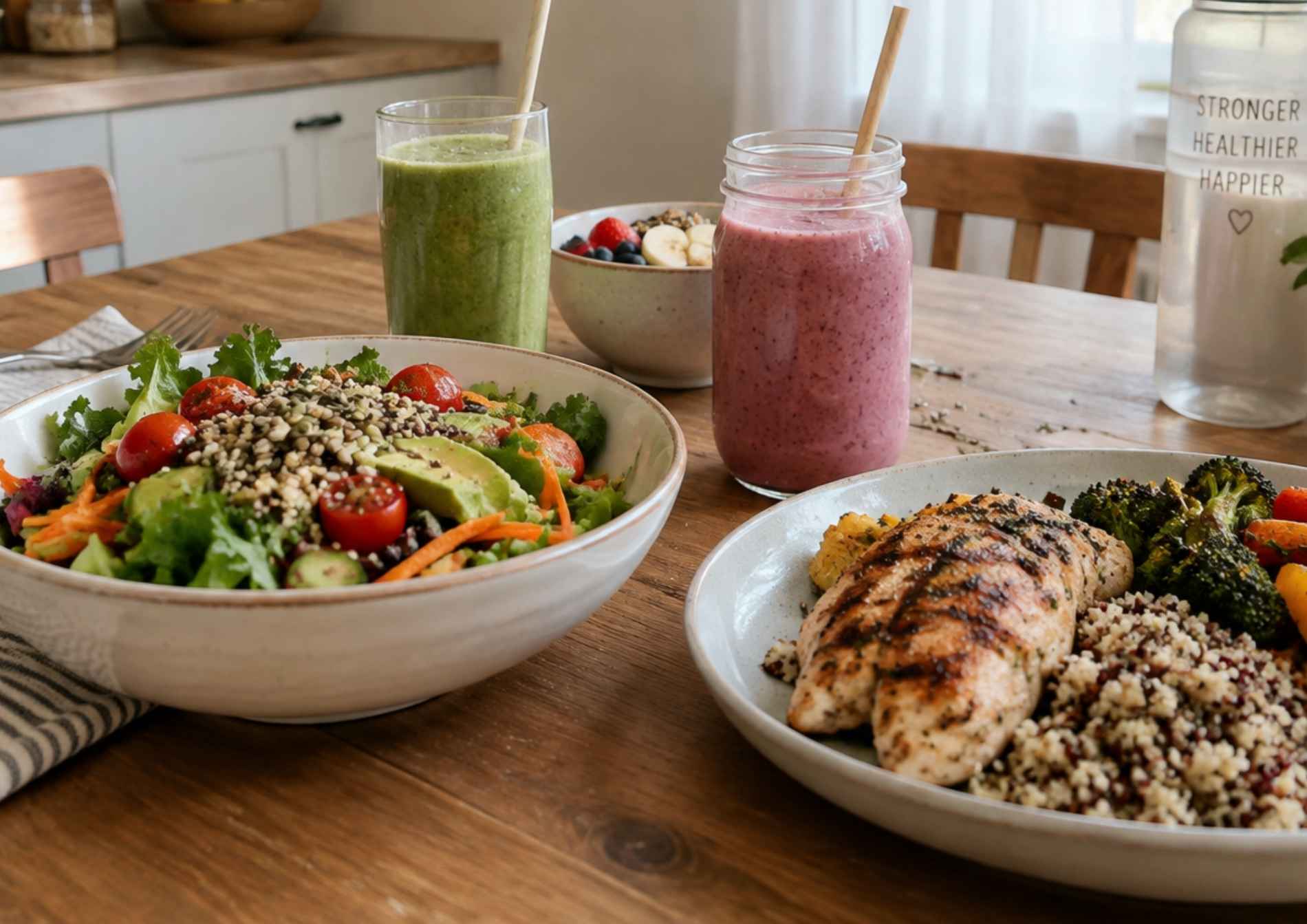
If you train early in the morning, breakfast can double as your recovery meal. Options such as eggs on toast, yoghurt with fruit and muesli or porridge with milk provide a combination of nutrients that can support recovery.
Many active people also enjoy protein pancakes as a practical way to include both protein and carbohydrate after exercise.

| Breakfast Option | Nutritional Breakdown | Recovery Advantage |
|---|---|---|
| Eggs on Wholemeal Toast | Combines complete protein from eggs with complex, slow-releasing carbohydrates from quality bread. | Delivers a bioavailable amino acid kick alongside steady energy replenishment to fuel your morning. |
| Yoghurt, Fruit & Muesli | Pairs protein-dense Greek yoghurt with fast-acting carbohydrates from fruit and oats. | Spikes glycogen restoration rapidly while providing essential calcium and digestive support. |
| Porridge with Milk & Berries | Blends warm oats cooked in milk to deliver a rich balance of carbohydrates, protein, and fluids. | Supports muscle repair and rehydration simultaneously in a gentle, highly digestible meal. |
| Protein Pancakes | Integrates high-quality protein powder or egg whites with banana or oat pancake bases. | Offers a versatile, practical method to hit higher post-workout protein targets without sacrificing taste. |

Lunch and dinner recovery meals
Meals built around lean protein, carbohydrate rich foods and vegetables can work well after training. Rice, pasta, potatoes, wraps and grain based dishes can all fit within a recovery meal.
The goal is not perfection. It is simply providing your body with nutrients after exercise.

| Meal Blueprint | Nutritional Breakdown | Recovery Advantage |
|---|---|---|
| Lean Meat & Rice Bowl | Pairs quality lean protein like chicken, turkey, or beef with digestible white or brown rice and fresh vegetables. | Restores muscle glycogen rapidly while delivering essential amino acids for targeted tissue repair. |
| Pasta with Lean Mince & Veggies | Combines carbohydrate dense pasta with lean meat or plant proteins cooked in a rich tomato and veggie sauce. | Provides substantial energy replenishment to refuel heavy training sessions without digestive heaviness. |
| Roast Fish & Potato Plate | Blends nutrient dense white or sweet potatoes with high quality fish like salmon or barramundi and green vegetables. | Supplies anti-inflammatory omega-3 fatty acids alongside carbohydrates to support cellular recovery. |
| Protein & Salad Wraps | Encloses grilled poultry, tofu, or tuna with fresh salad greens and wholemeal or grain wrap bases. | Offers a practical, mobile solution to hit daily protein and energy targets without requiring complex cooking. |
Recovery meals when time is limited
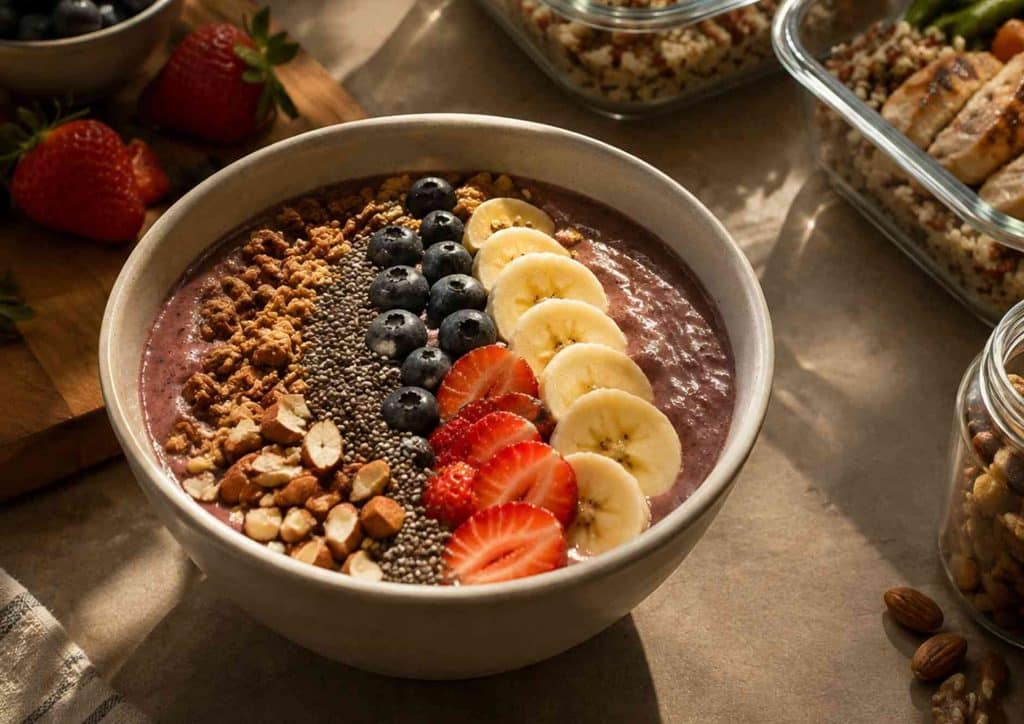
Busy schedules are one of the biggest barriers to consistent recovery eating. Preparing simple meals in advance can make recovery much easier during demanding weeks. Having a collection of easy meals ready to go can also help maintain consistent nutrition when time is limited.
Leftovers, sandwiches and pre prepared meals often work just as well as meals made from scratch.

| Time-Saving Strategy | Practical Implementation | Recovery Advantage |
|---|---|---|
| Batch Cooking & Leftovers | Doubling portion sizes during standard dinner preparation to secure ready-to-eat recovery meals for demanding work weeks. | Eliminates cooking friction during high-stress periods, ensuring consistent nutrition without extra kitchen hours. |
| Portable Sandwiches & Wraps | Assembling fast, nutrient-dense options using canned tuna, sliced poultry, or lean meats paired with quality wholemeal bread and salad greens. | Provides an immediate, mobile recovery solution that bridges nutritional gaps when time is severely restricted. |
| Quality Convenience Options | Leveraging pre-prepared whole foods, frozen meals, or simple Greek yoghurt and fruit combinations when cooking from scratch is impossible. | Maintains high nutritional standards under tight schedules, proving that consistency triumphs over elaborate meal preparation. |

Quick post workout snacks
Quick snacks can help bridge the gap when a full meal is not immediately available. They are particularly useful after morning sessions, during busy workdays or when travelling.

| Snack Option | Nutritional Composition | Recovery Advantage |
|---|---|---|
| Greek Yoghurt & Berries | Combines concentrated dairy protein with antioxidant-rich carbohydrates and natural fluids. | Kicks off muscle repair and glycogen synthesis instantly with zero prep work required. |
| Protein Shake & Banana | Pairs rapidly absorbing whey or plant protein powder with a fast-acting, potassium-rich fruit carbohydrate. | Provides the ultimate portable solution to refuel and rebuild on the move or during travel. |
| Cottage Cheese on Crackers | Delivers slow-releasing casein protein alongside digestible whole-grain carbohydrates and electrolytes. | Sustains amino acid delivery to working muscles while topping up depleted energy stores during busy workdays. |
| Boiled Eggs & Fruit Piece | Blends whole food complete protein and healthy fats with simple, energising fruit sugars. | Bridges the nutritional gap cleanly between morning training sessions and later main meals. |

Easy snack ideas
Yoghurt and fruit, a sandwich, milk based drinks, cheese and crackers, or a handful of cereal with milk can all be practical options.
These foods require little preparation and provide a combination of nutrients that can support recovery.

| Snack Option | How It Works | Practical Benefit |
|---|---|---|
| Yoghurt & Fruit | Combines rich protein with natural fruit sugars to kickstart muscle repair and refill energy stores. | Requires zero cooking and provides a refreshing, highly digestible post-workout option. |
| Simple Sandwich | Pairs quality wholemeal bread with lean meat, cheese, or tuna for a solid protein and carb blend. | Delivers substantial, reliable recovery fuel that can be prepped in under two minutes. |
| Milk-Based Drinks | Provides high-quality dairy protein, carbohydrates, fluid, and electrolytes all in one glass. | Rehydrates and refuels your body simultaneously with maximum convenience. |
| Cheese & Crackers | Blends satisfying protein and fats from cheese with quick-burning carbs and sodium from crackers. | Offers a portable, non-perishable option to stave off hunger and start recovery on the go. |
| Cereal with Milk | Combines easy-to-digest grain carbohydrates with the complete protein and fluids found in milk. | Serves as a quick, budget-friendly staple that is ideal when appetite is low after training. |

Smoothie based recovery options
A high protein banana smoothie can be a convenient option for people who struggle to eat immediately after training. Smoothies can be particularly useful after hard sessions when appetite is reduced. Adding whey protein is another practical way to increase the protein content of a smoothie, depending on your nutritional requirements.
The exact ingredients matter less than creating a balanced snack that is practical and enjoyable.

| Smoothie Option | Nutritional Breakdown | Recovery Advantage |
|---|---|---|
| Protein Banana Smoothie | Blends milk or yoghurt, ripe banana, and protein powder to provide smooth, liquid carbohydrates and quality protein. | Delivers fast refuelling and easy digestion when solid food feels unappealing after hard training. |
| Berry Yoghurt Blend | Combines thick Greek yoghurt, frozen berries, and a splash of milk for a refreshing, nutrient dense mix. | Restores energy stores and provides dairy protein while soothing a suppressed post training appetite. |
| Oat Peanut Butter Shake | Mixes rolled oats, natural peanut butter, milk, and banana into a rich, calorie flexible recovery drink. | Offers a substantial and budget friendly liquid meal that bridges the gap when training sessions are intense. |

Are snacks enough?
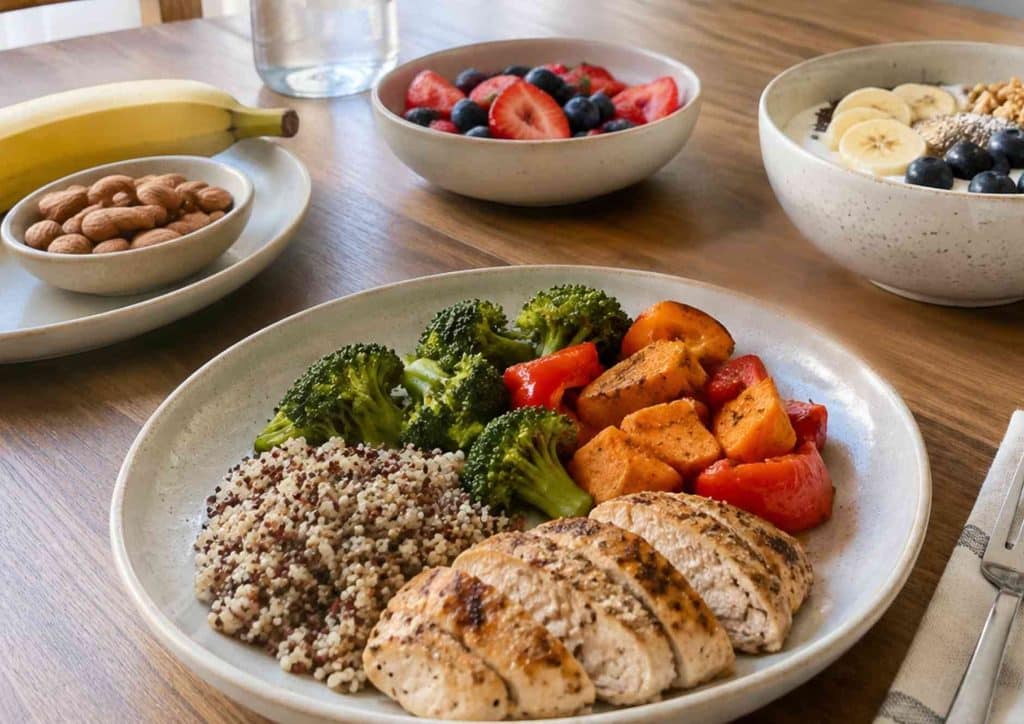
Sometimes a snack is all that is needed, especially if a normal meal will follow shortly afterwards. In other situations, a larger meal may be more appropriate depending on training demands and daily energy needs.
| Decision Context | How It Works | Practical Benefit |
|---|---|---|
| Upcoming Main Meal | Provides a fast bridge of protein and carbohydrates when a proper meal is only an hour or two away. | Prevents energy slumps before meals and starts recovery without ruining your appetite for later. |
| Heavy Training Load | Falls short of total energy and macronutrient targets when daily recovery requirements are exceptionally high. | Signals the need to upgrade from a light snack to a substantial and energy dense main meal. |
| Daily Schedule Fit | Matches your food intake to real life demands and personal hunger cues rather than rigid clock rules. | Keeps nutrition sustainable, enjoyable, and perfectly aligned with your actual lifestyle. |

What to eat after a run
After a run, prioritise fluids, carbohydrates and protein. The longer and harder the run, the greater the importance of replacing energy and fluid losses. Understanding the broader nutritional demands of running can also help you plan your meals around training and recovery.

| Running Scenario | Recommended Fuel | Recovery Benefit |
|---|---|---|
| Short Easy Runs | A tub of Greek yoghurt topped with fresh berries or a simple glass of cold milk. | Rehydrates the body and provides a light dose of protein and carbohydrates without causing digestive discomfort after lighter running sessions. |
| Moderate Training Efforts | A wholemeal wrap filled with chicken breast, salad greens, and a piece of fruit on the side. | Delivers solid sustained carbohydrates and complete amino acids to restore energy reserves and support normal tissue recovery. |
| Long Endurance Runs | A hearty meal of lean beef or tofu with sweet potato mash and roasted vegetables. | Replenishes deeply depleted glycogen stores while supplying essential micronutrients and fluids to accelerate full recovery. |

After a shorter run
Most shorter runs can be followed by a normal balanced meal or snack. There is rarely a need for complicated recovery strategies after routine training sessions.
Simple and consistent habits are often the easiest to maintain.

| Light Snack Option | Nutritional Focus | Recovery Advantage |
|---|---|---|
| Greek Yoghurt & Berries | A small single-serve tub of Greek yoghurt paired with a handful of fresh berries. | Delivers a quick hit of protein and gentle carbohydrates without making you feel overly full after a light jog. |
| Glass of Chilled Milk | A standard glass of dairy milk or a fortified calcium-rich alternative. | Rehydrates the body rapidly while providing natural fluids, electrolytes, and balanced proteins for minor muscle repair. |
| Toast with Peanut Butter | One slice of quality wholemeal toast spread with natural peanut butter. | Offers simple, digestible carbohydrates and healthy fats to restore energy levels quickly when training distance is low. |
| Cheese & Crackers | A few whole-grain crackers paired with cheese slices or a convenient cheese stick. | Provides a fast snack that supplies essential sodium and protein without requiring any kitchen preparation. |

After a longer run
Longer runs generally create greater demands on recovery. Including both protein and carbohydrate can help support recovery while fluids assist with rehydration.
Starting with easy to digest foods may feel more comfortable if appetite is reduced immediately after running.
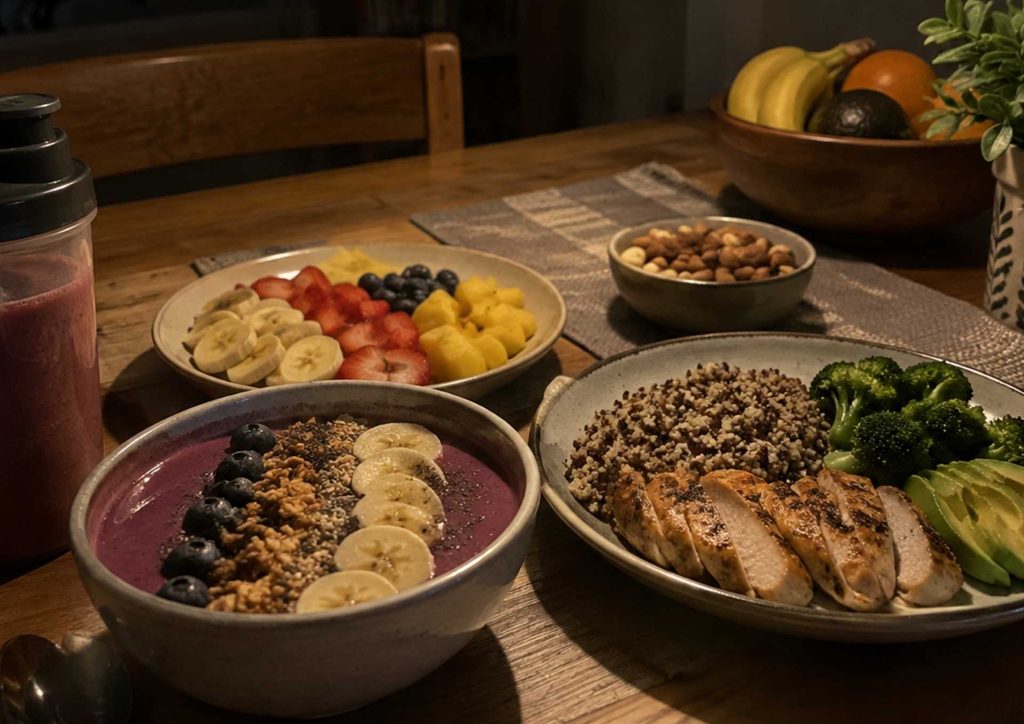
| Meal Option | Nutritional Breakdown | Recovery Advantage |
|---|---|---|
| Hearty Pasta with Lean Bolognese | Standard or whole-grain pasta tossed with a lean beef or plant-based mince tomato sauce and grated parmesan cheese. | Restores heavily depleted muscle glycogen rapidly while supplying iron and complete amino acids for deep muscular repair after high-mileage efforts. |
| Roasted Salmon and Root Vegetables | Oven-baked salmon fillet served alongside roasted sweet potato wedges, regular potatoes, and steamed green vegetables. | Supplies high carbohydrate volume to refill energy stores alongside omega-three fatty acids to lower systemic inflammation from repetitive running impact. |
| Mexican Burrito Bowl | Brown or white rice, black beans, grilled chicken breast or tofu, avocado slices, and fresh salsa. | Combines complex grain carbohydrates and plant proteins with essential electrolytes and fluids to kickstart total system recovery. |
| Loaded Endurance Porridge | Rolled oats cooked in full-cream milk, topped with sliced banana, a spoonful of peanut butter, and a handful of berries. | Provides an easily digestible, carbohydrate-rich and protein-dense meal that handles high energy demands smoothly when appetite returns post-run. |

Recovery mistakes runners commonly make
One common mistake is focusing only on fluids while forgetting about food. Another is delaying eating for long periods despite having access to suitable meals or snacks.
Many runners also underestimate the value of planning recovery before a session begins.

| Recovery Mistake | Underlying Pitfall | Actionable Correction |
|---|---|---|
| Fluid-Only Focus | Replacing sweat losses with water or sports drinks alone while entirely neglecting solid macronutrient intake for tissue repair. | Pair your hydration with a balanced snack or meal to ensure both electrolyte balance and muscle protein synthesis are supported. |
| Unnecessary Delays | Waiting hours to eat long after finishing a session despite having convenient food options readily available at home or work. | Keep portable recovery options on hand so you can bridge the gap immediately when appetite permits. |
| Lack of Preparation | Heading out for long training miles without pre-planning post-run nutrition, leading to poor food choices when fatigue sets in. | Organise your recovery meals or ingredients before your session begins to ensure seamless fuelling the moment you return. |
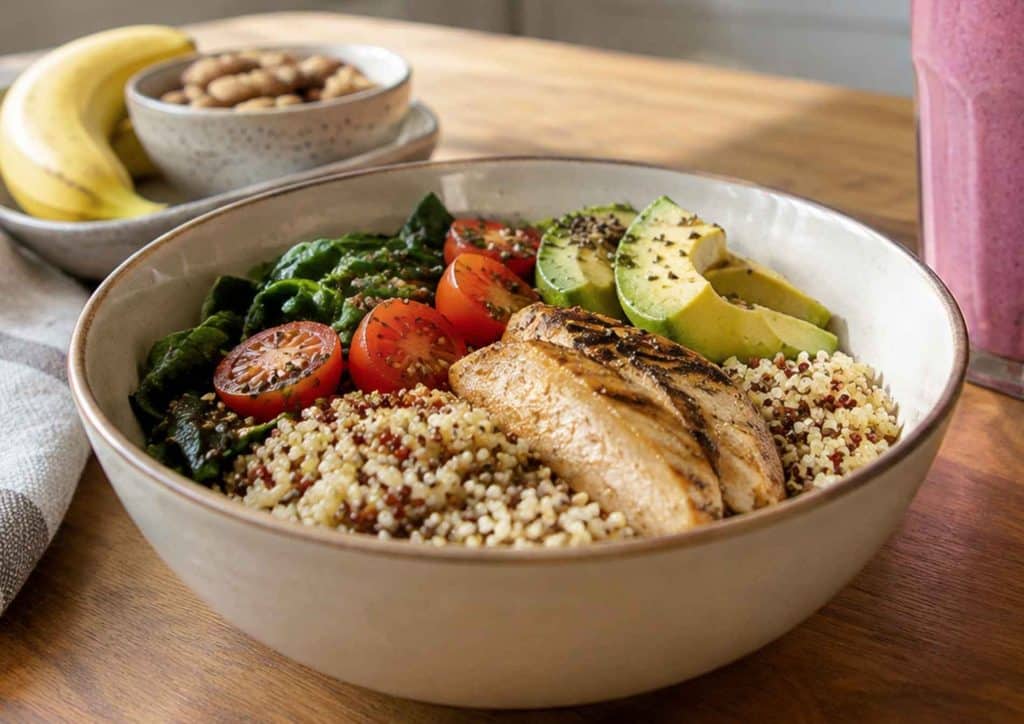
| Situation | Meal or snack | Why it works |
|---|---|---|
| After morning training | Yoghurt with fruit and muesli | Provides protein, carbohydrate and a convenient recovery option |
| After gym training | Chicken, rice and vegetables | Combines protein, carbohydrate and everyday foods |
| Busy workday | Sandwich and milk | Easy to prepare and transport |
| After a run | Milk based drink and fruit | Helps provide fluid, carbohydrate and protein |
| Evening training | Lean protein, potatoes and vegetables | Supports recovery before the next day |

Plan ahead
Keep simple recovery foods available before training so decisions are easier when you finish.
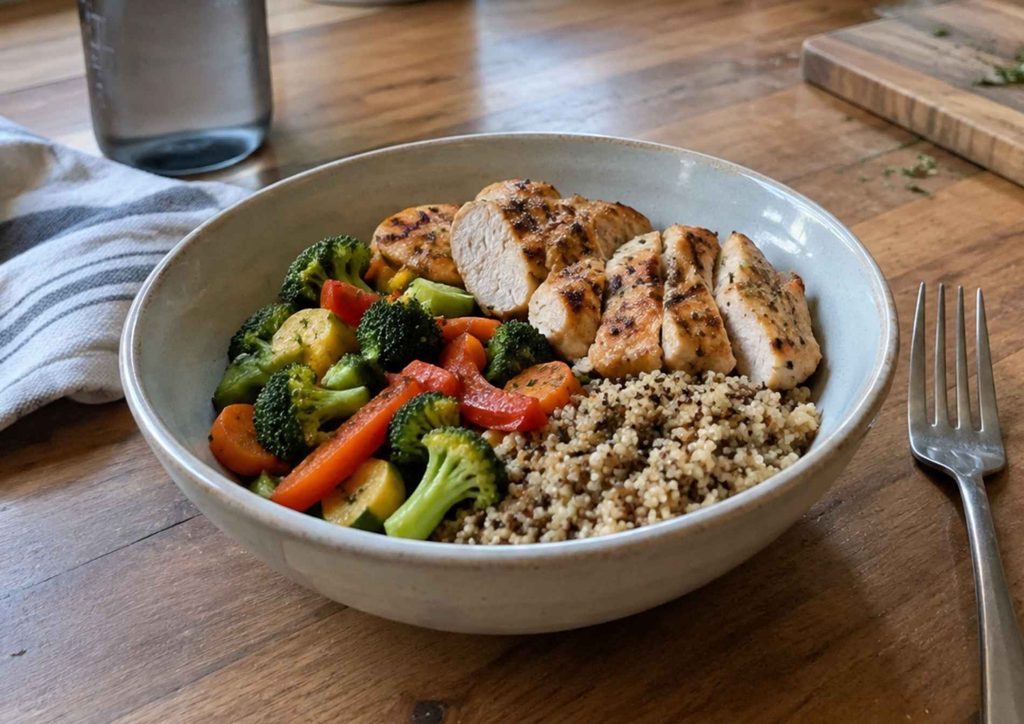
| Planning Strategy | How It Works | Practical Benefit |
|---|---|---|
| Stocking Basic Staples | Keeping your fridge and pantry supplied with accessible whole foods like eggs, oats, yoghurt, and tinned fish. | Removes the friction of grocery shopping when tired and ensures quality fuel is always ready. |
| Reducing Decision Fatigue | Organising your post training snacks or meals before you start exercising so you do not have to think when exhausted. | Prevents poor food choices and stops you from skipping essential recovery nutrition due to low energy. |
| Kitchen Readiness | Setting out blender cups, containers, or ingredients on the benchtop prior to heading out for your session. | Streamlines the transition from finishing your workout to eating smoothly and efficiently without delays. |
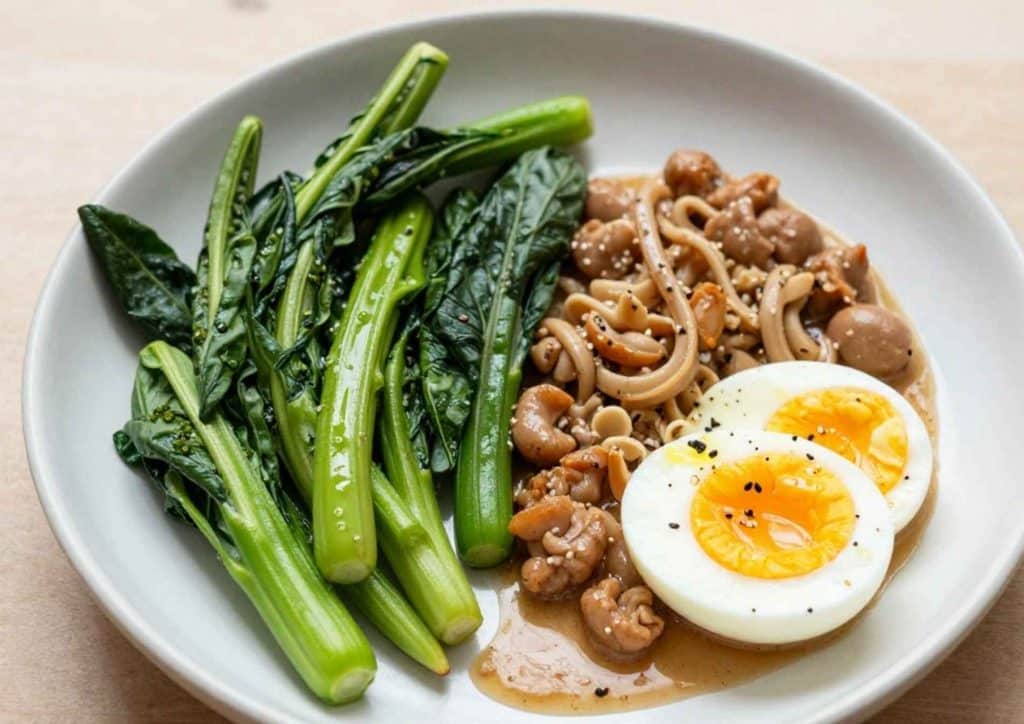
Good to know
Fluids consumed with meals contribute to rehydration just as drinking water between meals does.

“The most effective recovery meal is usually the one you can consistently eat after training, not the most complicated one”.
Jake Biggs, Nutrition Longevity

What to do this week
- Add a protein source to one recovery meal.
- Pack a recovery snack before your next session.
- Drink fluids alongside your next post workout meal.

When a sports nutritionist can make the difference
A sports nutritionist can help if you’re unsure what to eat after training, struggling with recovery, not seeing results from your workouts, or finding it difficult to balance nutrition with a busy lifestyle. Understanding what a sports nutritionist does and the costs of consulting a sports nutritionist in Sydney can help you decide whether individual nutritional guidance would benefit your training.
Post-workout nutrition plays a crucial role in recovery, muscle repair and preparation for future training sessions. A sports nutritionist can help determine the right combination of protein, carbohydrates and fluids to maximise recovery, improve performance and support goals such as muscle gain, fat loss or endurance. They can also provide practical meal and snack ideas that fit your schedule, helping you recover effectively without relying on guesswork.

| Common Challenge | Professional Assessment | Long-Term Outcome |
|---|---|---|
| Uncertainty Post-Training | Evaluating your specific sport, session intensity, and body composition goals to pinpoint exact macronutrient targets. | Replaces dietary guesswork with structured protein, carbohydrate, and fluid targets tailored to your body. |
| Stalled Progress or Fatigue | Identifying hidden fuelling gaps, poor recovery timing, or under-eating patterns that limit adaptation and strength gains. | Accelerates tissue repair, lowers injury risk, and restores consistent energy across demanding training cycles. |
| Busy Lifestyle Friction | Designing practical, time-efficient meal and snack protocols that fit seamlessly into demanding work schedules and travel. | Ensures high recovery adherence without requiring complex cooking rituals or unsustainable food rules. |

Final thoughts
Recovery is an essential part of the training process and is influenced by the nutrition and fluids consumed after exercise. Including both protein and carbohydrates in a post-workout meal or snack helps support muscle repair, replenish energy stores and promote the adaptations that occur in response to training.
While the post-workout period is important, there is no need to eat immediately after finishing exercise. Consuming a balanced meal or snack within the next few hours is sufficient for most people and can help maximise recovery, support performance and prepare the body for future training sessions.
I view post-workout nutrition as an opportunity to support my long-term goals rather than simply recover from a single workout. By consistently prioritising protein, carbohydrates and hydration after training, I can improve recovery, support performance and help my body adapt more effectively to the demands of exercise.
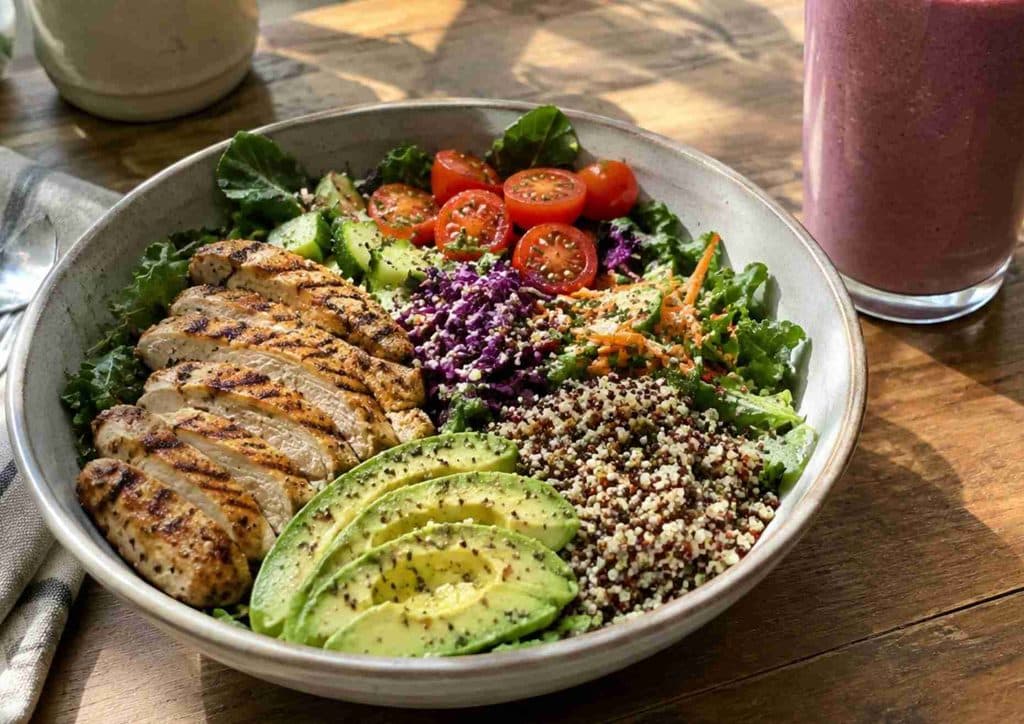
What to eat after training post workout quiz
Test your understanding of post-workout meal structuring, protein requirements, carbohydrate refuelling, and practical recovery strategies after training.
1. What are the core nutritional components that should be prioritised after a demanding training session?
2. How should an athlete handle post-workout nutrition if their appetite is significantly reduced immediately after hard training?
3. When is a light snack sufficient for post-training recovery instead of a full meal?
4. Why is pre-planning recovery meals and stocking basic pantry staples an effective strategy?
5. Which of the following represents a common and counterproductive recovery mistake?
Effective post-workout nutrition combines accessible whole foods, practical liquid options, and advance planning to support consistent athletic recovery.

Frequently asked questions
Is a protein shake enough after a workout?
It can be useful, but including carbohydrate and fluids may provide a more complete recovery strategy.
Should I eat after an evening training session?
Yes, a balanced meal or snack after evening training can still support recovery.
What should I eat after training if I want to lose weight?
Focus on a balanced meal with protein, carbohydrate and vegetables rather than skipping recovery nutrition.
Do I need to eat straight after training?
Not usually. Most people can eat within the next couple of hours and still recover effectively.

Keep reading
This article is general information, not personal medical or nutritional advice. Individual needs vary. For guidance tailored to you, book a consultation.
Book a 60 minute consultation, in Bondi Junction or by Telehealth from anywhere in the world.