

The quick answer
Healthy meal plans for weight loss focus on balanced meals, enough protein and fibre, and foods you genuinely enjoy eating. The goal is to build a flexible routine that supports your health, fits your lifestyle and helps you make consistent choices without relying on restrictive rules.
The short version
- Build every meal around protein, vegetables and fibre rich foods to support fullness and make weight loss more manageable. Focus on balanced meals that help you manage hunger without relying on restrictive food rules.
- Choose meals that fit your lifestyle, schedule and food preferences to support consistent weight loss. The more practical and enjoyable your meal plan is, the easier it becomes to maintain the habits that help you reach your goals.
- Create a flexible meal plan that supports weight loss through busy weekdays, weekends and social occasions. Focus on sustainable eating habits you can maintain long term, rather than rigid rules that become difficult to follow when life gets busy.
Meal plan
A meal plan is a simple outline of what you might eat across the day or week. It provides structure while leaving room to adjust portions, ingredients and meal times to suit your appetite, schedule and nutritional needs.
Why most meal plans don’t last
Most meal plans don’t last because they are often too restrictive, complicated or disconnected from everyday life. A plan might look straightforward on paper, but following it becomes difficult when work runs late, you’re eating with friends or you simply don’t feel like eating the meals listed.
“Most meal plans don’t fail because you lack discipline, they fail because they are too restrictive, complicated or unrealistic for everyday life. Sustainable weight loss comes from building healthy eating habits that fit your lifestyle, not forcing yourself to follow a plan you cannot maintain”.
Jake Biggs, Nutrition Longevity
| Meal Plan Myth | Weight Loss Fact |
|---|---|
| A weight loss meal plan must be extremely restrictive to be effective | The most effective meal plans create a sustainable calorie deficit while still including foods you enjoy. |
| You need to eat exactly the same meals every day to lose weight | Successful meal plans provide structure while allowing variety, flexibility and social eating. |
| Skipping meals is a required part of every weight loss meal plan | Regular meals can help manage hunger, maintain energy levels and improve long term adherence. |
| All weight loss meal plans require calorie counting and food tracking | Many people lose weight successfully through portion awareness, food quality improvements and personalised guidance without tracking every bite. |
How to lose weight with a healthy meal plan calculator
Discover how adopting a sustainable, nutrient dense meal plan can help you manage your energy, improve metabolic health, and achieve lasting weight loss without feeling deprived. Complete your profile filters below to receive your personalised roadmap.
Your Weight Loss Meal Plan Diagnostic Summary
Your profile highlights that requires attention for sustainable weight loss.
Your structured meal plan roadmap
Need professional guidance for sustainable weight loss?
I will review your assessment results and create a structured, evidence-based nutrition plan designed to help you integrate healthy meal planning principles and achieve your goals.
Book a consultationThis quiz provides educational guidance to support balanced weight management and is not a substitute for professional clinical nutrition or medical advice.
“I built this interactive calculator because generic weight loss advice often misses what can make a healthy meal plan practical and sustainable. It helps identify areas of your diet worth reviewing, giving you clearer direction on what to focus on for long term weight loss”.
Jake Biggs, Nutrition Longevity
The problem with rigid food rules
A rigid plan can leave little room for personal preferences, hunger, convenience or unexpected changes. If you feel you have failed because you ate something outside the plan, it can become harder to return to your usual routine.
I encourage people to move away from the idea that every meal must be perfect. A balanced approach means looking at your overall eating habits rather than judging individual foods or meals in isolation. This reflects many of the principles in what is a balanced diet for weight loss, where consistency matters more than perfection
| Rigid Food Rule Myth | Weight Loss Fact |
|---|---|
| Cutting out entire food groups is necessary to achieve sustainable weight loss | Eliminating major food groups often leads to cravings, nutritional deficiencies and diet burnout rather than lasting results. |
| Eating after a certain time in the evening automatically halts fat loss | Weight loss is driven by your total daily energy balance over time, not the specific clock hour of your final meal. |
| Good foods burn fat while bad foods instantly ruin your progress | Categorising foods into moral terms creates unnecessary guilt and disrupts a healthy relationship with eating. |
| Strict dietary perfection is required to see noticeable physical changes | Consistency over time matters far more than perfection, and small flexible adjustments lead to much better long term outcomes. |

Making healthy eating too complicated
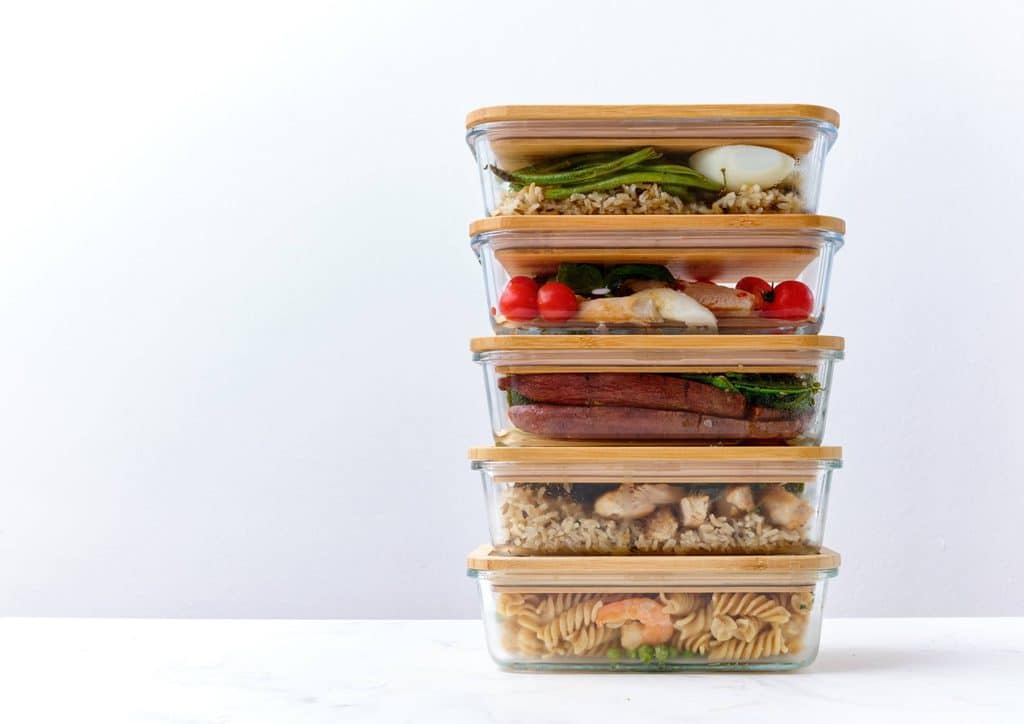
Another common issue is choosing meals that require too much preparation, too many ingredients or expensive specialty products. If your plan takes hours to organise every week, it may become another source of stress.
Start with familiar foods and straightforward meals. You might prepare extra portions at dinner for lunch the following day, keep convenient protein options available and choose vegetables that are easy to wash, chop or cook.

| Overcomplicated Approach | Simplified Sustainable Solution |
|---|---|
| Chasing expensive superfoods and exotic ingredients | Focusing on accessible, everyday whole foods, vegetables and quality proteins |
| Micromanaging complex macro ratios and strict timing rules | Prioritising overall energy balance, whole food quality and adequate daily protein |
| Spending hours every day preparing elaborate recipes | Batch cooking simple meals and assembling quick, balanced plates to fit a busy lifestyle |
| Weighing and measuring every single ingredient down to the exact gram | Developing natural portion awareness and listening to internal hunger cues for long term ease |

Forgetting about enjoyment and hunger
A meal plan should account for appetite, food preferences and satisfaction. Eating meals that leave you hungry or that you dislike can make your routine difficult to maintain.
The same applies to breakfast. Some people enjoy eating soon after waking, while others prefer to eat later. If you are wondering is breakfast the most important meal of the day, the practical answer is that your overall nutritional intake and daily routine matter more than following a universal rule about when you must eat.
| Rigid Habit | Flexible Strategy |
|---|---|
| Consuming unappealing foods simply because they appear on a generic diet template | Tailoring meals to match your personal food preferences and taste satisfaction |
| Suppressing physical hunger and persisting with meals that leave you feeling deprived | Designing portions that honour your natural appetite and keep hunger comfortably regulated |
| Forcing an early morning meal when you feel no natural desire to eat | Listening to your body and eating your first meal whenever morning hunger arrives |
| Treating meal timing rules as universal mandates rather than personal preferences | Prioritising your overall daily nutrition intake ahead of rigid clock hours |
What a healthy meal plan for weight loss includes
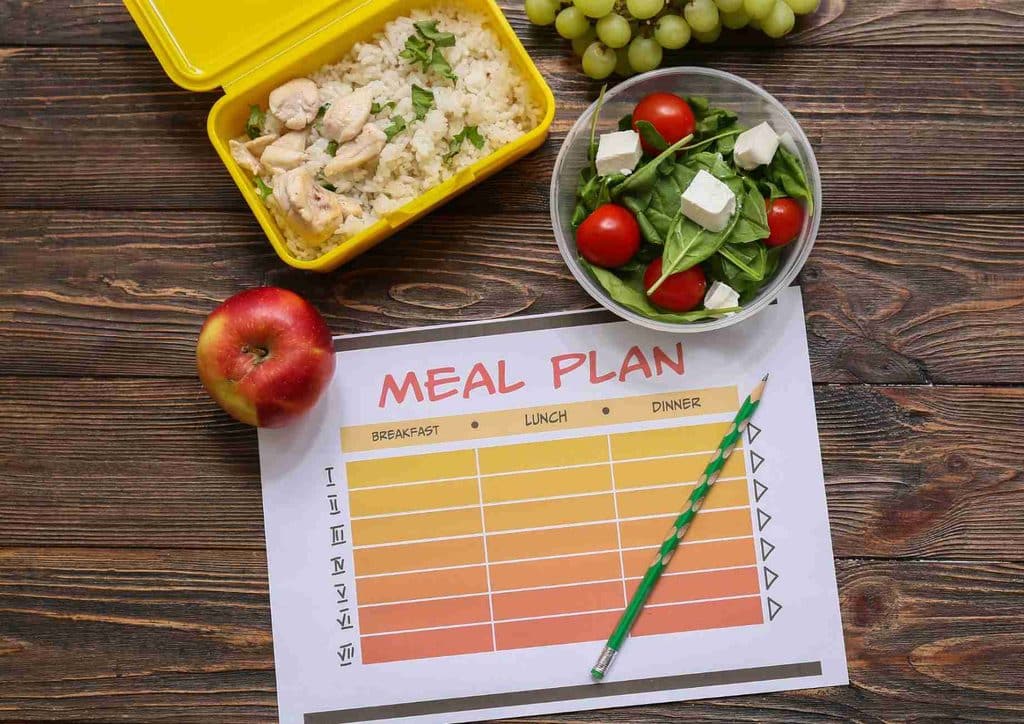
A healthy meal plan for weight loss includes a variety of nutritious foods, adequate protein, fibre rich carbohydrates, healthy fats and enough food to support your daily needs. The exact combination depends on your health, activity levels, preferences and circumstances.

| High Quality Protein | Fibre Rich Foods | Healthy Fat Sources | Personalisation Factors |
|---|---|---|---|
| Lean chicken, beef and turkey help support muscle maintenance during weight loss. | Vegetables provide volume and fibre for relatively few calories. | Extra virgin olive oil can improve meal satisfaction and flavour. | Daily activity levels influence overall energy requirements. |
| Fish, seafood and eggs provide protein that can help manage hunger between meals. | Fruit offers fibre, nutrients and natural sweetness. | Avocado contributes healthy fats and important micronutrients. | Medical conditions may affect food choices and meal timing. |
| Greek yoghurt, cottage cheese and milk are convenient protein rich options. | Wholegrains such as oats and wholegrain bread support fullness. | Nuts can help reduce hunger when included in appropriate portions. | Food preferences play a major role in long term adherence. |
| Legumes, tofu and tempeh provide plant based protein and fibre. | Beans, lentils and chickpeas offer both fibre and protein. | Seeds such as chia and flaxseeds add healthy fats and texture. | Work schedules, family commitments and lifestyle determine what is realistic. |

Protein to support fullness and muscle maintenance
Protein is an important part of a balanced eating pattern because it supports muscle maintenance and other essential functions in the body. Including a source of protein in your main meals can also help make them more satisfying.
Options include eggs, chicken, fish, lean meat, tofu, tempeh, beans and lentils. If you want to explore high protein foods for weight loss, focus on options that suit your budget, cooking skills and dietary preferences rather than relying on a single food. Many of the best foods for weight loss are simple everyday staples rather than expensive specialty products.
Foods such as Greek yoghurt can also work well in a high protein banana smoothie, protein pancakes or chia seed high protein pudding for when you need a convenient option.
| Benefit | How It Helps | Food Sources | Weight Loss Advantage |
|---|---|---|---|
| Appetite Control | Protein can help reduce hunger and increase feelings of fullness after meals. | Chicken, fish, eggs, Greek yoghurt. | May help reduce overall calorie intake. |
| Muscle Preservation | Adequate protein helps maintain lean body mass during a calorie deficit. | Lean beef, dairy products, tofu. | Supports a healthier body composition. |
| Recovery Support | Protein provides the building blocks needed for tissue repair and recovery. | Fish, eggs, milk, legumes. | Supports exercise performance and consistency. |
| Meal Satisfaction | Protein rich meals tend to be more filling and satisfying. | Tempeh, cottage cheese, seafood. | Can make a weight loss plan easier to sustain long term. |
Fibre rich foods for digestive health
| Mechanism | How It Works | Weight Loss Benefit |
|---|---|---|
| Appetite Regulation | Fibre slows down stomach emptying and triggers satiety hormones. | Helps control hunger and reduces the likelihood of overeating between meals. |
| Volume and Satiety | High-fibre foods add bulk to meals without adding excess energy. | Allows you to eat satisfying, filling portions while maintaining a calorie deficit. |
| Blood Sugar Stability | Soluble fibre slows the absorption of glucose into the bloodstream. | Prevents sharp blood sugar spikes and crashes that often trigger sweet cravings. |
| Gut Microbiome Support | Fermentable fibres act as prebiotics to nourish beneficial gut bacteria. | Emerging research links a diverse microbiome to improved metabolic health and weight management. |

Carbohydrates and fats both have a place
| Macronutrient | Food Sources | Nutritional Role & Considerations |
|---|---|---|
| Carbohydrates | Oats, rice, sweet potatoes, wholemeal pasta, wholegrain bread, fruit including grapes, legumes | Provide essential energy for daily activities and exercise. You do not need to eliminate them to build a nutritious plan. |
| Healthy Fats | Olive oil, avocado, nuts, seeds | Contribute to a balanced eating pattern and meal satisfaction. There is no need to avoid fats when managing portions. |
| Overall Balance | Meal composition, activity levels, portion control | Focus on the overall balance of your meals and portions that leave you comfortably satisfied rather than restricting entire food groups. |
Variety, convenience and flexibility
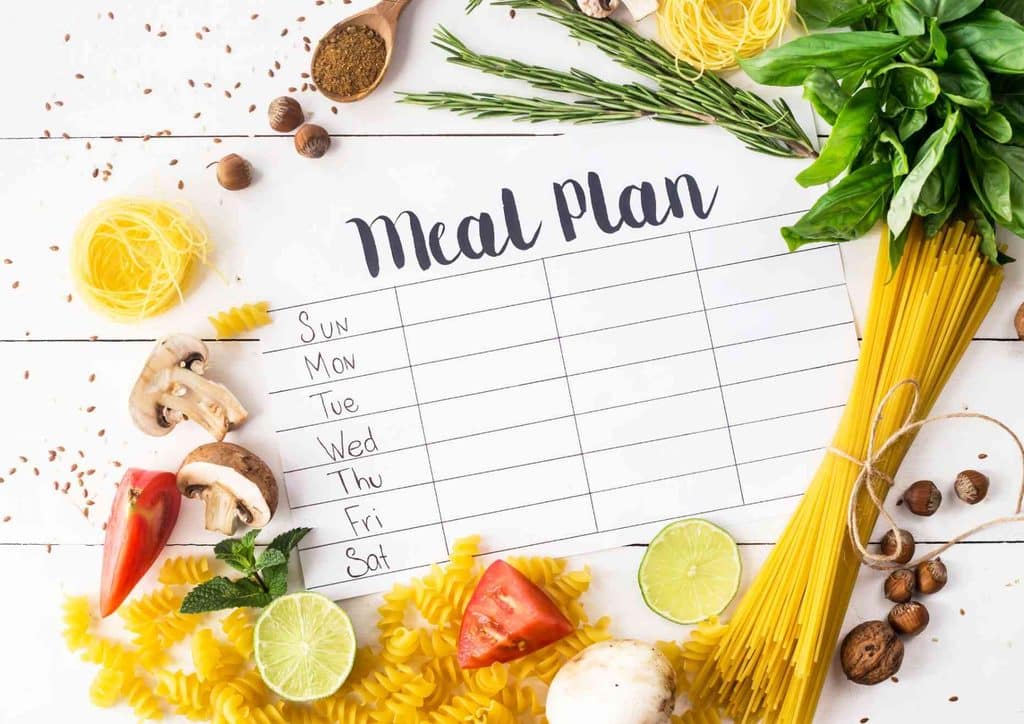
A practical plan includes meals you can prepare at home, convenient options for busy days and flexibility for eating out. Frozen vegetables, tinned legumes, ready cooked proteins and simple supermarket meals can all help when time is limited.
Many people also find that healthy snacks for weight loss help bridge the gap between meals without overcomplicating their routine.
Good to know
Fresh, frozen and tinned vegetables can all contribute to a nutritious meal. Choose options that suit your budget and check labels where added salt, sugar or sauces are a concern.
How to build your own plan in four steps
You can build your own meal plan by reviewing your routine, choosing balanced meals, preparing convenient options and adjusting the plan according to how it works in practice.
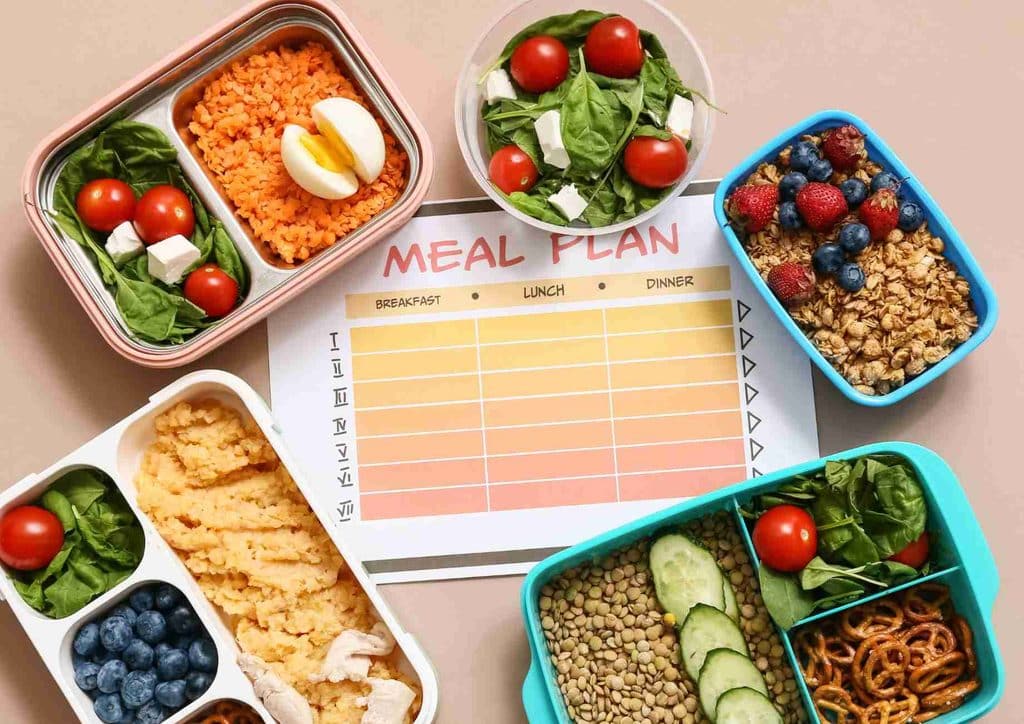
Step one, understand your current routine
| Routine Focus | Key Elements | Practical Review & Considerations |
|---|---|---|
| Eating Schedule | When you usually eat, work hours, activity levels | Look at your daily patterns and the meals you already enjoy to spot timing inconsistencies. |
| Eating Habits | Skipping meals, afternoon hunger, takeaway reliance | Identify whether busyness leads you to skip meals, become overly hungry, or rely on convenience options. |
| Habit Tracking Approach | No need to track every mouthful or weigh ingredients | A simple review of your usual routine is all it takes to help you identify practical changes. |

Step two, choose meals using a simple structure
| Meal Occasion | Structural Components | Practical Examples |
|---|---|---|
| Lunch and Dinner | Protein source, vegetables or fibre rich foods, suitable carbohydrate source, healthy fat | Grilled chicken with roasted vegetables, potatoes, and olive oil; or tofu with mixed vegetables and rice. |
| Breakfast and Snacks | General balance of protein, fibre, and quality nutrients | Greek yoghurt with oats and fruit, eggs on wholegrain toast, or fruit paired with yoghurt. |
| Core Principle | Nutrient combination and flexibility | Different meals can share the same balanced nutritional framework to suit your preferences. |
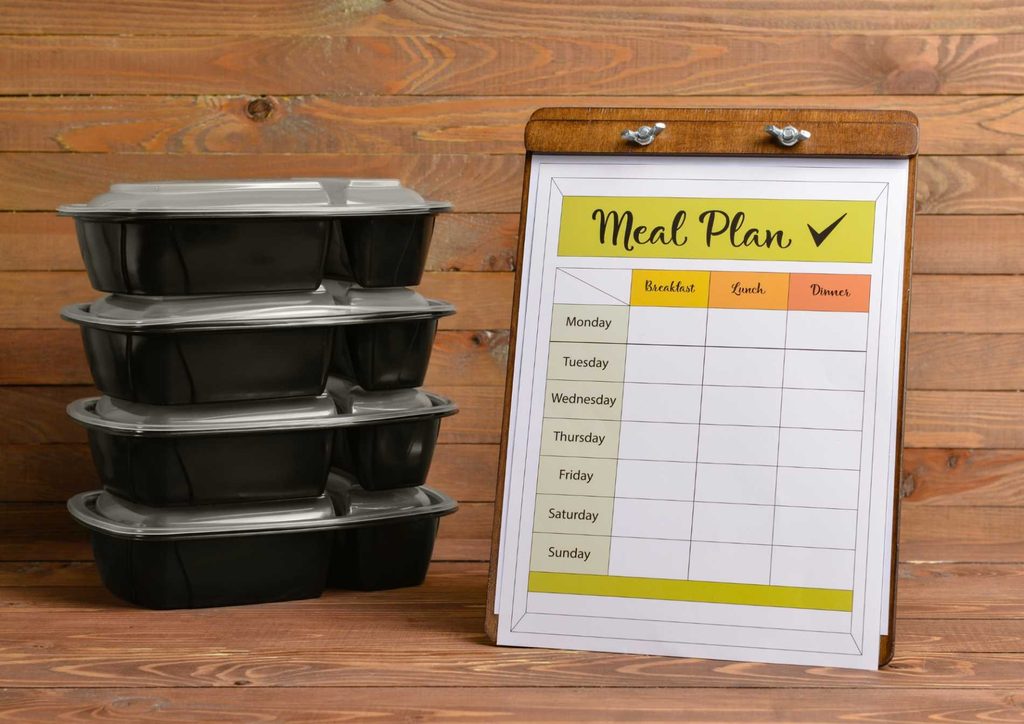
Step three, plan around your actual week
| Planning Factor | Key Considerations | Practical Application |
|---|---|---|
| Time & Budget | Available time, food budget, and enjoyment of cooking | Choose meals that fit your schedule and prepare a few ingredients in advance rather than cooking everything from scratch. |
| Busy Workdays | Demanding schedules and lack of mid-day cooking time | Plan a convenient lunch you can purchase nearby or keep readily available at work. |
| Social Occasions | Eating with family, friends, and shared meals | Make room for social dining occasions rather than treating them as interruptions to your plan. |

Step four, review and adjust
| Review Factor | Key Considerations | Practical Adjustment |
|---|---|---|
| Satisfaction & Energy | Feeling satisfied, energy levels, food enjoyment, and prep ease | Adjust the plan if you regularly feel hungry or struggle with prep, rather than assuming you need more discipline. |
| Flexibility & Sustainability | Changing work, exercise, appetite, and social commitments | A useful plan should become easier to manage over time and adapt to your changing routine. |
| Four-Step Summary | Routine, meal structure, practical planning, and regular review | Understand your routine, choose balanced meals you enjoy, organise shopping for busy days, and review how it feels. |
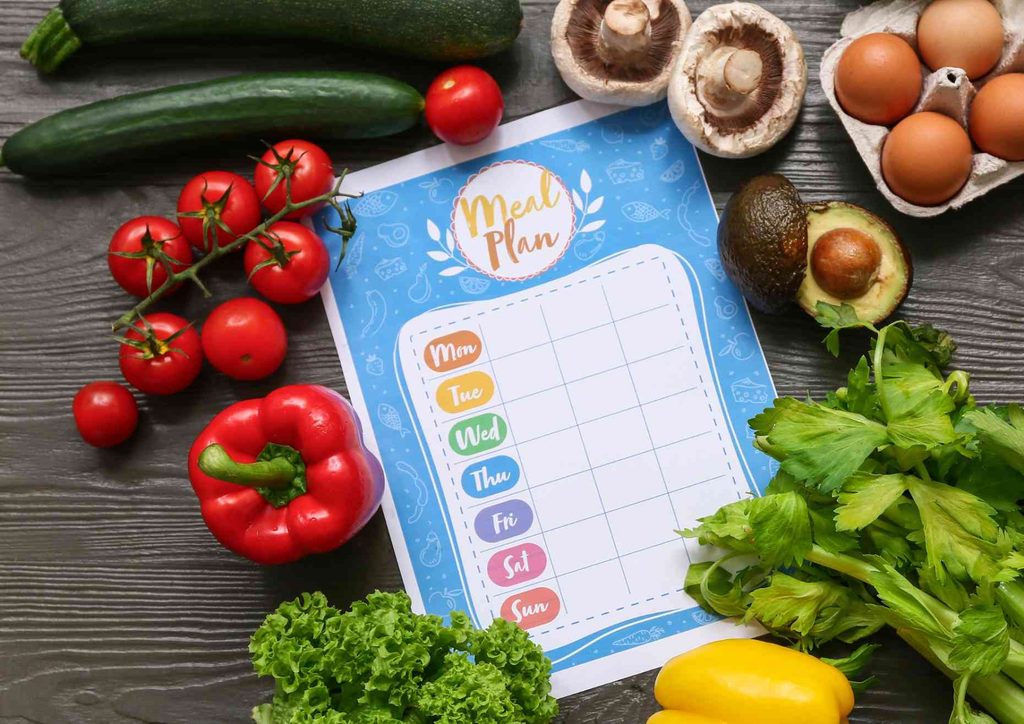
A sample day of healthy meals
A sample day of healthy meals can provide a starting point for building your own routine, but the portions and food choices should be adapted to your individual needs. The following example illustrates how protein, fibre and variety can fit into an ordinary day without requiring a complicated menu.
| Meal | Example | Why it works |
|---|---|---|
| Breakfast | Greek yoghurt with oats, berries and chia seeds | Provides protein, fibre and a variety of nutrients |
| Lunch | Grilled chicken with brown rice, mixed vegetables and olive oil dressing | Combines protein, carbohydrates, vegetables and healthy fats |
| Afternoon snack | An apple with a handful of almonds | Offers fruit, fibre and unsaturated fats |
| Dinner | Baked salmon with roasted potatoes and broccoli | Provides protein, carbohydrates, vegetables and fats |
This is an example rather than a prescribed menu. You could replace chicken with tofu, salmon with beans or another protein source, or brown rice with potatoes or wholegrain bread. Choose alternatives that meet your needs and suit your preferences.
How much should you eat?
| Influencing Factor | Key Considerations | Practical Guidance |
|---|---|---|
| Personal Factors | Body size, activity levels, appetite, health, and habits | Sample meal plans do not provide universal portion sizes; your needs may differ from someone else’s. |
| Satisfaction & Satiety | Nourishment and comfortable fullness | Pay attention to whether meals satisfy you rather than automatically reducing portions. |
| Signs for Review | Regular hunger, fatigue, or slow exercise recovery | Review and adjust your eating pattern if you experience persistent tiredness or under-recovery. |

What if you eat takeaway or restaurant meals?
You can include takeaway and restaurant meals in a healthy eating routine. Look for options that provide a protein source, vegetables where available and a carbohydrate source that suits your appetite.
For example, a grilled chicken bowl with pumpkin and vegetables, a sushi meal with suitable accompaniments or a burrito bowl with beans, vegetables and protein can be practical choices. You do not need to avoid social meals or compensate for them by skipping meals afterwards.

Plan for your busiest day
Keep two convenient lunch options, a simple dinner and a few snacks available so you are not relying on motivation or cooking time when your schedule changes.
When a personalised plan is worth it
A personalised meal plan may be worthwhile when general advice does not account for your health, food preferences, schedule, activity levels or particular nutritional requirements. This is often where understanding what a weight loss nutritionist is becomes helpful.
It can help translate general principles into a routine that works for your circumstances. If you are comparing options, it can also help to understand how to choose the best weight loss nutritionist in Sydney.
When general advice is not enough
Online meal plans often assume everyone has similar schedules, appetites, cooking facilities and nutritional needs. In reality, two people can have very different requirements even if they have similar goals. It may even explain situations where someone is not losing weight in a calorie deficit despite following common advice.
This can be one reason people wonder why am I not losing weight, despite feeling that they are making healthy choices.
You might need to consider shift work, frequent travel, family meals, food intolerances, a demanding exercise routine or difficulty maintaining a consistent eating pattern. A plan that recognises these factors may be more practical than trying to follow a generic menu.
| Limitation of General Advice | Real-World Factors | Value of Personalisation |
|---|---|---|
| Assumes One-Size-Fits-All | Online plans assume similar schedules, appetites, cooking facilities, and nutritional needs. | Translates general principles into a practical routine that fits your unique circumstances. |
| Overlooks Unique Challenges | Shift work, frequent travel, family meals, food intolerances, and demanding exercise routines. | Accounts for individual requirements that generic menus fail to address. |
| Consistency Struggles | Difficulty maintaining a consistent eating pattern with standard advice. | Provides a tailored approach that is far more practical and sustainable than a generic menu. |
What does a weight loss nutritionist consider?
A weight loss nutritionist may review your usual food intake, medical history, medications, activity levels, preferences and relevant health information when determining whether an individualised approach is appropriate.
If you are researching how much a weight loss nutritionist costs, consider what the consultation includes, whether follow up appointments are available and whether the service addresses your specific needs. The cost and structure of consultations vary between practitioners.
At Nutrition Longevity, the aim is to make nutrition practical and sustainable rather than build a routine around unnecessary restrictions. A personalised plan with a weight loss nutritionist can provide guidance that takes your circumstances into account, rather than expecting you to fit your life around a generic meal plan.
Many people also ask whether a nutritionist can help with weight loss, particularly when previous approaches have not worked.

Why professional guidance can matter
Professional advice is particularly useful when your nutritional needs are affected by a medical condition, prescribed medication, digestive symptoms or a history of disordered eating. It can also help you identify when general weight loss advice is inappropriate for your circumstances.
A personalised approach should support your overall health and wellbeing, not simply focus on changing your weight. Any changes to prescribed medication should be discussed with your GP or prescribing clinician.

Red flag: Get individual advice first
Speak with your GP and an appropriately qualified health professional before making substantial dietary changes if you have a medical condition, take medication that may affect nutrition or appetite, are experiencing unexplained weight changes, or have a current or previous history of disordered eating. Avoid restrictive meal plans if they are likely to worsen your relationship with food.
“A healthy meal plan should make your life easier, nourish your body and give you a routine you can maintain, not leave you feeling that you have to be perfect every day”.
Jake Biggs, Nutrition Longevity

What to do this week
- Choose three balanced meals you genuinely enjoy.
- Prepare one convenient lunch option for a busy day.
- Review your routine and make one adjustment that improves flexibility.
Final thoughts
Healthy meal plans for sustainable weight loss should make healthy eating simpler, not more restrictive. Focus on balanced meals, adequate protein, fibre rich foods and choices you genuinely enjoy. Build your plan around your lifestyle, work commitments, activity levels and food preferences, allowing flexibility when life does not go exactly to plan.
Remember, you do not need to overhaul your entire diet overnight to make progress with weight loss. Start with a few realistic changes, build consistency over time and adjust your approach as your needs change. For some people, that may include intermittent fasting for weight loss, while some may benefit from focusing on meal quality, food choices or consistency first.
Others may explore dietary patterns such as the Mediterranean diet for weight loss if they are looking for a flexible and sustainable approach. The goal is to develop sustainable eating habits that support your health and help you maintain your progress long term.
Achieving weight loss with healthy meal plans quiz
Think you know what makes a healthy meal plan effective for weight loss? Test your understanding of balanced meals, protein, fibre and sustainable eating habits.
1. What should a healthy meal plan for weight loss focus on?
2. Why is including protein in your main meals helpful when trying to lose weight?
3. If you eat a takeaway meal or go out for dinner, have you ruined your weight loss meal plan?
4. What should you do if your meal plan leaves you hungry or is too difficult to follow?
Healthy meal plans for weight loss are built around balanced meals, realistic routines and flexibility. Focus on nutritious foods you enjoy, include adequate protein and fibre, and develop habits you can maintain over time.
Frequently asked questions
What should a weight loss meal plan include?
It should include protein, vegetables, fruit, fibre rich carbohydrates, healthy fats and enough food to meet your individual needs.
Do I need to count calories on a meal plan?
No, kilojoule counting is not essential for everyone. You can start by improving meal balance, consistency, food variety and awareness of your appetite.
How do I stick to a meal plan when I eat out?
Choose practical options that include protein and other nutritious foods, allow for your preferences and return to your usual routine at the next meal.
Is a meal plan different for women?
It can be, depending on individual nutritional needs, life stage, activity levels, health and personal circumstances. There is no single meal plan that suits every woman.
Keep reading
This article is general information, not personal medical or nutritional advice. Individual needs vary. For guidance tailored to you, book a consultation.
Book a 60 minute consultation, in Bondi Junction or by Telehealth from anywhere in the world.