

The short version
- Sustainable weight loss focuses on gradual progress that you can maintain rather than rapid weight loss that is difficult to sustain. The aim is to create a realistic calorie deficit while supporting your energy, nutrition, lifestyle and ability to stay consistent over time.
- Long term weight loss is built around nutrition and lifestyle habits that become part of your everyday routine. This can include balanced meals, appropriate portions, adequate protein and fibre, regular movement, good hydration and strategies that help you manage appetite and stay consistent.
- Healthy weight loss aims to deliver long term results without relying on restrictive diets or temporary solutions. Instead of cutting out large numbers of foods or following extreme rules, the focus is on creating a realistic approach that you can continue once you reach your weight loss goal.

The short answer
In my years as a weight loss nutritionist working with hundreds of weight loss clients, I find that the most effective and efficient way to lose weight and keep it off is a long-term weight loss framework. Sustainable weight loss is a weight loss strategy without rapid dieting and extreme amounts of exercise.
Rather than constantly asking why am i not losing weight, hunting for the best foods for weight loss, or searching for how to lose belly fat and how to break a weight loss plateau, the framework to be developed for each client needs to involve a weight loss framework that prioritises balance over restrictions.
“Sustainable weight loss means creating a realistic approach that fits your lifestyle, supports consistent progress and helps you maintain your results over time. It focuses on building habits that become part of your everyday life rather than following temporary diets or extreme approaches”.
Jake Biggs, Nutrition Longevity
Sustainable weight loss calculator
Sustainable weight loss requires a personalised strategy, not another restrictive fad diet or exercise regime. Enter your metrics below to receive your tailored recommendations and find what actually works for you.
Your Weight Loss Target Analysis
Your total planned weight change is 0 kg .
Your personalised recommendations
Want help creating a sustainable weight loss nutrition plan?
I will design for you a customised nutrition plan for you to achieve and maintain your long-term weight loss goals.
Book a consultationThis calculator provides a general indication for educational purposes and is not a substitute for personalised nutrition or medical advice. Body weight can fluctuate for many reasons and should be assessed as part of your broader nutrition, lifestyle and health circumstances.
 16Week ProgramMenopause Weight Loss ProgramFor women in perimenopause and menopause
 16Week ProgramMen's Weight Loss ProgramFor men with stubborn weight
“I designed this calculator because I kept seeing clients who were doing everything right on paper yet still struggling to get results. Sustainable weight loss requires a personalised roadmap rather than another generic fad, and this tool helps cut through the noise to find what is actually holding you back".
Jake Biggs, Nutrition Longevity

Sustainable weight loss rate of weight loss calculator
Calculating the right rate of weight loss is essential to achieving and maintaining your long-term health goals. This evidence-based calculator provides customised recommendations tailored to your unique profile.
Your Sustainable Rate Analysis
Your total planned weight change is 0 kg .
Your personalised recommendations & timelines
Want help creating a sustainable weight loss nutrition plan?
I will design for you a customised nutrition plan for you to achieve and maintain your long-term weight loss goals.
Book a consultationThis calculator provides a general indication for educational purposes and is not a substitute for personalised nutrition or medical advice. Body weight can fluctuate for many reasons and should be assessed as part of your broader nutrition, lifestyle and health circumstances.
“This calculator was built on the principle of the rate of weight loss being so critical to achieving sustainable weight loss. By focusing on a controlled, evidence-based pace of 0.5% to 1% of your total body weight per week, this tool helps you preserve lean tissue, protect your energy levels, and build habits that you can actually maintain for life".
Jake Biggs, Nutrition Longevity

The problem isn't you, it's the system
Sustainable weight loss is a biologically supported and behaviourally consistent state where your body can maintain a lower weight without chronic hunger, metabolic slowdown or psychological strain.
If you have ever asked yourself “Why do I keep regaining weight after every diet?” you are not alone. The reality is that most weight loss methods are designed to fail. They rely on restriction, willpower, and short term compliance.
Sustainable weight loss is different. It is not a diet. It is a system. One that works with your metabolism rather than against it.

| Acute Approach | Sustainable Approach |
|---|---|
| Rigid calorie counting and extreme restriction of portions, oils, snacks, and drinks often making long term adherence nearly impossible. | Flexible nutrition accuracy where small variations are accounted for so you can maintain a steady calorie deficit without feeling deprived. |
| Strict weekday dieting followed by heavy weekend overindulgence in alcohol and takeaway meals, completely erasing weekly progress. | Consistent lifestyle habits across all seven days with balanced choices that allow for social dining without ruining your momentum. |
| Low protein intake resulting in constant hunger, poor satiety, and muscle loss that leaves you vulnerable to intense cravings. | Optimised protein intake tailored to boost fullness, protect lean muscle tissue, and make sticking to your nutrition plan much easier. |
| Chronic sleep deprivation driven by stress and burnout, spiking hunger hormones and crushing your motivation for healthy choices. | Prioritised sleep hygiene and recovery protocols to regulate appetite hormones naturally and sustain your daily energy levels. |
| Unrealistic expectations of rapid daily drops on the scale, leading to frustration and prompt abandonment of your routine. | Realistic milestone tracking and education around natural weight fluctuations so you celebrate steady progress behind the scenes. |
| Hitting a sudden weight loss plateau and responding by cutting calories even further until your metabolism and energy crash. | Understanding plateaus as normal shifts in energy requirements or habits and making measured adjustments rather than extreme cuts. |
| Relying on severe fad diets that guarantee temporary results followed by inevitable burnout, binge eating, and weight regain. | Building a personalised roadmap focused on lifelong habits so you achieve lasting results without ever feeling trapped in a cycle of restriction. |

Rapid weight loss approach
Every week, I speak with clients who feel defeated. They’ve tried keto, calorie counting, fasting, detoxes, and none of it stuck. Not because they lacked discipline. But because they were sold a system designed to fail.
In Sydney and across Australia, we’re bombarded with quick-fix diets, 8-week shred programs, and influencer meal plans that promise rapid results. But the data tells a different story:
- A review of 29 studies found that 80% of people regain the weight they lost within 5 years
- Extreme restriction leads to metabolic slowdown, hormonal disruption, and rebound eating
- Only 20% of people with obesity successfully maintain long-term weight loss
This isn’t a willpower issue. It’s a systems issue.

Rapid weight loss consequences
| Rapid Weight Loss Consequence | Explanation |
|---|---|
| Muscle Wasting and Metabolic Slowdown | Rapid weight reduction often forces the body to break down lean muscle tissue for energy alongside fat, which lowers your resting metabolic rate and makes future weight management much harder. |
| Nutritional Deficiencies and Fatigue | Severely restricted food intake cuts out entire food groups and essential micronutrients, leading to persistent fatigue, hair thinning, poor immunity, and low daily energy. |
| Hormonal Rebound and Intense Cravings | Crash dieting causes a sharp spike in hunger hormones like ghrelin and a drop in fullness hormones like leptin, triggering intense cravings, food obsession, and potential binge eating. |
| Increased Gallstone Risk | Losing weight too quickly causes the liver to secrete excess cholesterol into bile, which can crystallise and form painful gallstones requiring medical intervention. |
| Mental Exhaustion and Brain Fog | Extreme caloric deficits starve the brain of steady glucose and vital nutrients, resulting in mental fog, irritability, and a complete loss of motivation for daily activities. |
| The All or Nothing Psychological Trap | The psychological toll of strict deprivation fosters an unhealthy relationship with food, shifting your mindset into an exhausting cycle of perfection and guilt. |
| Inevitable Weight Regain | Because crash diets are impossible to maintain forever, stopping them usually leads straight back to old eating habits, often leaving you heavier and more frustrated than when you started. |

Break the cycle of dieting, weight regain and constant frustration
If you’ve ever asked yourself:
“Why do I keep regaining weight?”
“Why does dieting feel harder each time?”
“Is there a way to lose fat without wrecking my energy or sleep?”
You’re in the right place.

Why you regain weight after rapid diets
| Weight Regain | Explanation |
|---|---|
| Metabolic Adaptation | As you lose weight, your smaller body burns fewer calories, and your metabolism slows down to conserve energy, making it easier to regain weight if intake isn't adjusted. |
| Hormonal Shifts | Dieting increases hunger hormones like ghrelin while decreasing leptin (the fullness hormone), driving persistent appetite and a biological push to restore lost fat mass. |
| Unsustainable Restrictions | Overly strict diets eliminate favorite foods or entire food groups, leading to feelings of deprivation, psychological burnout, and eventual abandonment of the routine. |
| Loss of Lean Muscle Mass | Rapid or unsupervised weight loss often sheds muscle alongside fat. Lower muscle mass reduces your total daily calorie expenditure, making future maintenance harder. |
| The "All-or-Nothing" Mindset | Viewing a slip-up as total failure often triggers a cascade where a single indulgence spirals into completely abandoning healthy habits. |
| Lack of Long-Term Lifestyle Habits | Treating weight loss as a temporary diet rather than a permanent lifestyle shift means old habits inevitably return once the target weight is reached. |
| Environmental and Social Triggers | High-stress environments, social pressure around food, and easy access to ultra-processed options can gradually pull you back into old eating patterns. |

The true definition of what is sustainable weight loss
Sustainable weight loss defined
Sustainable weight loss is the process of reducing body fat in a way that’s:
- Gradual (0.5-1% total body weight per week)
- Maintainable long term
- Supportive of metabolic and hormonal health
- Built on behavioural change, not restriction
It’s not about cutting carbs or fasting until noon. It’s about building a system that works for your body, your lifestyle, and your psychology.
| Sustainable weight loss breakdown | Evidence |
|---|---|
| Gradual and Realistic Weight Loss | Research consistently shows that losing approximately 0.5-1% weight loss per week is associated with greater long term success, better adherence, and a lower risk of weight regain compared with rapid weight loss approaches. |
| Prioritising Lean Muscle Preservation | Combining adequate protein intake with resistance training helps maintain muscle mass during a calorie deficit, supporting metabolic health and long term weight management. |
| Creating a Moderate Calorie Deficit | A modest energy deficit reduces body fat while minimising excessive hunger, fatigue, hormonal disruption, and the metabolic adaptations commonly seen with crash diets. |
| Building Sustainable Eating Habits | Studies show that dietary patterns focusing on consistency, flexibility, and nutrient dense foods are more likely to be maintained over years rather than weeks or months. |
| Supporting Hormonal and Appetite Regulation | Slower weight loss allows appetite regulating hormones such as leptin and ghrelin to adapt more gradually, helping reduce extreme cravings and overeating. |
| Improving Energy, Sleep and Daily Function | Adequate nutrition throughout the weight loss process supports energy production, exercise performance, cognitive function, mood, and healthy sleep patterns. |
| Developing a Healthier Relationship with Food | Sustainable approaches encourage balance rather than restriction, reducing food guilt and helping individuals maintain healthy eating behaviours long term. |
| Better Long Term Weight Maintenance | People who adopt gradual lifestyle and behaviour changes are significantly more likely to maintain their results and avoid the cycle of repeated weight loss and regain. |

Why most diets fail (and what actually works) for sustainable weight loss
Diets never work for sustainable weight loss
- Create large calorie deficit
- Disrupt hunger hormones (ghrelin, leptin)
- Reduce lean mass
- Increase cravings and binge risk
A review of 29 studies found that 80% of people regain the weight they lost within 5 years.
Sustainable weight loss avoids this by:
- Prioritising high protein foods that assist weight loss and dietary fibre
- Adding in a conservative amount of complex carbohydrates such as brown rice, wholemeal pasta, oats and sweet potato
- Micronutrient dense foods (broccoli, capsicum, grapes)
- Supporting thyroid and insulin function
- Building habits that survive stress and travel

The metabolic science behind sustainable weight loss
| Concept | Explanation |
|---|---|
| Energy balance | Changes in body weight are influenced by the relationship between energy intake and energy expenditure over time. Sustainable weight loss focuses on creating an appropriate energy deficit without unnecessary restriction. |
| Metabolic adaptation | As body weight decreases and energy intake changes, the body can adapt by reducing energy expenditure. This can slow the rate of weight loss without making further progress impossible. |
| Muscle retention | Adequate protein, resistance exercise and appropriate energy restriction can help support the maintenance of lean muscle during weight loss. |
| Appetite regulation | Hunger and appetite can change during weight loss. Meals built around protein, dietary fibre and nutrient dense foods can help make appetite easier to manage. |
| Daily energy expenditure | Energy expenditure includes more than planned exercise. Body size, movement throughout the day, training and the energy used to process food all contribute to total daily energy expenditure. |
| Rate of weight loss | A slower rate of weight loss is not necessarily a sign that the approach is failing. Sustainable progress allows greater focus on adequate nutrition, muscle retention and habits that can be maintained. |
| Long term maintenance | Successful weight management involves more than reaching a target weight. Building realistic eating, activity, sleep and lifestyle habits can make maintaining progress more achievable over time. |
Studies show that gradual weight loss improves metabolic outcomes more reliably than rapid loss.
Hormonal and psychological benefits of sustainable weight loss
Sustainable weight loss improves:
- Sleep quality
- Mood stability
- Energy levels
- Emotional eating patterns
It also protects:
- Cortisol (stress hormone)
- Ghrelin (hunger hormone)
- Leptin (satiety hormone)
- Thyroid hormones (T3, T4)
Sustainable weight loss is about habit formation, mindful eating, and realistic goal setting.

Nutrition principles for sustainable weight loss
| Principle | Rationale |
|---|---|
| Appropriate energy intake | A consistent and appropriate energy deficit supports weight loss while avoiding unnecessarily restrictive eating. |
| Adequate protein | Protein supports muscle maintenance and can contribute to fullness, which is particularly useful when reducing energy intake. |
| Dietary fibre | Fibre rich foods such as vegetables, fruit, legumes and wholegrains can support fullness and help create satisfying meals. |
| Balanced portions | Managing portions allows nutritious foods to remain part of your diet while keeping overall energy intake appropriate for your goals. |
| Regular movement | Physical activity contributes to energy expenditure and supports fitness, muscle function and overall health during weight loss. |
| Adequate recovery | Sleep and recovery support energy, appetite management, training capacity and the consistency needed for sustainable lifestyle changes. |
| Consistency over perfection | A flexible approach that can be maintained in everyday life is more practical than relying on short term restriction or rigid food rules. |

Red flags and common pitfalls of achieving sustainable weight loss
Even well-intentioned people fall into traps that sabotage their fat loss goals. These behaviours may seem harmless, or even “healthy”, but they often backfire by disrupting hormones, slowing metabolism, and increasing rebound risk.
Here’s what to avoid:
Fasting until 2pm
Skipping breakfast and pushing your first meal into the afternoon may seem like a shortcut to calorie control, but it often leads to:
- Elevated cortisol levels in the morning
- Increased ghrelin (hunger hormone) by midday
- Poor blood sugar regulation
- Binge eating later in the day
| Weight Loss Issue | Explanation |
|---|---|
| Muscle Wasting and Metabolic Slowdown | Extreme fasting windows that create an overly aggressive calorie deficit force the body to break down lean muscle tissue for energy alongside fat, which lowers your resting metabolic rate and makes future weight management much harder. |
| Nutritional Deficiencies and Fatigue | Compressing your food intake too drastically can cut out essential micronutrients within a short window, leading to persistent fatigue, hair thinning, poor immunity, and low daily energy. |
| Hormonal Rebound and Intense Cravings | Overly restrictive fasting can trigger a sharp spike in hunger hormones like ghrelin and a drop in fullness hormones like leptin during feeding windows, causing intense cravings and potential binge eating. |
| Increased Gallstone Risk | Rapid weight swings caused by erratic or extreme fasting protocols cause the liver to secrete excess cholesterol into bile, which can crystallise and form painful gallstones requiring medical intervention. |
| Mental Exhaustion and Brain Fog | Extended periods without proper nourishment starve the brain of steady glucose and vital nutrients, resulting in mental fog, irritability, and a complete loss of motivation for daily activities. |
| The All or Nothing Psychological Trap | The psychological toll of strict fasting schedules fosters an unhealthy relationship with food, shifting your mindset into an exhausting cycle of rigid perfection and guilt. |
| Inevitable Weight Regain | Because aggressive fasting routines are often impossible to maintain long-term, stopping them usually leads straight back to old eating habits, often leaving you heavier and more frustrated than when you started. |

Cutting carbs completely
Low-carb diets can work short-term, but long-term restriction of wholefood carbohydrates can:
- Suppress thyroid function (especially T3)
- Reduce serotonin and mood stability
- Impair workout recovery
- Increase cravings and emotional eating
Wholefood carbs like sweet potato, quinoa, and fruit support metabolic flexibility and hormonal balance.

| Weight Loss Issues | Evidence |
|---|---|
| Severe Energy Slumps and Athletic Decline | Completely eliminating carbohydrates strips away your muscles' primary source of quick fuel, leading to early exhaustion, poor workout performance, and a drop in overall daily physical activity. |
| Persistent Brain Fog and Irritability | The brain relies heavily on steady glucose for optimal function. A zero-carb approach can deprive cognitive centers of proper fuel, resulting in mental sluggishness, headaches, and mood swings. |
| Chronic Constipation and Gut Issues | Dropping whole grains, starchy vegetables, and fruits entirely cuts out major sources of dietary fiber, severely disrupting regular bowel movements and overall digestive health. |
| Electrolyte Depletion and Dehydration | Without dietary carbohydrates, insulin levels drop sharply, signaling the kidneys to flush out retained water and essential minerals, which triggers fatigue, muscle cramps, and dizziness. |
| Intense Sugar Cravings and Binge Cycles | Extreme deprivation of a major macronutrient often backfires psychologically, building up intense psychological pressure that frequently ends in uncontrollable binges on restricted foods. |
| Micronutrient Deficiencies | A strict zero-carb diet eliminates numerous nutrient-dense plant foods rich in essential vitamins, antioxidants, and minerals, increasing the risk of long-term nutritional gaps. |
| Social Isolation and Burnout | Completely banning an entire macronutrient group makes normal social dining, family meals, and dining out nearly impossible, accelerating mental burnout and plan abandonment. |
Overtraining
More isn’t always better. Excessive cardio or high-intensity training can:
- Elevate cortisol chronically
- Break down lean muscle
- Increase appetite and fatigue
- Disrupt sleep and recovery
Sustainable weight loss prioritises resistance training, walking, and recovery, not punishment.

| Problem | Rationale |
|---|---|
| Chronic Cortisol Elevation and Water Retention | Excessive, unrecovered exercise keeps stress hormone levels high, which can trigger water retention that masks actual fat loss progress on the scale. |
| Compromised Recovery and Muscle Breakdown | Training hard without adequate rest or fuel prevents muscles from repairing, sometimes forcing the body to break down lean tissue instead of building strength. |
| Severe Fatigue and Drop in Daily Movement | Exhaustion from overtraining subconsciously plummets your non-exercise activity (NEAT), leading you to move much less throughout the rest of the day and lowering total calorie burn. |
| Uncontrollable Hunger and Appetite Spikes | Extreme physical stress and energy depletion trigger intense hormonal hunger signals, making it significantly harder to stick to an appropriate calorie deficit. |
| Sleep Disturbance and Insomnia | Over-taxing your central nervous system with chronic high-intensity exercise can elevate resting heart rates and interfere with deep, restorative sleep. |
| Increased Injury Risk and Setbacks | Fatigued joints, tendons, and muscles are far more prone to strains and injuries, which can force a complete halt to your exercise routine. |
| Mental Burnout and Complete Abandonment | The exhaustion of forcing your body through grueling daily workouts eventually leads to psychological burnout, causing many people to quit exercising altogether. |
Ignoring Sleep
Sleep is non-negotiable. Poor sleep:
- Increases ghrelin and decreases leptin
- Impairs glucose tolerance
- Reduces motivation and energy
- Increases cravings for sugar and fat
| Sleep Impact | Weight Loss Effect |
|---|---|
| Ghrelin and Leptin Hormonal Imbalance | Lack of sleep elevates hunger-stimulating ghrelin and suppresses satiety-signaling leptin, driving intense cravings for high-calorie, sugary foods the next day. |
| Reduced Insulin Sensitivity | Shortened rest impairs how effectively your cells process glucose, leading to higher blood sugar spikes and a greater propensity for fat storage. |
| Increased Muscle Loss Instead of Fat | Chronic sleep deprivation alters body composition during a calorie deficit, causing a higher percentage of weight lost to come from lean muscle tissue rather than fat. |
| Daytime Fatigue and Decreased NEAT | Exhaustion from poor sleep unconsciously slashes your non-exercise activity thermogenesis (NEAT), leading to fewer daily steps and lower overall energy expenditure. |
| Impaired Decision-Making and Impulse Control | Sleep debt weakens the prefrontal cortex, making it significantly harder to resist emotional eating, late-night snacking, and food temptations. |
| Elevated Cortisol and Water Retention | Not getting enough rest acts as a physical stressor, spiking cortisol levels which can increase water retention and obscure true fat loss progress on the scale. |
| Slowed Recovery and Workout Burnout | Inadequate sleep robs your body of vital repair time, resulting in poor gym performance, sluggish recovery, and eventual workout inconsistency. |
Relying on Caffeine Instead of Food
Using coffee or energy drinks to suppress appetite or boost energy can:
- Mask true hunger signals
- Disrupt adrenal function
- Increase anxiety and sleep disruption
- Lead to nutrient deficiencies
Food is fuel. Caffeine is a tool, not a substitute.

| Stimulant Habit | Metabolic Consequence |
|---|---|
| Chronically Elevated Cortisol Levels | Overusing caffeine triggers continuous stress responses, spiking cortisol which can encourage abdominal fat storage and stubborn water retention. |
| Sleep Disruption and Insomnia | Consuming high amounts of caffeine too late in the day destroys deep sleep architecture, ruining hunger hormone regulation and slowing down metabolic recovery. |
| Masked Fatigue and Burnout | Relying on stimulants to push through exhaustion masks your body's true need for rest, eventually leading to severe crashes and a drop in overall physical activity. |
| Appetite Suppression Followed by Bingeing | Heavy caffeine intake can artificially blunt hunger all day, only for it to backfire violently at night with intense, uncontrollable evening cravings. |
| Increased Anxiety and Jitters | Excessive stimulants heighten nervous system agitation, which can trigger emotional eating or stress-induced snacking as a coping mechanism. |
| Hidden Calories in Coffee Add-Ins | Relying on heavily sugared syrups, heavy creamers, and blended drinks to make high-volume caffeine palatable adds hundreds of unnoticed daily calories. |
| Diminishing Metabolic Returns | The body rapidly builds a tolerance to caffeine's mild metabolic-boosting effects, rendering high doses ineffective for ongoing weight management. |

Comparing Your Journey to Others
Comparison leads to unrealistic expectations and self-sabotage. Your metabolism, history, and lifestyle are unique. Sustainable weight loss is about:
- Progress, not perfection
- Consistency, not competition
- Building habits that work for you
Focusing only on exercise or external metrics can derail your journey.
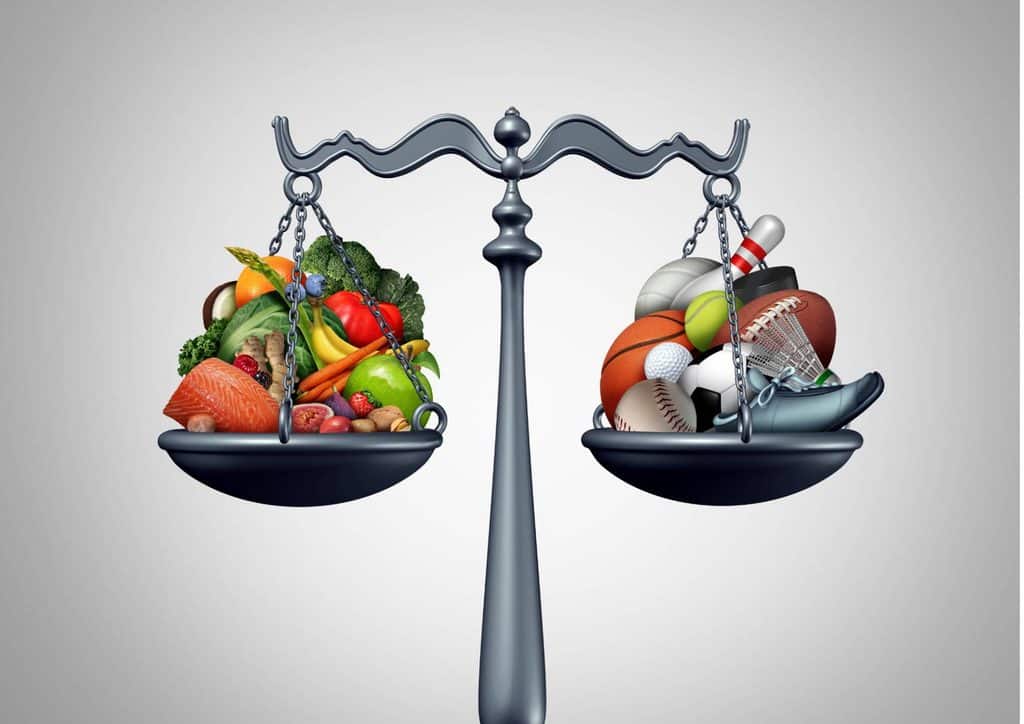
Final Thoughts
When answering the question of what is sustainable weight loss, sustainable weight loss must be biologically plausible, behaviourally repeatable and scientifically defensible.
It is not defined by speed but by stability.
The strongest evidence shows that long-term weight regulation depends on metabolic adaptation, muscle preservation, hormonal steadiness, psychological flexibility and an environment that supports consistent habits rather than restriction.
Sustainable weight loss is therefore the outcome of a system that your physiology can maintain and your lifestyle can repeat, not a temporary phase of discipline.
Tap what you think is true. Each one reveals what actually drives long term weight change.
1. Sustainable weight loss comes from cutting out entire food groups.
2. Eating regularly helps prevent overeating later in the day.
3. Protein helps support sustainable weight loss.
4. Sustainable weight loss is driven by repeatable everyday habits.
Spot the pattern. Sustainable weight loss comes from balanced meals, steady fuelling and repeatable habits you can keep up every day.
Frequently asked questions
What actually makes weight loss sustainable?
Sustainable weight loss comes from balanced meals, steady fuelling and repeatable habits. When meals include protein, quality carbohydrates, healthy fats and enough fibre, appetite becomes predictable and energy stays stable. This structure removes the swings that lead to overeating and helps you keep progress steady over time.
Do I need to cut out certain foods to lose weight long term?
No. Removing entire food groups usually leads to rebound eating. Sustainable weight loss comes from portion awareness, balanced meals and consistent patterns you can maintain every day. When food is structured properly, you feel satisfied and in control without relying on restriction.
How important is protein for sustainable weight loss?
Protein supports fullness, stabilises appetite and helps maintain lean mass while weight reduces. When protein is evenly spaced across the day, meals feel more satisfying and you avoid the late day hunger that disrupts progress. It is one of the strongest nutrition foundations for long term weight control.
Why do people regain weight after dieting?
Most diets rely on short term restriction rather than repeatable habits. When the structure is too extreme, appetite rebounds and old patterns return. Sustainable weight loss comes from balanced meals, consistent fuelling, fibre intake and clear portions that you can keep up without feeling deprived.

Keep reading
This article is general information, not personal medical or nutritional advice. Individual needs vary. For guidance tailored to you, book a consultation.
Book a 60 minute consultation, in Bondi Junction or by Telehealth from anywhere in the world.