

The short version
- Weight loss stalls when your overall routine is not aligned with the result you want. The cause is usually practical and hidden within food intake, portions, drinks, recovery or your weekly routine.
- Weight loss cannot continue when structured weekdays are repeatedly undone by unplanned weekends, unnoticed snacks, poor sleep or low daily movement. Your results reflect the full week, not the effort put into one meal or one workout.
- Weight loss does not require harsher restriction when progress slows. Identify the habit quietly holding back your progress, correct it consistently and build a routine you can maintain.

The short answer
If you are asking why am I not losing weight, the answer is usually not a slow metabolism or a lack of willpower. In my experience as a weight loss nutritionist, most people are doing several things right, but one or two important factors are quietly reducing their progress.
I meet clients every week who have tried intermittent fasting, reduced their intake to create a calorie deficit, and focused on eating what they believe are the best foods for weight loss, yet the scales barely move.
Many tell me they still cannot lose belly fat, are struggling with a persistent weight loss plateau, or feel their efforts to increase metabolism are not making a noticeable difference. Others become tempted by promises of rapid weight loss, only to find the results are short-lived.
“Not losing weight does not mean you lack discipline or that your body is working against you. It usually means there is one practical pattern within your food, movement, sleep or weekly routine that needs to be identified and adjusted”.
Jake Biggs, Nutrition Longevity

Weight loss calculator for losing weight
Have you tried absolutely everything to lose weight and nothing is working? Enter your metrics below and recieve your customised evidence-based sustainable weiht loss recommendations.
Your Weight Loss Target Analysis
Your total planned weight change is 0 kg .
Your personalised recommendations
Want help creating a sustainable weight loss nutrition plan?
I will design for you a customised nutrition plan for you to achieve and maintain your long-term weight loss goals.
Book a consultationThis calculator provides a general indication for educational purposes and is not a substitute for personalised nutrition or medical advice. Body weight can fluctuate for many reasons and should be assessed as part of your broader nutrition, lifestyle and health circumstances.
 16Week ProgramMenopause Weight Loss ProgramFor women in perimenopause and menopause
 16Week ProgramMen's Weight Loss ProgramFor men with stubborn weight
“Your weight loss journey is unique to you, which is why I designed this interactive calculator to help cut through the generic advice. By evaluating your daily habits, lifestyle factors, and individual patterns, it provides an evidence-based starting point to uncover why your progress might have stalled and how to move forward sustainably".
Jake Biggs, Nutrition Longevity

The underlying reasons that you cant lose weight
| Reason | Weight Loss Rationale |
|---|---|
| Nutrition Accuracy | Small discrepancies in portion sizes, cooking oils, snacks and drinks can make it difficult to maintain the calorie deficit required for weight loss. |
| Weekends vs Weekdays Compliance | Higher calorie intake from alcohol, takeaway meals, restaurant dining and larger portions on weekends can offset progress made during the week. |
| Protein Deficiency | Lower protein intake can reduce satiety, increase hunger and make adherence to a weight loss plan more challenging. |
| Sleep Deprivation | Poor sleep can increase cravings, appetite and fatigue while reducing motivation for exercise and healthy food choices. |
| Weight Loss Expectations | Expecting rapid scale changes can create frustration, even when healthy and sustainable progress is occurring behind the scenes. |
| Weight Loss Plateau | Periods of stable weight are common and may reflect normal fluctuations, changing energy requirements or inconsistent habits rather than a complete lack of progress. |
| Extreme Dieting Approach | Highly restrictive diets are often difficult to maintain and can increase the likelihood of overeating, burnout and weight regain. |

You may be more consistent than you think, but less accurate than you realise
Human beings are not very good at estimating food intake. That is not a character flaw. It is simply how we are wired.
Foods that are considered healthy can still contribute a significant amount of energy. Nuts, nut butters, olive oil, smoothies and café meals are common examples. They can absolutely be part of a healthy diet, but if portions continue to grow, progress can slow.
For many people, a short period of tracking intake can reveal patterns that were impossible to see before. The goal is not to track forever. The goal is to gather information.
| Reason | Problem for weight loss |
|---|---|
| Portion Sizes | Eyeballing serving amounts or underestimating portion sizes can easily add hundreds of uncounted calories, completely wiping out your intended deficit. |
| Eating Out | Restaurant meals frequently contain hidden fats, heavy butter, and larger-than-expected quantities that make accurate energy tracking nearly impossible. |
| Takeaway Meals | Frequent takeaway options are heavily processed and energy-dense, driving up daily energy intake far beyond what is required for fat loss. |
| Cooking Oils & Condiments | Drizzling oils, sauces, and dressings without measuring introduces a massive volume of dense energy that goes completely unnoticed. |
| Liquid Calories | Sugary drinks, coffees, and alcohol provide a high volume of energy without triggering fullness, making overeating effortless. |
| Uncounted Snacks | Biting, tasting, or casually snacking throughout the day adds up to a significant surplus that stalls weight management efforts. |
| Inconsistent Tracking | Skipping entries for weekends or casual meals creates major blind spots in your nutrition data, masking the true cause of a weight plateau. |

Your weekends are much different to your weekdays
A common pattern I see is five relatively structured days followed by two very flexible days.
A person might stay on track from Monday to Friday, then have takeaway meals, drinks, desserts and restaurant outings across the weekend. By Monday they feel as though they have been good all week, but the weekly balance tells a different story.
Sustainable weight loss is driven by long term averages, not isolated days.

| Weekday Habits | Weekend Habits |
|---|---|
| Structured meal planning, consistent portion control, and disciplined calorie counting to maintain a deficit. | Relaxed routines, unstructured eating schedules, and grazing on snacks that easily erase the week's progress. |
| Higher hydration focus with water, black coffee, or unsweetened tea that keeps liquid calories minimal. | Increased intake of alcoholic drinks, specialty coffees, juices, or sodas loaded with hidden sugars and liquid energy. |
| Home-cooked meals with pre-measured ingredients, clear nutrient breakdowns, and minimal added oils. | Frequent restaurant dining, heavy brunch spreads, and takeaway meals packed with butter, sodium, and extra fats. |
| Controlled snacking window restricted mostly to planned afternoon protein sources or whole foods. | Social gatherings and movie nights leading to mindless snacking on high-calorie, ultra-processed treats. |
| Predictable daily energy expenditure anchored by standard work routines and consistent activity levels. | Sedentary downtime or erratic physical movement paired with significantly higher food consumption. |
| Strict adherence to macro targets, especially keeping protein intake high to maximize satiety. | Lower protein focus replaced by high-carbohydrate, high-fat comfort foods that blunt fullness cues. |
| Sustained negative energy balance driving steady, predictable fat loss across Monday through Friday. | Caloric surplus over Saturday and Sunday that entirely offsets the deficit built during the prior five days. |

You are not eating enough protein
Protein helps support fullness and can make it easier to manage hunger throughout the day.
When breakfast is mostly carbohydrates and lunch contains very little protein, many people end up searching for snacks by mid afternoon. That is not a willpower problem. It is often a hunger problem.
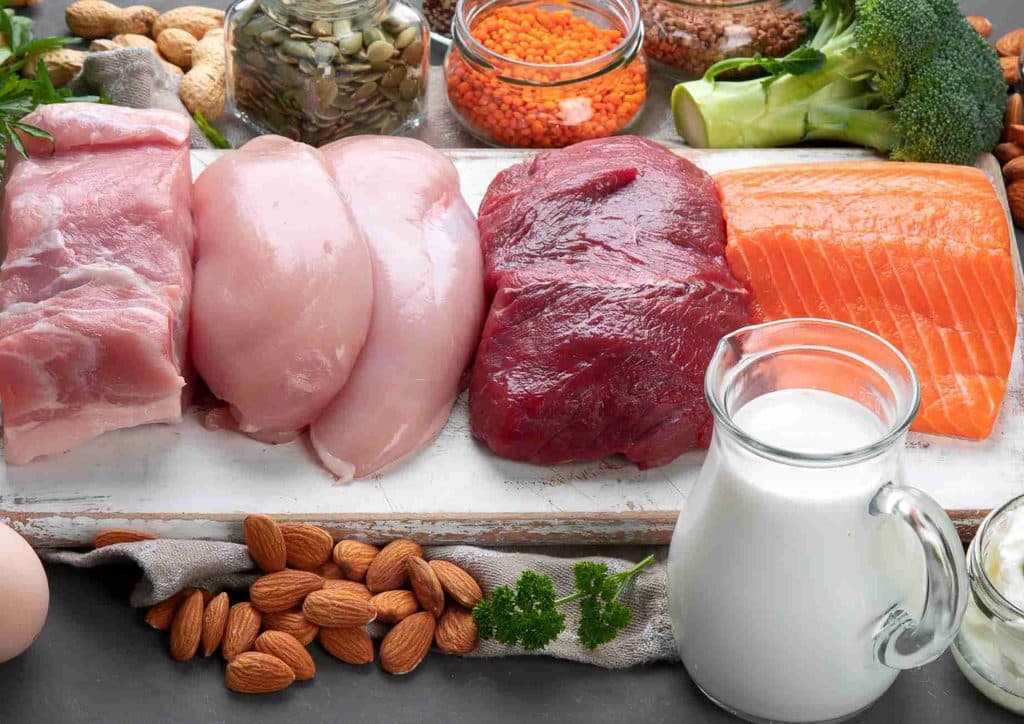
High protein foods and meal options
- Eggs and yoghurt.
- Chicken and brown rice.
- Protein pancakes.
- High protein banana smoothie.
- Turkey breast and sweet potato.
- Chia seed protein pudding.
- Overnight high protein oats.
- Wholemeal pasta with lentils

| Reason | Problem for weight loss |
|---|---|
| Reduced Satiety | Low protein intake fails to properly stimulate fullness hormones like peptide YY and GLP-1, leaving you feeling hungry shortly after eating. |
| Increased Cravings | When your body lacks adequate amino acids, it often triggers intense cravings for quick energy sources, leading to frequent snacking on carbs and sugars. |
| Muscle Mass Loss | In a calorie deficit without enough protein, the body breaks down lean muscle tissue for amino acids, which lowers your resting metabolic rate. |
| Lower Thermic Effect | Protein requires more energy for your body to digest, process, and metabolize compared to fats and carbs; low intake reduces this natural calorie burn. |
| Poorer Workout Recovery | Inadequate protein impairs muscle repair after physical activity, leading to prolonged soreness and reduced motivation or capacity to exercise. |
| Blood Sugar Swings | Meals lacking sufficient protein often cause rapid spikes and drops in blood sugar, resulting in energy crashes and urgent hunger pangs. |
| Compromised Adherence | Constant physical hunger and persistent cravings make sticking to a reduced-calorie meal plan mentally exhausting and unsustainable over time. |
You are not sleeping enough
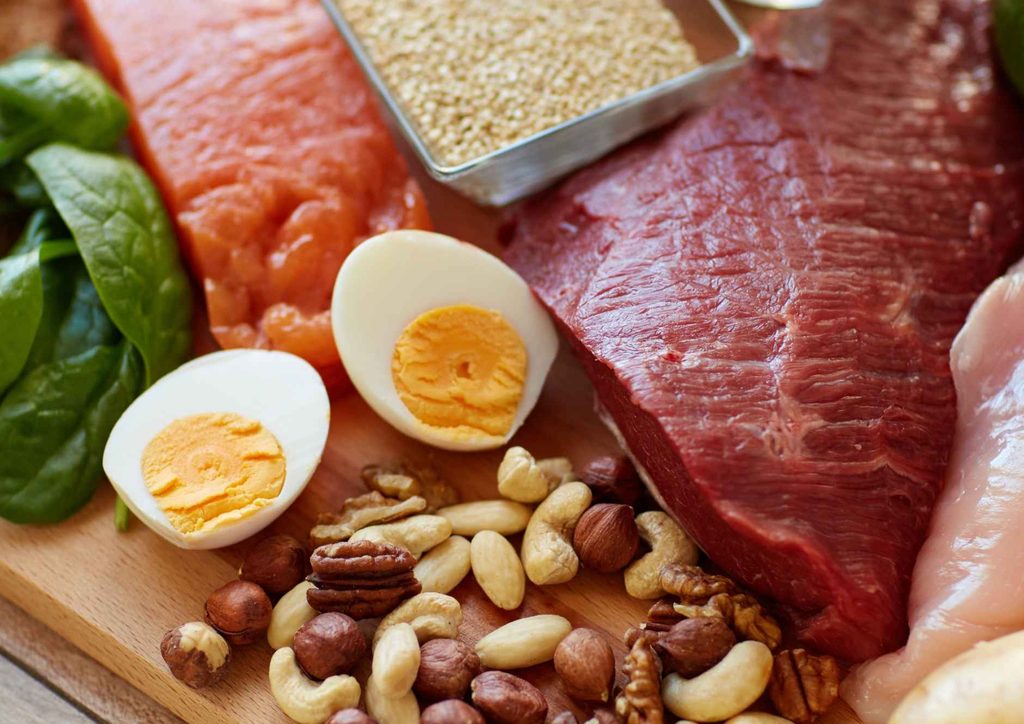
Sleep and weight management are closely connected.
After a poor night's sleep, many people notice stronger cravings, reduced energy and a greater desire for highly processed foods. This makes sensible nutrition choices harder, even for very motivated people.
If someone tells me they train hard and eat reasonably well but sleep poorly most nights, improving sleep is often one of the first areas I explore.

| Consequence | Weight Loss Issue |
|---|---|
| Hormonal Imbalance (Ghrelin & Leptin) | Sleep loss increases the hunger hormone ghrelin while suppressing the satiety hormone leptin, driving up overall appetite. |
| Increased Sugar Cravings | Fatigue impairs prefrontal cortex function while boosting brain reward centers, creating intense cravings for high-calorie, sugary foods. |
| Reduced Energy Expenditure | Chronic tiredness lowers daily spontaneous physical activity (NEAT) and drains motivation for structured workouts. |
| Impaired Glucose Metabolism | Poor sleep decreases insulin sensitivity, making your body more prone to storing excess calories as fat rather than burning them. |
| Higher Cortisol Levels | Sleep deprivation elevates stress hormones, which can promote abdominal fat storage and increase water retention. |
| Slower Recovery | Inadequate rest delays muscle tissue repair, leading to prolonged physical fatigue and reduced exercise performance. |
| Lower Dietary Control | Mental exhaustion erodes willpower and decision-making capacity, making it much easier to give in to emotional or impulse eating. |

Look beyond food and exercise
If weight loss progress has stalled, resist the urge to immediately slash calories further or overhaul your entire nutrition plan. A plateau is often a natural biological signal rather than a failure of your diet, reflecting subtle adjustments in your body's energy expenditure or temporary fluid retention caused by stress and training.
Before making drastic changes, take a step back and objectively audit your daily lifestyle factors.
Look closely at four foundational pillars: whether you are getting consistent, restorative sleep; if elevated daily stress or cortisol is driving water retention; how much incidental movement or NEAT you are actually maintaining; and whether small, unmeasured routine creep has slipped into your weekly habits.
Addressing these foundational variables first will often break a stall naturally without requiring you to suffer through extreme dietary restrictions.

| Factor | Weight Loss Advantage |
|---|---|
| Endocrine Balance | Sound slumber steadies ghrelin and leptin outputs, naturally curbing excessive appetite signals. |
| Reduced Sugar Urges | Refreshed neural pathways dampen sudden impulses for sweet, energy-dense foods, protecting your nutrition targets. |
| Vigorous Daily Movement | Deep overnight rejuvenation preserves physical vitality, keeping your routine physical activity and exercise drive high. |
| Enhanced Glucose Clearance | Sufficient rest improves insulin sensitivity, enabling your system to process nourishment efficiently rather than depositing surplus fat. |
| Cortisol Moderation | Quality downtime keeps stress pathways calm, alleviating stubborn midriff fluid retention and weight fluctuations. |
| Superior Tissue Repair | Proper nocturnal recovery speeds up muscle regeneration, safeguarding lean mass to maintain a healthy metabolic rate. |
| Fortified Self-Discipline | Mental sharpness underpins daily resolve, making mindful, long-term dietary choices feel completely effortless. |

Your stress levels are too high
Stress can change the way people eat without them realising it.
Some people eat less when stressed. Others find themselves grazing throughout the day. Many become less active, more tired and less organised with meal planning.
This is why sustainable nutrition plans need to fit real life. A perfect plan that only works on calm weeks is not particularly useful.

| Factor | Problem for weight loss |
|---|---|
| Elevated Cortisol Output | Persistent pressure keeps cortisol levels high, which encourages visceral fat accumulation around the midriff and stalls overall fat loss. |
| Water Retention Masking Progress | Chronic tension triggers temporary fluid retention, obscuring real fat loss progress and causing frustrating scale plateaus. |
| Emotional Grazing | Mental overwhelm frequently sparks a desire for comfort foods, leading to mindless snacking on dense, sugary items. |
| Disrupted Sleep Quality | Racing thoughts and high anxiety interfere with deep rest, compounding appetite imbalances and daytime fatigue. |
| Reduced Daily Movement | Mental exhaustion drains your natural physical drive, drastically cutting down spontaneous movement and workout consistency. |
| Impaired Blood Sugar Control | Stress hormones trigger glucose releases into the bloodstream, creating energy spikes and crashes that amplify hunger. |
| Eroded Willpower | Constant cognitive strain depletes your mental resilience, making it significantly harder to stick to structured nutrition targets. |
Unrealistic weight scale loss expectations
Body weight naturally fluctuates.
Changes in hydration, meal timing, salt intake, training and the digestive system can all affect scale weight. Looking at a single weigh in often creates unnecessary anxiety.
I prefer looking at trends over several weeks rather than reacting to daily fluctuations. This provides a much clearer picture of what is actually happening.

| Factor | Weight scale truth |
|---|---|
| Daily fluid shifts | Normal water retention masks fat loss day to day, creating false discouragement. |
| Inflammation from training | New exercise routines cause temporary muscle repair fluid retention that stalls scale movement. |
| Sodium and carbohydrate intake | Higher glycogen stores hold extra water weight, hiding actual fat reduction. |
| Hormonal fluctuations | Natural biological cycles cause temporary weight swings unrelated to fat loss. |
| Digestive contents | Food volume remaining in your system alters daily weigh-ins inconsistently. |
| Premature discouragement | Expecting rapid drops leads to abandoning a working nutrition plan too early. |
| Loss of motivation | Constant scale obsession obscures steady metabolic progress and sustainable habit formation. |

You have reached a weight loss plateau
If you have already lost weight, your energy requirements may be different than they were at the beginning.
This is one reason why learning how to break a weight loss plateau can be valuable. The approach that got someone started is not always the same approach that helps them continue progressing.
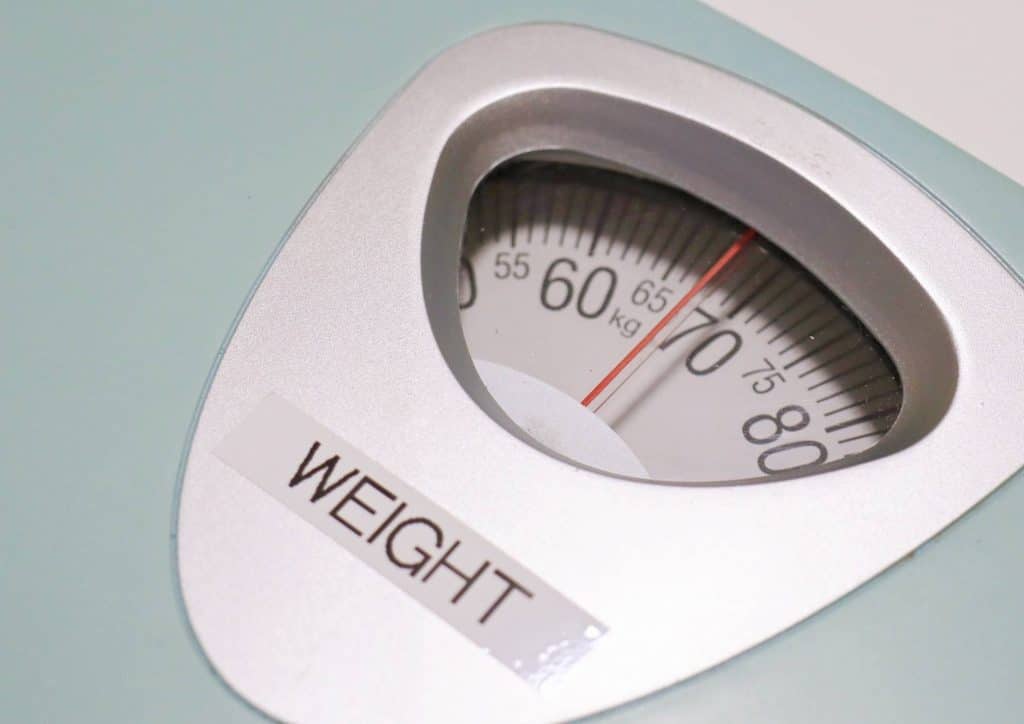
Plateaus are common. They do not automatically mean something is wrong.
| Myth | Fact |
|---|---|
| A plateau means your metabolism has permanently broken down. | Stalls reflect normal adaptations, such as a smaller body requiring less energy and temporary water retention. |
| You must immediately slash your calories further when weight stops moving. | Auditing sleep, stress, and routine creep should always come before cutting food intake further. |
| Plateaus mean fat loss has completely stopped. | Body composition changes can still occur while scale weight remains temporarily steady due to fluid shifts. |
| Exercise alone will break a stubborn weight stall. | Without accurate nutrition tracking and recovery management, extra training often just increases fatigue and hunger. |
| Stalls are a sign that your diet plan has failed entirely. | Plateaus are a standard biological response on any weight loss journey and require patience rather than abandonment. |
| You can force rapid weight loss to bypass a plateau. | Forcing drastic drops through extreme restriction usually triggers burnout, binge cycles, and rapid weight regain. |
| Consistency guarantees a straight-line drop on the scale. | Fat loss happens in waves, and accepting non-linear progress is essential for long-term psychological wellbeing. |

Your weight loss approach is not sustainable
Extremely restrictive diets often create a cycle of being very strict followed by losing control. Eventually it becomes exhausting. When you couple this rigid approach with punishing exercise regimes, such as forcing high-intensity workouts while under-fuelled, the physical and mental toll multiplies rapidly.
Instead of fostering sustainable weight loss, this all-or-nothing mindset drives up stress hormones, triggers intense biological cravings, and inevitably leads to burnout, making long-term consistency nearly impossible.
Breaking free from this cycle requires shifting away from short-term fixes and embracing a flexible, balanced approach to your nutrition and activity.
By prioritising realistic calorie targets, adequate protein, proper recovery, and enjoyable movement rather than punishment, you protect your metabolism and your mental health. This steady foundation allows you to achieve lasting results without feeling deprived or trapped in endless waves of restriction.

| Rapid weight loss | Sustainable weight loss |
|---|---|
| Relying on severe, rigid calorie restriction that leaves you feeling constantly starved and depleted. | Maintaining a moderate, manageable energy deficit that supports fat loss while keeping energy levels stable. |
| Pushing through punishing, high-intensity exercise regimes while under-fuelled, triggering burnout. | Balancing structured training with adequate recovery, rest, and enjoyable daily movement. |
| Basing all progress strictly on fast drops shown on the bathroom scales each morning. | Tracking body composition changes, clothing fits, energy levels, and overall habit consistency alongside scale trends. |
| Eliminating entire food groups or favourite meals entirely out of strict perfectionism. | Allowing flexibility and mindful inclusion of all foods to protect mental health and prevent binge cycles. |
| Ignoring foundational lifestyle variables like sleep quality and stress management until exhaustion hits. | Prioritising restorative sleep and active stress reduction to optimise metabolic health and hormone balance. |
| Chasing short-term transformations that inevitably lead to rapid weight regain and frustration. | Building lifelong nutritional habits and routines designed for permanent weight management. |
| Viewing minor stalls as total failures that require immediate, drastic overhauls of your plan. | Accepting non-linear progress and weight fluctuations as a normal part of a healthy, sustainable journey. |

Why can't I lose weight even though I am trying hard?
This is one of the most common questions I hear.
When people say they are trying hard, I usually believe them. The problem is rarely effort. The problem is that effort is being directed toward strategies that are not addressing the real obstacle.
Sometimes it is protein intake. Sometimes it is sleep. Sometimes it is weekends. Sometimes it is portion sizes. Occasionally it is several small factors occurring at the same time.
In the second half of any weight loss journey, people often return to the question, why am i not losing weight. The answer is usually found by looking closely at everyday habits rather than searching for a special supplement, detox or shortcut.
| Fixed mindset | Growth mindset |
|---|---|
| Viewing a single slip-up or heavy weekend as total proof that your entire routine has failed. | Recognising that consistency matters more than perfection, treating single meals as isolated events. |
| Expecting a straight, unbroken downward trajectory on the bathroom scales every morning. | Anticipating non-linear progress and understanding that daily weight fluctuations reflect fluid shifts. |
| Chasing rapid transformations through extreme restriction and punishing, unmanageable workouts. | Focusing on building lifelong habits, flexible nutrition, and sustainable physical activity routines. |
| Letting fatigue, stress, or minor stalls trigger an all-or-nothing mindset and immediate abandonment. | Auditing lifestyle pillars like sleep, stress, and routine creep to solve plateaus logically. |
| Judging your self-worth and overall success strictly by the numbers shown on a digital scale. | Tracking multiple markers of success, including energy levels, clothing fits, and strength gains. |
| Believing that hunger and misery are necessary prerequisites for seeing real physical changes. | Prioritising adequate protein, proper recovery, and sensible energy deficits to protect metabolic health. |
| Viewing minor setbacks as personal shortcomings rather than normal signals from your biology. | Approaching challenges with curiosity, adjusting your strategy calmly to support long-term wellbeing. |

When Guessing Stops Working
There is a point where trying random strategies becomes tiring.
This is where working with a weight loss nutritionist can be useful. A structured assessment often identifies patterns that are difficult to spot on your own. Many people are surprised by how simple the underlying issue turns out to be once it is clearly identified.
I am frequently asked, can a nutritionist help you lose weight. In many cases the value comes from finding the specific bottleneck that is holding someone back, rather than providing another generic meal plan.
The people who make long term progress are not always the most motivated. They are usually the people who understand what is actually driving their results and focus their attention there.

Final thoughts
Losing weight is rarely about finding a secret formula or summoning endless willpower through extreme restriction. True, lasting progress comes from shifting away from the all-or-nothing mindset that traps so many people in cycles of burnout and frustration. By trading rapid, punishing fixes for consistent, moderate adjustments, you protect both your physical metabolism and your mental wellbeing.
Success ultimately hinges on looking at the bigger picture. When you prioritise adequate protein, respect the crucial roles of sleep and stress management, and accept that the scales will naturally fluctuate day to day, weight loss stops feeling like an exhausting battle. Embracing patience and flexibility turns your health journey into a manageable, lifelong habit rather than a temporary trial.
Tap what you think is true. Each one reveals what actually happens.
1. Eating clean during the week gives you a free pass to overeat on weekends without stalling fat loss.
2. High protein intake helps preserve lean muscle mass while you are in an energy deficit.
3. Sleep deprivation has no real impact on your weight loss progress as long as calories are controlled.
4. What is the most reliable way to troubleshoot a stubborn weight loss stall?
Focus on sustainable progress, not quick fixes. Addressing foundational factors like nutrition accuracy, protein intake, sleep quality, and stress management helps you navigate weight loss hurdles with clarity and confidence.

Frequently asked questions
Why am I not losing weight in a calorie deficit?
If you are genuinely in a calorie deficit, weight loss should occur over time. The challenge is that intake is often underestimated or normal weight fluctuations disguise progress. Portion sizes, drinks, weekend eating, sleep and activity levels can all influence what appears to be a stalled result.
Why am I gaining weight when I barely eat?
Eating very little does not always mean eating below your requirements. Stress, fluid retention, inconsistent eating patterns and occasional high intake periods may all affect body weight. Looking at your overall pattern across several weeks is usually more useful than focusing on individual days.
How long should it take to see weight loss results?
The timeline varies between individuals, but meaningful progress is usually assessed over weeks and months rather than days. Daily weight changes can be misleading. Consistency with nutrition, activity, sleep and routine generally provides a clearer indication of whether your approach is working.
What should I do if I am not losing weight?
Start by reviewing your routine objectively. Look at portion sizes, protein intake, drinks, sleep, stress and weekend habits. Focus on identifying one or two limiting factors rather than changing everything at once. Small adjustments applied consistently are often more effective than dramatic changes.
Keep reading
This article is general information, not personal medical or nutritional advice. Individual needs vary. For guidance tailored to you, book a consultation.
Book a 60 minute consultation, in Bondi Junction or by Telehealth from anywhere in the world.