

The short version
- Your body adapts, so your approach needs to evolve. As you lose weight, your body requires fewer calories to maintain its new weight. Making targeted changes to your nutrition and daily activity can help overcome a plateau.
- A weight loss plateau is a signal, not a setback. Stalled progress does not mean you have failed or that your efforts are not working. It is a chance to identify what needs to change and refocus your strategy.
- Small changes can break through a stubborn plateau. You do not need to overhaul your entire diet to start losing weight again. Strategic adjustments to portions, protein, fibre, movement and meal structure can help create renewed progress.

What a weight loss plateau actually is
When you first start losing weight, the changes on the scales often feel steady and predictable. Then, at some point, you keep doing the same things and the number stops moving. That is usually when people start searching for weight loss plateau and wondering what they are doing wrong.
A plateau is not your body giving up, it is your body adapting. As you lose weight, your energy needs change. You are carrying less mass, you often move more, and your metabolism adjusts to the new situation. The same intake that once created a clear deficit now sits closer to maintenance.
“A weight loss plateau is not your body failing, it is your body adapting to the progress you have already made. Breaking through a plateau is about understanding what your body needs now, making targeted and sustainable adjustments to your nutrition, movement and daily habits, and continuing forward without resorting to extreme dieting”.
Jake Biggs, Nutrition Longevity
Weight loss plateau calculator
Think your weight loss has stalled? Enter your starting weight, current weight, weeks tracked, age, and previous efforts below. Your results will calculate your weight change, provide a personalised indication of your current progress, and give you evidence-based recommendations to help you decide what to focus on next.
Your Weight Loss Progress
Your weight has changed by 0 kg .
Your personalised recommendation
Want help creating a sustainable weight loss nutrition plan?
I will design for you a customised nutrition plan for you to achieve and maintain your long-term weight loss goals.
Book a consultationThis calculator provides a general indication for educational purposes and is not a substitute for personalised nutrition or medical advice. Body weight can fluctuate for many reasons and should be assessed as part of your broader nutrition, lifestyle and health circumstances.
“Your weight loss journey is individual to you. This calculator provides a practical starting point based on your recent weight changes and progress, helping you understand whether you may be experiencing a plateau and what you could focus on next to support sustainable weight loss”.
Jake Biggs, Nutrition Longevity

| Myth | Fact |
|---|---|
| A weight loss plateau means your body has stopped losing weight permanently. | A plateau usually means your weight has remained relatively stable for a period of time. It does not automatically mean your body can no longer lose weight. |
| If the scales have not moved for a few days, you have reached a plateau. | Day to day weight naturally fluctuates because of fluid, digestion, sodium intake, carbohydrate intake and other factors. A genuine plateau is assessed over a longer period. |
| You need to drastically cut your food intake when weight loss slows down. | Large restriction is rarely the most useful response. Reviewing portions, meal structure, activity, consistency, sleep and other lifestyle factors can provide a more sustainable approach. |
| A plateau means your metabolism is broken. | As body weight decreases, energy requirements can also change. This can make continued weight loss slower, but it does not mean your metabolism is broken. |
| Eating less and less is the only way to break a plateau. | Progress can sometimes come from improving consistency, adjusting portions, increasing everyday movement or changing meal composition rather than simply eating much less. |
| A plateau means your weight loss has failed. | A period of stable weight can be a normal part of the process. Sustainable weight loss is not a perfectly straight line, and progress should be assessed over time. |
| The scales are the only way to judge whether you are making progress. | Body weight is useful, but other measures such as waist measurements, clothing fit, strength, fitness, energy and consistency with healthy habits can also provide useful information. |

How your body adapts as you lose weight
Your body is wired to protect you from perceived shortage. When you lose weight, hormones that regulate hunger and fullness shift. You feel hungrier, think about food more often, and feel less satisfied with the same meals. At the same time, your resting energy use can reduce slightly.
Daily movement patterns also change. You might unconsciously sit more, fidget less, or shorten walks. None of this means you are lazy. It is simply how the body conserves energy when it senses ongoing loss. Over weeks, these small shifts add up and the scales reflect that new balance.

| Myth | Evidence |
|---|---|
| Weight loss adaptation means your metabolism stops working. | Your metabolism continues to function. As body weight decreases, the body generally requires less energy to maintain its smaller size. |
| Your body becomes permanently resistant to weight loss. | Weight loss can slow as energy requirements change, but this does not mean the body has permanently lost its ability to lose weight. |
| A slower rate of weight loss means your diet has stopped working. | Weight loss rarely occurs at exactly the same rate throughout a longer journey. Changes in body weight, fluid levels, activity and energy requirements can affect the rate of progress. |
| Metabolic adaptation means you have permanently damaged your metabolism. | Metabolic adaptation is a physiological response that can occur during weight loss. It should not automatically be interpreted as permanent metabolic damage. |
| The answer to adaptation is to keep cutting calories. | More restriction is not automatically the answer. Reviewing food portions, meal structure, activity, sleep and consistency can be more appropriate. |
| A special food or drink can reset your metabolism. | There is no single food or drink that resets metabolism. Consistent nutrition, physical activity, adequate sleep and realistic energy intake matter far more. |
| Weight loss adaptation makes sustainable weight loss impossible. | Adaptation can make continued weight loss more challenging, but it does not make sustainable weight loss impossible. A realistic approach can account for these changes over time. |
Why the scales stop reflecting progress
A plateau often means your intake and output have met in the middle. You are no longer in a meaningful deficit, even if your food and training look similar on paper. Fluid shifts, bowel habits and menstrual cycles can also mask fat loss for stretches of time, which adds to the frustration.
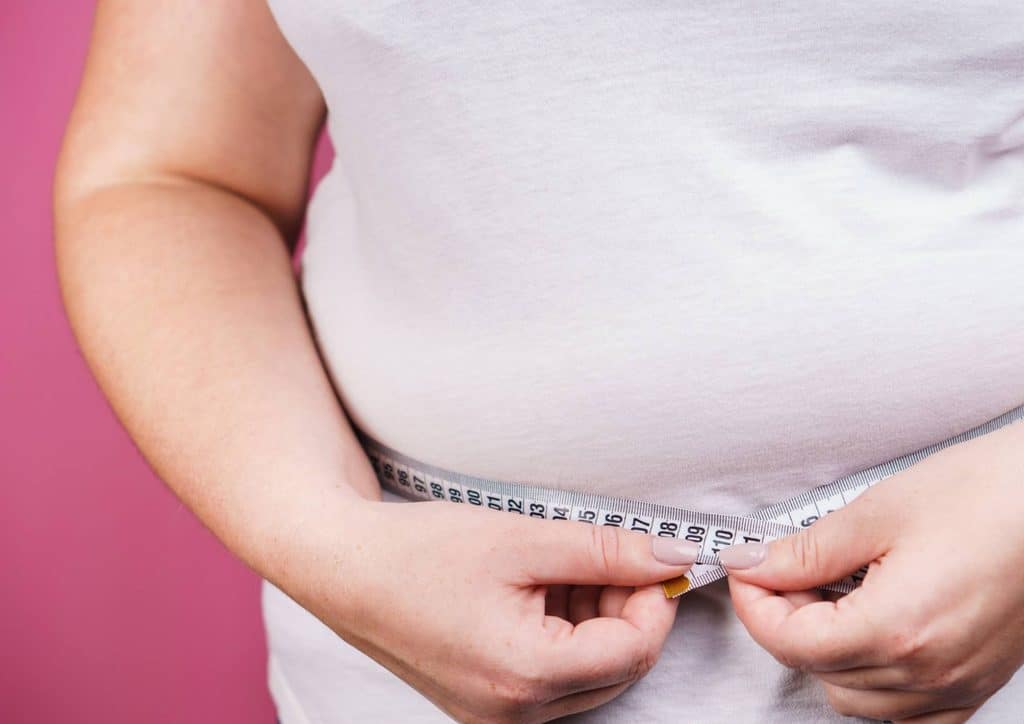
This is why I encourage you to look beyond the scales. Waist measurements, clothing fit, strength in the gym and energy across the day often keep changing even when the number on the scales holds steady. When we only watch the scales, it is easy to miss these signs that your body is still responding.
Why your weight loss has stalled
When weight loss has stalled, it is rarely because you have suddenly lost all discipline. It is usually a mix of metabolic adaptation, subtle changes in habits and a plan that has not been updated as your body changes. Understanding these reasons is the first step in how to break a weight loss plateau in a calm, sustainable way.
| Myth | Truth |
|---|---|
| Your metabolism has stopped working. | Your metabolism has not stopped. As you lose weight, your body generally needs less energy, which can make further weight loss slower. |
| A few days without scale movement means you have reached a plateau. | Body weight naturally fluctuates because of fluid, digestion, sodium, carbohydrate intake and other factors. A few stable days do not necessarily mean a true plateau. |
| You need to dramatically cut your food intake. | Drastic restriction is not automatically the answer. Reviewing portions, meal structure, consistency, activity and lifestyle factors can be more useful. |
| You are doing everything right, so your body must be refusing to lose weight. | Sometimes small changes in portions, snacks, drinks, weekend eating or everyday movement can gradually reduce the energy deficit without being obvious. |
| You need a detox or metabolism boosting food to restart weight loss. | There is no single food or drink that restarts your metabolism. Consistent nutrition, physical activity, sleep and an appropriate energy intake are more important. |
| A stalled scale means your weight loss has failed. | Weight loss is rarely perfectly linear. A period of stable weight can happen during a longer journey and does not automatically mean the overall approach has failed. |
| The only measure of progress is the number on the scales. | Weight is useful, but waist measurements, clothing fit, fitness, strength, energy and consistency with healthy habits can also help assess progress. |

Metabolic adaptation and energy balance
As you become lighter, your body needs less energy to do the same tasks. Walking up stairs, training, even sitting at a desk all use fewer kilojoules than they did before. If your intake has stayed exactly the same, the gap between what you eat and what you use narrows.
Over time, that narrower gap means slower loss, then maintenance. This is not a sign that your metabolism is broken. It is a predictable response. The solution is not to keep cutting food aggressively. It is to adjust your intake and movement with care so you create a modest deficit again without leaving yourself exhausted.

| Myth | Evidence |
|---|---|
| A slow metabolism is always the main reason someone gains weight. | Metabolism is one part of energy balance. Body size, food intake, physical activity, muscle mass, sleep and other factors can all influence changes in body weight. |
| Exercise means you can eat whatever you want and still lose weight. | Exercise is valuable for health and can increase energy expenditure, but eating patterns still matter. Exercise does not automatically cancel out a consistently high energy intake. |
| Eating very little permanently damages your metabolism. | Energy restriction can lead to physiological adaptations that reduce energy expenditure, but this is not the same as permanently damaging or breaking your metabolism. |
| You need to exercise every day to lose weight. | Regular physical activity can support weight management, but weight loss does not require daily intense exercise. A sustainable combination of nutrition and movement is more realistic for many people. |
| Eating more frequently keeps your metabolism burning all day. | Meal frequency does not automatically increase your overall metabolic rate. Total food intake and the composition of your diet are more important than simply eating more often. |
| Skipping meals is the fastest way to create weight loss. | Skipping meals can work for some eating patterns, but it is not inherently better for weight loss. For some people, regular balanced meals may make hunger and food intake easier to manage. |
| Strength training makes you bulky and prevents weight loss. | Strength training can support muscle retention and physical function during weight loss. Changes in body weight should be considered alongside changes in body composition and fitness. |
| You can accurately judge your food intake without paying attention to portions. | Portion size can make a meaningful difference to total energy intake. Paying attention to portions can be useful without requiring strict calorie counting. |

Hidden kilojoules and portion creep
Another common reason progress stalls is portion creep. Serves of rice, oats, pasta, nuts, oils and snack foods grow slightly over time. Extra coffees, sauces and nibbles while cooking slip in. None of these feel like much in the moment, yet together they can easily close the gap that was helping you lose weight.
Food labels, takeaway meals and cafe options also add hidden kilojoules. When we look closely at a food diary, we often find that the plan you think you are following and the intake you are actually eating are not quite the same. Bringing those back into line is a practical way to restart progress. Foods such as sweet potato, chia seeds and grapes can still form part of a balanced weight loss approach, with the overall portion and meal structure being more important than simply removing individual foods.

| Hidden Kilojoules | Portion Size Check |
|---|---|
| Cooking oils, butter and spreads can add kilojoules without making a meal look much larger. | Use sensible portions and measure occasionally if you are unsure how much you are adding. |
| Dressings, sauces and condiments can contribute more kilojoules than expected. | Review how much you are using and consider lighter or smaller portions where appropriate. |
| Flavoured coffees, juices, soft drinks and other sweetened drinks can be easy to overlook. | Choose water more often and check the size and frequency of higher kilojoule drinks. |
| Nuts, seeds, avocado and other nutritious foods can still contribute substantial energy when portions increase. | Keep these nutritious foods in your diet, but consider whether your current serving matches your weight loss needs. |
| Snacking, tasting while cooking and small bites can gradually increase daily intake. | Look at the full day of eating rather than only your main meals. |
| Restaurant and takeaway meals may contain larger portions, extra oils and sauces. | Consider smaller portions, sharing meals or saving part of a larger serving for another meal. |
| A plateau does not automatically mean your metabolism has stopped working. | Review food portions, hidden kilojoules, activity and consistency before making major changes to your intake. |
| Cutting food dramatically is the only way to restart weight loss. | Small, practical adjustments to portions and eating habits can be more sustainable than severe restriction. |

Training load and recovery
If you do a lot of training, your body needs enough fuel to recover. When intake is too low for too long, sleep quality, mood and performance drop. You might start skipping sessions, cutting them short or training with less intensity. That reduces energy use and contributes to a plateau.
Balancing training and nutrition is especially important for young players and junior sport. Growing bodies need enough energy and nutrients to support both development and performance. When I work with families, we focus on fuelling properly rather than pushing harder and harder in the hope that more training will fix stalled progress.

| Myth | Truth |
|---|---|
| Training harder and harder will always make you lose more weight. | More exercise is not always better. Excessive training without enough recovery can increase fatigue and make it harder to maintain consistent training and healthy eating habits. |
| If your weight has stalled, you need to exercise more. | A plateau can have many causes. Before adding more training, review food intake, portion sizes, recovery, sleep, daily movement and overall consistency. |
| Sweating more during exercise means you are losing more body fat. | Sweating primarily reflects fluid loss and temperature regulation. It does not directly indicate how much body fat has been lost. |
| Rest days slow down weight loss. | Recovery is an important part of a sustainable training routine. Rest can help you recover physically and return to exercise with better energy and performance. |
| You can out-train a diet that consistently provides more energy than you need. | Exercise contributes to energy expenditure, but food intake remains an important part of weight management. Training should work alongside an appropriate eating pattern. |
| Feeling constantly exhausted is a sign that your training is working. | Persistent fatigue can indicate that your training load and recovery are not well matched. More training is not automatically more effective. |
| Reducing food intake and increasing exercise at the same time is the fastest way through a plateau. | Aggressive changes can be difficult to maintain. A more measured approach can help preserve energy, training quality and adherence to your nutrition plan. |
| The scale tells you exactly how much progress your training is producing. | Body weight naturally fluctuates with fluid, food volume and other factors. Progress should be considered alongside training performance, measurements, habits and how consistently you are following your plan. |

Watch the small changes
When progress stalls, look first at portions, snacks and training consistency before making big cuts.
- Notice how portions have changed over time.
- Check snacks, sauces and drinks honestly.
- Review training intensity and frequency.
- Pay attention to sleep and stress.

How to break a plateau, sustainably
Breaking a weight loss plateau is about updating your approach to match your current body, not punishing yourself. Working with a weight loss nutritionist can help you understand what may be affecting your progress and make practical changes without unnecessary restriction. I want you to feel calm and confident, not restricted and anxious. Sustainable weight loss means you can keep living your life, socialising and enjoying food while working towards your weight loss goals.

| Rapid Weight Loss | Sustainable Weight Loss |
|---|---|
| Focuses on losing weight as quickly as possible. | Focuses on building habits that can be maintained over the long term. |
| May rely on severe restriction or large changes to food intake. | Uses a balanced eating pattern that provides appropriate nutrition and manageable portions. |
| A large early change on the scales can include significant shifts in body water and food stored in the digestive system. | Looks at longer term trends rather than expecting the scales to decrease at the same rate every week. |
| Can make social occasions, eating out and everyday life harder to manage. | Allows flexibility so that healthy eating can fit around work, family, social occasions and exercise. |
| May leave less room for adequate protein, fibre and micronutrients when food intake becomes overly restricted. | Prioritises nutritious foods, including protein, vegetables, fruit, wholegrains and other foods that support overall health. |
| Often places greater emphasis on short term results from the scales. | Considers weight trends alongside eating habits, activity, energy levels, performance and overall wellbeing. |
| Can create an approach that feels difficult to continue once the initial goal has been reached. | Builds routines that can continue after the initial weight loss phase, helping support long term weight management. |
| The goal is often speed. | The goal is progress that is realistic, consistent and maintainable. |

Adjusting intake without restriction
The first step is to look closely at your current intake. Together, we identify where portions have grown, where extra snacks have slipped in and which foods are no longer serving your goals. We then make targeted changes, such as trimming serves of energy dense foods and adding more lean protein and high fibre vegetables.
This approach reduces kilojoules while keeping meals satisfying. You feel comfortably full, your energy stays steady and you are not constantly thinking about food. That is the difference between a crash approach and a clinical, thought through plan. It respects both your physiology and your lifestyle. Simple choices such as coconut water, lemon water and pink salt can still fit into an overall weight loss approach, without being treated as solutions for a weight loss plateau.
If you have already lost weight and are noticing changes in your body, changes to your skin after weight loss can also be part of the journey.

| Restrictive Approach | More Sustainable Approach |
|---|---|
| “I need to eat much less because my weight loss has stalled”. | Review your current food intake, portions and eating patterns before making major changes. |
| Removing entire food groups to create a faster result on the scales. | Keep a varied eating pattern that provides protein, fibre, vegetables, fruit and appropriate carbohydrate sources. |
| Skipping meals to compensate for eating more than planned. | Maintain regular meals that help provide structure and make overall food intake easier to manage. |
| Cutting portions so aggressively that meals become small and unsatisfying. | Make modest portion adjustments while keeping meals satisfying and nutritionally balanced. |
| Avoiding foods you enjoy because they are seen as incompatible with weight loss. | Include enjoyable foods in appropriate portions as part of an overall balanced eating pattern. |
| Assuming every increase on the scales means you have eaten too much. | Look at the longer term weight trend because body weight can fluctuate due to fluid, digestion and other factors. |
| Continuing to reduce food intake whenever progress slows. | Consider other factors such as daily movement, exercise, sleep, portion sizes, hidden kilojoules and consistency. |
| Using extreme restriction as the main solution to a plateau. | Use practical, measured adjustments that can be maintained while continuing to support adequate nutrition and long term weight management. |
Using structure rather than willpower
Relying on willpower alone is exhausting. Instead, I encourage you to use structure. Regular meal times, planned snacks, and a clear pattern for weekdays and weekends reduce decision fatigue. When you know what you are eating and when, it is easier to stay consistent.
We also look at your environment. Keeping high kilojoule snack foods out of easy reach, preparing lunches in advance and having simple, balanced dinners planned makes a big difference. These practical steps support your goals quietly in the background, so you do not feel like you are battling your own kitchen every day.
| Unhelpful Mindset | Helpful Mindset |
|---|---|
| “The scales have stopped, so my weight loss is no longer working”. | A plateau is a reason to review the overall trend, not automatically a sign that the process has failed. |
| “I need to cut my food intake dramatically”. | Look for small, realistic adjustments to portions, meal structure and food choices before making major restrictions. |
| “I need to exercise much harder”. | Review your overall activity, recovery and eating pattern rather than assuming more exercise is always the answer. |
| “I have ruined everything because my weight increased this week”. | Day to day weight can change because of fluid, digestion, sodium intake and other factors. Look at the trend over time. |
| “I have to be perfect with my diet”. | Consistency matters more than perfection. A sustainable approach allows flexibility while maintaining helpful eating habits. |
| “I should stop eating foods I enjoy”. | Foods you enjoy can remain part of a balanced eating pattern when portions and overall intake are appropriate. |
| “If I cannot see fast results, I need another quick fix”. | Focus on the habits you can repeat consistently, including balanced meals, appropriate portions, movement and adequate sleep. |
| “The plateau means I need to start over”. | Use the plateau as feedback. Review what has changed, identify what can be adjusted and continue from where you are. |
Supporting metabolism with movement and recovery
Movement remains important, but more is not always better. A mix of resistance training and moderate intensity cardio supports muscle mass, which in turn supports your metabolism. Rest days, sleep and stress management matter just as much. When recovery improves, training quality usually lifts, and that helps progress restart.
If you are unsure how to balance this, we map out a realistic weekly plan together. It fits around work, family and social commitments. The aim is consistency, not perfection. Over time, this steady pattern supports both fat loss and long term health.

| Approach | What It Involves |
|---|---|
| Reducing Portion Sizes | Reviewing serving sizes and making modest reductions where portions have gradually increased. |
| Checking Hidden Kilojoules | Looking at oils, sauces, dressings, spreads, drinks, snacks and other foods that may contribute additional kilojoules. |
| Increasing Protein and Fibre | Building meals around nutritious sources of protein and fibre to support fullness and improve overall meal quality. |
| Reviewing Exercise | Assessing current training, daily movement and recovery rather than automatically adding more intense exercise. |
| Improving Sleep | Working towards a consistent sleep routine because sleep can influence appetite, energy, recovery and daily habits. |
| Tracking Food Intake | Temporarily recording food and drinks can help identify patterns, portion changes or overlooked sources of energy. |
| Making Extreme Restrictions | Removing large numbers of foods or drastically reducing intake may produce short term changes but can be difficult to maintain. |
| Using a Quick Fix | Relying on a viral drink, supplement, ritual or other trend does not address the everyday eating and lifestyle factors that influence weight management. |
When it helps to see a nutritionist
You do not have to figure this out alone. When you feel stuck, frustrated and unsure what to change next, working with weight loss nutritionist gives you a clear, personalised plan. My role is to translate the science into practical steps that fit your life, not to judge your current habits.
A nutritionist approach to weight loss plateau
From a nutritionist’s perspective, breaking a weight loss plateau is about understanding why progress has slowed rather than simply eating less. As your body weight changes, your energy requirements can decrease, so the approach that worked initially may need to be adjusted.
Reviewing portion sizes, protein and fibre intake, meal structure, food choices, physical activity and consistency can help identify where small changes may make a meaningful difference. The goal is to create a personalised, sustainable weight loss strategy that supports continued weight loss without resorting to extreme restriction or unnecessary dieting.

Final thoughts
A plateau is a normal part of the weight loss journey. It reflects your body adapting, your habits shifting and your plan needing an update. It is not a sign that you have failed or that progress is over. With calm review and targeted changes, you move forward again.
In the second half of your journey, when weight loss plateau feels especially frustrating, remember that small, consistent adjustments beat drastic cuts every time. Looking honestly at portions, snacks, movement, sleep and stress gives you clear levers to pull. If you feel unsure, reaching out for clinical support is a strong, sensible step.
If you have been trying to break a weight loss plateau on your own without seeing consistent progress, working with a nutritionist can help you identify what is holding you back and develop a personalised strategy to move forward. With an evidence based approach, a nutritionist can help you make sustainable, healthy adjustments to your nutrition and daily habits, without relying on extreme restriction or quick fixes.

Tap what you think is true. Each one reveals what actually happens.
1. A weight loss plateau means your body has stopped responding completely.
2. You need to drastically reduce your food intake to break a weight loss plateau.
3. Small changes can help restart progress after a weight loss plateau.
4. What is a nutritionist most likely to review when helping you break a weight loss plateau?
Break through the plateau, not your motivation. A weight loss plateau is not a sign that you have failed, it is an opportunity to reassess your current approach and make targeted changes. Focus on sustainable adjustments to nutrition, portions, protein, fibre, movement and daily habits rather than turning to extreme restriction.
Frequently asked questions
How long does a weight loss plateau usually last?
A plateau often lasts a few weeks, sometimes longer, depending on your habits, stress, sleep and how your body adapts. When you review intake, movement and recovery calmly, then make targeted changes, you usually see progress resume without needing extreme restriction.
Should I eat less to break a plateau?
Eating slightly less can help, but only when it is done in a structured, thoughtful way. Aggressive cuts leave you hungry, tired and more likely to regain weight. Focusing on portions, food quality and regular meals is a safer, more effective way to restart progress.
Is it normal for weight loss to stall?
Yes, it is very common for weight loss to stall at different points. Your body adapts as you lose weight, and life factors such as stress, sleep and routine also play a role. A stall is a signal to review your plan, not a sign that you have failed.
Can a nutritionist help me break a plateau?
A nutritionist helps by assessing your current intake, movement, sleep and stress, then building a personalised plan. You get clear guidance on portions, meal structure and realistic changes that fit your life. This support makes it easier to move past frustration and regain steady progress.

Keep reading
This article is general information, not personal medical or nutritional advice. Individual needs vary. For guidance tailored to you, book a consultation.
Book a 60 minute consultation, in Bondi Junction or by Telehealth from anywhere in the world.