

The quick answer
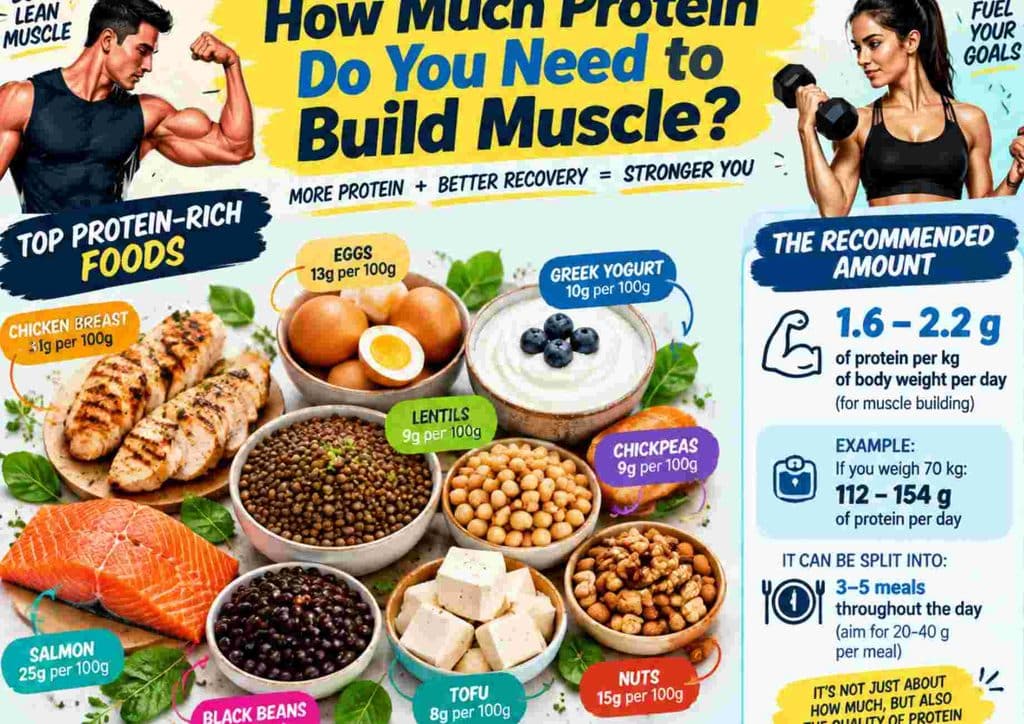
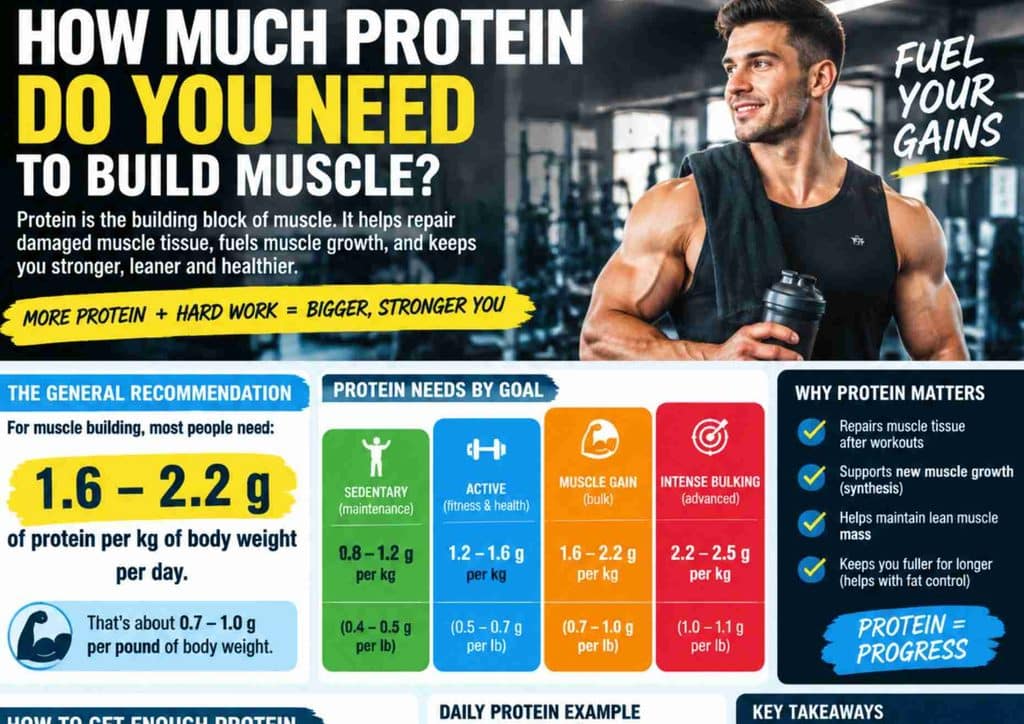
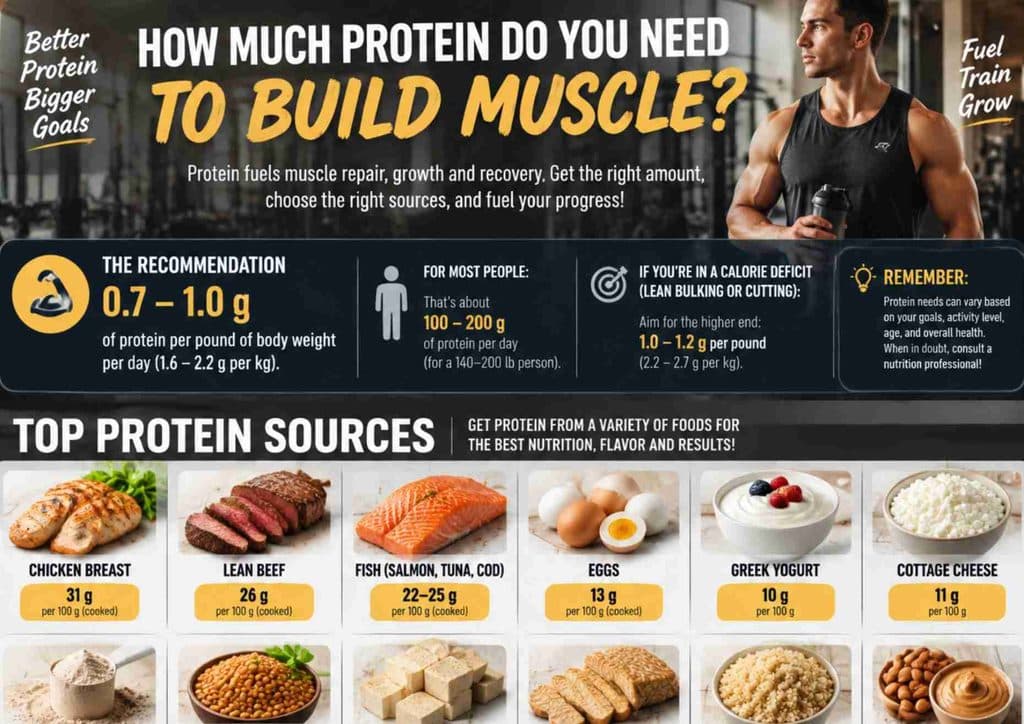
If you are wondering how much protein to build muscle, a general starting point for most people who strength train regularly is around 1.6 to 2.2 grams of protein per kilogram of body weight each day. Your individual requirements will depend on your body size, training intensity, age, overall diet and goals. Getting enough protein consistently, alongside an appropriate strength training programme, is far more important than simply eating as much protein as possible.
The short version
- Aim for approximately 1.6 to 2.2 grams of protein per kilogram of body weight daily to provide your muscles with the amino acids needed for repair, recovery and growth. Your individual requirements will depend on your body weight, training demands, age and overall nutritional intake.
- Spread your protein intake across three to five meals and snacks throughout the day rather than consuming most of it at dinner. Including a meaningful protein source at breakfast, lunch and dinner helps consistently support muscle protein synthesis.
- Prioritise high quality protein rich whole foods such as eggs, chicken, fish, Greek yoghurt, lean meat, tofu and legumes. Protein powder can help fill nutritional gaps when needed, but it is a convenience rather than a requirement for building muscle.
Protein distribution
Protein distribution refers to how you spread your daily protein intake across meals and snacks. Rather than consuming most of your protein at dinner, aim to include a meaningful source of protein at breakfast, lunch and dinner to support muscle repair and growth throughout the day.

| Focus Strategy | Action Plan | Impact on Results |
|---|---|---|
| Daily Intake Targets | Aim for 1.6 to 2.2 grams of protein per kilogram of body weight (approx. 0.8 to 1.0g per pound) to optimise muscle protein synthesis. | Provides the essential amino acids required to repair micro-tears caused by resistance training and build new muscle tissue. |
| Distribution Timing | Spread your protein intake evenly across 3 to 5 meals throughout the day, consuming roughly 20–40g per sitting. | Maximises muscle protein synthesis rates over a 24-hour cycle rather than overloading a single meal. |
| Quality & Sources | Prioritise complete proteins containing all essential amino acids, sourced from lean meats, poultry, fish, dairy, eggs, and quality plant alternatives. | Ensures your body has all the building blocks necessary for efficient tissue growth and cellular recovery. |
| Deficit Adjustments | Increase protein intake slightly toward the higher end of the range when cutting calories or dropping body fat. | Protects existing lean muscle mass from being broken down for energy during calorie restriction. |

“Building muscle isn’t about consuming endless amounts of protein. It’s about consistently fuelling your body, challenging your muscles and giving yourself the nutrition they need to grow stronger”.
Jake Biggs, Nutrition Longevity

| Topic Area | Common Myth | Evidence-Based Fact | Practical Takeaway |
|---|---|---|---|
| Total Daily Intake | You need massive amounts of protein (over 2.5g per pound) or protein timing must happen within 30 minutes of lifting to see any muscle growth. | Optimal muscle protein synthesis is achieved around 1.6 to 2.2 grams per kilogram of body weight (0.8 to 1.0g per pound), and total daily intake matters far more than an immediate post-workout window. | Consistently hit your daily protein target rather than stressing over exact post-workout timing brackets. |
| Upper Limits & Utilisation | Your body can only absorb 30 grams of protein per meal, and any excess is completely wasted or turned into fat. | The body absorbs nearly all the protein you consume, but muscle protein synthesis rates peak per meal; excess amino acids are simply oxidised for energy or used for other metabolic functions. | Spread your intake evenly across 3 to 5 meals (roughly 20 to 40g per meal) to maximise stimulation over 24 hours. |
| Plant vs. Animal Sources | Plant-based proteins are fundamentally incomplete and useless for serious muscle building and strength gains. | While individual plant foods may lack certain essential amino acids, combining diverse sources throughout the day provides all necessary building blocks just as effectively as animal proteins. | Mix legumes, grains, soy, and plant protein supplements if following a vegetarian or vegan lifestyle to ensure complete amino acid coverage. |
| Protein During a Caloric Deficit | Lowering protein when cutting calories helps speed up overall weight loss and keeps your diet balanced. | When energy intake is restricted, higher protein intake is even more crucial to prevent lean tissue breakdown and preserve metabolic rate. | Bump protein intake toward the higher end of your range (or slightly above) when running a caloric deficit. |
| Kidney Health Risks | High-protein diets inevitably damage healthy kidneys and cause severe organ failure over time. | Extensive clinical research demonstrates that high protein intakes are safe for individuals with healthy, normal kidney function. | Feel confident consuming sufficient protein for muscle growth unless you have pre-existing renal disease advised by a physician. |
| Source Quality & Leucine | All protein sources contribute equally to muscle building regardless of their amino acid profile. | Leucine acts as the primary trigger for muscle protein synthesis; proteins with high leucine content (like whey, dairy, and lean meats) trigger this pathway more efficiently. | Prioritise complete, high-leucine protein sources for at least a couple of your daily meals. |

How much protein do you really need to build muscle calculator
Discover evidence-based protein targets required to maximise muscle growth and recovery. Complete your profile below to receive tailored nutritional guidance.
Your Protein Intake Diagnostic Summary
Your profile indicates that requires careful optimisation for successful muscle tissue growth and recovery.
Your tailored protein intake recommendations
Need a structured, professional clinical nutrition programme?
I will review your personal nutritional goals and formulate an evidence-based strategy designed to support metabolic health and athletic performance safely.
Book a consultationThis interactive tool provides educational guidance to support healthy nutrition habits and is not a substitute for professional clinical advice.
“I built this interactive calculator to cut through the myths and misinformation surrounding protein requirements for muscle building. By assessing factors such as training experience, nutrition, protein intake and recovery, it identifies your biggest obstacle and provides personalised, evidence-based strategies to help you optimise your protein intake and build muscle more effectively”.
Jake Biggs, Nutrition Longevity

How much protein do you need to build muscle?
Most people who regularly participate in strength training can start with approximately 1.6 to 2.2 grams of protein per kilogram of body weight each day.
Protein provides the amino acids your body needs to repair and build muscle tissue following exercise. When you lift weights or perform resistance training, you create a stimulus for your muscles to adapt. Adequate protein intake helps provide the building blocks needed for this process.
However, your protein requirements are not identical to everyone else’s. Someone who is relatively new to strength training may have different nutritional requirements from an experienced bodybuilder who trains frequently and follows a structured programme.

| Training Profile | Protein Requirement | Nutritional Mechanism | Expected Adaptation |
|---|---|---|---|
| Beginners & New Lifters | 1.6 to 2.2 grams per kilogram of body weight daily | High muscular sensitivity to resistance stimulus increases demand for tissue repair and amino acid utilisation. | Accelerated muscle protein synthesis, rapid recovery, and steady lean tissue expansion. |
| Returning After a Break | Consistent 1.8 to 2.2g per kilogram spread across multiple meals | Muscle memory reactivates neuromuscular pathways, requiring steady amino acid availability to rebuild lost size. | Swift restoration of previous muscle mass alongside efficient cellular repair. |
| Cutting or Caloric Deficit | Shift toward the upper end (up to 2.4g per kilogram) | Restricted energy intake forces the body to protect existing structures by relying on dietary protein for fuel and preservation. | Protection of lean mass against breakdown while stripping away stored body fat. |
| Advanced & Experienced Lifters | Precise tailoring between 1.8 and 2.2g per kilogram | Reduced baseline adaptability means precise amino acid timing and high-leucine sources are essential to trigger growth. | Incremental strength gains, fine-tuned muscle hardening, and long-term physique refinement. |

How do you calculate your daily protein requirements?
A simple way to estimate your daily protein needs is to multiply your body weight in kilograms by your chosen protein target.
For example, someone weighing 70 kg could use the following calculation:
70 kg × 1.6 g = 112 g of protein per day.
70 kg × 2.0 g = 140 g of protein per day.
70 kg × 2.2 g = 154 g of protein per day.
This gives you a practical starting range of approximately 112 to 154 grams of protein daily.
You do not need to hit an exact number every single day. Consistency across the week, combined with adequate energy intake and progressive strength training, is what matters.

| Calculation Metric | Formula Breakdown | Daily Protein Output | Practical Application |
|---|---|---|---|
| Baseline Multiplier | Multiply body mass in kilograms by a conservative factor of 1.6g | 70 kg × 1.6 g = 112 grams daily | Ideal baseline entry point for individuals starting a structured training programme. |
| Moderate Multiplier | Multiply body mass in kilograms by a balanced factor of 2.0g | 70 kg × 2.0 g = 140 grams daily | Reliable mid-range target for consistent muscle protein synthesis and tissue recovery. |
| Upper Multiplier | Multiply body mass in kilograms by an advanced factor of 2.2g | 70 kg × 2.2 g = 154 grams daily | Optimal upper bracket for intense resistance training or aggressive caloric restriction. |
| Consistency Principle | Focus on weekly dietary trends rather than rigid daily tracking | Approximate daily bracket of 112 to 154 grams | Ensures long-term adherence alongside progressive strength gains and adequate energy intake. |

Does your age and training experience matter?
Yes, your age, training experience and exercise routine can influence how much protein you need.
Older adults may benefit from paying particular attention to their protein intake because the body can become less responsive to the muscle building stimulus provided by protein and resistance training as we age.
People who participate in demanding resistance training programmes may also need to pay closer attention to their overall protein and energy intake to support recovery and adaptation.
If you are unsure where to start, working with a muscle gain nutritionist can help you establish an appropriate daily protein target based on your body weight, training routine and nutritional requirements.
| Variable Factor | Physiological Influence | Nutritional Adjustment | Strategic Outcome |
|---|---|---|---|
| Advancing Age | Ageing tissue can exhibit anabolic resistance, becoming less responsive to standard muscle-building stimuli. | Increase per-meal protein doses and focus on high-leucine sources to overcome blunted synthesis rates. | Preserves lean muscle mass, supports functional strength, and enhances metabolic health over time. |
| Training Demands | Rigorous, high-volume resistance routines create greater systemic fatigue and deep cellular micro-tears. | Align total daily protein and energy intake closely with your workout frequency and recovery requirements. | Accelerates tissue repair, reduces injury risk, and supports continuous progressive overload. |
| Individual Variance | Unique personal factors, body composition, and lifestyle goals alter baseline nutritional demands. | Collaborate with a specialist muscle gain nutritionist to tailor targets to your exact specifications. | Establishes a precise, sustainable framework for long-term physique development and vitality. |

Why spreading it across the day matters
Spreading your protein intake across breakfast, lunch, dinner and snacks helps provide your body with regular opportunities to support muscle protein synthesis, while choosing appropriate pre workout snacks can further support training performance.
Muscle protein synthesis is the process through which your body produces new muscle proteins. It plays an important role in repairing and building muscle tissue following resistance training.
Rather than eating a very small amount of protein throughout the day and consuming most of it in one large evening meal, aim to distribute your intake more evenly.
| When You Eat | What Happens in Your Body | Why It Helps Muscles | The Main Benefit |
|---|---|---|---|
| Balanced Meals All Day | Eating protein steadily across breakfast, lunch, dinner and snacks | Gives your muscles a steady supply of building blocks throughout the day. | Keeps your body repairing and growing muscle continuously rather than all at once. |
| Muscle Repair Time | Turning on the body’s natural muscle-building switch | Fixes tiny tears caused by weightlifting and makes your muscles stronger. | Helps you gain size and strength faster from your workouts. |
| Avoiding Massive Evening Meals | Eating very little protein during the day and cramming it all into dinner | Overloads your system at night while leaving your muscles short on fuel during the day. | Spreading it out feels easier on your stomach and keeps your energy levels steady. |

How much protein should you eat per meal?
A practical starting point for many people is approximately 25 to 40 grams of protein at each main meal, depending on body size and daily requirements.
For someone aiming for 140 grams of protein daily, their intake could look like this:
Breakfast: 35 grams.
Morning snack: 15 grams.
Lunch: 40 grams.
Afternoon snack: 15 grams.
Dinner: 35 grams.
Total: 140 grams.
This approach makes it easier to reach your daily target without relying on one particularly large meal.
It also helps address a common problem I see in people trying to build muscle: eating very little protein at breakfast and lunch, then attempting to make up the difference at dinner.
| Meal or Snack Time | Suggested Protein Amount | Why This Size Works | Main Advantage |
|---|---|---|---|
| Breakfast | Around 35 grams of protein | Starts your day strong by turning on muscle repair early. | Stops you playing catch-up later in the day. |
| Morning & Afternoon Snacks | Around 15 grams per snack | Bridges the gap between meals to keep a steady flow of nutrients. | Keeps your energy steady and curbs unnecessary cravings. |
| Lunch & Dinner | Around 35 to 40 grams per meal | Hits the ideal per-meal target for maximum muscle building. | Reaches your daily total easily without feeling overly stuffed at night. |

Does breakfast really matter for muscle growth?
Yes, breakfast is an important opportunity to include protein, particularly if your previous evening meal was several hours earlier, which is one reason many people ask whether breakfast is the most important meal of the day.
Many traditional breakfast options, such as toast with jam, cereal or fruit alone, contain relatively little protein.
You can improve the nutritional balance of breakfast by adding eggs, Greek yoghurt, cottage cheese or a high protein banana smoothie.
The goal is not to eat an enormous breakfast, whether that meal includes eggs, yoghurt or protein pancakes. It is to include a meaningful protein source alongside foods that provide fibre, carbohydrates and other essential nutrients.

| Morning Routine | Nutritional Reality | Practical Upgrades | Key Benefit |
|---|---|---|---|
| First Meal Importance | Provides a crucial opportunity to feed muscles after an overnight fasting period. | Incorporate protein sources like eggs, Greek yoghurt, or cottage cheese into your morning routine. | Re-establishes positive net protein balance early in the day. |
| Traditional Pitfalls | Standard choices such as toast, cereal, or fruit alone lack sufficient protein content. | Pair carbohydrate sources with quality proteins and healthy fats for sustained energy. | Prevents sluggishness and stops you playing catch-up later. |
| Balanced Approach | Focuses on moderate portion sizes rather than an excessively large meal. | Blend a quality protein powder into smoothies or prepare quick protein-dense options. | Delivers steady nutrients and fibre without digestive discomfort. |

Protein from food first
You can meet your daily protein requirements through ordinary foods without needing to rely on supplements.
Whole foods provide protein alongside other nutrients, including iron, zinc, calcium, B vitamins and essential fatty acids, depending on the food you choose.
I generally recommend building your nutrition around a variety of minimally processed foods rather than depending on protein bars, shakes and highly processed snacks to meet your requirements.

| Nutritional Priority | Whole Food Benefits | Avoiding Supplement Traps | Core Advantage |
|---|---|---|---|
| Whole Food Foundation | Meeting protein targets easily through ordinary, minimally processed meals. | Delivers vital micronutrients like iron, zinc, B vitamins, and essential fats alongside amino acids. | Supports overall metabolic health and optimal physiological function. |
| Minimising Ultra-Processed Items | Building your diet around natural ingredients rather than bars and shakes. | Reduces reliance on heavily engineered snacks that often lack broader nutritional depth. | Improves satiety, digestion, and long-term dietary sustainability. |
| Strategic Supplement Use | Treating powders and bars as occasional conveniences rather than core staples. | Reserves supplements solely for busy days when whole food preparation is impractical. | Keeps your nutrition grounded in high-quality, nutrient-dense real food. |

What are the best high protein foods for building muscle?
There are plenty of practical high protein foods that can be included in everyday meals.
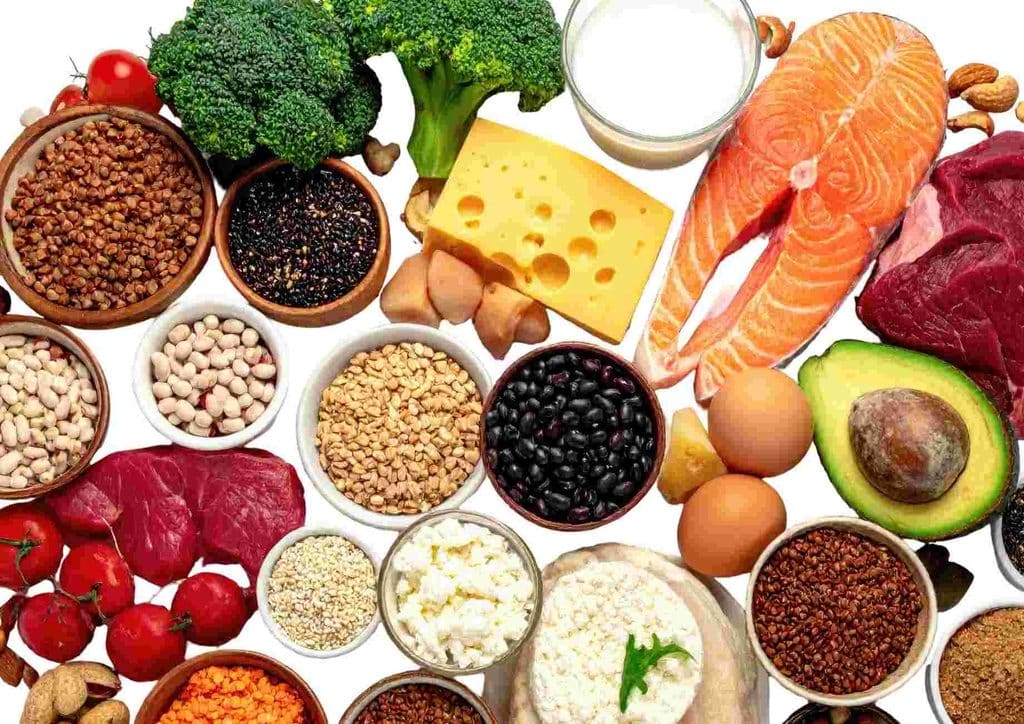
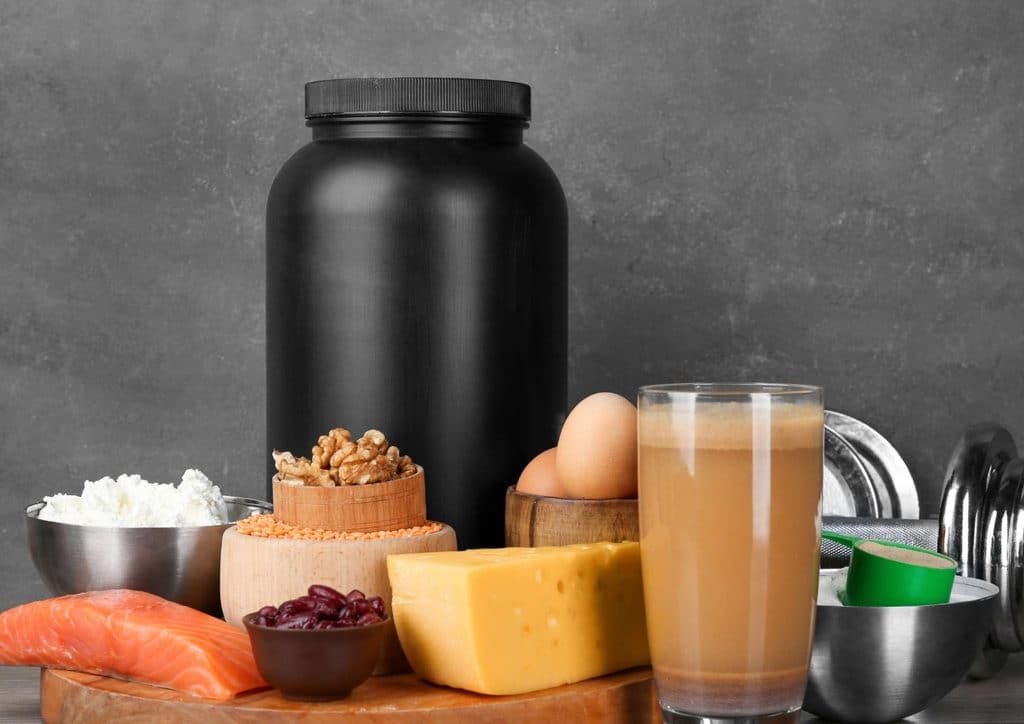
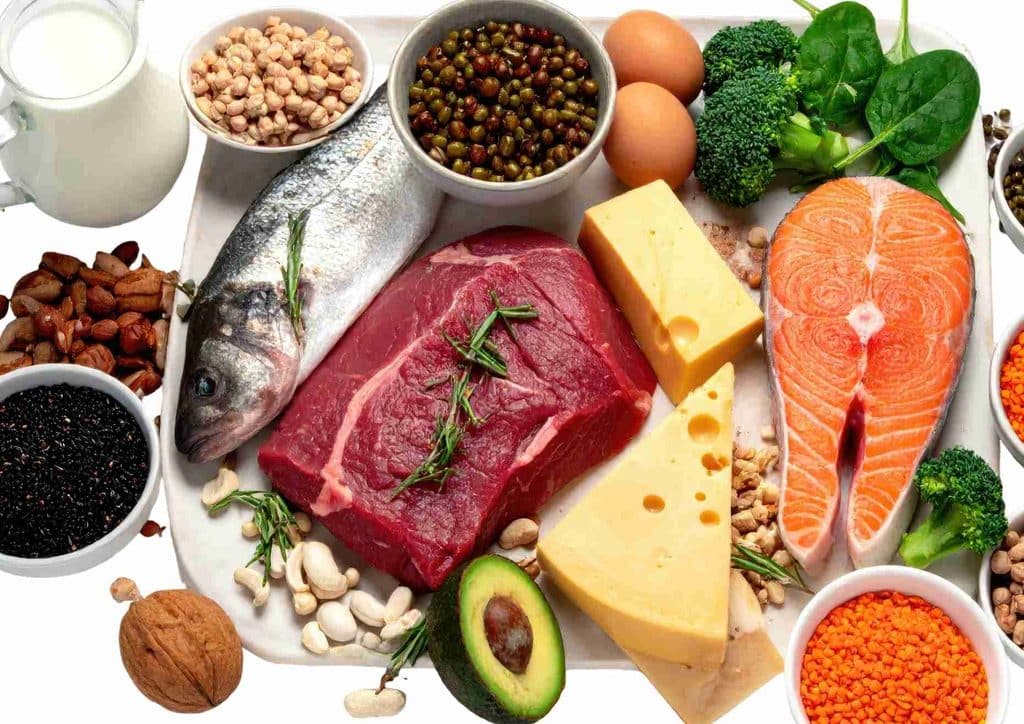
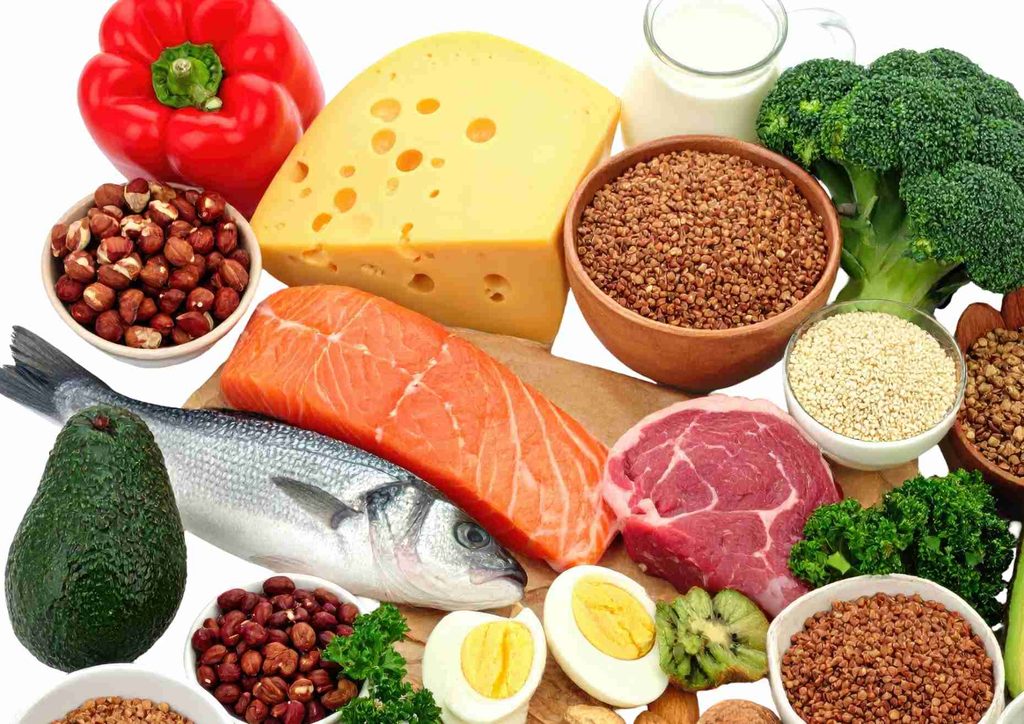
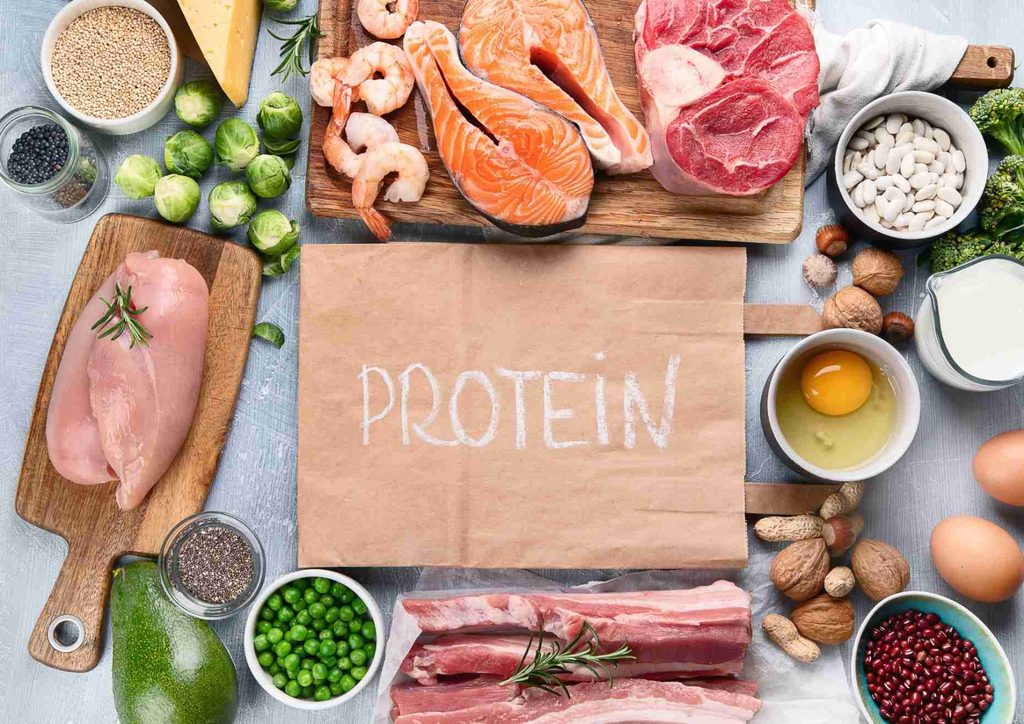
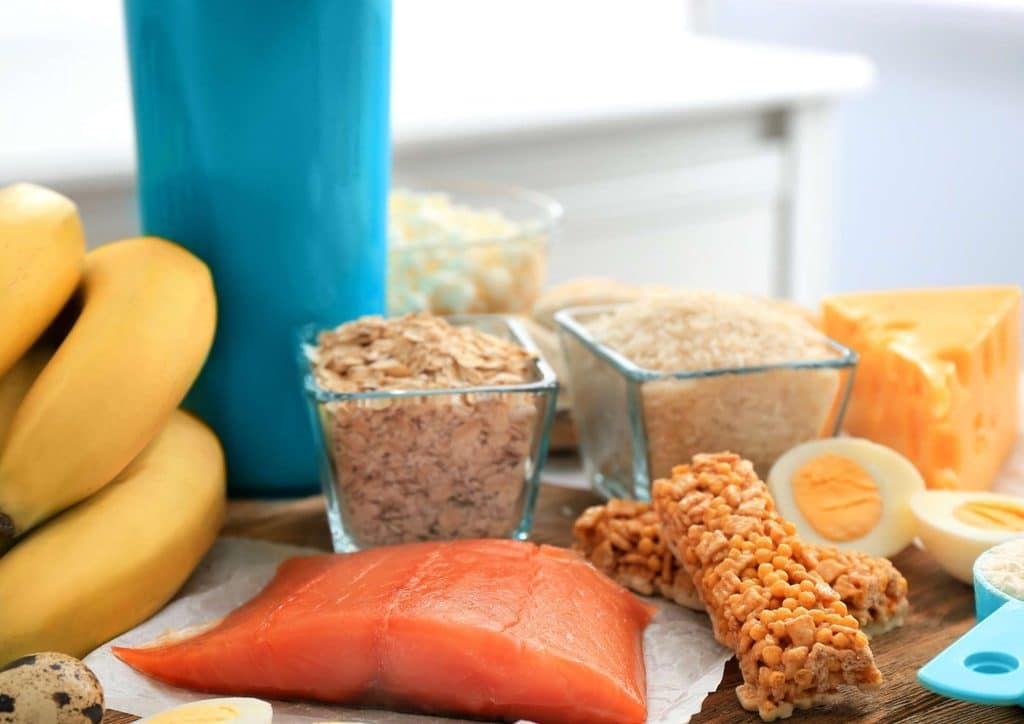
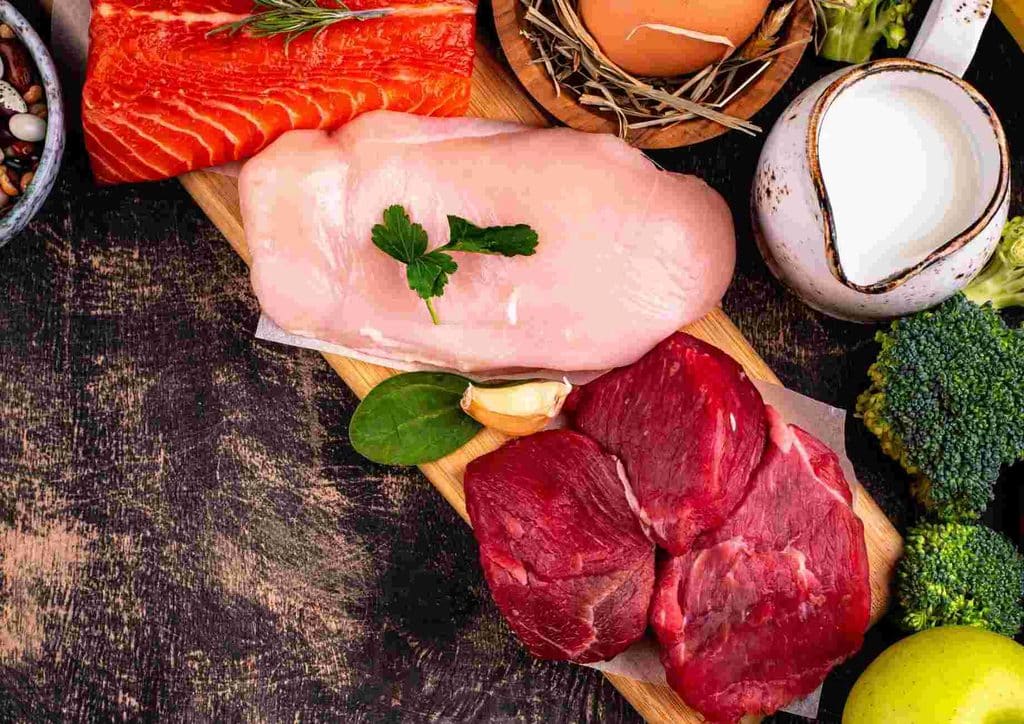
Animal based protein sources include chicken, lean beef, fish, salmon, eggs, Greek yoghurt, cottage cheese and milk.
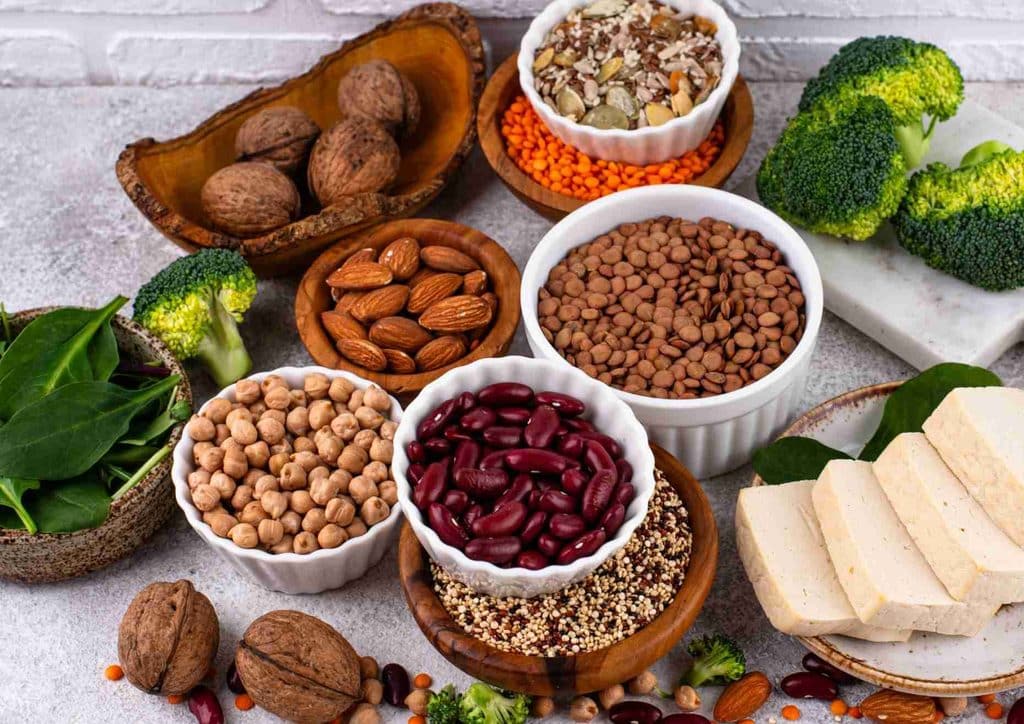
Plant based options include tofu, tempeh, lentils, chickpeas, kidney beans, edamame, soy milk, nuts and seeds, many of which feature in a vegetarian diet for weight loss.
You can also combine different plant protein sources throughout the day to support an adequate intake of essential amino acids.
For example, combining legumes, soy products, wholegrains, nuts and seeds can help provide a varied amino acid profile.
| Protein Category | Primary Food Options | Nutritional Profile | Muscle Building Advantage |
|---|---|---|---|
| Animal-Based Sources | Chicken, lean beef, fish, salmon, eggs, Greek yoghurt, cottage cheese, and milk | Deliver complete amino acid profiles packed with high leucine content alongside essential micronutrients. | Triggers maximum muscle protein synthesis and accelerates post-workout recovery. |
| Plant-Based Options | Tofu, tempeh, lentils, chickpeas, kidney beans, edamame, soy milk, nuts, and seeds | Provide quality plant proteins rich in dietary fibre, complex carbohydrates, and minerals. | Supports cardiovascular health and digestive function while fuelling training sessions. |
| Amino Acid Combining | Mixing legumes, soy products, wholegrains, nuts, and seeds throughout the day | Ensures a diverse and comprehensive intake of all essential amino acids from vegetarian sources. | Allows plant-based individuals to match animal protein effectiveness for muscle growth. |

How can you include more protein in everyday meals?
The easiest approach is to build each main meal around a protein source.
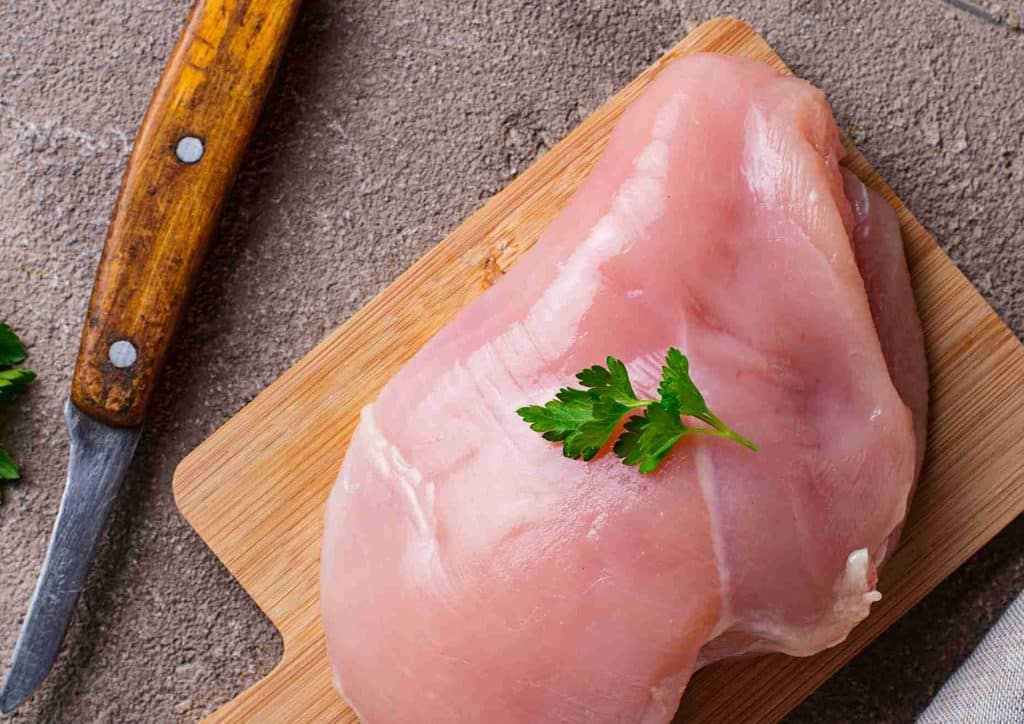
For breakfast, you could have two eggs on wholegrain toast with spinach, or Greek yoghurt with berries and oats.
For lunch, consider grilled chicken with brown rice and vegetables, a tuna salad with wholegrain bread, or a tofu and vegetable rice bowl similar to these healthy lunches for weight loss.
For dinner, options include salmon with roasted vegetables, lean beef with sweet potato, or a lentil and tofu curry inspired by these healthy dinners for weight loss.
For snacks, consider cottage cheese, Greek yoghurt, boiled eggs, edamame or a protein smoothie, alongside other healthy snacks for weight loss that keep you full.
These are straightforward ways to increase your intake without completely changing the way you eat.

| Meal or Snack Occasion | Practical Food Ideas | Nutritional Balance | Practical Benefit |
|---|---|---|---|
| Breakfast Options | Two eggs on wholegrain toast with spinach, or Greek yoghurt with berries and oats | Combines quality protein with fibre and slow-releasing carbohydrates. | Starts your day with sustained energy and active muscle repair. |
| Lunch Choices | Grilled chicken with brown rice, tuna salad with wholegrain bread, or a tofu and vegetable rice bowl | Delivers a solid dose of lean protein paired with micronutrient-rich vegetables. | Keeps afternoon focus sharp and supports steady recovery. |
| Dinner Selections | Salmon with roasted vegetables, lean beef with sweet potato, or a lentil and tofu curry | Provides complete amino acids, healthy fats, and restorative nutrients. | Replenishes muscle glycogen and promotes overnight tissue synthesis. |
| Snack Alternatives | Cottage cheese, Greek yoghurt, boiled eggs, edamame, or a protein smoothie | Bridges nutritional gaps between main meals without requiring heavy preparation. | Maintains an even flow of amino acids throughout your daily routine. |

Does the quality of protein matter?
Yes, the amino acid composition and digestibility of protein sources can influence how effectively your body uses them.
Protein foods containing all nine essential amino acids are referred to as complete proteins. Examples include eggs, dairy, fish, chicken, meat and soy.
Other plant foods, such as lentils, beans and grains, can also contribute significantly to your daily protein intake.
You do not need to eat every essential amino acid in a single meal. Eating a varied diet throughout the day is a practical way to obtain the amino acids your body needs.

| Quality Concept | Food Classification | Biological Mechanism | Practical Takeaway |
|---|---|---|---|
| Complete Proteins | Eggs, dairy, fish, chicken, meat, and soy products | Contain all nine essential amino acids required for optimal tissue repair and growth. | Provides an efficient, direct pathway to stimulate muscle protein synthesis. |
| Plant-Based Contributors | Lentils, beans, whole grains, nuts, and seeds | Offer valuable protein alongside dietary fibre and essential micronutrients. | Contributes heavily to daily intake when eaten as part of a balanced diet. |
| Daily Amino Acid Pooling | Varying food choices across breakfast, lunch, and dinner | The body pools amino acids over 24 hours, meaning every meal does not need to be identical. | Simplifies meal planning without compromising muscle building potential. |

Do you need protein powder?
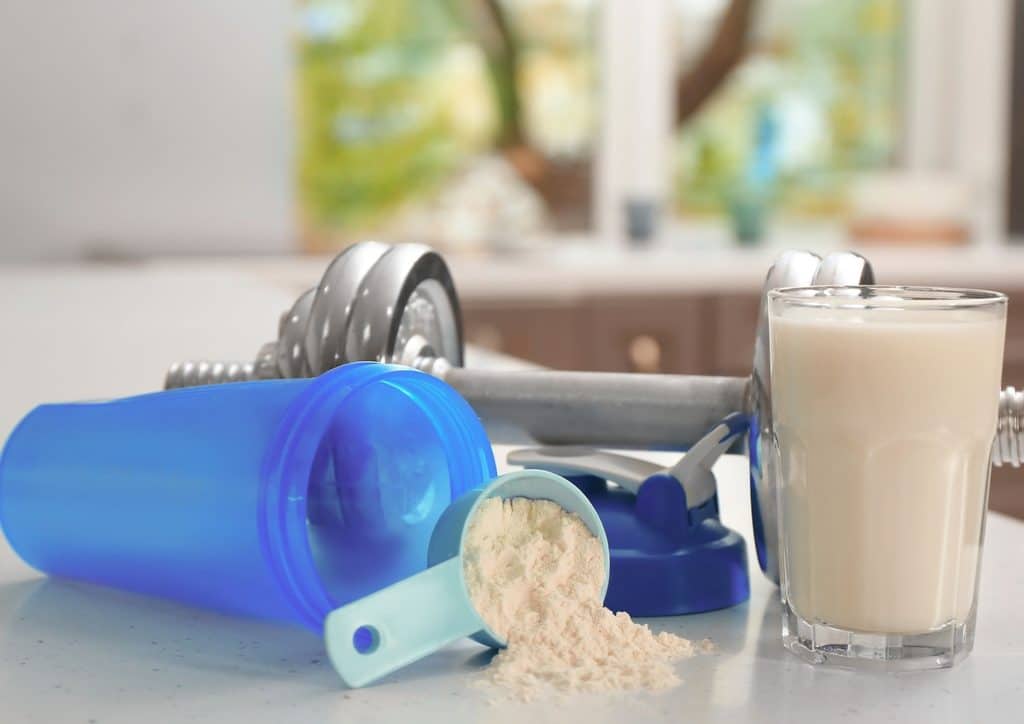
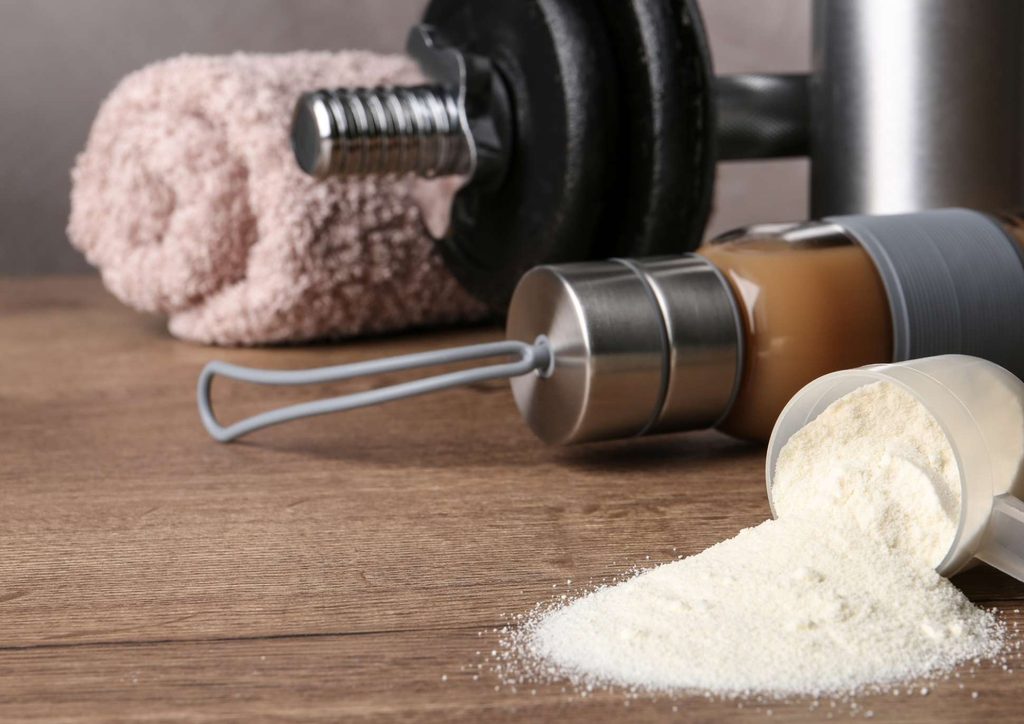
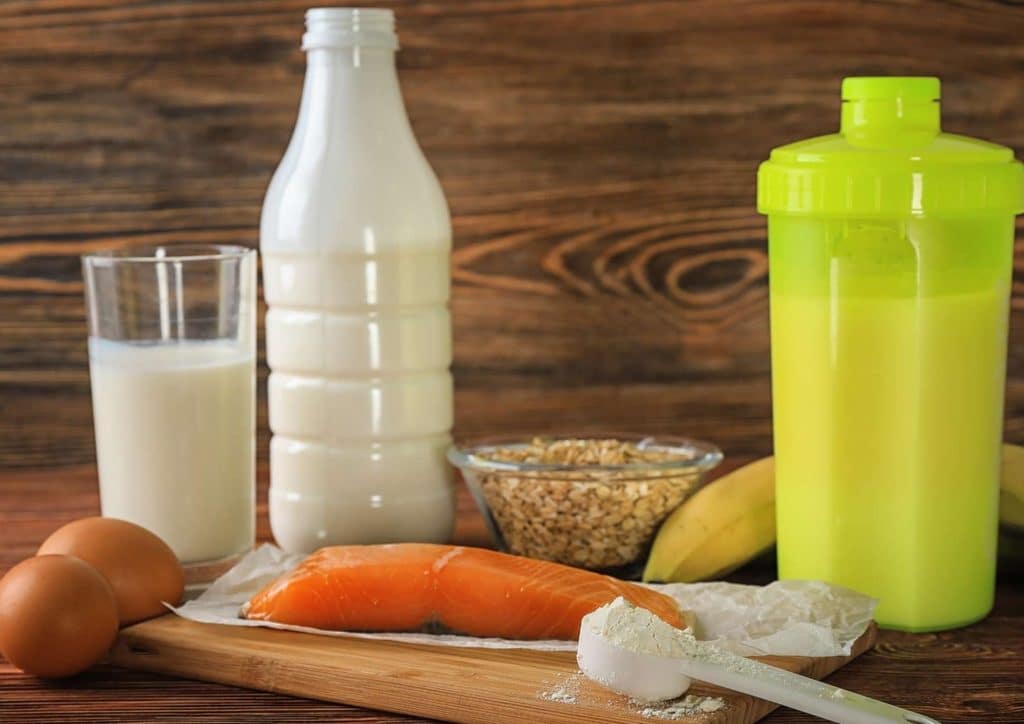
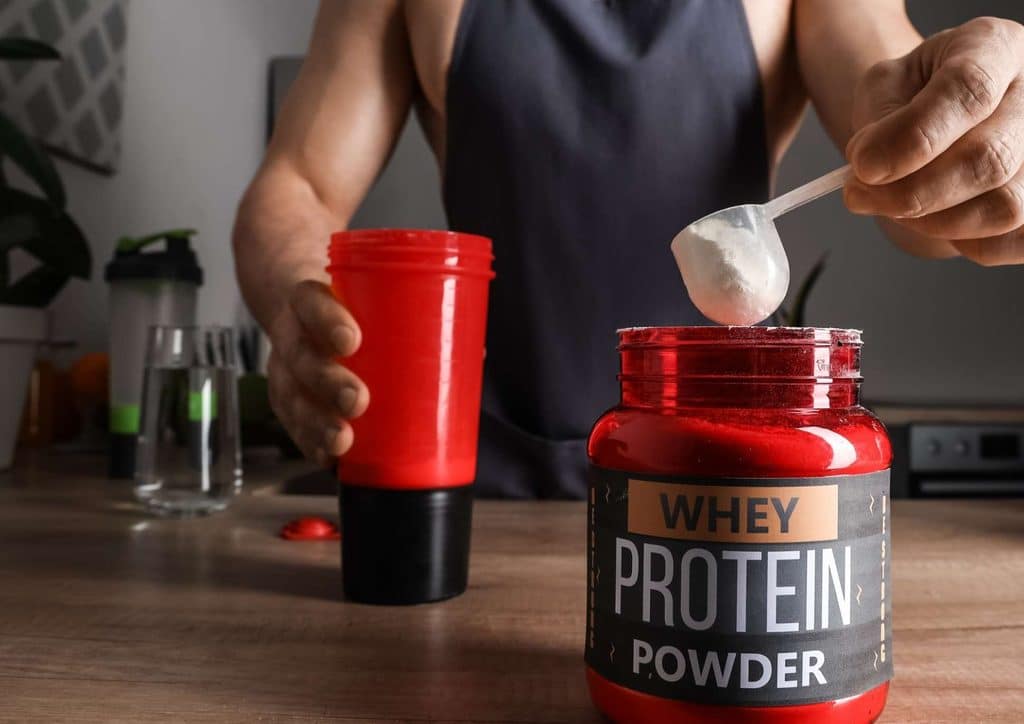
No, protein powder is not essential for building muscle, but it can be a convenient way to increase your daily protein intake when obtaining enough protein from meals is difficult, although many people still wonder is whey protein good for weight loss.
I generally recommend prioritising whole food protein sources first. However, there are situations where a protein supplement can make everyday nutrition easier.
For example, someone with a busy work schedule might struggle to prepare a protein rich breakfast or afternoon snack. A protein smoothie can provide a convenient alternative.
| Supplement Consideration | Practical Assessment | Strategic Application | Key Takeaway |
|---|---|---|---|
| Non-Essential Status | Protein powders are entirely optional and not required to build muscle successfully. | Whole foods should always form the cornerstone of your daily nutritional intake. | Prevents reliance on processed supplements for foundational health. |
| Convenience Factor | Offers a quick, portable solution when preparing whole meals is impractical. | Blending a shake can bridge nutritional gaps during hectic work or travel schedules. | Helps you hit daily targets without missing meals or stressing over timing. |
| Balanced Integration | Treating supplements as a flexible tool rather than a magic fix. | Use protein shakes to complement your diet rather than replace nutrient-dense meals. | Maintains dietary diversity while keeping your protein targets achievable. |
When is protein powder useful?
Protein powder can be particularly useful when:
You struggle to reach your daily protein requirements through food alone.
You need a convenient snack between work and training.
You have limited time to prepare meals.
You need a portable protein option after exercising.
You have a higher protein requirement due to your training routine.
Whey protein is one commonly used option because it provides a concentrated source of dairy protein and contains all nine essential amino acids.
Other options include soy, pea and blended plant based protein powders.

| Practical Scenario | Supplement Benefit | Common Powder Types | Strategic Advantage |
|---|---|---|---|
| Bridging Dietary Gaps | Helps you easily hit high daily protein targets when whole food volume becomes too difficult to consume. | Whey protein isolate or concentrate for fast digestion and complete amino acid profiles. | Prevents missed targets without forcing you to overeat bulky meals. |
| Busy Schedules & Travel | Provides a portable, rapid option between work commitments, travel, and training sessions. | Plant-based blends (pea, soy, and rice) or convenient shaker bottles. | Maintains nutritional consistency when kitchen access is limited. |
| Post-Workout Recovery | Offers quick-absorbing nourishment when preparing a solid meal immediately after exercise is impractical. | Fast-acting dairy or plant proteins mixed easily with water or milk. | Rapidly delivers essential amino acids to jump-start muscle repair. |
How much protein powder should you take?
The amount you need depends on how much protein you already obtain from food.
For example, if your daily target is 140 grams and your meals provide approximately 120 grams, a protein shake containing around 20 grams of protein could help close that gap.
You do not automatically need multiple protein shakes every day.
I would rather see someone establish consistent, balanced meals and use a supplement when it genuinely makes their nutrition easier.

| Serving Consideration | Practical Calculation | Supplement Dosage | Core Philosophy |
|---|---|---|---|
| Dietary Gap Assessment | Determined by calculating the difference between your total daily target and your whole food intake. | Using a single shake (e.g., 20 grams) to gracefully bridge minor shortfalls. | Ensures supplements serve a specific purpose rather than acting as guesswork. |
| Avoiding Over-Reliance | Recognising that consuming multiple shakes daily is rarely necessary or optimal. | Limiting powder usage to one serving when food logistics are challenging. | Keeps your nutritional foundation rooted in real, nutrient-dense foods. |
| Consistency Priority | Prioritising steady, sustainable meal planning over supplement dependence. | Treating powders as an occasional convenience to make healthy eating easier. | Builds long-term dietary habits that support enduring muscle growth. |
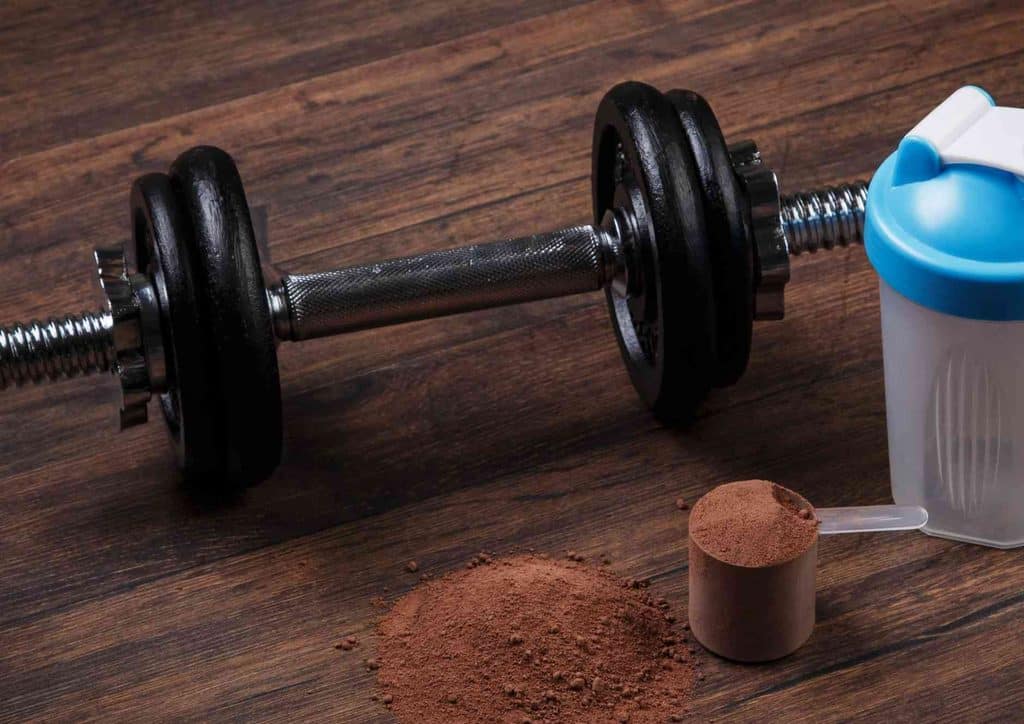
When more protein stops helping
Consuming more protein than your body needs does not automatically result in greater muscle growth.
Once you are consistently meeting your protein requirements, other factors become increasingly important, including your total energy intake, carbohydrate intake, training programme, sleep and recovery.
This is where people can sometimes become overly focused on protein while overlooking other important aspects of their nutrition.

| The Mistake | What Happens Instead | What Actually Matters | The Smart Approach |
|---|---|---|---|
| Chasing Endless Protein | Eating far more than your body can use does not build an ounce of extra muscle. | Your body simply burns the excess for energy or discards it; it is a waste of food and money. | Stick to the proven sweet spot (1.6 to 2.2g per kilo) and stop there. |
| Obsessing Over Protein Alone | Fixating on protein while ignoring food quantity, carbs, and rest stalls your progress completely. | Muscles need adequate calories, stored carbohydrates for fuel, and deep sleep to repair. | Build a complete, balanced nutrition and training routine rather than a one-trick diet. |
| Neglecting Recovery | Expecting protein to make up for poor sleep, bad programming, and chronic fatigue. | True muscle growth happens when hard training is matched with proper rest and recovery. | Balance your protein targets with proper sleep management and structured workouts. |

Does eating more protein build muscle faster?
Not necessarily. Increasing protein beyond an appropriate daily intake does not guarantee additional muscle growth.
Your body needs more than protein to support resistance training. Carbohydrates provide an important energy source for demanding exercise, while dietary fats support normal physiological functions and the absorption of fat soluble vitamins.
You also need sufficient overall energy intake to support training adaptation and recovery.
If you consistently under eat, have insufficient carbohydrates or fail to progressively challenge your muscles through resistance training, simply increasing your protein intake is unlikely to address the underlying issue and may stall progress similar to those who are not losing weight despite their efforts.

| The Myth | The Reality | What Your Body Actually Needs | The Real Solution |
|---|---|---|---|
| More Protein Equals Faster Gains | Piling on extra protein past your optimal target does not speed up muscle building. | Carbohydrates for training energy and dietary fats for hormone production and nutrient absorption. | Fuel your workouts properly with a balanced intake of all three macronutrients. |
| Protein Fixes Everything | Expecting protein to compensate for poor overall nutrition or a lack of calories. | Sufficient overall energy intake is vital to fuel recovery and tissue adaptation. | Ensure you are eating enough total food to support your training demands. |
| Supplements Replace Effort | Ignoring resistance training progression while relying on high protein intakes. | Muscles only grow when progressively challenged with structured resistance training. | Focus on progressive overload and quality sleep alongside your nutrition. |
Do you need to eat more calories to build muscle?
Not everyone needs to dramatically increase their calorie intake to build muscle.
Your energy requirements depend on your current body composition, training experience, exercise routine and whether your goal is muscle gain, fat loss or body recomposition.
For some people, building muscle while gradually reducing body fat may be achievable with appropriate resistance training and nutrition, often referred to as body recomposition.
For others, a modest increase in energy intake may help support muscle development.
I will cover whether you need to eat in a calorie surplus to build muscle, including the role of bulking, in a separate article later this month.

| Calorie Myth | The Real Truth | What Drives Your Needs | The Smart Strategy |
|---|---|---|---|
| Massive Surpluses Required | You do not always need to bulk aggressively or pile on extra calories to see muscle growth. | Your current body composition, training background, and specific goals dictate your energy balance. | Match your intake to your actual training demands rather than following generic rules. |
| Recomposition Potential | Building muscle and losing fat at the same time is entirely possible for many individuals. | Proper resistance training paired with adequate protein can draw on stored body fat to fuel growth. | Focus on consistent lifting and nutrition rather than stressing over a strict surplus. |
| Personalised Approach | Some people thrive on a modest energy increase, while others maintain weight just fine. | Tailoring your calories ensures steady progress without unwanted fat gain. | Monitor your body’s response and adjust your food intake gradually over time. |
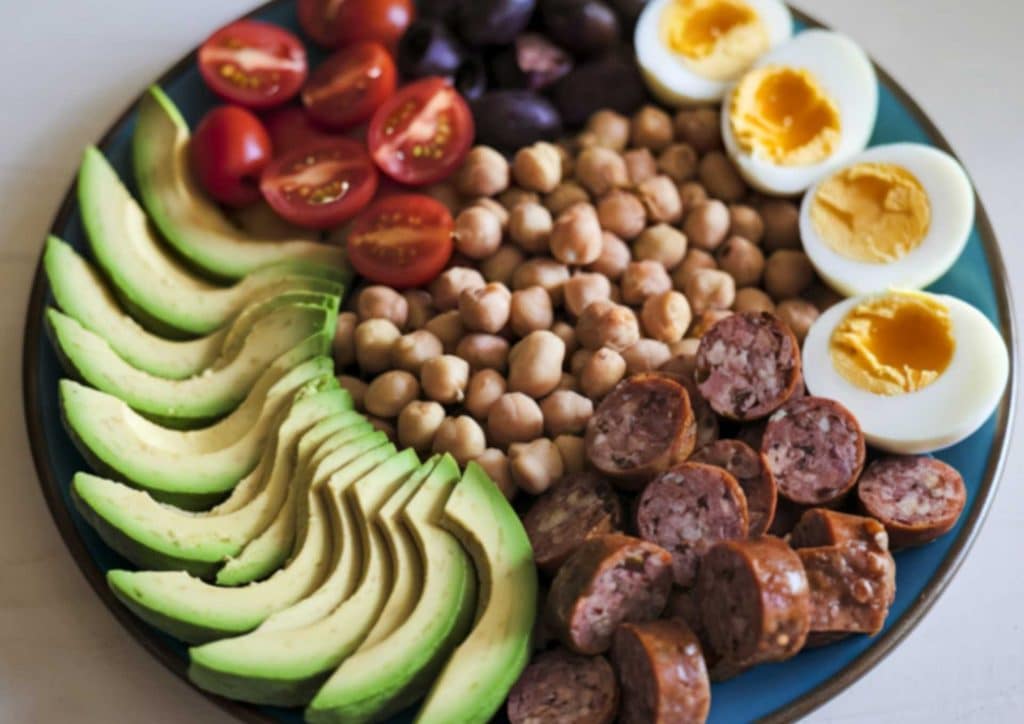
What happens if you eat too little protein?
Consistently eating too little protein can make it harder to support muscle repair, recovery and growth, particularly when training volume is high and concerns such as muscle cramps during exercise are also affecting performance.
It can also make it more difficult to maintain muscle mass, particularly when combined with inadequate energy intake or periods of reduced physical activity.
If you are regularly training but not paying attention to your overall nutrition, it is worth reviewing your daily meals before assuming your training programme is the problem.

| The Mistake | The Damage | Why It Fails | The Smart Fix |
|---|---|---|---|
| Starving Your Muscles | Your body cannot repair or grow muscle fibres after a hard workout. | Without enough protein building blocks, recovery grinds to a complete halt. | Hit your daily protein target consistently to give your body what it needs. |
| Wasting Hard-Earned Gains | Risking muscle loss, especially when dieting or cutting calories. | An empty tank forces your body to break down its own muscle tissue for fuel. | Keep protein intake high when losing fat to protect your muscle mass. |
| Blaming the Wrong Thing | Screwing up your workout routine when your nutrition is the real culprit. | Even the best training plan fails if you starve it of raw materials. | Fix your daily plate before you scrap a working exercise programme. |
High protein distribution for daily meal and snacks intake
| Meal | Example | Approximate protein |
|---|---|---|
| Breakfast | 2 eggs, 2 slices wholegrain toast and Greek yoghurt | 30 g |
| Morning snack | Cottage cheese | 15 g |
| Lunch | 120 g cooked chicken breast with brown rice and vegetables | 40 g |
| Afternoon snack | Protein smoothie | 20 g |
| Dinner | 120 g salmon with sweet potato and vegetables | 30 g |
Upgrade your breakfast
Add two eggs, Greek yoghurt, a scoop of protein powder or foods such as oats if you have read about whether oats are good for weight loss. This is a simple way to increase your morning protein intake without needing to prepare an entirely different meal.

| The Upgrade Move | Simple Additions | Why It Works | The Daily Payoff |
|---|---|---|---|
| Morning Protein Boost | Tossing in two eggs, a dollop of Greek yoghurt, or a scoop of protein powder. | Instantly elevates your first meal of the day without a complicated cooking overhaul. | Locks in early amino acid delivery to kick-start muscle protein synthesis right away. |
| Zero Friction Changes | Blending these extras into your usual breakfast routine instead of starting from scratch. | Removes the stress of meal prep by upgrading foods you already enjoy eating. | Makes hitting your daily protein target sustainable and completely effortless. |
Good to know
Protein and strength training work together, which is why many active individuals choose to work with a sports nutritionist. Protein supplies the amino acids needed for muscle development, while resistance training provides the stimulus for your muscles to adapt and grow.

| The Dynamic Duo | What It Provides | The Biological Role | The Growth Payoff |
|---|---|---|---|
| Strength Training | The mechanical tension and workout stimulus. | Signals your muscle fibres to adapt, repair, and grow stronger under load. | Provides the mandatory trigger for true muscular development. |
| Adequate Protein | The essential amino acid building blocks. | Supplies the raw materials required to rebuild broken down muscle tissue. | Turns your hard gym work into visible, lasting size and strength gains. |

Red flag: Existing medical conditions
Speak with your GP or an appropriately qualified sports nutritionist before substantially increasing your protein intake if you have kidney disease, a medical condition affecting your nutritional requirements or a prescribed dietary restriction. Your protein requirements may need to be individualised.
| Medical Consideration | When to Pause | Why Professional Advice Matters | The Safe Approach |
|---|---|---|---|
| Pre-Existing Health Issues | Conditions like kidney disease or any illness affecting your nutritional needs. | High protein intakes can place extra demands on organ systems that require clinical oversight. | Always consult your GP or a qualified sports nutritionist before ramping up protein. |
| Prescribed Restrictions | Following specialised medical diets or handling specific dietary limitations. | Generic muscle-building rules do not account for individual pathology or treatment plans. | Get your targets personalised to ensure your nutrition supports both health and fitness safely. |
“Building muscle is not about eating as much protein as possible. It is about consistently giving your body the nutrition, energy and training stimulus it needs to adapt and grow”.
Jake Biggs, Nutrition Longevity

| Core Principle | What It Really Means | Why It Drives Results | The Ultimate Payoff |
|---|---|---|---|
| Beyond Just Protein | Building muscle is never about mindlessly stuffing yourself with endless protein. | True growth requires a complete system of balanced nutrition, energy, and recovery. | Saves you from chasing useless extremes and keeps your diet sustainable. |
| The Growth Triad | Combining proper nutrition, steady energy, and a structured training stimulus. | Gives your body both the raw materials and the biological trigger required to adapt. | Transforms consistent daily habits into real, lasting muscle development. |

What to do this week
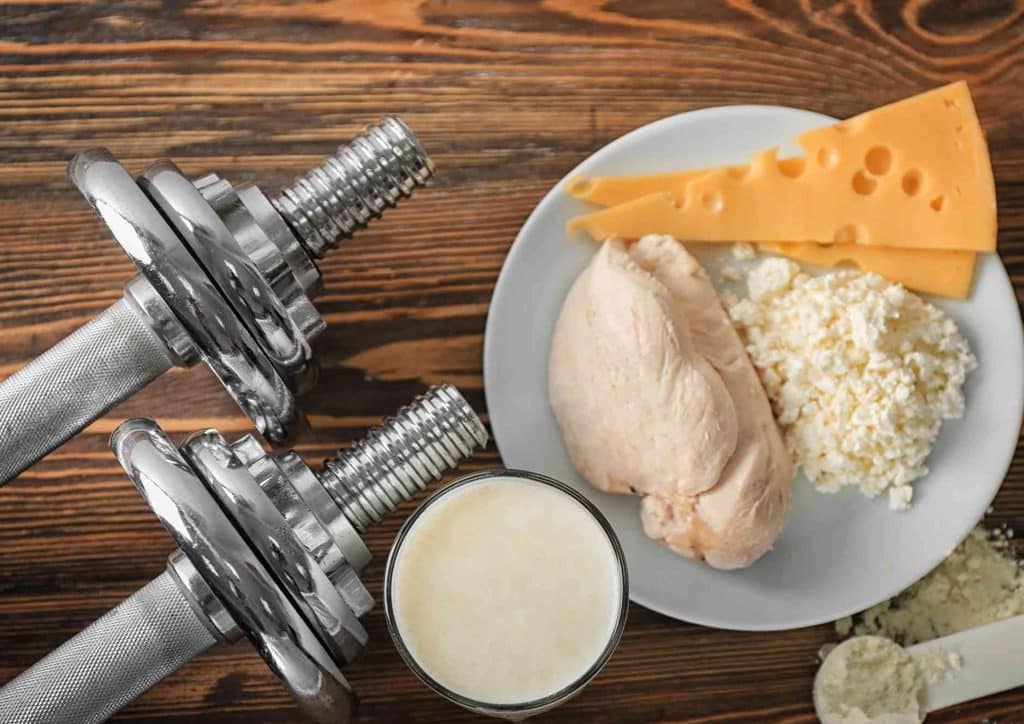
- Calculate your approximate daily protein requirements using your body weight.
- Include a meaningful protein source at breakfast, lunch and dinner.
- Review your snacks and replace low protein options with Greek yoghurt, cottage cheese, eggs or another protein rich food.
| Action Item | Practical Step | Why It Matters | Immediate Payoff |
|---|---|---|---|
| Calculate Your Target | Determine your approximate daily protein requirements using your body weight. | Establishes a clear, evidence-based baseline to guide your daily nutrition. | Removes guesswork and sets a concrete goal for your muscle-building journey. |
| Anchor Your Main Meals | Include a meaningful protein source at breakfast, lunch, and dinner. | Spreads your intake evenly across the day to optimise muscle protein synthesis. | Keeps energy steady and ensures your body has a constant supply of repair blocks. |
| Upgrade Your Snacks | Replace low-protein snacks with Greek yoghurt, cottage cheese, eggs, or similar foods. | Bridges nutritional gaps easily without requiring a complete diet overhaul. | Makes hitting your daily target simple and sustainable in a busy schedule. |

If you would like help putting this into practice, you can read more about a bodybuilding nutritionist.
When a muscle gain nutritionist can help
Working with a qualified professional can completely transform your physical development, particularly if you are navigating complex training goals or persistent plateaus and want to understand how much a sports nutritionist costs in Sydney. A specialised muscle gain nutritionist provides tailored dietary strategies that account for your unique metabolic rate, training history, and lifestyle demands. Rather than relying on generic online calculators, they design structured nutrition plans that align precisely with your physique objectives, ensuring your energy intake and macronutrient splits actively support hypertrophy without unnecessary fat accumulation.
Collaborating with a muscle gain nutritionist also offers invaluable guidance when managing challenging schedules, dietary restrictions, or specific recovery bottlenecks. They help you fine-tune your daily protein distribution, optimise your meal frequency, and troubleshoot stalled progress safely and effectively. By integrating expert guidance with evidence-based programming, you protect your long-term health while accelerating your path to sustainable muscle growth.
| Professional Support | What They Do | Why It Beats Guesswork | The Growth Payoff |
|---|---|---|---|
| Targeted Customisation | A specialised muscle gain nutritionist designs a bespoke plan for your exact metabolic rate and training background. | Ditches generic online calculators to match your precise energy and hypertrophy demands. | Drives clean muscle mass gains without piling on unwanted body fat. |
| Troubleshooting Plateaus | Helps you navigate busy schedules, strict dietary needs, and stubborn physical sticking points. | Fine-tunes your daily protein distribution and meal frequency safely. | Protects your long-term health while shattering performance plateaus. |
Final thoughts
Building an impressive physique and adding lean muscle is not about blindly chasing endless amounts of protein or following extreme dietary fads. True muscle development relies on hitting the optimal daily intake sweet spot, typically between 1.6 and 2.2 grams per kilogram of body weight, and distributing those meals evenly throughout your day.
By anchoring your nutrition with whole foods, upgrading simple meals like breakfast, and pairing your diet with structured resistance training, you create the essential biological environment needed for your muscles to repair, adapt, and grow stronger.
Ultimately, sustainable success comes down to consistency across all pillars of your health. Your muscles need more than just protein; they require adequate energy, stored carbohydrates for fuel, and deep sleep to recover properly. Keep your approach balanced, focus on progressive overload in the gym, and remember that patience and long term habits will always outperform quick fixes.
Whether you are transforming your routine on your own or working alongside a professional, sticking to the fundamentals is what turns short term effort into permanent, hard earned gains.
How much protein you need to build muscle quiz
Test your understanding of optimal daily protein targets, meal distribution strategies, training synergy, and the realities of muscle growth.
1. What is the evidence-based optimal daily protein intake range for building muscle?
2. What happens if you consume significantly more protein than your optimal daily target?
3. Why is spreading your protein intake across multiple daily meals recommended?
4. What is required alongside adequate protein intake to stimulate actual muscle development?
5. What should you do if you have a pre-existing medical condition, such as kidney disease, before increasing protein?
Building muscle is about consistent habits, balanced nutrition, and pairing your daily protein targets with proper resistance training.

Frequently asked questions
Can you eat too much protein?
Yes. Consistently consuming more protein than your body needs is unnecessary and can displace other important foods and nutrients. Your individual requirements should guide your intake.
Is it better to have protein before or after training?
Both can be appropriate. Your total daily protein intake and consistent distribution across meals matter more than trying to consume protein at one exact time. Including protein in a meal before or after training is a practical approach.
Can you build muscle on a vegetarian diet?
Yes. A vegetarian diet can support muscle development when it provides sufficient protein, energy and essential nutrients. Include foods such as eggs, Greek yoghurt, cottage cheese, tofu, tempeh, lentils, beans and soy products.
Do older adults need more protein to build muscle?
Older adults may benefit from a higher protein intake and paying particular attention to protein distribution across meals. Combining adequate nutrition with regular resistance training is important for supporting muscle mass and strength.

Keep reading
This article is general information, not personal medical or nutritional advice. Individual needs vary. For guidance tailored to you, book a consultation.
Book a 60 minute consultation, in Bondi Junction or by Telehealth from anywhere in the world.