

The quick answer
Healthy dinners for weight loss are simple meals built around vegetables, protein, smart carbs and healthy fats that leave you satisfied without feeling overly full. The most effective healthy dinners for weight loss are the ones you can prepare consistently on busy weeknights using everyday foods.
The short version
- Fill half your plate with vegetables. Vegetables add volume, fibre and nutrients that can support weight loss while helping you feel fuller on fewer kilojoules.
- Include protein at every dinner. Protein supports weight loss by helping control hunger and increasing meal satisfaction long after you have finished eating.
- Plan dinners that fit real life. The most effective weight loss meal plan is the one you can follow consistently, even during busy weeks.
Smart carbs
Smart carbs are carbohydrate foods that provide nutrients and fibre along with energy. Examples include brown rice, sweet potato, legumes, grapes, wholegrain pasta and oats.
“Healthy dinners for weight loss do not need to be complicated, expensive or perfectly prepared. In my experience, the dinners that create the most successful weight loss outcomes are often the simplest ones, a quality source of protein, plenty of vegetables, a sensible serve of smart carbohydrates and a routine you can stick to long after the motivation fades”.
Jake Biggs, Nutrition Longevity

Healthy dinner simple recipes for weight loss calculator
Discover simple, satisfying evening meals tailored to your weight management goals. Complete your profile below to receive personalised dinner recommendations and portion guidance.
Your Healthy Dinner Diagnostic Summary
Your profile highlights that requires focus for your evening meal strategy.
Your tailored dinner recommendations
Need a complete weight loss nutrition plan?
I will review your preferences and create a structured, evidence-based program designed to help you achieve lasting results without restrictive dieting.
Book a consultationThis interactive tool provides educational guidance to support balanced weight management and is not a substitute for professional clinical nutrition or medical advice.

“I built this interactive calculator to help you overcome the specific weight loss hurdles that happen at dinnertime. When you are trying to lose weight, evenings are often when fatigue sets in and calorie targets derail. This tool gives you an immediate personalised dinner structure so you can stop guessing your portions and stay consistent with your goals”.
Jake Biggs, Nutrition Longevity
Why dinner matters so much
Dinner matters because it is often the meal where people are most tired, hungry and likely to make impulsive food choices. A balanced evening meal can help manage hunger, support energy levels and reduce the temptation to keep eating later in the night.
Many people focus heavily on breakfast and lunch but then arrive at dinner extremely hungry. Building a consistent eating routine with balanced meals throughout the day can help, particularly when you understand what a balanced diet for weight loss looks like and how to distribute your meals to support hunger and fullness.
The timing of your evening meal can also depend on your daily routine and eating preferences. Some people explore intermittent fasting for weight loss to establish a structured eating window, but fasting is not essential for losing weight. The most important consideration is finding an eating pattern that helps you manage hunger, meet your nutritional needs and maintain consistency.
| Dinner Myth | Weight Loss Reality |
|---|---|
| You must avoid all carbohydrates at dinner to make progress on the scale | Quality carbohydrates like wholegrains and starchy vegetables eaten in the evening help regulate appetite and support sustained energy without causing fat storage. |
| Eating dinner late in the evening automatically causes weight gain | Total daily energy balance matters most for weight loss, so a nutritious dinner eaten later still supports your goals provided your overall intake is aligned. |
| Healthy dinner recipes require complex cooking skills and hours in the kitchen | Simple one-pan meals combining lean proteins and fresh vegetables can be prepared in under 20 minutes on busy weeknights. |
| Weight loss dinners have to be bland and restrictive to work | Using extra virgin olive oil, herbs, and spices creates rich, satisfying flavours that keep evening cravings away and make your calorie deficit sustainable. |

Why consistency beats perfection
A simple dinner you prepare regularly is often more helpful than constantly searching for new recipes that are difficult to maintain. The same principle applies to your overall eating routine, which is why healthy meal plans for weight loss should focus on realistic habits, enjoyable foods and consistency rather than perfection.

| Perfection Trap | Consistent Reality |
|---|---|
| You must cook elaborate, brand-new recipes every night to succeed on your journey | Relying on a few go-to, straightforward meals makes healthy eating easy to maintain long-term. |
| A single off-plan dinner ruins all your progress and means starting over | Long-term results are built on your overall habits, so one indulgent meal will not derail your goals. |
| Healthy eating requires strict rules, exotic ingredients, and hours of daily meal prep | Simple routines using basic kitchen staples save time and fit effortlessly into a busy lifestyle. |
| You need a flawless diet plan to see real, sustainable weight loss results | Doing what is manageable 80% of the time yields far better progress than chasing unattainable perfection. |

The simple dinner formula
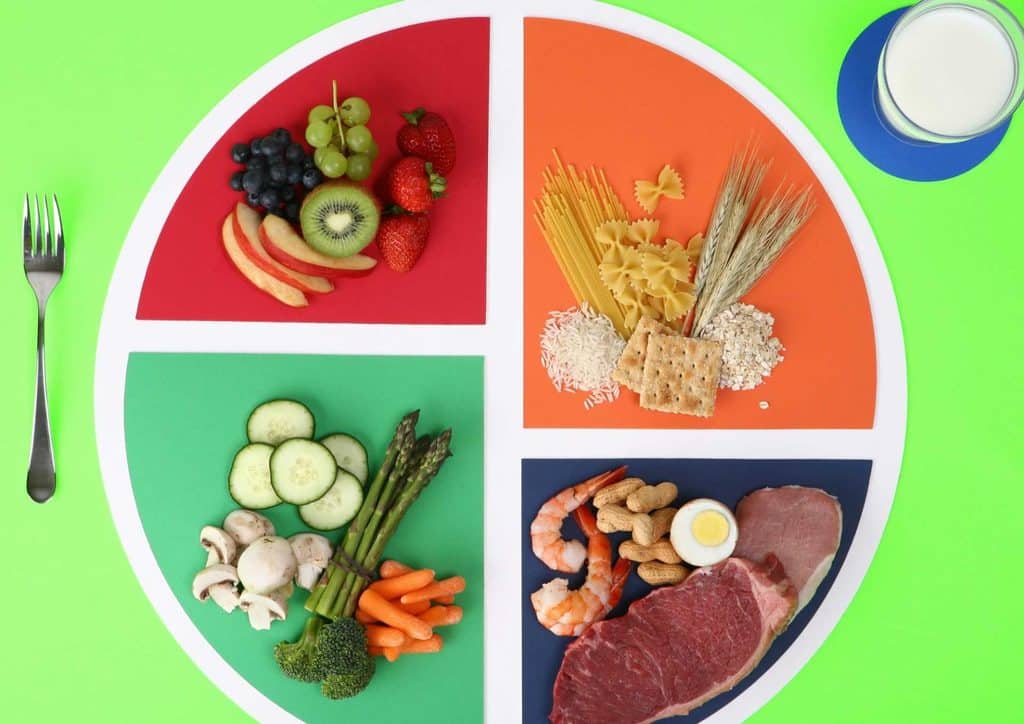
A healthy dinner for weight loss can be built using a straightforward plate method.
- Fill half the plate with vegetables.
- Add a palm sized serve of protein.
- Include a fist sized serve of smart carbs.
- Add a small amount of healthy fat.
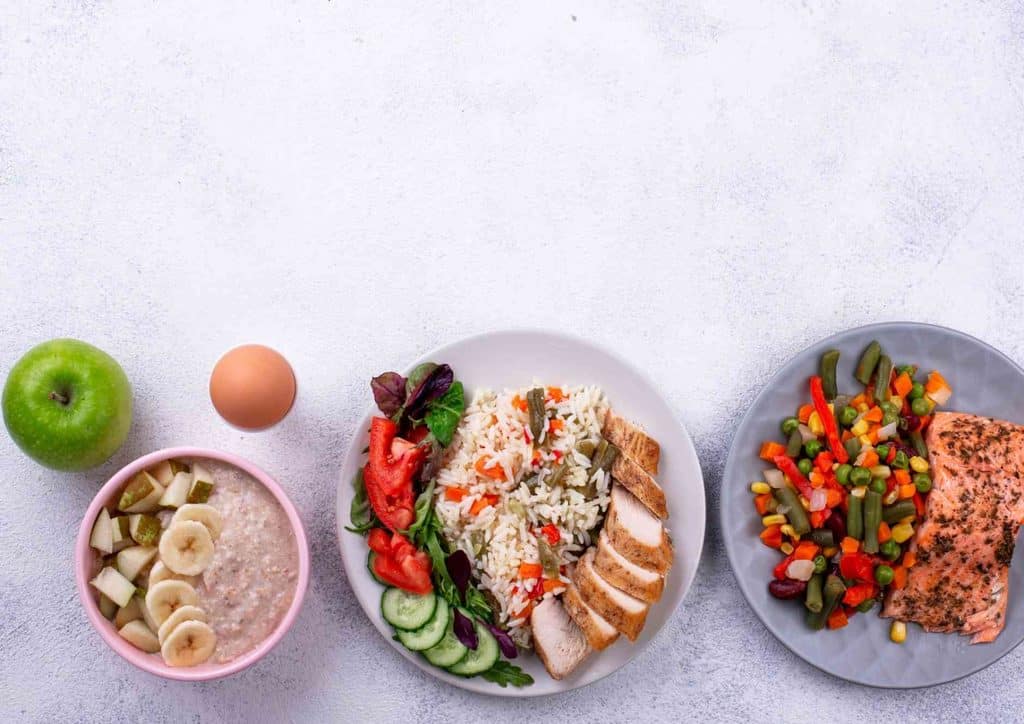
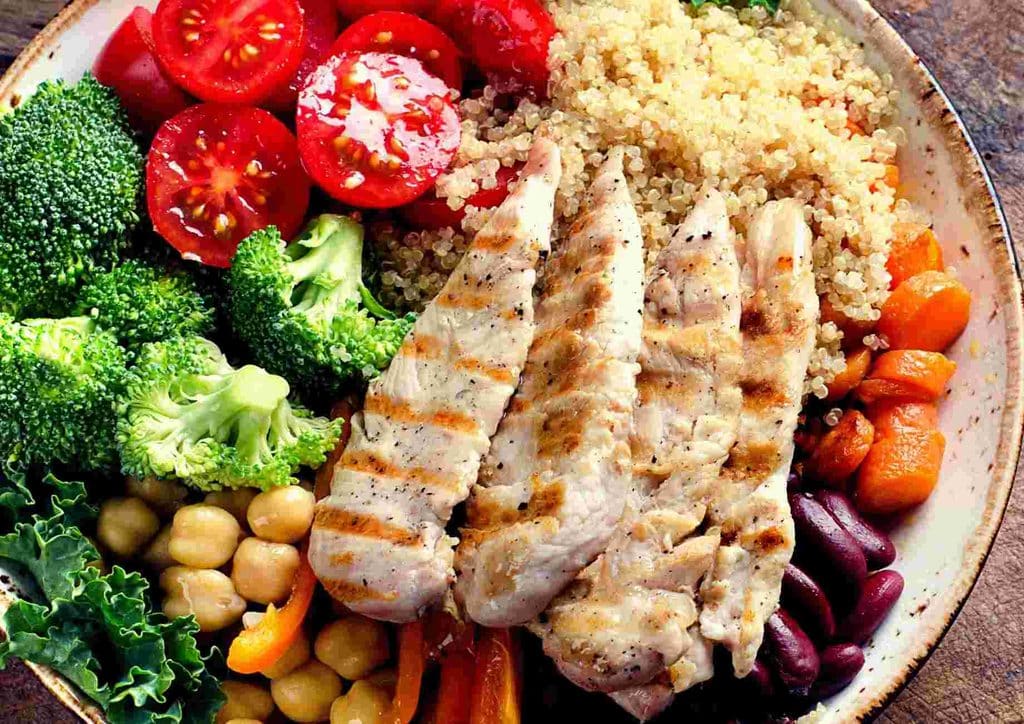
Protein foods may include fish, chicken, lean beef, eggs, tofu, tempeh or legumes. Including a quality protein source at dinner can help support fullness and muscle maintenance during weight loss, and choosing from a variety of high-protein foods for weight loss can make it easier to build satisfying meals.
Vegetables can be fresh, frozen, cooked or served as salad. The goal is to make them a noticeable part of the plate.
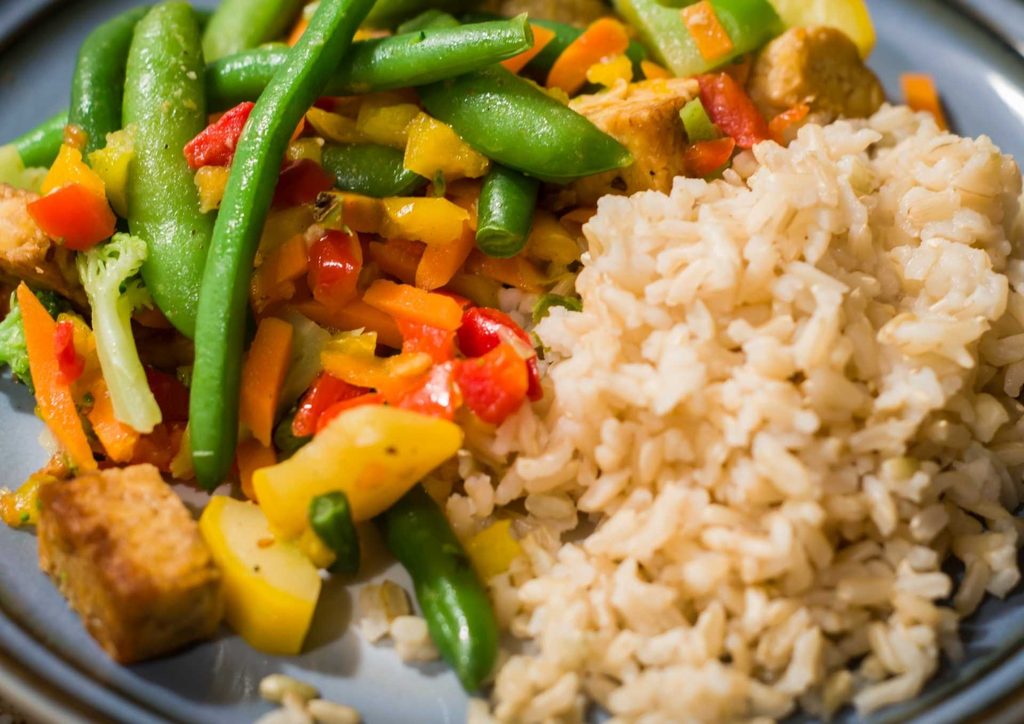
Choosing the right carbohydrate sources comes down to your preferences, nutritional needs and overall meal composition. Brown rice, pasta and sweet potato can be part of a weight loss diet when included in appropriate portions alongside protein and vegetables.
You can also build dinners around a Mediterranean-style eating pattern, incorporating vegetables, legumes, wholegrains, olive oil and fish to create balanced meals that are both nutritious and enjoyable.
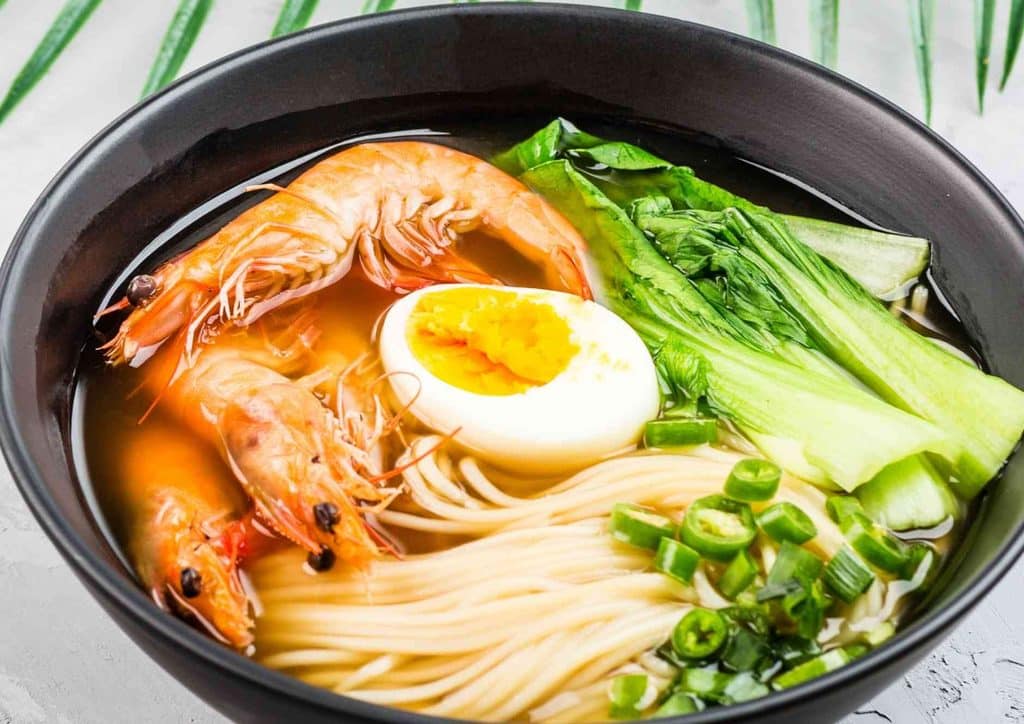
| Meal Element | Balanced Approach |
|---|---|
| Abundant Vegetables | Fill 50% of your plate with fresh greens, frozen produce, or crisp salads to maximize volume and nutrients. |
| Quality Protein Portion | Aim for a palm sized portion of chicken, fish, lean meats, eggs, tofu, or legumes to keep you feeling full. |
| Sustained Energy Carbs | Enjoy a fist sized portion of grains such as rice, keeping total meal context and serving size in mind. |
| Nourishing Fats | Finish with a drizzle of extra virgin olive oil, fresh avocado, or a sprinkle of seeds to boost flavour and richness. |
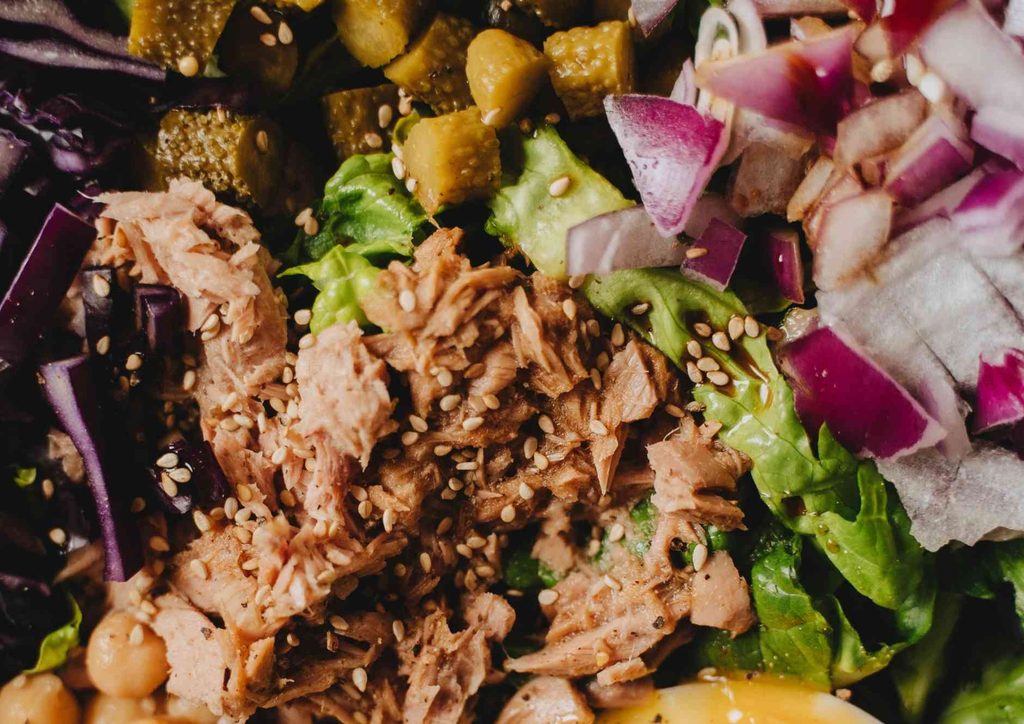
What a balanced plate looks like
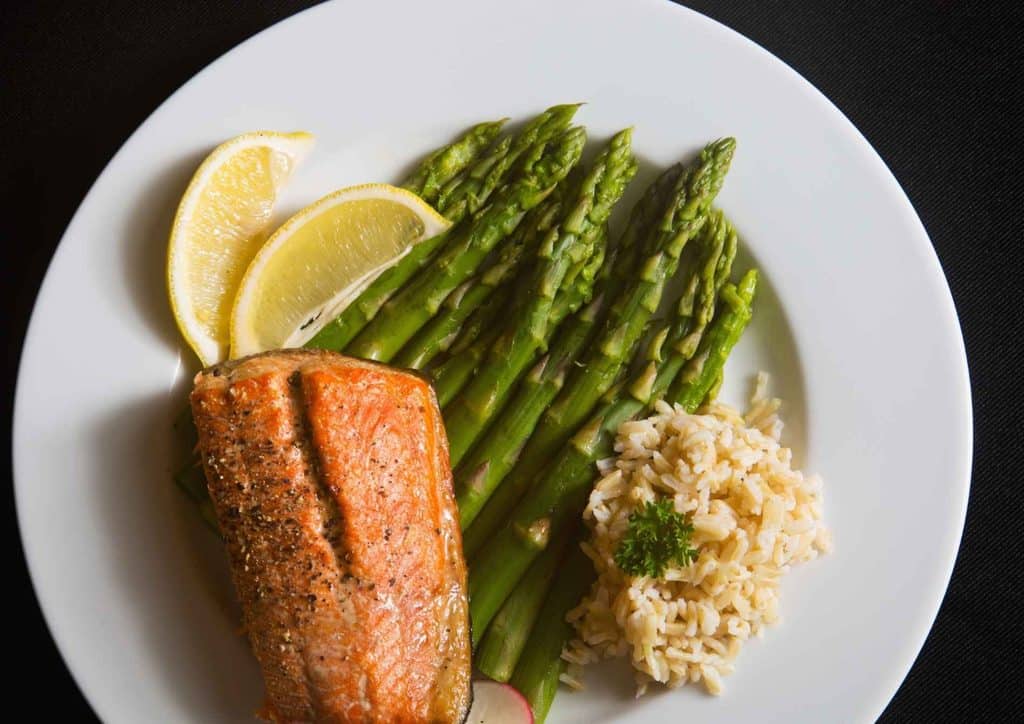
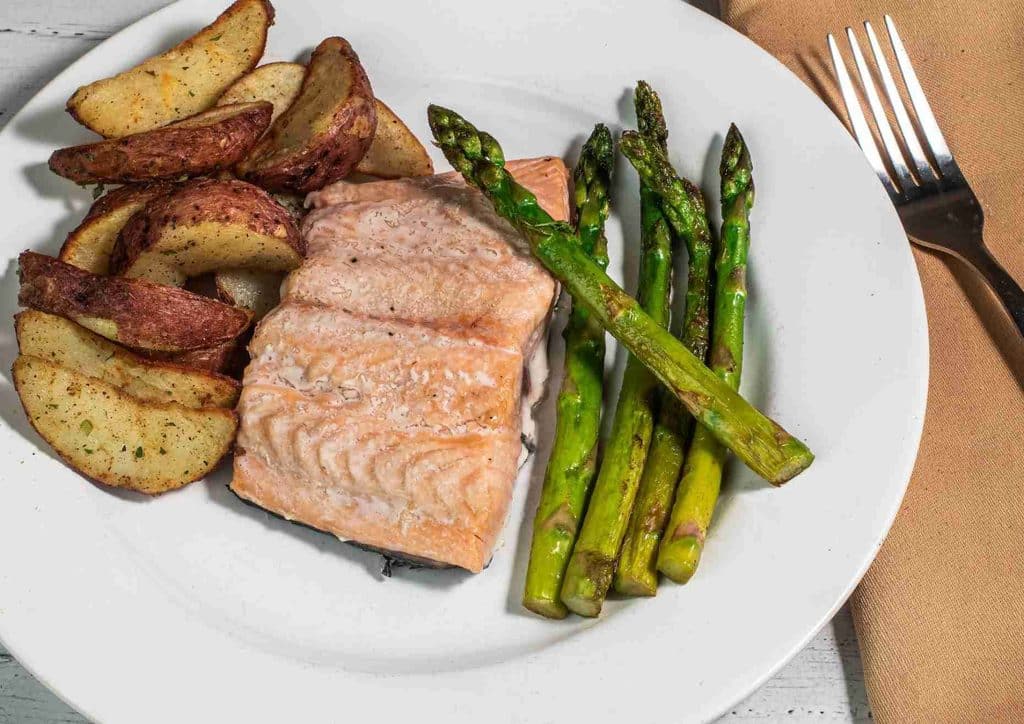
A dinner made with salmon, roasted vegetables, brown rice and a drizzle of olive oil follows this formula closely.
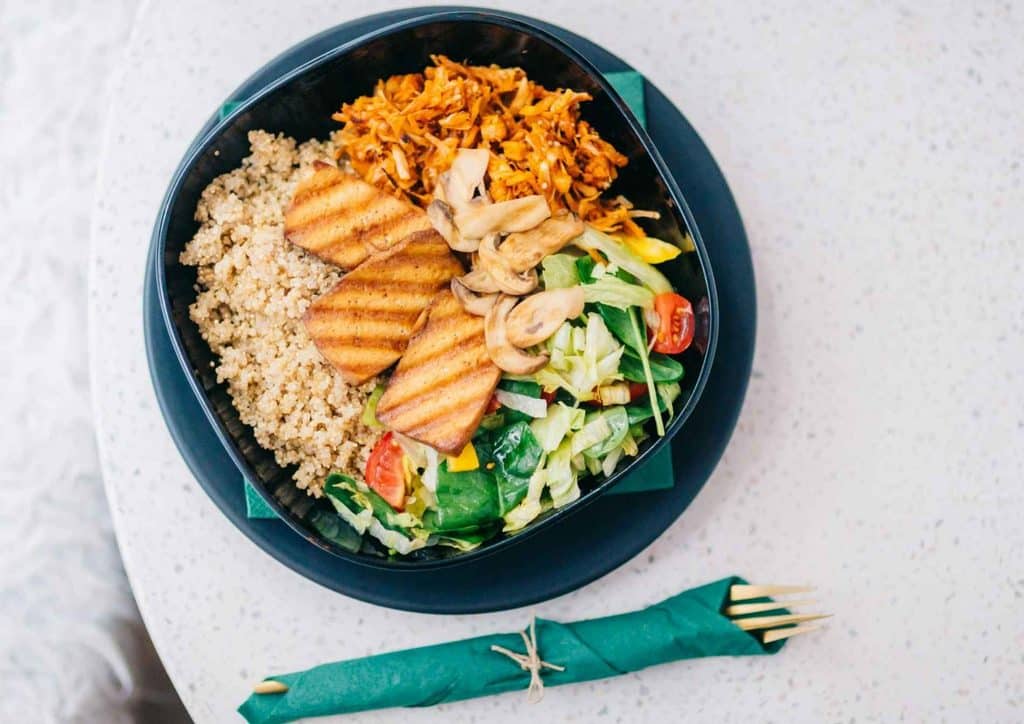
A vegetarian version could include tofu, stir fried vegetables, rice and cashews.

Easy healthy dinner ideas
Healthy dinners for weight loss are often built from simple ingredients rather than specialised products. Choosing more minimally processed foods, including vegetables, fruit, lean proteins and wholegrains, can help you create meals that are satisfying and nutritious. The key is understanding which foods support weight loss while allowing you to enjoy a varied and balanced diet.

| Dinner | What goes in it | Ready in about |
|---|---|---|
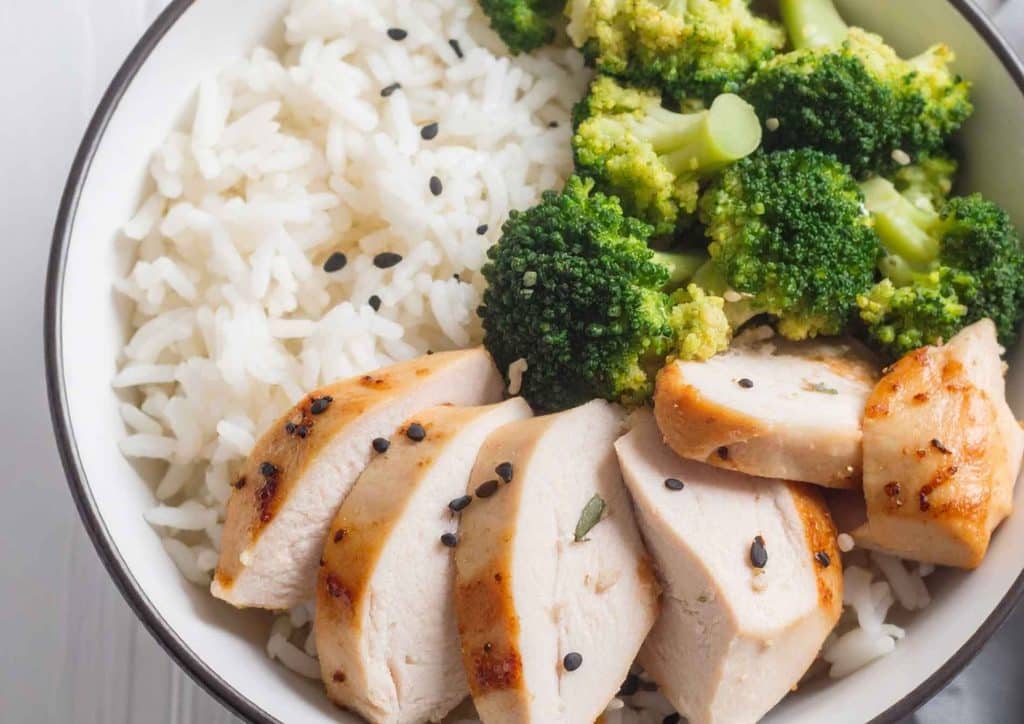
| Chicken stir fry | Chicken, mixed vegetables, brown rice, soy sauce | 25 minutes |
| Baked salmon plate | Salmon, roasted vegetables, sweet potato, olive oil | 30 minutes |
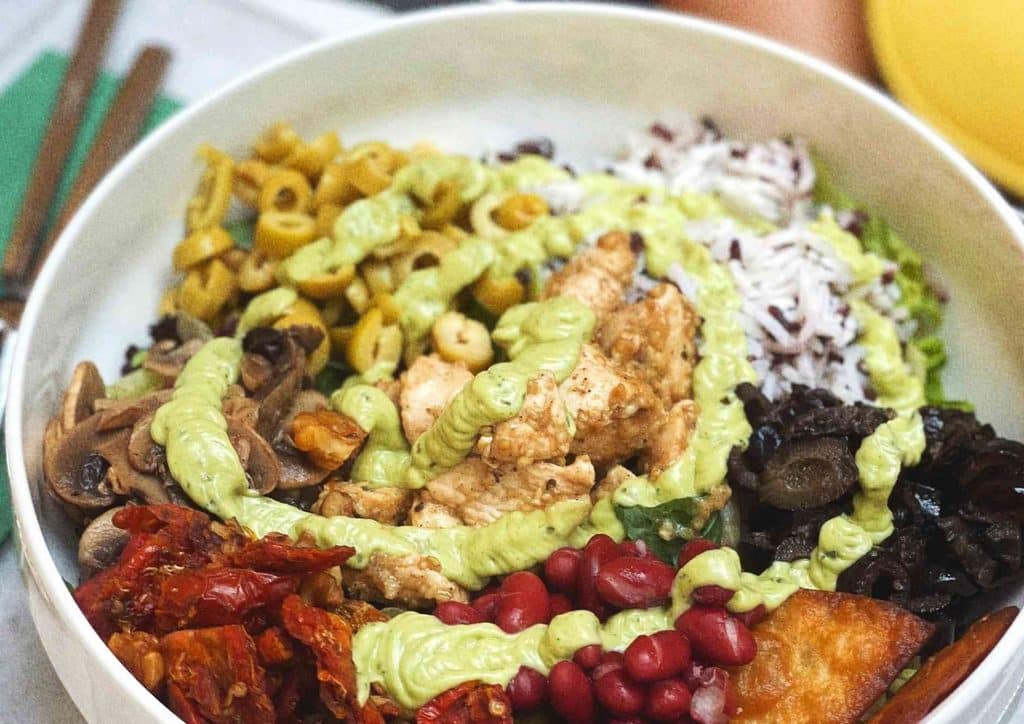
| Beef and veggie bowl | Lean beef, salad vegetables, brown rice, avocado | 20 minutes |
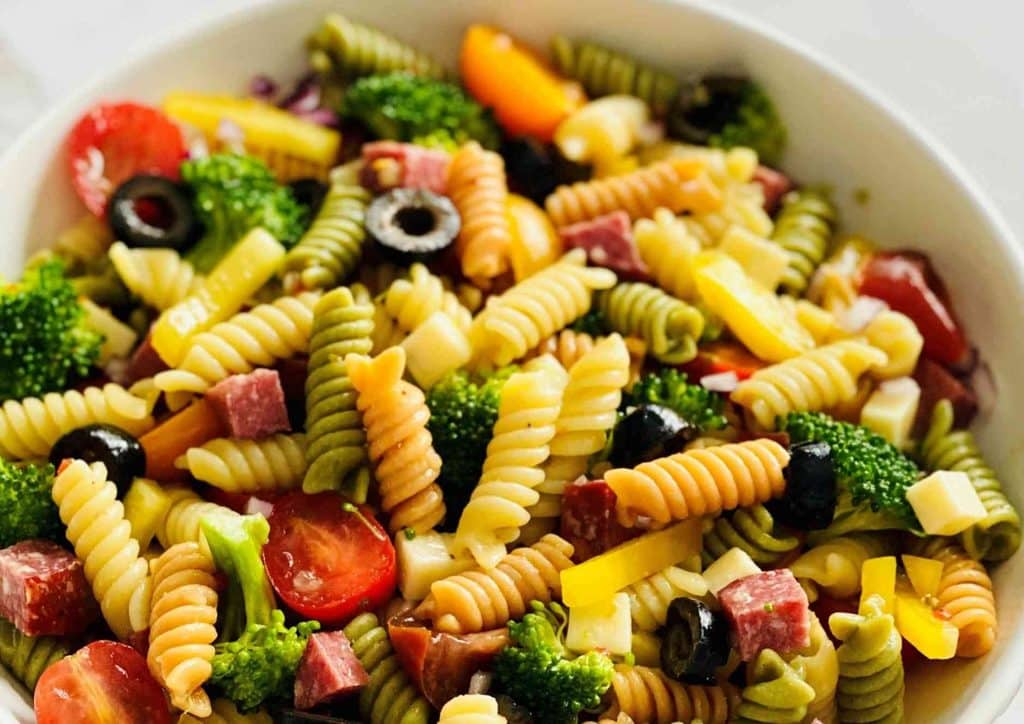
| Lentil pasta dinner | Lentil based pasta, vegetables, tomato sauce, parmesan | 25 minutes |
Keep ingredients simple
Some of the most practical dinners use ingredients already sitting in the fridge, freezer or pantry. Simplicity often improves consistency.

| Kitchen Resource | Practical Strategy |
|---|---|
| Fridge Essentials | Utilise everyday chilled items to assemble fast meals without extra grocery runs. |
| Freezer Staples | Rely on frozen vegetables and proteins for reliable options that prevent food waste. |
| Pantry Basics | Keep simple grains and canned goods on hand to construct complete dishes effortlessly. |
| Routine Meal Prep | Focusing on basic ingredients builds long term consistency and minimizes daily stress. |
Making it work for the whole family
Family dinners work better when everyone shares the same core meal. This can be particularly helpful for busy households, including parents managing work, family commitments and their own health goals.
For women navigating the demands of early parenthood, postpartum weight loss may require a more flexible approach that supports recovery, nutritional needs and family routines.
Rather than cooking multiple dinners, build one balanced meal and allow family members to adjust portions according to their needs.
| Core Concept | Family Solution |
|---|---|
| Single Base Meal | Prepare one main dish for everyone rather than short ordering individual meals to minimise kitchen stress. |
| Flexible Portions | Allow each family member to tailor their plate sizes based on personal appetite and nutritional requirements. |
| Shared Table Dining | Serve components family style so everyone enjoys the same core ingredients in custom amounts. |
| Simplified Preparation | Streamline weeknight cooking by focusing effort on one balanced, nutritious spread for the entire household. |

Simple ways to improve family dinners
Keeping vegetables visible on the table, serving protein first and involving children in simple meal preparation can make weeknight dinners easier.
Some families find it helpful to learn more about how a nutritionist can help you lose weight when meal planning and family food routines feel overwhelming.
| Household Strategy | Practical Benefit |
|---|---|
| Visible Vegetables | Keeping greens and colorful produce easily accessible on the table encourages natural participation from children. |
| Protein First | Serving quality protein sources early during the meal helps regulate appetite and keeps everyone satisfied. |
| Involving Children | Giving kids simple tasks in the kitchen fosters positive associations with food and eases weeknight stress. |
| Professional Guidance | Consulting a qualified practitioner provides tailored advice when managing household food routines feels overwhelming. |

Focus on habits, not perfection
A single dinner does not determine your progress. What matters most is the pattern of meals you repeat over time.

| Mindset Shift | Long Term Impact |
|---|---|
| Single Meal Focus | Individual dinners do not define your journey, so one off plan evening will not compromise your success. |
| Consistent Patterns | Repeating balanced meal choices over weeks and months creates real, lasting health improvements. |
| Building Habits | Establishing steady routines removes daily stress and makes healthy choices second nature. |
| Flexible Approach | Focusing on long term momentum rather than flawless execution ensures your lifestyle remains enjoyable. |

The after dinner snack trap
The after dinner snack trap often happens because people are bored, stressed, tired or in the habit of eating while watching television.
Before reaching for food, it can help to ask whether you are physically hungry or simply responding to a routine.
If dinner contains enough protein, vegetables and smart carbohydrates, many people find it easier to stay satisfied through the evening. However, feeling hungry after dinner is not necessarily a problem, and a planned snack can still fit comfortably into a balanced eating routine.

Choosing healthy snacks for weight loss that provide protein, fibre or both can help you manage hunger without feeling that you need to avoid eating after dinner.
If you regularly feel hungry shortly after dinner, it may be worth reviewing your overall food intake rather than simply trying to suppress your appetite. Eating too little throughout the day can make evening hunger more difficult to manage, while overly restrictive approaches may be difficult to maintain over time.

| Snacking Factor | Practical Remedy |
|---|---|
| Emotional Triggers | Recognise when boredom, tiredness, or stress prompts late night cravings rather than physical hunger. |
| Habitual Routines | Pause before reaching for food in front of the television to evaluate if you are genuinely hungry. |
| Nutrient Dense Dinners | Ensure evening meals combine protein, vegetables, and smart carbs to promote lasting fullness. |
| Evening Satisfaction | Balancing main meals properly reduces the urge to seek extra snacks later in the night. |

Cook once and eat twice
Prepare a larger batch at dinner and save leftovers for lunch the next day to reduce decision-making and save time. Planning meals in advance can make it easier to maintain a consistent eating routine, particularly when you have a busy schedule and limited time to cook. A practical meal plan for weight loss can help you organise ingredients, prepare meals ahead of time and reduce the temptation to rely on takeaway when life gets busy.

| Preparation Focus | Daily Advantage |
|---|---|
| Double Portions | Cook extra quantities during dinner prep to automatically secure a ready to eat meal for the following day. |
| Next Day Lunch | Package leftovers immediately to ensure a nutritious midday meal without additional kitchen effort. |
| Reduced Decision Fatigue | Eliminate daily midday meal choices by having prepped food ready in advance. |
| Time Saving Routine | Streamline your schedule by halving the time spent cooking and cleaning throughout the week. |

Good to know
Eating dinner late does not automatically cause weight gain. The overall quality and quantity of food eaten across the day still matter.
“In my experience, the healthiest dinner is not the most complicated one, it is the one you can prepare consistently and enjoy regularly”.
Jake Biggs, Nutrition Longevity
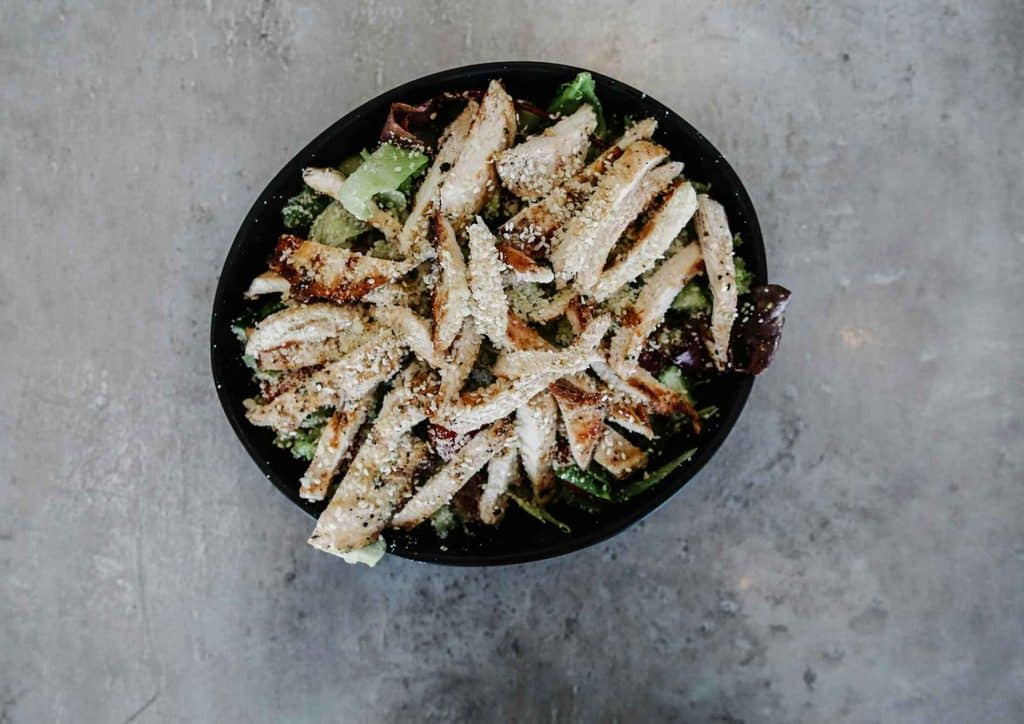
| Timing Consideration | Core Principle |
|---|---|
| Evening Meal Timing | Dining later in the evening will not directly lead to fat gain on its own. |
| Daily Energy Balance | Overall intake and nutritional content throughout the day remain the main factors for progress. |
| Food Choice Quality | Selecting nutrient dense ingredients matters more than the specific hour you sit down to eat. |
| Total Portion Control | Managing appropriate portion sizes supports health goals regardless of your evening schedule. |
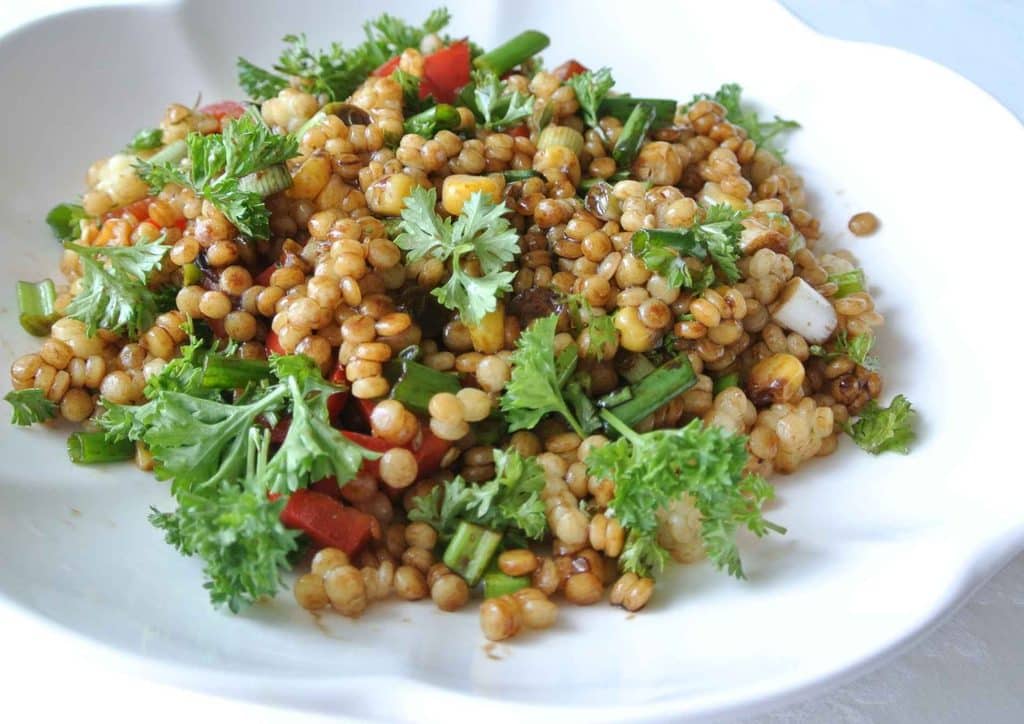
How a weight loss nutritionist can give you the edge with healthy dinners for weight loss
Planning and preparing healthy dinners for weight loss
A weight loss nutritionist can help you navigate common challenges around planning, preparing and maintaining healthy dinners while developing a realistic approach to weight loss that aligns with your individual goals. If you are unsure what this type of professional does, understanding what a weight loss nutritionist is can help you determine whether personalised nutritional guidance is appropriate for your circumstances.

| Support Area | Tailored Advantage |
|---|---|
| Personalised Planning | Work with a practitioner to navigate meal prep obstacles and establish a realistic, sustainable approach. |
| Custom Recommendations | Receive guidance tailored specifically to your individual preferences, routine, and personal targets. |
| Enjoyable Meal Design | Build balanced evening dishes that taste great and keep you satisfied throughout your journey. |
| Lifestyle Integration | Develop practical strategies that fit seamlessly into your schedule and food preferences for long term success. |

Developing sustainable dinner habits
A weight loss nutritionist can help you develop sustainable dinner habits by teaching you how to prepare balanced, satisfying meals that support your weight loss goals without restrictive dieting. By focusing on appropriate portion sizes, protein-rich foods, fibre-rich vegetables and nutritious carbohydrates, you can create dinners that keep you feeling fuller for longer and help manage your overall calorie intake.
Sustainable weight loss involves more than changing individual meals. It requires developing eating habits that you can maintain over time, without relying on extreme restrictions or short-term solutions.

If you decide to work with a weight loss nutritionist, look for someone who can tailor recommendations to your individual circumstances, help you build balanced meals you genuinely enjoy, and develop strategies that fit your lifestyle, schedule and food preferences. Understanding how to choose the best weight loss nutritionist in Sydney can also help you assess the professional guidance, experience and personalised support available to you.

| Nutritionist Role | Client Impact |
|---|---|
| Non Restrictive Meal Guidance | Teaches you to prepare balanced, satisfying dinners that support weight loss goals without strict diets. |
| Balanced Plate Foundation | Focuses on proper portions, protein foods, fibre rich vegetables, and nutritious carbohydrates. |
| Satiety and Calorie Control | Helps create dinners that keep you fuller for longer and manage overall calorie intake effortlessly. |
| Personalised Lifestyle Planning | Tailors evening meals around your work schedule, lifestyle, and food preferences for long term success. |
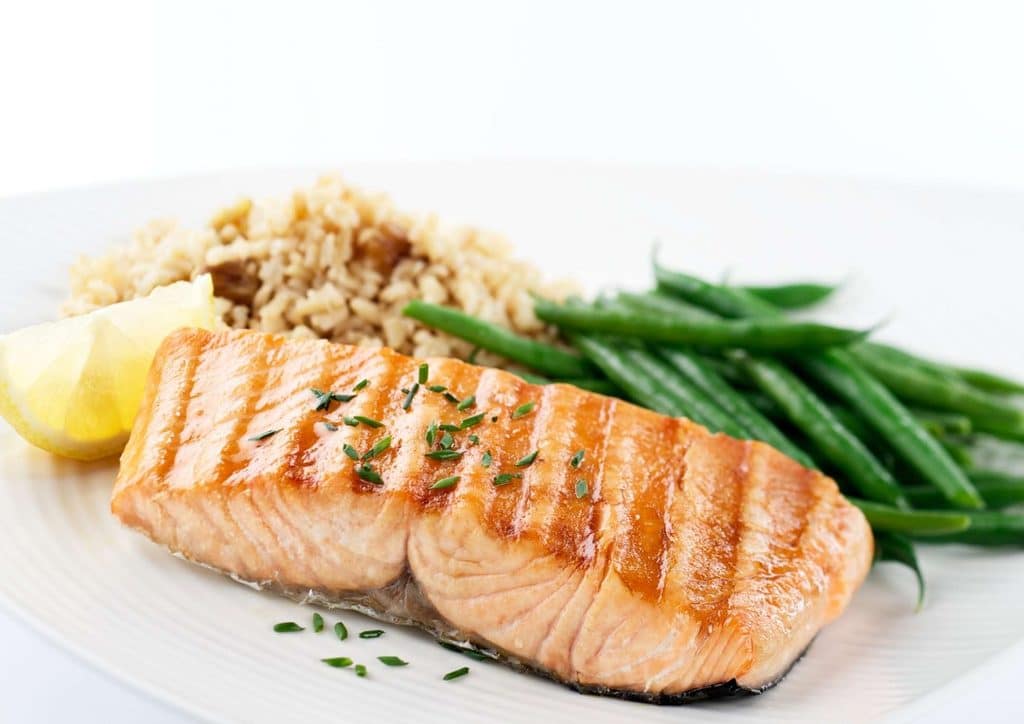
Creating a personalised approach to healthy dinners
Everyone has different nutritional needs, food preferences, daily routines and weight loss goals. A weight loss nutritionist can help you develop a personalised approach to healthy dinners that fits your lifestyle while supporting sustainable weight loss.
Rather than following a restrictive meal plan or eliminating entire food groups, you can learn how to build balanced evening meals that provide the nutrients your body needs while helping you manage your overall calorie intake.

A balanced eating routine can also support weight loss without structured exercise, depending on your overall energy intake and individual circumstances. A personalised approach may also help you understand why progress sometimes slows, particularly if you are not losing weight despite being in a calorie deficit, and identify practical adjustments to your eating habits.

| Individual Need | Tailored Guidance |
|---|---|
| Unique Personal Factors | Aligns dinner choices with your specific nutritional requirements, taste preferences, daily routines, and targets. |
| Lifestyle Integration | Develops a custom strategy that seamlessly accommodates your everyday schedule to ensure progress is sustainable. |
| Flexible Eating Pattern | Replaces strict meal plans and whole food group elimination with practical, adaptable habits. |
| Balanced Plate Creation | Teaches you how to construct nutrient rich evening meals that naturally keep daily calorie intake on target. |

What to do this week
- Add one extra vegetable to dinner. Even a single extra serving of vegetables at dinner can increase fibre intake, improve fullness and help reduce overall calorie intake. Over time, this simple habit can make healthy dinners more satisfying while supporting sustainable weight loss.
- Include protein with every dinner. Protein helps support fullness after dinner and may reduce the likelihood of late night snacking. Combining protein-rich foods with regular strength training can also help preserve muscle mass while you lose weight.
- Plan two simple dinners before the week starts. Having a plan for just two dinners can reduce last minute takeaway decisions and make healthy eating feel more achievable. Consistency with simple, repeatable meals is often more effective than relying on motivation alone.

Final thoughts
Healthy dinners for weight loss do not need to be complicated, restrictive or time consuming. In my experience as a weight loss nutritionist, the most successful approach is often the simplest, building meals around vegetables, quality protein, smart carbohydrates and healthy fats that leave you feeling satisfied and in control rather than hungry and deprived.
Many people spend so much time searching for the perfect weight loss meal plan that they overlook the power of consistently eating balanced dinners. Weight loss is rarely determined by a single meal. It is the result of small choices repeated over time, and dinner is one of the most important opportunities each day to support those choices.

If there is one lesson I would like you to take away, it is that healthy dinners for weight loss should fit into real life. You do not need to eliminate carbohydrates, follow an extreme diet or depend on quick fixes to achieve lasting results. Instead, focus on developing balanced eating habits, understanding your nutritional needs and making consistent choices that support your goals.
If you find it difficult to put these principles into practice, understanding how a nutritionist can help with weight loss may be a useful starting point for developing an approach tailored to your individual circumstances.

Achieving weight loss with healthy dinner meals quiz
Think you know how to structure your evening meals for successful weight loss? Test your understanding of evening calories, cooking methods, and portion control.
1. You must avoid all carbohydrates at dinner if you want to see progress on the scale.
2. Eating dinner later in the evening automatically causes stored body fat.
3. What is the most effective way to handle weeknight cooking when trying to lose weight?
4. Weight loss dinners have to be bland and restrictive to be effective.
Creating successful weight loss dinners comes down to balancing lean proteins, quality carbohydrates, and abundant vegetables without feeling deprived. By keeping your evening routine simple, you can achieve lasting results.

Frequently asked questions
What is a good light dinner for weight loss?
A meal with vegetables, lean protein and a moderate serve of smart carbs is often a practical option.
Is it bad to eat dinner late?
Not necessarily. The overall eating pattern matters more than the specific dinner time.
Should I skip carbs at dinner?
No. Smart carbs can be included as part of a balanced dinner.
How do I stop snacking after dinner?
Make sure dinner is satisfying, identify habitual eating triggers and create a consistent evening routine.

Keep reading
This article is general information, not personal medical or nutritional advice. Individual needs vary. For guidance tailored to you, book a consultation.
Book a 60 minute consultation, in Bondi Junction or by Telehealth from anywhere in the world.