

The quick answer
What causes muscle cramps during exercise is usually a combination of muscle fatigue, changes in neuromuscular control and, in some situations, fluid and salt losses. They are particularly common during intense training, longer sessions and exercise in hot weather. The right approach is to manage training intensity, support muscle recovery and maintain sensible hydration and nutrition habits.
The short version
- Muscle fatigue is one of the leading triggers of exercise related cramps. When muscles are pushed beyond their current conditioning, their ability to regulate contractions can become disrupted, increasing the likelihood of painful, involuntary spasms.
- Hydration is essential for maintaining muscle function, particularly during prolonged exercise and hot weather. Replace fluid losses appropriately and consider sodium replacement when sweating heavily to support fluid balance and exercise performance.
- Your nutrition directly influences your ability to fuel training and recover effectively. Prioritise adequate carbohydrates for energy, protein for muscle repair and mineral rich foods to support normal muscle and nerve function.
Exercise associated muscle cramp
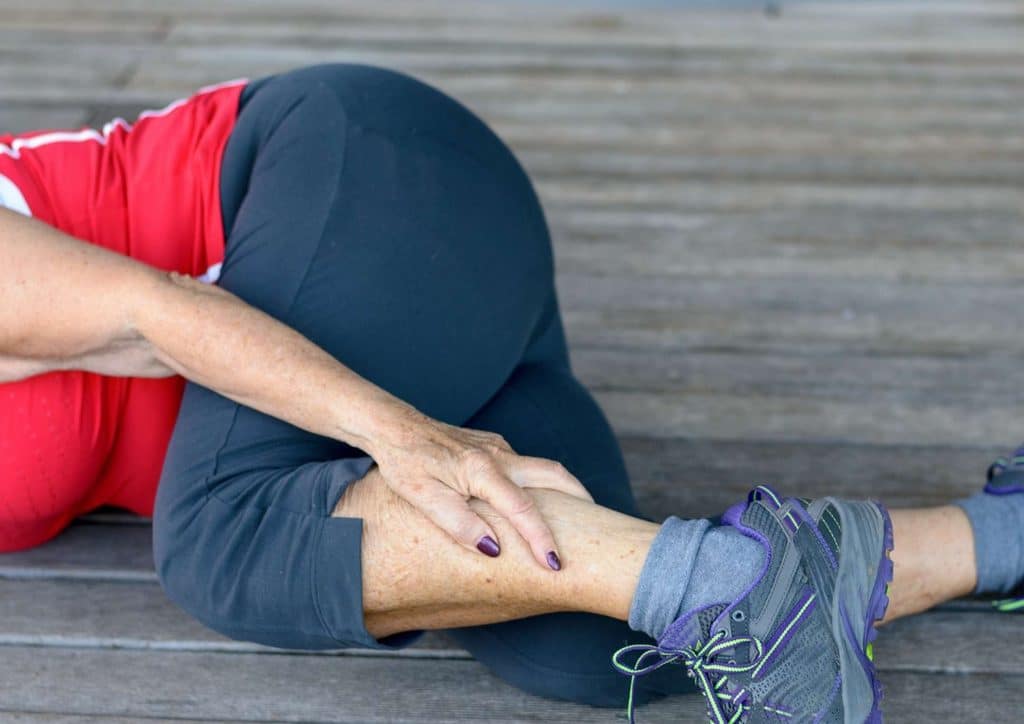
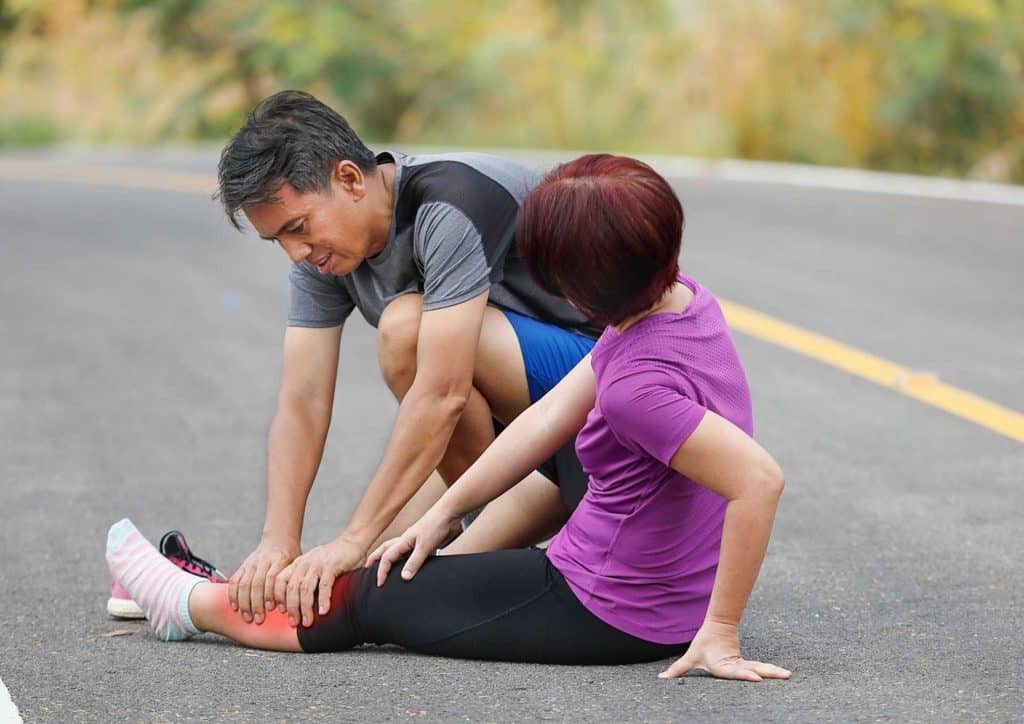
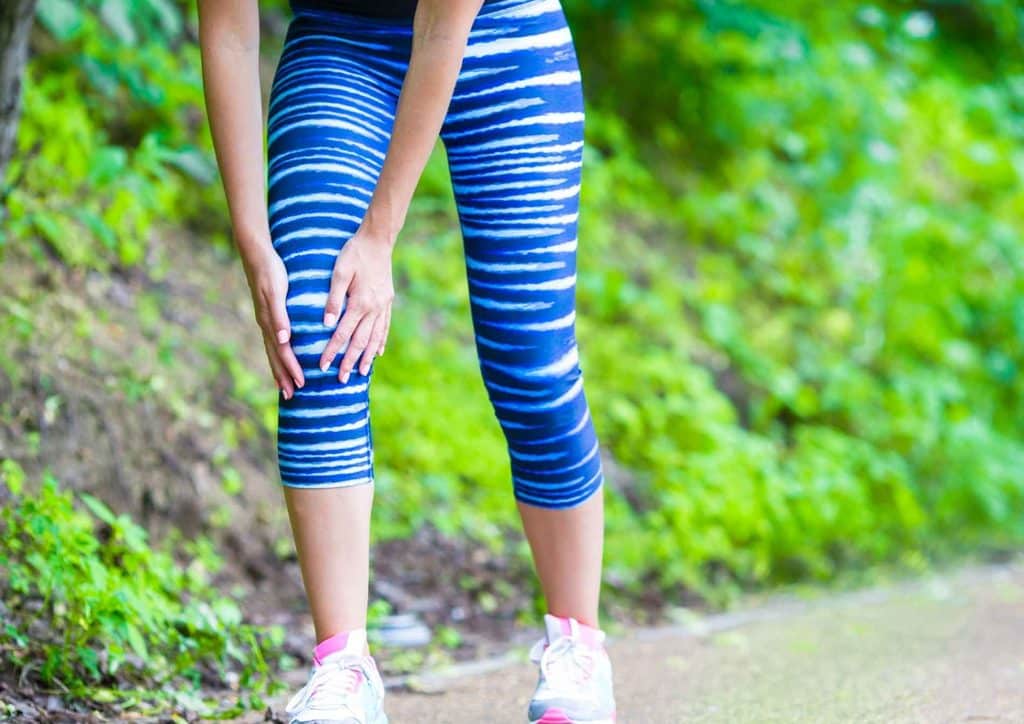
An involuntary, painful contraction of a muscle that occurs during or shortly after physical activity. It commonly affects the calves, hamstrings and quadriceps and can temporarily make movement difficult.
| Focus Strategy | Neuromuscular Mechanism | Real-World Application |
|---|---|---|
| Spinal Reflex Regulation | Fatigue elevates excitatory signals from muscle spindles while reducing inhibitory feedback from Golgi tendon organs. | Creates an unchecked reflex loop that forces motor neurons to discharge continuously without relaxation. |
| Cellular Energy Availability | Intra-workout ATP depletion limits the rate of calcium reuptake into the sarcoplasmic reticulum. | Delays the muscular relaxation phase, leaving cross bridges locked in sustained contraction. |
| Workload Adaptation Management | Exposing muscle groups to unaccustomed volume, high velocity, or excessive duration accelerates tissue fatigue. | Exhausts motor units prematurely during late race stages, heavy strength sets, or extended matches. |
| Acute Relief Protocols | Passive stretching lengthens contracted fibres while restoring Golgi tendon organ inhibition to break the reflex cycle. | Interrupts active cramping immediately, allowing neural signalling to stabilise and muscle tone to normalise. |

“Strong performance doesn’t come from pushing your body harder at every opportunity. It comes from fuelling intelligently, training consistently and giving your muscles what they need to recover, adapt and perform”.
Jake Biggs, Nutrition Longevity
| Focus Category | Widespread Misconception | Scientific Reality | Actionable Solution |
|---|---|---|---|
| Primary Cramp Trigger | Dehydration is the sole and primary cause of all exercise-associated muscle cramps. | While severe fluid loss contributes, most cramps stem primarily from localised neuromuscular fatigue rather than systemic dehydration alone. | Focus on pacing training volume and conditioning muscles to handle workload demands rather than relying on fluid intake alone. |
| Electrolyte Imbalance | Sweating out salt instantly causes individual muscle fibres to seize up during standard workouts. | Electrolyte depletion plays a role in prolonged endurance events, but typical gym or field cramps occur independently of whole-body salt deficits. | Use targeted electrolyte drinks during extended endurance training sessions lasting several hours, but do not expect them to prevent standard fatigue cramps. |
| Neuromuscular Mechanism | Cramping is simply a sign that a muscle has completely run out of energy and shut down. | Fatigue disrupts spinal reflex regulation, increasing excitatory signals from muscle spindles while reducing inhibitory feedback from Golgi tendon organs. | Recognise that overworking tired motor units creates an unchecked reflex loop that forces continuous muscle contraction. |
| Cellular Energy Availability | Lack of local fuel has no direct bearing on whether a muscle locks into a spasm. | Intra-workout ATP depletion limits the rate of calcium reuptake into the sarcoplasmic reticulum, delaying the muscular relaxation phase. | Maintain balanced carbohydrate intake around training sessions to support cellular energy availability and proper muscle relaxation. |
| Environmental Stressors | Hot weather causes muscle cramps exclusively through direct heat damage to muscle tissue. | Training in hot, humid conditions accelerates fluid loss and compounds physical fatigue, heightening vulnerability to neuromuscular instability. | Acclimate gradually to hot environments and adjust workout intensity during extreme heat conditions to limit premature exhaustion. |
| Acute Relief Protocols | Resting alone is the only effective way to stop an acute muscle spasm once it starts. | Passive stretching lengthens contracted fibres while restoring Golgi tendon organ inhibition to break the reflex loop effectively. | Gently and passively stretch the affected muscle immediately when a cramp strikes to interrupt the spasm and normalise muscle tone. |

Exercise cramp prevention calculator
Discover evidence-based strategies to prevent and manage exercise-associated muscle cramps. Complete your profile below to receive tailored guidance for optimal neuromuscular performance.
Your Exercise Cramp Diagnostic Summary
Your profile indicates that requires careful management to mitigate exercise-associated muscle spasms.
Your tailored cramp prevention recommendations
Need a structured, professional clinical nutrition programme?
I will review your personal training requirements and formulate an evidence-based strategy designed to support metabolic health and athletic performance safely.
Book a consultationThis interactive tool provides educational guidance to support healthy nutrition habits and is not a substitute for professional clinical advice.
“I built this interactive calculator to cut through the myths and misinformation surrounding exercise-associated muscle cramps. By assessing factors such as fitness, hydration, sweat losses, training load and recovery, it identifies your greatest cramp risk and provides personalised, evidence-based strategies to help you prevent cramps and perform at your best”.
Jake Biggs, Nutrition Longevity
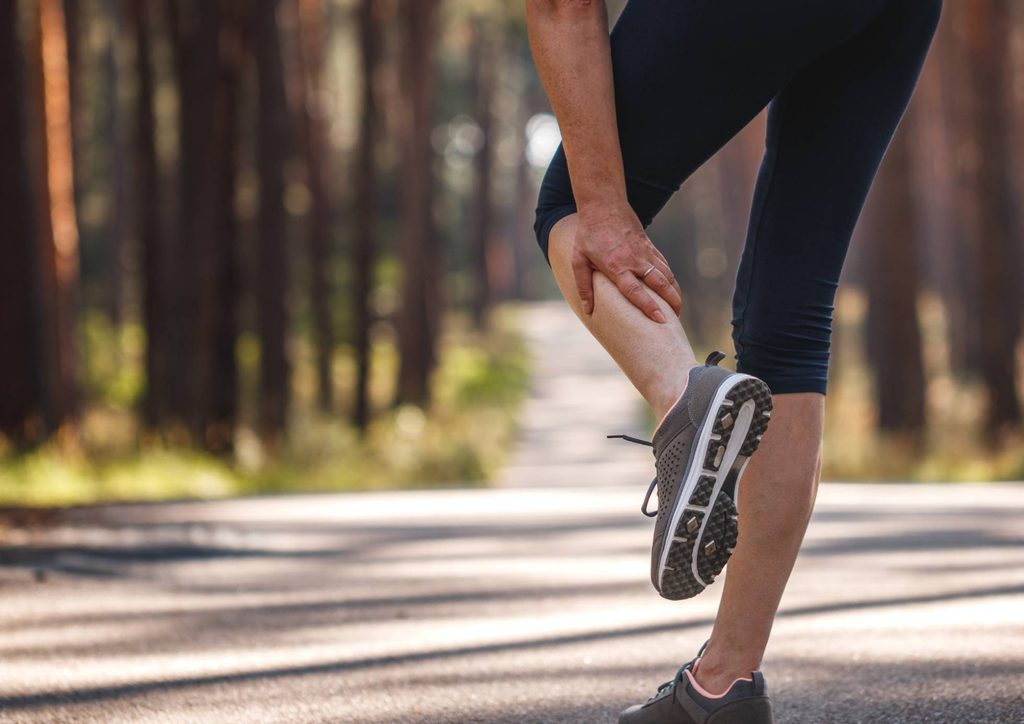
What causes muscle cramps during exercise?
Muscle cramps during exercise are most commonly associated with muscle fatigue and changes in how the nerves control muscle contractions. They often happen when a muscle is working harder or longer than it is accustomed to.
Think about the final stages of a long run, a demanding gym session or the last few minutes of a football match. Your muscles have been working repeatedly, and as fatigue builds, the normal regulation of muscle contraction can become disrupted.
Several factors can contribute:

| Primary Element | Physiological Process | Real World Context |
|---|---|---|
| Neuromuscular Fatigue | Exhaustion alters spinal reflex pathways, increasing excitation while reducing inhibition so motor neurons fire continuously without adequate rest. | Occurs as fatigue builds during demanding physical exertion when muscles have contracted repeatedly. |
| Unaccustomed Workloads | Forcing muscle tissue to operate beyond its current conditioning threshold disrupts normal contraction regulation and movement control. | Happens when a muscle works harder or longer than it is accustomed to handling during training. |
| Prolonged Repetition | Continuous mechanical loading depletes local cellular energy reserves required to unbind fibres during the relaxation phase. | Experienced vividly in the final stages of a long run or the concluding minutes of a football match. |
| Neural Signalling Breakdown | Disrupted communication between muscle sensors and the central nervous system impairs coordinated movement and tension management. | Results in sudden involuntary spasms when fatigued tissues lose the ability to relax smoothly. |
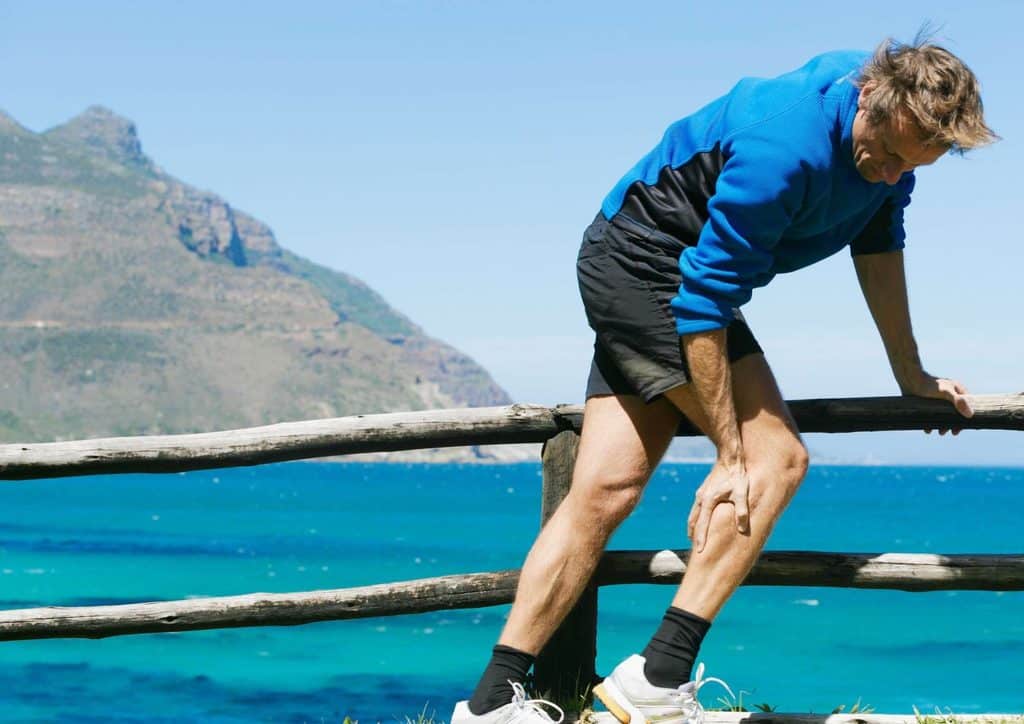
Muscle fatigue and training intensity
Muscles are more likely to cramp when they are pushed beyond their current conditioning, particularly during efforts that involve body recomposition goals where training volume and intensity often increase. Increasing running distance too quickly, lifting heavier weights or introducing unfamiliar exercises can increase the demands placed on your muscles.
This is why training progression matters. Your muscles need time to adapt to changes in exercise volume, intensity and duration.
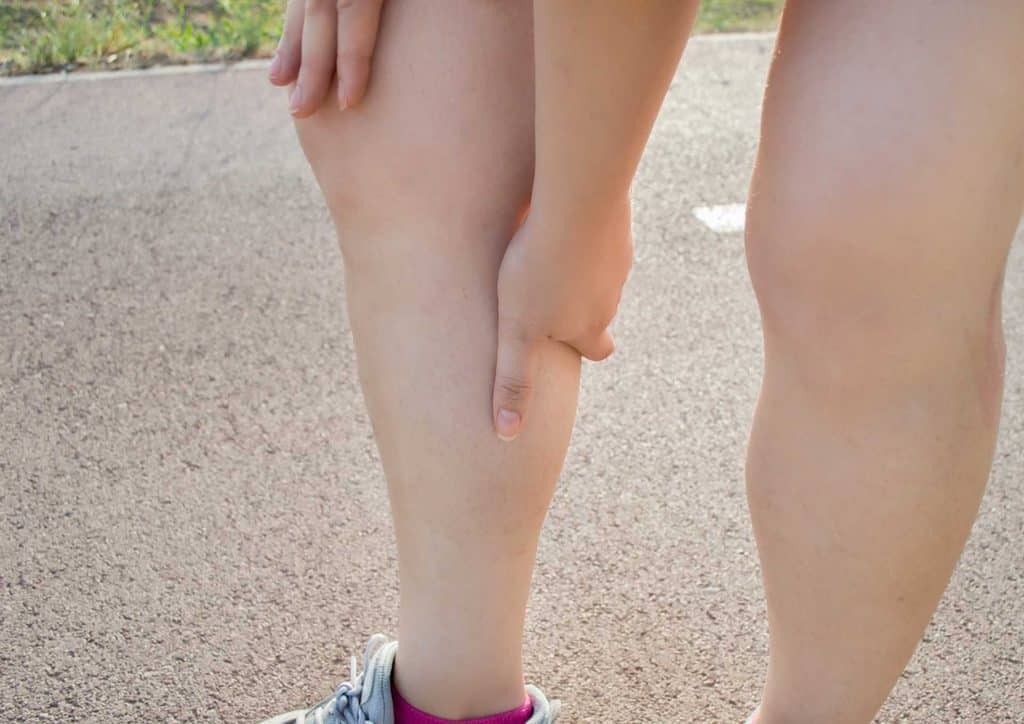
| Focus Element | Physiological Mechanism | Practical Application |
|---|---|---|
| Conditioning Limits | Tissues become highly susceptible to involuntary spasms when physical exertion exceeds current physiological tolerance levels. | Avoid sudden spikes in mileage or rapid load increases to protect working fibres from premature failure. |
| Unaccustomed Stress | Introducing novel movement patterns or heavier resistance exposes unconditioned motor units to elevated mechanical stress. | Phase in new gym movements and higher resistance loads gradually over multiple training blocks. |
| Structured Progression | Muscular structures require sufficient timeline windows to undergo cellular adaptation and build workload capacity safely. | Manage total exercise volume, workload density, and session duration to ensure long-term physical resilience. |
| Exhaustion Signals | Accumulated peripheral fatigue destabilises neural control, altering spinal reflexes and triggering persistent muscle tightness. | Monitor fatigue indicators closely during high-intensity sessions to prevent motor control breakdown. |
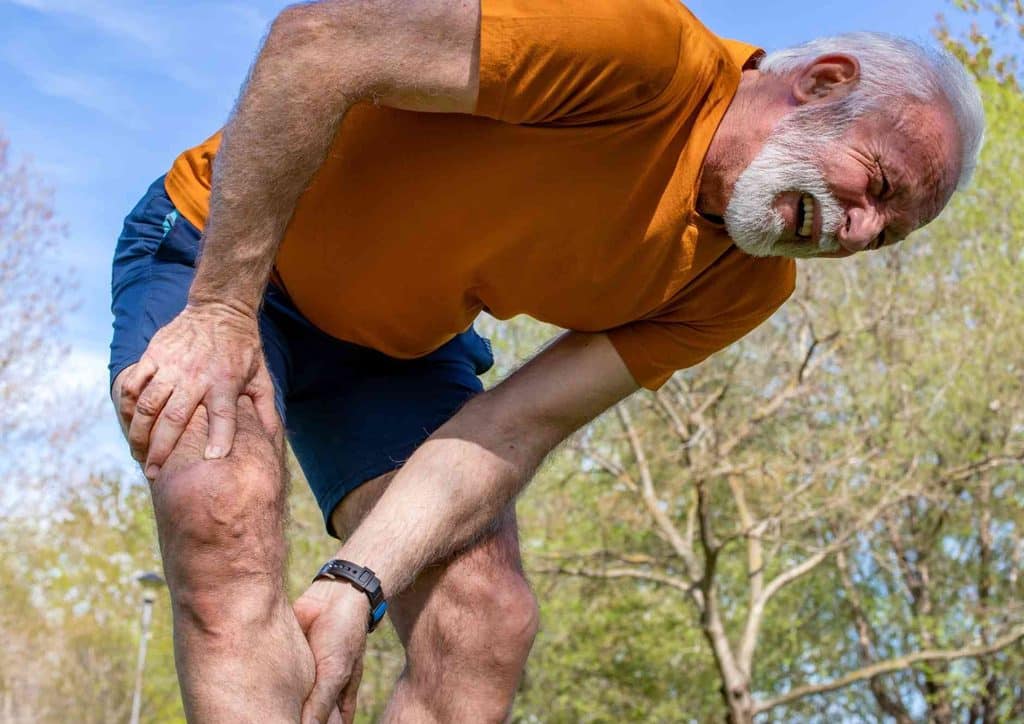
Insufficient conditioning
If you regularly cramp towards the end of exercise, consider whether your training matches the demands of your sport. For example, a runner who increases their weekly distance without gradually building endurance may experience more muscle fatigue, particularly if they are relying on poor fuelling habits rather than healthy meal plans for weight loss that support training demands.
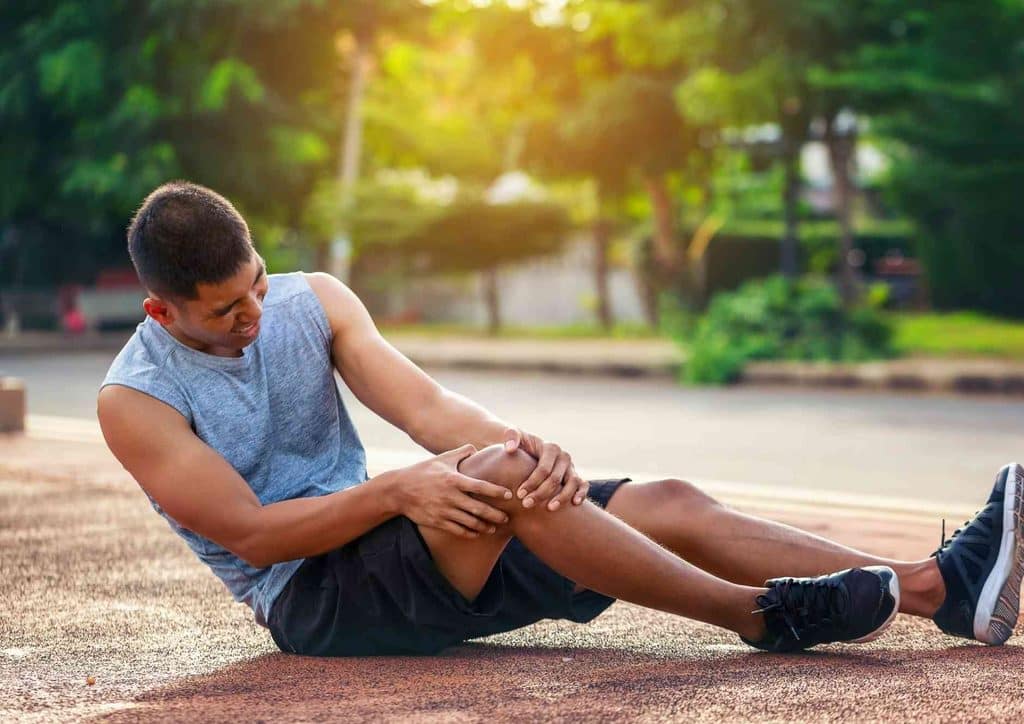
| Diagnostic Category | Underlying Physiology | Strategic Intervention |
|---|---|---|
| Event Specificity Gap | Experiencing repeated spasms during late-stage workouts indicates that current conditioning levels fall short of actual competitive demands. | Align weekly training stress directly with the duration, velocity, and movement profiles required by your specific sport. |
| Unprepared Endurance Capacity | Escalating total running distance without structured progression overwhelms local tissue capacity, accelerating peripheral muscle exhaustion. | Build weekly mileage incrementally over structured training phases rather than introducing sudden jumps in endurance volume. |
| Late Session Failure | As physical fatigue accumulates near the end of exercise, motor units struggle to maintain normal contraction and relaxation cycles. | Pace long sessions carefully and incorporate specific fatigue-resistance training to keep muscles operating within safe limits. |
| Workload Adaptation Needs | Unconditioned muscle tissue loses structural stability under sustained loading, leaving neural signalling vulnerable to altered reflex control. | Allow adequate time for muscular structures to adapt whenever introducing higher training volumes or longer session durations. |
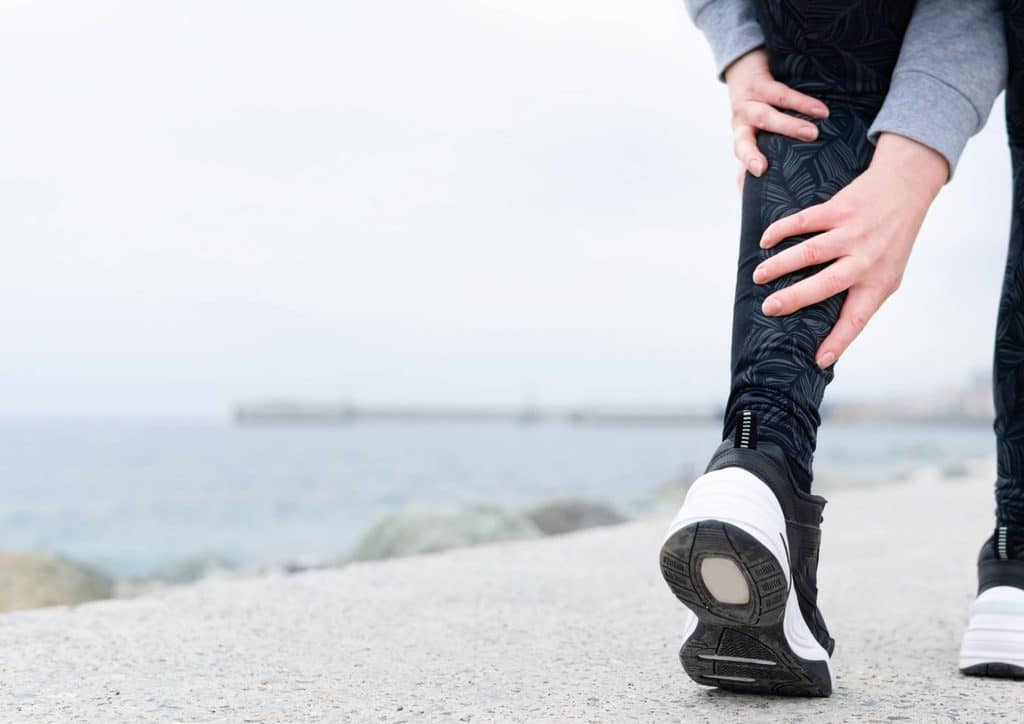
Heat and prolonged exercise
Exercising in hot conditions can increase sweating and fluid losses. Longer sessions can also increase the physical demands placed on working muscles, particularly when you have not adjusted your nutrition and hydration to suit the conditions.

| Variable Category | Underlying Physiology | Strategic Intervention |
|---|---|---|
| Thermal Strain | Training under high ambient temperatures elevates core heat, accelerating sweat output and compounding systemic nervous system fatigue. | Acclimate progressively to hot environments and moderate target exercise intensity on high-heat days to limit central exhaustion. |
| Extended Session Length | Prolonged physical exertion continuously drains intramuscular glycogen, restricting ATP availability required for smooth cellular muscle relaxation. | Ingest easily digestible carbohydrates during extended workouts lasting over 60 minutes to sustain cellular energy supply. |
| Electrolyte Dynamics | Heavy, unreplaced fluid loss lowers extracellular volume, destabilising ion concentration gradients across working muscle cell membranes. | Formulate an individualized intra-workout hydration and sodium replenishment plan matched to hourly sweat rates. |
| Metabolic Calibration Gap | Failing to scale fueling and fluid intake to environmental demands severely accelerates local muscle fatigue and spinal reflex disruption. | Pre-hydrate effectively and adjust total nutritional intake based on real-time temperature, humidity, and session duration metrics. |
What causes muscle cramps beyond exercise fatigue?
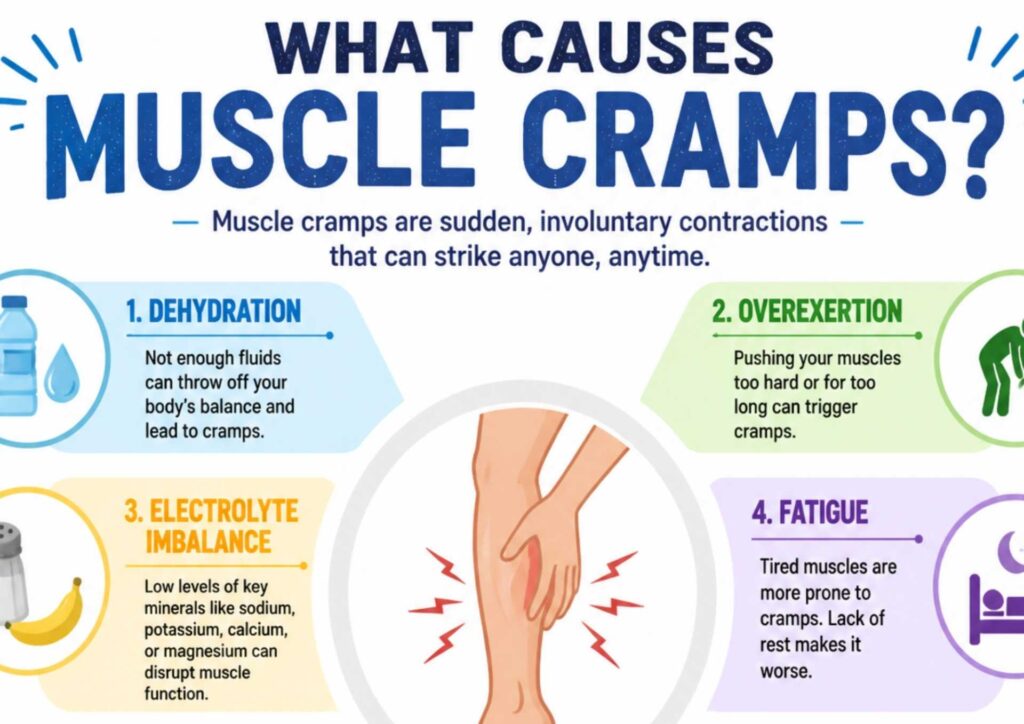
There is no single explanation for every cramp. Some people experience cramps despite drinking plenty of water and eating a balanced diet. Training load, previous injuries, conditioning, environmental conditions and individual differences can all influence cramping.
| Main Trigger | What Is Happening | What It Means for You |
|---|---|---|
| Overall Training Strain | Doing too much hard work without enough rest wears out your nervous system, making your muscles twitchy. | You can still get cramps even if you drink plenty of water and eat well, simply because your body is tired. |
| Old Injuries | Past muscle strains or joint injuries can change how you move, putting extra stress on certain spots. | Muscles that were hurt before are often more likely to lock up during a tough session. |
| Weather Conditions | Exercising in extreme heat or humidity drains your energy much faster and strains your body. | Hot weather makes your nervous system tire out sooner, raising your cramp risk. |
| Body Differences | Everyone has unique nerve sensitivity, sweat rates, and muscle makeup. | Some people are naturally more prone to cramps than others, even when doing the exact same workout. |
Build training gradually
Increase exercise duration and intensity progressively rather than making large changes to your training routine.

| Action Step | Why It Works | How to Do It |
|---|---|---|
| Gradual Volume Increases | Adding small amounts of work lets your muscles and nerves adapt without getting overwhelmed. | Increase your weekly running time or total gym sets step by step rather than taking big leaps. |
| Controlled Intensity Spikes | Sudden jumps in speed or heavy weights tire out motor units quickly, leading to spasms. | Ease into faster runs or heavier lifts over several weeks to build steady strength. |
| Consistent Routine Adjustments | Smooth changes to your routine allow your body to rebuild tissues and recover properly. | Avoid changing your entire training plan overnight; adjust one training variable at a time. |
| Safe Endurance Building | Pacing your progress protects working fibres from early fatigue during long workouts. | Cap your weekly training increases to small steps to keep your muscles safe and cramp free. |
Are cramps caused by dehydration?
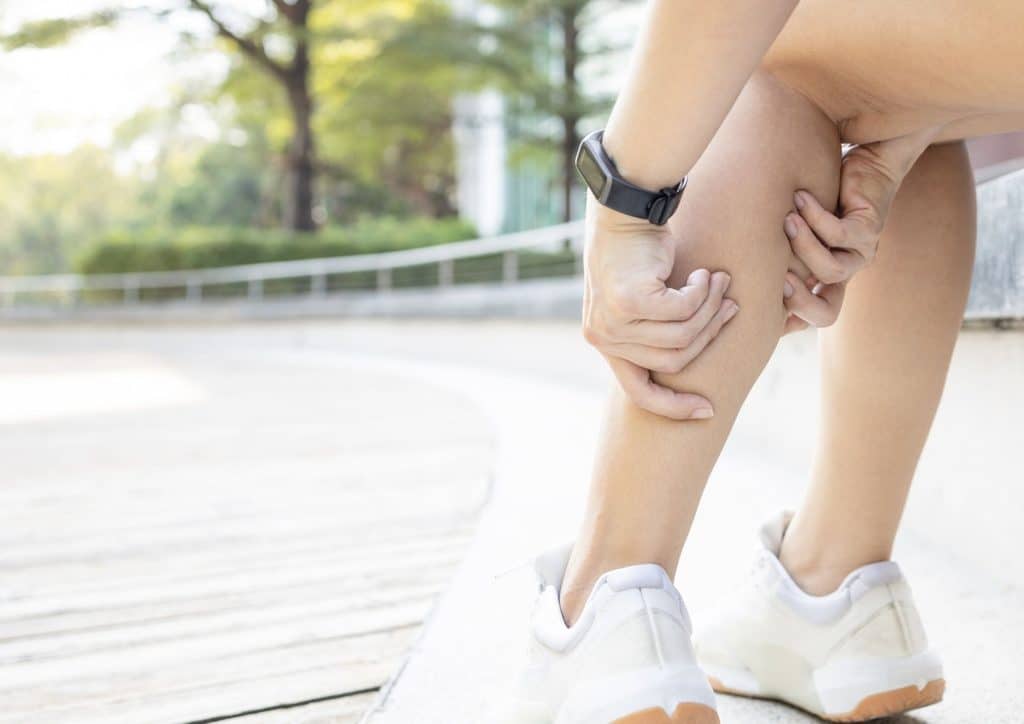
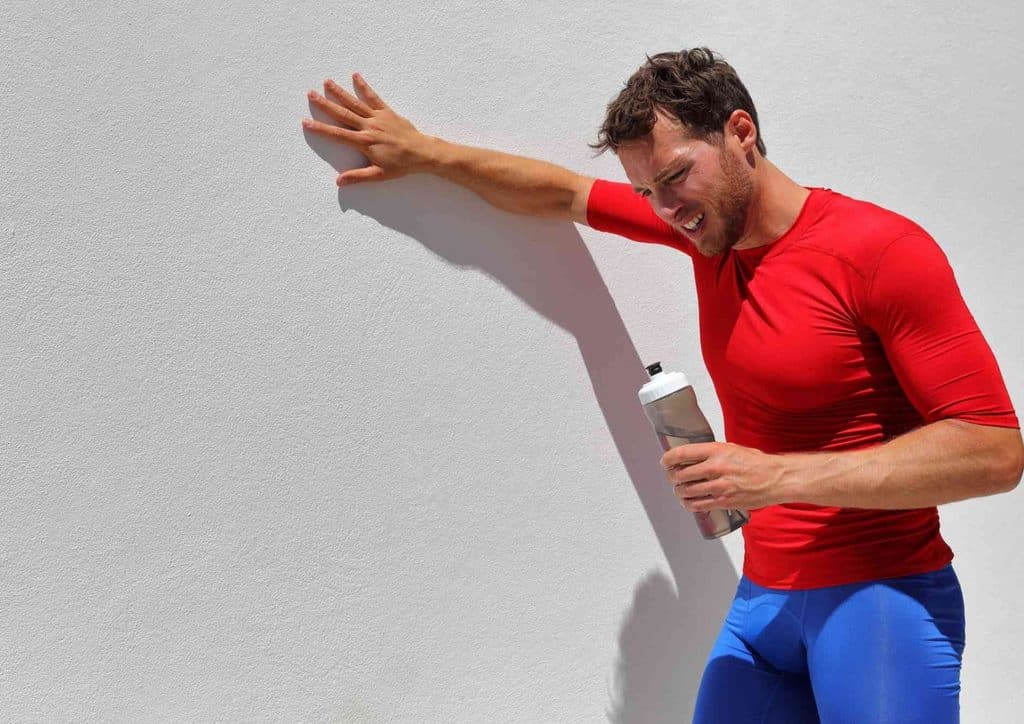
Dehydration can contribute to muscle cramps in some circumstances, but it is not considered the main explanation for every exercise associated cramp. Muscle fatigue and altered neuromuscular control are important factors, particularly during intense exercise.
When you sweat, your body loses water and electrolytes, including sodium. If fluid losses become substantial, your ability to maintain normal exercise performance can be affected.
| Key Question | What Is Really Happening | What It Means for You |
|---|---|---|
| Is Dehydration the Main Cause? | While fluid loss plays a role in certain situations, it is not the sole reason why exercise cramps happen. | Muscle tiredness and nervous system fatigue are much bigger factors during hard workouts than low water levels alone. |
| The Role of Sweat and Salt | Sweating causes your body to lose water and key minerals like sodium, which affects how your muscles perform. | Heavy fluid losses will drag down your overall energy and stamina, even if they do not cause an instant muscle spasm. |
| Fluid and Electrolyte Balance | Replacing lost water and salt helps keep your body running smoothly during long or hot sessions. | Drink fluids when you are thirsty and include electrolytes during long workouts to support your overall endurance. |

Does drinking more water prevent cramps?
Drinking enough water is important, but drinking excessive amounts will not necessarily prevent muscle cramps.
Your fluid requirements depend on several factors, including those that influence overall health and a balanced diet for weight loss:
- Your body size and individual sweat rate.
- The temperature and humidity.
- How long and intensely you exercise.
- How much fluid you lose during training.
- Your usual hydration habits.
For example, someone completing a short strength training session in an air conditioned gym will generally have different fluid requirements from someone running for two hours outdoors in summer.
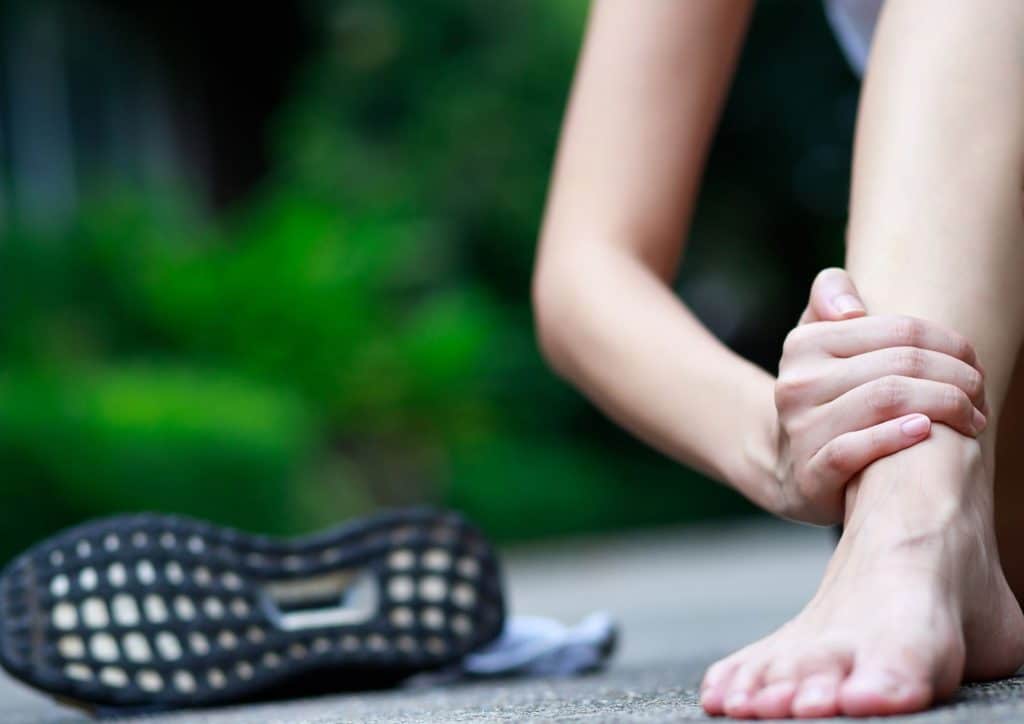
| Hydration Factor | How It Affects Fluid Needs | Real World Example |
|---|---|---|
| Water Intake Limits | Staying hydrated is essential for health, but forcing excessive fluids does not automatically stop muscles from locking up. | Drinking far beyond your natural thirst will not shield you from fatigue-driven spasms. |
| Personal Sweat Rates | Your body size, personal perspiration levels, and baseline habits dictate how much fluid you actually require. | Two athletes doing the same workout can lose vastly different amounts of water and salts. |
| Environmental Impact | Ambient temperature and humidity levels directly alter how fast your body perspires during physical activity. | Outdoor summer training creates much higher fluid demands than an indoor air conditioned gym. |
| Workout Duration and Pace | The length and difficulty of your session determine how quickly your body depletes its water reserves. | A brief gym session has completely different fluid requirements compared with a two-hour endurance run. |
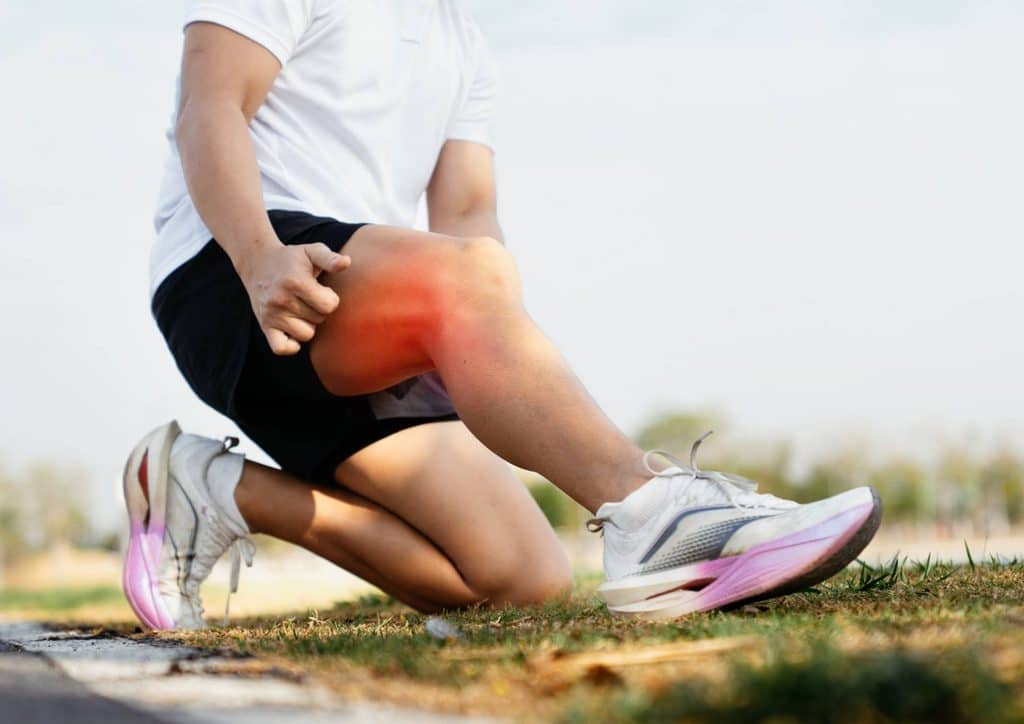
What is the difference between dehydration and electrolyte losses?
Dehydration refers to a reduction in body water, while electrolyte losses involve minerals such as sodium being lost through sweat.
Both can become relevant during prolonged exercise, particularly in hot conditions. However, replacing electrolytes without considering your actual sweat losses is not necessarily helpful.

| Physiological Variable | Core Definition | Practical Management |
|---|---|---|
| Fluid Reduction (Dehydration) | A direct decrease in total body water volume caused by ongoing perspiration during physical exertion. | Monitor body weight changes and drink fluids to match your personal thirst and sweat losses. |
| Mineral Loss (Electrolytes) | The depletion of vital salts, primarily sodium, expelled through sweat during extended exercise sessions. | Include sodium in your nutrition plan during long workouts, especially when training in hot weather. |
| Targeted Supplementation | Taking mineral supplements blindly without measuring actual sweat losses offers little benefit to muscle function. | Tailor your electrolyte intake to your individual sweat rate rather than relying on generic product dosages. |
Hydrate around training
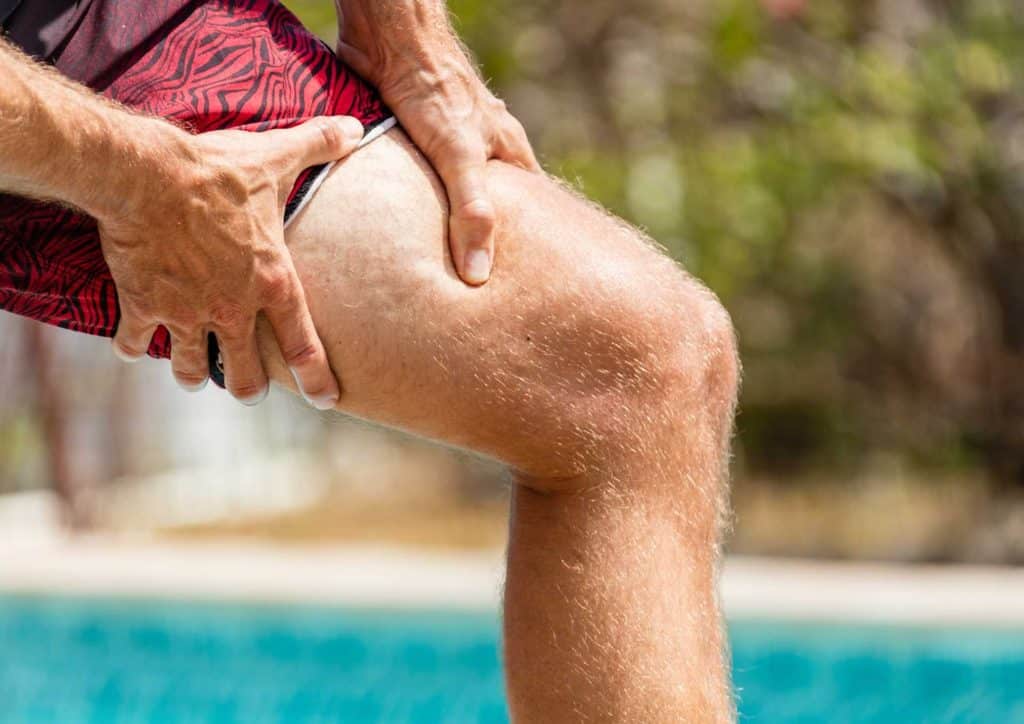
Start exercise adequately hydrated and drink according to your thirst, exercise conditions and individual fluid losses.
| Hydration Practice | Why It Matters | How to Implement It |
|---|---|---|
| Pre-Session Baseline | Starting physical activity in a well-hydrated state prevents early cardiovascular strain and performance drops. | Sip fluids steadily in the hours leading up to your workout rather than chugging large amounts all at once. |
| Thirst-Led Drinking | Your body possesses natural regulatory mechanisms that signal when fluid intake is required during exercise. | Listen to your natural thirst cues during training rather than forcing fluids past your comfortable limits. |
| Environmental Adaptation | Hot weather and high humidity accelerate sweat losses, requiring adjustments to your fluid intake frequency. | Increase your drinking frequency when training outdoors in summer or in warm, enclosed facilities. |

What to do when a cramp hits
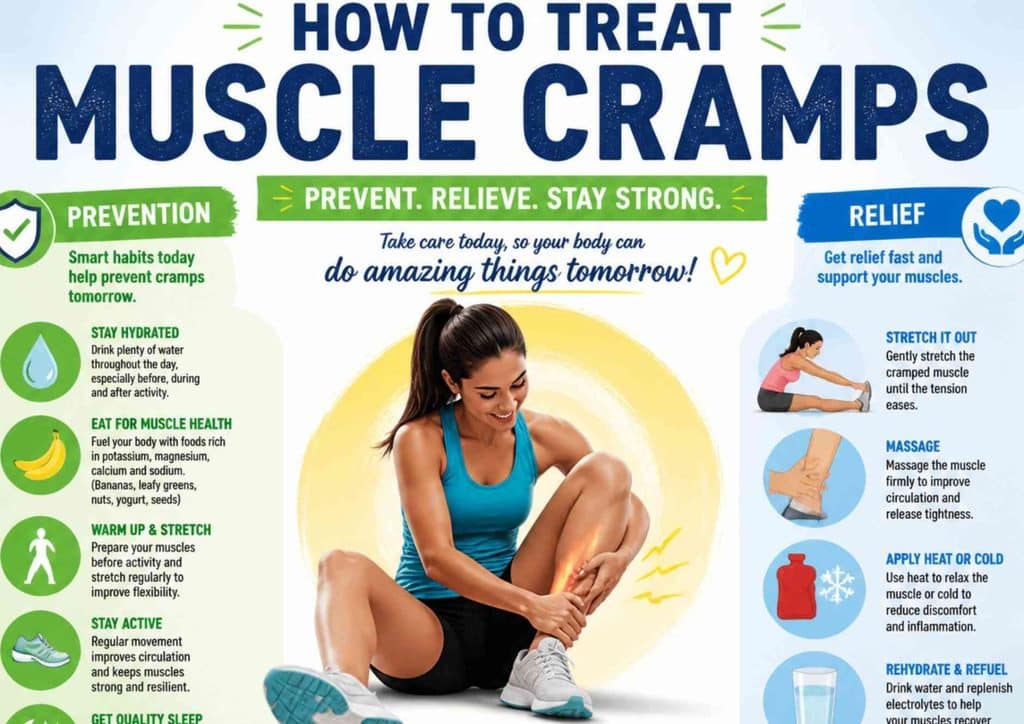
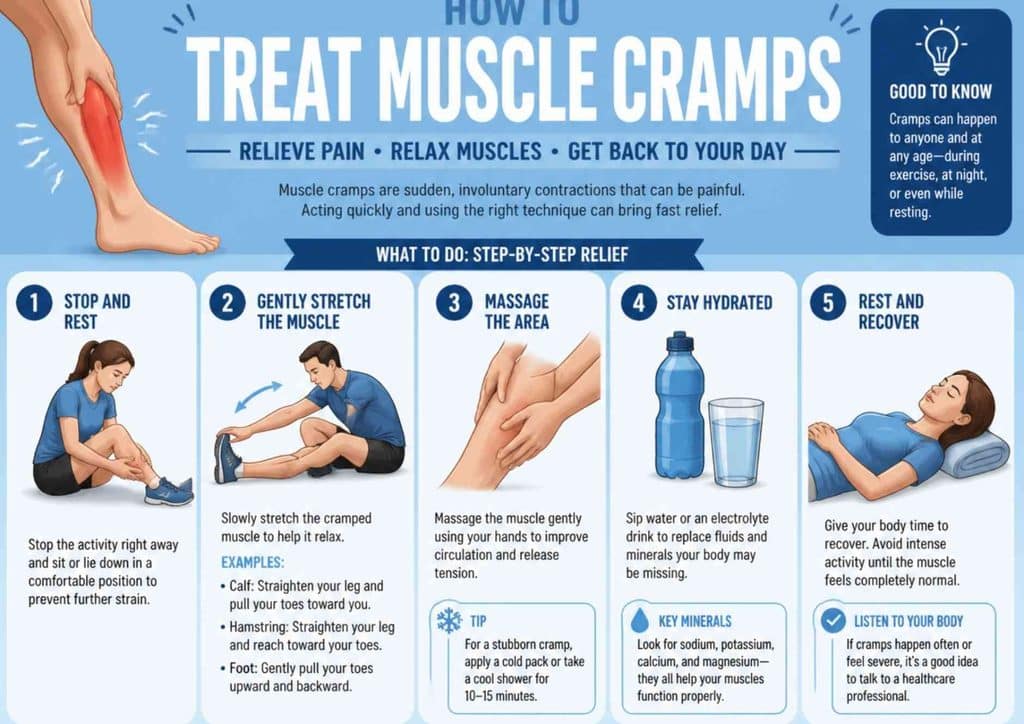
When a muscle cramps during exercise, stop or reduce the activity and gently stretch the affected muscle until the contraction begins to ease. Avoid forcing the muscle through painful movement or immediately returning to intense exercise.
Follow these steps:
- Stop exercising and move into a comfortable position.
- Gently stretch the affected muscle, holding the stretch without bouncing.
- Massage the muscle gently if comfortable.
- Allow the muscle to relax before gradually returning to activity.

| Action Step | Physiological Response | Practical Execution |
|---|---|---|
| Cease Exertion | Stopping movement removes the mechanical trigger, halting ongoing motor neuron hyperactivity and forced contractions. | Stop exercising immediately and transition into a comfortable, supported position to let the tissue settle. |
| Passive Stretching | A gentle stretch applies tension to the golgi tendon organs, sending inhibitory signals that prompt the muscle to relax. | Gently elongate the affected muscle without bouncing, holding a comfortable stretch until the spasm begins to ease. |
| Gentle Massage | Light tactile stimulation helps normalise local muscle tone and provides sensory feedback to calm overactive spinal reflexes. | Massage the cramped area softly if comfortable to encourage blood flow and relieve residual tightness. |
| Gradual Return | Allowing adequate recovery time prevents the hyper-excitable motor unit from immediately locking back up upon re-engaging. | Rest fully before easing back into physical activity, avoiding any forced movements or immediate high-intensity efforts. |

How to stretch common exercise cramps
Calf cramps: Straighten your knee and gently pull your toes towards your shin. You can also lean against a wall with the affected leg behind you and the heel on the ground.
Hamstring cramps: Sit with the affected leg extended and gently lean forwards towards your foot without forcing the stretch.
Quadriceps cramps: Stand with support, bend your knee and gently bring your heel towards your buttocks.

| Muscle Group | Mechanical Action | Practical Execution |
|---|---|---|
| Calf Muscles | Elongates the gastrocnemius and soleus complexes by dorsiflexing the ankle joint and inhibiting reflex spasms. | Straighten your knee and pull your toes towards your shin, or lean against a wall with your heel flat on the ground. |
| Hamstring Group | Applies gentle tension to the posterior thigh muscles to normalize tone and ease involuntary posterior contractions. | Sit with your affected leg extended and reach forward towards your foot without forcing or bouncing through pain. |
| Quadriceps Group | Releases anterior tension in the thigh by flexing the knee and lengthening the contracted muscle fibers safely. | Stand while holding a support, bend your knee, and gently bring your heel back toward your glutes. |
Should you keep exercising after a cramp?
Give the affected muscle time to recover. If the cramp settles completely, you may be able to resume activity at a lower intensity. If the pain persists, the muscle feels unusually tender or you cannot move normally, stop exercising.
| Assessment Sign | Underlying Status | Recommended Action |
|---|---|---|
| Complete Recovery | Neural pathways and local muscle fibres have returned to baseline tone without lingering discomfort. | Resume physical activity gently at a reduced intensity level once all spasm activity has fully ceased. |
| Persistent Tenderness | Residual soreness indicates micro-damage within the muscle tissue, increasing the likelihood of an immediate re-spasm. | Cease exercise entirely for the session if the muscle remains tender or restricted in its normal range of motion. |
Eating and drinking to lower your risk
Eating enough food, maintaining adequate hydration and supporting muscle recovery can help reduce some of the factors associated with exercise related cramping. Your nutrition should reflect the duration, intensity and demands of your training.

| Nutritional Focus | Why It Protects Muscles | Practical Dietary Approach |
|---|---|---|
| Adequate Energy Intake | Consuming sufficient calories prevents premature glycogen depletion and helps working muscle fibres maintain stable energy reserves. | Fuel your daily training sessions with balanced meals containing enough carbohydrates to match your activity levels. |
| Fluid and Electrolyte Balance | Proper hydration and mineral intake support normal cellular function and minimise the risk of performance-inhibiting fatigue. | Tailor your fluid and salt intake to match the duration, intensity, and environmental demands of your workouts. |
| Supporting Recovery | Providing the body with proper nutrients after exercise aids muscle repair and prepares tissues for upcoming training sessions. | Include quality protein and carbohydrate sources in your post-workout meals to optimise overall tissue recovery. |
Eat enough carbohydrates to support exercise
Carbohydrates are an important fuel source, particularly during moderate to high intensity exercise. Inadequate carbohydrate intake can make it harder to maintain training intensity and may contribute to fatigue.
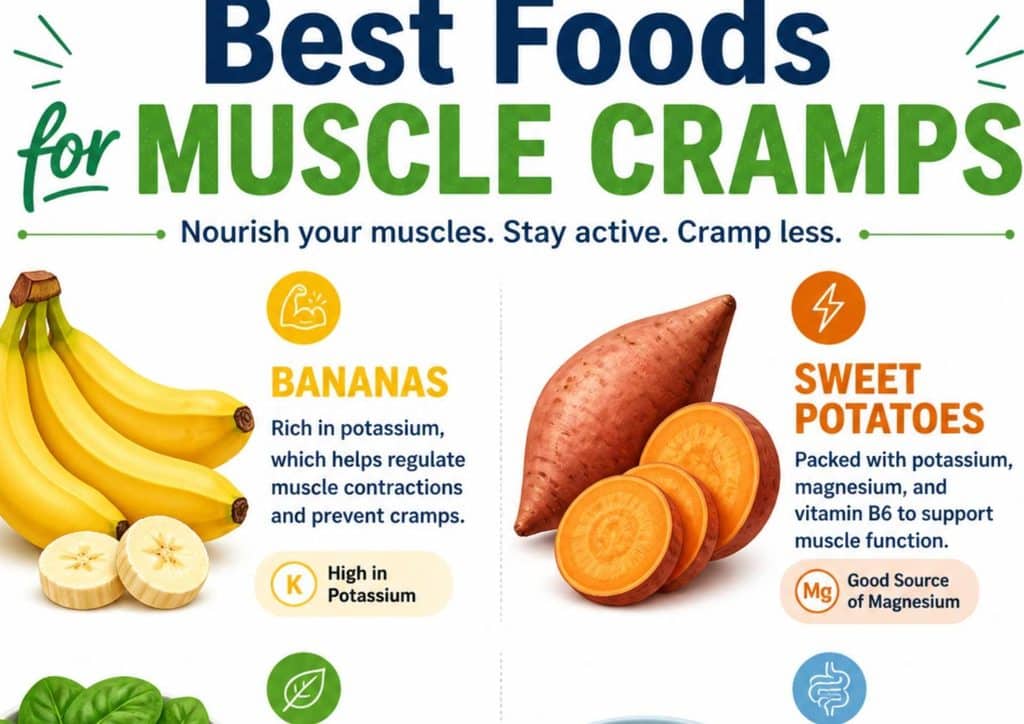
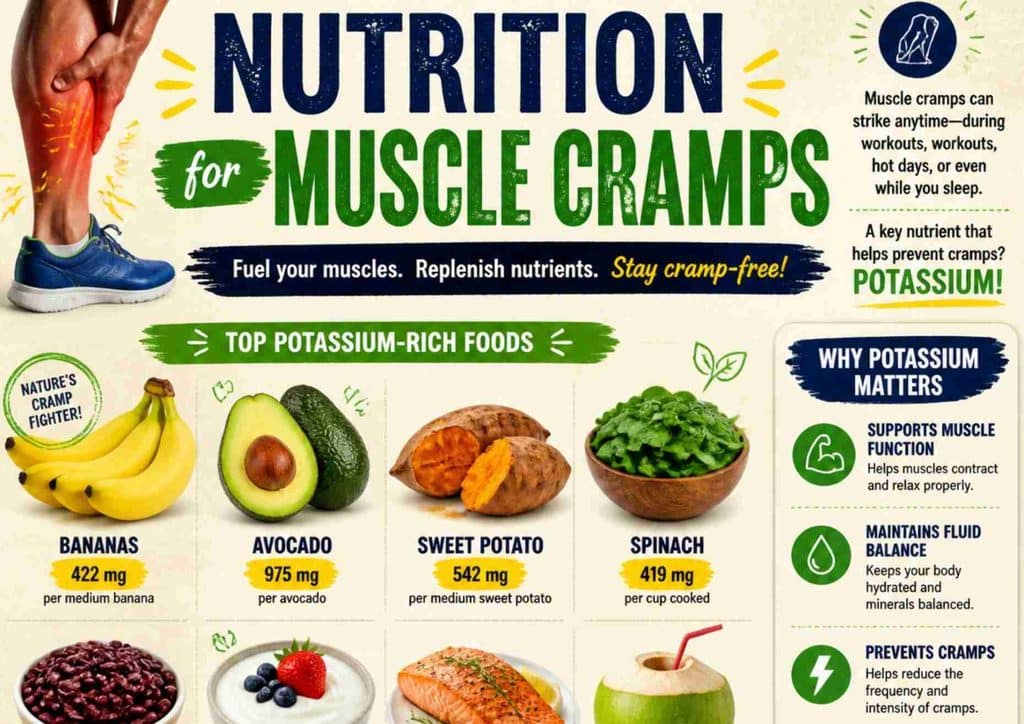
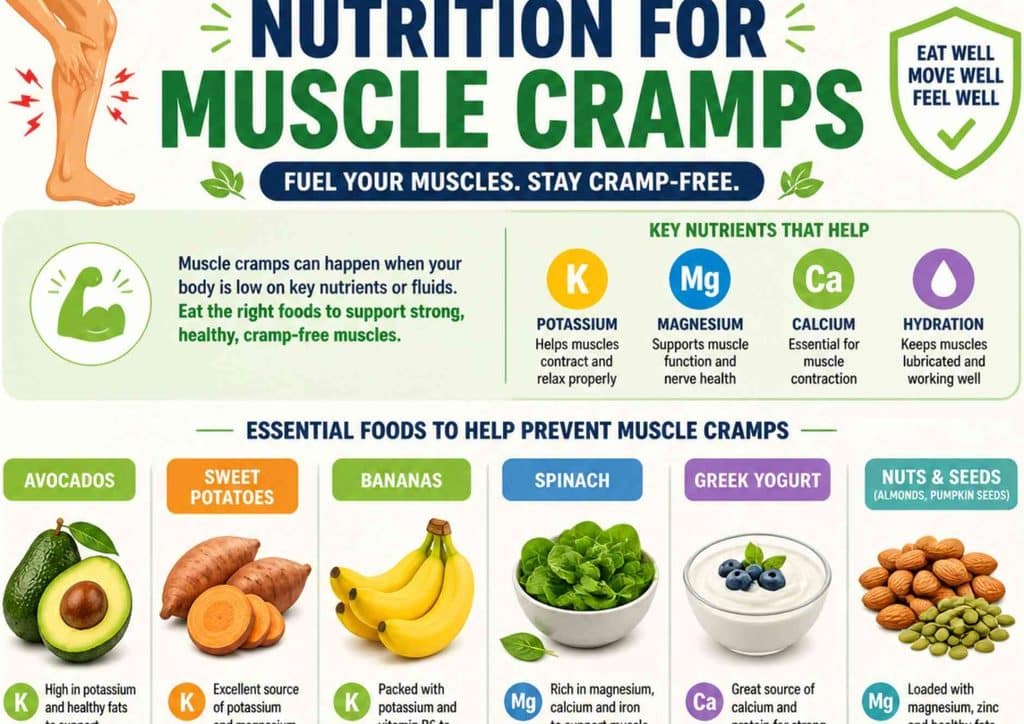
Good options include oats, wholemeal pasta, brown rice, sweet potato, bananas and grapes.
For runners, matching carbohydrate intake to training demands is an important part of nutrition for runners, particularly when preparing for longer distances.

| Nutritional Principle | Physiological Role | Practical Food Selection |
|---|---|---|
| Primary Energy Source | Carbohydrates supply the readily accessible glucose required to sustain moderate and high intensity exercise demands. | Fuel your daily meals with wholesome staples like oats, wholegrain bread, rice, and potatoes. |
| Fatigue Mitigation | Low carbohydrate availability accelerates glycogen depletion, causing premature muscle tiredness and declining output. | Include quick digesting fruit sources such as bananas to top up energy levels before and during activity. |
| Endurance Preparation | Matching intake volumes to training mileage protects working tissues from the severe strains of long distance running. | Scale your total carbohydrate intake upwards when preparing for extended sessions or high mileage weeks. |

Include protein to support muscle recovery
Protein provides the amino acids required for muscle repair and adaptation following exercise.
Include protein throughout the day rather than relying on one large meal. Useful options include:
- Eggs and recipes such as protein pancakes.
- Greek yoghurt, including recipes such as a high protein banana smoothie.
- Chicken and fish.
- Tofu and tempeh.
- Milk, dairy products and quality whey protein supplements.
- Lentils, beans and chickpeas.

| Nutritional Principle | Physiological Role | Practical Food Selection |
|---|---|---|
| Tissue Repair and Adaptation | Protein supplies essential amino acids that rebuild muscle fibres and support recovery following physical exertion. | Include quality protein sources across your meals throughout the day rather than consuming one large serving. |
| Animal Protein Sources | Provide complete amino acid profiles that efficiently support muscle tissue regeneration after strenuous training. | Integrate eggs, Greek yoghurt, chicken, fish, milk, and other dairy products into your daily nutrition. |
| Plant Protein Options | Offer versatile vegetarian and vegan alternatives to help meet daily intake goals and support ongoing recovery. | Utilise tofu, tempeh, lentils, beans, and chickpeas regularly to diversify your protein sources. |

Do you need more magnesium?
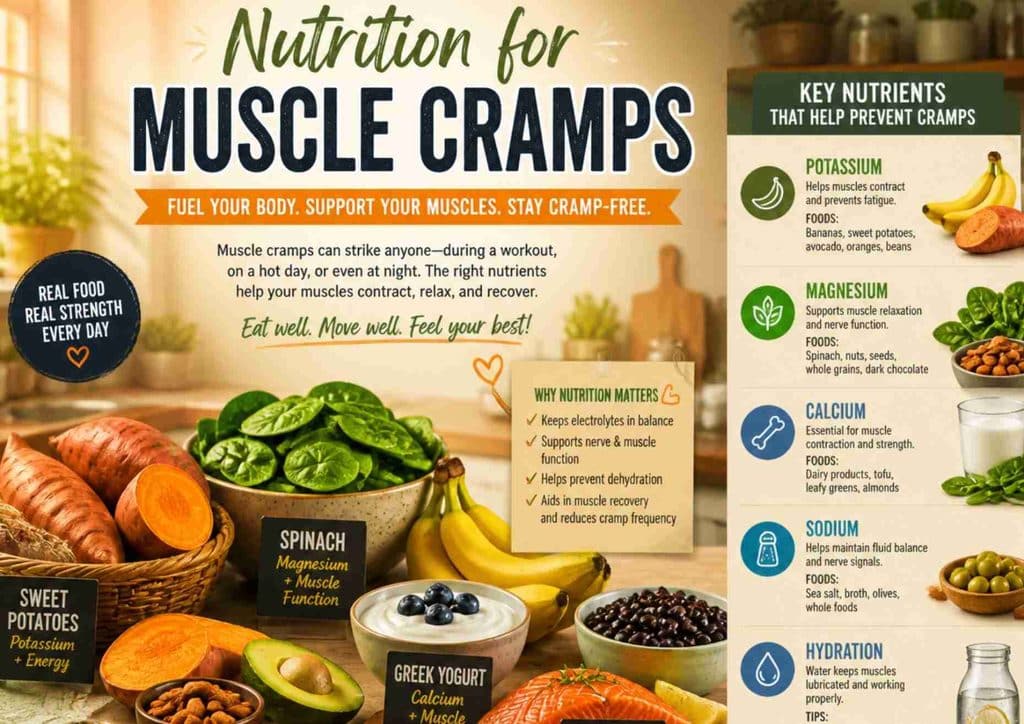
Magnesium is involved in normal muscle and nerve function, but taking magnesium supplements does not reliably prevent exercise associated muscle cramps in otherwise healthy people.
It is worth getting enough magnesium through your usual diet. Foods containing magnesium include pumpkin seeds, almonds, spinach, legumes, wholegrains and fibre-rich foods.
If you are considering supplementation, particularly if you take medication or have an existing health condition, discuss it with your GP.
| Nutritional Principle | Physiological Role | Practical Food Selection |
|---|---|---|
| Supplement Efficacy | While magnesium supports normal muscle and nerve function, taking high dose supplements does not reliably stop exercise cramps in healthy individuals. | Focus on meeting your daily needs through wholesome food sources rather than relying on pills to prevent spasms. |
| Dietary Magnesium Sources | Provides essential micronutrients that support overall metabolic health and foundational neuromuscular stability. | Include pumpkin seeds, almonds, spinach, legumes, wholegrains, and dark chocolate regularly in your meals. |
| Clinical Guidance | Consuming concentrated supplements requires caution when interacting with existing medications or underlying health conditions. | Discuss potential supplementation with your general practitioner before adding high dose products to your routine. |
Should you drink electrolyte drinks?
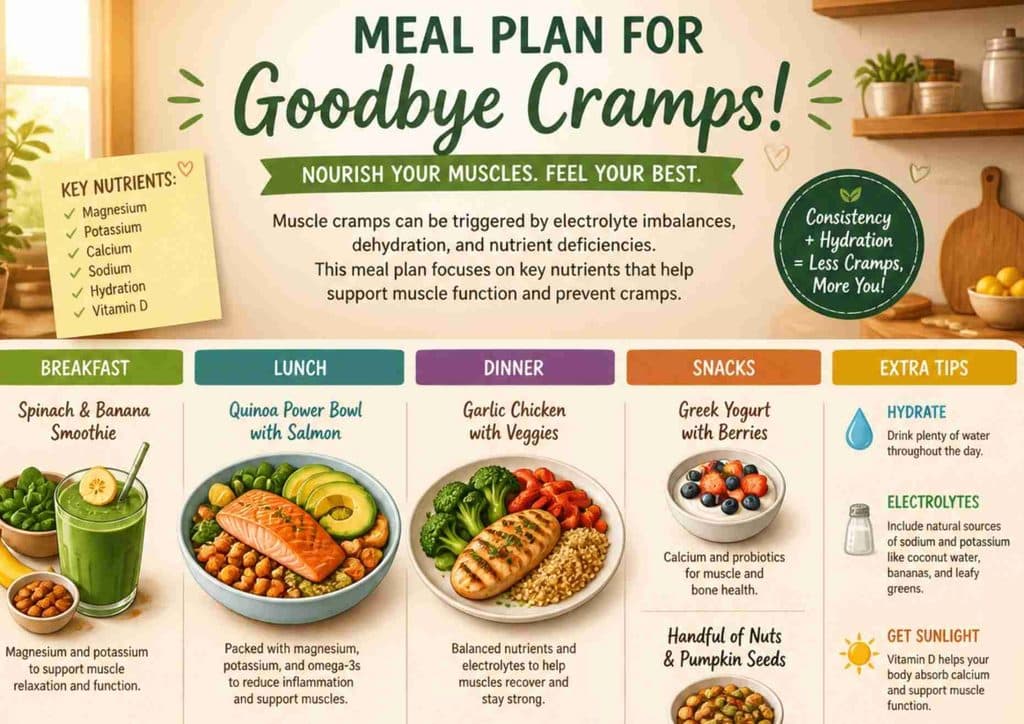
They are not necessary for every workout. For shorter sessions, water and normal balanced meals are generally sufficient.
Coconut water contains potassium and other electrolytes, but it is relatively low in sodium compared with many sports electrolyte drinks. It should not automatically be considered a complete replacement for substantial sodium losses during prolonged exercise.
| Hydration Source | Physiological Role | Practical Application |
|---|---|---|
| Commercial Electrolyte Drinks | Provide balanced water and sodium ratios to replace substantial sweat losses during extended physical exertion in warm conditions. | Reserve sports drinks for prolonged training sessions rather than everyday hydration or short workouts. |
| Water and Balanced Meals | Sufficient to maintain normal fluid balance and replenish minerals for routine, shorter duration exercise sessions. | Stick to plain water and wholesome meals when training for shorter periods or in cool environments. |
| Coconut Water Profile | Contains potassium and other minerals but lacks the high sodium concentrations found in standard sports drinks. | Do not rely on coconut water as a complete sodium replacement during heavy or prolonged sweat losses. |

Which foods support muscle function?
| Trigger | Why it matters | What to try |
|---|---|---|
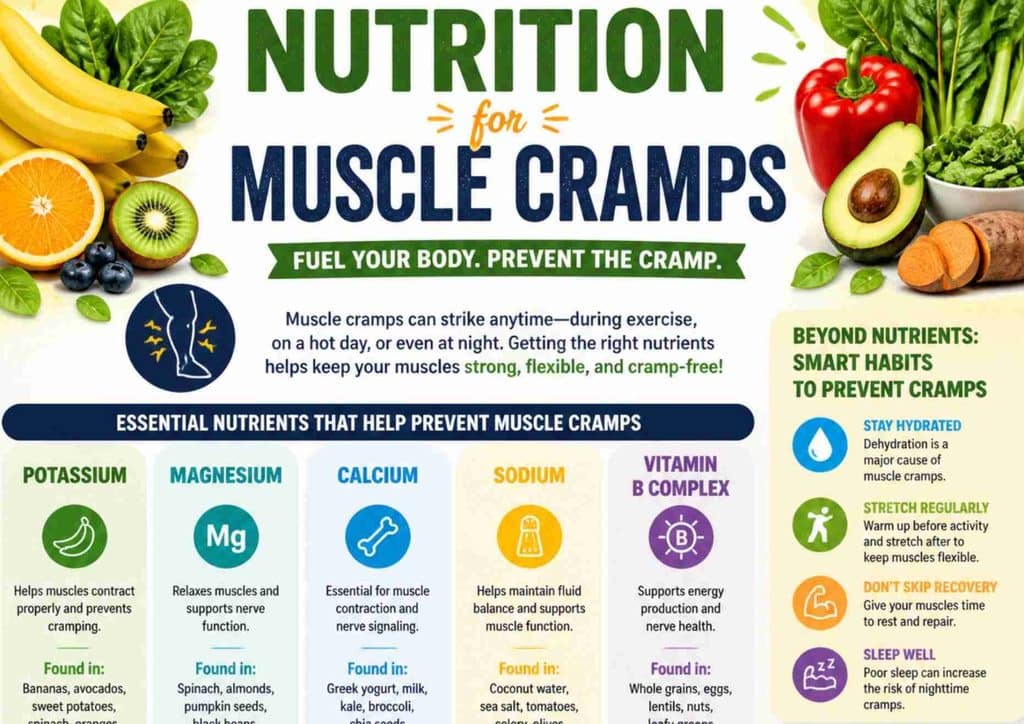
| Mineral Foundations | A balanced diet provides a range of nutrients involved in normal muscle function, including sodium, potassium, magnesium, and calcium. | Focus on whole foods to support daily mineral requirements and overall neuromuscular health. |
| Muscle fatigue | Muscles become more susceptible to cramping as exercise demands increase. | Gradually build training volume and intensity. |
| Sudden increases in training | Muscles may not be conditioned for the additional workload. | Follow a progressive training programme. |
| Hot weather | Increased sweating can lead to greater fluid and sodium losses. | Adjust hydration and consider electrolytes during prolonged exercise. |
| Inadequate carbohydrate intake | Low energy availability can contribute to fatigue. | Include carbohydrate rich foods around training. |
| Insufficient recovery | Repeated demanding sessions can increase accumulated fatigue. | Allow adequate recovery between harder workouts. |
| Inadequate overall nutrition | Insufficient intake can affect training performance and recovery. | Eat balanced meals with adequate energy and nutrients. |
When a personalised plan helps by a sports nutritionist
Working alongside a sports nutritionist allows you to move past generic advice and develop a tailored fuelling strategy that matches your unique physiological profile, training schedule and daily lifestyle demands.
Whether you are navigating persistent cramping, managing high endurance mileage, or trying to optimise your body composition, an expert review helps pinpoint exact gaps in your energy intake, hydration habits, and recovery protocols.
By evaluating factors like your individual sweat rate, training intensity, and dietary preferences, a specialist can help you structure your meals and race day nutrition precisely. This structured approach ensures you maintain adequate carbohydrate availability, support muscle repair, and build resilience against fatigue so you can perform consistently without setbacks.

When should you speak with a sports nutritionist?
If you regularly experience cramps during training, reviewing your overall nutrition by a sports nutritionist expert, hydration and training routine can help identify potential areas for improvement.
A running nutritionist can also help assess your carbohydrate intake, fluid requirements and fuelling strategy around longer training sessions.

| Consultation Reason | What an Expert Evaluation Provides | Practical Benefit |
|---|---|---|
| Recurring Training Cramps | A comprehensive review of your overall nutrition, daily hydration habits, and training load to pinpoint contributing factors. | Identify specific areas for improvement in your daily routine to reduce chronic spasm risks. |
| Endurance and Fuelling Strategies | Specialist guidance on assessing your carbohydrate intake, specific fluid requirements, and race-day nutrition plans. | Optimise your energy availability and stamina around longer training sessions or race preparations. |
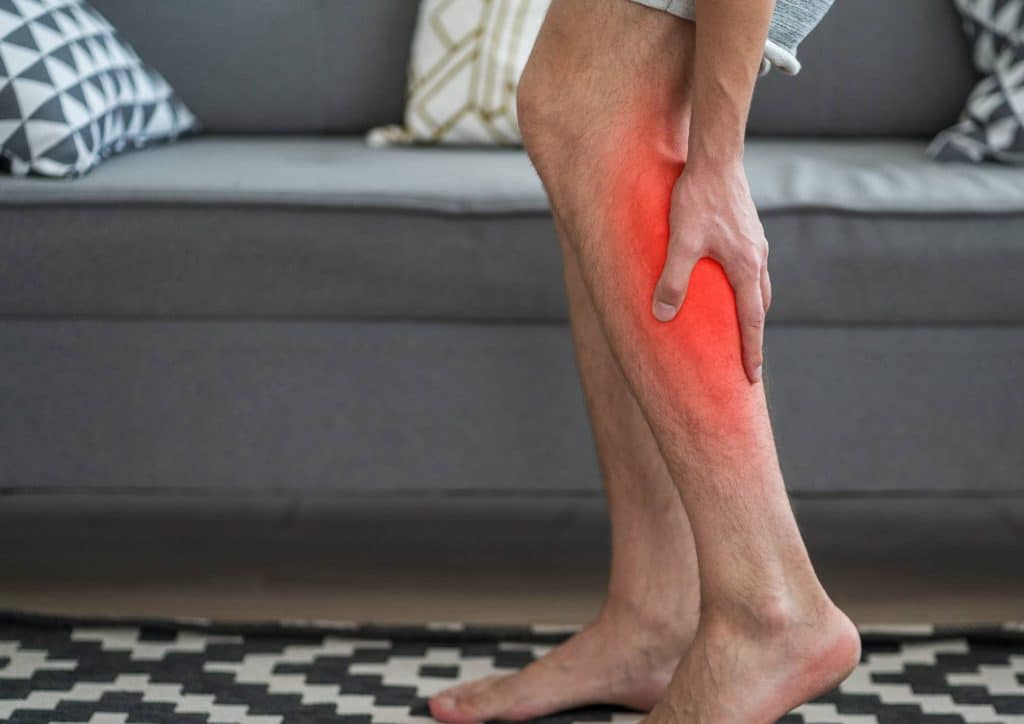
Good to know
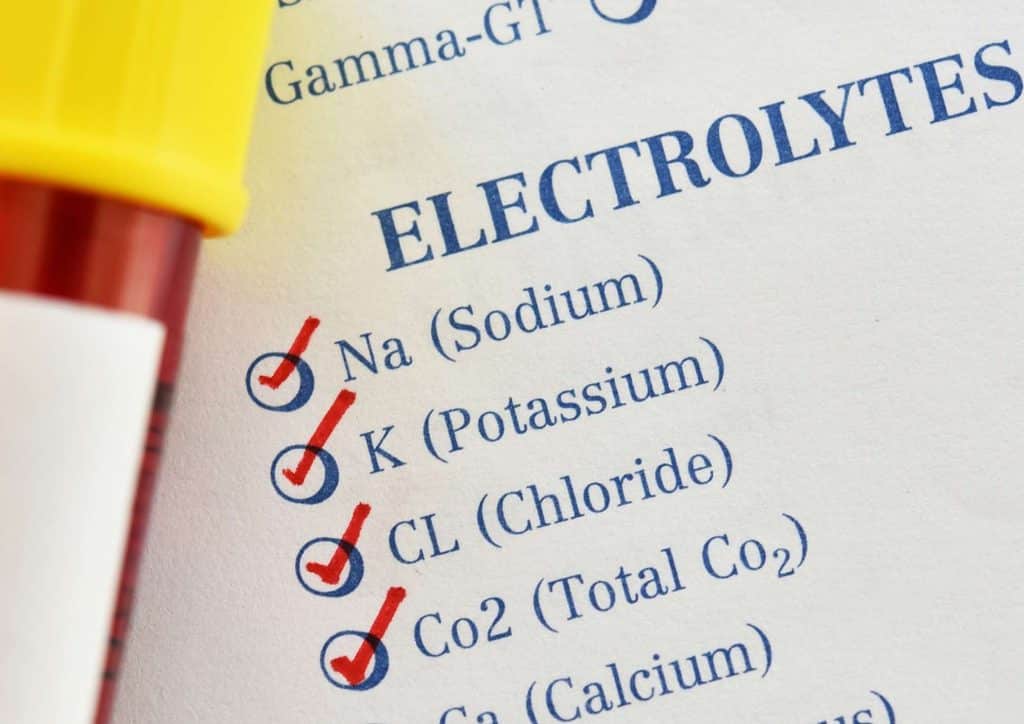
Sweat contains sodium as well as water, and people can lose very different amounts depending on their individual sweat rate and the conditions. In hot weather, replacing substantial fluid and sodium losses becomes particularly important during prolonged exercise.
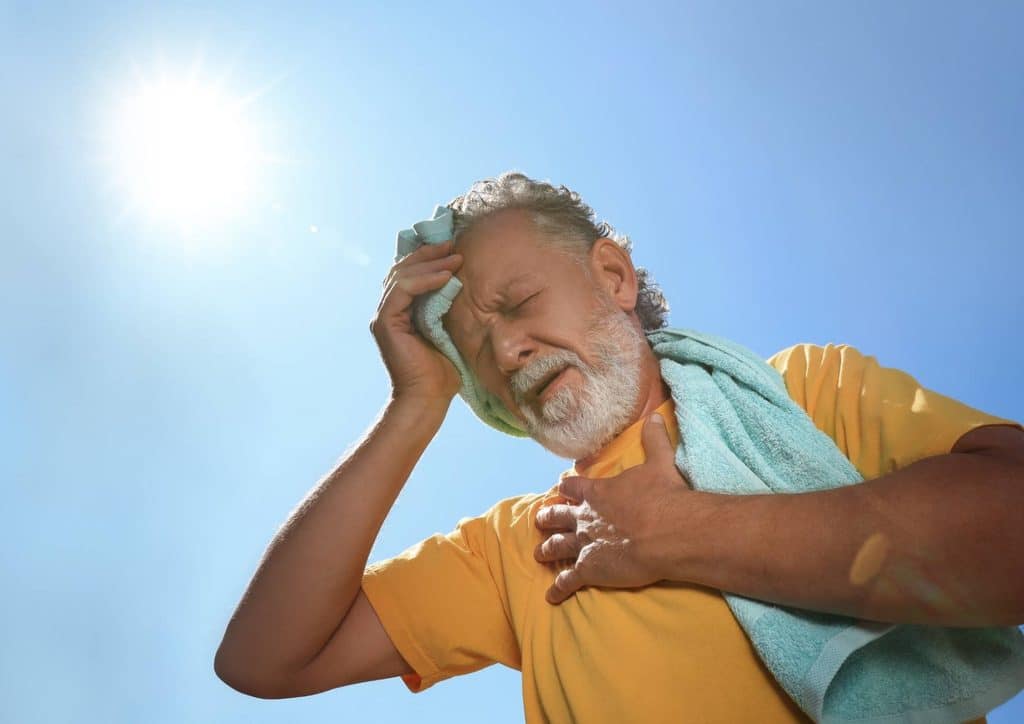
| Hydration Factor | Physiological Principle | Practical Application |
|---|---|---|
| Electrolyte Loss in Sweat | Sweat consists of water combined with varying concentrations of sodium, meaning heavy sweating depletes both fluid and mineral reserves. | Account for both water and sodium replacement when planning your intake for extended training sessions. |
| Individual Variability | Sweat rates differ significantly between individuals based on genetics, fitness levels, and acclimation to ambient temperatures. | Tailor your hydration strategy to your personal sweat rate rather than following a generic drinking schedule. |
| Hot Weather Management | Elevated environmental temperatures accelerate fluid and sodium losses, increasing the risk of performance declines and cramping. | Prioritise proactive fluid and electrolyte replenishment during prolonged workouts in hot conditions. |

When cramps need a GP
You should speak with your GP if muscle cramps are frequent, severe, occur regularly at rest, or are becoming progressively worse. Cramps accompanied by swelling, muscle weakness or other unusual symptoms also deserve medical assessment.
It is particularly important to seek medical advice if cramping starts after introducing a new medication. Some medicines can contribute to muscle symptoms, and your GP can review whether your medication may be relevant.
Do not stop prescribed medication without discussing it with your treating doctor.
Seek prompt medical attention if you experience severe muscle pain or swelling, particularly after intense exercise, or notice dark, cola coloured urine. These symptoms can indicate a potentially serious muscle injury.
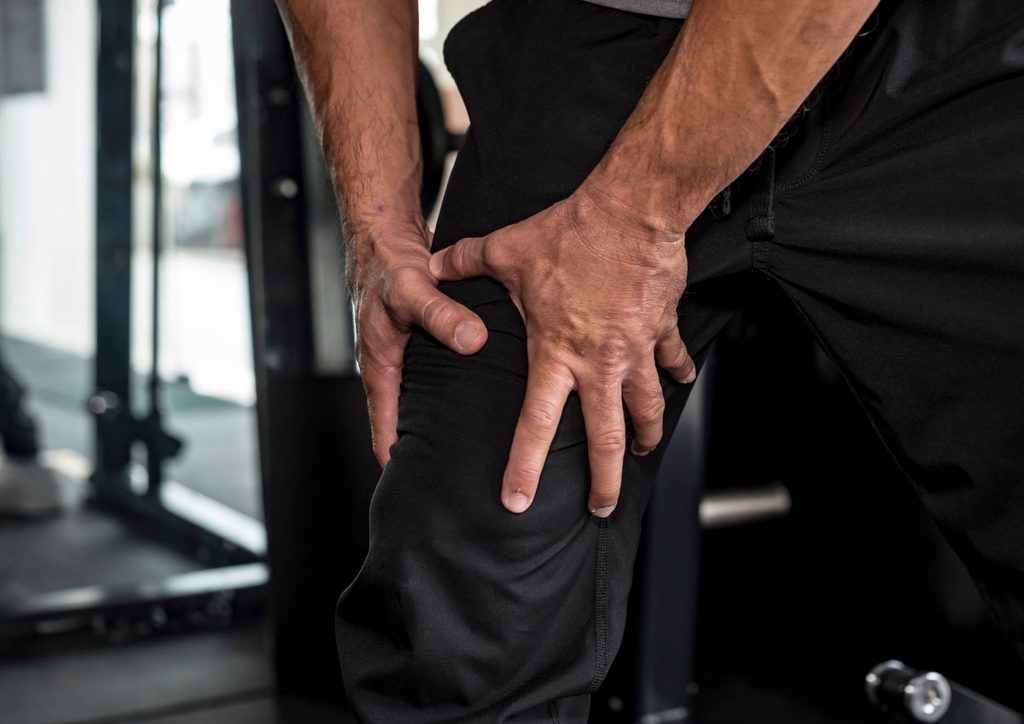
| Clinical Presentation | Underlying Rationale | Recommended Action |
|---|---|---|
| Frequent or Worsening Cramps | Persistent, severe, or progressively worsening spasms, particularly those occurring at rest, may indicate an underlying medical issue. | Schedule an appointment with your general practitioner to investigate recurrent or worsening muscle symptoms. |
| Associated Physical Signs | Cramps accompanied by localized swelling, muscle weakness, or other unusual symptoms require professional diagnostic assessment. | Seek medical advice promptly if physical changes or weakness accompany your muscle spasms. |
| Medication Interactions | Starting a new prescription medicine can sometimes contribute to muscle side effects and increased cramping susceptibility. | Consult your GP to review relevant medications, ensuring you never stop prescribed treatments without professional guidance. |
| Signs of Severe Injury | Severe pain, notable swelling after intense exercise, or dark, cola coloured urine can signal serious conditions like rhabdomyolysis. | Seek prompt medical attention immediately if you notice dark urine or extreme post-exercise swelling and pain. |
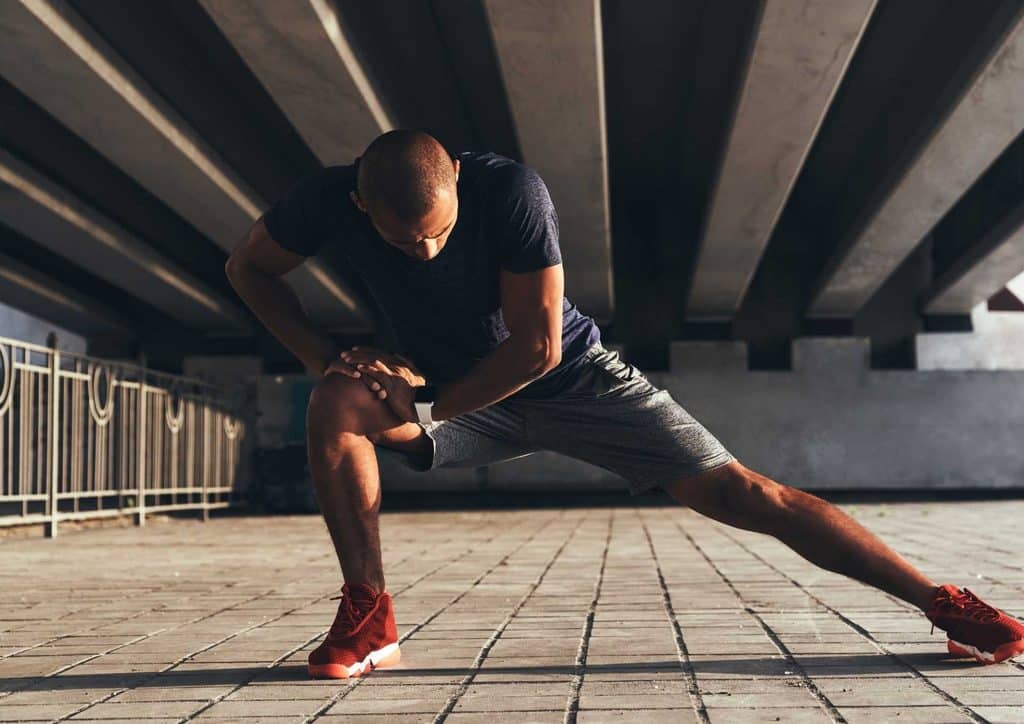
“Strong muscles are built through consistent training, adequate fuelling and proper recovery, not by pushing through every cramp”.
Jake Biggs, Nutrition Longevity

What to do this week
- Gradually adjust your training intensity rather than making sudden increases.
- Include carbohydrate and protein rich foods throughout the day.
- Review your hydration habits, particularly during longer sessions and hot weather.
Final thoughts
Exercise-associated muscle cramps are rarely a simple consequence of dehydration or mineral loss alone. Instead, current evidence points toward neuromuscular fatigue as the primary driver, where high-intensity or unaccustomed workloads alter spinal reflex control and cause involuntary muscle contractions. Understanding this mechanism shifts our focus away from quick-fix remedies and toward proactive, sustainable training habits that respect physiological limits.
Ultimately, preventing and managing cramps requires a balanced approach that combines progressive training loads, adequate daily energy intake, and smart hydration tailored to your individual sweat rate, principles that closely align with sustainable weight loss.
By listening to your body, fuelling your workouts with wholesome carbohydrates and proteins, and seeking professional guidance when persistent symptoms arise, you can support long-term performance and keep your training on track.

What causes muscle cramps and how can you prevent them quiz
Test your understanding of neuromuscular fatigue mechanisms, hydration realities, dietary magnesium, and professional support for exercise associated muscle cramps.
1. What is currently understood to be the primary driver of exercise associated muscle cramps?
2. How effective are magnesium supplements at preventing exercise associated muscle cramps in healthy people?
3. When should electrolyte drinks be utilised during physical training?
4. What is the most appropriate immediate action when a severe muscle cramp strikes during exercise?
5. When should you seek medical evaluation from your general practitioner regarding muscle cramps?
Managing exercise associated muscle cramps relies on progressive training loads, adequate fuelling, smart hydration, and understanding your physiological limits.

Frequently asked questions
Does magnesium stop muscle cramps?
Magnesium supports normal muscle and nerve function, but supplementation has not been shown to reliably prevent exercise associated cramps in otherwise healthy people. Focus on adequate dietary intake.
Do bananas help with cramps?
Bananas provide potassium and carbohydrates, making them a useful training food. However, eating bananas does not guarantee that muscle cramps will stop.
Why do I cramp at night after training?
Night time cramps can occur after demanding exercise, potentially involving muscle fatigue and other individual factors. Persistent or frequent night cramps should be discussed with your GP.
Are cramps a sign of low salt?
Not necessarily. Sodium losses can contribute to cramping in some active individuals, particularly during prolonged exercise in hot weather, but muscle fatigue is also an important factor.
Keep reading
This article is general information, not personal medical or nutritional advice. Individual needs vary. For guidance tailored to you, book a consultation.
Book a 60 minute consultation, in Bondi Junction or by Telehealth from anywhere in the world.