

The quick answer
A high-fibre diet for weight loss can help you feel fuller for longer, manage hunger and create balanced meals that are easier to maintain. Fibre-rich foods also support healthy digestion and, when combined with protein, vegetables and other nutritious weight loss foods support sustainable weight loss without restrictive diets.
The short version
- Include fibre rich foods at most meals to support weight loss by helping you feel fuller for longer and manage hunger. Choose vegetables, fruit, legumes and wholegrains to build satisfying, balanced meals.
- Increase fibre gradually to make weight loss more comfortable by minimising bloating, gas and digestive discomfort. Allow your body time to adjust by introducing small amounts of additional fibre each day.
- Drink enough water and combine fibre rich foods with protein to make weight loss easier by helping you feel satisfied after meals. Include foods such as eggs, chicken, fish, Greek yoghurt, legumes and wholegrains, many of which feature in high protein foods for weight loss, to help manage hunger and maintain muscle mass.
Soluble fibre
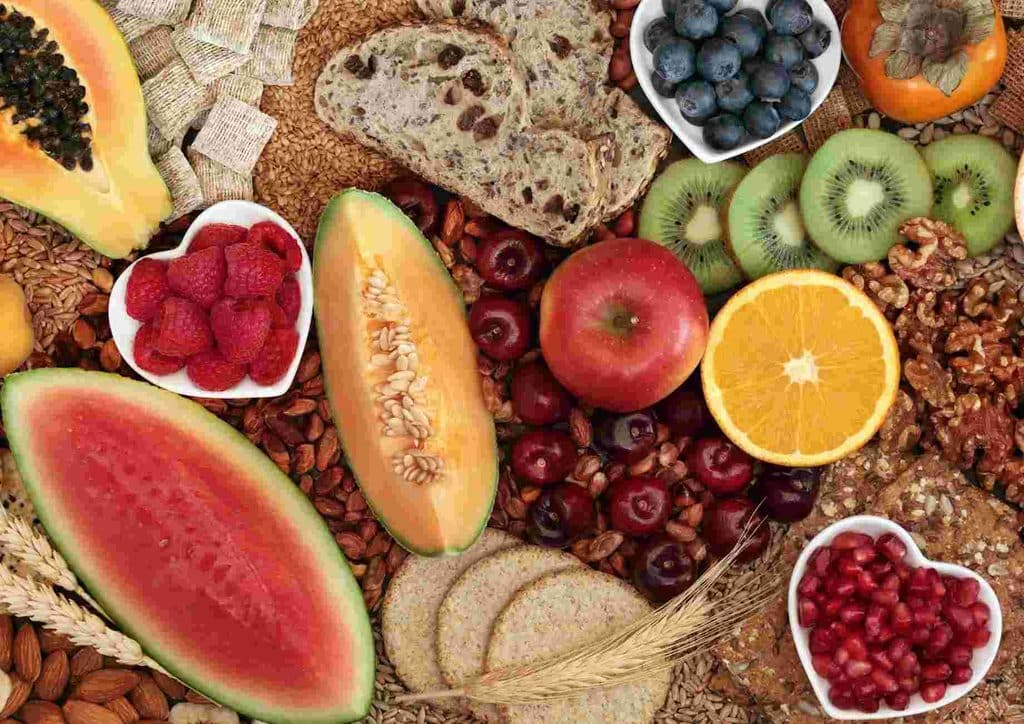
Soluble fibre dissolves in water and forms a gel like substance in your digestive system. It is found in foods such as oats, pasta, rice, sweet potato, and chia seeds. These foods can help you feel satisfied after eating to support weight loss.
Insoluble fibre
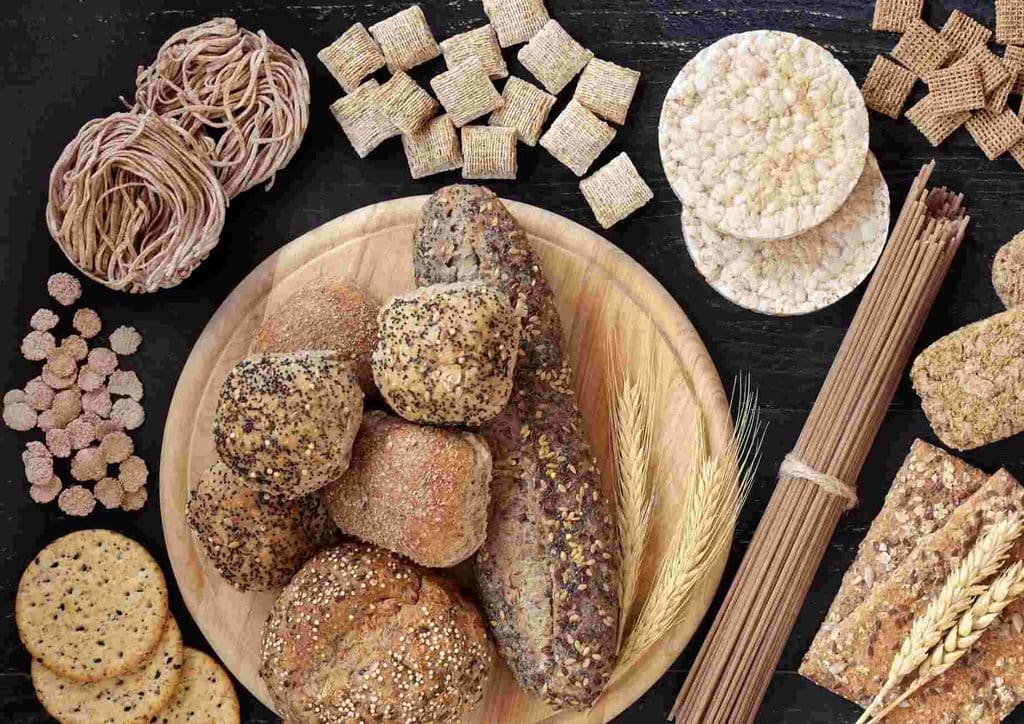
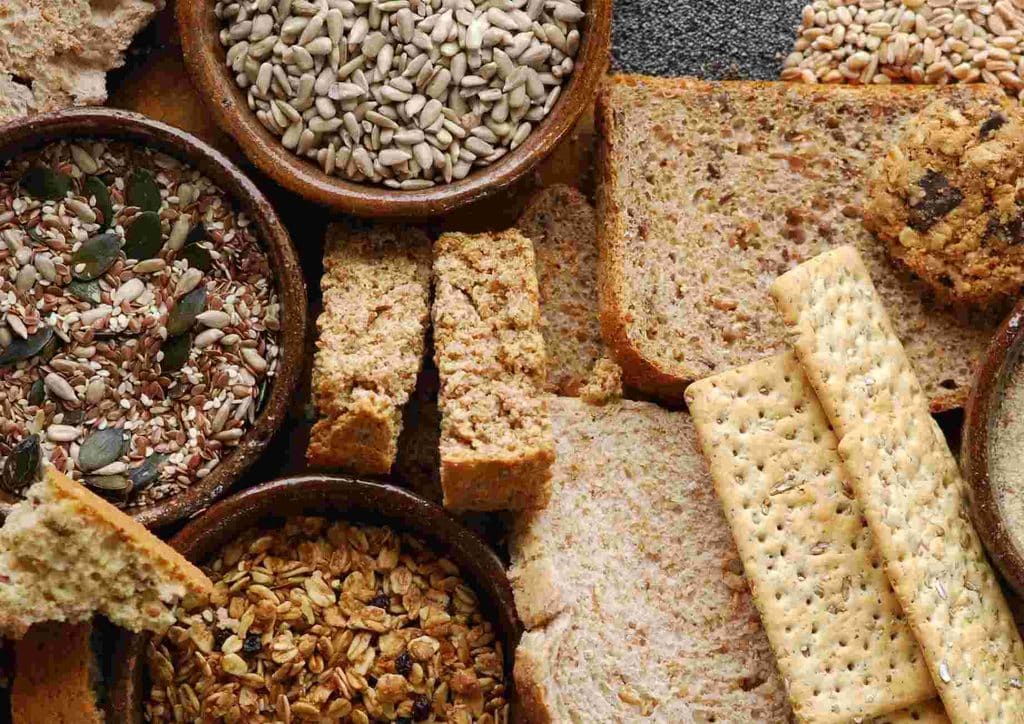
Insoluble fibre helps add bulk to your stools and supports regular bowel movements. It is found in foods such as wholegrain bread, wholegrain cereals, vegetables, nuts and seeds.
| Focus Area | Practical Guideline | Timing or Target | Why It Matters for Weight Loss |
|---|---|---|---|
| Gradual Increase | Raise dietary fibre intake slowly over several weeks to allow digestive adaptation. | Small weekly bumps | Prevents acute gastrointestinal discomfort, bloating, and cramping as gut flora adjusts. |
| Hydration Pairing | Increase plain water intake concurrently with every fibre increase throughout the day. | Matched to fibre intake | Ensures smooth transit through the digestive tract and prevents sluggishness or constipation. |
| Diverse Sources | Include a mix of soluble and insoluble fibre from vegetables, legumes, fruits, and whole grains. | Every main meal | Feeds beneficial gut microbiota and supports optimal metabolic and immune function. |
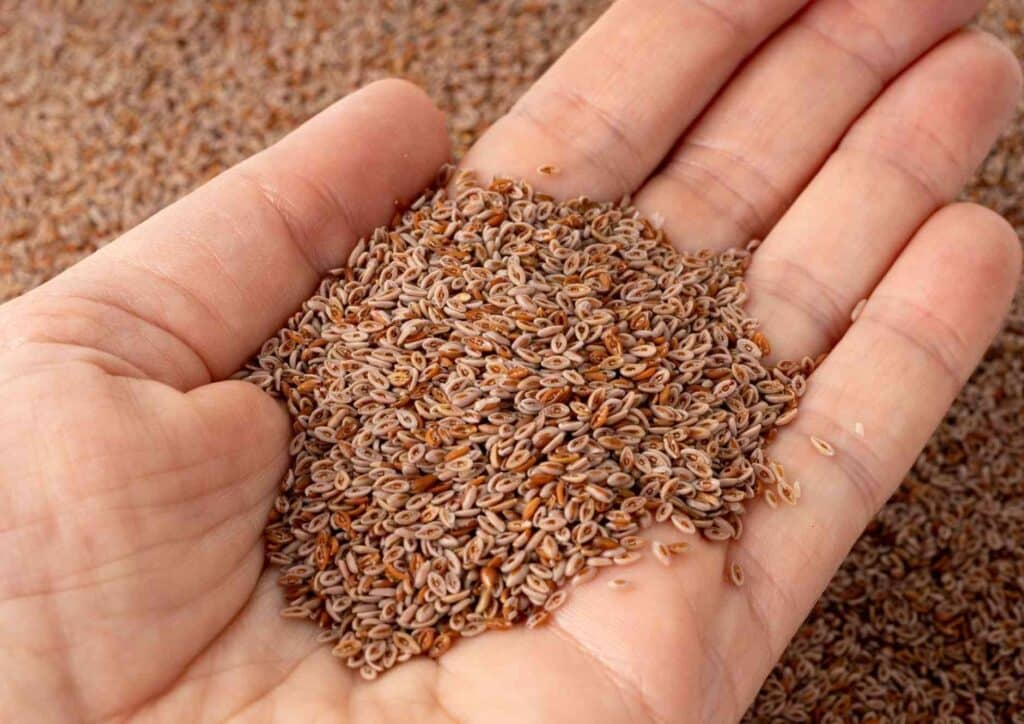
| Viscous Fibre Focus | Emphasise viscous, gel-forming fibres such as chia seeds, oats, beans, and psyllium. | Daily inclusion | Slows gastric emptying significantly, enhancing natural fullness and appetite regulation. |
| Whole Food Priority | Obtain fibre primarily from whole, minimally processed plant foods rather than isolates. | Constant baseline | Delivers accompanying micronutrients, antioxidants, and essential plant compounds naturally. |
| Glycaemic Control | Combine fibre-rich carbohydrates with quality protein and fats to blunt glucose spikes. | At all meals | Stabilises blood glucose levels, curbing sudden energy crashes and subsequent cravings. |

“Successful weight loss is not about eating less and feeling hungry, it is about eating balanced, fibre rich meals that keep you satisfied, nourish your body and fit into your everyday life”.
Jake Biggs, Nutrition Longevity

| Topic Area | Common Myth | Evidence Based Fact | Practical Takeaway |
|---|---|---|---|
| Appetite Control | Eating more dietary fibre automatically leads to weight reduction without any energy awareness. | While plant roughage expands in the stomach and promotes fullness, overall energy balance still determines body mass changes over time. | Use fibre-rich foods to manage hunger, but remain mindful of total daily intake. |
| Speed of Results | Drastically spiking your intake overnight accelerates weight reduction immediately. | Sudden, drastic increases cause digestive distress and temporary water retention, masking true progress on the scale. | Increase intake gradually over several weeks to allow comfortable metabolic and digestive adaptation. |
| Supplement Usage | Taking isolated fibre powders works just as well for trimming down as eating whole plant foods. | Whole plant foods provide physical volume, slower chewing speed, and natural matrix benefits that synthetic powders lack. | Prioritise intact vegetables, legumes, berries, and whole grains over processed supplements. |
| Craving Reduction | Fibre has no direct influence on afternoon sugar cravings or appetite spikes. | Viscous plant compounds form a gel-like matrix that delays gastric emptying and blunts glucose spikes, curbing sudden hunger. | Include gel-forming foods like oats, chia, and beans at main meals to stabilise energy. |
| Gut Microbiome | Gut health has little to do with managing body composition or metabolic rate. | Fermentation of dietary fibre by gut flora produces short-chain fatty acids that influence satiety hormones and metabolic regulation. | Eat a wide variety of plant foods each week to feed diverse, beneficial gut bacteria. |
| Hydration & Scale Weight | Increasing dietary fibre without extra water will speed up slimming down. | Without adequate fluid, increased plant volume can cause sluggish digestion and constipation, leading to bloating and temporary scale increases. | Match every increase in fibre intake with additional plain water throughout the day. |
High dietary fibre diet for weight loss calculator
Discover practical, whole-food nutrition strategies tailored to your digestive rhythm, plant intake, and weight management goals. Complete your profile below to receive personalised guidance for sustainable progress.
Your Dietary Fibre Diagnostic Summary
Your profile indicates that requires careful optimisation for safe, sustainable weight management.
Your tailored dietary fibre recommendations
Need a structured, professional clinical nutrition program?
I will review your personal preferences and formulate an evidence-based strategy designed to support digestive health and sustainable weight management safely.
Book a consultationThis interactive tool provides educational guidance to support healthy nutrition habits and is not a substitute for professional clinical advice.
“I built this interactive calculator to help you cut through the confusion and take the guesswork out of increasing your dietary fibre. By tailoring the strategy to your specific intake, daily routine, and digestive pace, you can support steady weight management, control your appetite naturally, and avoid the bloating that often comes with sudden diet changes”.
Jake Biggs, Nutrition Longevity

 16Week ProgramMenopause Weight Loss ProgramFor women in perimenopause and menopause
 16Week ProgramMen’s Weight Loss ProgramFor men with stubborn weight
What fibre actually does
Dietary fibre supports digestion, helps regulate bowel movements and contributes to the feeling of fullness after a meal. It is a type of carbohydrate found naturally in plant foods that your body does not fully digest.

| Core Factor | Common Reality | Evidence-Based Approach | Action to Focus On |
|---|---|---|---|
| Digestive Resistance | Dietary fibre is a plant carbohydrate that passes through the body without being fully broken down or absorbed. | Resisting gastric digestion allows roughage to reach the large intestine intact, serving as essential fuel for gut flora. | Prioritise whole plant sources to supply natural, indigestible plant matrix. |
| Bowel Regularity | Insufficient daily plant intake often leads to sluggish transit, uncomfortable bloating and irregular elimination. | Insoluble plant compounds add physical bulk to stool, encouraging regular gut motility and smooth digestive transit. | Maintain consistent daily servings of vegetables, whole grains and legumes. |
| Appetite & Satiety | Managing hunger between meals is challenging when consuming refined foods that digest rapidly. | Viscous plant compounds form a gel-like gel in the stomach, slowing gastric emptying and extending feelings of fullness. | Include gel-forming foods like oats, chia seeds and beans at main meals. |
| Glycaemic Regulation | Rapidly digested carbohydrates trigger swift spikes and subsequent crashes in blood glucose. | Fibre slows down the rate of carbohydrate absorption, promoting steady glucose entry into the bloodstream. | Pair carbohydrate sources with high-fibre vegetables and protein. |
| Microbiome Support | Gut bacteria require specific fermented substrates to produce short-chain fatty acids that regulate metabolic health. | Diverse plant fibres act as prebiotics, selectively feeding beneficial microbes to support metabolic function. | Aim for a broad diversity of plant species across your weekly food choices. |
Why are there different types of fibre?
Soluble and insoluble fibre perform different functions in your digestive system, which is why eating a variety of plant foods matters.
Soluble fibre can slow digestion and help you feel satisfied for longer. Certain types can also help support healthy blood cholesterol and blood glucose levels.
Insoluble fibre helps move material through your digestive system and supports regular bowel movements. It is particularly useful for maintaining stool bulk.
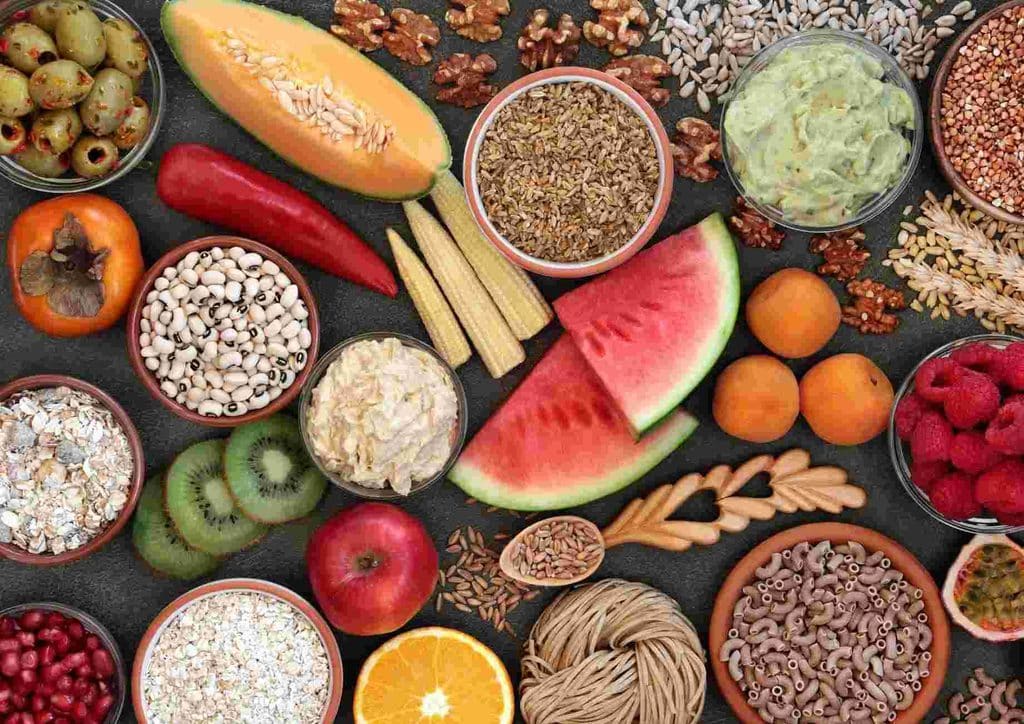
Many foods contain a mixture of both types, so you do not need to calculate how much of each you eat. Focus on including a variety of vegetables, fruit, legumes, wholegrains, nuts and seeds throughout the day.

| Core Factor | Common Reality | Evidence-Based Approach | Action to Focus On |
|---|---|---|---|
| Functional Diversity | Plant foods supply distinct classes of roughage that interact with the gastrointestinal tract in unique ways. | Combining varied plant structures ensures both upper digestive tract delay and lower gut motility are fully supported. | Rotate through a wide spectrum of plant foods rather than relying on a single source. |
| Soluble Mechanics | Managing appetite and metabolic markers requires slowing down the speed at which meals empty from the stomach. | Soluble compounds dissolve in water to form a viscous matrix, extending meal satisfaction while supporting healthy blood cholesterol and glucose levels. | Incorporate oats, barley, chia seeds, legumes and fruits regularly. |
| Insoluble Mechanics | A sluggish digestive system often stems from insufficient physical structure within the bowel. | Insoluble compounds do not dissolve, adding essential bulk to stool and encouraging consistent, regular bowel clearance. | Include wholegrains, vegetable skins, nuts and seeds daily. |
| Natural Co-Existence | Trying to calculate precise ratios of individual fibre types creates unnecessary confusion around meal times. | Most intact plant foods naturally contain a blend of both soluble and insoluble structures in balanced proportions. | Focus on whole plant variety rather than tracking individual fibre fractions. |
| Dietary Balance | Relying on heavily refined foods deprives the body of the synergistic benefits offered by diverse plant matrixes. | Consistently offering varied plant foods provides the gut with complex substrates for total digestive vitality. | Build main meals around legumes, vegetables, wholegrains, fruit, nuts and seeds. |
Does fibre support gut health?
Fibre supports gut health by helping maintain regular bowel movements and providing nourishment for beneficial gut bacteria. Some types of fibre are fermented by these bacteria, producing substances that support the health of the bowel.
However, more fibre is not always better for everyone. If you have irritable bowel syndrome (IBS) or another digestive condition, certain high fibre foods may worsen your symptoms. The types of fibre you tolerate can be just as important as the amount you eat.

| Core Factor | Common Reality | Evidence-Based Approach | Action to Focus On |
|---|---|---|---|
| Motility & Transit | Maintaining regular bowel habits is essential for preventing sluggish digestion and uncomfortable waste retention. | Dietary roughage provides essential physical bulk and hydration-binding properties that promote consistent intestinal motility. | Include daily servings of whole plant foods alongside adequate plain water. |
| Bacterial Fermentation | Beneficial gut microbes require continuous nutrition from non-digestible carbohydrates to flourish. | Microbes ferment specific plant fibres to generate short-chain fatty acids, which nourish the bowel lining and support gut integrity. | Feed beneficial bacteria with diverse prebiotic plant options like cooked legumes, oats, and roots. |
| Tolerance Thresholds | Assuming a universal ‘more is better’ rule can lead to significant gastrointestinal distress. | Gut capacity for processing fermentable carbohydrates varies greatly depending on individual microbiome composition and gut sensitivity. | Increase plant intake gradually rather than overloading your system rapidly. |
| Digestive Conditions | Individuals with irritable bowel syndrome (IBS) or sensitive digestive tracts often experience heightened symptoms from rapid fibre expansion. | Certain highly fermentable fibres can trigger excessive gas production, cramping, and altered transit in reactive bowels. | Identify personal trigger foods and focus on well-tolerated plant options. |
| Individual Customisation | Generic dietary recommendations fail to account for distinct clinical presentations and individual digestive tolerances. | Selecting specific types of fibre tailored to individual gut sensitivity yields far better therapeutic outcomes than simply maximising intake volume. | Prioritise fibre quality and personal suitability over raw daily targets. |

How fibre helps weight loss
Fibre can support weight loss by helping you feel fuller after meals, making it easier to manage hunger and build satisfying meals without relying on restrictive dieting.

| Core Factor | Common Reality | Evidence-Based Approach | Action to Focus On |
|---|---|---|---|
| Satiety Enhancement | Persistent hunger between meals frequently undermines long-term weight management attempts. | Dietary fibre expands in the stomach and delays gastric emptying, promoting prolonged post-meal fullness. | Include high-fibre plant sources at every main meal to extend satisfaction. |
| Appetite Regulation | Attempting to control appetite through sheer willpower often leads to intense cravings and overeating. | Viscous plant compounds moderate appetite hormones, making hunger signals easier and more predictable to manage. | Emphasise gel-forming fibres like chia, oats, and legumes to stabilize appetite. |
| Non-Restrictive Meal Structure | Rigid, overly restrictive diets are difficult to maintain and often trigger compensatory eating. | Building meals around high-volume, whole plant foods creates satisfying portions without needing strict dietary elimination. | Focus on adding diverse plant foods to your plate rather than cutting out entire food groups. |
| Energy Density & Volume | Consuming energy-dense, refined foods leaves little physical bulk in the stomach, resulting in quick hunger recurrence. | Fibre adds substantial physical volume and water-binding weight to meals without excessive energy density. | Fill half your meal plate with fibrous vegetables and salad greens. |
| Glycaemic Balance | Rapidly absorbed carbohydrates trigger sharp glucose spikes followed by sudden energy crashes and sugar cravings. | Fibre slows the rate of nutrient absorption, maintaining steady blood glucose and curbing sudden hunger signals. | Pair carbohydrate foods with whole plant roughage and protein sources. |

How does fibre help you feel full?
Foods containing fibre often take longer to eat and digest, depending on the food and type of fibre. This can help you feel satisfied after eating and make it easier to manage hunger between meals.
For example, a breakfast of oats, Greek yoghurt and fruit provides a combination of fibre and protein, while protein pancakes and high-protein banana smoothies offer other nutritious options to help keep you feeling fuller for longer. This combination can make a more satisfying breakfast than eating a low fibre food on its own.
Fibre rich foods can also add volume and texture to meals. Vegetables, fruit, legumes and wholegrains allow you to build filling meals with a variety of nutrients.

| Core Factor | Common Reality | Evidence-Based Approach | Action to Focus On |
|---|---|---|---|
| Chewing Time | Refined foods require minimal effort to eat, making it easy to finish meals before your brain registers fullness. | Fibrous whole foods naturally slow down eating speed, giving your digestive tract time to send clear fullness signals. | Opt for whole, intact fruits and crunchy vegetables instead of smooth juices or processed snacks. |
| Slower Digestion | Fast-digesting meals leave the stomach quickly, leading to rapid hunger return shortly after finishing. | Fibre breaks down gradually in the stomach, extending gastric transit and holding appetite at bay for longer stretches. | Swap refined white grains for rolled oats, brown rice, or intact wholegrains. |
| Protein Synergy | Eating single-nutrient carbohydrate snacks frequently leads to quick energy drops and early hunger pangs. | Combining high-fibre plant foods with quality protein creates a powerful double-action effect on satiety hormones. | Pair oats with Greek yoghurt, or top fresh berries with a palm-sized protein portion. |
| Physical Volume | Small, dense portions leave the stomach feeling physically empty, triggering persistent appetite signals. | Fibre and water add substantial physical bulk, expanding in the stomach to activate natural fullness stretch receptors. | Bulk out main dishes with leafy greens, roasted root vegetables, and legumes. |
| Plate Texture | Bland, uniform meal textures lead to quick eating and low psychological food satisfaction. | Rich plant textures require active mastication, enhancing sensory enjoyment and long-lasting meal contentment. | Build colourful meal plates loaded with vegetables, nuts, seeds, and beans. |

Can fibre help you lose weight without dieting?
A high fibre diet for weight loss can be part of a sustainable approach that does not require cutting out entire food groups or following a complicated diet.
The key is to build a balanced diet for weight loss that suits your appetite, preferences and lifestyle. Including vegetables, protein rich foods, fibre rich carbohydrates and healthy fats can help you eat satisfying meals while working towards your weight loss goals.
However, fibre does not automatically cause weight loss. Your overall eating habits, portion sizes, physical activity, sleep and other individual factors also influence your progress.

| Core Factor | Common Reality | Evidence-Based Approach | Action to Focus On |
|---|---|---|---|
| Sustainable Approach | Following rigid, overly restrictive meal plans often leads to burnout and eventual weight regain. | Emphasising whole plant foods allows for a flexible, long-term lifestyle without eliminating entire food categories. | Build enjoyable meals around your personal preferences rather than following complicated rules. |
| Balanced Plates | Relying on single-nutrient foods leaves meals unfulfilling and hard to maintain consistently. | Combining fibrous vegetables, quality protein, wholesome carbohydrates and healthy fats creates lasting satisfaction. | Construct balanced plates that naturally match your appetite and daily lifestyle demands. |
| Energy Balance Reality | Adding fibre alone without considering overall habits does not automatically guarantee weight reduction. | While plant roughage aids satiety and appetite control, overall intake patterns and energy balance still govern progress. | Use fibre to manage natural hunger while remaining mindful of overall portions. |
| Lifestyle Factors | Focusing exclusively on food overlooks other crucial pillars that influence body composition. | Physical activity, restorative sleep, stress management and daily habits work alongside nutrition to shape results. | Support your nutrition strategy with adequate sleep and regular gentle movement. |
| Individual Progress | Expecting a universal fix ignores the unique lifestyle factors that shape every person’s journey. | Tailoring your routine to your individual schedule ensures sustainable progress tailored to your personal needs. | Pace your adjustments according to your own energy levels and lifestyle rhythm. |

Why should you combine fibre with protein?
Combining fibre with protein helps create balanced meals that can keep you satisfied for longer. Protein rich foods include eggs, fish, chicken, tofu, Greek yoghurt, beans and lentils, and some people may also wonder whether whey protein for weight loss can help them meet their protein needs.
For example, you could have eggs with wholegrain toast and vegetables for breakfast, a chicken and chickpea salad for lunch, or fish with sweet potato and vegetables for dinner.
This approach focuses on improving the nutritional quality of your meals rather than simply adding more fibre to everything you eat.

| Core Factor | Common Reality | Evidence-Based Approach | Action to Focus On |
|---|---|---|---|
| Extended Satiety | Eating carbohydrate foods on their own often leads to quick hunger recurrence and energy slumps. | Pairing high-fibre plant foods with quality protein creates a powerful double-action effect that keeps you satisfied for longer. | Include a palm-sized protein portion alongside plant roughage at every main meal. |
| Protein Sources | Sourcing versatile, nutrient-dense protein requires knowing which whole foods deliver the best nutritional return. | Eggs, fish, chicken, tofu, Greek yoghurt, beans and lentils provide high biological value protein to support recovery and fullness. | Rotate through your preferred animal and plant-based protein options throughout the week. |
| Practical Meal Design | Trying to force fibre into every single food item without structure makes healthy eating feel complicated. | Building cohesive meals around protein and vegetables creates naturally balanced plates without obsessive tracking. | Combine eggs with wholegrain toast and vegetables, chickpea salads, or fish with sweet potato. |
| Nutritional Quality | Focusing on raw quantity alone overlooks the broader nutritional synergy needed for vibrant health. | Elevating overall meal quality through nutrient-dense pairings outperforms simply adding isolated roughage to poor diets. | Prioritise whole-food meal composition over synthetic supplements or additives. |
| Blood Glucose Stability | Unbalanced meals trigger sharp glucose spikes followed by sudden fatigue and intense cravings. | Combining fibre and protein slows digestion and nutrient absorption, maintaining steady energy and stable blood glucose levels. | Construct meals that feature both macronutrients to eliminate afternoon energy crashes. |

The easiest high fibre foods to add
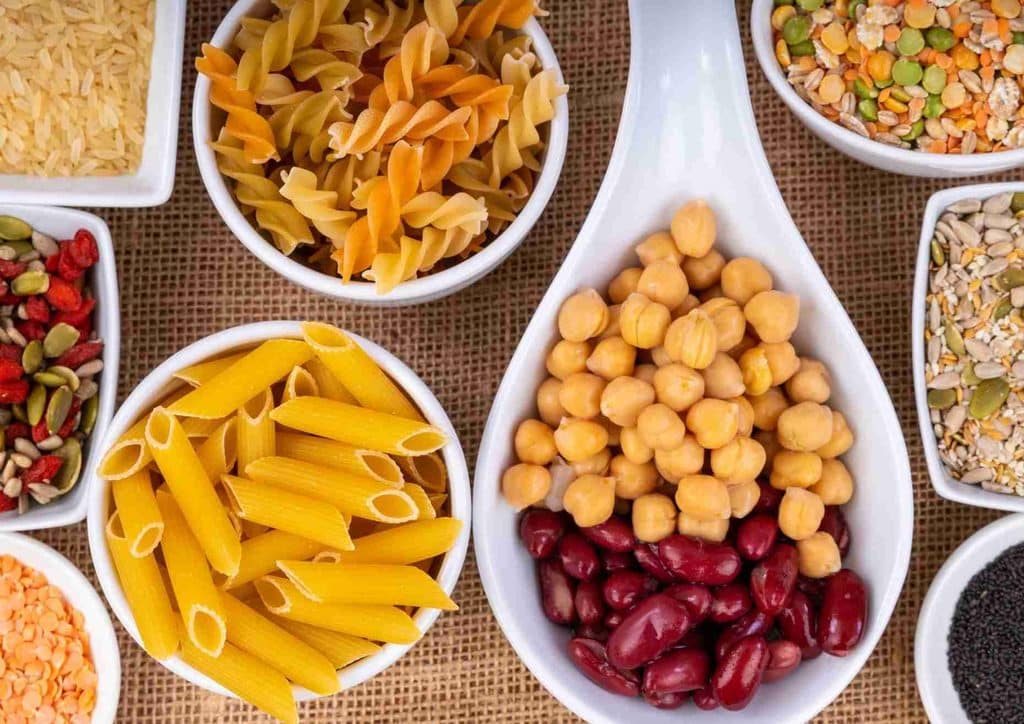
The easiest way to increase your fibre intake is to include familiar foods such as vegetables, fruit, legumes, wholegrains, nuts and seeds in meals you already enjoy.

| Core Factor | Common Reality | Evidence-Based Approach | Action to Focus On |
|---|---|---|---|
| Vegetables & Salad | Eating plain meals without adequate plant volume leaves you searching for snacks shortly after finishing. | Incorporating carrots, leafy greens, broccoli and capsicum adds immediate physical bulk and micronutrients to any plate. | Fill half your lunch and dinner plates with colourful, fibrous vegetables. |
| Fresh Fruit | Reaching for processed sweets when sugar cravings hit often leads to energy crashes and sluggishness. | Apples, berries, pears and citrus fruits deliver natural sweetness alongside intact plant structures and hydration. | Keep whole fruit washed and ready on the bench for effortless snacking. |
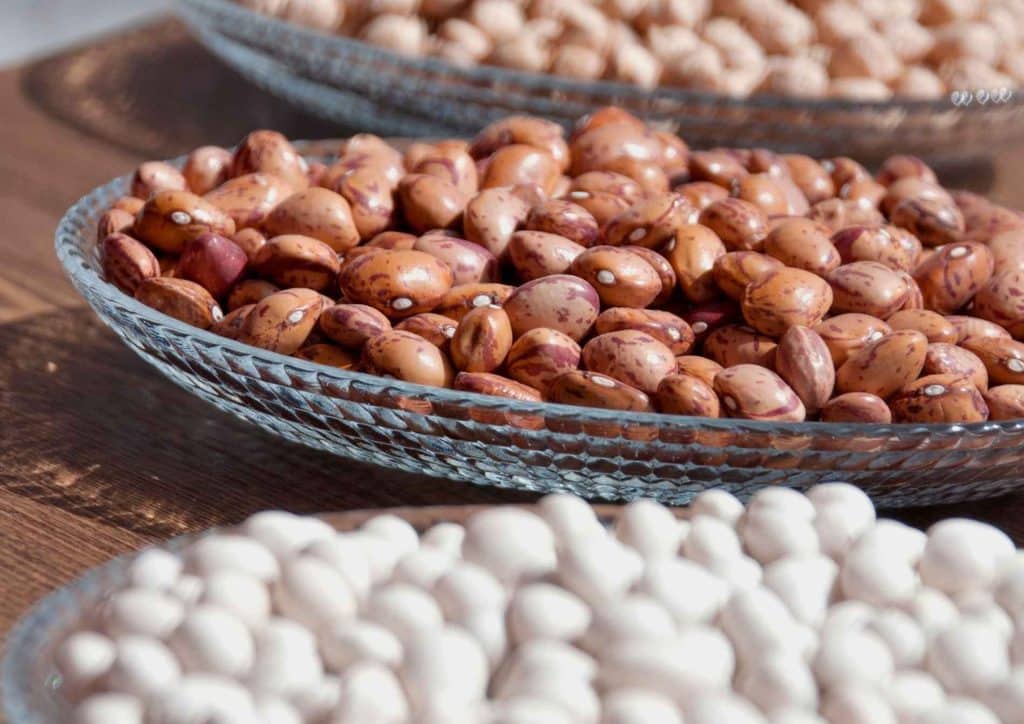
| Legumes & Beans | Struggling to feel satisfied on plant-based meals usually stems from missing slow-digesting complex carbohydrates. | Chickpeas, lentils, black beans and kidney beans provide a powerful combination of soluble roughage and plant protein. | Keep tinned legumes on hand to toss quickly into soups, salads and warm bowls. |
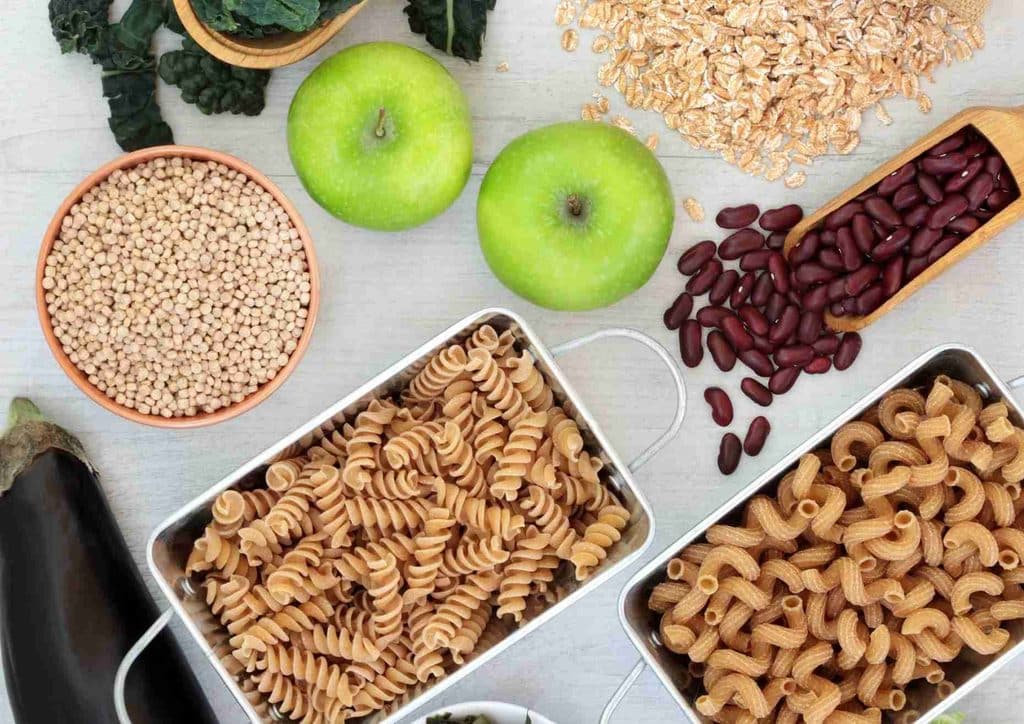
| Wholegrains | Refined white carbohydrates digest instantly, failing to provide sustained energy or stable fullness. | Rolled oats, brown rice, quinoa, barley and wholegrain bread supply steady, long-lasting carbohydrate energy. | Swap refined white grains for intact wholegrain alternatives at breakfast and dinner. |
| Nuts & Seeds | Simple meals can sometimes lack texture, healthy fats and satisfying crunch. | Chia seeds, flaxseeds, almonds, walnuts and pumpkin seeds offer concentrated plant roughage and healthy fats. | Sprinkle seeds over yoghurt, porridge, or salads for an instant nutritional upgrade. |

Which everyday Australian foods are high in fibre?
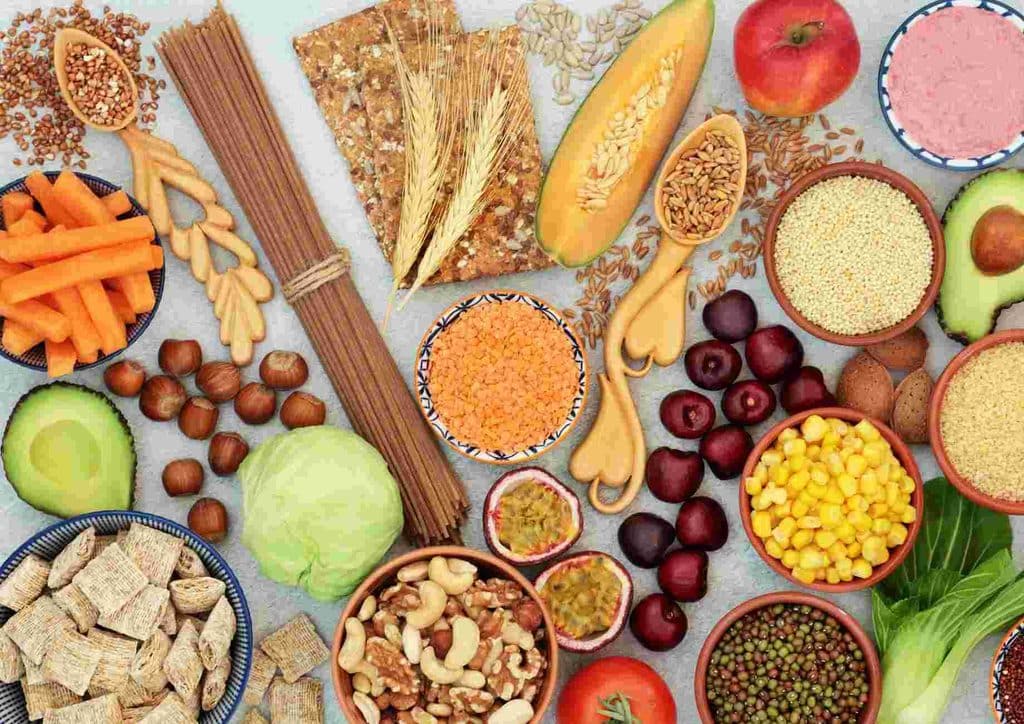
You do not need expensive speciality products or complicated recipes to eat more fibre. Many affordable foods available in Australian supermarkets can help you increase your intake.
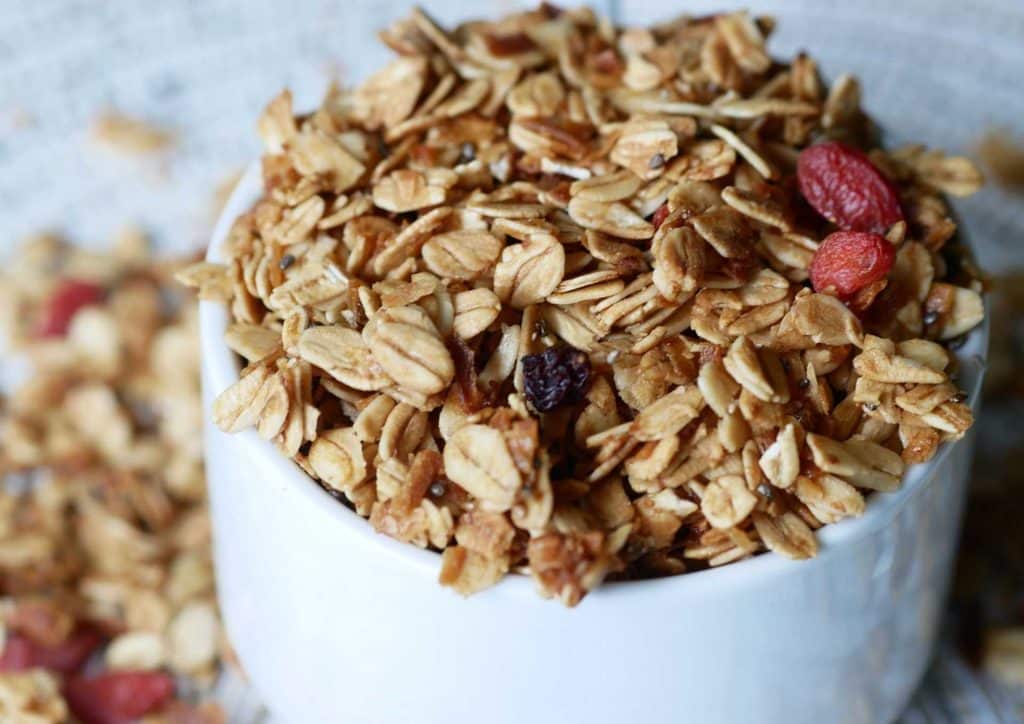
Oats are an easy breakfast option because you can prepare them overnight with milk, fruit and Greek yoghurt. Many people choose them because oats can be good for weight loss when included as part of a balanced eating pattern. You can also add chia seeds to oats, yoghurt or smoothies to increase their fibre content.
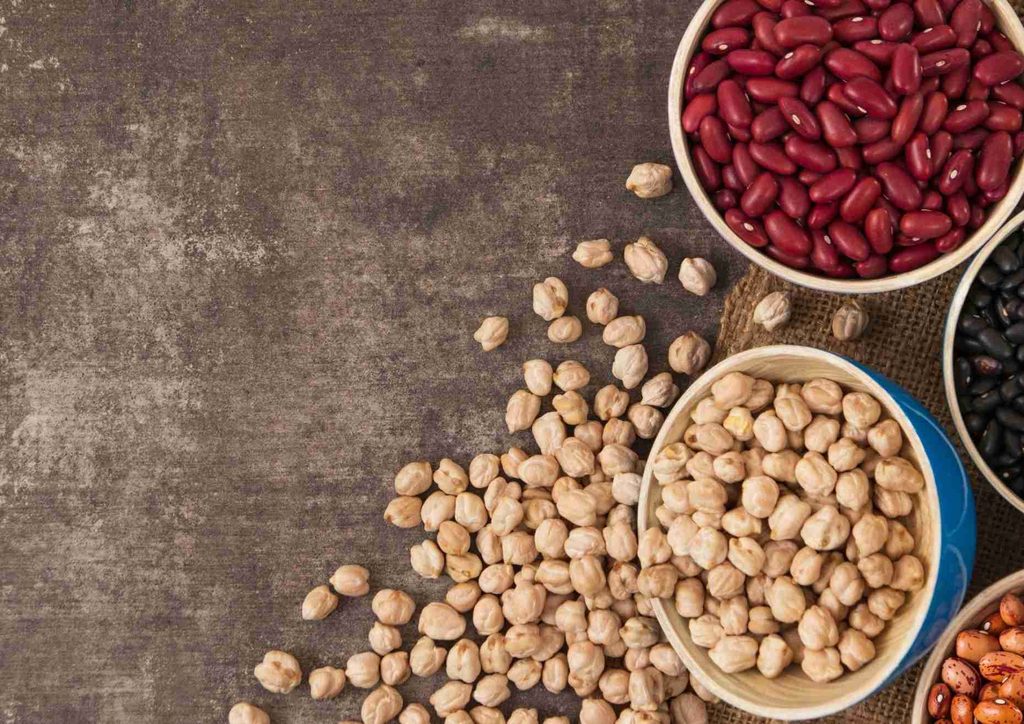
Legumes such as chickpeas, lentils and kidney beans are useful additions to salads, soups, wraps and pasta dishes. Canned varieties are convenient, affordable and easy to keep in the pantry.

Fruit such as pears, apples, kiwifruit, oranges, berries and even grapes for weight loss can provide fibre alongside vitamins, minerals and other beneficial plant compounds. Eating whole fruit rather than relying entirely on juice helps you retain the fibre naturally present in the fruit.
Vegetables such as broccoli, carrots, peas, green beans and leafy greens can be included in lunches and dinners. Potatoes and sweet potato also provide fibre, particularly when you eat the skin.
Wholegrain bread, wholegrain cereals, brown rice and other wholegrains are practical alternatives to more refined options for people wondering whether rice is good for weight loss. Nuts and seeds can also contribute fibre, although their portion sizes are worth considering because they are energy dense.
| Core Factor | Common Reality | Evidence-Based Approach | Action to Focus On |
|---|---|---|---|
| Oats & Chia Seeds | Complicated breakfast routines often fail when mornings get busy, leading to skipped meals or refined choices. | Rolled oats and chia seeds provide accessible, slow-release carbohydrates and soluble roughage that easily combine with dairy or plant milk. | Prepare overnight oats or stir chia seeds into yoghurt and smoothies. |
| Canned Legumes | Cooking dried beans from scratch requires too much time and forward planning for everyday weeknight meals. | Canned chickpeas, lentils and kidney beans offer an affordable, shelf-stable source of plant protein and soluble roughage. | Keep pantry staples on hand to toss quickly into salads, soups, wraps and pasta dishes. |
| Whole Australian Fruits | Juicing removes the natural plant matrix, leaving behind concentrated sugar without the physical satiety of whole fruit. | Pears, apples, kiwifruit, oranges and berries deliver vitamins, minerals and intact fibre that slow digestion and support fullness. | Eat whole fruit rather than relying on juices to retain natural plant structure. |
| Fibrous Vegetables | Meals lacking vegetable volume leave plates feeling small and stomachs empty shortly after eating. | Broccoli, carrots, peas, green beans, leafy greens, and jacket potatoes or sweet potatoes (with skin) add essential bulk and micronutrients. | Include vegetables across lunches and dinners, keeping potato and sweet potato skins intact. |
| Wholegrains & Seeds | Refined white grains digest instantly, causing blood glucose fluctuations and early hunger recurrence. | Wholegrain bread, wholegrain cereals and brown rice provide steady energy, while nuts and seeds supply concentrated plant roughage and healthy fats. | Swap refined white options for wholegrains, keeping nut and seed portions balanced due to energy density. |

How can you add fibre to meals you already eat?
Start with small adjustments rather than completely changing your eating routine.
If you enjoy cereal for breakfast, try oats with berries and yoghurt. If you usually have a sandwich for lunch, choose wholegrain bread and add vegetables alongside your protein filling, similar to many healthy lunches for weight loss.
For dinner, include a generous variety of vegetables with your usual protein source and add a fibre rich carbohydrate such as brown rice, legumes or sweet potato, which aligns with many healthy dinners for weight loss.
If you enjoy snacks, choose whole fruit, or combine fruit with Greek yoghurt for a mix of fibre and protein, similar to many healthy snacks for weight loss.
These changes can make your meals more nutritious without requiring you to prepare separate meals or follow strict food rules.

| Instead of | Try | Why it helps |
|---|---|---|
| White toast | Wholegrain toast | Wholegrains generally provide more fibre than refined bread |
| Low fibre breakfast cereal | Porridge oats with berries | Oats and berries provide fibre from different sources |
| Plain salad leaves alone | Salad with chickpeas and vegetables | Legumes and vegetables increase fibre and meal variety |
| A snack consisting only of juice | Whole fruit | Whole fruit retains its naturally occurring fibre |
| A meal with few vegetables | Add broccoli, peas or carrots | Vegetables contribute fibre and essential nutrients |
| Refined crackers alone | Wholegrain crackers with hummus | Wholegrains and chickpeas contribute fibre |
Increase fibre gradually
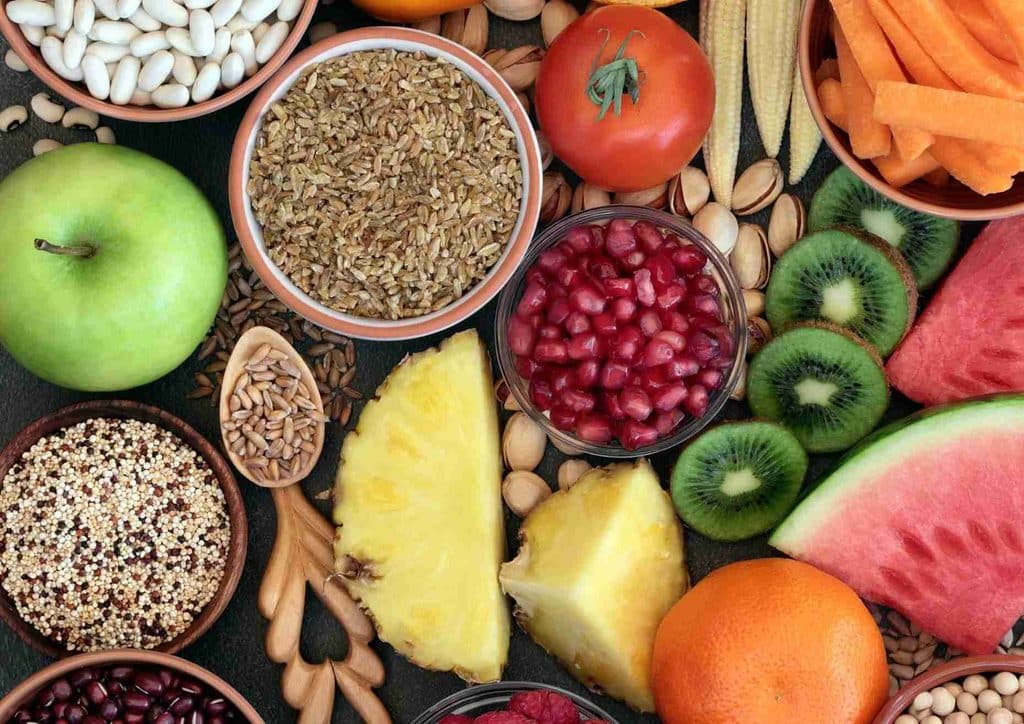
Add one fibre rich food at a time and give your digestive system time to adjust before making further changes. If you suddenly increase your intake significantly, you may experience gas, bloating or abdominal discomfort.
Good to know
Water helps fibre do its job. Drinking enough fluid supports normal bowel function, particularly when increasing fibre intake. Some types of fibre absorb water, helping soften stools, so increasing fibre without adequate fluid may contribute to constipation.

How to increase fibre without bloating
You can often reduce fibre related bloating by increasing your intake gradually, drinking enough fluid and choosing foods that suit your digestive system.

| Core Factor | Common Reality | Evidence-Based Approach | Action to Focus On |
|---|---|---|---|
| Gradual Increases | Suddenly doubling your plant intake overnight frequently overwhelms your gut flora and triggers uncomfortable bloating. | Introducing plant roughage in slow, measured weekly increments allows your digestive microbiome time to adapt comfortably. | Increase your daily servings by small amounts over several weeks rather than making sudden leaps. |
| Hydration Support | Consuming high-fibre foods without adequate fluid can cause sluggish digestive transit and abdominal discomfort. | Water binds with soluble and insoluble plant compounds, helping them move smoothly and efficiently through the gastrointestinal tract. | Prioritise plain water throughout the day, increasing fluid intake concurrently with every rise in fibre. |
| Personalised Food Choice | Assuming all high-fibre foods suit every digestive system often leads to persistent gas and cramping. | Different types of fermentable carbohydrates affect sensitive bowels in unique ways depending on individual digestive capacity. | Identify your personal tolerance thresholds and focus on well-tolerated plant options. |
| Cooking Preparation | Raw or undercooked legumes and cruciferous vegetables can be harsh on a sensitive or unadapted stomach. | Thoroughly cooking, soaking, or blending fibrous foods breaks down complex cellular walls, making them significantly easier to digest. | Opt for well-cooked vegetables, soups, and thoroughly rinsed canned legumes. |
| Consistent Rhythm | Erratic eating patterns and erratic plant consumption can disrupt normal bowel motility and comfort. | Spreading your fibre intake evenly across your daily meals maintains steady digestive activity without overloading the bowel at once. | Include moderate portions of plant foods at breakfast, lunch, and dinner rather than all in one sitting. |
Why should you increase fibre slowly?
Your digestive system may need time to adjust when you start eating more fibre. Some types of fibre are fermented by gut bacteria, which can produce gas during digestion.
Suddenly adding large amounts of legumes, bran, seeds and vegetables to meals can cause uncomfortable symptoms, particularly if your usual intake has been low.
Instead, start by adding a small serving of one new fibre rich food each day. Once you tolerate it comfortably, gradually introduce other foods or increase your portions.

| Core Factor | Common Reality | Evidence-Based Approach | Action to Focus On |
|---|---|---|---|
| Digestive Adaptation | Your gastrointestinal tract requires adequate time to adjust its microbial environment when dietary intake changes. | Giving your digestive system time to adapt ensures smooth processing of new plant structures without acute distress. | Allow your gut flora time to catch up before making further increases to your plant intake. |
| Bacterial Fermentation | Gut bacteria ferment specific plant fibres during digestion, which naturally produces gas as a byproduct. | Allowing microbes to adjust gradually prevents excessive gas accumulation and abdominal discomfort during fermentation. | Introduce fermentable fibres in small, manageable amounts rather than large doses. |
| Avoiding Sudden Symptoms | Diving straight into high amounts of legumes, bran, seeds and vegetables often triggers uncomfortable cramping and bloating. | Stepping up your intake slowly bypasses the shock to unadapted systems that low-fibre diets leave vulnerable. | Start by adding just one small serving of a new fibre-rich food each day. |
| Step-by-Step Tolerance | Trying to overhaul your entire diet in a single day makes it difficult to identify which foods suit your stomach. | Testing individual foods one at a time builds reliable personal data on your digestive tolerance thresholds. | Wait until you tolerate a new food comfortably before introducing others or increasing portions. |
| Long-Term Consistency | Painful digestive side effects frequently cause people to abandon healthy eating changes prematurely. | Pacing your dietary progression ensures sustainable, comfortable habit-building over the long term. | Prioritise steady, comfortable progress over rapid, aggressive dietary overhauls. |

What if high fibre foods make you bloated?
If you experience bloating, consider which foods you have introduced, how much you are eating and how quickly you have increased your intake.
Some people tolerate oats and certain vegetables well but experience symptoms after eating larger servings of beans, lentils or particular fruits. This is one reason why a Mediterranean diet for weight loss or any other eating pattern may need individual adjustment.
You may find smaller portions spread across the day more comfortable than eating a large amount of fibre in one meal.
Avoid assuming that you need to eliminate all fibre if you experience symptoms. The goal is to identify an appropriate intake and a variety of foods that you can tolerate.

| Core Factor | Common Reality | Evidence-Based Approach | Action to Focus On |
|---|---|---|---|
| Symptom Evaluation | Experiencing abdominal discomfort often leads to frustration and confusion regarding which specific foods caused the reaction. | Assessing recently introduced items, portion sizes, and the speed of your intake helps pinpoint the exact cause of digestive strain. | Review your recent dietary changes and portion volumes when bloating occurs. |
| Individual Tolerance | Assuming a universal food list will suit everyone ignores distinct variations in human gastrointestinal capacity. | Some individuals digest oats and certain vegetables effortlessly while reacting strongly to larger servings of beans, lentils, or specific fruits. | Identify your unique tolerance thresholds rather than adhering to rigid food rules. |
| Portion Distribution | Consuming large, concentrated amounts of roughage in a single sitting frequently overloads digestive capacity. | Spreading smaller plant portions across your daily meals maintains steady digestive activity without overwhelming the bowel. | Divide your daily plant intake across breakfast, lunch, and dinner rather than eating heavy loads at once. |
| Avoiding Elimination | Reacting to a specific food often prompts people to cut out all plant roughage unnecessarily. | Targeted adjustment preserves the diverse nutritional benefits of plant foods while sidestepping problematic triggers. | Modify specific food choices and portions rather than abandoning fibre altogether. |
| Finding Your Baseline | Chasing generic high-volume targets can override your body’s personal comfort signals. | The primary objective is discovering an appropriate intake level and a varied selection of foods that your digestive system tolerates comfortably. | Focus on sustainable, comfortable consistency tailored to your personal gut health. |

How much water should you drink when eating more fibre?
Drink fluids regularly throughout the day, with water being a practical choice for most people. Your individual fluid requirements depend on factors such as your activity levels, climate and health.
If you exercise regularly or spend time outdoors in warm weather, you may need additional fluid to replace losses through sweating.
If you have been advised to restrict fluids because of a medical condition, follow your healthcare professional’s advice rather than increasing your intake independently.
- Add one extra serving of vegetables or fruit.
- Include oats or wholegrain bread at breakfast.
- Introduce legumes in small portions.
- Drink water regularly throughout the day.
- Increase portions gradually according to your tolerance.

| Core Factor | Common Reality | Evidence-Based Approach | Action to Focus On |
|---|---|---|---|
| Daily Fluid Baseline | Increasing roughage without adequate fluid often leads to sluggish digestion and uncomfortable bowel transit. | Drink fluids regularly throughout the day, with plain water being the most effective primary choice for most people. | Maintain consistent daily fluid intake alongside every plant meal. |
| Individual Fluid Needs | Assuming standard intake targets suit every person ignores key metabolic and lifestyle variances. | Your individual fluid requirements depend on factors such as your physical activity levels, climate, and overall health. | Tailor your intake based on daily output, environment, and physical demands. |
| Replacing Sweat Losses | Warm weather and intense movement accelerate fluid loss, compounding potential digestive sluggishness. | If you exercise regularly or spend time outdoors in warm conditions, you need additional fluid to replace sweat losses. | Increase daily hydration volume during periods of heat exposure or exertion. |
| Clinical Restrictions | Applying general intake guidelines can be unsuitable if underlying clinical conditions exist. | If you have been advised to restrict fluids due to a medical condition, follow your healthcare professional’s advice rather than increasing intake independently. | Prioritise personalised clinical advice over general dietary suggestions. |
| Gradual Escalation Strategy | Making sudden, massive changes to plant intake and fluid volume frequently overloads digestive capacity. | Sequential adjustments allow your gastrointestinal tract time to adapt without triggering acute distress. | Introduce one vegetable serving, whole grains, and small legume portions gradually while scaling hydration. |

When fibre isn’t the answer
Increasing fibre is not always the right first step for weight loss or digestive symptoms, particularly when you have an underlying gut condition or persistent bowel changes.

| Core Factor | Common Reality | Evidence-Based Approach | Action to Focus On |
|---|---|---|---|
| Weight Management Assumptions | Treating high roughage intake as a universal solution for fat loss frequently overlooks individual metabolic responses. | Increasing plant matter is not always the right first step for weight management or stubborn digestive symptoms. | Look beyond generic volume targets when addressing personal body composition goals. |
| Underlying Gut Sensitivity | Forcing increased plant portions onto a sensitive or irritated gastrointestinal tract can intensify abdominal distress. | Careful assessment is essential, particularly when an underlying bowel condition or chronic sensitivity is present. | Prioritise gentle gastrointestinal recovery before scaling up plant quantities. |
| Persistent Bowel Shifts | Ignoring ongoing alterations in bowel habits in favour of standard dietary rules delays appropriate investigation. | Persistent changes in bowel regularity require careful evaluation rather than a default dietary adjustment. | Monitor recurring digestive shifts and consult a clinical professional if symptoms persist. |
| Targeted Clinical Guidance | Applying broad wellness advice without professional oversight can mask deeper gastrointestinal issues. | Working alongside a qualified practitioner ensures your nutritional strategy aligns with your specific clinical profile. | Seek tailored clinical support when standard dietary adjustments fail to relieve discomfort. |
| Individualised Pacing | Rushing dietary modifications often triggers unnecessary setbacks and prolonged digestive reactivity. | Matching your intake speed to your personal tolerance protects gut comfort and supports sustainable outcomes. | Proceed with deliberate caution when testing new dietary strategies. |

Can you eat too much fibre?
Eating substantially more fibre than your body is accustomed to can contribute to bloating, gas, abdominal discomfort and changes in bowel movements.
There is no need to keep increasing your intake once you are eating an appropriate amount that you tolerate comfortably. More is not automatically better.
The quality and variety of your overall diet matter, and fibre is only one part of a broader healthy meal plan for weight loss.
| Core Factor | Common Reality | Evidence-Based Approach | Action to Focus On |
|---|---|---|---|
| Rapid Escalation | Eating substantially more fibre than your body is accustomed to can contribute to bloating, gas, abdominal discomfort, and changes in bowel movements. | Allowing your gastrointestinal tract time to adapt prevents sudden fermentation spikes and digestive distress. | Increase your intake gradually rather than making drastic dietary jumps. |
| The “More is Better” Myth | Chasing higher targets simply because a food is healthy often pushes your digestive system beyond its current capacity. | There is no need to keep increasing your intake once you are eating an appropriate amount that you tolerate comfortably. More is not automatically better. | Focus on your personal comfort threshold rather than arbitrary high-volume goals. |
| Dietary Balance | Fixating solely on roughage targets can lead to an unbalanced eating pattern that neglects other vital nutritional needs. | The quality and variety of your overall diet matter, and fibre is only one part of a balanced eating pattern. | Build a diverse plate incorporating quality proteins, healthy fats, and varied whole foods. |
| Hydration Support | High-volume plant intake without adequate fluid intake can lead to sluggish digestion and firmer bowel movements. | Sufficient water intake works alongside plant compounds to help move contents smoothly through the digestive tract. | Pair your daily food choices with consistent hydration throughout the day. |
| Listening to Your Gut | Ignoring early digestive warning signs in pursuit of a rigid nutritional rulebook often leads to prolonged discomfort. | Your body provides clear feedback regarding which portions and varieties support optimal gut function. | Adjust your serving sizes and food choices based on how your body actually responds. |
What if you have IBS or another gut condition?
People with IBS and some other digestive conditions may need an individualised approach to fibre intake. Certain fermentable carbohydrates can trigger symptoms in susceptible people, even when the foods containing them are nutritious.
For example, some people may tolerate oats and selected vegetables but experience symptoms after eating particular legumes, fruits or wheat based foods.
A gut health nutritionist can help you assess your usual intake, identify potential triggers and develop an eating approach that supports your nutritional needs without unnecessary food restrictions.
If you are considering a restrictive dietary approach, seek individual advice from an appropriately qualified healthcare professional rather than eliminating multiple food groups on your own.
| Core Factor | Common Reality | Evidence-Based Approach | Action to Focus On |
|---|---|---|---|
| Condition-Specific Needs | Assuming a standard healthy diet suits irritable bowel conditions often leads to ongoing flare-ups and frustration. | People with IBS and some other digestive conditions may need an individualised approach to fibre intake. | Tailor your intake to your specific gastrointestinal tolerance rather than following generic guidelines. |
| Fermentable Triggers | Eating wholesome, nutritious whole foods can still provoke unexpected abdominal distress in sensitive individuals. | Certain fermentable carbohydrates can trigger symptoms in susceptible people, even when the foods containing them are nutritious. | Identify specific carbohydrate fractions that provoke your personal symptoms. |
| Selective Tolerance | Classifying entire food categories as entirely good or bad overlooks nuanced personal reactions. | For example, some people may tolerate oats and selected vegetables but experience symptoms after eating particular legumes, fruits, or wheat-based foods. | Test individual food varieties methodically rather than making sweeping assumptions. |
| Professional Guidance | Attempting complex elimination diets independently frequently results in nutritional gaps and unnecessary deprivation. | A clinical nutritionist can help you assess your usual intake, identify potential triggers, and develop an eating approach that supports your nutritional needs without unnecessary food restrictions. | Collaborate with an accredited specialist to structure your dietary adjustments safely. |
| Avoiding Broad Elimination | Cutting out multiple food groups on your own compromises diet quality and long-term gut microbiome diversity. | If you are considering a restrictive dietary approach, seek individual advice from an appropriately qualified healthcare professional rather than eliminating multiple food groups on your own. | Prioritise supervised guidance before undertaking major dietary exclusions. |

When should you speak with your GP?
Persistent bloating, ongoing abdominal pain or continuing changes in bowel habits deserve medical assessment rather than simply adding or removing more fibre.
| Core Factor | Common Reality | Evidence-Based Approach | Action to Focus On |
|---|---|---|---|
| Persistent Bloating | Treating ongoing abdominal distension solely as a dietary flaw can overlook deeper physiological factors. | Persistent swelling and uncomfortable fullness require formal medical evaluation rather than continual dietary trial and error. | Schedule a clinical review with your GP if swelling remains consistent. |
| Ongoing Abdominal Pain | Attempting to self-manage continuing digestive aches through roughage tweaks can prolong physical discomfort. | Ongoing pain within the abdominal cavity deserves a thorough diagnostic assessment to identify the true underlying issue. | Seek medical investigation for recurrent or unyielding digestive pain. |
| Changing Bowel Patterns | Attributing long-term shifts in bowel frequency or consistency exclusively to dietary habits can mask underlying conditions. | Continuing changes in bowel habits warrant professional medical oversight rather than simple self-directed menu edits. | Track ongoing changes in bowel frequency and discuss them with a doctor. |
| Dietary Misdirection | Simply adding or removing plant foods when red flag symptoms appear can delay necessary medical care. | Targeted clinical diagnosis ensures that significant gastrointestinal signs are addressed directly and safely. | Prioritise medical assessment over further self-directed dietary exclusions. |
| Proactive Healthcare | Waiting for symptoms to worsen before consulting a doctor increases unnecessary strain on gastrointestinal health. | Early clinical intervention provides clarity, rules out serious medical concerns, and establishes a safe recovery path. | Consult your healthcare practitioner promptly when red flag symptoms persist. |

Red flag: Persistent digestive symptoms
Speak with your GP if you experience ongoing or worsening abdominal pain, persistent bloating, blood in your stools, unexplained weight loss or a sustained change in bowel habits. Seek urgent medical attention for severe abdominal pain, significant rectal bleeding or other severe or rapidly worsening symptoms.

“A high-fibre approach to weight loss focuses on adding more nutritious, filling foods to your meals, not simply reducing how much you eat. By increasing fibre intake, you can support satiety, improve diet quality and make healthy weight management more sustainable”.
Jake Biggs, Nutrition Longevity

What to do this week
- Add oats or wholegrain bread to one meal.
- Include an extra serving of vegetables or fruit each day.
- Increase fibre gradually and drink water regularly.

When a weight loss nutritionist can help
A weight loss nutritionist can help when you feel overwhelmed by conflicting nutrition advice or are unsure how to increase your fibre intake in a way that supports your weight loss goals. Rather than relying on restrictive diets, detoxes, natural alternatives to Ozempic or other short term solutions, a weight loss nutritionist can help you build a practical, high fibre eating pattern that supports satiety, digestive health and long term weight management while fitting realistically into your lifestyle.
A weight loss nutritionist can also provide personalised guidance if you struggle with meal planning, and many people first ask whether a nutritionist can help to lose weight before seeking support. The focus is not on extreme calorie restriction, but on creating balanced meals that help you feel fuller for longer, improve overall diet quality and support sustainable weight loss through habits that can be maintained over the long term.
Those considering professional support may also want to understand what a weight loss nutritionist is, how services differ and what level of support they require.

| Core Factor | Common Reality | Evidence-Based Approach | Action to Focus On |
|---|---|---|---|
| Scaling Fibre for Weight Loss | Guessing how much roughage to add for body composition goals often results in digestive upset and stalled progress. | A weight loss nutritionist can help when you are unsure how to increase your fibre intake in a precise way that directly supports your fat loss objectives. | Align your daily plant targets specifically with your body composition goals. |
| Discarding Short-Term Fixes | Chasing rapid transformations through restrictive cleanses overlooks the metabolic benefits of steady whole-food intake. | Rather than relying on short-term detoxes, a specialist helps you build a practical eating pattern that enhances satiety and sustainable weight management. | Replace aggressive restriction with consistent, high-satiety whole foods. |
| Sourcing Quality Plant Foods | Struggling to identify and prepare suitable high-fibre ingredients makes maintaining a balanced eating pattern difficult. | Tailored guidance simplifies meal preparation by pinpointing accessible, nutrient-dense foods that fit your daily routine. | Integrate reliable, enjoyable plant sources into your weekly meal plan. |
| Promoting Natural Fullness | Fighting constant hunger makes sticking to body composition goals exhausting and mentally draining. | Strategic fibre distribution promotes lasting fullness and improves overall diet quality without relying on extreme dietary deprivation. | Build meals around whole foods that naturally extend satiety between eating times. |
| Embedding Sustainable Habits | Treating weight management as a temporary phase rather than a lifestyle shift leads to weight regain. | Lasting success depends on establishing realistic dietary routines that support long-term weight maintenance effortlessly. | Focus on habit consistency rather than short-term dietary perfection. |
Final thoughts
A high fibre diet for weight loss is not about strict rules, intermittent fasting for weight loss, or eliminating entire food groups. Instead, it focuses on including more fibre-rich foods that naturally help you feel fuller for longer, support digestive health and improve the overall quality of your diet.
By regularly including foods such as vegetables, fruits, legumes, wholegrains, nuts and seeds, you can create balanced meals that are both satisfying and nourishing. This can help you manage hunger and maintain a sustainable calorie deficit, even if you are exploring how to lose weight without exercise, while supporting long-term weight loss without restrictive diets.
If you are unsure how to increase your fibre intake or build meals that support your weight loss goals, a weight loss nutritionist can provide personalised guidance and practical strategies tailored to your individual needs. This can be particularly valuable if you are experiencing a weight loss plateau, wondering why you’re not losing weight, or trying to understand how to lose belly fat in a sustainable way.

A high fibre nutrition intake for weight loss calculator
Test your understanding of how dietary roughage influences satiety, supports fat loss, and assists long-term body composition goals without restrictive dieting.
1. How does dietary plant matter primarily assist with weight management?
2. Is eating as much roughage as possible instantly always better for fat loss?
3. Which factors can make maintaining a high-plant eating pattern challenging? Select all that apply.
4. You should completely eliminate all grains and legumes if you experience mild initial bloating when adding plant foods.
5. What is a supportive approach for long-term weight management using whole foods?
Using a high-plant approach for weight management is about enhancing natural satiety, supporting gut health, and building sustainable daily routines. Focus on gradual increases, adequate hydration, and balanced meals rather than restrictive diets or rapid targets.
Frequently asked questions
How much fibre should I eat a day?
Australian adult recommendations generally range from 25 to 30 grams daily, depending on age and sex. Your individual needs and tolerance may differ.
Which foods are highest in fibre?
Legumes such as lentils, chickpeas and beans, along with wholegrains, bran, chia seeds, nuts, seeds, vegetables and some fruits, are useful sources of fibre.
Why does more fibre make me bloated?
Increasing fibre too quickly can increase gas production and digestive discomfort. Introduce it gradually and seek individual advice if symptoms persist.
Do fibre supplements help weight loss?
Speak with your GP or pharmacist before considering a fibre supplement, particularly if you have a digestive condition, take medicines or experience ongoing symptoms.

Keep reading
This article is general information, not personal medical or nutritional advice. Individual needs vary. For guidance tailored to you, book a consultation.
Book a 60 minute consultation, in Bondi Junction or by Telehealth from anywhere in the world.