

The quick answer
Postpartum weight loss is different for everyone, and there is no single way your body should look or feel after giving birth. I encourage new mums to focus first on recovery, nourishing meals, rest where possible and rebuilding their strength, allowing weight changes to happen without unnecessary pressure.
The short version
- Prioritise your recovery, nourish your body with regular, balanced meals, and give yourself permission to adjust to life after birth without rushing to change your weight. Focus on rebuilding your strength, supporting your energy and establishing realistic habits that work for you and your new baby.
- Choose nourishing meals rich in protein, fibre and carbohydrates to help support recovery, maintain energy and manage the demands of caring for a newborn. Keep convenient meals and snacks within reach so you can look after your own nutritional needs, even when time, sleep and energy are limited.
- Every woman’s recovery is different, so there is no single timeline or approach to postpartum weight loss that suits everyone. Speak with your GP, midwife or child and family health nurse about your individual recovery, nutritional needs and when it may be appropriate to focus on changes in your weight.
Postpartum
The months after giving birth, while your body recovers and adjusts to the physical and emotional changes of becoming a parent.

“Postpartum weight loss is not about rushing your body back to how it looked before pregnancy. It is about nourishing yourself, rebuilding your strength and creating healthy eating habits that support your health, without guilt, pressure or unrealistic expectations”.
Jake Biggs, Nutrition Longevity
| Myth | Fact |
|---|---|
| You should return to your pre pregnancy weight as quickly as possible. | Recovery looks different for every woman. Prioritising nourishment, healing and wellbeing is more important than rushing to change your weight. |
| You need to eat less or skip meals to lose weight after giving birth. | Regular, balanced meals help provide the energy and nutrients your body needs to recover and manage the demands of caring for a newborn. |
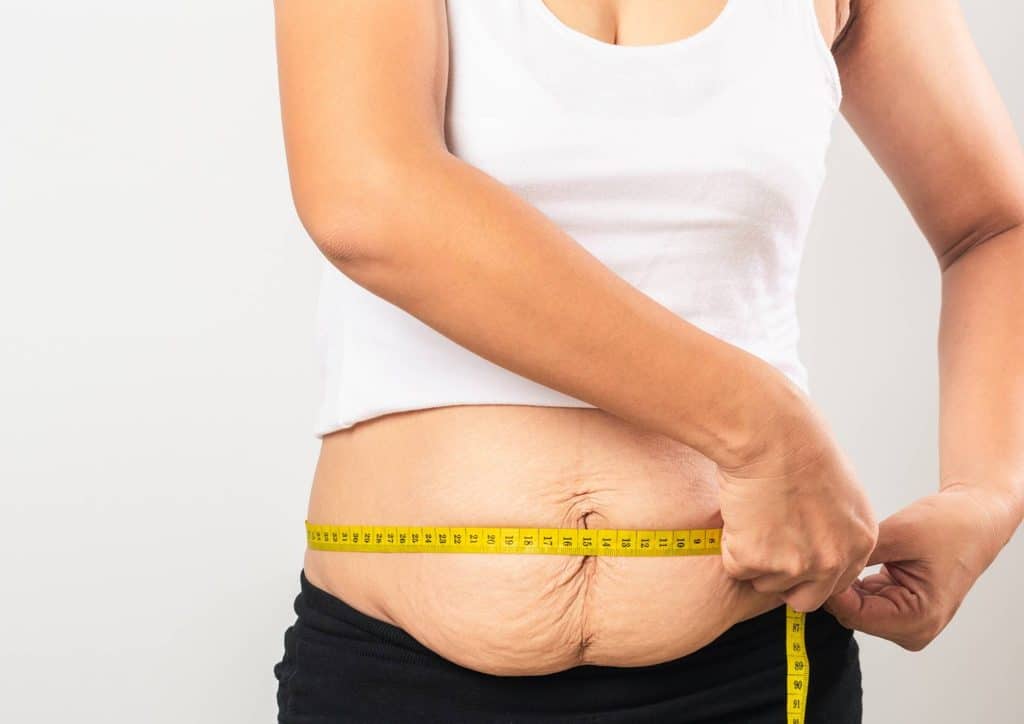
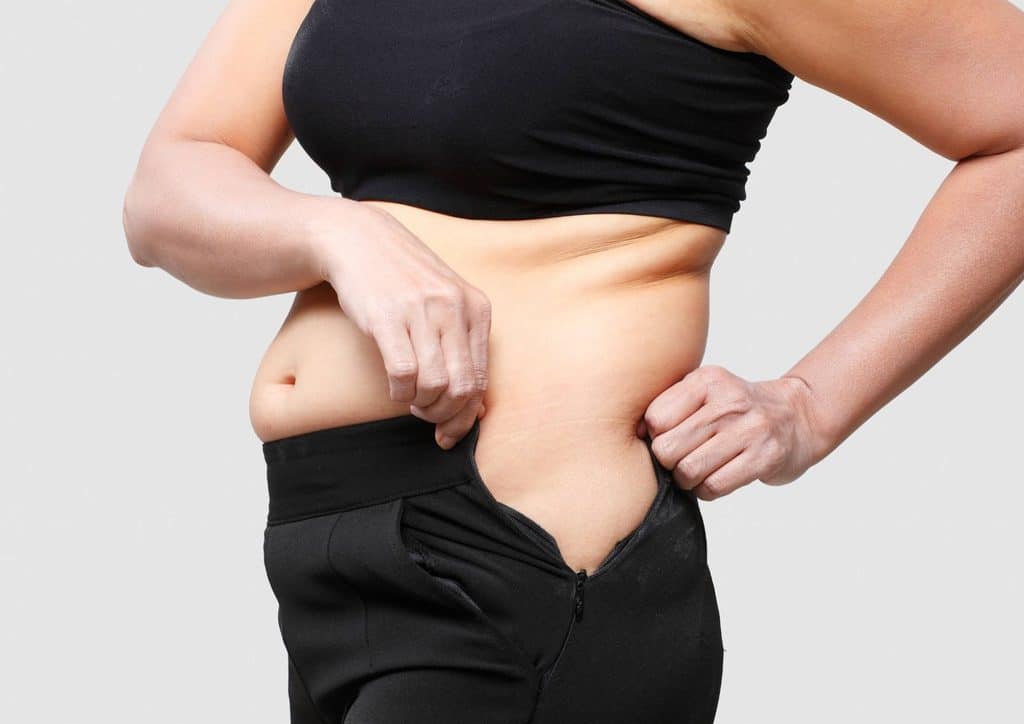
| Your body should look the same as it did before pregnancy. | Your body shape, abdominal muscles and weight may change after pregnancy. There is no single appearance that defines a healthy recovery. |
| You need a strict meal plan and an intense exercise routine to achieve postpartum weight loss. | Simple meals, manageable movement when medically appropriate, adequate nourishment and realistic habits can help you build a sustainable routine without unnecessary pressure. |
How to lose weight safely postpartum calculator
Discover how adopting a nourishing, nutrient dense meal plan can help you support postpartum recovery, maintain energy levels for infant care, and achieve gradual weight management without compromising milk supply or wellbeing. Complete your profile filters below to receive your personalised roadmap.
Your Postpartum Nutrition Diagnostic Summary
Your profile highlights that requires attention for safe postpartum weight management.
Your structured postpartum recovery roadmap
Need professional guidance for safe postpartum recovery?
I will review your assessment results and create a structured, evidence-based nutrition plan designed to help you nourish your body, support milk supply, and achieve your health goals safely.
Book a consultationThis quiz provides educational guidance to support balanced postpartum wellbeing and is not a substitute for professional clinical nutrition or medical advice.
“I built this interactive calculator because generic weight loss advice often misses what makes a meal plan safe and sustainable postpartum. By reviewing your recovery stage, feeding method, and daily habits, it highlights key areas of your diet worth adjusting. Use this tool to get clearer direction on how to nourish your body, sustain your energy, and manage your weight safely”.
Jake Biggs, Nutrition Longevity
 16Week ProgramMenopause Weight Loss ProgramDoing everything right and the weight still won’t shift?My 16 week program is built for perimenopause and menopause, with weekly 1 on 1 support, blood test analysis and a nutrition and exercise plan made around your body.See the programFree 30 minute assessment
What is normal after birth?
It is normal for your body shape, weight, energy levels and appetite to change after giving birth, and these changes can look different for every woman.
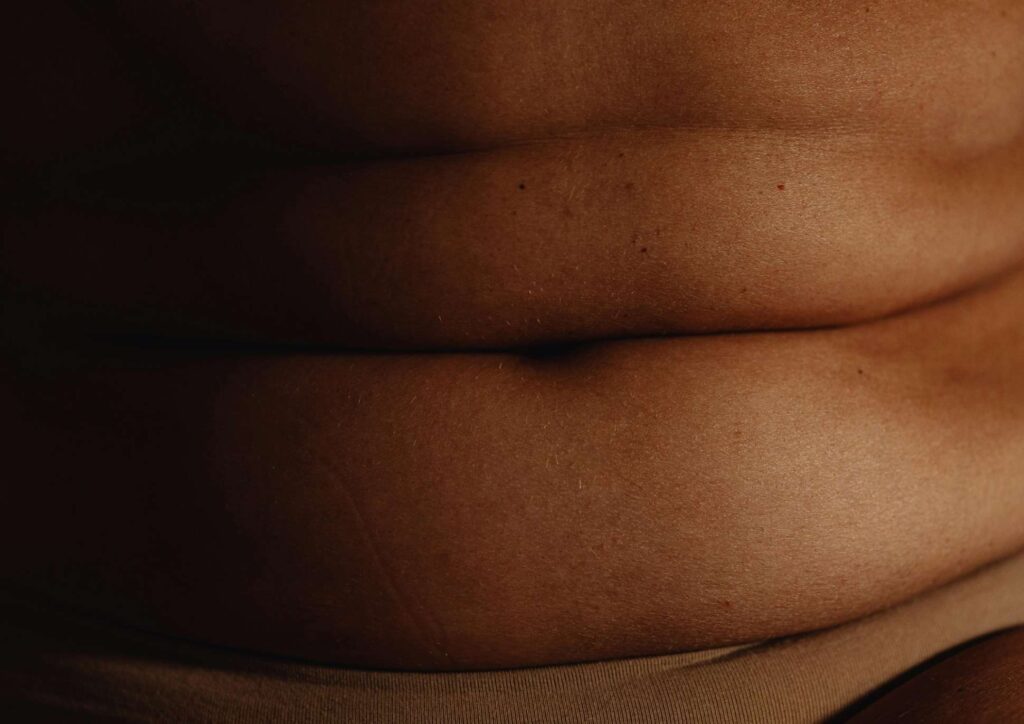
Your body has been through pregnancy, labour and significant physical changes. Your abdomen may still look rounded, your clothes may fit differently, and your weight may fluctuate as your body recovers.
You might also notice changes in your posture, muscle strength, digestion and how comfortable you feel moving around. These changes do not mean you are doing anything wrong.

| Misconception | Evidence-Based Reality |
|---|---|
| Bouncing back to your exact pre pregnancy baseline as quickly as possible is the ultimate recovery goal. | Postpartum healing occurs on an individual timeline. Prioritising nutrient dense fuel, tissue repair, and overall health takes clear precedent over rapid weight changes. |
| Severe energy restriction or skipping meals is necessary to reduce post birth weight. | Consistent, wholesome nutrition supplies the crucial building blocks and stamina needed for tissue restoration, milk supply, and daily newborn care. |
| A healthy post birth body ought to mirror its exact pre pregnancy silhouette. | Structural changes to core musculature, pelvic posture, and body fat distribution are normal outcomes of pregnancy. Health is not defined by returning to a past shape. |
| Rigid meal rules and strenuous physical exercise are mandatory to manage weight after giving birth. | Flexible eating habits, adequate sleep, safe gentle movement when cleared by your healthcare provider, and practical everyday routines deliver sustainable results without physical strain. |

Stop comparing your postpartum body to others
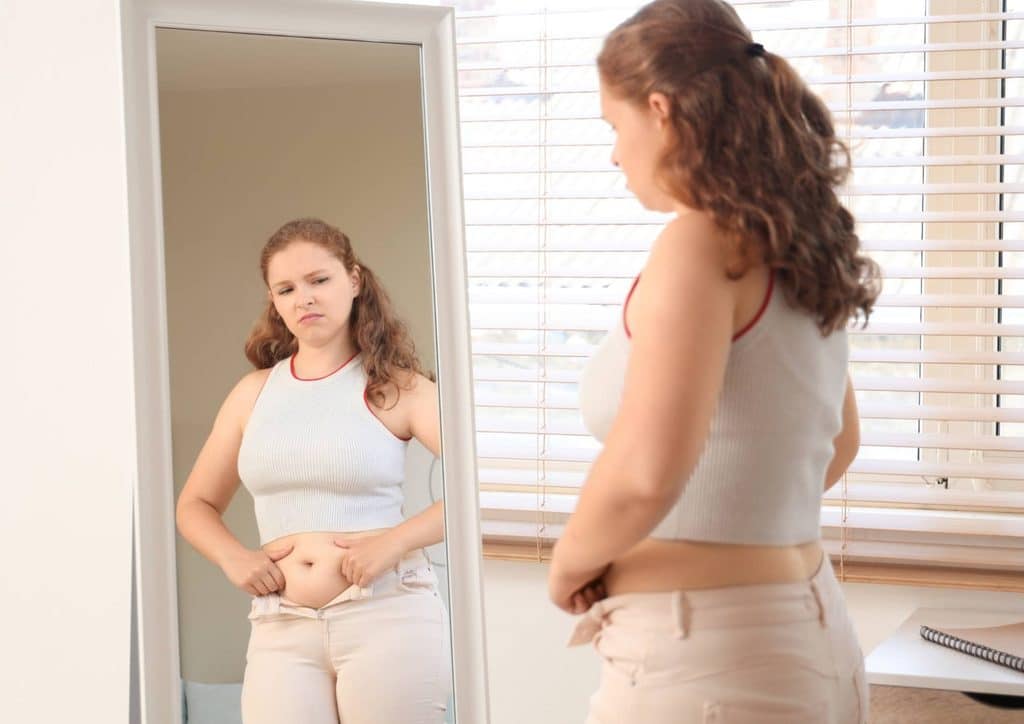
I encourage women to give themselves permission to experience recovery without constantly comparing their bodies with how they looked before pregnancy or how someone else looks after giving birth.
Social media can create unrealistic expectations about how quickly someone should return to their previous appearance. Remember that photographs rarely show the full picture of someone’s recovery, sleep, support network or daily routine.
If you have questions about what is happening to your body, your GP, midwife or child and family health nurse can help you understand what is expected in your individual circumstances.

| Curated Social Media View | Individual Recovery Reality |
|---|---|
| Rapid physical bounce back and immediate return to pre pregnancy clothes. | Every woman restores strength on a unique timeline determined by genetics, delivery type, and sleep. |
| Selected snapshots showing effortless routines and flawless daily balance. | Single images rarely show underlying fatigue, stress, daily help, or unseen support networks. |
| Measuring success by comparing your physique against external standards online. | Focusing on your own health, nourishment, and physical healing without comparison. |
| Relying on internet trends and influencer advice for post birth guidance. | Consulting your GP, midwife, or family health nurse for personalised clinical advice. |
Why recovery comes before weight loss
Recovery comes before weight loss because your body needs adequate nourishment, rest and time to heal after pregnancy and birth.
The early months of parenthood can be physically demanding. Interrupted sleep, frequent feeding and settling routines, emotional adjustments and a lack of personal time can make everyday tasks feel much harder than usual.
Trying to follow a restrictive diet such as intermittent fasting during this period can add unnecessary stress. Skipping meals, ignoring hunger or cutting out entire food groups may leave you struggling to meet your nutritional needs.

| Restrictive Dieting Approach | Nourishment and Recovery Focus |
|---|---|
| Cutting calories aggressively and skipping meals while managing chronic fatigue. | Supplying steady, wholesome energy to support tissue repair and cope with broken sleep. |
| Ignoring natural hunger cues and eliminating entire food groups. | Honouring appetite with nutrient dense whole foods that replenish depleted nutrient stores. |
| Adding high stress through rigid rules during an already demanding life stage. | Reducing daily pressure by adopting flexible, practical eating patterns that protect wellbeing. |
| Focusing purely on scale weight at the expense of healing and milk supply. | Prioritising whole body recovery, strength, and sustainable health as the primary objective. |

Build healthy habits that support recovery and energy
I encourage a gentle approach that supports your recovery while establishing eating habits you can maintain as your routine changes.
Start by eating regularly, following the principles of a balanced diet, and drinking water throughout the day. Consistency matters more than getting everything right.
Sleep can also influence appetite, energy and motivation. Although uninterrupted sleep may not be realistic with a newborn, accepting help with household tasks and resting when opportunities arise can make a difference to how manageable your days feel.

| Rigid Perfectionism | Sustainable Recovery Habits |
|---|---|
| Expecting every meal to be meticulously balanced despite demanding newborn care routines. | Prioritising simple, regular eating patterns that offer diverse whole foods and reliable nourishment over time. |
| Relying on restrictive dietary targets that heighten stress and drain limited energy reserves. | Focusing on practical consistency, adequate hydration, and flexible nourishing choices across your day. |
| Attempting to manage all household duties alone while operating on severe sleep deficits. | Accepting practical assistance, resting during quiet intervals, and conserving daily mental and physical stamina. |
| Viewing minor nutritional oversights as setbacks that undermine your health progress. | Recognising that gradual, manageable adjustments adapt smoothly as your parenting routine evolves. |

Nutritional recovery
Giving your body the energy, protein, vitamins, minerals and fluids it needs to support healing and everyday function after birth.
If you received pregnancy nutrition support, you may already have some useful foundations to build on. Your nutritional needs and priorities can change after birth, so it is worth discussing any ongoing concerns with your healthcare team.

| Static Pregnancy Guidelines | Postpartum Nourishment Focus |
|---|---|
| Assuming prenatal dietary habits automatically meet your body’s demands after birth. | Supplying adequate energy, protein, key micronutrients, and fluids tailored to tissue healing and lactation. |
| Relying on generic nutrition advice without adjusting for ongoing fatigue or blood loss recovery. | Re-evaluating nutrient targets to replenish depleted stores, strengthen immune function, and support daily stamina. |
| Navigating physical changes in isolation without professional guidance. | Consulting your healthcare team to address specific clinical concerns and refine your recovery meal plan. |
| Treating post birth eating as a strict calorie deficit rather than active biological restoration. | Prioritising complete biological replenishment to support healing and long term physical resilience. |
How to eat for energy with a newborn
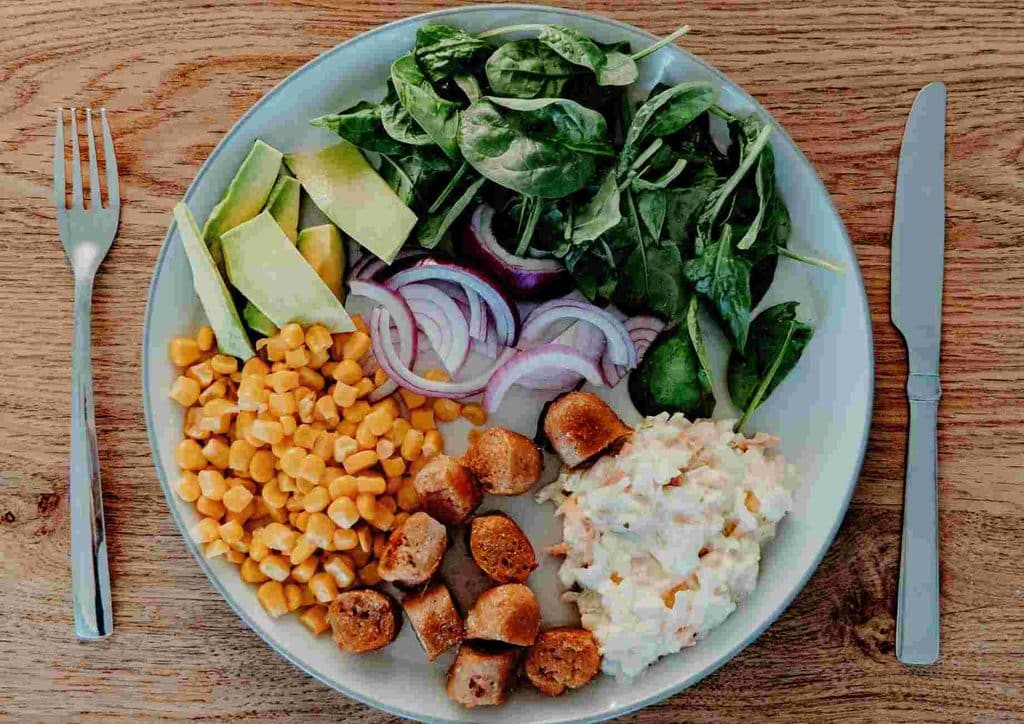
Eating regular, balanced meals based around nutritious foods and keeping convenient snacks available can help you maintain energy when caring for a newborn leaves little time to cook.
You do not need elaborate recipes or hours in the kitchen. The goal is to make nourishing food accessible, particularly on days when sleep is interrupted and your usual routine disappears.

| Complex Cooking Expectations | Accessible Newborn Nutrition |
|---|---|
| Spending hours preparing elaborate recipes while managing broken sleep and unpredictable schedules. | Keeping simple, convenient snacks and balanced meals readily available to maintain stamina without cooking fatigue. |
| Skipping meals entirely when time is short and baby care demands take precedence. | Eating regular, wholesome meals that prevent energy crashes and support sustained daily focus. |
| Expecting structured routine schedules to remain unchanged after bringing a baby home. | Adapting your approach so that nourishing food is easily accessible even when your usual daily patterns shift. |
| Viewing quick meal solutions as a compromise on your overall health goals. | Leveraging practical, nutrient dense food choices as a smart strategy to protect your wellbeing during early parenthood. |

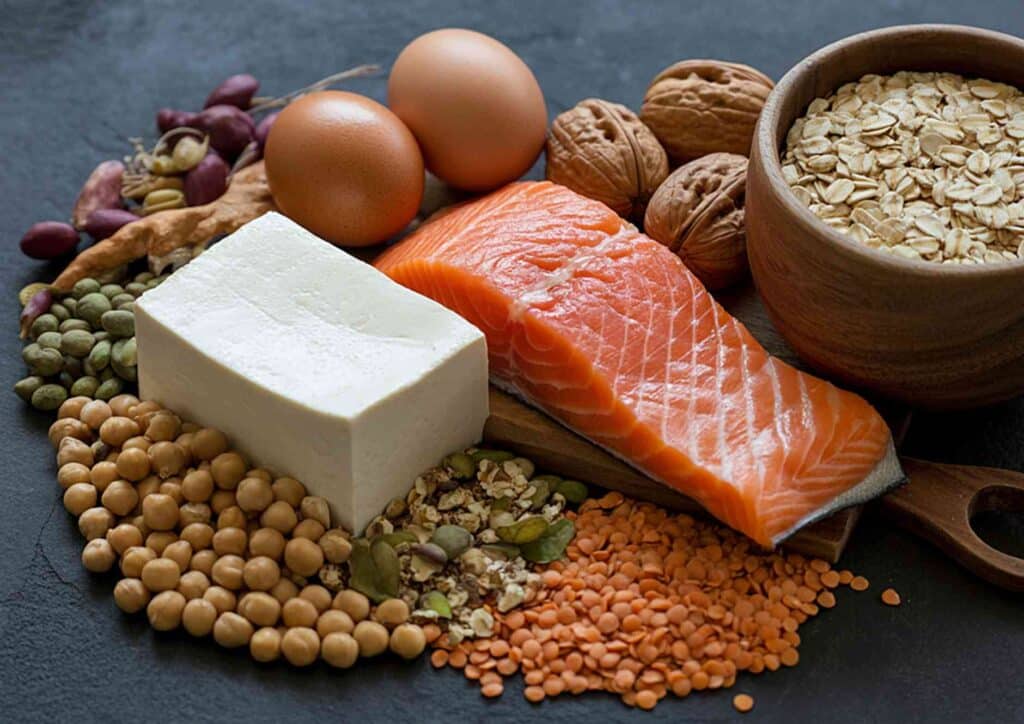
Include protein at meals
Protein supports the maintenance and repair of body tissues. Convenient options include high protein banana smoothie, protein pancakes, chia seed protein pudding, chicken breast, and lentils.
For example, eggs on wholegrain toast, Greek yoghurt with fruit or a chicken breast sandwich can provide protein without requiring much preparation.
| Inadequate Protein Intake | Targeted Protein Integration |
|---|---|
| Relying on low protein carbohydrate snacks that cause rapid hunger and energy fluctuations. | Distributing quality protein sources across all meals to support tissue repair and maintain satiety. |
| Assuming meal prep for protein sources requires complex culinary methods or extensive time. | Utilising accessible protein options like Greek yoghurt, eggs, canned legumes, tofu, milk, or precooked poultry. |
| Delaying protein intake until the evening meal while underfuelling earlier in the day. | Pairing protein with whole foods throughout the morning and afternoon, such as eggs on wholegrain toast or a quick chicken sandwich. |
| Neglecting essential amino acid intake during critical recovery and tissue healing phases. | Ensuring consistent protein availability to protect lean muscle mass and assist physical recovery after childbirth. |
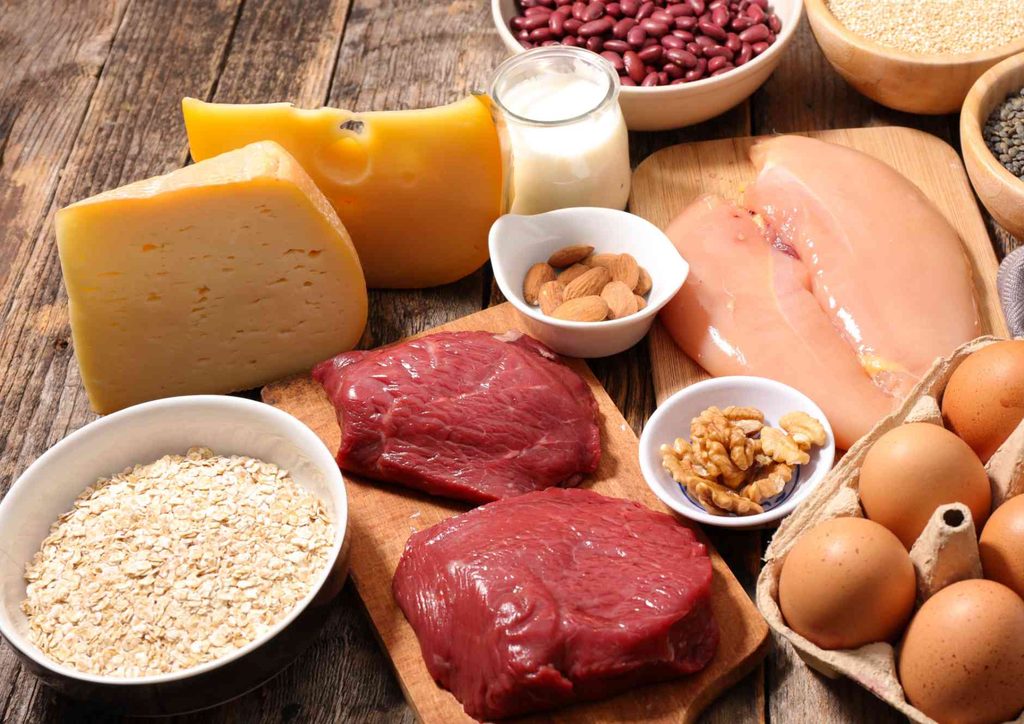
Choose carbohydrates for everyday energy
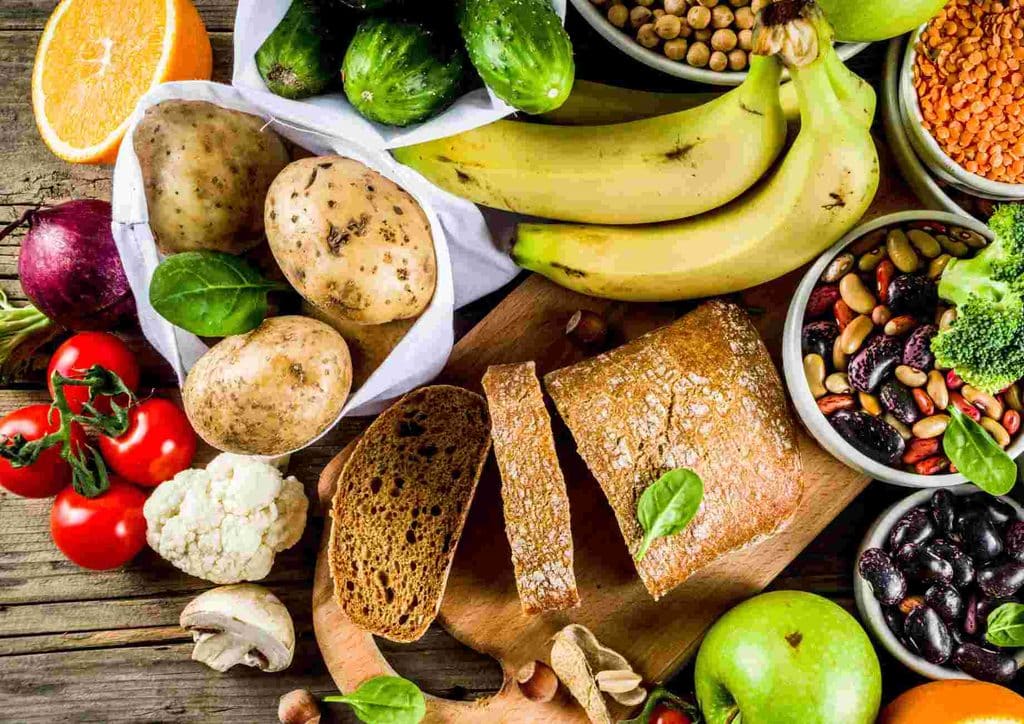
Carbohydrate rich foods provide energy for daily activities and recovery. Oats, pasta, sweet potato, wholegrain bread, rice, grapes, and legumes are practical options to keep at home.
You do not need to avoid carbohydrates to support postpartum weight loss. Instead, include them alongside protein, vegetables or fruit and other foods that help you feel satisfied.
| Carbohydrate Avoidance | Strategic Carbohydrate Integration |
|---|---|
| Cutting out starchy foods in a bid to accelerate post birth weight changes. | Embracing nutrient dense carbohydrates as a essential energy source for everyday tasks and tissue healing. |
| Facing persistent exhaustion, brain fog, and low stamina through underfuelling. | Keeping pantry staples like rolled oats, wholegrain bread, brown rice, potatoes, fruit, and legumes readily available. |
| Consuming standalone carb snacks that digest quickly without offering prolonged fullness. | Pairing quality carbohydrates with protein, fruit, and vegetables to enhance meal satisfaction and stabilize blood glucose. |
| Viewing entire food groups as detrimental to postpartum health and body composition. | Recognising complex carbohydrates as an active tool for sustaining energy during demanding newborn routines. |
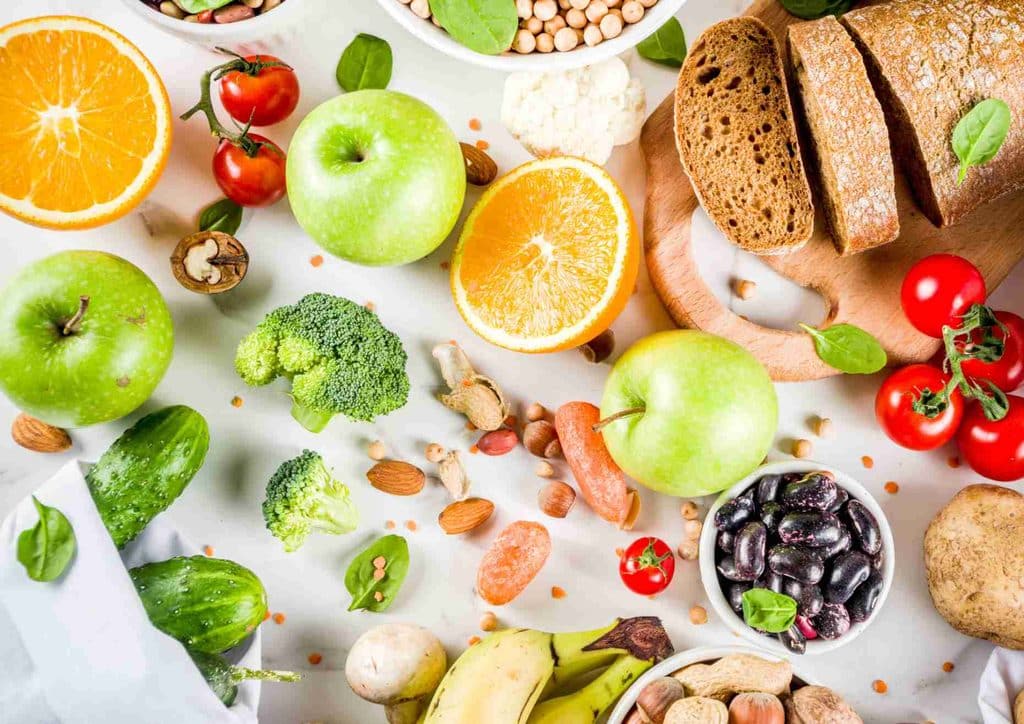
Add fibre and healthy fats
Fibre from vegetables, fruit, wholegrains, beans and lentils supports digestive health and can help meals feel more satisfying.
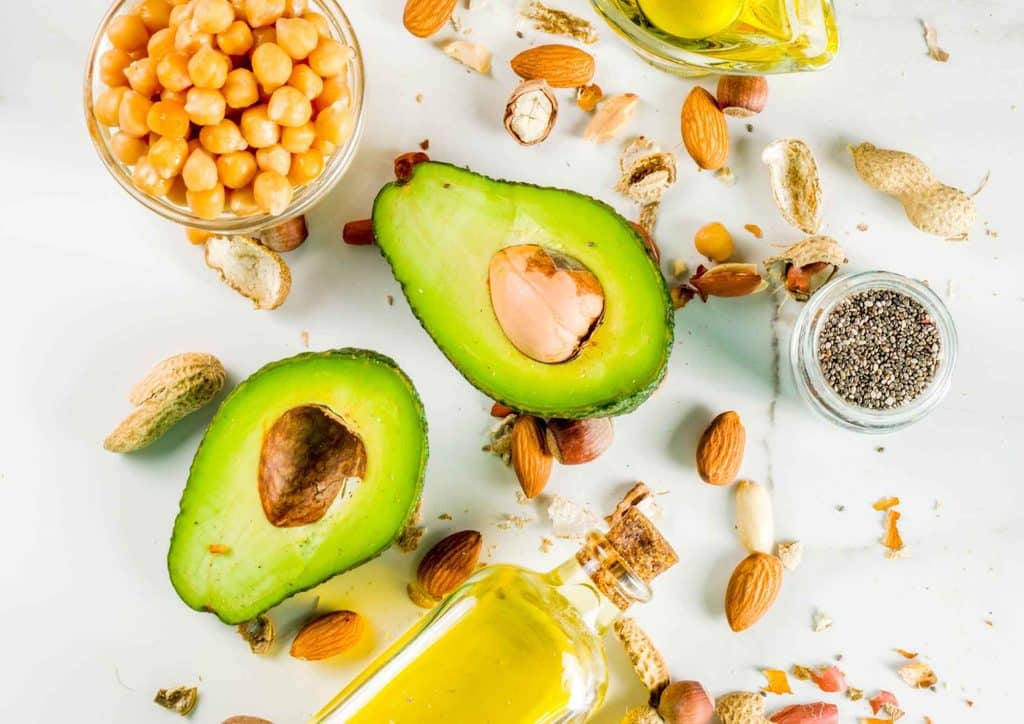
Unsaturated fats from foods commonly included in a Mediterranean-style eating pattern, such as olive oil, avocado, nuts and seeds, also contribute valuable nutrients. Including a variety of these foods helps you build meals that are nourishing without making food unnecessarily complicated.

| Overly Restrictive Choices | Fibre and Healthy Fat Integration |
|---|---|
| Selecting highly processed snacks low in dietary fibre, leading to sluggish digestion and brief fullness. | Incorporating vegetables, fruit, wholegrains, beans, and lentils to support healthy bowel function and prolonged satiety. |
| Avoiding all added fats out of concern over calorie content, resulting in bland and unsatisfying meals. | Adding unsaturated fat sources like extra virgin olive oil, avocado, nuts, and seeds to supply essential fatty acids and fat soluble nutrients. |
| Overcomplicating dietary rules with rigid prep methods that are difficult to manage alongside newborn care. | Building simple, well rounded plates by combining accessible whole foods without unnecessary meal prep stress. |
| Experiencing rapid hunger cycles shortly after eating due to a lack of digestive bulk and healthy fats. | Enhancing meal density and flavour to ensure consistent energy levels and deep physical nourishment throughout the day. |
Keep meals simple
A balanced meal does not need to contain lots of ingredients. A ready cooked chicken with microwave rice and frozen vegetables can be a practical dinner, while wholegrain toast with eggs can work well for breakfast or lunch.
Here are some simple ideas you can adapt to your appetite, preferences and available time.
| Moment of the day | Quick idea | Why it helps |
|---|---|---|
| Breakfast | Oats with milk, banana and Greek yoghurt | Combines carbohydrates, protein and fibre |
| Morning snack | Fruit with a handful of nuts | Provides convenient energy, fibre and unsaturated fats |
| Lunch | Wholegrain chicken and salad sandwich | Provides protein, carbohydrates and vegetables |
| Afternoon snack | Greek yoghurt with berries | Offers protein and useful nutrients with minimal preparation |
| Dinner | Microwave rice with ready cooked chicken and frozen vegetables | Provides a practical combination of carbohydrates, protein and fibre |
| Evening snack | Wholegrain toast with peanut butter | Offers carbohydrates, protein and fats when you need something filling |

Small habits that add up
Small, repeatable habits are more realistic than trying to overhaul your entire routine while caring for a newborn.
You might have very different days from one week to the next. Rather than setting strict rules, focus on a few practical choices that make eating well easier.
Prepare for hungry moments
Keep healthy snacks such as yoghurt, fruit, wholegrain crackers, nuts and boiled eggs available so you have something to eat when cooking is not practical.
Plan around convenience rather than an ideal schedule. Frozen vegetables, tinned legumes, microwave rice and ready prepared protein sources can reduce the work involved in putting together a meal.
Try to eat before you become so hungry that preparing food feels overwhelming. If you miss a meal, simply return to your usual eating pattern when you can. There is no need to compensate by eating less later.
| Unprepared Appetite Fluctuations | Proactive Snack and Meal Strategy |
|---|---|
| Delaying eating until extreme hunger causes food preparation to feel completely overwhelming. | Keeping effortless choices like yoghurt, fresh fruit, wholegrain crackers, nuts, and boiled eggs on hand for immediate fuelling. |
| Striving for idealised home cooking when exhaustion makes kitchen tasks impractical. | Embracing convenience items such as frozen vegetables, tinned legumes, microwave rice, and ready prepared protein to assemble fast meals. |
| Forcing rigid meal schedules that do not align with unpredictable newborn sleep and feeding patterns. | Eating proactively throughout the day and adjusting your nutrition timing around actual opportunities and convenience. |
| Restricting intake later to make up for a missed meal, perpetuating energy crashes and cravings. | Resuming your standard wholesome eating pattern as soon as possible without compensatory fasting or guilt. |

The gentle approach to postpartum weight loss
Gentle movement can also become part of your routine when your healthcare professional considers it appropriate. Walking with the pram or doing prescribed postnatal exercises may help you gradually rebuild confidence and physical fitness. Reformer pilates is one such exercise activity that can assist with recovery and weight loss. Recovery and individual medical advice should guide your activity.
If your longer term goal is sustainable weight loss, building a supportive routine around regular meals, sleep opportunities and manageable movement can provide a more realistic foundation than restrictive rules.
It can also help to broaden your understanding of women’s health nutrition, particularly when you have questions about nutrient requirements, digestion or changes in appetite after pregnancy.
Good to know
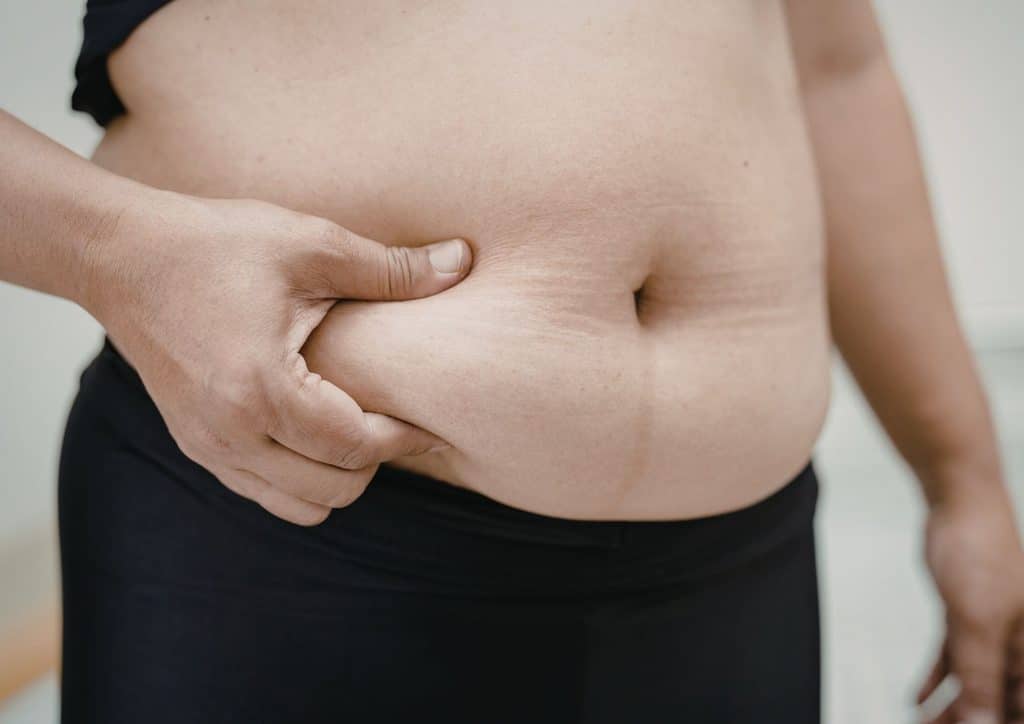
Your abdomen and overall body shape may take time to change after birth, and changes in skin appearance can also take time to improve naturally. The uterus, abdominal tissues and other structures undergo changes during pregnancy, and recovery varies between individuals. Your body does not need to look a particular way to be recovering well.

When to get support
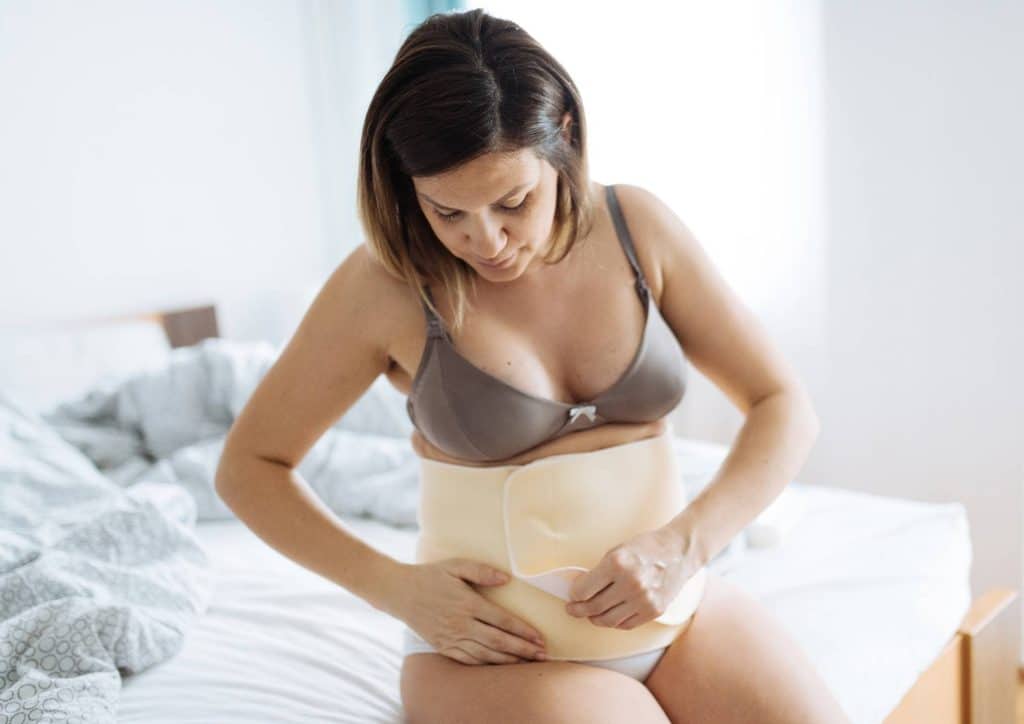
You should seek support from your GP, midwife or child and family health nurse if physical or emotional symptoms are making recovery or eating properly difficult.
You do not need to wait until things become overwhelming before asking for help. Support can be useful when you are unsure whether your recovery is progressing as expected, struggling to manage meals or feeling concerned about changes in your body.
| Waiting Until Crisis Point | Proactive Clinical Support |
|---|---|
| Trying to push through physical pain, emotional exhaustion, or feeding difficulties entirely on your own. | Consulting your GP, midwife, or child and family health nurse early when symptoms interfere with healing or nutrition. |
| Delaying professional guidance until everyday tasks feel completely overwhelming and unmanageable. | Reaching out for assistance promptly whenever you feel uncertain about your physical recovery progress. |
| Second-guessing your nutritional needs or struggling to maintain regular meals without advice. | Partnering with healthcare professionals to refine your eating habits and address concerns about bodily changes. |
| Viewing postpartum challenges as hurdles you must silently endure without external help. | Utilising supportive clinical networks to ensure a safer, more guided transition through early parenthood. |

Red flag: Persistent exhaustion or low mood
Speak with your GP or healthcare team if you feel persistently very low, unusually exhausted, overwhelmed, unable to eat adequately or increasingly distressed about your body or food. Seek urgent medical help for severe symptoms, thoughts of harming yourself or your baby, heavy bleeding, chest pain, difficulty breathing or a severe headache with visual changes.
If preparing meals feels impossible, tell someone you trust and ask for practical help. This might mean having meals prepared, arranging groceries or getting someone to assist with household responsibilities while you rest.
How a weight loss nutritionist can help postpartum weight loss
A weight loss nutritionist can also help you work through practical eating concerns and establish a realistic sustainable weight loss approach to your goals. If you decide to work with a weight loss nutritionist, look for someone who understands postnatal recovery, can tailor recommendations to your individual circumstances, and is willing to work alongside your existing healthcare team when appropriate.
If you are feeling pressure to lose weight quickly after having a baby, it may also be helpful to understand how to lose weight safely and sustainably rather than chasing rapid results, while learning about weight loss nutritionist consultation costs in Sydney before booking an appointment. You may also find that progress is not always linear, and understanding how to overcome a weight loss plateau is ess
Your individual circumstances matter. Your GP, midwife or child and family health nurse can help you decide what support is appropriate for you.
“Working with a weight loss nutritionist during the postpartum period is not about enforcing rigid rules or quick fixes; it is about having a dedicated professional in your corner to simplify meal choices, protect your energy, and guide your body through a safe, sustainable recovery”.
Jake Biggs, Nutrition Longevity

| Generic Diet Plans | Weight Loss Nutritionist Care |
|---|---|
| Following rigid online diets that ignore broken sleep, milk supply demands, and maternal fatigue. | Receiving tailored nutritional strategies that prioritise physical recovery, hormone balance, and daily stamina. |
| Restricting calories drastically, leading to nutrient deficiencies and reduced physical resilience. | Establishing a moderate, safe intake that supports gradual weight changes without compromising lactation or energy. |
| Attempting complex meal preparation that creates unnecessary stress during early parenthood. | Integrating practical, time saving whole foods and convenient meal strategies into your dynamic routine. |
| Navigating physical changes in isolation with standard scales as the only metric of progress. | Gaining ongoing empathetic accountability, progress tracking, and professional guidance tailored to your body. |

What to do this week
- Keep two convenient meal options ready for busy days.
- Eat regular meals and snacks according to your appetite.
- Ask your healthcare team one question about your recovery or nutritional needs.

Final thoughts
Postpartum weight loss is not about rushing back to your pre pregnancy body or putting pressure on yourself to meet a particular timeline. It is about giving your body the nourishment, care and time it needs to recover while you adjust to the physical and emotional demands of life with a newborn.
Start with regular meals, plenty of variety, convenient sources of protein and fibre, and realistic habits that fit your current routine. Some days will feel easier than others, and that is completely normal. Weight loss progress is not always linear, and some women may experience a weight loss plateau during their recovery journey. You do not need to get everything right to make progress towards feeling healthier and stronger.
Remember, your recovery is personal, and comparing yourself with other mums will not tell you what your body needs. If you have concerns about your weight, energy, appetite or recovery, speak with your GP, midwife or child and family health nurse for guidance tailored to your circumstances.
Give yourself permission to take things one day at a time. Looking after yourself is an important part of adjusting to motherhood, and your health deserves attention just as much as everyone else’s.

Achieving safe and healthy weight loss postpartum quiz
How well do you understand healthy and safe weight loss after birth? Test your knowledge on postpartum recovery, protein, carbohydrates, and safe nourishment strategies.
1. What should be your primary nutritional priority in the initial months following birth?
2. Do you need to eliminate carbohydrates to achieve postpartum weight loss?
3. How does including protein in your meals assist postpartum wellbeing and body composition?
4. What is the best strategy when broken sleep or busy newborn care makes cooking complex meals difficult?
Healthy and safe postpartum weight loss is built on recovery first, flexible routines, and steady nourishment. Focus on protein, fibre, quality carbohydrates, and simple options that fit smoothly into life with your newborn.

Frequently asked questions
When can I start trying to lose weight after giving birth?
There is no single timeline that suits everyone. Prioritise healing and adequate nourishment, then discuss your readiness with your GP or midwife based on your recovery and individual circumstances.
Is it normal to still look pregnant after birth?
Yes, your abdomen may remain rounded after birth as your uterus and abdominal tissues recover. The changes vary between individuals, so speak with your healthcare team if you have concerns.
Should I weigh myself after having a baby?
Weighing yourself is optional and not necessary for recovery. If weighing causes stress or affects how you eat, consider focusing on energy, nourishment and recovery instead.
What should I eat for energy with a newborn?
Choose convenient meals containing protein, carbohydrates, fibre and healthy fats, such as eggs on wholegrain toast, Greek yoghurt with fruit or chicken with rice and vegetables.
Keep reading
This article is general information, not personal medical or nutritional advice. Individual needs vary. For guidance tailored to you, book a consultation.
Book a 60 minute consultation, in Bondi Junction or by Telehealth from anywhere in the world.