

The short version
- A calculated calorie deficit is only a prediction based on formulas and estimates. The only thing that proves a deficit is working is a consistent downward trend in your body weight, measurements or both.
- Water weight can rise and fall dramatically from stress, training, sodium, hormones and carbohydrate intake. This can completely hide real fat loss and make it look like nothing is happening when progress is actually being made.
- Before cutting calories lower, look closely at your entire week of eating, drinking and activity. Hidden extras, larger weekend portions and inconsistent tracking are far more common reasons for stalled progress than a metabolism that has stopped working.
The short answer
If you are asking, why am i not losing weight in a calorie deficit, the most likely answer is that you are not in as large a calorie deficit as you think, or your progress is being temporarily hidden by water retention, normal weight fluctuations, or inconsistent intake. A calorie deficit still matters, but the real world is often messier than a calorie calculator suggests.
You may be choosing the best foods for weight loss, experimenting with intermittent fasting, trying to lose weight fast, or focusing on ways to speed up your metabolism, yet the scales still refuse to move. If you are wondering why you’re not losing weight, struggling to lose belly fat, or feeling stuck in a weight loss plateau, it can seem as though your efforts are being ignored. Understanding these factors can help explain why weight loss may stall, even when you believe you are in a calorie deficit.
“One of the most frustrating experiences in weight loss is doing everything you think you should be doing and still seeing no movement on the scale. In reality, not losing weight in a calorie deficit rarely means your body has stopped responding or that weight loss is impossible. More often, the deficit is smaller than expected, inconsistently maintained across the week, or temporarily hidden by normal fluctuations in water weight”.
Jake Biggs, Nutrition Longevity
How to fix a calorie deficit that isn’t working weight loss calculator
If you’re not losing weight despite eating in a calorie deficit, the key question is why. Enter your metrics below to receive a personalised assessment and evidence-based recommendations to help identify what’s holding back progress and get your weight loss moving again.
Your Deficit Diagnostic Summary
Your stall profile points primarily toward .
Your corrective strategy to break the plateau
Want help fixing your weight loss plateau?
I will review your exact metrics and design a tailored nutrition strategy to break your plateau and restore steady, sustainable fat loss.
Book a consultationThis calculator provides general educational guidance to help troubleshoot weight loss plateaus and is not a substitute for clinical nutrition or medical advice.
“Most calorie deficit advice relies on oversimplified rules and generic guesses. I built this interactive diagnostic calculator to cut through the noise, giving you personalised, research-backed troubleshooting steps that address real-world weight loss plateaus, without the gimmicks, shortcuts, or false promises”.
Jake Biggs, Nutrition Longevity

Hidden reasons your calorie deficit is not working
| Reason | Explanation |
|---|---|
| Portions are larger than estimated | Eyeballing food quantities and omitting cooking oils often leads to unmeasured energy intake that quietly erases a deficit. |
| Weekend eating is offsetting weekdays | Strict adherence from Monday to Friday can be completely undone by relaxed eating and drinking habits over the weekend. |
| Water retention is masking fat loss | Hormonal shifts, sodium fluctuations, and exercise recovery cause temporary fluid shifts that hide actual fat reduction on the scales. |
| Activity levels have changed | As calorie intake drops, the body naturally reduces unconscious daily movement and spontaneous physical activity, lowering total energy expenditure. |
| Energy needs have adapted over time | Carrying a lower body weight requires less energy to function, meaning a once-effective calorie target eventually becomes a maintenance level. |
| Liquid calories are being overlooked | Beverages such as specialty coffees, alcoholic drinks, and sweet mixers contribute significant energy intake that is rarely tracked. |
| Sleep quality and chronic stress are high | Poor sleep and elevated cortisol drive hunger hormones higher while increasing cravings for calorie dense foods. |
| Diet duration has been too long | Extended periods in a deficit trigger metabolic down regulation and mental fatigue, making adherence and progress much harder to sustain. |
The deficit on your app may not be your actual deficit
A calorie deficit means consuming less energy than your body uses over time. It does not simply mean eating below the target displayed by an app.
That target comes from an estimate. Your actual needs depend on factors including body size, activity and changes during weight loss. Food records also contain uncertainty, even when you are careful.
In many cases, the gap between estimated intake and estimated expenditure is narrower than expected. That is a measurement problem to investigate, not a reason to blame yourself.
“I cannot confirm a calorie deficit from an app total alone, because both the food recorded and the energy target can be wrong”.
Jake Biggs, Nutrition Longevity
| App Factor | Reality |
|---|---|
| Estimated Activity Multipliers | Fitness apps often overestimate energy burned through daily activity and exercise, leading to inflated calorie targets. |
| Inaccurate Food Database Entries | User-generated entries in tracking applications frequently contain missing macronutrient data or incorrect serving sizes. |
| Exercise Calorie Addbacks | Syncing fitness trackers to log active calories burned often grants extra food allowances that were already accounted for in your baseline calculation. |
| Generic Formula Baselines | Built-in calculations rely on population averages that may differ significantly from your individual metabolic rate. |
| Untracked Bite and Taste Sampling | Quick bites, cooking samples, and dressings consumed while preparing meals are rarely logged into tracking apps. |
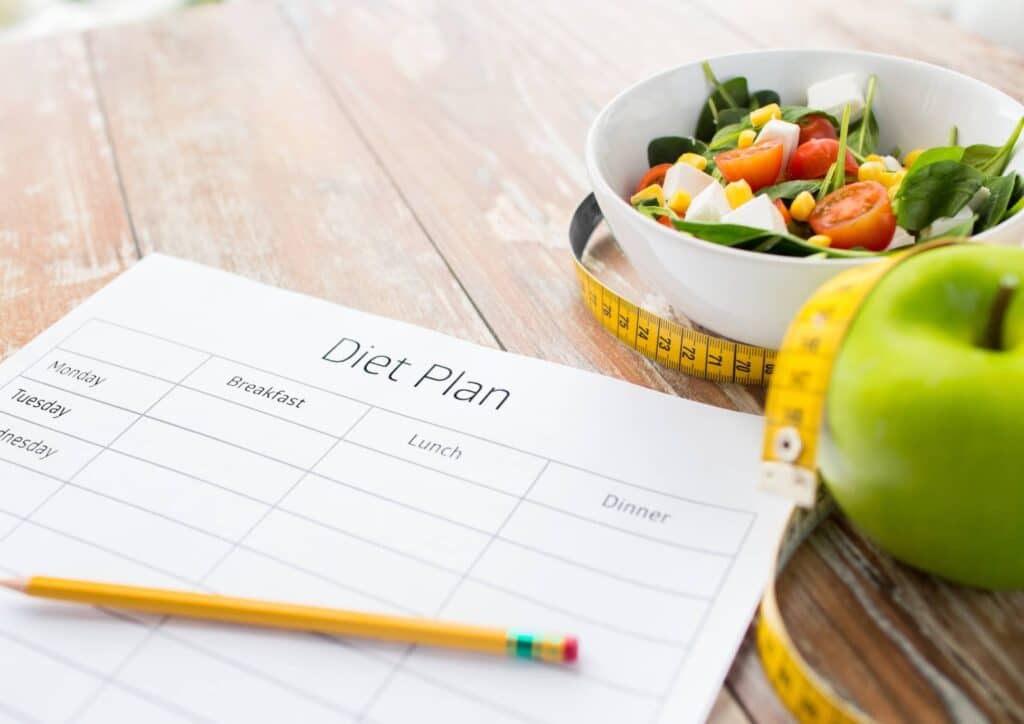
Small omissions can change the whole picture
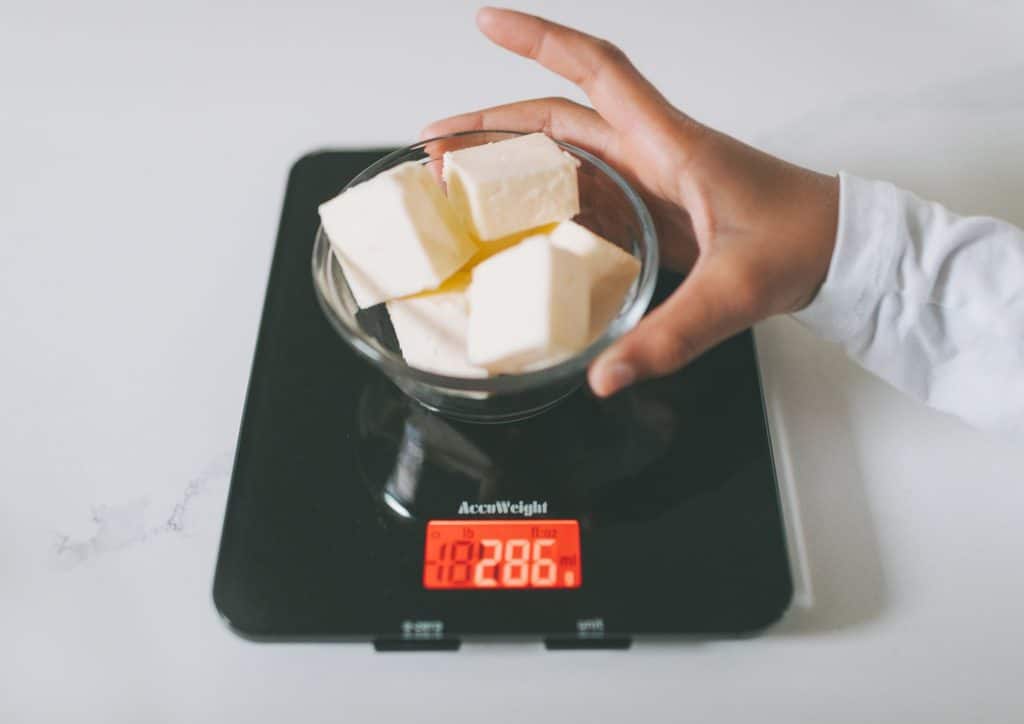
Olive oil, nuts, avocado and dressings can contribute useful nutrients, but their portions still matter. A generous pour of oil may contain considerably more energy than the teaspoon entered in your diary.
Milk in coffee, bites while cooking and drinks with dinner are easy to overlook. You do not need to remove these things automatically. You need an accurate picture before deciding whether anything needs adjusting.
| Everyday Item | Tracking Reality |
|---|---|
| Olive oil, nuts, avocado and dressings | Can contribute useful nutrients, but their portions still matter. A generous pour of oil may contain considerably more energy than the teaspoon entered in your diary. |
| Milk in coffee, cooking tastes and dinner drinks | Are easy to overlook. You do not need to remove these things automatically. You need an accurate picture before deciding whether anything needs adjusting. |
| Butter, spreads and cooking sauces | Add rich flavour to meals, but unmeasured dollop sizes can introduce a surplus of energy that goes completely unnoticed in daily logs. |
| Handfuls of snacks and grazing | Casual bites of fruit, cheese or nuts while passing through the kitchen rarely make it into tracking apps, yet accumulate significant energy over time. |
| Alcoholic beverages and mixers | Provide dense energy that is frequently omitted from weekly tracking summaries, quietly offsetting even a well maintained weekday calorie deficit. |
Check the entry as well as the portion
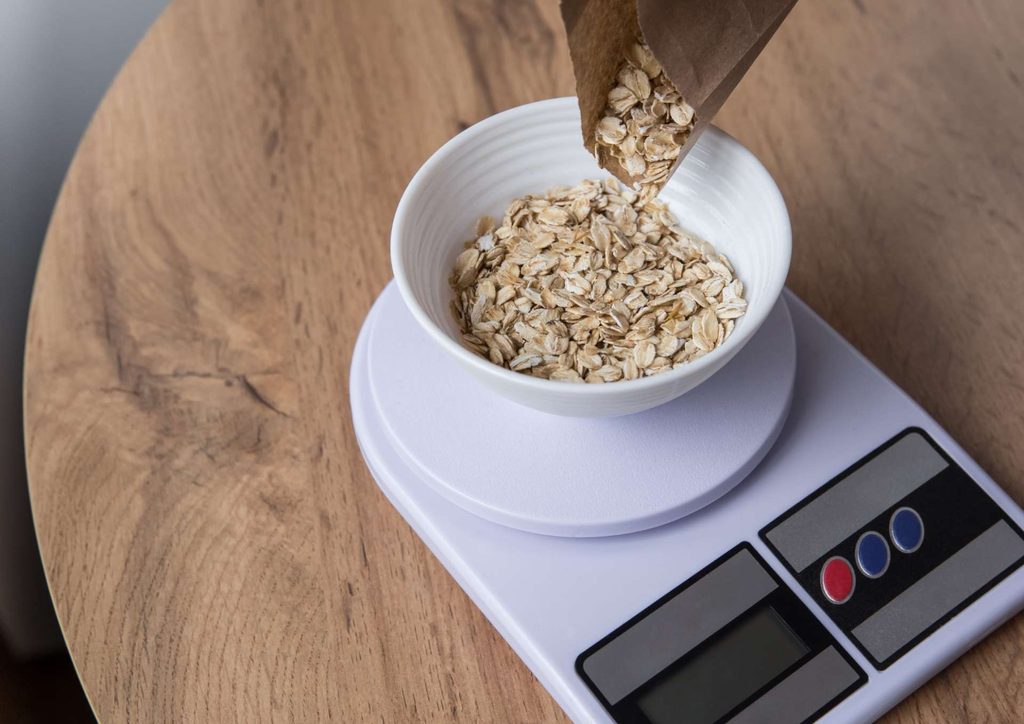
Match raw food weights with raw entries and cooked weights with cooked entries. Check whether the label describes one serving or the whole packet. For shared recipes, include the cooking ingredients and divide the finished meal into realistic portions.
For example, when tracking carbohydrate-rich foods such as rice, pasta, sweet potato and oats, ensure the weight you record matches the database entry. If you weigh the food after cooking, select the cooked food entry. Using a cooked weight with a raw food entry, or vice versa, can lead to significant calorie tracking errors and may reduce the accuracy of your weight loss plan.
| Tracking Element | Accuracy Guideline |
|---|---|
| Raw versus cooked weight matching | Match raw food weights with raw entries and cooked weights with cooked entries to prevent massive miscalculations in energy intake. |
| Serving size label verification | Check whether the nutrition label describes a single serving or the entire packet before logging the quantity consumed. |
| Shared recipe breakdown | For shared recipes, include all individual cooking ingredients and divide the finished meal into realistic, weighed portions. |
| Brand and product database matching | Select entries that match the exact brand and formulation you are eating, as generic items often have drastically different nutrient profiles. |
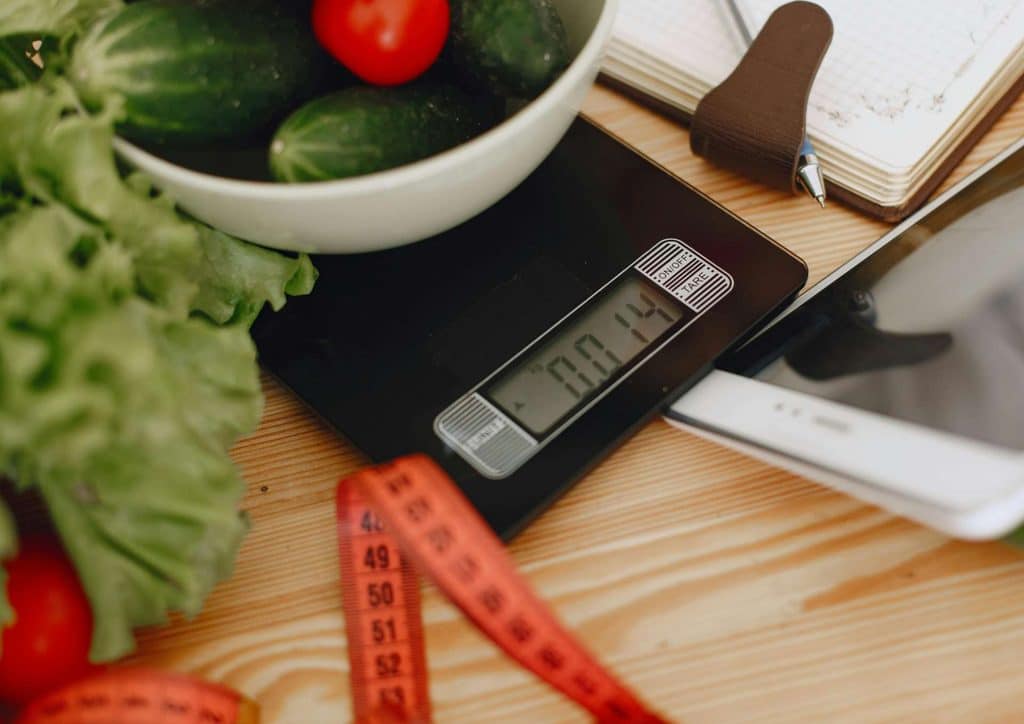
| Unit versus weight measurement | Use grams or millilitres on a digital scale rather than vague volume units like cups or pieces to eliminate estimation errors. |
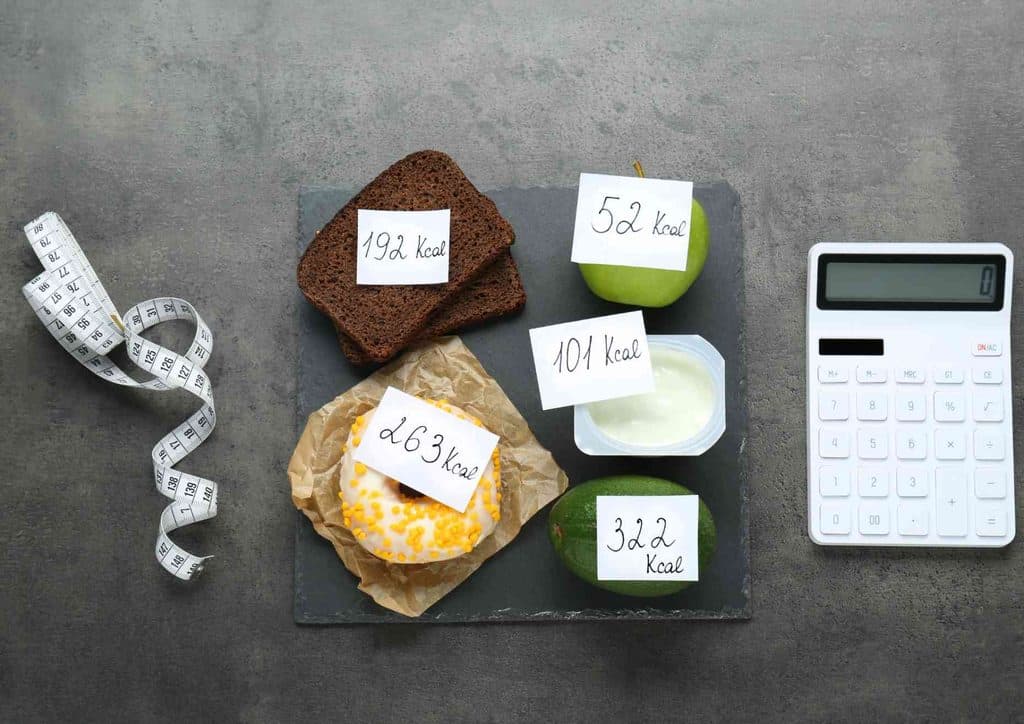
Review before restricting calories more
If tracking feels comfortable, record seven representative days, including drinks, cooking oils and meals out, before deciding that you need less food.
Include every drink, even coconut water, when reviewing your weekly intake.

| Review Element | Action Guideline |
|---|---|
| Review before restricting | If tracking feels comfortable, record seven representative days, including drinks, cooking oils and meals out, before deciding that you need less food. |
| Assess beverage contributions | Log all liquid calories including specialty coffees, alcohol, and sweetened teas to ensure hidden energy sources are fully accounted for. |
| Track cooking fats consistently | Measure butter, oils, and dressings with a digital scale or measuring spoon rather than free-pouring during food preparation. |
| Include restaurant meals | Account for restaurant dishes and takeout by estimating hidden butters and oils commonly added by commercial kitchens. |
| Evaluate full weekly trends | Compare overall weekly intake and activity patterns before making drastic calorie reductions or changing your baseline targets. |
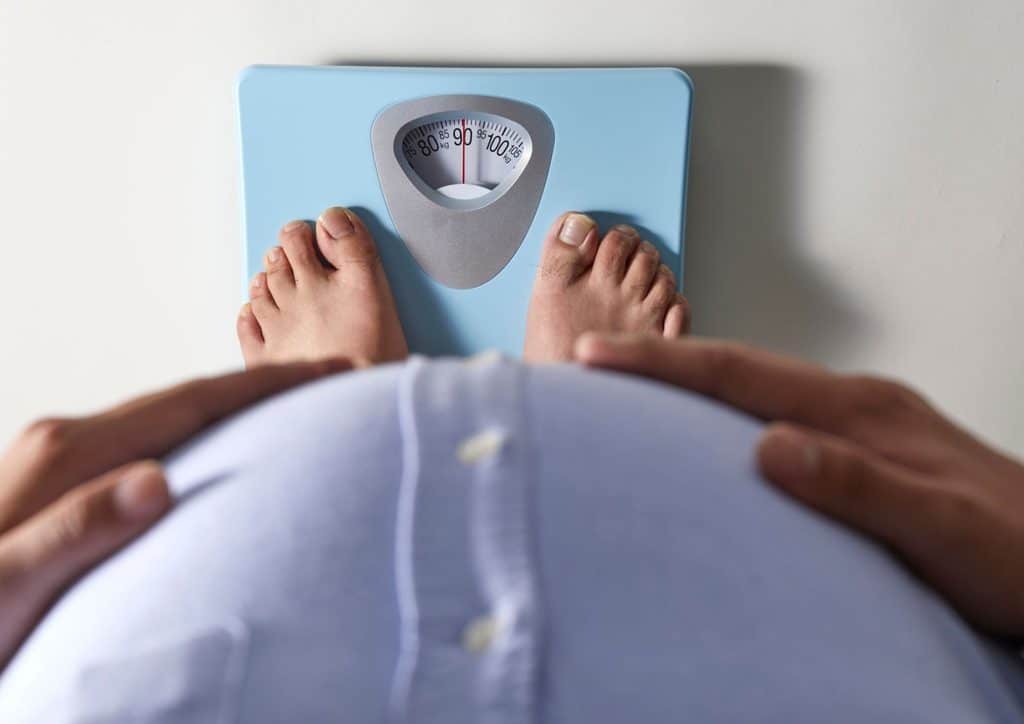
Your week matters more than your most controlled day
A careful monday does not tell me what happened across the week. Larger restaurant meals, alcohol or repeated grazing can narrow the deficit created on other days.
This does not make social eating a failure. It means your plan needs to accommodate your actual life. Skipping meals to compensate can leave you hungry and make the next evening harder to manage.
Repeatable breakfast options, such as a high protein banana smoothie, protein pancakes, or a chia seed protein pudding, can simplify meal planning and make it easier to stay consistent.

| Weekly Pattern | Consistency Strategy |
|---|---|
| Your week matters more than your most controlled day | A single disciplined day cannot offset relaxed intake across the remaining six days; genuine progress depends on overall weekly averages. |
| Recognising weekend calorie creep | Unstructured social meals and weekend relaxation can easily wipe out a five-day deficit if intake is not tracked consistently. |
| Balancing flexibility with structure | Allowing room for social events while maintaining baseline awareness prevents burnout and supports long-term consistency. |
| Evaluating rolling averages | Compare weekly body weight and intake trends rather than focusing on daily fluctuations to get a true picture of progress. |
| Sustainable weekly planning | Design an eating routine that fits seamlessly into your lifestyle so that consistency feels manageable every single day. |
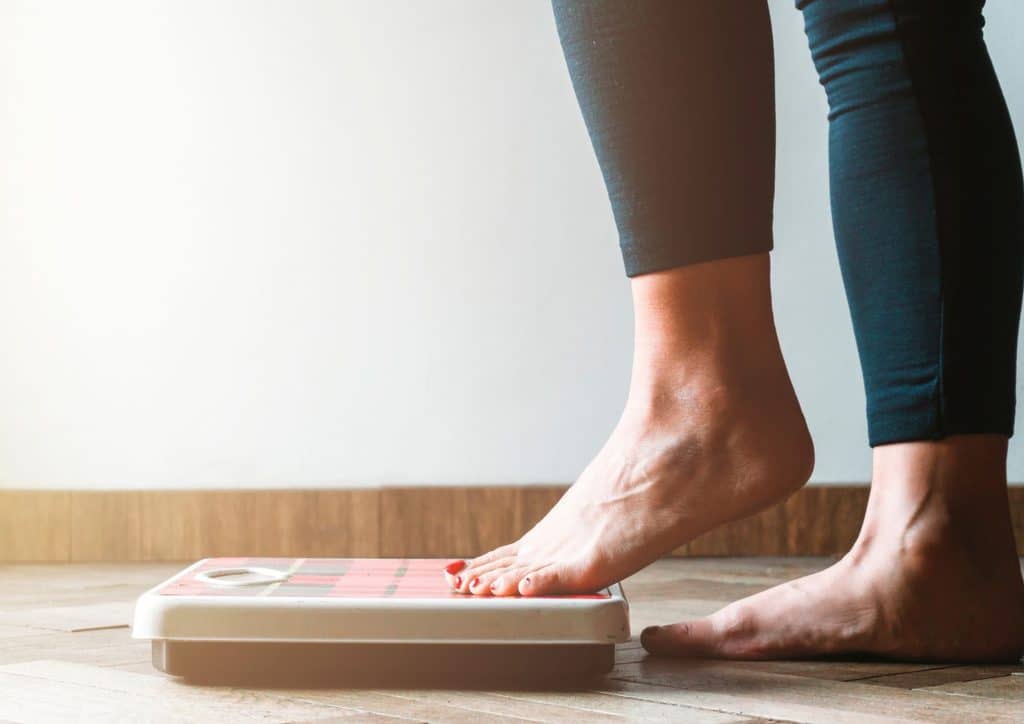
Why the scale can hide genuine progress
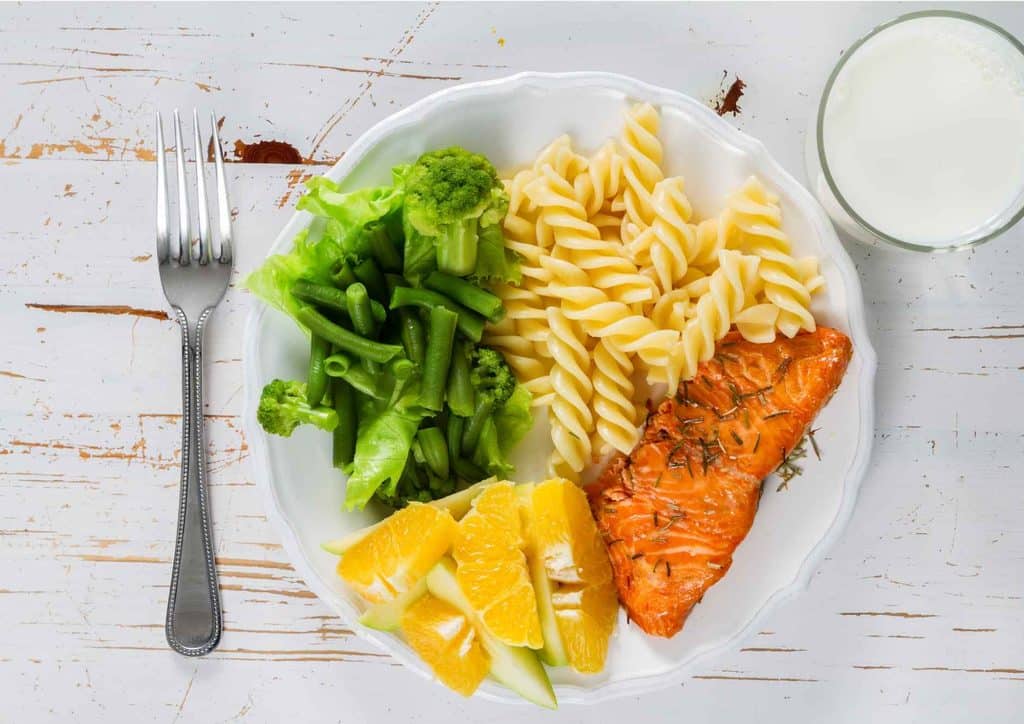
When you are not losing weight in a calorie deficit, the first question is how long the scale has been unchanged. Several days and several weeks are different situations.
Body weight includes water, stored carbohydrate and food moving through your digestive system. Menstrual changes, saltier meals, constipation and recovery from unfamiliar exercise can affect readings without showing whether you have lost body fat.
Also consider creatine and scale changes or temporary weight loss after a sauna when interpreting readings.
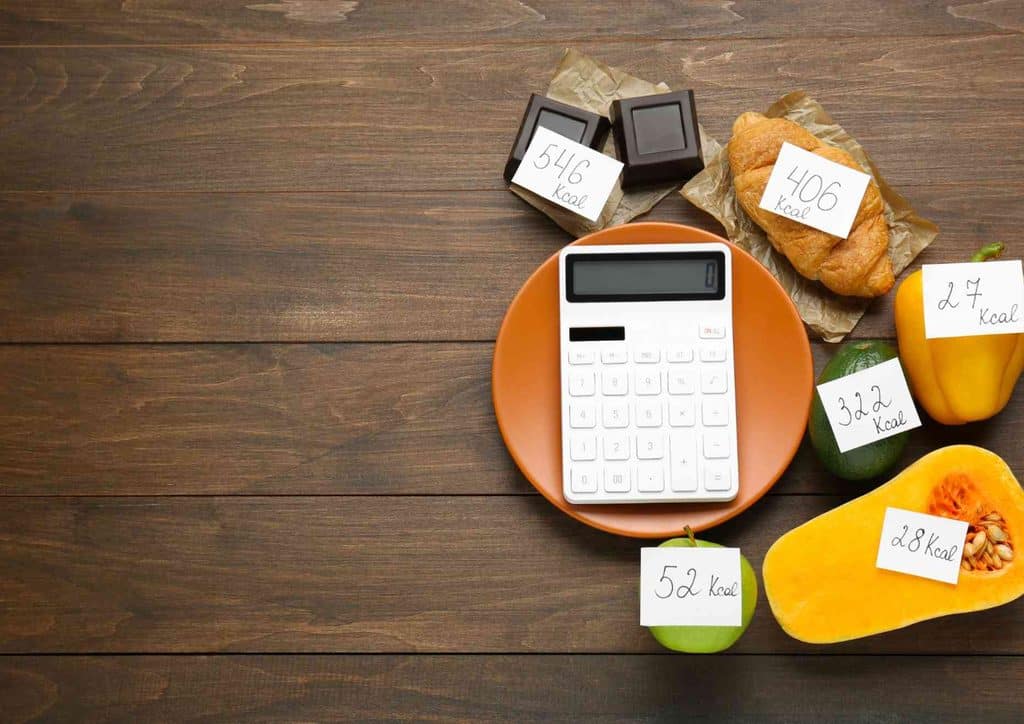
| Scale Reading Factor | Measurement Impact |
|---|---|
| Stall duration evaluation | When you are not losing weight in a calorie deficit, the first question is how long the scale has been unchanged, as several days and several weeks are different situations. |
| Internal mass composition | Body weight includes water, stored carbohydrate and food moving through your digestive system. |
| Hormonal and dietary shifts | Menstrual changes and saltier meals can affect readings without showing whether you have lost body fat. |
| Digestive system retention | Constipation can temporarily alter scale numbers independent of your actual fat loss progress. |
| Exercise recovery effects | Recovery from unfamiliar exercise can affect readings without showing whether you have lost body fat. |
Compare readings taken under similar conditions
If weighing is comfortable for you, use the same scales on a firm surface, preferably in the morning after using the toilet and before breakfast. Compare a trend rather than treating one reading as a verdict.
For people who menstruate, comparing similar stages of the cycle can add useful context. Waist measurements and clothing fit may provide additional information, although neither proves a particular amount of weight loss.
Concerns about loose skin after weight loss also need context beyond the scales.

| Weighing Protocol | Practical Guideline |
|---|---|
| Consistent weighing conditions | Use the same scales on a firm surface, preferably in the morning after using the toilet and before breakfast. |
| Trend analysis over single readings | Compare a trend rather than treating one reading as a verdict. |
| Menstrual cycle timing context | For people who menstruate, comparing similar stages of the cycle can add useful context. |
| Waist measurements and clothing fit | Waist measurements and clothing fit may provide additional information, although neither proves a particular amount of weight loss. |
Your energy needs can change
If “why am i not losing weight in a calorie deficit” keeps coming up after earlier progress, your original target may need reviewing. A smaller body generally uses less energy, so an intake that previously supported weight loss may eventually maintain your weight.
Everyday movement can also fall without you noticing. You might complete your workout but spend more time sitting afterwards because you feel tired. Exercise watches provide estimates, so automatically eating back every displayed exercise calorie can introduce another source of error. I would review your overall pattern before treating those numbers as an exact allowance.
Whether you choose reformer pilates for weight loss or another activity, consider your movement between sessions too.

| Metabolic Shift | Mechanism Explained |
|---|---|
| Original target review needs | If why am i not losing weight in a calorie deficit keeps coming up after earlier progress, your original target may need reviewing. |
| Lower energy needs from body mass reduction | A smaller body generally uses less energy, so an intake that previously supported weight loss may eventually maintain your weight. |
| Unconscious reduction in daily movement | Everyday movement can also fall without you noticing, such as completing your workout but spending more time sitting afterwards because you feel tired. |
| Fitness tracker inaccuracy | Exercise watches provide estimates, so automatically eating back every displayed exercise calorie can introduce another source of error. |
| Overall pattern evaluation | Review your overall pattern before treating those wearable numbers as an exact allowance. |
What to change before eating less
Understanding how to break a weight loss plateau starts with identifying the specific obstacle. If the issue is inconsistent portions, address portions. If the issue is exhaustion and reduced movement, making your meals smaller may worsen the problem.
- Include high protein foods at regular meals.
- Build fibre through vegetables, fruit, legumes and wholegrains.
- Keep everyday movement manageable.
- Protect a consistent sleep routine.

| Adjustment Category | Actionable Foundation |
|---|---|
| Obstacle identification before reducing food | Understanding how to break a weight loss plateau starts with identifying the specific obstacle before making meals smaller. |
| Regular protein intake | Include protein at regular meals to support satiety and muscle maintenance. |
| Fibre enrichment through whole foods | Build fibre through vegetables, fruit, legumes and wholegrains. |
| Manageable everyday physical movement | Keep everyday movement manageable instead of compounding exhaustion. |
| Consistent sleep routine protection | Protect a consistent sleep routine to support recovery and metabolic health. |

Protein and fibre can help meals feel more satisfying, making a suitable intake easier to maintain. Neither cancels out calories, and neither requires removing all carbohydrate.
For me, what sustainable weight loss looks like includes meals you can repeat, social occasions you can accommodate and adjustments that do not leave you constantly hungry. Change one relevant part of the routine, then give yourself enough consistent information to assess it.
Focus on these habits before trying popular hacks like lemon juice or pink salt for weight loss.
Make these changes before reducing your calorie deficit more
| Change | Evidence |
|---|---|
| Hydration status evaluation | Inadequate water intake can mask fat loss on the scale through mild cellular dehydration and temporary fluid retention. |
| Stress management implementation | Chronically elevated cortisol levels promote water retention and increased appetite cues that mimic true hunger. |
| Sodium intake balancing | Sudden shifts in salt consumption cause significant fluctuations in extracellular water volume independent of body fat changes. |
| Meal timing adjustment | Distributing nutrient intake evenly across the day improves satiety and prevents evening overeating episodes. |
| Alcohol consumption moderation | Liquid calories and impaired metabolic processing from alcohol can easily erase a weekly energy deficit. |
| Step count baseline monitoring | Unconscious decreases in daily walking often offset intentional exercise calories when diet fatigue sets in. |
| Sleep quality enhancement | Poor rest disrupts ghrelin and leptin balance, increasing cravings for energy-dense foods the following day. |
| Condiment and sauce tracking | High-calorie dressings, mayonnaise, and cooking oils added during prep frequently go unmeasured and stall progress. |
| Weighing food in raw form | Cooked weight varies heavily based on moisture loss, whereas weighing items raw ensures consistent calorie tracking accuracy. |
| Diet break implementation | Eating at maintenance calories for one to two weeks helps normalize leptin levels and relieves psychological diet fatigue. |
When guessing needs to become a personalised plan
When you are not losing weight despite being in a calorie deficit, it can be difficult to identify what is actually preventing progress. Factors such as underestimating energy intake, reduced daily movement, changes in training load, fluid retention, sleep disruption and metabolic adaptations can all influence weight trends.
A weight loss nutritionist can help assess these variables together, rather than focusing solely on calorie intake, to determine whether a true plateau exists and what may be contributing to it. The benefit of working with a weight loss nutritionist is having an objective, evidence based review of your nutrition, lifestyle and progress data.
Instead of making repeated changes out of frustration, a structured assessment can identify the most effective next step, whether that involves refining calorie targets, improving food tracking accuracy, adjusting protein intake, increasing physical activity or addressing recovery and lifestyle factors. This targeted approach can help you move beyond a weight loss plateau with greater confidence and less guesswork.

Final thoughts
Not losing weight in a calorie deficit can be frustrating, particularly when you feel like you are doing everything right. However, a lack of progress on the scales does not automatically mean weight loss is impossible or that your efforts are being wasted.
In many cases, factors such as inaccurate calorie tracking, fluctuations in body water, reduced activity levels, metabolic adaptations or unrealistic expectations around the rate of progress can all contribute to the perception of a plateau.
Rather than assuming you need to eat less and less, take a step back and assess the bigger picture. Reviewing calorie intake, food quality, physical activity, sleep, stress and long term weight trends can often reveal the reason progress has slowed.
Sustainable weight loss is rarely about finding a single solution. It is about identifying the factors that matter most, making targeted adjustments and allowing enough time for those changes to take effect. Consistency with the right strategy will nearly always outperform drastic short term measures.
Think you know why weight loss stalls? Test your knowledge and discover what may really be affecting your progress.
1. If you are not losing weight, despite being in a calorie deficit, your metabolism is probably “broken”.
2. Water retention can temporarily mask fat loss on the scales.
3. As you lose weight, your body may burn fewer calories than it did when you were heavier.
4. What is the most effective response when weight loss stalls despite a calorie deficit?
Weight loss plateaus are often explained by changes in energy expenditure, tracking accuracy, activity levels or fluid balance rather than a lack of effort. Taking a structured, evidence-based approach can help identify the true cause and guide the most effective next step.
Frequently asked questions
Can you be in a calorie deficit and not lose weight?
Yes, your scale weight can remain unchanged temporarily while a genuine deficit reduces stored body energy. Water retention and digestive contents can hide that change. Over longer periods, an unchanged trend means the estimated deficit, consistency and possible contributing health factors need reviewing rather than assuming your metabolism is broken.
Am I underestimating my calories?
It is possible, even when you track carefully. Cooking oils, sauces, drinks, restaurant portions and small bites are common sources of uncertainty. Check portion sizes and whether entries describe raw or cooked foods. A short, representative record can help, but your calorie expenditure estimate also needs scrutiny.
Is it just water weight?
It could be, particularly after a saltier meal, unfamiliar exercise or around your menstrual period. Constipation can also affect the scale. One reading cannot tell you the cause. Look for patterns over time, and do not assume persistent weight changes are always water without reviewing the wider picture.
How long before a calorie deficit shows on the scale?
There is no fixed deadline. Some people notice a change within the first week, while smaller changes can be obscured by normal fluctuations. Comparing consistent readings across two to four weeks is often more useful than comparing individual days, with menstrual timing considered. Persistent lack of change deserves a review.
Keep reading
This article is general information, not personal medical or nutritional advice. Individual needs vary. For guidance tailored to you, book a consultation.
Book a 60 minute consultation, in Bondi Junction or by Telehealth from anywhere in the world.