

The short version
- Intermittent fasting can help create the calorie deficit needed for weight loss. By limiting the hours available for eating, many people naturally consume fewer calories without counting every bite, which can make weight loss feel simpler and more sustainable.
- Fasting is a framework for weight loss, not the reason weight loss happens. Many people believe the fasting window is doing all the work, when in reality fat loss still comes down to maintaining a calorie deficit over time.
- The eating window is where weight loss is won or lost. You can spend 16 hours without food, but the outcome is still largely determined by what happens in the remaining hours of the day.
The short answer
Intermittent fasting for weight loss can help, but usually for one simple reason: people often end up eating fewer calories across the day. It is not because there is anything special about skipping meals, it is because the total amount of food eaten often drops.
A lot of people start fasting, achieve rapid weight loss initially, then hit a plateau as their metabolism adapts, belly fat loss slows and long term weight loss becomes unmanageable. Others make it through the fasting period only to feel so hungry that they eat far more than usual during the eating window. When that happens, the early progress can slow down or disappear altogether.
“Intermittent fasting does not cause weight loss because you spend more hours without food. It can support weight loss because it often makes it easier to eat fewer calories overall and maintain a calorie deficit consistently over time”.
Jake Biggs, Nutrition Longevity
Intermittent fasting methods compared
| Method | How it works | Who it suits, who it doesn’t |
|---|---|---|
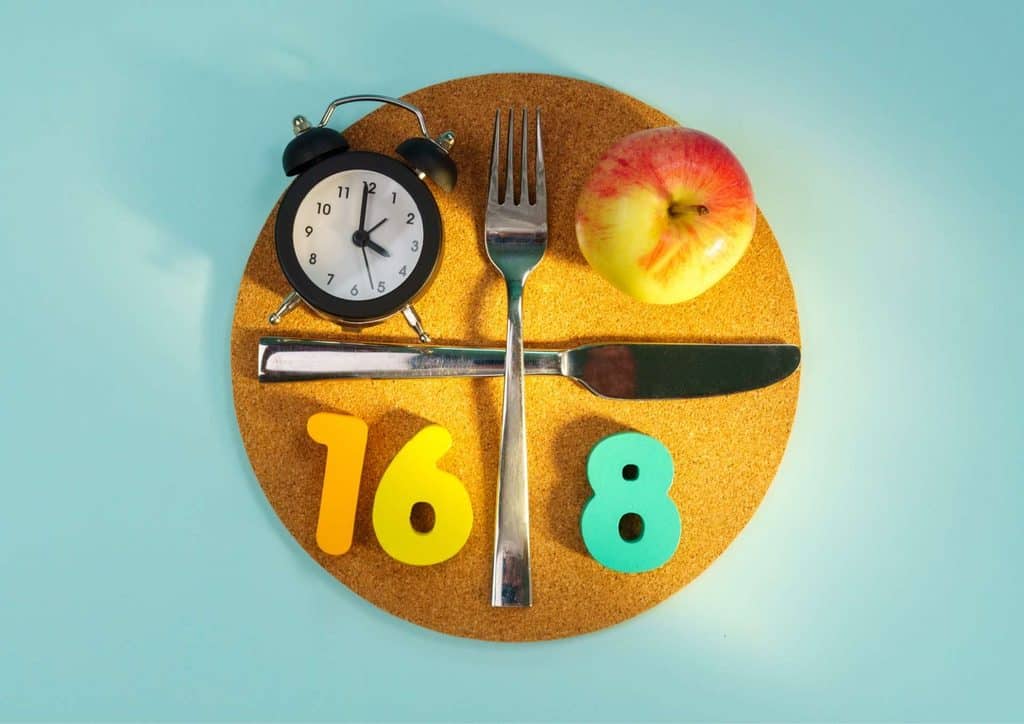
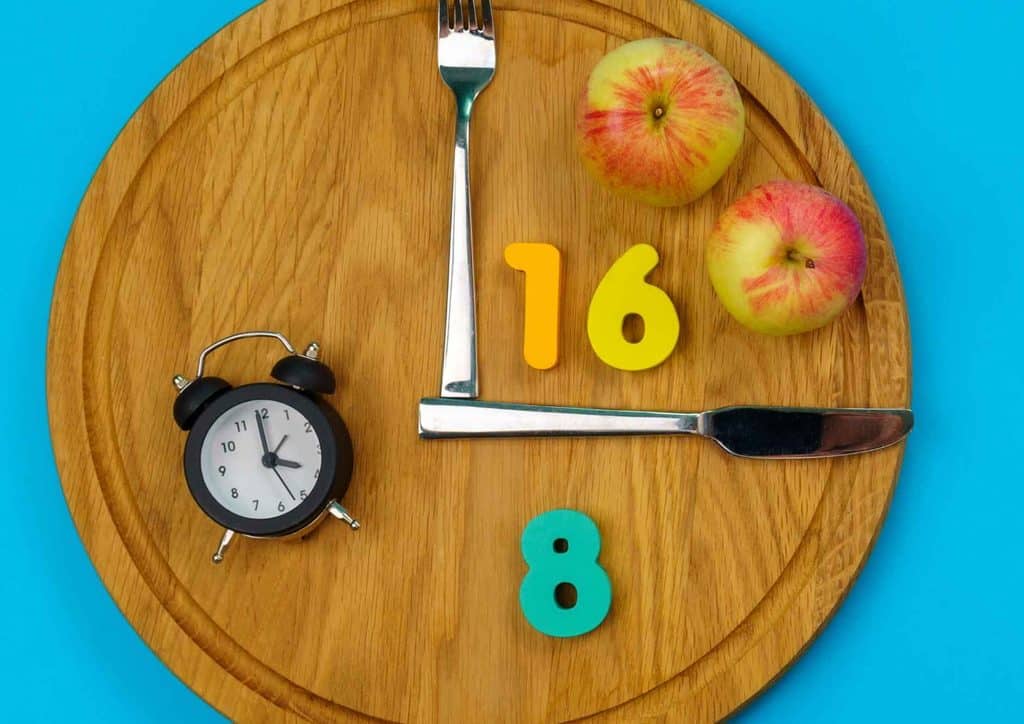
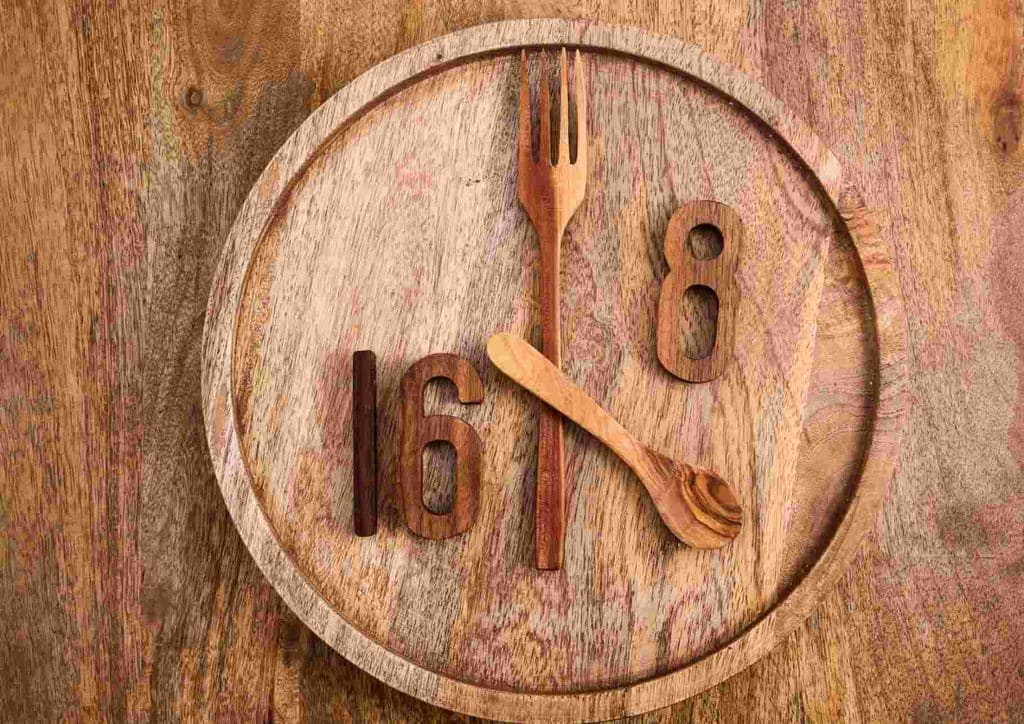
| 16:8 | Fast for 16 hours and eat within an 8 hour window | Often suits people who prefer later breakfasts, may not suit those who struggle with large gaps between meals |
| 5:2 | Eat normally five days per week and reduce food intake on two days | May suit people who prefer flexibility, may not suit those who find low intake days difficult to manage |
| OMAD (one meal a day) | Eat all daily food within one meal | May suit a small number of people who prefer simplicity, often does not suit people with high energy needs, training demands or strong hunger cues |
Intermittent fasting weight loss calculator
Discover how to lose weight safely with intermittent fasting, without extreme hunger, muscle loss or unsustainable restriction. Complete your profile below to receive a personalised roadmap designed to help you achieve healthy, sustainable weight loss.
Your Safe Weight Loss Diagnostic Summary
Your profile highlights that requires immediate attention for optimal health.
Your roadmap for safe and sustainable weight loss
Need professional guidance for safe weight loss?
I will review your assessment results and create a structured, evidence-based nutrition plan designed to help you lose weight safely while protecting your long-term health.
Book a consultationThis quiz provides educational guidance to support safe, sustainable weight management and is not a substitute for professional clinical nutrition or medical advice.
“I built this interactive calculator specifically for intermittent fasting to help people structure their eating and fasting windows safely and effectively. Intermittent fasting is a powerful tool, but it is easy to slip into extreme restriction or burnout if your targets are not aligned with your body. This calculator bridges that gap by ensuring you achieve lasting results without compromising your metabolism or wellbeing”.
Jake Biggs, Nutrition Longevity
The real reason some people lose weight with intermittent fasting
The biggest misunderstanding around fasting is the belief that the fasting period itself burns away body fat regardless of what happens later. In reality, body weight is still heavily influenced by overall energy intake.
If someone normally eats breakfast, lunch, dinner and snacks, then switches to a restricted eating window and drops a few hundred calories each day without trying, weight loss may occur. If another person skips breakfast but eats extra food later in the day, the outcome can be very different.
“Fasting is a framework, not a loophole. It only works because it helps you naturally eat less, not because it magically erases overeating”.
Jake Biggs, Nutrition Longevity
| Intermittent Fasting Myth | Weight Loss Reality |
|---|---|
| Fasting windows burn fat faster | Limiting your eating window naturally reduces the hours available to consume food, leading to an automatic drop in total daily energy intake. |
| It has special metabolic magic | Eating fewer, larger meals within a structured timeframe often helps people feel more satisfied, making it easier to avoid mindless snacking. |
| You can eat whatever you want | Fasting only works if your total food intake during your eating window remains below your maintenance calories; a surplus will still stall progress. |
| It fixes poor dietary choices | Having rigid rules around when to eat simplifies decision-making, helping many people bypass late-night cravings and emotional eating triggers. |
Why fasting alone is not enough
This is why two people can follow exactly the same fasting schedule and achieve completely different outcomes. The fasting schedule is only one piece of the picture. Food choices, portion sizes, physical activity, sleep quality and consistency still matter.
I often find that people focus so heavily on the fasting window that they stop paying attention to what they actually eat. A fasting routine can create helpful structure, but it cannot compensate for frequent overeating, large liquid calorie intake or highly energy dense foods consumed in large amounts.

| Reason | Explanation |
|---|---|
| Calorie Overload | It is entirely possible to consume your entire day and night maintenance energy or a surplus in a single large meal or short window, completely halting fat loss. |
| Lack of Nutritional Quality | Fasting restricts when you eat rather than what you eat. Diets high in ultra processed foods can still leave you fatigued, inflamed, and struggling with poor body composition. |
| Metabolic Adaptation | Without adequate protein intake and resistance training alongside fasting, the body risks burning lean muscle mass rather than pure fat as weight drops. |
| Behavioural Blind Spots | Treating the eating window as an unrestricted free for all breeds binge habits, making it harder to build long term and sustainable dietary discipline. |

Why some people find it helpful
One reason fasting remains popular is that it simplifies decision making. Instead of constantly thinking about food, some people have clear eating and non eating periods. For them, this can reduce grazing, reduce mindless snacking and make daily routines easier.
Many people also discover that they do not need to eat as often as they once thought. Conversations about whether breakfast is the most important meal often miss an important point. Different eating patterns work for different people, and meal timing is rarely the only factor that determines body weight.
Physical activity also plays an important role, and some people combine fasting with reformer pilates for weight loss to support their overall energy expenditure

| Potential Benefit | Practical Advantage |
|---|---|
| Simplified Meal Planning | Skipping breakfast or locking in a strict eating window reduces daily food decisions, making it much easier to manage overall energy intake. |
| Better Appetite Awareness | Having defined fasting hours helps people distinguish between genuine physical hunger and routine emotional eating or boredom. |
| Enhanced Satiety Control | Consuming fewer and larger meals within a restricted timeframe can lead to greater meal satisfaction, preventing the feeling of constant deprivation. |
| Clearer Daily Structure | Rigid boundaries around eating times provide a straightforward framework that supports consistency and routine for busy lifestyles. |

Why others struggle
Not everyone feels good with long gaps between meals. Some people become excessively hungry, distracted by food or prone to overeating once the eating window opens.
For active individuals, shift workers or anyone with demanding training schedules, long fasting periods can sometimes make it harder to meet energy, protein and nutrient requirements. Others may find fasting increases their focus on food rather than reducing it.
This is also why trends and shortcuts can be misleading. Many people ask whether lemon water, creatine, saunas, coconut water or pink salt can accelerate weight loss. These questions often reflect a common desire for a simple solution to what is usually a much more complex process.

| Common Challenge | Underlying Issue |
|---|---|
| Intense Hunger Spikes | Long gaps between meals can trigger strong cravings and irritability, making it difficult to stick to the protocol consistently. |
| Overeating Windows | Arriving at the eating window extremely hungry often leads to rapid consumption of large portions before fullness cues can register. |
| Energy and Focus Dips | A lack of fuel during the fasting hours can cause brain fog and fatigue, impacting daily productivity and training performance. |
| Social Friction | Rigid eating schedules can make family dinners, social gatherings, and work events awkward and hard to navigate flexibly. |
Who should be more careful?
Fasting should be viewed as general information rather than something that suits everyone. Some groups should seek individual guidance before making significant changes to meal timing.
- People who are pregnant.
- People with diabetes.
- People with a history of eating disorders.
- People with specific medical conditions requiring dietary management.
For these individuals, an eating pattern that works well for someone else may not be appropriate. Personal circumstances matter.
| Group | Consideration |
|---|---|
| Pregnant Individuals | Fasting should be avoided during pregnancy to ensure adequate nutrition and energy for both mother and developing baby. |
| People With Diabetes | Significant shifts in meal timing can disrupt blood glucose control and interact with medication, requiring careful clinical oversight. |
| History of Disordered Eating | Rigid eating and fasting windows can trigger obsessive thought patterns or restrictive behaviours around food. |
| Specific Medical Conditions | Anyone managing chronic health issues requiring specific dietary schedules should seek tailored guidance before attempting to fast. |

Focus on the eating window
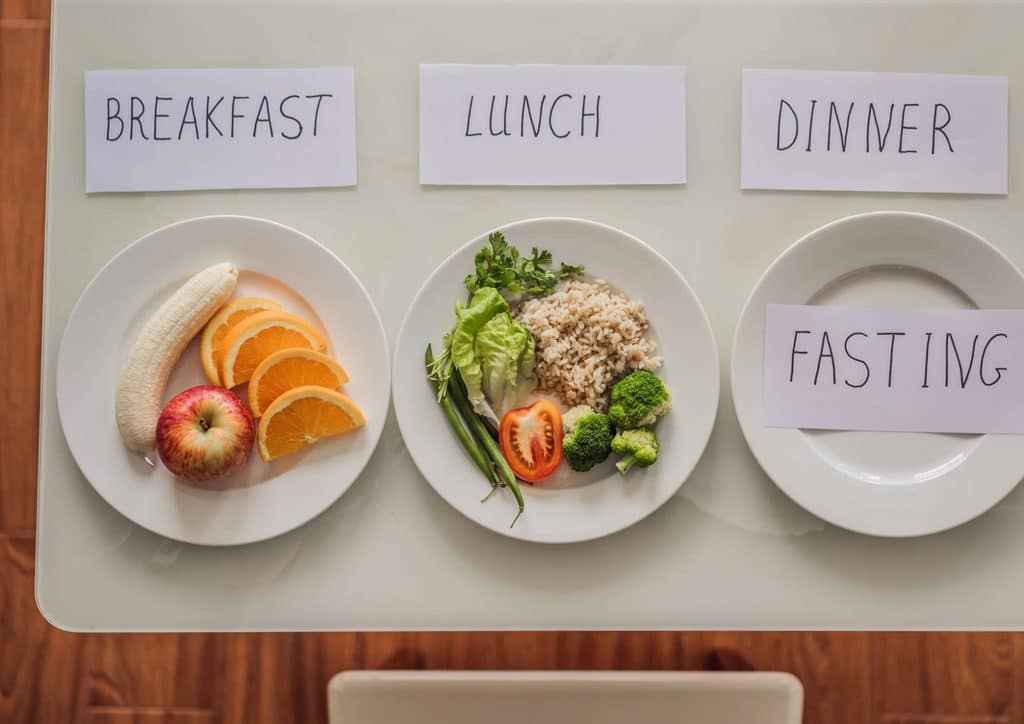
Before worrying about fasting hours, pay close attention to food quality, protein intake, fibre rich foods and portion sizes during the hours you do eat.
| Core Priority | Why It Matters |
|---|---|
| Nutrient Density | Before worrying about fasting hours, pay close attention to food quality and overall balance during the hours you do eat. |
| Protein Targets | Prioritising adequate protein intake within your feeding window helps preserve lean muscle mass and supports satiety. |
| Fibre-Rich Foods | Including plenty of fibre from whole foods promotes gut health and helps manage hunger throughout your fasting routine. |
| Portion Awareness | Managing portion sizes ensures that your eating window does not inadvertently turn into an unmonitored caloric surplus. |

What matters more than the clock?
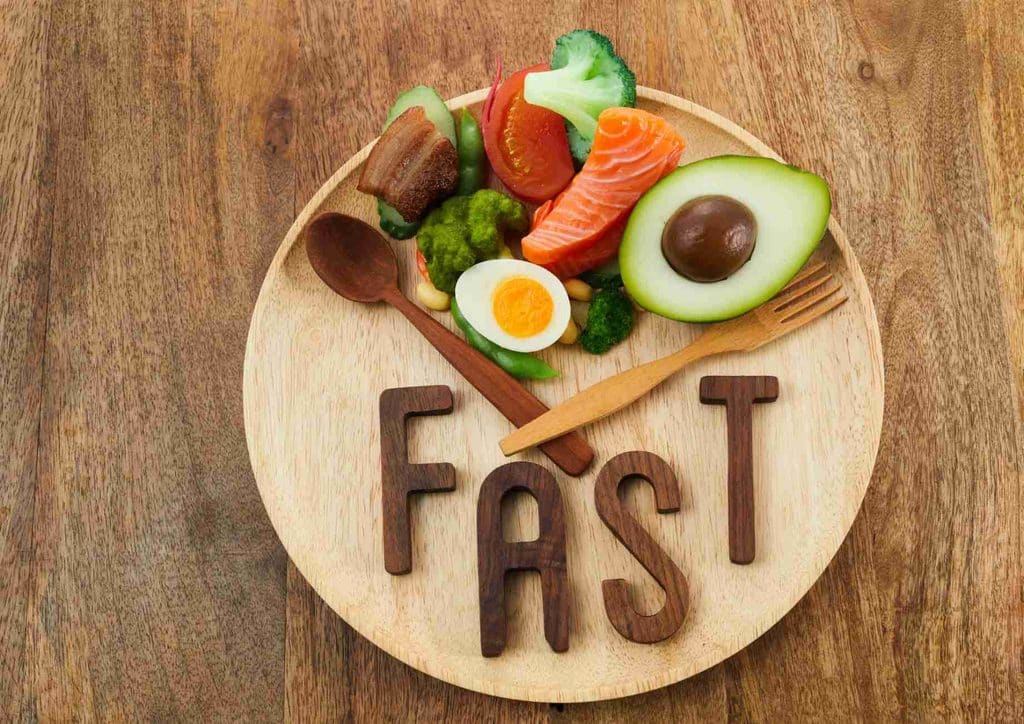
The most productive question is often not “how long am I fasting?” but “what am I eating when I am not fasting?”
Rather than focusing solely on fasting hours, prioritising the best foods for weight loss and brain health can have a much greater impact on long term results.
The key fundamentals to focus on nutritionally are:
- Protein (chicken breast, tofu, protein pancakes, protein smoothie, high protein chia seed pudding)
- Vegetables (broccoli, carrots, capsicum)
- Fruit (apple, banana, grapes)
- Legumes (kidney beans, lentils)
- Wholegrains (oats, sweet potato, pasta, brown rice)
| Beyond the Timer | Key Focus Area |
|---|---|
| The Core Question | The most productive question is often not “how long am I fasting?” but “what am I eating when I am not fasting?” |
| Nutrient Quality | A diet made up of adequate protein, vegetables, fruit, legumes, wholegrains and other nutrient dense foods is likely to support health far better than simply extending the fasting period. |
| Holistic Habits | Likewise, regular movement, strength training, sleep and stress management all influence your overall progress. |

Why intermittent fasting is not for everyone
Many people looking into intermittent fasting for weight loss are actually searching for a framework that helps them stay consistent. Sometimes fasting becomes that framework. Sometimes a more traditional meal structure works better.
The important point is that there is no universal approach. What works well for one person may feel restrictive or unsustainable for another. This is why questions such as what is the perfect diet rarely have a single answer that applies to everyone.
| Consideration | Perspective |
|---|---|
| The Search for Consistency | Many people looking into intermittent fasting for weight loss are actually searching for a framework that helps them stay consistent. |
| Finding Your Fit | Sometimes fasting becomes that framework. Sometimes a more traditional meal structure works better. |
| Individual Approach | The important point is that there is no universal approach. What works well for one person may feel restrictive or unsustainable for another. |

When to get a personalised plan
If you enjoy the structure of fasting but your weight has stopped moving, it may be worth taking a broader look at the overall eating pattern rather than making the fasting window even longer. Working with a weight loss nutritionist can help identify whether total intake, food choices, meal composition or lifestyle factors are getting in the way.
A weight loss nutritionist can personalise a weight loss plan specifically to you. Before seeking support, many people also want to understand how much does a weight loss nutritionist cost in Sydney and what is included in a customised plan.
Many people also wonder, can a nutritionist help you lose weight when they have already tried multiple approaches themselves. In some cases, the value comes from determining whether fasting genuinely suits their lifestyle or whether another strategy would be easier to maintain long term.
| Benefit | Explanation |
|---|---|
| Tailored Energy Deficit | Avoids cookie-cutter calorie slashing by calculating an intake that supports steady fat loss while protecting your metabolic health and daily energy levels. |
| Targeted Macronutrient Split | Optimises your protein, carbohydrate, and fat intake to preserve lean muscle mass, manage hunger cues, and support physical performance. |
| Lifestyle Integration | Builds a flexible framework around your work schedule, family commitments, and food preferences so consistency feels achievable rather than restrictive. |
| Accountability and Adjustments | Provides expert guidance to break through plateaus, navigate social events, and adjust targets as your body adapts over time. |
Final thoughts
Intermittent fasting can be an effective weight loss tool, but it is important to understand why it works. The success of any fasting approach comes from helping you maintain a calorie deficit over time, not from the fasting window itself.
For some people, restricting the hours available for eating reduces snacking, improves structure and makes it easier to control overall food intake. For others, it increases hunger, encourages overeating later in the day and becomes difficult to sustain long term.
The most important question is not how many hours you can go without food. It is whether your eating pattern helps you consume appropriate portions, meet your nutritional needs and stay consistent enough to support gradual, sustainable fat loss.
If fasting helps you do that, it may be a useful strategy. If it does not, there are many other evidence based approaches that can achieve the same outcome. The goal is not to find the most restrictive eating schedule. The goal is to find an approach you can maintain while protecting your health, preserving muscle mass and supporting long term weight management.

Think you know how intermittent fasting drives lasting weight loss? Test your knowledge and discover which habits are most likely to help you structure your fasting windows safely and keep the weight off long term.
1. Intermittent fasting can magically cancel out overeating during your eating window.
2. Resistance training can help preserve muscle mass while fasting and losing weight.
3. Poor sleep can disrupt hunger hormones and make intermittent fasting more difficult.
4. Which approach is most likely to support safe, long term success with intermittent fasting?
Intermittent fasting is a powerful framework, but it is not a shortcut around energy balance. In most cases, lasting results come from matching comfortable eating and fasting windows with a moderate energy deficit, adequate protein, proper recovery, and habits that can be maintained long term.

Frequently asked questions
Does intermittent fasting really work for weight loss?
It can help some people lose weight because it often reduces overall calorie intake. The fasting period itself is not a guarantee of fat loss. Results depend on what and how much is eaten during the eating window, along with broader lifestyle factors and consistency.
What can you eat while fasting?
Fasting approaches vary, but most traditional fasting periods involve avoiding foods and calorie containing drinks. Water is commonly consumed. Different protocols have different rules, so the details depend on the specific method being followed and the goals of the individual.
Is 16:8 the best fasting method?
There is no single method that suits everyone. The 16:8 approach is popular because many people find it practical and easier to maintain than stricter methods. The most suitable approach is the one that can be followed comfortably while supporting overall nutrition and lifestyle needs.
Is intermittent fasting safe?
It may be appropriate for some adults, but it is not suitable for everyone. People who are pregnant, have diabetes, have a history of disordered eating or have specific medical conditions should seek individual advice before making significant changes to their eating pattern.
Keep reading
This article is general information, not personal medical or nutritional advice. Individual needs vary. For guidance tailored to you, book a consultation.
Book a 60 minute consultation, in Bondi Junction or by Telehealth from anywhere in the world.