

The short version
- A protein led calorie deficit helps you lose body fat while protecting muscle, controlling hunger and making the process far easier to sustain. The goal is not just losing weight quickly, it is creating results that still exist months from now.
- Crash diets often create dramatic early scale changes, but many people pay for that speed with intense hunger, low energy and eventual weight regain. If a strategy is too restrictive to maintain in real life, it is unlikely to deliver lasting results.
- Consistent habits may look less exciting than extreme diets, but they are the foundation of long term success. The people who keep weight off are rarely the most aggressive, they are usually the most consistent.
The short answer
If you want to know how to lose weight fast, the honest answer is that you can lose weight quickly, but the fast approach that actually lasts is a steady, protein led calorie deficit to increase metabolic rate, not a crash diet that strips belly fat off for a few weeks and then piles it back on.
If you have tried juice cleanses, detox programs, meal replacement plans or very low calorie diets, you are not alone. Many people lose weight rapidly at first, only to find themselves hungry, exhausted and back where they started a few months later. They have tried the magic best foods for weight loss but they have hit a weight loss plateau or they are frantically searching why they are not able to lose weight long term.
“Fast weight loss that lasts is not about eating as little as possible, it is about creating a calorie deficit that is effective enough to drive progress and sustainable enough to maintain. The people who achieve lasting results are rarely the ones following the most extreme plan, they are the ones who stay consistent long after the initial motivation fades”.
Jake Biggs, Nutrition Longevity
Fast weight loss: safe approach vs what backfires
| Approach | Verdict | Why |
|---|---|---|
| Protein led moderate calorie deficit | Safe approach | Helps reduce hunger while preserving muscle |
| More daily steps and movement | Safe approach | Increases energy use without extreme restriction |
| Enough sleep each night | Safe approach | Supports appetite regulation and recovery |
| Higher fibre intake from whole foods | Safe approach | Helps fullness and meal satisfaction |
| Very low calorie crash diets | Often backfires | Hard to maintain and may increase rebound risk |
| Skipping meals then bingeing later | Often backfires | Can lead to overeating and poor consistency |
| Cutting major food groups unnecessarily | Often backfires | Creates restriction without fixing habits |
| Detox teas and quick fixes | Often backfires | Usually target water loss rather than lasting fat loss |
How to lose weight safely calculator
Discover how to lose weight safely without risking metabolic burnout, extreme hunger, or muscle loss. Complete your profile below to receive a personalised roadmap for healthy and sustainable weight loss results.
Your Safe Weight Loss Diagnostic Summary
Your profile highlights that requires immediate attention for optimal health.
Your roadmap for safe and sustainable weight loss
Need professional guidance for safe weight loss?
I will review your assessment results and create a structured, evidence-based nutrition plan designed to help you lose weight safely while protecting your long-term health.
Book a consultationThis quiz provides educational guidance to support safe, sustainable weight management and is not a substitute for professional clinical nutrition or medical advice.
“I built this interactive assessment tool to cut through the noise of fad diets and quick fixes. Safe, sustainable weight loss isn’t about starvation or guesswork, it is about understanding your body metrics, protecting your muscle mass, and building habits you can actually maintain for life”.
Jake Biggs, Nutrition Longevity
Why most fast weight loss attempts fail
The problem with most rapid weight loss plans is that they focus on speed and not sustainability. The scales may drop quickly, but a large portion of that early change is often water and stored carbohydrate rather than body fat.
When calorie intake becomes extremely low, people commonly feel hungrier, think about food more often and struggle to keep the plan going. Training performance can suffer, energy can drop and everyday decisions become harder.
Muscle loss is another issue that rarely gets enough attention. Your body needs adequate protein, resistance training and enough nutrition to hold onto lean tissue. When muscle is lost alongside weight, maintaining results often becomes more difficult.
“The fastest weight loss plan is not the one that produces the quickest drop on the scales, it is the one you can still follow three months from now”.
Jake Biggs, Nutrition Longevity

| Fast Weight Loss Problems | Explanation |
|---|---|
| Severe caloric restriction triggers biological rebellion | Drastically cutting calories spikes hunger hormones like ghrelin and plummets leptin, making intense cravings and eventual binge eating almost inevitable. |
| Rapid loss sacrifices metabolically active muscle | When weight drops too fast without adequate protein or resistance training, a large portion of the lost weight comes from lean muscle tissue instead of fat. |
| Aggressive pacing accelerates metabolic adaptation | Extreme deficits cause the body to downregulate non-exercise activity and lower daily energy expenditure much faster to conserve survival energy. |
| Unrealistic rules destroy long term behavioral habits | Fad diets rely on rigid exclusions and unsustainable restrictions that burn out willpower, leading straight back to old eating patterns. |
| Chronic physiological and mental burnout | Pusshing too hard creates high stress and poor sleep cycles, driving up cortisol which counteracts weight loss and drains daily energy. |
| Lack of an exit or maintenance strategy | Fast programs rarely teach how to transition back to normal eating, meaning weight is rapidly regained the moment the diet ends. |
A sustainable rate of weight loss
For most people, a sustainable rate of weight loss is roughly 0.5% to 1% of total body weight per week as general information, although individual results vary. This pace is typically fast enough to produce meaningful progress while helping preserve muscle mass, energy levels and adherence to healthy eating habits.
That may sound slower than the dramatic claims often made by crash diets, but it is far more likely to produce results that last. Long term success rarely comes from losing weight as quickly as possible, it comes from losing it at a rate that you can realistically maintain and continue building on over time.

What actually works for safe long term weight loss
The people I see succeed over the long term usually focus on a few key fundamentals rather than chasing shortcuts.
Prioritise Protein
Protein helps support fullness and muscle maintenance during a calorie deficit. Including a quality protein source with meals often makes it easier to stay satisfied between meals and avoid unnecessary snacking. Sample meals for you to include each day for a high protein meal include:
- High protein banana smoothie.
- Protein pancakes.
- Wholemeal pasta with chicken breast.
- Tofu with sweet potato.
- Turkey breast with brown rice.
- Chia seeds with greek yoghurt
- Overnight oats with protein powder.
- High protein yoghurt and grapes.
| Protein Mechanism | Long Term Weight Loss Benefit |
|---|---|
| High thermic effect of food | The body burns a notable percentage of protein calories simply digesting and processing them, keeping net energy intake lower without extra effort. |
| Enhanced satiety hormone signalling | Protein stimulates the release of fullness hormones while suppressing ghrelin, making it much easier to stay in a calorie deficit without feeling starved. |
| Preservation of lean muscle mass | Adequate protein intake ensures weight lost comes from fat stores rather than muscle tissue, protecting your resting metabolic rate over time. |
| Stabilisation of blood glucose levels | Protein slows down the digestion of meals, preventing sharp insulin spikes and the subsequent energy crashes that trigger sugar cravings. |
| Reduction in spontaneous snacking | Including quality protein at every meal naturally curbs late night grazing and impulsive eating by keeping satisfaction high between meals. |
| Support for daily movement and exercise | Providing adequate amino acids aids muscle recovery from physical activity, ensuring you maintain high non-exercise activity thermogenesis throughout a fat loss phase. |

Create a Moderate Calorie Deficit
Weight loss ultimately requires consuming less energy than you use over time. The key word is moderate. An approach that leaves you permanently hungry is rarely an approach that survives real life.

| Moderate Deficit Strategy | Sustainable Weight Loss Benefit |
|---|---|
| Controlled and gradual energy reduction | Trims just enough energy intake to prompt fat loss without triggering the aggressive starvation responses and intense cravings caused by crash diets. |
| Preservation of metabolic rate | Avoids the severe metabolic slowdown associated with drastic restriction, keeping your daily energy expenditure more stable over the long term. |
| Protection against muscle wasting | Ensures the body taps primarily into stored body fat for fuel rather than breaking down metabolically active lean muscle tissue. |
| Manageable hunger and stable energy | Keeps blood sugar balanced and hunger hormones manageable, allowing you to maintain daily focus, workouts, and social routines without exhaustion. |
| Habit formation over rigid restriction | Fosters flexible eating patterns that fit into real life, replacing quick fixes with lifelong routines you can comfortably maintain. |
| Prevention of the rebound weight cycle | Eliminates the physical and psychological exhaustion that leads straight into binge eating and weight regain, securing permanent results. |

Eat More Fibre Rich Foods
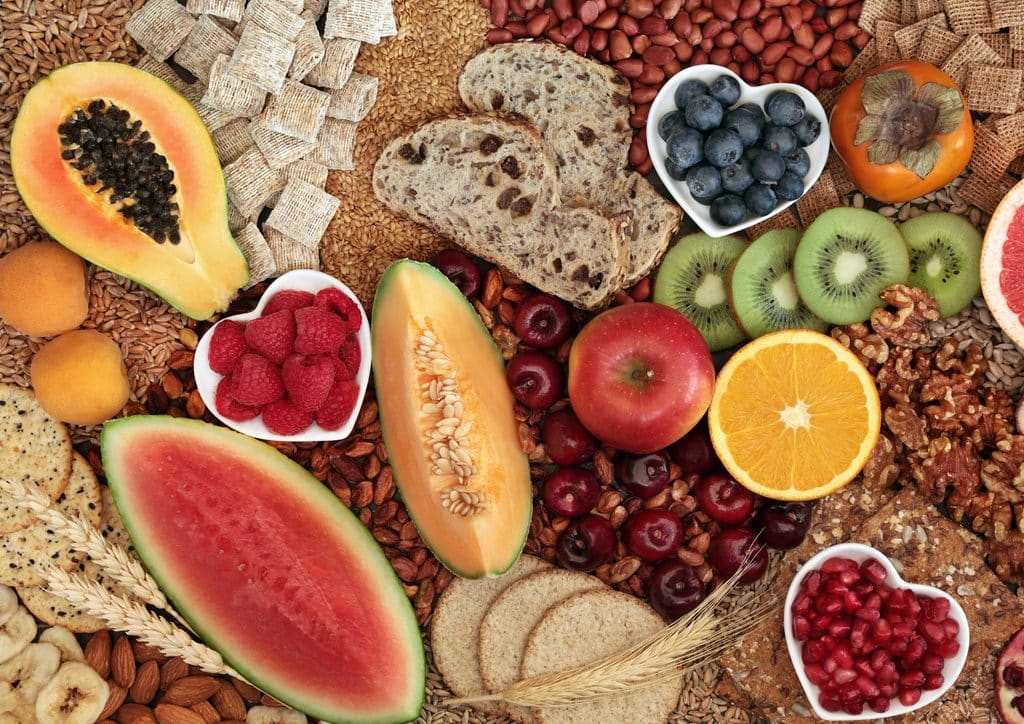
Vegetables, fruit, legumes and whole grains can increase fullness while supporting overall health. Fibre adds volume to meals without dramatically increasing calorie intake.
| High Fibre Strategy | Weight Loss Benefit |
|---|---|
| Enhanced physical stomach fullness | Fibre absorbs water and expands in the digestive tract, physically triggering stretch receptors that signal fullness to the brain and prevent overeating. |
| Delayed gastric emptying | Slows down the rate at which food leaves the stomach, ensuring a sustained release of energy and keeping hunger at bay for hours after a meal. |
| Blood sugar stabilisation | Prevents rapid glucose absorption, flattening insulin spikes and avoiding the sudden energy crashes that typically spark intense sugar cravings. |
| Support for a healthy gut microbiome | Feeds beneficial gut bacteria, which produce short chain fatty acids that positively influence metabolism, inflammation, and appetite regulation. |
| Lower calorie density in meals | Allows you to eat larger, more satisfying volumes of whole foods while naturally keeping overall energy intake lower without feeling deprived. |
| Improved digestive regularity | Promotes healthy bowel function and prevents the sluggishness or bloating that often accompanies sudden shifts in diet composition. |

Cardiovascular and resistance training
Cardiovascular exercise can help increase daily energy expenditure and support the calorie deficit needed for long term weight loss. Activities such as brisk walking, pilates, cycling, swimming and jogging can improve cardiovascular fitness while helping create a sustainable routine that supports long term body fat reduction.
Resistance training is equally important because it helps preserve muscle mass during weight loss. Maintaining muscle supports strength, physical function and metabolic health, making it easier to achieve a leaner body composition without sacrificing the muscle tissue that helps keep your metabolism higher over time.

| Healthy Exercise | Weight Loss Improvement |
|---|---|
| Structured resistance training | Builds and protects lean muscle tissue, ensuring that weight lost comes from fat stores while keeping your resting metabolic rate strong. |
| Consistent daily step targets | Boosts non-exercise activity thermogenesis to burn additional energy seamlessly throughout the day without causing excessive physical fatigue. |
| Balanced cardiovascular activity | Improves heart health, enhances overall stamina, and supports efficient calorie burning without spiking cortisol levels into overdrive. |
| Improved insulin sensitivity | Physical movement helps muscle cells absorb glucose more effectively, reducing fat storage and stabilising energy levels across the day. |
| Enhanced mood and stress relief | Regular exercise releases endorphins that lower stress and prevent emotional or stress-driven snacking during a fat loss phase. |
| Long-term habit integration | Focuses on enjoyable, consistent movement rather than punishing workouts, making an active lifestyle easy to maintain for life. |

Quality sleep
Sleep is one of the most overlooked factors in successful weight loss. While nutrition and exercise often receive the most attention, consistently poor sleep can increase hunger, reduce energy levels and make it much harder to stick to healthy habits throughout the day.
Research consistently shows that inadequate sleep can influence appetite regulation, increasing cravings for highly processed, calorie dense foods while reducing feelings of fullness. When you are tired, making healthy choices often becomes more difficult, even when your motivation is high.
Many people focus exclusively on exercise sessions while overlooking daily movement. Walking more, taking the stairs and increasing general activity often makes a meaningful contribution without adding significant stress.

| Quality Sleep | Long Term Weight Loss |
|---|---|
| Regulation of hunger hormones | Adequate rest balances ghrelin and leptin levels, preventing the intense hunger surges and lack of fullness that follow poor sleep. |
| Reduction in cortisol and stress | Deep sleep lowers stress hormone levels, helping to curb stress-driven cravings for sugary, calorie-dense convenience foods. |
| Preservation of metabolic rate | Consistently getting seven to eight hours of sleep protects your resting energy expenditure and prevents metabolic slowdown during a deficit. |
| Enhanced muscle recovery | Optimises physical repair and recovery after workouts, ensuring your body retains lean muscle mass rather than breaking it down. |
| Better daytime energy and movement | Good sleep prevents daytime fatigue, keeping your spontaneous daily physical activity and step count high without extra effort. |
| Improved willpower and impulse control | Rested brains make calmer, more deliberate nutritional choices, making it much easier to stick to your long-term health goals. |

Build healthy habits
One of the biggest predictors of long term weight loss success is not motivation, willpower or following the latest diet trend. It is the ability to build healthy habits that fit naturally into your lifestyle and can be repeated consistently over months and years.
Sustainable habits might include preparing balanced meals, eating enough protein, moving regularly, prioritising sleep and managing stress. These behaviours may seem simple, but their impact compounds over time, creating lasting results without the need for extreme restriction.

| Healthy Habits | Weight Loss |
|---|---|
| Consistent meal timing and structure | Establishes a reliable eating rhythm that prevents blood sugar dips, extreme hunger, and erratic snacking throughout the day. |
| Mindful eating and slowing down | Gives the brain time to register fullness signals from the stomach, helping you naturally stop eating before overshooting your energy needs. |
| Adequate daily hydration | Supports optimal metabolic function and helps differentiate true physical hunger from simple thirst or mild dehydration. |
| Focusing on whole, unprocessed foods | Provides superior nutritional density, vitamins, and minerals that keep energy levels high while naturally managing appetite. |
| Flexible nutrition without rigidity | Allows for occasional treats without guilt or binge cycles, fostering a healthy, long-term psychological relationship with food. |
| Tracking progress beyond the scale | Measures success through energy, clothing fit, strength, and overall vitality, preventing frustration from daily fluid fluctuations. |
The mistakes that slow people down
| Mistake | Explanation |
|---|---|
| Seeking perfection instead of consistency | A single takeaway meal does not ruin progress, just as a flawless week does not guarantee success if it is followed by three weeks of burnout. |
| Constantly changing strategies | Jumping from low carbohydrate to fasting to detox programmes creates friction, whereas effective weight management comes from repeating simple habits. |
| Underestimating the impact of sleep | Poor sleep makes it significantly harder to manage hunger, control cravings, and make balanced food choices throughout the day. |
| Endlessly searching for a new method | Constantly looking for a brand new shortcut distracts from the fundamental, unglamorous daily practices that actually drive long-term results. |
Think weekly, not daily
Day to day scale fluctuations are normal. Focus on trends across several weeks rather than reacting to every weigh in.
What sustainable weight loss progress looks like
| Concept | Explanation |
|---|---|
| Non-linear scale trends | Weight loss is rarely a straight downward line; daily numbers fluctuate due to fluid shifts, sodium intake, and muscle recovery while the true trend moves steadily down by 0.5-1% total body weight per week. |
| Improved physical fit and energy | Real progress shows up in how your clothes fit around your waist and how stable your energy levels remain throughout the afternoon rather than obsessing over daily scale drops. |
| Reduced food obsession | Sustainable progress means you no longer feel consumed by thoughts of food, trapped in rigid restriction cycles, or vulnerable to mindless snacking. |
| Energising workouts | Workouts feel increasingly energising rather than physically depleting, building a body that feels strong, balanced, and metabolically healthy for the long term. |
What about popular shortcuts?
People regularly ask me about supplements, cleanses and other products that promise rapid weight loss. One topic that comes up frequently is whether saunas, lemon juice cleanses, coconut water, intermittent fasting and very low calorie diets help with weight loss.
While some of these approaches can lead to short term changes on the scales, those changes are often driven by water loss, reduced food volume or temporary calorie restriction rather than a lasting reduction in body fat.
The same principle applies to many quick fix products marketed as fat loss solutions. If a strategy revolves around dehydration, severe restriction or eliminating entire food groups without a clear reason, it is usually worth approaching with caution.
Sustainable weight loss is typically achieved through a consistent calorie deficit, adequate protein intake, regular physical activity and healthy habits that can be maintained long after the initial motivation wears off.
| Popular Method | Clinical Reality |
|---|---|
| Saunas | Saunas make you sweat out temporary water weight, but they do not burn body fat or alter your actual body composition. |
| Lemon juice cleanses | Cleanses rely entirely on severe calorie restriction rather than detoxification, resulting in rapid water and muscle loss that quickly rebounds. |
| Intermittent fasting | Fasting can help some people manage their daily energy intake, but it is simply a tool to create a calorie deficit, not a magical fat burning mechanism. |
| Very low calorie diets | Crash diets trigger intense biological hunger, crush your metabolic rate, and almost always lead to weight regain once normal eating resumes. |
When a structured plan can help
Trying to figure everything out alone can be frustrating, especially if you keep repeating the same cycle of restriction, overeating and starting again on Monday.
This is one reason many people consider working with a weight loss nutritionist. An objective plan can help remove guesswork and create a structure that feels motivating without becoming extreme.
I am often asked, can a nutritionist help you lose weight. In many cases the real benefit is not secret information. It is having a practical framework that balances progress, nutrition, lifestyle and long term sustainability.
If someone wants results quickly but safely and keeps sabotaging their own efforts, a structured weight loss nutrition plan can provide a pace that feels encouraging while remaining realistic enough to maintain.
Final thoughts
Losing weight safely for the long term is rarely about finding the perfect diet, eliminating entire food groups or following the latest trend. The most successful approach is usually a combination of a sustainable calorie deficit, adequate protein intake, regular physical activity, quality sleep and habits that fit realistically into your everyday life.
While many weight loss strategies can produce short term changes on the scales, maintaining those results is often the real challenge. Approaches that leave you constantly hungry, overly restricted or unable to enjoy normal social situations are much harder to sustain than balanced habits that become part of your routine.
Long term success comes from consistency rather than extremes. By focusing on gradual improvements, building healthy habits and choosing strategies you can maintain well beyond the initial weight loss phase, you give yourself the greatest chance of achieving results that not only improve your health, but also last.
Think you know what drives lasting weight loss? Test your knowledge and discover which habits are most likely to help you lose weight safely and keep it off.
1. The faster you lose weight, the more likely you are to keep it off long term.
2. Resistance training can help preserve muscle mass during weight loss.
3. Poor sleep can make weight loss more difficult.
4. Which approach is most likely to support safe, long term weight loss?
Safe, sustainable weight loss is rarely built on extreme diets, cleanses or quick fixes. In most cases, lasting results come from a manageable calorie deficit, adequate protein intake, regular physical activity, quality sleep and healthy habits that can be maintained long term.
Frequently asked questions
How fast can you safely lose weight?
Safe weight loss is generally fast enough to feel motivating but steady enough to maintain. For many people, roughly half a kilo to one kilo per week is considered a reasonable guide. Individual circumstances differ, so the exact rate can vary between people.
What is the fastest way to lose weight?
The fastest sustainable approach is usually a protein led calorie deficit combined with adequate sleep, higher fibre intake and regular movement. Extreme restriction may produce quicker short term scale changes, but it is often harder to maintain and more likely to rebound.
How much weight can you lose in a week?
The amount varies significantly between individuals. Early changes may reflect water, food volume and glycogen stores rather than body fat alone. As general information, many people aim for a moderate pace of roughly half a kilo to one kilo per week rather than chasing extreme results.
Is losing weight fast safe?
It depends on how it is achieved. Losing weight through balanced nutrition, adequate protein and sustainable habits is generally safer than using crash diets or severe restriction. Rapid methods that rely on dehydration or very low calorie intake can create problems with adherence and long term outcomes.
Keep reading
This article is general information, not personal medical or nutritional advice. Individual needs vary. For guidance tailored to you, book a consultation.
Book a 60 minute consultation, in Bondi Junction or by Telehealth from anywhere in the world.