

The short version
- Master your weight loss appetite signals. Tune directly into your body’s innate hunger and fullness cues to regain control over every single kilogram lost.
- Activate your natural GLP-1 pathways for weight loss. Optimise your nutrition and daily routines to stimulate your body’s intrinsic satiety hormones specifically for accelerated weight loss without relying on synthetic interventions.
- Build lifelong weight loss habits. Ditch restrictive quick fixes and lock in sustainable daily routines that deliver sustainable weight loss with zero rebound effect.

The short answer
When people ask me about a natural alternative to Ozempic, they usually want to know how to manage their appetite and find a sustainable path forward without relying on medical interventions.
As a weight loss nutritionist, I speak with clients every single week who have tried every restrictive diet under the sun, cut out entire food groups, and spent years feeling completely exhausted by constant hunger.
You feel like your body is fighting you at every single turn, and honestly, that frustration is entirely valid because your biology is working hard to protect a set point that feels impossible to shift on your own.
“When your biology feels like it is fighting you every step of the way, the breakthrough does not come from another restrictive diet, but from finally working with your body’s natural appetite signals to make sustainable weight loss effortless”.
Jake Biggs, Nutrition Longevity

Food first ways to support the same appetite signals
| Food approach | What it does | Evidence strength |
|---|---|---|
| Soluble fibre foods | Slows gastric emptying and prolongs fullness | Strong clinical backing |
| High protein meals | Stimulates PYY and GLP 1 release | Robust scientific support |
| Complex carbohydrates | Stabilises blood glucose and curbs cravings | Moderate observational data |
| Healthy dietary fats | Triggers cholecystokinin and satiety signals | High clinical relevance |
| Polyphenol-rich whole foods | Supports gut microbiota and metabolic health | Strong foundational evidence |

How to lose weight long term without Ozempic calculator
Discover how to achieve long term weight loss naturally without relying on pharmaceutical interventions like Ozempic. Master your appetite signals, support your natural GLP-1 pathways, and build sustainable habits. Complete your profile below to receive your personalised roadmap.
Your Long-Term Weight Loss Without Ozempic Diagnostic Summary
Your profile highlights that requires immediate attention to support natural metabolic pathways.
Your roadmap for natural weight loss success
Need professional guidance for sustainable weight loss?
I will review your assessment results and create a structured, evidence-based nutrition and lifestyle plan designed to help you manage your appetite and achieve permanent results without medical intervention.
Book a consultationThis quiz provides educational guidance to support sustainable weight management without medical interventions and is not a substitute for professional clinical nutrition or medical advice.
 16Week ProgramMenopause Weight Loss ProgramFor women in perimenopause and menopause
 16Week ProgramMen’s Weight Loss ProgramFor men with stubborn weight
“I built this interactive calculator specifically for weight loss without Ozempic to help you structure your nutrition, portion control, and everyday lifestyle habits safely and effectively. Achieving sustainable weight loss without weight loss medication is entirely possible, but your approach should be personalised to your energy requirements, health goals, eating patterns, and individual circumstances“.
Jake Biggs, Nutrition Longevity

Yes, you can achieve weight loss without Ozempic
Sustainable weight loss ultimately comes down to creating an appropriate calorie deficit while maintaining a nutritious, balanced eating pattern that you can realistically follow long term. Rather than relying on extreme restriction, the focus should be on managing portion sizes, choosing filling nutrient dense foods, prioritising protein and fibre, and developing eating habits that naturally support better appetite control. Without relying on exercise, these dietary strategies become particularly important.
Your approach should also account for your individual energy requirements, lifestyle, health status, sleep, stress and eating behaviours. While Ozempic can be medically appropriate for some people, it is not the only pathway to weight loss. A well structured nutrition strategy can help you progressively reduce body fat while supporting your overall health and your ability to maintain the results over time.

| Ozempic Myth | Weight Loss Reality |
|---|---|
| Ozempic is a magic injection that melts fat effortlessly without lifestyle changes | Medication suppresses appetite and regulates blood sugar, but sustainable fat loss still requires adequate protein intake, resistance training, and lifelong habit shifts. |
| You can stop taking the medication once you reach your target weight | Obesity is a chronic condition; stopping the medication often leads to a return of appetite and significant weight regain unless robust nutritional habits are firmly established. |
| The weight you lose while on Ozempic is exclusively pure body fat | Rapid weight loss without adequate dietary protein and strength training frequently results in significant lean muscle mass loss alongside fat reduction. |
| Dietary quality no longer matters because your appetite is completely gone | Low food intake makes micronutrient deficiencies and muscle wasting more likely, meaning nutrient dense food choices and structured meal patterns remain essential. |
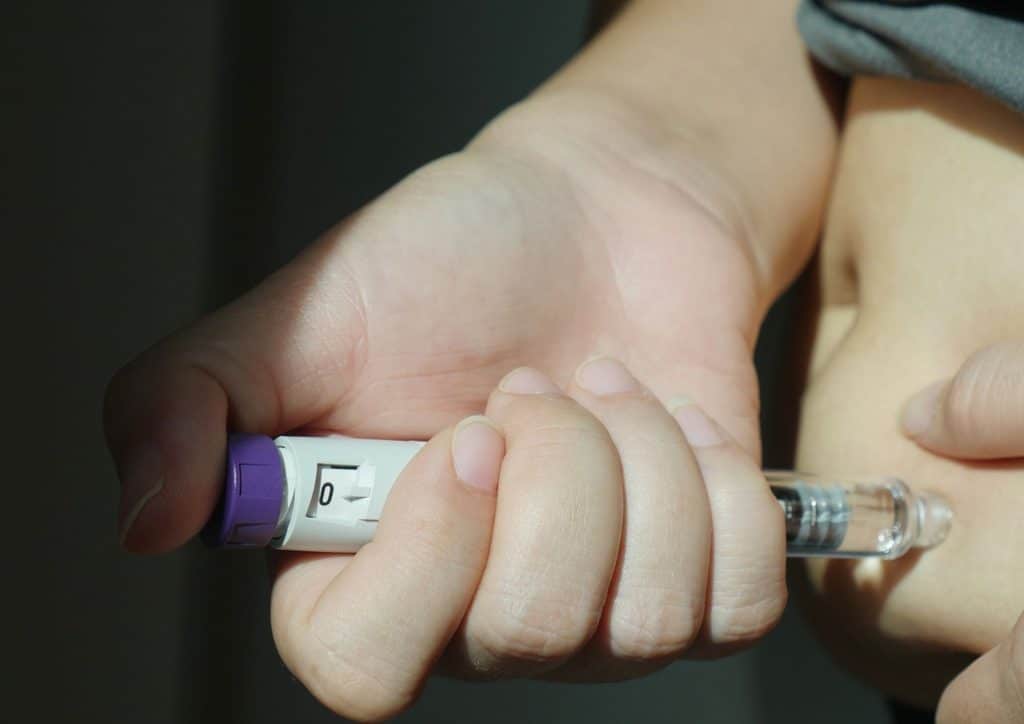
Understanding your hunger hormones
To understand why certain foods act as a natural alternative to ozempic, we need to look at how your gut actually communicates with your brain throughout the day.
Your digestive tract produces specific hormones like peptide YY and glucagon like peptide 1 in response to nutrients, signalling to your brain that you are satisfied and helping to reduce the urge to keep grazing.
When you consume ultra processed foods, these delicate feedback loops get muffled, leaving your brain searching for more fuel even though your stomach has received more than enough energy.
By shifting your focus toward whole foods that naturally stimulate these exact pathways, you can work with your biology rather than constantly fighting against your own natural hunger cues.
“True metabolic health is never about starving your body into submission, but rather giving it the right signals so it feels safe to let go of stored energy”.
Jake Biggs, Nutrition Longevity

| Ultra Processed Impact | Whole Food Benefits |
|---|---|
| Muffles delicate gut-to-brain feedback loops, leaving your brain searching for fuel despite excess energy intake. | Stimulates hormones like peptide YY and glucagon-like peptide 1 to signal satisfaction and reduce grazing urges. |
| Disrupts natural appetite signalling, forcing a constant battle against your own biology and hunger cues. | Works harmoniously with your digestive tract and natural pathways to support effortless appetite regulation. |
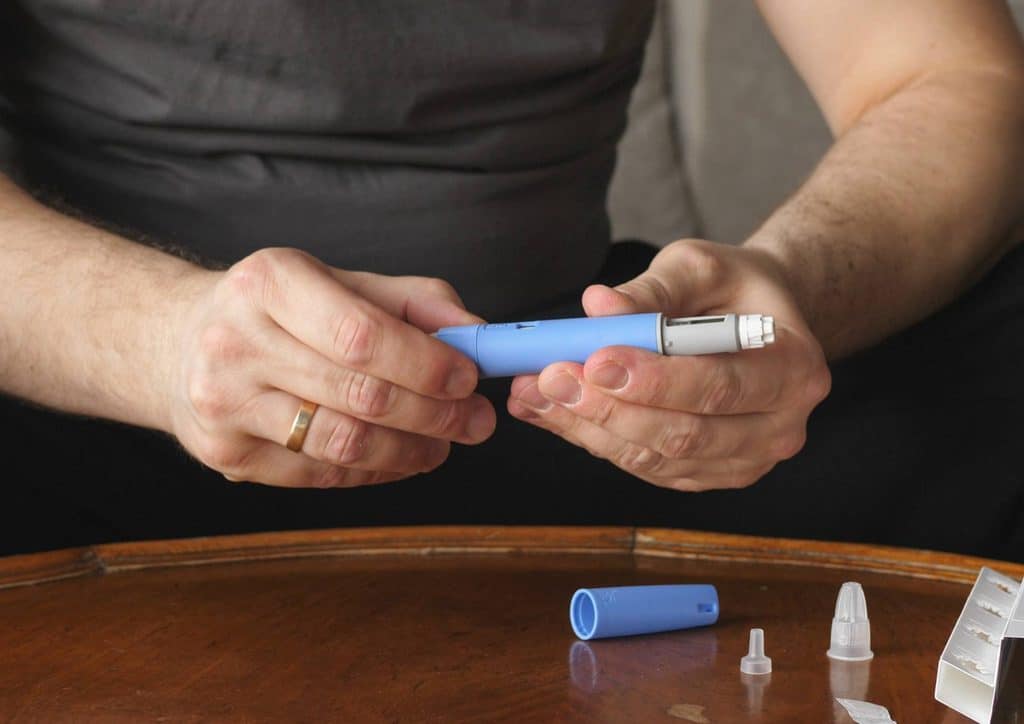
How to build a nutrition plan for weight loss without Ozempic
Building a nutrition plan for weight loss without Ozempic starts with creating a calorie deficit that you can actually maintain. Rather than simply eating less, structure your meals around foods that help control hunger and keep you satisfied. An energy deficit remains the central dietary driver of weight loss, but the plan should also be nutritionally adequate and suited to your individual preferences and circumstances.
A practical starting point is to include a good source of protein at each meal, plenty of vegetables and other fibre rich foods, sensible portions of carbohydrates and some healthy fats. These choices can make your meals more filling and help you manage hunger while reducing your overall calorie intake. The best plan is not necessarily the most restrictive one. It is the one you can follow consistently enough to achieve and maintain your results.

| Meal Type & Unstructured Pitfall | Sustainable Nutrition Strategy & Meals |
|---|---|
| Breakfast: Starting the day with low protein meals that trigger rapid blood sugar spikes and early morning crashes. | Prioritising a protein-focused breakfast stabilises blood glucose and activates early satiety signalling. Blend a thick banana smoothie packed with chia seeds, or whip up a stack of protein pancakes. Alternatively, enjoy a warm bowl of oats topped with berries. |
| Lunch: Relying on refined, low-fibre midday meals that leave your stomach empty and fail to trigger stretch receptors. | Structuring midday plates around complex carbohydrates and quality fibre slows gastric emptying and keeps energy steady. Enjoy a satisfying bowl of pasta tossed with lean protein and vegetables, or pair grilled chicken with roasted sweet potato. |
| Dinner: Consuming heavy, unmanaged evening portions that lead to sluggish digestion and restless sleep. | Balancing evening plates with lean proteins and non-starchy vegetables naturally controls daily energy intake without deprivation. Serve a nourishing base of fluffy rice alongside stir-fried greens and lean protein, or reach for fresh grapes for a light dessert option. |

Practical steps for appetite regulation
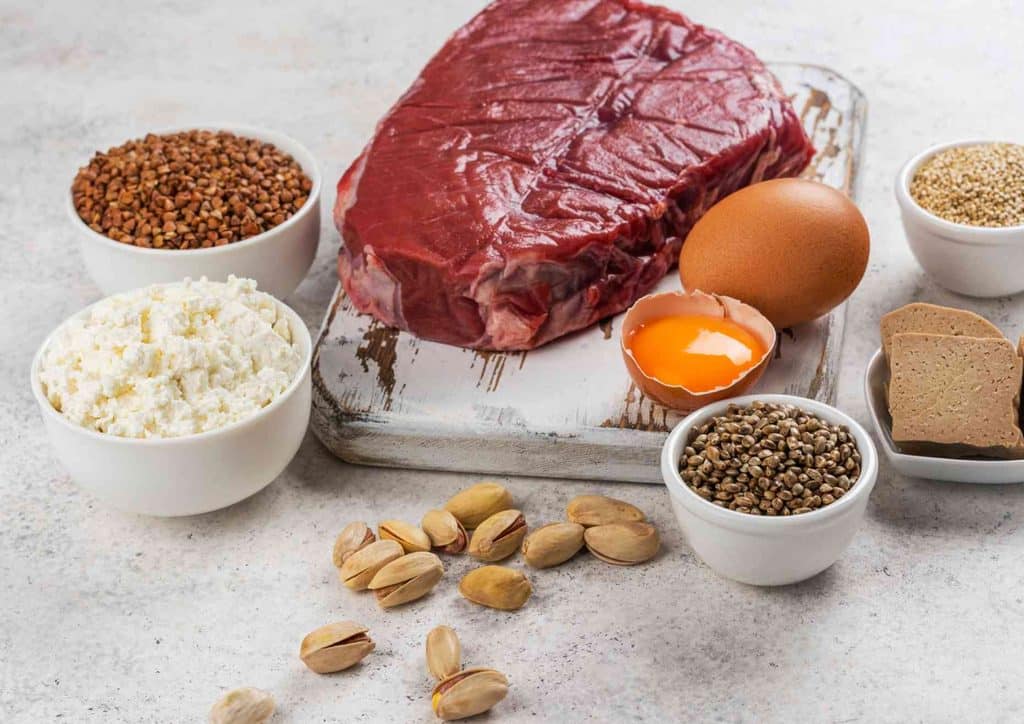
Prioritising protein at breakfast
Starting your morning with a solid dose of quality protein at breakfast sets up your blood sugar for stability and prevents the mid morning energy crash that usually leads straight to the pantry.
| Low Protein Breakfast | Protein-Focused Breakfast |
|---|---|
| Triggers sharp blood sugar fluctuations and an energy crash that leads straight to pantry grazing. | Prioritises quality protein at breakfast to stabilise blood glucose levels and maintain sustained morning energy. |
| Fails to stimulate key satiety hormones early in the day, leaving you vulnerable to sudden hunger spikes. | Activates early satiety signalling through nutrient sensing in the digestive tract to naturally control appetite. |
| Encourages a cycle of uncoordinated mid-morning snacking and constant searching for quick fuel. | Provides deep metabolic satisfaction that reduces the urge to keep grazing throughout the morning hours. |
| Forces an ongoing battle against your own natural hunger cues right from the start of the day. | Works harmoniously with your biology to establish a solid foundation for balanced daily eating habits. |
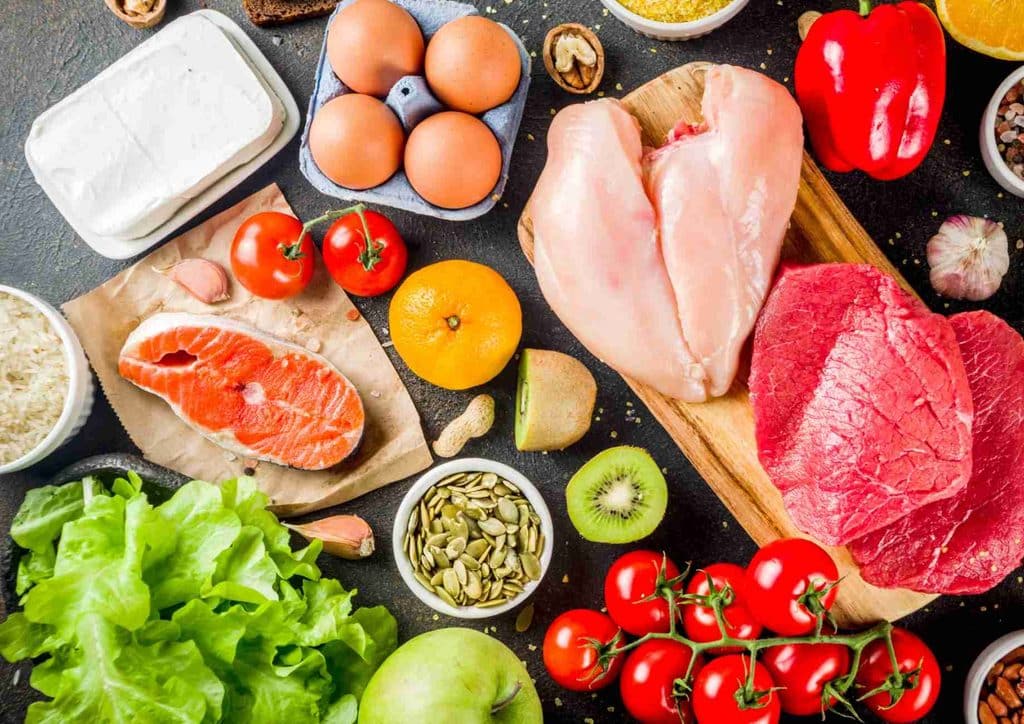
Increasing viscous soluble fibre
Fibre creates a gentle gel matrix in your digestive tract that slows down digestion and keeps you feeling content for hours after you finish eating.

| Low Fibre Diet | Fibre-Rich Strategy |
|---|---|
| Quickly digests and leaves the stomach empty, triggering rapid hunger signals shortly after eating. | Slows gastric emptying significantly, keeping you feeling fuller for longer periods throughout the day. |
| Fails to adequately stimulate physical stretch receptors and gut hormone release in the intestinal tract. | Physically stretches the stomach wall and stimulates satiety hormones like peptide YY to signal satisfaction to the brain. |
| Promotes sharp blood sugar spikes and subsequent crashes that drive constant cravings for quick energy. | Blunts glucose absorption to maintain stable blood sugar levels and prevent sudden energy slumps. |
| Leaves your digestive pathways undernourished, leading to erratic appetite cues and frequent grazing. | Feeds beneficial gut bacteria and works in harmony with your natural biology to quiet background food noise. |

Daily fibre boost
Add a tablespoon of ground flaxseed or chia seeds to your morning yoghurt to increase viscosity and support natural satiety signals.
- Eat more lean proteins.
- Include healthy fats with every meal.
- Keep your hydration steady throughout the day.
- Prioritise adequate rest every single night.

| Dehydration Signals | Hydration Benefits |
|---|---|
| Masks mild thirst signals as hunger, frequently driving unnecessary snacking and extra calorie intake between meals. | Maintains proper fluid balance to help your body accurately distinguish between true physiological hunger and simple thirst. |
| Leaves metabolic processes sluggish and compromises optimal cellular energy production throughout the day. | Supports peak metabolic function and assists the digestive tract in processing nutrients efficiently. |
| Fails to provide physical volume in the stomach, missing an easy opportunity to support short term satiety. | Adds gentle gastric volume that helps promote a comfortable feeling of fullness alongside your meals. |
| Encourages a cycle of lethargy and erratic cravings driven by misread bodily signals. | Works in synergy with your natural biology to keep energy levels stable and reduce grazing impulses. |

Improving your dietary fat profile
Dietary fat helps slow digestion and gastric emptying, making meals feel more satisfying and helping you stay comfortably full between meals. Including moderate portions of healthy fats such as avocado, extra virgin olive oil, nuts, seeds and oily fish can support appetite management while providing essential fatty acids and helping your body absorb fat soluble vitamins.

| Low Fat or Refined Fat Diet | Healthy Fat Strategy |
|---|---|
| Clears the stomach rapidly without triggering the release of key satiety hormones, leading to swift hunger returns. | Triggers the release of cholecystokinin and other satiety hormones that signal fullness and slow down digestion. |
| Leaves meals lacking in sensory satisfaction, prompting psychological cravings and a desire to keep grazing. | Provides deep culinary and physiological satisfaction that naturally quiets background food noise and cravings. |
| Fails to support sustained energy production, often resulting in blood sugar swings and mid-afternoon slumps. | Delivers steady, long-burning energy that helps maintain stable blood glucose levels across the day. |
| Deprives your body of essential fatty acids needed for hormone synthesis and nutrient absorption. | Supports optimal metabolic function and helps your body absorb fat-soluble vitamins efficiently. |

Achieve deep restful sleep
Getting enough sleep can make a noticeable difference to how hungry you feel during the day. When you are tired, your appetite can be harder to manage and you may find yourself eating more or reaching for higher calorie foods. A consistent sleep routine can therefore make it easier to manage hunger, stick to your portions and stay on track with weight loss.

Limit your processed foods intake
Limiting processed foods can make a noticeable difference to how easy it is to manage your appetite and calorie intake. Highly processed foods are often easy to overeat, particularly when they are high in calories and less filling. Choosing more whole and minimally processed foods can help you feel satisfied after meals, manage your portions and stay on track with weight loss.

Incorporate healthy amounts of exercise every week
Getting healthy amounts of exercise can help support better hunger and appetite regulation throughout the day. Regular movement can complement your nutrition habits, while excessive exercise may make hunger more difficult to manage for some people. Finding a sustainable balance can make it easier to manage your appetite, stick to appropriate portions and stay consistent with weight loss.

When it helps to get a personalised weight loss plan
A personalised weight loss plan from a weight loss nutritionist can be particularly helpful when you have tried losing weight on your own but struggle with persistent hunger, portion control, cravings or maintaining your results. Rather than relying on a generic diet, your nutrition plan can be tailored around your appetite, lifestyle, food preferences, health needs and weight loss goals.
Professional nutrition support can also help you create a sustainable calorie deficit without making your diet unnecessarily restrictive. This may involve adjusting your protein and fibre intake, meal structure, portion sizes, food choices and eating habits to help you stay fuller while progressively losing weight. The goal is to develop an approach that you can realistically maintain rather than relying on short-term dieting.
For people wanting to lose weight without Ozempic, building sustainable nutrition and lifestyle habits becomes particularly important. Weight loss medications can be effective, but research shows that substantial weight regain commonly occurs after GLP-1 medications are discontinued. A personalised plan can instead focus on developing the dietary habits, appetite-management strategies and routines needed to support long-term weight management.

Final thoughts
I strongly believe that sustainable weight loss can be achieved without Ozempic. For many people, meaningful long-term progress comes from improving nutrition, managing portion sizes, choosing more filling foods, regulating appetite and building healthier lifestyle habits. Rather than simply trying to eat as little as possible, the focus should be on creating a manageable calorie deficit while still providing your body with adequate nutrition.
A successful weight loss approach should also be realistic enough to maintain over the long term to achieve long term fat loss. This means developing an eating pattern that helps you manage hunger, enjoy your food and remain consistent without feeling excessively restricted. When these foundations are in place, weight loss can become less about following a temporary diet and more about establishing habits that support lasting weight management.
Ultimately, there is no single approach to weight loss that is appropriate for everyone. Your medical history, medications, appetite, metabolic health and individual circumstances should all be considered. If you are considering Ozempic or making significant changes to your weight management strategy, speak with an appropriately qualified healthcare professional to determine the most suitable approach for you.
Quiz: how much do you know about Ozempic & weight loss
Think you know how GLP-1 medications and sustainable weight management actually work? Test your understanding of medication mechanisms, muscle preservation, and lifelong habits.
1. Ozempic is a magic injection that melts fat effortlessly without any lifestyle changes.
2. You can safely stop taking the medication once you reach your target weight without regaining weight.
3. All weight lost while taking GLP-1 medications consists purely of body fat.
4. Which approach is most critical when using medications like Ozempic for sustainable weight management?
Succeeding with medical weight loss treatments requires looking beyond the injection. By prioritising protein, working with your practitioner, and establishing sustainable nutrition habits, you can protect your lean mass and achieve lasting results.

Quiz: how much do you know about Ozempic & weight loss
What foods work like Ozempic?
No food works in the same way or with the same potency as Ozempic. However, foods rich in protein and fibre can help improve fullness and make appetite easier to manage. Building meals around lean protein, vegetables, legumes, wholegrains, fruit and other minimally processed foods can therefore support your natural appetite regulation and help reduce overall calorie intake.
Is there a natural version of Ozempic?
There is no food or supplement that provides a natural equivalent to Ozempic. GLP-1 is a naturally occurring hormone involved in appetite and satiety, but prescription GLP-1 receptor agonists have specific pharmacological actions that ordinary foods cannot replicate. A nutritious diet can still support appetite control by prioritising filling foods such as protein, fibre-rich carbohydrates, vegetables and healthy fats.
Can a nutritionist help instead of Ozempic?
For some people, personalised nutrition support can provide an effective foundation for weight management without relying solely on medication. A nutritionist can help you develop strategies around calorie intake, protein, fibre, portions, meal structure and eating behaviours while addressing the individual factors that make hunger and weight management challenging. Whether medication is appropriate should be discussed with your prescribing healthcare professional.
Are natural alternatives to Ozempic safe?
Rather than looking for supplements marketed as “natural Ozempic”, focus on evidence-based nutrition and lifestyle strategies. A balanced diet containing adequate protein, fibre and nutrient-dense whole foods can support appetite control and overall health. If you have a medical condition, take medication or are considering supplements, speak with an appropriately qualified healthcare professional before making significant changes.
Keep reading
This article is general information, not personal medical or nutritional advice. Individual needs vary. For guidance tailored to you, book a consultation.
Book a 60 minute consultation, in Bondi Junction or by Telehealth from anywhere in the world.