

The quick answer
A keto diet for weight loss is a much stricter approach than a moderate low carb diet, because it limits carbohydrates enough to encourage the body to enter ketosis. Both approaches can support weight management, but the right choice depends on your food preferences, health circumstances and ability to maintain your eating habits over time.
The short version
- Keto severely restricts carbohydrates to push your body into ketosis, whereas a low carb diet reduces carbohydrate intake without requiring you to reach this metabolic state. The key difference is how restrictive each approach is, how it affects your food choices and how realistically you can maintain it over time.
- You do not need to follow a ketogenic or low carb diet to lose weight. You can still enjoy bread, rice, pasta and fruit without eliminating entire food groups, as cutting out carbohydrates does not automatically lead to greater weight loss.
- Sustainable weight loss comes from an eating approach you can maintain. The key is creating consistent eating habits that support weight loss loss without unnecessary restrictive diets.
Ketosis
Ketosis is a metabolic state in which your body produces ketones from fat to use as an alternative fuel source when carbohydrate availability is very low. A ketogenic diet aims to maintain this state by restricting carbohydrate intake.
| Comparison Area | Ketogenic Diet | Flexible Low Carb | Clinical Takeaway |
|---|---|---|---|
| Fat Loss Mechanism | Forces adaptation through state of ketosis, driving rapid initial glycogen depletion and water weight reduction. | Creates a steady calorie deficit while regulating blood glucose and insulin levels without severe metabolic strain. | Low carb offers equal fat loss efficiency over the long term without forcing metabolic extremity. |
| Carbohydrate Limit | Extremely strict threshold, restricting net carbohydrates to under 20 to 50 grams daily to preserve ketosis. | Moderate restriction, keeping carbs under 100 to 150 grams while permitting nutrient dense wholefoods. | Low carb allows far greater meal versatility without triggering constant metabolic exile. |
| Nutritional Quality | Eliminates most fruits, legumes, root vegetables, and whole grains, raising risk of micronutrient and fibre deficits. | Accommodates whole fruits, fibrous legumes, high quality grains, and diverse plant choices. | Low carb safeguards gut microbiome integrity and systemic micronutrient diversity. |
| Lifestyle Adherence | High friction when dining out, travelling, or sharing family meals, where minor slips disrupt ketosis immediately. | Highly adaptable to normal social events, family dinners, and busy daily schedules. | Low carb wins decisively for long term compliance and weight loss maintenance. |
Neither keto nor low carb is necessary for successful weight loss.
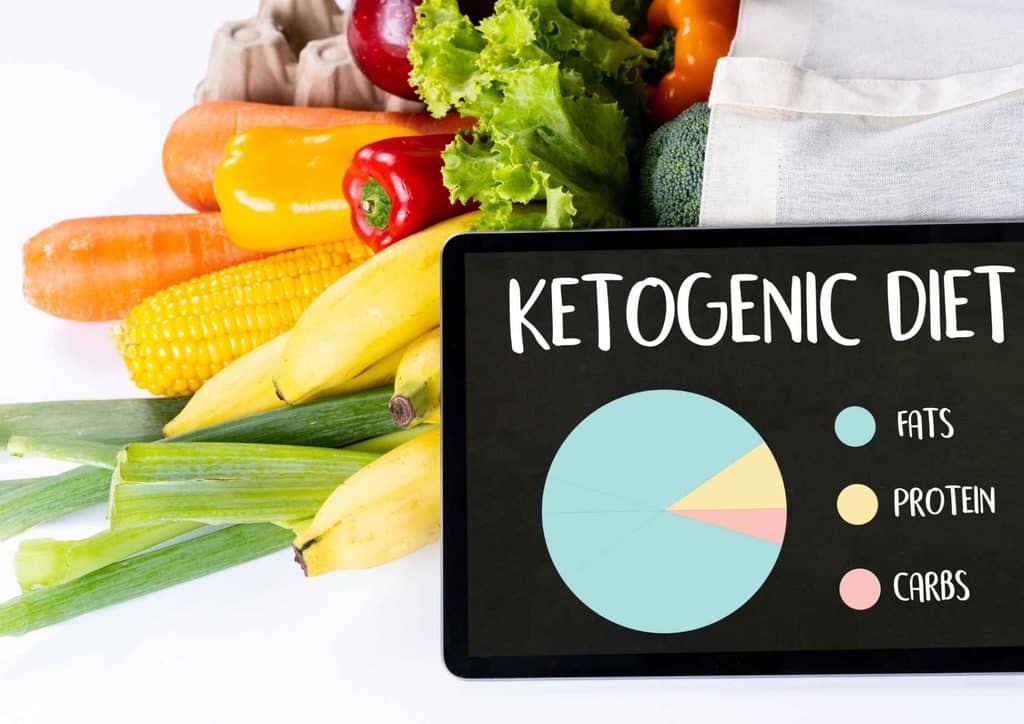
“Keto and low carb can both support weight loss, but neither guarantees greater weight loss or lasting results. The key is choosing an approach you can sustain, because long term weight loss depends on consistency, not how severely you restrict carbohydrates. You can lose weight without eliminating bread, rice, pasta or fruit, and you do not need an extreme diet to achieve lasting results”.
Jake Biggs, Nutrition Longevity

| Diet Myth | Weight Loss Reality |
|---|---|
| Keto burns fat significantly faster than a standard low-carb diet. | While Keto triggers ketosis and causes rapid initial water weight drop, long-term fat loss is driven by a calorie deficit; both diets yield similar fat loss results when calories and protein are matched. |
| You must be in strict ketosis to lose fat effectively on a lower-carb plan. | A moderate low-carb intake (50–130g net carbs) effectively controls hunger and blood sugar without the rigid metabolic restrictions required to maintain ketosis. |
| Keto allows you to eat unlimited fat and calories without gaining weight. | Fat contains 9 calories per gram; consuming excess fat on Keto can easily lead to a calorie surplus, stopping weight loss regardless of ketone levels. |
| Low-carb diets cause muscle loss compared to strict Keto. | Adequate protein intake on either plan preserves lean muscle mass during weight loss; Keto’s moderate-protein restriction can sometimes make muscle retention harder than standard low-carb eating. |

How to achieve safe weight loss with keto or low carb nutrition intake
Discover evidence-based nutritional strategies tailored to your carbohydrate intake and weight management goals. Complete your profile below to receive personalised guidance and structured protocols.
Your Nutritional Strategy Diagnostic Summary
Your profile indicates that requires careful attention for successful results.
Your tailored protocol recommendations
Need a structured, professional weight loss program?
I will review your personal preferences and formulate an evidence-based clinical strategy designed to help you achieve sustainable results safely.
Book a consultationThis interactive tool provides educational guidance to support safe weight management and is not a substitute for professional clinical nutrition or medical advice.
 16Week ProgramMenopause Weight Loss ProgramFor women in perimenopause and menopause
 16Week ProgramMen’s Weight Loss ProgramFor men with stubborn weight
“I built this interactive calculator to help you navigate the specific nutritional hurdles that arise when implementing keto and low-carb strategies for weight loss. This tool gives you an immediate personalised strategy so you can eliminate guessing and safely achieve sustainable weight loss“.
Jake Biggs, Nutrition Longevity
What keto actually is
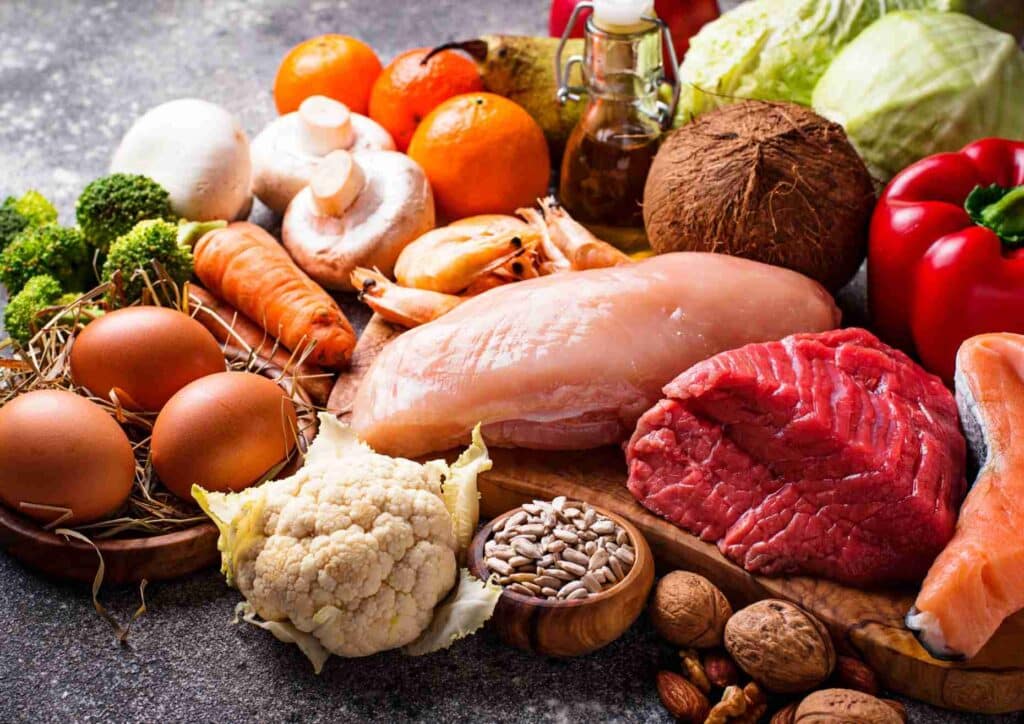
A keto diet is an eating pattern that severely restricts carbohydrates, provides moderate amounts of protein and obtains much of its energy from fat. The goal is to reduce carbohydrate availability enough for the body to enter ketosis.
Keto is different from simply cutting back on bread, pasta or sugary foods. It requires careful attention to carbohydrate intake across the day, including carbohydrates found in fruit, legumes, milk, yoghurt and many vegetables.

| Common Assumption | What Keto Actually Is |
|---|---|
| Keto is just a high protein diet where you cut back on obvious carbs like bread, pasta and sweets | It is a metabolic eating pattern that severely restricts carbohydrates, relies on moderate protein, and derives the vast majority of daily energy from dietary fats. |
| You can achieve ketosis simply by eating smaller portions of carbohydrate foods throughout the day | Entering metabolic ketosis requires reducing carbohydrate availability low enough that the liver shifts to burning fat and producing ketones for primary fuel. |
| Healthy wholefoods like fruit, yoghurt, legumes and root vegetables can be eaten freely on keto | It demands precise monitoring of all daily carbohydrates, including hidden sugars naturally present in fruit, dairy products, legumes, and many fresh vegetables. |
| Keto allows unlimited consumption of high-fat foods without needing to manage overall balance | Achieving sustainable results still relies on metabolic consistency, structured macronutrient proportions, and managing overall energy intake alongside ketone production. |

What can you eat on keto?
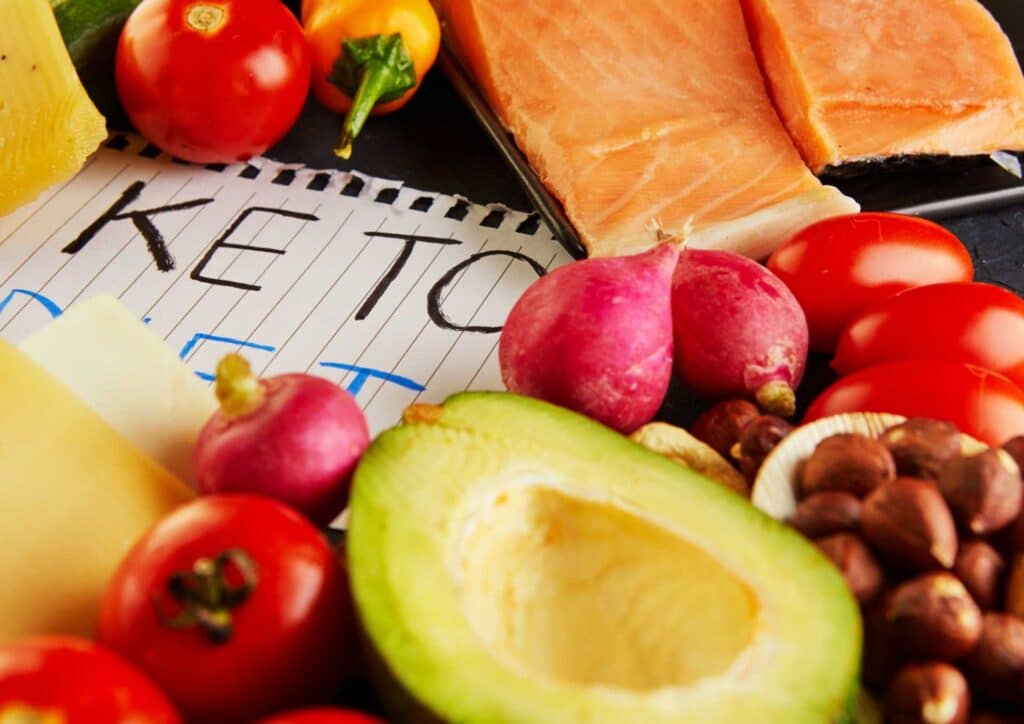
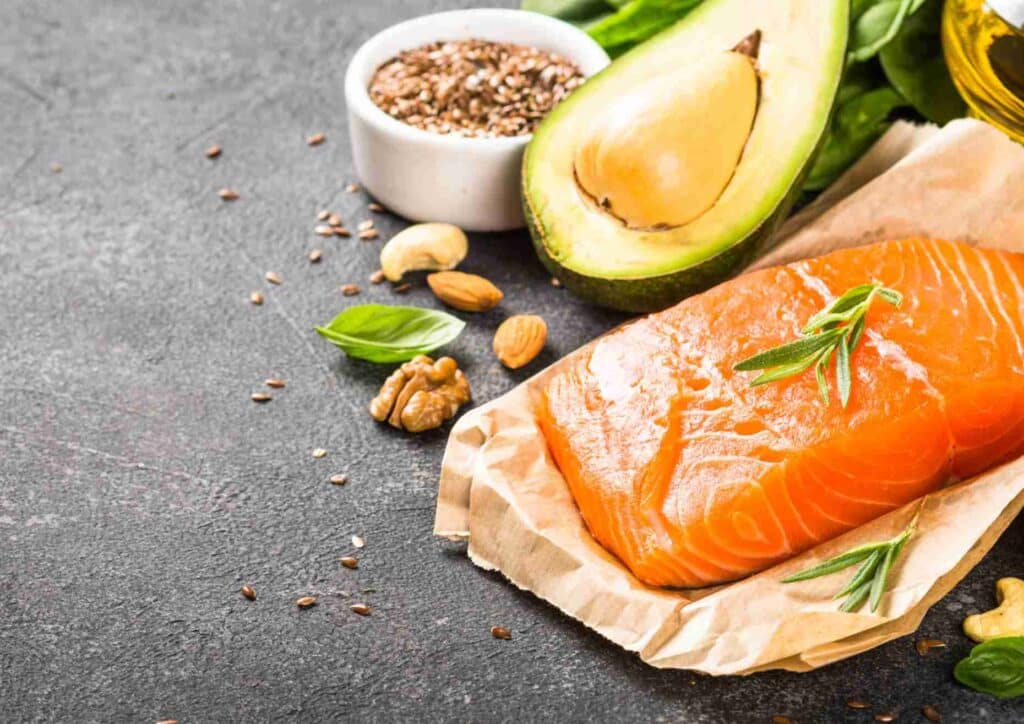
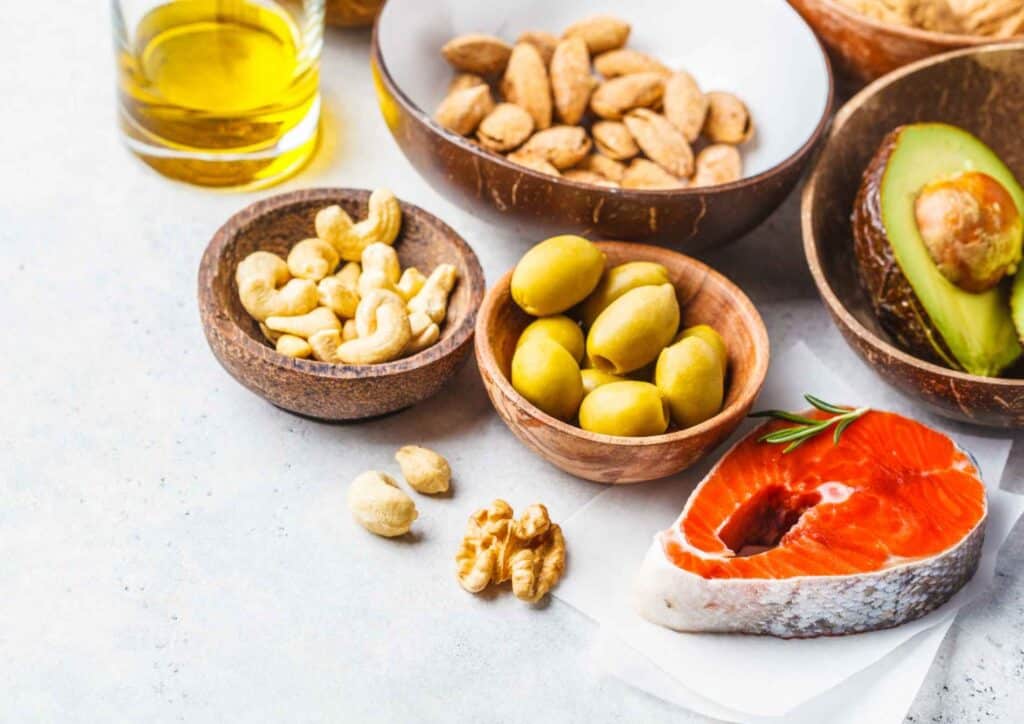
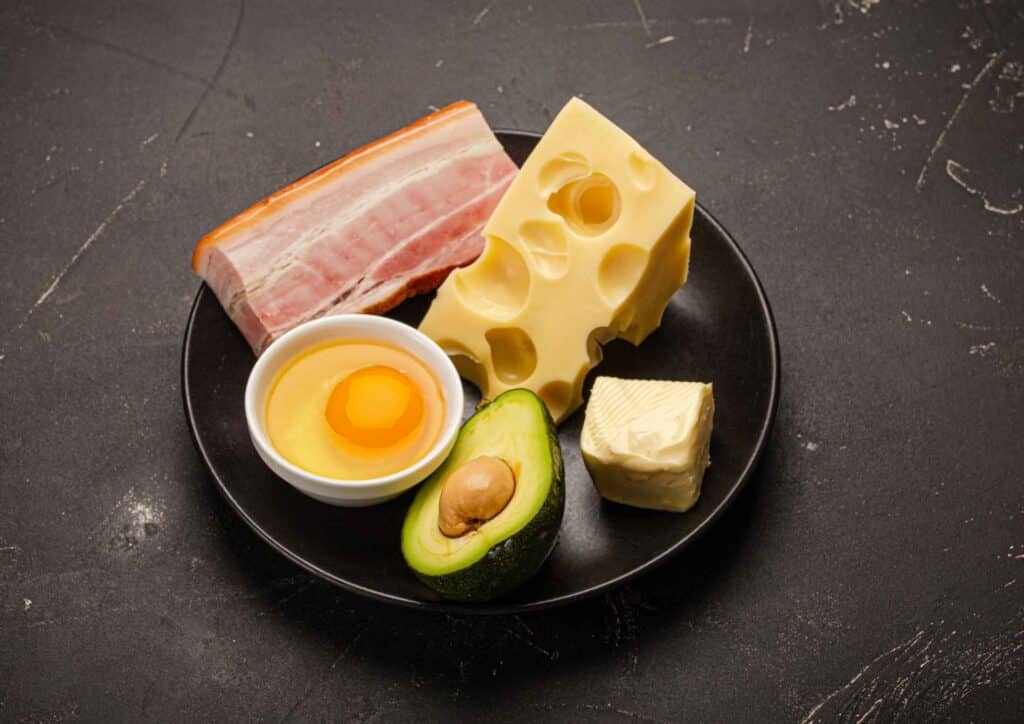
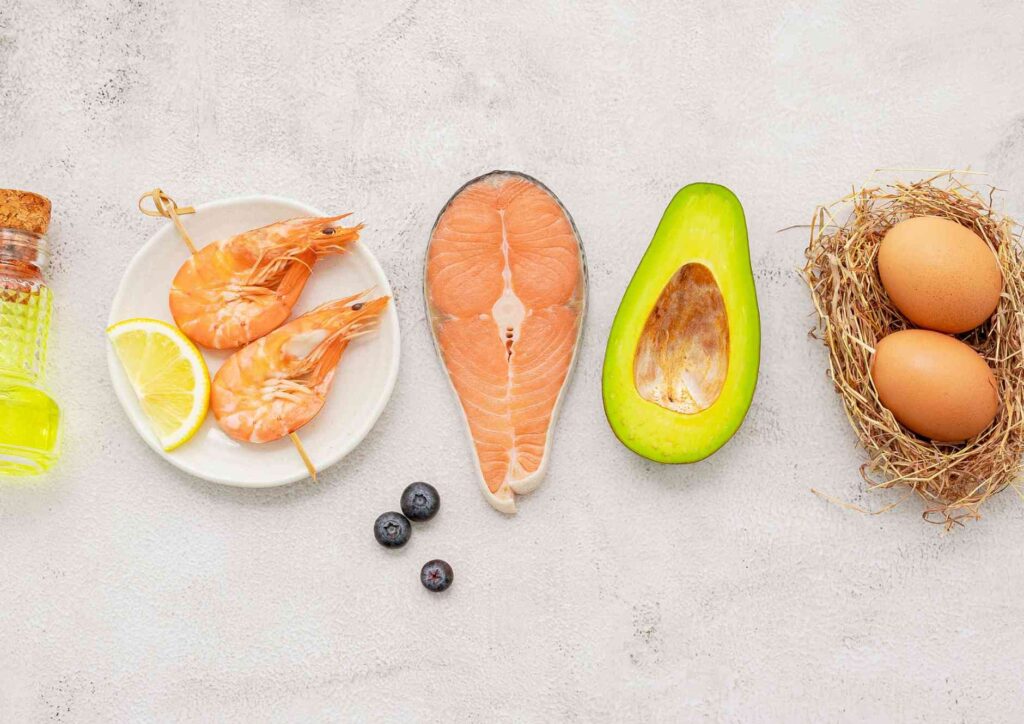
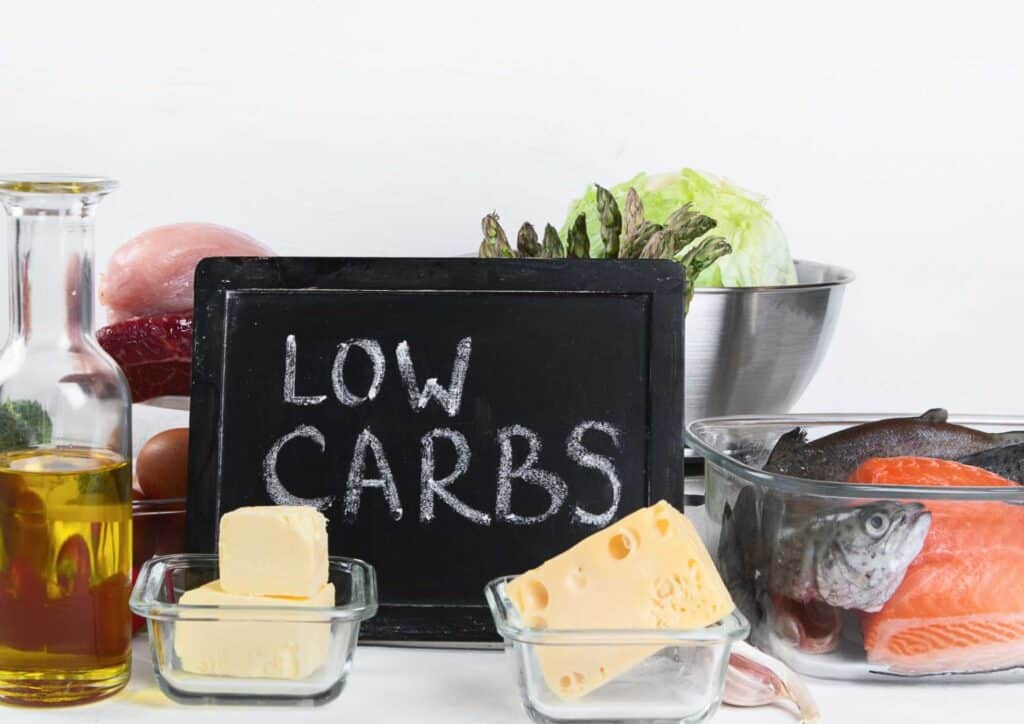
Foods commonly included in a ketogenic eating pattern are eggs, fish, chicken, meat, tofu, oils, avocado, nuts, chia seeds, cheese and low carbohydrate vegetables.
Foods that generally need to be substantially restricted include bread, rice, pasta, potatoes, most cereals, sugary drinks, sweets and many higher carbohydrate fruits. Portion sizes and individual food choices matter, because even nutritious foods can contribute enough carbohydrates to affect ketosis.
This can make eating out, travelling, sharing family meals and choosing convenient foods more complicated. Some people enjoy having clear dietary rules, while others find that the restrictions make everyday eating unnecessarily difficult.
| Keto Staples & Limitations | Lifestyle & Practical Realities |
|---|---|
| Primary staple foods include eggs, fish, chicken, lean meats, tofu, healthy oils, avocados, nuts, seeds, cheese, and low-carbohydrate vegetables. | Portion sizes matter significantly, as even wholefood, nutrient-dense ingredients can supply enough net carbohydrates to impact ketosis. |
| Foods requiring strict restriction include bread, rice, pasta, potatoes, cereals, sugary drinks, sweets, and higher-carbohydrate fruits. | Navigating social dining, travelling, family dinners, and quick convenience meals becomes more complex and requires careful planning. |
| Clear, structured dietary rules provide certainty and eliminate guesswork for those who thrive on structured guidelines. | Rigid restrictions can make everyday eating feel overly difficult, potentially compromising long-term social and lifestyle adherence. |
Does keto automatically lead to weight loss?
No, entering ketosis does not guarantee that you will lose body fat. Weight change is influenced by overall energy intake, physical activity, appetite, sleep, medications, health conditions and other individual factors.
Some people find that keto changes their appetite or reduces the number of foods they eat, which can make it easier to consume less energy overall. Others struggle with the restrictions or find that energy dense foods make portion management difficult.
It is also important to distinguish between losing body weight and losing body fat. Early changes on keto can include a reduction in water weight, which is not the same as losing an equivalent amount of body fat.

| Popular Belief | Physiological Reality |
|---|---|
| Circulating blood ketones directly melt away stored body fat on their own | Ketosis indicates fat is being used as a primary fuel source, but total fat reduction only occurs when energy expenditure exceeds energy intake. |
| Higher ketone levels mean faster fat loss and better metabolic results | Deeper levels of ketosis simply reflect greater carbohydrate restriction or excess fat ingestion, not necessarily a higher rate of body fat loss. |
| Ketosis prevents lean muscle loss completely during a calorie deficit phase | Maintaining muscle mass requires adequate total protein intake and resistance exercise, as ketosis alone cannot fully protect muscle tissue without sufficient dietary support. |
What low carb means, and how it differs
A low carb diet reduces carbohydrate intake compared with a person’s usual eating pattern, but it does not necessarily aim to produce ketosis. This makes low carb a broader and generally more flexible approach than keto.
There is no single carbohydrate intake that defines every low carb diet. Some approaches involve modest changes, such as reducing sugary drinks and oversized portions of refined carbohydrates, while others involve more substantial restrictions.
Unlike keto, a moderate low carb approach can include foods such as fruit, legumes, wholegrains, yoghurt and measured portions of rice or potatoes, depending on the individual’s needs and chosen eating pattern.
| Rigid Assumptions | Low Carb Reality |
|---|---|
| A low carb diet must always aim for metabolic ketosis and match strict ketogenic guidelines | It reduces carbohydrate intake relative to normal eating patterns without requiring ketosis, offering a much broader and more adaptable approach. |
| There is a single fixed carbohydrate threshold that applies to every low carb nutrition plan | Carbohydrate ranges vary widely, spanning from modest reductions in refined sugars and oversized portions to more substantial daily restrictions. |
| All nutrient-dense carbohydrate sources like fruit, wholegrains, and legumes must be entirely eliminated | Unlike keto, moderate low-carb nutrition comfortably accommodates fruit, legumes, wholegrains, dairy, and measured portions of root vegetables. |

What does a balanced low carb diet look like?
I generally encourage people to think about the overall quality of their meals rather than focusing exclusively on carbohydrate grams.
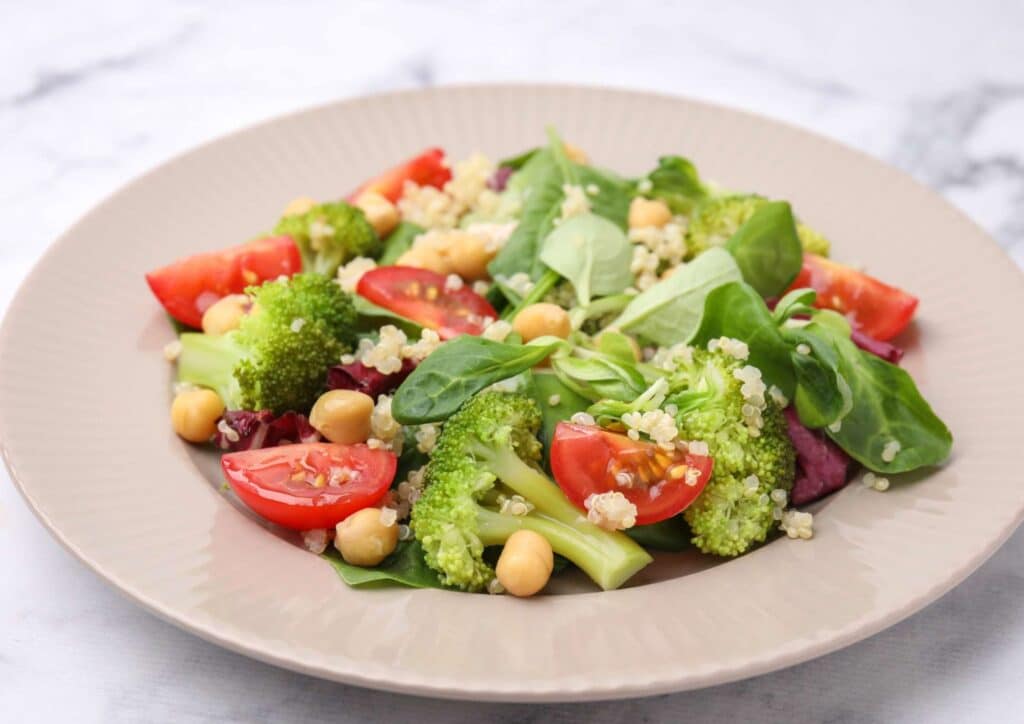
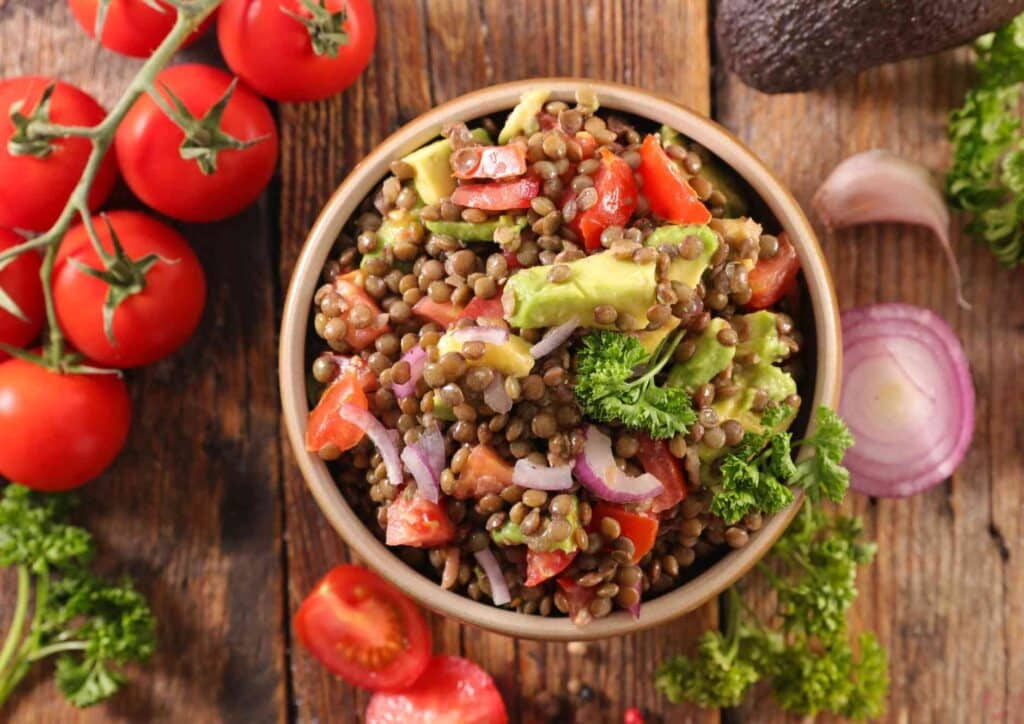
A practical meal might include grilled salmon or chicken, a generous serve of vegetables, a portion of brown rice or another wholegrain, and some olive oil or avocado as part of a balanced diet for weight loss
Another option could be a high protein banana smoothie or protein pancakes for breakfast.
If you enjoy rice, understanding whether rice is good for weight loss can help you make informed portion choices without assuming that you must eliminate a familiar food to manage your weight.
The same principle applies to grapes, oats, pasta, and sweet potato. The amount you eat, what you eat alongside them and how your overall eating pattern works for you are all relevant.

| Meal | Balanced Low-Carb Structure |
|---|---|
| Breakfast | Two poached eggs served with sautéed spinach, mushrooms, and one slice of toasted seed-rich wholegrain bread. |
| Lunch | Grilled chicken breast or tofu over mixed salad greens, cherry tomatoes, and cucumber, drizzled with extra virgin olive oil and lemon. |
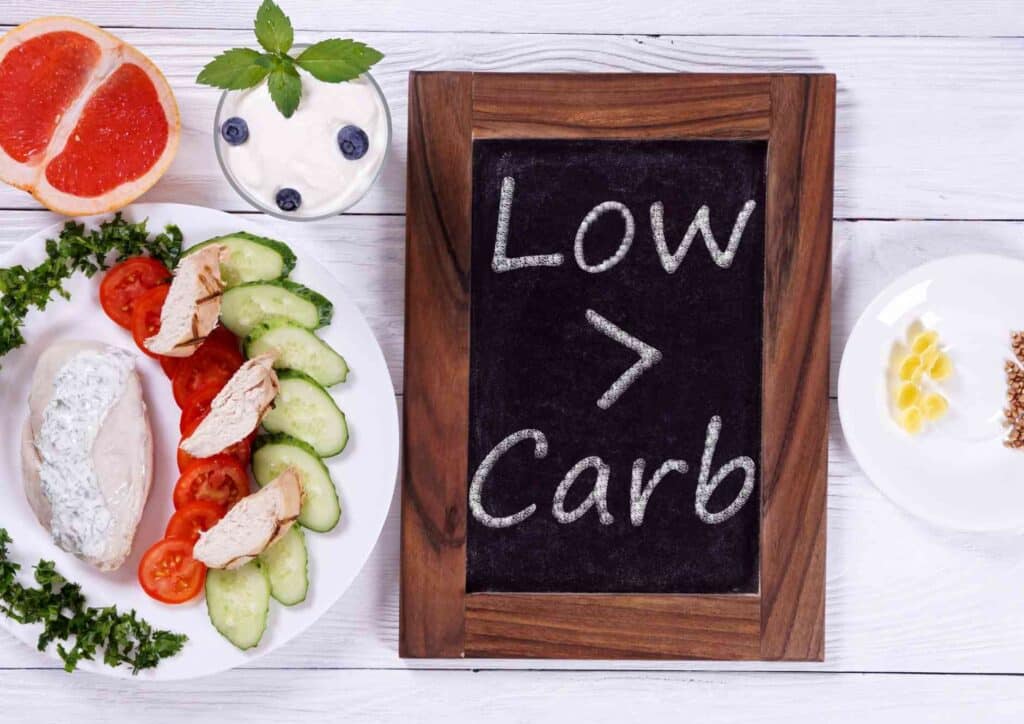
| Dinner | Pan-seared salmon fillet accompanied by roasted broccoli and asparagus, paired with a measured portion of brown rice or quinoa. |
| Snack Option | A small palmful of raw almonds or plain Greek yoghurt topped with a handful of fresh berries. |

Is low carb easier to maintain?
For many people, a moderate low carb approach is easier to fit around normal life because it allows more food choices. You can still eat with family and friends, enjoy a wider variety of ingredients and adjust your meals according to hunger, activity and personal preference.
However, flexibility alone does not guarantee consistency. Someone who prefers a more structured eating pattern might find clearer boundaries helpful, while another person may find that strict rules create unnecessary pressure.
The important question is not whether one approach appears more disciplined. It is whether you can eat adequately, feel satisfied and maintain your habits without constantly fighting against your routine.

| Rigid Expectations | Sustainable Reality |
|---|---|
| Strict dietary rules and rigid food limitations are always necessary to maintain long-term weight loss. | A moderate low carb approach offers greater flexibility, making it simpler to fit meals around normal social life, family dinners, and changing daily activity. |
| Having a flexible eating plan guarantees that consistency and habit maintenance will be effortless. | Flexibility alone does not ensure consistency; some individuals thrive with clear boundaries, while others feel restricted by overly rigid rules. |
| The most disciplined and restrictive diet choice is automatically the best one for your lifestyle. | Success depends on whether you can eat adequately, feel satisfied, and maintain your habits without constantly fighting against your routine. |

Keto vs low carb, side by side
Keto is more restrictive and specifically aims to achieve ketosis, whereas low carb covers a wider range of eating patterns that reduce carbohydrates without necessarily eliminating enough to enter ketosis.
Both approaches can be structured around nutritious foods, but their practical differences become more noticeable when you consider everyday meals, food preferences and long term adherence.

| Question | Keto | Low carb |
|---|---|---|
| What you eat | Very low carbohydrate foods, moderate protein and higher fat intake | Reduced carbohydrate intake with more flexibility to include fruit, legumes and wholegrains |
| How strict it is | Strict carbohydrate limits are needed to maintain ketosis | Restrictions vary and can be adjusted to individual needs |
| How easy it is to keep up | Can be challenging when eating out, travelling or sharing meals | May be easier to fit around everyday routines and food preferences |
| Who it may suit | Some adults who prefer a structured approach and have checked its suitability with their healthcare professional | People who prefer a more flexible approach to reducing carbohydrate intake |
Which approach produces more weight loss?
Neither keto nor low carb can be guaranteed to produce more weight loss for every person. Introducing the best foods for weight loss can be beneficial. Research comparing dietary approaches generally highlights the importance of adherence, overall dietary quality and individual circumstances when assessing longer term outcomes.
Keto may produce a noticeable initial drop on the scales, but that early change should not be interpreted as proof that it produces greater long term fat loss.
A moderate low carb approach may be more practical for someone who wants to keep eating a range of foods while making changes to portions, meal composition and the best foods for weight loss and food quality.
When comparing the keto diet for weight loss with a more moderate approach, I would look beyond the first few weeks. Consider whether you can maintain the pattern, meet your nutritional needs and manage hunger without feeling that your diet controls your life.

| Common Misconception | Evidence-Based Fact |
|---|---|
| Strict keto always outperforms moderate low carb on total fat loss due to metabolic shifts. | Comparative studies show no universal winner; long-term fat loss depends entirely on adherence, food quality, and sustained energy balance rather than ketone presence. |
| A larger drop on the weighing scales during week one proves superior fat burning. | Initial rapid weight reduction on keto is primarily driven by glycogen depletion and water loss, not greater fat tissue reduction. |
| Rigid dietary rules are necessary to see meaningful improvements in body composition. | A moderate approach is often more sustainable for those who prefer food variety, allowing individuals to manage hunger and maintain consistency without feeling controlled by their diet. |

Good to know
Early weight loss on keto is often partly water rather than immediate belly fat loss because the body uses stored glycogen as carbohydrate intake falls. Glycogen is stored alongside water, so using these reserves releases water that can be lost through urine. This initial change is not the same as losing body fat, and some water weight may return when carbohydrate intake increases.
Who should avoid keto
Keto is not appropriate for everyone, and certain people should speak with their GP before considering it. This is particularly important if you take diabetes medication, are pregnant or breastfeeding, have kidney problems or have a history of disordered eating.

| General Assumption | Medical Reality & Precautions |
|---|---|
| Strict carbohydrate restriction is completely safe and appropriate for everyone to trial freely. | Keto is not suitable for all individuals and requires careful medical guidance before adoption. |
| Dietary changes do not interact with pre-existing health conditions or prescription medications. | Professional medical consultation with a GP is essential if you take diabetes medication, have kidney conditions, or have a history of disordered eating. |
| Major metabolic shifts pose no risk during periods of increased physiological demand. | Pregnant or breastfeeding women must avoid restrictive ketogenic protocols to ensure adequate nutrition and safety. |
Red flag: Check with your GP first
If you take insulin or other diabetes medication, are pregnant or breastfeeding, have kidney problems or have a history of disordered eating, seek individual medical advice before trying keto. Medication adjustments, nutritional requirements and the potential risks of restrictive eating need to be considered before making substantial dietary changes.

| Health Profile & Context | Clinical Advisory & Action |
|---|---|
| Individuals prescribed insulin or oral glucose-lowering therapies | Carbohydrate reduction directly alters blood glucose dynamics, making professional medical oversight essential to adjust drug dosages safely and prevent hypoglycaemia. |
| Maternal health during pregnancy and lactation periods | Heightened micronutrient demands and developmental requirements mean severe macronutrient elimination carries risks that outweigh potential short-term benefits. |
| Pre-existing renal impairment or a history of disordered eating | Altered electrolyte filtration needs careful monitoring, while strict dietary boundaries can reignite obsessive food behaviours and compromise psychological wellbeing. |
What if you take medication for diabetes?
If you have diabetes and take medication, do not start keto without discussing it with your GP and treating healthcare team. Major changes to carbohydrate intake can affect blood glucose levels and may alter the risk of low blood glucose with certain medications.
Your healthcare team can assess whether a proposed eating pattern is appropriate for your circumstances and whether your medication or monitoring plan needs to change. Do not adjust prescribed medication yourself.

| Diabetes Medication Risk | Clinical Protocol & Guidance |
|---|---|
| Starting a ketogenic diet without medical oversight while managing blood glucose | Major reductions in dietary carbohydrates alter blood glucose dynamics and significantly increase the risk of dangerous hypoglycaemia with certain medications. |
| Attempting to self-adjust prescribed insulin or oral glucose-lowering drugs | Never alter prescription dosages independently; your treating healthcare team must evaluate your protocol and manage any necessary medication adjustments. |
| Assuming standard monitoring routines are sufficient during a major dietary shift | Your GP and care team must formally assess whether a low-carbohydrate eating pattern aligns with your health profile and update your monitoring plan accordingly. |

What if you are pregnant or breastfeeding?
Pregnancy, fertility, and postpartum weight loss can change your nutritional requirements. This makes adequate energy and nutrient intake particularly important. A restrictive eating pattern such as keto should not be started without appropriate medical advice.

| Restricted Diet Assumption | Maternal & Clinical Reality |
|---|---|
| Following a strict low-carbohydrate or ketogenic diet is safe and beneficial during all life stages. | Pregnancy and breastfeeding significantly elevate daily nutrient and energy requirements, making restrictive protocols inappropriate without professional medical clearance. |
| Eliminating whole food groups has no impact on fetal development or milk supply. | Ensuring an adequate, balanced intake of essential nutrients is vital during lactation and gestation to support both maternal health and infant development. |
| Major dietary changes can be initiated independently while nursing or pregnant. | Always consult your GP or obstetric healthcare provider before attempting any restrictive eating pattern during these critical physiological stages. |

What if you have kidney problems?
Kidney conditions vary considerably, and nutritional requirements can differ depending on the condition, kidney function and treatment. A high fat, low carbohydrate approach may not suit your individual needs, so seek advice from your GP and an appropriately qualified dietitian before making major changes.

| General Diet Assumption | Renal Clinical Reality |
|---|---|
| A standard ketogenic diet can be adopted safely regardless of underlying organ function. | Kidney conditions vary considerably, and nutritional needs depend heavily on specific pathology, residual filtration function, and ongoing medical treatment. |
| High-fat and high-protein ratios pose no unique filtration challenges for the kidneys. | High-fat, low-carbohydrate eating patterns may not suit individual renal requirements, making professional assessment essential. |
| Major dietary restructuring can be done safely without specialist multidisciplinary input. | Always seek formal guidance from your GP and an accredited clinical dietitian before implementing major nutritional changes when managing kidney health. |
What if you have a history of disordered eating?
A diet that places strict limits on entire food groups may be unhelpful for someone who has experienced disordered eating or struggles with food related anxiety. If tracking carbohydrates, labelling foods as forbidden or following rigid rules creates distress, a more flexible approach may be more appropriate.
| Rigid Restriction Standard | Flexible & Inclusive Reality |
|---|---|
| Eliminating full food categories and designating certain ingredients as off-limits. | Can heighten stress and exacerbate past struggles with eating behavior, making an adaptable, permissive mindset far more beneficial. |
| Meticulously monitoring daily carbohydrate intake and adhering to unyielding meal rules. | Frequently causes emotional discomfort, highlighting the value of prioritizing peace and mental well-being over strict counting. |
| Enforcing structured dietary limits without considering psychological history. | Partnering with qualified health professionals helps establish balanced, non-triggering eating habits tailored to personal recovery. |
How to choose what suits you
The right eating pattern is one that supports your health, nutritional needs and daily routine without relying on unrealistic restrictions. Rather than choosing keto simply because it is popular, consider whether its rules make sense for your circumstances and whether you could maintain them over time.
| Popular Diet Assumption | Sustainable Nutrition Reality |
|---|---|
| Adopting a trendy eating plan just because it yields quick results for others. | True success relies on choosing a pattern that aligns with your unique health needs and everyday routine. |
| Relying on strict rules and unrealistic restrictions to force compliance. | Long term wellbeing comes from finding flexible habits that you can maintain easily over the years. |
| Making major nutritional changes without evaluating personal feasibility. | Carefully assessing whether a dietary structure makes sense for your lifestyle ensures better physical and mental outcomes. |
Start with your everyday eating habits
Before removing carbohydrates, look at what you currently eat. Are you regularly drinking sugary drinks, missing meals, eating very few vegetables or relying on convenient foods because you are short on time instead of following healthy meal plans for weight loss?
Addressing practical issues can help you build a more consistent eating pattern without needing to adopt an extremely restrictive diet.
| Everyday Nutritional Gaps | Low Carb & Keto Reality |
|---|---|
| Consuming regular sugary drinks, skipping meals, eating minimal vegetables, or leaning entirely on quick convenience items due to time constraints. | Jumping straight into a strict ketogenic protocol masks foundational dietary gaps rather than fixing them, often leading to burnout. |
| Lacking basic meal consistency and relying on chaotic daily eating patterns. | Enforcing severe carbohydrate restriction without addressing fundamental habits makes maintaining ketosis extremely difficult and unnecessary. |
| Overlooking core nutritional quality and consistent meal timing. | Resolving practical daily eating issues builds sustainable momentum, proving far more effective than forcing an unyielding low carb regime. |
Prioritise protein, fibre and meal balance
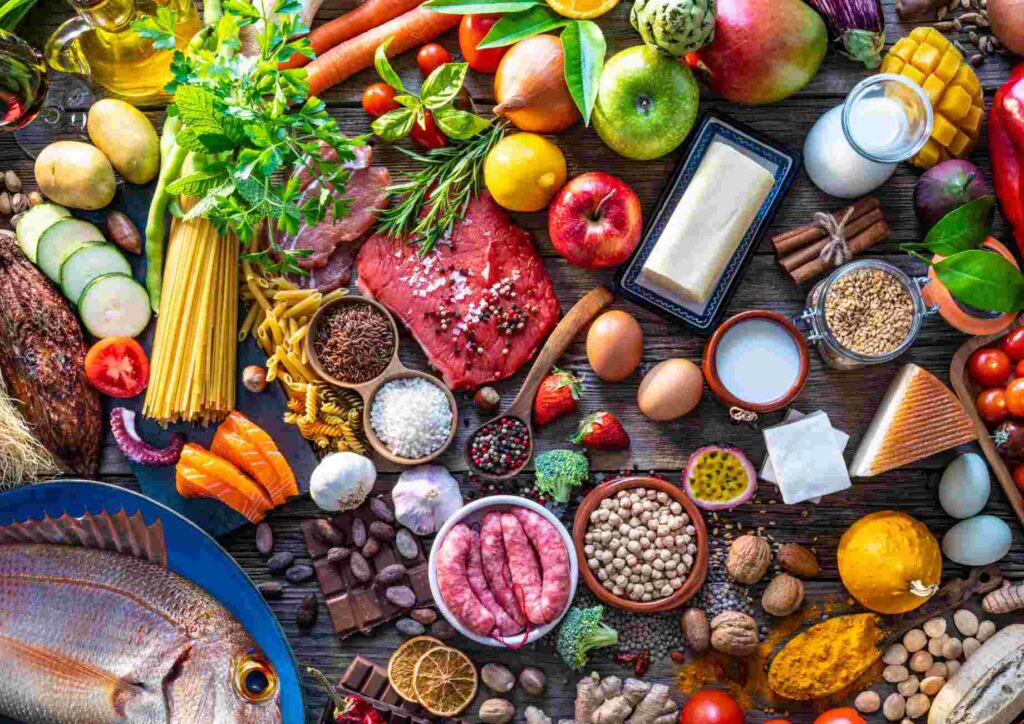
Protein rich foods, vegetables and fibre rich carbohydrates can help create satisfying meals and healthy dinners for weight loss. Include suitable sources of protein such as eggs, fish, chicken, Greek yoghurt, tofu and legumes, alongside vegetables, fruit, wholegrains, nuts and seeds according to your needs.
Dietary fat also matters. Olive oil, avocado, nuts and seeds provide valuable nutrients whether you follow keto, low carb or a Mediterranean diet for weight loss. Although they are energy dense, so portions should fit your overall requirements rather than being unlimited simply because a food is low in carbohydrate.
| Keto & Low Carb Fallacy | Balanced Nutritional Reality |
|---|---|
| Assuming that eliminating carbohydrates means fat intake can be unlimited without regard for total energy balance. | Healthy fats like olive oil and avocado remain highly energy dense and require mindful portioning to match your actual requirements. |
| Neglecting foundational macronutrients and relying solely on extreme carbohydrate restriction for satiety. | Prioritizing quality protein, vegetables, and fibrous carbohydrates creates naturally satisfying meals that support long term metabolic health. |
| Treating wholefood sources like legumes, nuts, seeds, and fruit as forbidden due to minor carb content. | Incorporating diverse, nutrient dense wholefoods ensures comprehensive micronutrient intake tailored precisely to your personal needs. |

Do not confuse strictness with success
You do not need to follow the most restrictive eating pattern to make meaningful changes to your health. If keto feels manageable and is medically appropriate, it may be an option worth discussing with a healthcare professional. If it makes eating stressful or difficult to sustain, there are other approaches to consider, including natural alternatives to Ozempic for weight loss.
Similarly, intermittent fasting for weight loss is not essential for everyone. Adding another set of dietary rules is unlikely to help if the underlying issue is an eating routine that does not suit your life.
If you’ve been making consistent changes but aren’t seeing the progress you expected, despite maintaining a calorie deficit, understanding why you are not losing weight can help you identify factors that may be affecting your progress, including your daily routine, sleep, physical activity, medications and other relevant considerations, rather than assuming you need to follow a stricter diet.

| Comparison Area | Rigid Restriction Assumption | Sustainable Reality | Clinical Takeaway |
|---|---|---|---|
| Dietary Strictness | Assuming that adopting the most severe rules and eliminating entire food groups is mandatory for health progress. | Meaningful health improvements do not require extreme restriction or protocols that induce daily stress. | Choose approaches that fit your life and remain sustainable over the long term. |
| Fasting Protocols | Adding rigid intermittent fasting rules on top of an already chaotic eating routine to force fat loss. | Extra rules rarely help if the foundational daily eating pattern fails to suit your lifestyle. | Focus on fixing core eating habits before layering on complex fasting schedules. |
| Plateau Evaluation | Assuming a lack of progress means you simply need to make your diet even stricter. | Stalls often stem from lifestyle factors such as poor sleep, daily activity, medications, or routine mismatches. | Examine the broader picture rather than reflexively cutting calories further. |
Strictness does not equal success when building lifelong health habits.

How a weight loss nutritionist can optimise your weight loss results
A weight loss nutritionist can help you lose weight by assessing your current eating pattern, identify practical changes and develop an approach that considers your preferences, nutritional needs and health circumstances. This includes helping you choose the best weight loss nutritionist in Sydney when needed.
- Review your current meals and identify one habit you want to improve.
- Include a source of protein and vegetables in your main meals and healthy snacks for weight loss when needed.
- Choose carbohydrate portions that suit your needs rather than eliminating them automatically.
- Monitor your energy, hunger and ability to maintain your routine.
- Review your progress over time and address any weight loss plateau when necessary.
“Sustainable weight management is not about proving how much you can restrict, it is about building an eating pattern that supports your health and works in your everyday life”.
Jake Biggs, Nutrition Longevity

| Action Step | Traditional Guesswork | Nutritionist Strategy | Clinical Takeaway |
|---|---|---|---|
| Habit Review | Guessing which foods to cut out entirely without evaluating your baseline eating patterns. | Reviewing your current meals systematically to target one sustainable habit for improvement. | Targeted adjustments prevent overwhelm and build lasting momentum. |
| Plate Balance | Relying on restrictive meal replacement shakes or eliminating entire food groups. | Including reliable sources of quality protein and vibrant vegetables in every main meal. | Balanced meals naturally enhance satiety and preserve lean muscle mass. |
| Carb Management | Zeroing out all carbohydrates instantly out of fear of insulin and weight gain. | Selecting appropriate carbohydrate portions tailored precisely to your personal energy needs. | Carbs support sustained energy and performance without forcing extreme limits. |
| Progress Tracking | Judging success solely by daily fluctuations on the bathroom scale. | Monitoring energy levels, hunger cues, and your ability to maintain your daily routine. | Holistic markers provide a much clearer picture of long term success. |
Professional guidance helps turn guesswork into a personalised, sustainable plan.
What to do this week
- Plan three balanced main meals you enjoy.
- Include protein and fibre rich foods in your daily routine.
- Notice whether your eating pattern leaves you satisfied, energised and able to maintain it.

Final thoughts
Keto and low carb diets can both support weight loss, but neither guarantees greater fat loss or better long term results. Keto requires strict carbohydrate restriction to achieve ketosis, while a low carb approach allows greater flexibility with everyday foods.
You do not need to eliminate bread, rice, pasta or fruit to lose weight. What matters is your overall eating pattern, not pink salt, saunas, coconut water or lemon water.
For sustainable weight loss, choose an approach that helps you manage hunger whether your goal is to lose weight fast or lose weight without exercise. A diet you can realistically maintain is more practical than one that leaves you struggling with cravings, social meals or constant food rules.
Ultimately, successful weight loss is not about how few carbohydrates you eat. It is about building consistent habits that maintain your results over time, support your metabolism, and reduce the risk of future weight regain.

Ketogenic vs low carb for weight loss quiz
Think you know the difference between keto and low carb for weight loss? Test your knowledge of carbohydrate restriction, ketosis, sustainable fat loss and choosing an eating approach that suits your lifestyle.
1. You must eliminate carbohydrates completely to lose weight successfully.
2. What is the main difference between a ketogenic diet and a low carb diet?
3. Why can weight drop quickly during the first few weeks of keto?
4. Which approach is generally more flexible for everyday meals and long term weight management?
5. Which statement about keto and long term weight loss is correct?
Keto and low carb can both be options for weight management, but neither guarantees lasting results. Focus on balanced nutrition, consistent habits and an eating approach that suits your lifestyle. You do not need to eliminate entire food groups to lose weight.

Frequently asked questions
What is the difference between keto and low carb?
Keto severely restricts carbohydrates to encourage ketosis, while low carb reduces carbohydrate intake without necessarily producing ketosis.
Is keto safe long term?
Long term suitability depends on your health, nutritional adequacy and how the diet is implemented. Speak with your healthcare professional before adopting it, particularly if you have an existing medical condition.
Can I do keto if I have diabetes?
Talk to your GP and treating healthcare team first, especially if you take diabetes medication. Do not change your medication or treatment plan without medical guidance.
Why do people regain weight after keto?
Some regain occurs because water weight returns when carbohydrate intake increases. Others find the restrictions difficult to maintain and return to previous eating habits. Long term outcomes vary between individuals.

Keep reading
This article is general information, not personal medical or nutritional advice. Individual needs vary. For guidance tailored to you, book a consultation.
Book a 60 minute consultation, in Bondi Junction or by Telehealth from anywhere in the world.