

The short version
- You cannot dramatically speed up your metabolism, but you can stop the behaviours that make it work less efficiently during weight loss. Protecting muscle, eating enough protein, sleeping well and avoiding crash diets are the factors that actually matter, not metabolism teas, fat burners or detoxes.
- Most metabolism boosters are overstated, while muscle loss and aggressive dieting are the real reasons many people feel their metabolism has slowed. The most effective strategy is maintaining lean muscle through resistance training, adequate protein and a sustainable calorie deficit.
- If your goal is a faster metabolism, focus on preserving muscle rather than chasing quick fixes. Consistent strength training, sufficient protein intake, quality sleep and avoiding repeated cycles of severe calorie restriction are the habits most likely to support long term weight management.
The short answer
If you are wondering how to speed up your metabolism, the honest answer is that you cannot dramatically speed it up. What you can do is stop slowing it down, and a handful of habits genuinely help around the edges by supporting muscle, recovery and energy balance.
As a weight loss nutritionist, I see many clients arrive frustrated after trying weight loss magic foods, saunas, lemon water detoxes, pink salt cleanses and fat burning supplements that promised effortless sustainable weight loss. Most of these approaches sound convincing, but they rarely change the fundamentals that actually influence energy expenditure.
Although after trying them they have either hit a weight loss plateau, finding it impossible to lose belly fat and are seeking desperate weight loss help by a weight loss expert.
“If you think your metabolism is broken, stop looking for a magic booster and start protecting the things that drive it. More muscle, enough protein, better sleep and fewer crash diets will do more for your metabolism than a lifetime of teas, supplements and quick fixes”.
Jake Biggs, Nutrition Longevity
How to speed up your metabolism calculator
There are no magic foods or supplements that will automatically skyrocket your metabolism, but there are evidence-based interventions to support it. Enter your metrics below to get your customised recommendations.
Your Metabolic Analysis & Target Breakdown
Your anticipated weight change between current and goal weight is 0 kg , utilising a approach.
Your customised recommendations to boost metabolism
Want help achieving your weight loss goals
I will design for you a customised sustainable weight loss nutrition plan that optimises your metabolism to reach your long term weight loss goals.
Book a consultationThis calculator provides a general indication for educational purposes and is not a substitute for personalised nutrition or medical advice. Body weight can fluctuate for many reasons and should be assessed as part of your broader nutrition, lifestyle and health circumstances.
“Most metabolism boosters promise far more than they deliver. I built this interactive calculator to cut through the marketing noise giving you personalised, research-backed interventions that support real metabolic health in the real world, without the gimmicks, shortcuts, or false promises”.
Jake Biggs, Nutrition Longevity
| Metabolic Hack | Weight Loss Reality |
|---|---|
| Detox Drinks | Detox drinks do not reset metabolism or directly cause weight loss. Hydration helps, but consistent eating habits matter more. |
| Fat Burning Foods | No food burns body fat by itself. Protein, fibre and high volume whole foods can help you stay full and manage intake. |
| Eating More Often | Eating every few hours does not automatically increase metabolism. Choose a meal pattern that controls hunger and suits your routine. |
| Skipping Meals | Skipping meals is not a guaranteed weight loss strategy. It can create strong hunger and lead to overeating later in the day. |
| Sweating More | Sweating causes temporary water loss, not direct body fat loss. Weight usually returns after drinking fluids again. |
| Metabolism Supplements | Supplements cannot replace nutrition, movement, sleep and realistic portions. These basics have the greatest influence on long term weight loss. |
| One Perfect Diet | There is no one perfect eating plan. The most useful approach is one you can follow consistently through normal life. |
Why you cant automatically speed up your metabolism
Your body’s metabolic rate is not a dial that you can simply turn up at will through specific superfoods, teas, or trendy supplements. Basal metabolic rate which accounts for the vast majority of the energy your body burns daily is largely dictated by fixed biological factors such as your body mass, body composition, age, and genetics.
When you drastically cut you food intake or overexercise in pursuit of rapid results, the body adapts by downregulating non-essential energy expenditure, leading to fatigue, muscle loss, and a permanently depressed metabolic baseline.

Sustainable metabolic health is instead achieved through consistent, supportive lifestyle habits such as adequate protein intake, resistance training to preserve lean tissue, restorative sleep, and weight stability, rather than looking for an elusive shortcut to override natural human biology.
Rather than chasing quick fixes or trying to manipulate a fixed physiological baseline, long-term success comes from working with your biology.
Prioritising daily consistency over extreme measures, you create an environment where your body feels safe to release excess weight, maintain high energy levels, and sustain your metabolic health for the long run.
| Expectation | Reality |
|---|---|
| Your metabolism can be permanently accelerated with a supplement. | There is no supplement proven to dramatically increase metabolism long term. Most marketed metabolism boosters have little real world impact. |
| One food can switch your body into fat burning mode. | No food has the ability to dramatically increase metabolism. Overall eating patterns matter much more than any single ingredient. |
| Drinking lemon water boosts metabolism. | Lemon water may help hydration, but it does not meaningfully increase metabolic rate or create significant fat loss. |
| Eating more often keeps metabolism high. | Meal frequency has little effect on metabolism. Total calorie intake, protein intake and dietary consistency are far more important. |
| Crash dieting speeds up fat loss and metabolism. | Severe calorie restriction can increase muscle loss, reduce energy levels and make long term weight management harder. |
| A slow metabolism is usually the main reason for weight gain. | For most people, food intake, activity levels, sleep quality and muscle mass play a bigger role than metabolism alone. |
| There is a shortcut to a faster metabolism. | The most effective strategy is protecting muscle, eating enough protein, sleeping well and avoiding repeated crash diets. |
The real reason most people struggle
The reason metabolism gets so much attention is simple. It sounds far easier to fix your metabolism than to change habits, improve sleep or build strength. Unfortunately, the body rarely works that way.
Your metabolism is influenced by several factors, including age, genetics, body size and body composition. Some of these factors are out of your control. Others are strongly influenced by everyday habits.

The biggest mistake I see is aggressive calorie restriction. Someone starts eating very little, loses some weight quickly, then becomes tired, hungry and difficult to satisfy. Training performance falls, recovery suffers and maintaining the plan becomes harder.
When the body receives too little energy for too long, it often responds by conserving energy where possible. People move less, feel more fatigued and find long term adherence challenging. This is one reason crash diets frequently backfire.
| Core Obstacle | Metabolic Reality |
|---|---|
| Chasing Metabolism Hacks | Most teas, supplements and metabolism boosting products create little meaningful change, while the factors that matter most, such as muscle mass, protein intake and sleep, are often overlooked. |
| Crash Dieting | Aggressive calorie restriction can increase muscle loss, reduce energy levels and make long term weight management more difficult to sustain. |
| Insufficient Protein Intake | Low protein intake can make it harder to maintain muscle mass during weight loss and may increase hunger, cravings and difficulty sticking to a plan. |
| Poor Sleep Habits | Sleep deprivation can increase appetite, reduce recovery and make healthy food choices and regular exercise feel significantly harder. |
| Expecting Rapid Results | Many people mistake normal fluctuations and gradual progress for failure, leading them to abandon effective habits before results have time to accumulate. |
| Losing Muscle During Weight Loss | Muscle is metabolically active tissue. Losing it through poor nutrition or excessive dieting can reduce daily energy expenditure over time. |
| Inconsistent Daily Habits | Small lapses in nutrition, movement, recovery and routine often have a greater influence on long term outcomes than any individual metabolism booster. |
Muscle is one of the important levers
Muscle tissue requires energy to maintain. This does not mean adding a small amount of muscle suddenly transforms your metabolism, but preserving and building muscle is still valuable.
Resistance training provides the essential stimulus your body needs to preserve muscle mass during a weight loss phase, which leads many people to explore whether is reformer pilates good for weight loss or whether is creatine good for weight loss to support training intensity, core strength, and overall body composition.

The aim is not becoming a bodybuilder. The aim is giving your body a reason to hold onto lean tissue while reducing body fat.
People who focus only on eating less often overlook this. They may lose weight initially, but some of that loss can come from valuable lean tissue rather than just body fat.

| Reason | Rationale |
|---|---|
| Muscle Requires Energy | Muscle tissue requires energy to maintain, meaning people with more lean muscle mass generally expend more energy at rest than those with less muscle. |
| Supports Resting Metabolic Rate | Maintaining muscle helps support resting metabolic rate, which accounts for the majority of calories burned each day. |
| Protects Against Diet-Induced Slowdowns | Preserving muscle during weight loss may help reduce some of the decline in energy expenditure commonly seen with aggressive dieting. |
| Improves Long-Term Weight Management | Individuals who maintain muscle mass often find it easier to sustain weight loss compared with those who lose significant amounts of lean tissue. |
| Supports Physical Activity | Greater muscle mass can improve strength, exercise capacity and daily movement, which contribute to total energy expenditure. |
| Works Alongside Adequate Protein | Resistance training combined with adequate protein intake helps support muscle retention, one of the most important factors for long-term metabolic health. |
| Muscle Loss Can Be Costly | Repeated crash dieting can result in muscle loss, which may lower daily energy expenditure and make weight management more challenging over time. |

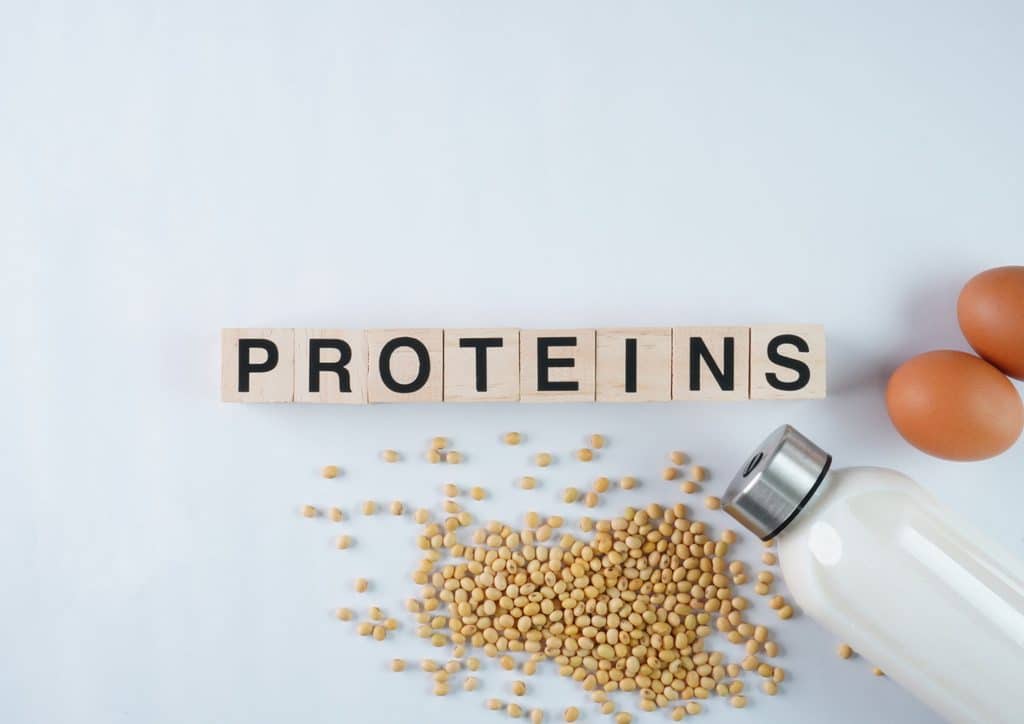
Protein helps more than most tricks
Protein is one of the most practical nutrition tools available during weight loss.
It helps support muscle maintenance, contributes to satiety and generally makes it easier to feel satisfied after meals. Compared with many popular metabolism hacks, increasing protein intake appropriately is far more grounded in reality.
This does not mean you need extreme amounts. It means ensuring protein rich foods are included consistently throughout the day with a high quality breakfast.
Combining high quality protein with a low glycaemic carbohydrate foods is one of the combinations for improving your metabolism.
- High protein overnight oats.
- High protein banana smoothie.
- Chia seed high protein pudding.
- Protein pancakes.
- Wholemeal pasta with chicken breast.
- Tofu and sweet potato.
- Lentils and brown rice.
- Nuts and grapes.
When people improve protein intake while maintaining resistance training, they are often supporting the very things that help protect metabolic health during a weight loss phase.
| Factor | Rationale |
|---|---|
| Higher Thermic Effect of Food | Protein requires more energy to digest, absorb and metabolise than carbohydrates and fats, making it the most metabolically demanding macronutrient. |
| Muscle Preservation | Adequate protein intake helps maintain lean muscle mass during weight loss, supporting long-term metabolic health. |
| Improved Satiety | Protein-rich meals can increase feelings of fullness, making it easier to control calorie intake without excessive hunger. |
| Supports Recovery | Protein provides the amino acids needed for muscle repair and adaptation following resistance training and physical activity. |
| Reduces Muscle Loss During Dieting | Higher protein intakes may help minimise the loss of metabolically active lean tissue when calories are restricted. |
| Supports Long-Term Adherence | By improving fullness and meal satisfaction, protein can make sustainable weight management easier to maintain. |
| Works Synergistically with Resistance Training | Protein and strength training work together to support muscle retention and development, one of the most important drivers of metabolic health. |
Sleep Is The Forgotten Factor
Sleep rarely receives the attention given to supplements and quick fixes.
Poor sleep can affect appetite, food choices, training quality and recovery. It can also make healthy decisions feel much harder than they should.

Most people have experienced this directly. After a poor night’s sleep, highly processed foods become more tempting and motivation often drops.
Improving sleep does not create a dramatic overnight increase in metabolism. What it does do is support the systems that influence weight management and daily energy levels.

| Factor | Benefit |
|---|---|
| Appetite Regulation | Consistent sleep helps regulate hormones involved in hunger and fullness, making it easier to manage appetite and food intake. |
| Reduced Cravings | Poor sleep is associated with increased cravings for highly palatable foods, particularly those high in sugar and fat. |
| Supports Energy Levels | Adequate sleep improves daytime energy and motivation, helping people stay physically active and consistent with healthy habits. |
| Exercise Performance | Quality sleep supports training performance, recovery and the ability to maintain regular resistance training. |
| Muscle Preservation | Sleep plays an important role in recovery and muscle maintenance, which are key factors for long-term metabolic health. |
| Improved Dietary Adherence | People who sleep well often find it easier to follow nutrition plans consistently and make healthier food choices throughout the day. |
| Long-Term Weight Management | Good sleep supports the behaviours that influence body composition and metabolic health, making sustainable progress easier to maintain. |

Protect your sleep routine
A consistent sleep schedule often delivers more practical weight loss benefits than chasing the latest metabolism trend. While sleep will not dramatically increase your metabolism, poor sleep can increase hunger, worsen food cravings, reduce training performance and make it harder to maintain healthy habits.
In contrast, getting enough quality sleep each night supports recovery, helps preserve muscle during weight loss and makes it easier to stay consistent with nutrition and exercise, which are the factors that have the greatest influence on long term results.

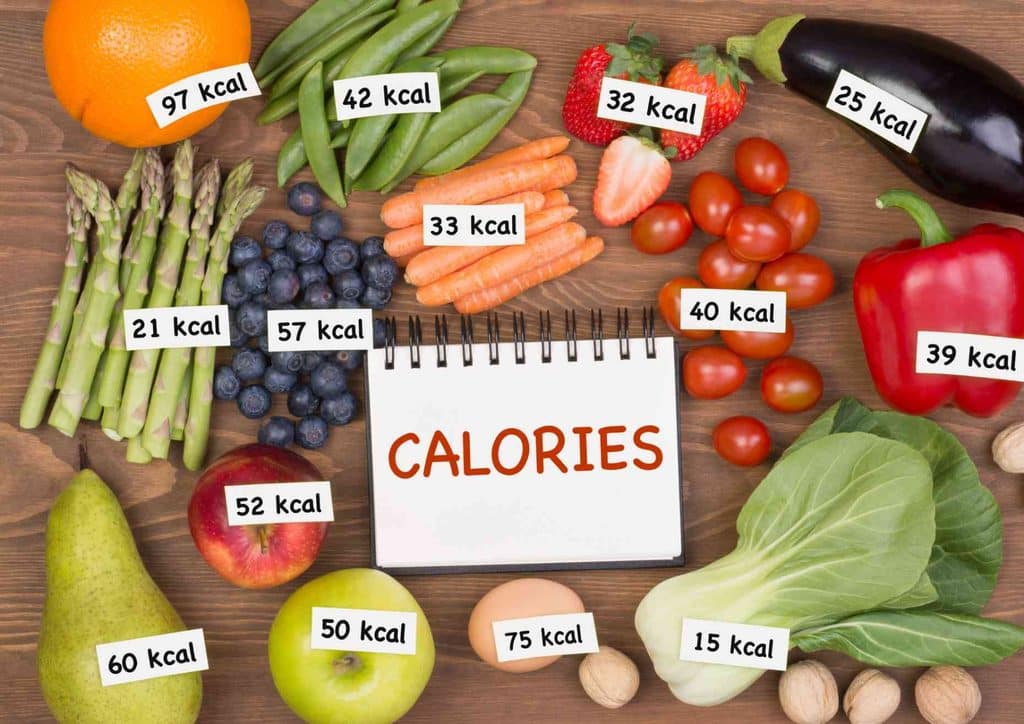
Why crash dieting often makes things worse
Crash dieting often makes things worse because severe energy restriction triggers a powerful survival response in the body, slowing down your resting metabolic rate and breaking down precious lean muscle tissue for fuel. At the same time, this drastic approach spikes stress hormones and surges appetite signals, leading to intense cravings, fatigue, and a high likelihood of rebound overeating.

When aggressive restriction forces your body into a prolonged state of perceived starvation, your hormones shift to drive appetite into overdrive while simultaneously dialing back energy output. Ultimately, the combination of a damaged metabolic baseline and relentless hunger means you often end up regaining more body fat than you originally lost, leaving you in a far more frustrating position than when you started.
| Issue | Explanation |
|---|---|
| Reduced Energy Expenditure | When calorie intake becomes excessively low, the body may respond by conserving energy and reducing overall daily energy expenditure. |
| Increased Muscle Loss | Highly restrictive diets can accelerate the loss of lean muscle mass, removing tissue that contributes to metabolic health. |
| Greater Hunger and Cravings | Severe calorie restriction often increases hunger and food preoccupation, making long-term adherence more difficult. |
| Lower Training Performance | Insufficient energy intake can reduce workout quality, recovery and the ability to maintain strength and muscle mass. |
| Reduced Daily Movement | People often move less without realising it when energy intake drops significantly, reducing total calories burned throughout the day. |
| Poor Long-Term Sustainability | Crash diets are typically difficult to maintain and frequently lead to cycles of restriction, overeating and weight regain. |
| Focus on Rapid Results | Prioritising fast scale changes often comes at the expense of preserving muscle, supporting recovery and building sustainable habits. |

Looking at the bigger picture
In the second half of any weight loss journey, the question of how to speed up metabolism often becomes less important than improving consistency.
The habits with the strongest real world impact are surprisingly ordinary. Strength training. Adequate protein. Reasonable calorie control. Sufficient sleep. Patience.
That may not be as exciting as the latest supplement advertisement, but it aligns far more closely with what actually works.

| Habit | Rationale |
|---|---|
| Regular Resistance Training | Strength training helps build and preserve muscle mass, one of the most important factors supporting long-term metabolic health. |
| Adequate Protein Intake | Protein supports muscle maintenance, improves satiety and requires more energy to digest than carbohydrates and fats. |
| Consistent Sleep Schedule | Quality sleep supports appetite regulation, recovery, exercise performance and the daily habits that influence body composition. |
| Avoiding Crash Diets | Moderate and sustainable calorie deficits help protect muscle mass and reduce the risk of metabolic adaptations associated with severe restriction. |
| Daily Physical Activity | Walking, general movement and active lifestyles contribute substantially to overall daily energy expenditure. |
| Consistent Nutrition Habits | Long-term adherence to balanced eating patterns is more important for metabolic health than short-term dieting approaches. |
| Managing Stress | Chronic stress can affect appetite, food choices, recovery and the ability to maintain healthy lifestyle behaviours. |

When it may help to get a personalised plan
If you find yourself repeatedly cutting calories, losing motivation and regaining weight, it may be worth stepping back and looking at the overall strategy.
Sometimes the issue is not a lack of effort. Sometimes the approach itself is creating unnecessary resistance. Working with a weight loss nutritionist to design a personalised nutrition plan at an appropriate cost can help identify eating patterns that support weight loss while protecting muscle and overall nutritional adequacy.
The goal is not to eat as little as possible. The goal is to create a way of eating that supports progress without constantly fighting against your own physiology.

| Myth | Fact |
|---|---|
| Everyone should follow the same weight loss diet. | A personalised plan takes into account your lifestyle, food preferences, work schedule, activity levels and weight loss goals, making long-term adherence more achievable. |
| A personalised plan is only about calories. | A nutritionist can tailor protein intake, meal timing, food choices and behavioural strategies to help support satiety, muscle retention and consistency. |
| Weight loss plans should be as restrictive as possible. | Sustainable plans are designed to minimise hunger, preserve muscle mass and fit into everyday life rather than relying on extreme restriction. |
| Online templates work for everyone. | Personalised nutrition plans can account for medical history, dietary requirements, training demands and previous dieting experiences. |
| If a plan is not working, you just need more willpower. | A nutritionist can identify barriers such as inadequate protein intake, poor meal structure, unrealistic calorie targets or lifestyle factors affecting progress. |
| Weight loss is only about the number on the scale. | A quality personalised plan focuses on preserving muscle mass, improving eating habits, supporting metabolic health and achieving sustainable body composition changes. |
| Once you receive a plan, nothing needs to change. | The most effective plans evolve over time, adapting to progress, plateaus, lifestyle changes and individual responses. |

Final thoughts
Ultimately, achieving and maintaining a healthy body composition is not about chasing quick fixes, restrictive crash diets, or unproven metabolic shortcuts. As explored throughout this article, your metabolism is a sophisticated, adaptive system that thrives on consistency, proper nourishment, and sustainable lifestyle practices rather than aggressive deprivation.
By prioritising foundational habits such as structured resistance training, adequate protein intake, daily non-exercise movement, quality sleep, and effective stress management, you protect your lean muscle mass and support your resting metabolic rate over the long term.
Shifting away from the cycle of rapid weight loss and metabolic burnout allows you to build a resilient, healthy body, break free from plateaus, and achieve lasting vitality without harming your overall health.

Tap what you think is true. Each one reveals how your body really responds.
1. You can artificially and instantly speed up your metabolism with commercial fat-burning teas or miracle supplements.
2. Severe crash dieting protects your metabolic baseline while helping you reach long-term goals faster.
3. Resistance training and adequate protein intake help preserve metabolically active lean muscle tissue during weight management.
4. What is the most effective way to sustain long-term metabolic health and body composition success?
Focus on sustainable progress, not quick fixes. Prioritising resistance training, structured nutrition, restorative sleep, and stress management allows you to build a robust metabolism without harming your health.

Frequently asked questions
What foods speed up your metabolism?
No single food dramatically increases metabolism. Protein rich foods may require slightly more energy to digest than fat or carbohydrate, but the effect is modest. A nutritious eating pattern that supports muscle maintenance and overall health is much more important than searching for a specific metabolism boosting food.
Does eating more often boost metabolism?
Eating more often does not appear to meaningfully increase metabolism by itself. Whether you eat three meals or several smaller meals, total food intake and dietary quality generally matter more. The most useful meal pattern is usually the one that helps you stay consistent and satisfied.
Why is my metabolism so slow?
Many people assume their metabolism is unusually slow when other factors may be involved. Reduced activity, loss of muscle, poor sleep, repeated dieting and inconsistent eating habits can all influence weight management. Genetics and age also play a role, but they rarely explain the whole picture.
Does your metabolism slow down with age?
Metabolism can change with age, but the change is often less dramatic than people think. Reductions in muscle mass, physical activity and training intensity may contribute to lower energy expenditure over time. Maintaining strength, movement and adequate protein intake can help support metabolic health as you get older.
Keep reading
This article is general information, not personal medical or nutritional advice. Individual needs vary. For guidance tailored to you, book a consultation.
Book a 60 minute consultation, in Bondi Junction or by Telehealth from anywhere in the world.