

The quick answer
Losing weight while breastfeeding can be possible, but your recovery, nutritional needs, energy levels and breast milk supply need to come first. I recommend focusing on regular, nourishing meals, adequate hydration and gentle, sustainable habits rather than crash dieting or aggressively restricting food.
The short version
- Eat regular, balanced meals to support gradual weight loss while breastfeeding without compromising your nutritional intake. Include protein, fibre rich carbohydrates, vegetables and healthy fats to help meet your energy needs, support recovery and maintain a nourishing eating pattern.
- Focus on hydration and nutritious snacks to support your weight loss goals while breastfeeding without resorting to restrictive dieting. Drink water regularly throughout the day and keep convenient snacks, such as Greek yoghurt, fruit, nuts or wholegrain toast, within reach to help manage hunger and maintain your energy.
- Speak with your GP, midwife or lactation consultant before starting a weight loss plan while breastfeeding to ensure it is appropriate for your individual needs. Seek advice before making significant dietary changes, particularly if you are concerned about your milk supply, your nutritional intake or your baby’s feeding.
Crash diet
A crash diet is a restrictive eating approach that involves drastically reducing food intake or cutting out major food groups in an attempt to change body weight quickly. While breastfeeding, this approach is not appropriate because your body needs sufficient energy, protein, vitamins, minerals and fluids to support your own recovery and the demands of feeding your baby.

| Focus Area | Practical Guideline | Timing or Target | Why It Matters for Breastfeeding |
|---|---|---|---|
| Gradual Pace | Aim for a slow, steady reduction in body mass rather than rapid weight loss. | 0.5 kg per week maximum | Protects milk supply and prevents the release of stored toxins into breast milk too quickly. |
| Energy Intake | Support milk production by avoiding overly restrictive diets or severe energy deficits. | Adequate daily fuel | Maintains maternal energy levels and ensures sufficient nutrient density for milk composition. |
| Hydration Routine | Prioritise plain water throughout the day, especially around nursing sessions. | Drink to thirst plus extra | Fluid requirements increase significantly during lactation to support milk volume. |
| Protein Distribution | Include quality protein sources across all meals and snacks to support recovery. | Every main meal | Aids postpartum tissue repair, stabilises blood glucose and promotes lasting satiety. |
| Micronutrient Focus | Emphasise iron, calcium, and essential fatty acids through whole foods. | Daily whole foods | Replenishes maternal nutrient stores that are heavily drawn upon during lactation. |
| Gentle Movement | Focus on light walking and postnatal recovery exercises before high-intensity workouts. | As healing permits | Supports mental wellbeing and gradual physical conditioning without placing stress on joints. |

“Losing weight while breastfeeding is not about following restrictive diets or rushing to change your body, it is about nourishing yourself with balanced meals, supporting your recovery and building gentle, sustainable habits that fit around caring for your baby”.
Jake Biggs, Nutrition Longevity

| Topic Area | Common Myth | Evidence Based Fact | Practical Takeaway |
|---|---|---|---|
| Milk Supply | Breastfeeding automatically burns off all pregnancy weight without any dietary focus. | Lactation increases daily energy expenditure, but weight loss still requires balanced nutrition and appropriate overall energy intake. | Focus on nutrient-dense foods rather than expecting weight to drop off effortlessly. |
| Dietary Restricting | Cutting back calories drastically is the fastest way to lose weight while nursing. | Severe energy restriction can compromise milk production, reduce energy levels, and deplete maternal nutrient stores. | Aim for a slow, gradual approach that supports both recovery and lactation. |
| Carbohydrates | You must cut out carbohydrates completely to lose postpartum weight. | Quality carbohydrates provide essential fuel for milk synthesis and prevent fatigue during demanding feeding routines. | Include wholegrains and fibre-rich carbohydrates at main meals. |
| Food Elimination | You need to cut out entire food groups like dairy or gluten to prevent baby colic and drop weight. | Unnecessary eliminations restrict key nutrients like calcium and protein without proven benefits unless a diagnosed allergy exists. | Keep your diet broad and varied unless advised otherwise by a clinician. |
| Exercise & Supply | Exercising will sour breast milk or cause your milk supply to dry up. | Moderate physical activity is completely safe, does not alter milk composition or taste, and supports postpartum wellbeing. | Incorporate gentle movement as recovery allows while maintaining hydration. |
| Weight Loss Rate | Rapid weight loss immediately after birth is healthy and safe for nursing mothers. | Losing body mass too quickly can release stored fat-soluble toxins into circulation and impair milk supply. | Target a steady pace of around 0.5 kg per week maximum. |

Healthy weight loss while breastfeeding calculator
Discover practical, milk-friendly nutrition strategies tailored to your postpartum recovery, feeding schedule, and weight management goals. Complete your profile below to receive personalised guidance for safe postnatal progress.
Your Postnatal Nutrition Diagnostic Summary
Your profile indicates that requires careful optimisation for safe, sustainable weight management while nursing.
Your tailored breastfeeding weight loss recommendations
Need a structured, professional clinical nutrition program?
I will review your personal preferences and formulate an evidence-based strategy designed to support milk production and sustainable weight management safely.
Book a consultationThis interactive tool provides educational guidance to support safe postnatal nutrition and is not a substitute for professional clinical advice.
“As a weight loss nutritionist, I built this interactive strategy calculator to show you how to structure a balanced diet for weight loss while breastfeeding, eliminating the guesswork and supporting both your health and milk production”.
Jake Biggs, Nutrition Longevity
 16Week ProgramMenopause Weight Loss ProgramDoing everything right and the weight still won’t shift?My 16 week program is built for perimenopause and menopause, with weekly 1 on 1 support, blood test analysis and a nutrition and exercise plan made around your body.See the programFree 30 minute assessment
Is it safe to lose weight while breastfeeding?
Losing weight while breastfeeding can be compatible with good nutrition for some women, provided they are eating enough, recovering well and maintaining an adequate milk supply.
I understand why you might be thinking about your weight after pregnancy. Your body has gone through substantial physical changes, your daily routine may look completely different, and finding time to eat properly can be challenging when so much of your attention is on your baby.
However, breastfeeding is not the time to put your body under unnecessary nutritional pressure. Your needs depend on several factors, including your stage of recovery after birth, whether breastfeeding is fully established, how frequently you feed your baby, your activity levels and your overall health.
| Core Factor | Common Reality | Evidence-Based Approach | Action to Focus On |
|---|---|---|---|
| Nutritional Adequacy | Attempting to lose body mass safely while nursing requires sufficient daily energy and nutrient intake. | Weight management can be appropriate when fuel intake supports both postnatal healing and active lactation. | Avoid restrictive diets that compromise essential nutrient intake. |
| Postnatal Recovery | Your physical body has undergone significant physiological changes and needs time to heal properly. | Prioritising tissue recovery and rebuilding strength forms the foundation for safe postpartum progress. | Allow initial healing before focusing on weight reduction goals. |
| Lactation Demands | Nursing routines, feed frequency and baby’s growth require steady, reliable energy reserves. | Monitoring milk supply and maternal energy ensures lactation remains fully supported throughout weight loss. | Adjust intake if you notice drops in milk volume or increased fatigue. |
| Postpartum Lifestyle Shift | Unpredictable newborn schedules make sitting down for structured, complete meals difficult. | Flexible meal patterns and nutrient-dense options reduce stress during demanding feeding routines. | Focus on accessible, high-protein whole foods across the day. |
| Individual Health Factors | Nutritional requirements vary widely based on feeding frequency, health history and movement levels. | Tailoring intake to your specific stage of recovery protects long-term maternal wellbeing and vitality. | Pace progress according to your personal health and energy needs. |

Why your nutritional needs change after pregnancy
During pregnancy, your body supports your baby’s development while adapting to substantial changes in hormones, metabolism and nutrient requirements. After birth, your body continues to recover while breastfeeding can place additional demands on your daily nutritional intake.
This means your nutritional needs do not simply return to what they were before pregnancy.
You need enough food to support normal bodily functions, tissue repair, everyday movement and milk production. Your requirements can also change depending on whether you are exclusively breastfeeding, combining breastfeeding with formula feeding or gradually reducing breastfeeding.
I encourage women to think about nourishment before weight management. Eating enough, managing hunger and maintaining energy are more useful starting points than immediately trying to change the number on the scales.
If you are still recovering from birth, experiencing significant fatigue or having difficulty establishing breastfeeding, discuss your individual needs with your GP, midwife or child and family health nurse before attempting to lose weight.

| Postnatal Factor | What Often Happens | A More Practical Approach | Action to Try |
|---|---|---|---|
| Shifting Nutrient Demands | Assuming your dietary requirements immediately return to pre-pregnancy levels after birth. | Postpartum recovery and lactation place ongoing demands on your metabolism, requiring continued nutritional support. | Prioritise consistent nourishment over restrictive eating. |
| Lactation Energy Output | Exclusive breastfeeding, combination feeding or weaning changes your daily physiological fuel needs. | Tailoring your intake to match your specific feeding stage ensures your body remains properly fueled. | Adjust your meal size based on feeding frequency and energy levels. |
| Weight-Loss Prematurity | Focusing on changing the number on the scales before your body has fully recovered. | Shifting emphasis toward adequate food intake, appetite management and energy protects long-term health. | Make satiety and vitality your primary postpartum benchmarks. |
| Significant Fatigue | Pushing through exhaustion and demanding daily routines without adequate recovery support. | Addressing deep tiredness through supportive eating habits helps safeguard maternal wellbeing and vitality. | Keep nourishing protein snacks easily accessible. |
| Complex Recovery Needs | Navigating birth healing and milk supply establishment alone without professional guidance. | Consulting a GP, midwife, or child and family health nurse provides tailored support before attempting weight loss. | Discuss your individual health status with a qualified clinician. |
Does losing weight mean eating less?
Not necessarily. Losing weight is not simply a matter of eating as little as possible, particularly during a period when your body has additional nutritional demands.
Your body needs adequate food to support breastfeeding, recovery and daily life. Eating too little can leave you feeling hungry, exhausted and preoccupied with food, making it harder to maintain nourishing habits.
Rather than immediately removing foods or reducing portions substantially, start by looking at the overall quality and regularity of your meals.
For example, if you frequently skip lunch because you are busy caring for your baby, establishing a reliable lunch routine may be more helpful than trying to make breakfast smaller.
Similarly, if you find yourself feeling extremely hungry in the afternoon, a nourishing snack containing protein and carbohydrates may help you feel more satisfied and maintain your energy.

| Focus Area | Common Misconception | Postnatal Reality | Practical Strategy |
|---|---|---|---|
| Severe Restriction | Assuming that losing body mass requires eating as little food as possible. | Nursing and postpartum recovery demand sufficient daily fuel to prevent exhaustion and hunger. | Prioritise adequate nourishment over extreme calorie cutting. |
| Meal Portions | Instantly shrinking portion sizes or eliminating foods from your plate. | Examining the overall quality and consistency of your meals is far more productive. | Focus on meal regularity before altering portion amounts. |
| Skipping Lunches | Missing midday meals due to newborn care demands and busy infant routines. | Establishing a reliable lunchtime habit supports energy better than reducing breakfast size. | Plan a predictable, simple lunch ahead of time. |
| Afternoon Fatigue | Enduring intense afternoon hunger pangs without proper nutritional support. | A balanced snack containing protein and carbohydrates restores satisfaction and vitality. | Keep nourishing snack options ready for afternoon feeds. |
| Mental Deprivation | Feeling constantly preoccupied with food due to overly restrictive habits. | Maintaining nourishing, consistent routines helps protect long-term mental and physical wellbeing. | Build satisfying plates that keep hunger at bay. |

What if I am concerned about my weight after pregnancy?
It is reasonable to want to feel comfortable in your body after pregnancy, and you do not need to ignore your personal goals.
However, there is no requirement to rush into weight management while you are recovering and breastfeeding. Your body has been through a significant physical process, and your priorities may need to change as your circumstances change.
I recommend beginning with practical habits that support your health. If you would like a broader overview of postpartum weight loss, understanding realistic expectations can be helpful.
Focus on eating regular, balanced meals, including a variety of nutritious foods, drinking enough fluids throughout the day and gradually incorporating movement into your routine when you feel ready.
Pregnancy nutrition and postnatal nutrition are closely connected, but your needs change throughout pregnancy, recovery and breastfeeding. The focus should be on meeting your current needs rather than following a rigid set of rules, or comparing your eating patterns to approaches such as keto vs low carb diets.

| Perspective Shift | Initial Reaction | Evidence-Based Reality | Actionable Step |
|---|---|---|---|
| Personal Goals | Feeling anxious about post-pregnancy body changes and wanting quick progress. | Acknowledging your goals is natural, but body composition shifts take time after birth. | Validating your feelings without forcing immediate restriction. |
| Timeline Pressure | Rushing into strict weight management during early recovery and lactation. | Your body has completed a massive physical process and requires healing before deficit phase. | Remove artificial deadlines and focus on current recovery needs. |
| Health Habits | Focusing strictly on scale weight rather than foundational daily routines. | Establishing regular eating patterns, adequate fluids and wholesome foods builds sustainable health. | Prioritise structured meals and consistent daily hydration. |
| Postnatal Movement | Pushing into strenuous exercise sessions before physical readiness. | Incorporating gentle, manageable movement as energy permits supports long-term physical conditioning. | Begin with light walking and core reconditioning when ready. |
| Evolving Guidelines | Trying to apply rigid pre-pregnancy dietary rules to your current postpartum state. | Nutritional demands shift across gestation, healing and lactation, requiring tailored strategies. | Adapt your plate to support present lactation and recovery demands. |

Why slow and gentle matters
A slow and gentle approach matters because breastfeeding increases your nutritional demands, and aggressive dietary restriction can make it harder to meet them.
When you are caring for a baby, it can be tempting to look for a quick solution. You might consider skipping meals, cutting out carbohydrates, following a very low energy diet or trying to compensate for eating more than you intended.
I would avoid these approaches while breastfeeding unless a specific dietary intervention has been recommended and appropriately supervised by your healthcare team.
Your body needs a consistent supply of nutrients, and your eating pattern should be flexible enough to accommodate changes in appetite, sleep, activity and feeding routines.
| Focus Area | Aggressive Strategy Risk | Evidence-Based Postnatal Reality | Sustainable Action Step |
|---|---|---|---|
| Pace of Progress | Seeking rapid body mass reduction through severe energy restriction or skipped main meals. | Lactation elevates daily nutrient requirements, making severe deficits detrimental to health and recovery. | Adopt a steady, long-term pace that protects energy levels. |
| Carbohydrate Intake | Eliminating carbohydrates or attempting extreme low-energy diets during early nursing phases. | Quality starches provide vital glucose required for milk synthesis and steady physical energy. | Include fibre-rich wholegrains with each main meal. |
| Nutritional Safety | Attempting unmonitored crash diets or compensatory fasting after overeating. | Restrictive interventions require professional clinical supervision to prevent nutrient deficiencies. | Avoid extreme dietary rules without healthcare team guidance. |
| Habit Adaptability | Following rigid meal rules that fail when infant sleep or feeding schedules change. | A flexible eating framework adjusts naturally to fluctuating appetite, tiredness, and baby routines. | Keep quick, wholesome assembly options on hand for busy days. |
| Nutrient Consistency | Irregular intake leading to energy crashes and heightened fatigue throughout the day. | Delivering a predictable supply of protein and micronutrients supports maternal healing and lactation. | Prioritise consistent meal timing and adequate daily nourishment. |

Why crash diets are not the answer
Crash diets often involve substantial food restriction, rigid rules or eliminating entire food groups. They can make it difficult to consume enough energy and essential nutrients, especially when breastfeeding already increases your requirements.
For example, cutting out bread, rice, oats, potatoes and other carbohydrate rich foods is unnecessary for most breastfeeding women. These foods provide energy and can contribute valuable fibre, vitamins and minerals to your diet.
Likewise, avoiding dietary fats altogether is not a sensible approach. Unsaturated fats from foods such as avocado, nuts, seeds and olive oil contribute to a balanced diet and help your body absorb fat soluble vitamins.
The same principle applies to protein. Adequate protein supports the maintenance and repair of body tissues, and foods such as eggs, fish, chicken, tofu, yoghurt, beans and lentils can help you meet your needs.
The goal is not to remove as much food as possible. It is to create an eating pattern that provides the nutrients your body needs without adding unnecessary stress to an already demanding stage of life.

| Dietary Restriction | The Crash Diet Approach | Evidence-Based Fact | Nourishing Takeaway |
|---|---|---|---|
| Severe Energy Cutting | Imposing rigid rules and extreme food restrictions to force rapid weight loss. | Lactation increases daily nutritional demands, making severe restriction detrimental to health and milk supply. | Prioritise adequate fuel to support both recovery and nursing. |
| Carbohydrate Elimination | Cutting out bread, rice, oats, potatoes and other starchy whole foods. | Quality carbohydrates provide vital energy, dietary fibre, vitamins, and minerals without hindering progress. | Include wholegrains and starchy vegetables at main meals. |
| Avoiding Healthy Fats | Cutting out dietary fats completely in an attempt to reduce overall energy intake. | Unsaturated fats from avocado, nuts, seeds, and olive oil support nutrient absorption and balance. | Include healthy plant fats to support overall wellbeing. |
| Protein Neglect | Failing to consume enough quality protein to support tissue maintenance and repair. | Eggs, fish, poultry, tofu, yoghurt, and legumes help meet elevated postnatal structural demands. | Incorporate a palm-sized protein source across daily meals. |
| Overall Objective | Attempting to remove as much food as possible from your daily routine. | The aim is creating a sustainable eating pattern that supports vitality without added life stress. | Focus on balanced nourishment rather than depletion. |
Energy availability
Energy availability refers to the energy remaining for your body’s normal functions after accounting for the demands of physical activity. During breastfeeding, your overall food intake needs to account for your own health, recovery, daily activity and milk production.

| Physiological Factor | What Happens When Energy is Low | Evidence-Based Reality | Actionable Step |
|---|---|---|---|
| Cellular Energy Balance | Leaving insufficient dietary fuel for basic metabolic and physiological operations after activity demands. | Adequate energy availability ensures your body has leftover fuel for essential biological processes. | Maintain consistent food intake across busy daily schedules. |
| Postpartum Recovery | Straining healing tissues and depleting internal nutrient reserves through inadequate dietary intake. | Postnatal tissue repair requires reliable daily energy to support proper healing after birth. | Prioritise nutrient-dense meals to safeguard physical recovery. |
| Lactation Output | Compromising milk synthesis volume and composition by failing to cover milk production costs. | Producing breast milk places substantial metabolic demands that require extra dietary support. | Account for nursing requirements when planning your daily meals. |
| Activity and Movement | Experiencing heavy fatigue and low vitality during daily childcare tasks and light exercise. | Balancing fuel intake against daily movement prevents burnout and supports steady stamina. | Match your food portions to your actual daily energy expenditure. |
| Overall Health Maintenance | Putting maternal wellbeing at risk by focusing solely on weight loss instead of holistic health. | Protecting your long-term health depends on meeting both baseline survival and lactation needs. | Make comprehensive vitality your primary postpartum benchmark. |

Why your milk supply needs consideration
Your milk supply is influenced by several factors, including how effectively and frequently your baby feeds, your individual physiology and your overall health.
Restrictive eating is not a reliable way to manage weight during breastfeeding, and significant dietary changes may make it harder to maintain adequate nourishment. However, milk supply concerns should not automatically be attributed to diet alone.
If you notice changes in your baby’s feeding behaviour, have concerns about milk production or are unsure whether your baby is receiving enough milk, seek individual advice from a lactation consultant, midwife, GP or child and family health nurse.
They can help assess feeding, milk transfer, your baby’s growth and other factors that may need attention.
I would not recommend using weight change as the main measure of whether breastfeeding is going well. Your recovery, your wellbeing, your baby’s feeding and your healthcare team’s assessment are more meaningful considerations.

| Lactation Factor | Common Assumption | Evidence-Based Clinical Reality | Actionable Guidance |
|---|---|---|---|
| Dietary Restriction | Using restrictive eating or calorie cutting as a primary tool for postpartum weight management. | Restrictive diets can undermine adequate nourishment and complicate safe milk volume maintenance. | Avoid aggressive dietary limits while nursing your baby. |
| Supply Attributions | Automatically blaming every fluctuation in milk production entirely on your daily food intake. | Milk volume is governed by infant feeding frequency, effective latch, individual physiology, and health status. | Look beyond diet when evaluating feeding changes. |
| Professional Support | Attempting to troubleshoot feeding difficulties, growth worries, or transfer concerns on your own. | Lactation consultants, midwives, GPs, and child health nurses offer expert assessment of milk transfer. | Consult qualified healthcare professionals if supply worries arise. |
| Primary Benchmarks | Relying on the bathroom scale as the main indicator of successful breastfeeding and recovery. | Maternal wellbeing, recovery progress, and infant growth patterns are far more meaningful measures. | Prioritise holistic health over scale weight changes. |
| Feeding Behaviour | Misinterpreting normal developmental changes in infant nursing patterns as a nutritional failure. | Baby feeding behaviour evolves constantly, requiring tailored professional assessment rather than guesswork. | Seek expert guidance to review your baby’s growth and feeds. |

What does a realistic approach look like?
A realistic approach to losing weight while breastfeeding begins with nourishing your body consistently and allowing your healthcare team to help you determine whether weight management is appropriate for your circumstances.
This may involve eating breakfast more consistently, preparing simple lunches, keeping convenient snacks available and avoiding long periods without food when you are hungry. For some women, creating healthy meal plans for weight loss can make these habits easier to maintain.
It can also mean accepting that some days will be less organised than others. Caring for a newborn can disrupt sleep, meal preparation and exercise, so a flexible routine is more practical than a strict plan that depends on everything going perfectly.
Sustainable weight loss is about establishing habits that can fit into your life over time, rather than relying on temporary restriction. Understanding what sustainable weight loss actually means can help you set realistic expectations during breastfeeding.
You do not need to make every meal perfect. Consistency, flexibility and adequate nourishment are much more useful foundations.

| Focus Area | Unrealistic Expectation | Realistic Postnatal Approach | Practical Habit to Start |
|---|---|---|---|
| Foundational Routine | Expecting perfect meal timing every day despite newborn sleep disruption. | Nourishing your body consistently with clinical guidance ensures safe progress while nursing. | Establish consistent breakfasts and quick assembly lunches. |
| Hunger & Energy | Going long periods without eating to lower daily intake, resulting in intense exhaustion. | Keeping wholesome options accessible prevents extreme hunger and protects daily maternal energy. | Keep easy-to-grab protein and carb snacks readily available. |
| Plan Flexibility | Following rigid meal plans that fall apart when infant routines change unexpectedly. | Accepting unpredictable days allows you to maintain a flexible eating pattern without frustration. | Focus on adaptable food choices rather than strict schedules. |
| Long-Term Strategy | Relying on severe temporary dietary restrictions to achieve rapid physical changes. | Building sustainable habits fits naturally into ongoing family life while supporting recovery. | Adopt supportive lifestyle habits that protect nutritional intake. |
| Overall Mindset | Striving for perfect meal composition at every single feeding cycle. | Consistency, flexibility, and adequate nourishment provide far better long-term foundations. | Aim for overall weekly balance rather than daily perfection. |

How to eat for energy while breastfeeding
Eating regular, balanced meals and nourishing snacks can help you meet your nutritional needs while supporting your energy throughout the day.
When you are breastfeeding, you may find that your appetite changes or that you become hungry at unexpected times. Feeding sessions, interrupted sleep and caring for your baby can also make it difficult to sit down for a traditional meal.
Rather than relying on willpower or trying to ignore hunger, I recommend making nourishing food as accessible as possible.
A practical starting point is to build your meals around a combination of protein, fibre rich carbohydrates, vegetables or fruit and healthy fats. You can adjust the combinations according to your appetite, preferences, cultural food traditions and individual nutritional requirements.

| Energy Barrier | What Often Happens | Evidence-Based Strategy | Actionable Step |
|---|---|---|---|
| Unpredictable Appetite Shifts | Experiencing sudden, intense hunger pangs at unexpected times across the day and night. | Eating regular, balanced meals and snacks supports elevated metabolic needs during lactation. | Respond promptly to hunger cues instead of trying to push through them. |
| Disrupted Meal Routine | Finding it difficult to sit down for traditional meals due to constant newborn care and broken sleep. | Making nourishing, ready-to-eat foods as accessible as possible removes friction when time is limited. | Keep prepped, portable options ready in the fridge and pantry. |
| Fighting Postnatal Hunger | Trying to ignore appetite or rely on willpower to cut back food intake while nursing. | Providing your body with consistent fuel stabilises blood glucose and prevents severe energy crashes. | Prioritise regular nourishment over restrictive eating patterns. |
| Unbalanced Snack Choices | Reaching for fast, low-nutrient snacks that lead to rapid energy spikes followed by fatigue. | Combining protein, fibre-rich carbohydrates, healthy fats, and produce provides sustained vitality. | Build snacks around quality protein paired with complex carbs. |
| Rigid Meal Expectations | Struggling to follow strict meal formats that do not suit your schedule or cultural preferences. | Tailoring core macronutrient combinations to your personal taste and routine ensures long-term feasibility. | Adapt simple meal templates to fit your daily feeding rhythm. |

What should a balanced breakfast look like?
A balanced breakfast can provide a useful source of energy and nutrients at the beginning of your day, particularly if your morning involves frequent feeds and limited opportunities to prepare food later.
You do not need an elaborate breakfast. Simple options can work well when they contain a combination of nourishing ingredients.
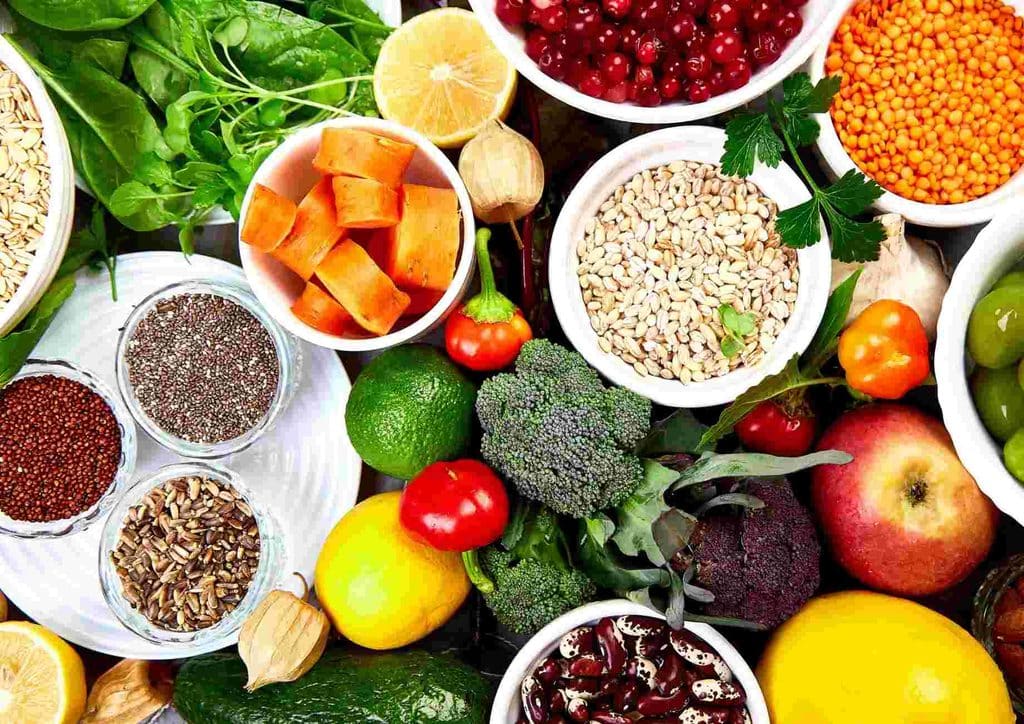
For example, you could have high protein Greek yoghurt with oats, grapes, and chia seeds. If you need quick breakfast ideas, a high protein banana smoothie or protein pancakes can also be practical options. This provides protein, carbohydrates, fibre and fats in a convenient meal.
Another option is eggs with wholegrain toast and tomato or spinach. If you prefer something that requires very little preparation, wholegrain cereal with milk and fruit can also contribute to a balanced breakfast.
The most suitable option depends on your appetite and individual requirements. If you wake up hungry, there is no need to delay eating because you are trying to manage your weight.
| Morning Challenge | What Often Happens | Evidence-Based Strategy | Actionable Breakfast Idea |
|---|---|---|---|
| Morning Time Poverty | Skipping breakfast or delaying eating because morning infant feeds consume all your time. | Starting your day with steady energy is vital when lactation increases early nutritional demands. | Eat promptly when hungry rather than waiting for rigid meal times. |
| Elaborate Prep Expectations | Struggling to cook complex morning meals while managing a demanding baby routine. | Simple, no-fuss meal combinations provide complete nourishment without requiring kitchen time. | Combine Greek yoghurt, oats, berries, and chia seeds quickly. |
| Nutrient Deficits | Eating highly processed breakfast foods that cause rapid energy crashes shortly after. | Balancing protein, fibre, and healthy fats supports sustained morning stamina and fullness. | Pair eggs with wholegrain toast and fresh spinach or tomato. |
| Minimal Preparation Needs | Having zero energy for cooking after a broken night of frequent feeding shifts. | Assembly-only options maintain nutritional intake effortlessly when fatigue is high. | Keep wholegrain cereal, milk, and fresh fruit ready to serve. |
| Appetite Suppression Myths | Delaying breakfast due to outdated weight management rules that discourage morning eating. | Honouring morning hunger supports maternal recovery and stabilises metabolic health. | Tailor your breakfast choice to match your morning appetite. |

Make breakfast easy to reach
Keep convenient options such as yoghurt, fruit, wholegrain bread and oats available so you can prepare something nourishing without spending much time in the kitchen.

Which foods should you include at lunch and dinner?
Lunch and dinner should provide enough food to support your needs, with a variety of ingredients that contribute protein, carbohydrates, fibre, vitamins, minerals and fats.
A useful way to organise your meals is to include a protein source, a carbohydrate source, vegetables and some healthy fat.
For lunch, you might choose a chicken and salad sandwich on wholegrain bread, a tofu and vegetable rice bowl, or a lentil soup served with wholegrain toast, along with other healthy lunches for weight loss that fit your appetite and daily routine.
For dinner, options could include baked salmon with sweet potato and vegetables, chicken with brown rice and stir fried vegetables, or a chickpea curry served with pasta, alongside other healthy dinners for weight loss that are simple to prepare.
These are examples rather than strict rules. You can use different foods depending on what is affordable, available and enjoyable for you.
If you are still hungry after eating, it is reasonable to have more food. Breastfeeding can increase hunger, and your appetite may vary from one day to the next.

| Meal Challenge | What Often Happens | Evidence-Based Strategy | Actionable Meal Idea |
|---|---|---|---|
| Midday Time Crunch | Rushing or skipping lunch entirely due to demanding infant care schedules. | Main meals should provide diverse nutrients to support elevated lactation demands and recovery. | Prepare quick chicken and salad wholegrain sandwiches. |
| Rigid Meal Rules | Feeling constrained by strict dietary templates that do not match your household pantry. | Flexible ingredient combinations allow you to adapt meals to what is available and affordable. | Combine tofu, vegetables, and rice into simple bowls. |
| Inadequate Satiety | Remaining hungry after a meal but restricting further intake due to weight goals. | Honouring fluctuating lactation hunger with extra wholesome food supports long-term wellbeing. | Serve lentil soup alongside wholegrain toast for extra fullness. |
| Evening Preparation Fatigue | Lacking the energy to cook balanced dinners after managing a broken night of sleep. | Simple oven bakes or stir-fries deliver protein, fibre, and healthy fats without complex effort. | Bake salmon with potatoes and colourful vegetables. |
| Appetite Variations | Misinterpreting day-to-day changes in hunger as a sign that your eating pattern is failing. | Appetite naturally shifts while nursing, making responsive eating more effective than rigid portions. | Serve chickpea curry with rice for a satisfying dinner. |

Why is protein important while breastfeeding?
Protein contributes to the maintenance and repair of body tissues and forms an important part of a balanced eating pattern.
Including protein throughout the day can also make meals more satisfying, particularly when combined with fibre rich carbohydrates and other nourishing foods.
Useful high protein foods include eggs, fish, chicken, lean meat, Greek yoghurt, milk, cheese, tofu, tempeh, beans and lentils.
You do not need to eat only protein rich foods or replace other food groups with protein. Some women also ask whether whey protein is good for weight loss, although whole foods should remain the foundation of your diet whenever possible.
Your body also needs carbohydrates, fats, vitamins, minerals and fibre.
For example, a meal containing eggs, wholegrain toast and vegetables offers a broader range of nutrients than a meal built around eggs alone.
The aim is variety and adequacy, not following a high protein diet at the expense of other nutritional needs.

| Protein Focus | Common Misconception | Evidence-Based Reality | Practical Action |
|---|---|---|---|
| Tissue Repair & Recovery | Assuming protein is only needed for fitness goals rather than postpartum tissue healing. | Adequate protein supports structural maintenance and repair across healing postnatal tissues. | Include a quality protein source across your daily meals. |
| Meal Satisfaction | Relying on low-protein snacks that leave you feeling hungry shortly after eating. | Pairing protein with fibre-rich carbohydrates significantly enhances meal satiety and fullness. | Combine Greek yoghurt, eggs, or legumes with wholefoods. |
| Protein Extremes | Swapping out all other food groups to follow an extreme high-protein diet. | Balanced nourishment requires carbohydrates, healthy fats, vitamins, and minerals alongside protein. | Prioritise dietary variety over single-nutrient focus. |
| Food Source Variety | Believing protein must come exclusively from specialized supplements or meat. | Eggs, fish, poultry, tofu, tempeh, dairy, beans, and lentils offer versatile daily options. | Rotate plant and animal proteins to suit your preferences. |
| Holistic Plate Balance | Building meals around a single protein food without supporting nutrients. | A meal featuring eggs, wholegrain toast, and vegetables delivers a much broader nutrient spectrum. | Build colourful, multifaceted plates at every sitting. |

Should you avoid carbohydrates while breastfeeding?
No, there is generally no reason to eliminate carbohydrate rich foods simply because you want to manage your weight.
Carbohydrates provide energy and can supply important nutrients, particularly when you choose wholegrains, fruit, legumes and other fibre rich options.
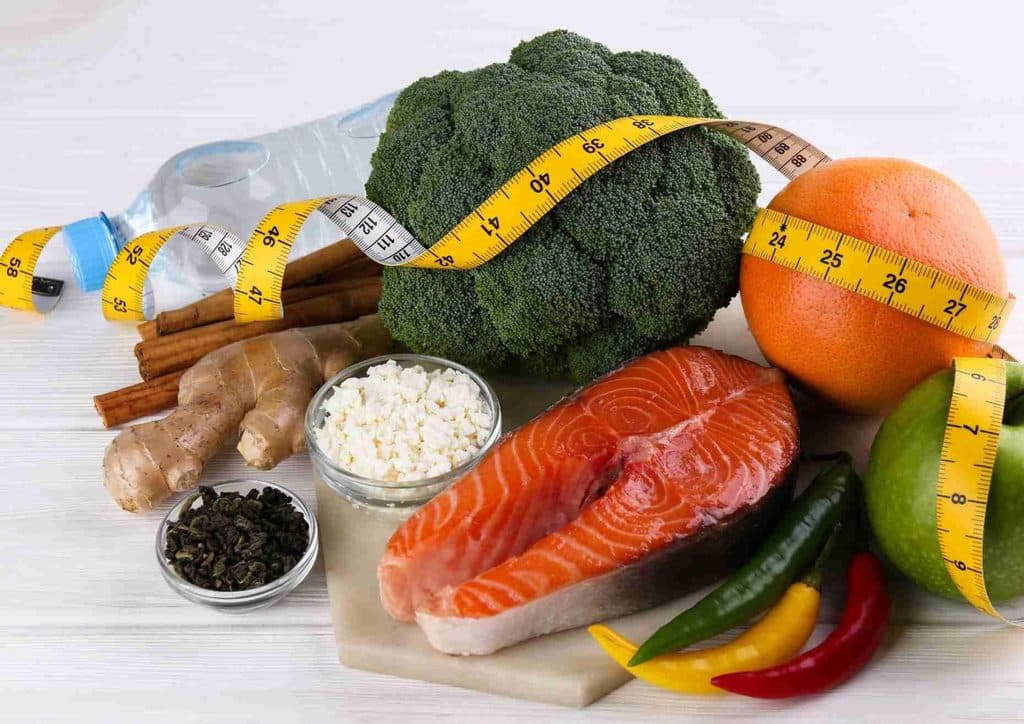
Foods such as oats, wholegrain bread, brown rice, potatoes, sweet potatoes, beans and fruit can all fit into a balanced diet while breastfeeding.
Fibre rich foods can also support digestive health and contribute to feelings of fullness. This can be particularly useful when you are trying to establish regular meals around your baby’s feeding schedule.
If you have a medical condition that affects your carbohydrate requirements, seek advice from your GP or an appropriately qualified healthcare professional about your individual needs.
| Carbohydrate Focus | Common Misconception | Evidence-Based Reality | Practical Action |
|---|---|---|---|
| Weight Management | Eliminating carbohydrate-rich foods completely to manage weight while breastfeeding. | There is generally no reason to avoid carbohydrates, as they provide essential energy during lactation. | Keep complex carbohydrates in your diet rather than cutting them out. |
| Energy & Essential Nutrients | Believing carbohydrates offer empty calories with minimal nutritional benefit. | Carbohydrates supply vital energy and key nutrients needed while breastfeeding. | Choose nutrient-dense options like wholegrains, fruits, and legumes. |
| Digestive Health & Satiety | Fearing carbohydrate-dense foods will cause weight gain or hinder health goals. | Fibre-rich carbohydrates support healthy digestion and increase feelings of fullness. | Incorporate oats, brown rice, potatoes, sweet potatoes, and beans into meals. |
| Meal Routines | Skipping carbohydrates during busy infant feeding routines. | Fibre-rich foods help establish stable, satisfying meal times around baby care schedules. | Pair high-fibre carbohydrates with meals to maintain energy throughout the day. |
| Individual Health Needs | Applying one-size-fits-all carbohydrate restriction rules to everyone. | Carbohydrate requirements can vary based on individual medical conditions. | Consult your GP or a qualified healthcare professional for personalized guidance. |

Which fats should you include?
Dietary fats are an important part of a balanced eating pattern, and breastfeeding is not a reason to remove them from your diet.
Unsaturated fats are found in foods such as avocado, olive oil, nuts, seeds and oily fish. These foods contribute energy and nutrients that support overall health.
You can include them in practical ways, such as adding olive oil to vegetables, spreading avocado on wholegrain toast or having nuts alongside fruit.
There is no need to make every meal low in fat. Instead, aim for a varied eating pattern that provides adequate energy and includes different sources of fat.
If you are unsure whether your diet is meeting your nutritional needs, a qualified nutrition professional can help you assess your overall intake rather than focusing on a single nutrient.

| Nutritional Core | Prevailing Myth | Science-Backed Truth | Everyday Strategy |
|---|---|---|---|
| Role of Dietary Fat | Assuming fats should be completely excluded while nursing. | Fats serve as an indispensable pillar of complete postnatal nourishment. | Maintain dietary fats as a standard fixture in your post-pregnancy diet. |
| Unsaturated Sources | Fearing that all lipid sources lead to unhelpful outcomes. | Unsaturated lipids deliver necessary stamina and vital elements for maternal health. | Incorporate rich sources like avocados, seeds, walnuts, olive oil, and salmon. |
| Practical Integration | Believing it requires complex recipes to add beneficial fats. | Healthy fats pair effortlessly with everyday foods, fruits, and whole grains. | Add olive oil to greens, top wholewheat toast with mash, or snack on nuts with berries. |
| Balanced Approach | Rigidly ensuring every plate remains strictly ultra-low fat. | Diverse food patterns with sufficient calories outperform restrictive low-fat regimes. | Prioritise meal diversity over strict fat-minimisation rules. |
| Professional Support | Fixating on single nutrient counts without looking at total intake. | Credentialed dietitians offer clear guidance on holistic dietary patterns. | Seek tailored advice from a qualified expert to review your overall nutrition. |

How much water should you drink while breastfeeding?
Drink water regularly throughout the day and pay attention to thirst, particularly during and after feeding sessions.
Breastfeeding can make it useful to keep a water bottle close to your usual feeding area so that drinking is convenient. You may also find it helpful to have water with meals and snacks.
Your fluid requirements can vary depending on the weather, physical activity, your overall health and how frequently you breastfeed.
You do not need to force yourself to drink excessive amounts of water to support milk production. The aim is to maintain adequate hydration rather than trying to increase your fluid intake beyond your needs.
Water is a practical everyday choice, although other drinks and foods also contribute to total fluid intake. While some people ask whether lemon water helps with weight loss or whether coconut water is good for weight loss, staying adequately hydrated is generally more important than any single beverage.
If you experience persistent dizziness, very dark urine, unusually infrequent urination or other concerns about dehydration, seek appropriate medical advice.

| Aspect | Widespread Myth | Scientific Truth | Daily Habit |
|---|---|---|---|
| Thirst Signals | Ignoring body signals or waiting for extreme dry mouth before drinking. | Nursing naturally triggers thirst; responding promptly maintains optimal cellular hydration. | Keep liquid within reach during every nursing session. |
| Routine Integration | Relying on memory to drink water amidst a demanding baby schedule. | Pairing fluid intake with established routines guarantees consistent daily hydration. | Place water stations at your primary nursing chair and dining table. |
| Personal Needs | Following a rigid daily target regardless of climate or activity. | Fluid demands shift dynamically with weather changes, bodily exertion, and nursing volume. | Increase intake on warmer days or after physical exertion. |
| Milk Production Myth | Forcing litres of water beyond comfort to dramatically boost milk supply. | Over-drinking does not increase lactation output and can cause unnecessary discomfort. | Drink to satisfy natural thirst rather than forcing fluid excess. |
| Diverse Sources | Assuming plain tap water is the sole acceptable form of hydration. | Water-rich foods, soups, herbal infusions, and other beverages contribute to daily intake. | Combine water with hydrating fruits, vegetables, and warm broths. |
| Warning Signs | Dismissing fatigue, dark urine, or low urination frequency as normal post-birth symptoms. | Concentrated urine and lightheadedness are primary indicators of systemic fluid deficits. | Consult a physician if signs of dehydration persist. |

What nutrients deserve particular attention?
A varied eating pattern can help provide many of the nutrients you need, but certain nutrients deserve particular attention during pregnancy, recovery and breastfeeding.
Iodine supports normal thyroid function and is important for your baby’s development. Breastfeeding women may have specific iodine requirements, so ask your GP, midwife or pharmacist whether supplementation is appropriate for you, particularly if you have a thyroid condition or other relevant medical considerations.
Iron is also important, particularly if you experienced significant blood loss during birth or had low iron levels during pregnancy. Iron rich foods include lean meat, legumes, tofu and iron fortified cereals. Your individual requirements may depend on your blood results and medical history.
Calcium supports bone health and is available from foods such as milk, yoghurt, cheese and calcium fortified alternatives. If you avoid dairy products, choosing suitable alternatives can help you meet your needs.
Vitamin B12 is important for normal nerve function and blood cell formation. Women following vegan diets need to pay particular attention to obtaining adequate vitamin B12 through appropriate fortified foods or supplementation.
Vitamin D is another nutrient worth discussing with your healthcare professional, especially if you have risk factors for low vitamin D levels.
Not everyone needs the same supplements. Your dietary pattern, medical history, blood results and individual circumstances should guide decisions about supplementation.

| Key Nutrient | Biological Importance | Dietary Sources & Focus | Tailored Guidance |
|---|---|---|---|
| Iodine | Maintains normal thyroid function and supports infant neurodevelopment. | Iodised salt, seafood, dairy, and fortified foods. | Discuss supplementation with a GP or midwife, especially if managing thyroid conditions. |
| Iron | Aids blood cell replenishment, vital after birth blood loss or pregnancy deficiency. | Lean red meat, legumes, tofu, spinach, and fortified breakfast cereals. | Base intake and supplementation on blood test results and medical history. |
| Calcium | Preserves maternal bone density and supports ongoing skeletal health. | Milk, yoghurt, cheeses, and calcium-fortified plant milks or juices. | Opt for fortified dairy alternatives if avoiding dairy to ensure daily targets are met. |
| Vitamin B12 | Crucial for healthy nerve function and red blood cell formation. | Animal products, nutritional yeast, and fortified plant foods. | Individuals following plant-based or vegan diets require dedicated supplement planning. |
| Vitamin D | Assists calcium absorption and supports immune system resilience. | Safe sun exposure, oily fish, egg yolks, and fortified products. | Review personal risk factors with a doctor to determine if testing or drops are required. |
| Personalised Care | Nutritional demands differ; single blanket solutions rarely fit all mothers. | A varied wholefood diet tailored to individual lifestyle patterns. | Let health history, blood markers, and professional advice shape supplement choices. |

What can you eat when you have only one hand free?
When your baby needs to be held frequently, food that requires little preparation can make a substantial practical difference.
Consider preparing food that is easy to eat with one hand and does not require you to stand at the kitchen bench for every meal.
Examples include a wholegrain sandwich, a banana, a tub of Greek yoghurt, overnight oats, a small container of nuts and fruit, or a prepared wrap containing chicken, tofu or beans. These are the same types of simple options I often recommend when discussing easy meals for weight loss.
You can also prepare several portions of food when you have support available, then refrigerate or freeze them for later.
Food safety still matters, particularly when you are interrupted frequently. Refrigerate perishable foods promptly, and do not leave meals containing meat, dairy or eggs sitting at room temperature for extended periods.
The aim is to make nourishing food convenient, not to create another demanding task on your daily list.

| Need | Easy way to meet it | Why it matters |
|---|---|---|
| Protein | Include eggs, yoghurt, fish, chicken, tofu, beans or lentils in meals and snacks | Supports the maintenance and repair of body tissues and contributes to a balanced diet |
| Carbohydrates | Choose oats, wholegrain bread, rice, potatoes, fruit and legumes | Provides energy and can contribute fibre, vitamins and minerals |
| Fibre | Include vegetables, fruit, wholegrains, nuts, seeds and legumes | Supports digestive health and contributes to meal satisfaction |
| Healthy fats | Include avocado, olive oil, nuts, seeds and oily fish | Provides energy and essential fatty acids as part of a varied diet |
| Calcium | Include dairy foods or suitable calcium fortified alternatives | Supports bone health |
| Iron | Include iron rich foods such as lean meat, legumes, tofu and fortified cereals | Supports normal blood function and helps meet individual iron requirements |
| Iodine | Include suitable dietary sources and ask your healthcare professional about your individual needs | Supports normal thyroid function and your baby’s development |
| Fluids | Keep water nearby and drink regularly according to thirst | Helps maintain hydration |

Good to know
Breastfeeding does not cause the same weight changes for every woman. Some women notice weight changes while breastfeeding, while others experience little change or find their weight fluctuates. Your individual response can be influenced by appetite, sleep, recovery, activity, hormones and other factors, so your experience does not need to match anyone else’s.

How can you organise meals when your days are unpredictable?
You do not need to follow a rigid meal schedule to eat well while breastfeeding. However, having a few reliable options available can make it easier to avoid going long periods without food when you are hungry.
Start by identifying the times of day when eating tends to be most difficult. You might find that breakfast is easy but lunch gets pushed aside, or that you become very hungry in the evening after a busy day.
Once you recognise the pattern, make one practical adjustment.
If lunch is frequently delayed, keep a prepared sandwich, leftovers or another convenient meal in the fridge. If afternoons are difficult, have fruit and yoghurt ready to eat. If dinner preparation feels overwhelming, keep simple ingredients available for meals that require minimal preparation.
You can also ask your partner, family or support network to help with grocery shopping or meal preparation when possible.
The purpose is to reduce the effort required to feed yourself adequately, particularly when your time and energy are limited.

| Scheduling Focus | Common Misconception | Practical Reality | Actionable Strategy |
|---|---|---|---|
| Meal Structure | Assuming you must follow strict eating times every day to stay healthy. | Flexibility matters more than rigidity; having ready options prevents long gaps between meals. | Keep reliable, quick-to-eat options on hand instead of enforcing rigid meal times. |
| Pattern Recognition | Trying to fix your entire routine all at once when feeling overwhelmed. | Identifying specific times of day when eating gets skipped allows for targeted solutions. | Notice your hardest mealtime (e.g., delayed lunches or busy afternoons) and focus there first. |
| Targeted Solutions | Relying on energy-intensive cooking during peak exhaustion periods. | Pre-portioned foods and low-effort ingredients make nourishing yourself effortless. | Pre-make sandwiches, stock yoghurt and fruit, or keep low-prep dinner items ready. |
| Support Systems | Feeling obligated to handle all food prep, shopping, and cooking on your own. | Accepting help reduces mental load and ensures your nutritional needs are met consistently. | Delegate grocery runs or meal assembly tasks to partners, family, or friends. |
| Core Objective | Focusing on complex recipes rather than simply securing energy and nourishment. | The goal of meal organisation is minimising effort when time and energy are short. | Prioritise convenience and adequate intake over perfect meal presentation. |

Habits that help, gently
Gentle, repeatable habits can support your health while breastfeeding without requiring strict food rules, excessive exercise or constant attention to your weight.
You do not need to overhaul your entire routine. A few practical changes that fit your current circumstances are often easier to maintain than an ambitious plan that leaves you feeling overwhelmed.

Build a routine around regular meals
Eating regularly can help you respond to hunger and make it easier to meet your nutritional needs.
This does not mean you must eat at precisely the same time every day. Your baby’s feeding schedule, sleep and your own appetite may change frequently.
Instead, think about having reliable opportunities to eat breakfast, lunch and dinner, with snacks when needed.
If you notice that you are frequently ravenous by the end of the day, consider whether you have eaten enough earlier. Skipping meals during a busy morning can make it more difficult to manage hunger later.
A practical approach is to keep a few convenient foods available so that you can eat when an opportunity arises.

| Routine Focus | Common Misconception | Evidence-Based Reality | Actionable Strategy |
|---|---|---|---|
| Eating Timing | Believing you must eat at the exact same clock time every single day. | Flexibility accommodates changing baby sleep cycles and fluctuating daily energy demands. | Focus on reliable eating windows rather than rigid timetables. |
| Hunger Management | Ignoring missed meals during busy mornings without expecting consequences. | Skipping early meals frequently leads to intense evening hunger and exhaustion. | Nourish yourself during the day to keep late-day cravings and fatigue manageable. |
| Meal Structure | Overcomplicating what breakfast, lunch, and dinner need to look like. | Consistent main meals paired with flexible snacks adequately support nutritional needs. | Anchor your day around three core meals and add wholesome snacks as needed. |
| Preparedness | Waiting until you are starving to decide what food to prepare. | Having accessible items ready bridges the gap when unpredictable moments arise. | Stock convenient, grab-and-go food items so you can eat whenever an opportunity opens up. |

Avoid labelling foods as good or bad
You can eat a balanced diet without categorising every food as either healthy or unhealthy.
Foods such as chocolate, biscuits, takeaway meals and desserts can fit into an overall varied eating pattern. Eating them does not mean you have failed, and there is no need to compensate by skipping your next meal.
Likewise, you do not need to choose a salad every time you eat away from home. A sandwich, rice bowl, soup or other convenient meal can also contribute to adequate nutrition.
I encourage a flexible approach because rigid food rules can add unnecessary pressure at a time when you are already adjusting to major changes.
Focus on the overall pattern of your eating rather than judging individual meals.

| Mindset Focus | Common Misconception | Balanced Reality | Practical Action |
|---|---|---|---|
| Food Categorisation | Labeling foods strictly as “good” or “bad” and feeling guilty for eating treats. | Chocolate, biscuits, and takeaway meals can comfortably fit into a overall varied diet. | Enjoy treats without guilt or the urge to compensate by skipping your next meal. |
| Dining Out Flexibility | Assuming you must choose a salad every time you eat away from home to stay healthy. | Sandwiches, rice bowls, and soups offer convenient, satisfying, and balanced nutrition. | Select practical, satisfying options when eating out without stressing over perfection. |
| Dietary Flexibility | Enforcing strict food rules during an already demanding transition period. | Rigid rules add unnecessary stress when adapting to life with a newborn. | Adopt a flexible mindset that prioritises self-compassion and convenience. |
| Big Picture Nutrition | Judging your entire eating pattern based on a single meal or snack. | Overall dietary consistency matters far more than individual food choices. | Focus on your overall nutritional intake rather than micro-managing single meals. |

How can you manage hunger without restricting food?
Start by making sure your meals are substantial enough to meet your needs and contain a variety of nutrients.
For example, a piece of fruit can be a convenient snack, but if you are particularly hungry, you may prefer fruit with Greek yoghurt, nuts or wholegrain toast. Many healthy snacks for weight loss combine protein and fibre to help keep you satisfied.
Similarly, a vegetable salad can contribute valuable nutrients, but adding a protein source, carbohydrates and a suitable dressing can make it a more substantial meal.
Pay attention to your hunger and fullness without expecting them to be identical every day. Sleep disruption, activity, stress and breastfeeding can all influence appetite.
If you find that you are constantly hungry, unusually fatigued or struggling to eat enough, speak with your healthcare professional rather than responding by imposing more restrictive rules.

| Hunger Focus | Common Misconception | Evidence-Based Reality | Actionable Strategy |
|---|---|---|---|
| Substantial Meals | Attempting to curb appetite by eating tiny, light snacks or mini portions. | Making main meals nutrient-dense and satisfying keeps genuine hunger managed long-term. | Ensure meals contain adequate energy, carbohydrates, fats, and protein. |
| Smart Snack Pairings | Relying on plain fruit or light options when feeling genuinely hungry. | Pairing carbs with protein and fats significantly boosts satiety and sustained energy. | Combine fruit with Greek yoghurt, nuts, or wholegrain toast for lasting fullness. |
| Complete Meal Building | Eating plain leafy greens alone and wondering why hunger returns quickly. | Adding protein, complex carbs, and healthy dressings transforms light salads into complete meals. | Top vegetable bases with proteins, grains, and dressings to make meals truly filling. |
| Appetite Fluctuations | Expecting hunger levels to remain identical every day regardless of conditions. | Sleep deprivation, physical effort, stress, and nursing continuously alter appetite signals. | Honor daily fluctuations in hunger without self-judgment or strict limits. |
| Professional Support | Reacting to constant hunger or fatigue by imposing stricter calorie restrictions. | Persistent hunger and exhaustion often indicate an overall nutrient deficiency. | Consult a healthcare professional instead of tightening food restrictions. |

What role does movement play after pregnancy?
Gentle movement can support general health, mobility, mood and physical function when you are ready to resume activity.
However, the appropriate timing and intensity depend on your birth experience, recovery, symptoms and individual medical circumstances.
You might begin with comfortable walking or other gentle activities that fit your current capacity, provided your healthcare professional has advised that they are appropriate for you. Some women also explore whether reformer pilates is good for weight loss once they have recovered sufficiently after birth.
There is no need to start an intense exercise programme to compensate for food or to force yourself to exercise when you are exhausted.
If you experience pelvic heaviness, urinary leakage, pain, increased bleeding or other concerning symptoms during activity, stop and seek advice from your GP or a pelvic health physiotherapist.
Your recovery deserves the same consideration as any other health goal.

| Movement Focus | Common Misconception | Evidence-Based Reality | Actionable Strategy |
|---|---|---|---|
| Purpose of Activity | Believing you must rush into intense workouts to “bounce back” or burn off food. | Gentle movement primarily supports general health, mobility, mood, and functional recovery. | Focus on how movement makes you feel rather than using it as punishment or compensation. |
| Timing & Readiness | Following generic fitness timelines regardless of your personal birth experience. | Appropriate timing and intensity depend entirely on your unique delivery, recovery, and symptoms. | Clear any exercise plans with your doctor or healthcare professional before starting. |
| Starting Out | Assuming physical activity has to be high-intensity to be beneficial. | Comfortable walking and gentle stretching fit early postnatal capacity wonderfully. | Begin with light, low-impact activities and respect your body’s current limits. |
| Fatigue & Exhaustion | Forcing yourself through a workout when you are completely sleep-deprived and exhausted. | Rest is a vital component of healing; overriding extreme fatigue delays recovery. | Prioritise sleep and recovery over structured exercise when energy is low. |
| Warning Signs | Pushing through pelvic pain, leakage, or heaviness under the guise of “pushing through the burn.” | Pelvic heaviness, urinary leakage, or increased bleeding are clear signals to stop activity. | Consult a GP or pelvic health physiotherapist if you experience concerning symptoms. |

Why does sleep matter when you are breastfeeding?
Sleep can be difficult to manage when you have a newborn, and interrupted nights are a common part of early parenthood.
Insufficient sleep can affect energy, mood, concentration and appetite, which may make regular eating and daily routines more difficult.
You cannot always control when your baby wakes, so focus on practical opportunities for rest rather than expecting yourself to follow an ideal sleep schedule.
If possible, accept support from family or friends, share responsibilities with your partner where appropriate, and allow yourself to rest when you have an opportunity.
Avoid using excessive caffeine to push through persistent exhaustion, and speak with your healthcare professional if fatigue feels severe, ongoing or disproportionate to your circumstances.

| Sleep Focus | Common Misconception | Evidence-Based Reality | Actionable Strategy |
|---|---|---|---|
| Sleep Expectations | Expecting to maintain an unbroken, ideal sleep schedule with a newborn. | Interrupted nights are a normal, expected part of early parenthood that cannot always be controlled. | Focus on seizing practical moments for rest rather than chasing unrealistic sleep perfection. |
| Impact of Fatigue | Assuming sleep deprivation only causes tiredness without affecting daily well-being. | Insufficient sleep significantly impacts mood, energy, concentration, and appetite regulation. | Anticipate harder days and lean on simple routines when sleep has been scarce. |
| Support & Sharing | Believing you must manage nighttime wakings and daytime recovery entirely on your own. | Delegating tasks and sharing responsibilities protects your mental and physical health. | Accept support from family, friends, and your partner whenever opportunities arise. |
| Caffeine Reliance | Using high amounts of caffeine to push through chronic, severe exhaustion. | Excessive stimulants can mask deep fatigue without resolving underlying recovery needs. | Limit excessive caffeine and seek medical advice if fatigue feels severe and ongoing. |

How can you make weight management less stressful?
If you choose to work towards weight management while breastfeeding, begin by focusing on behaviours you can influence rather than checking your weight constantly.
For example, you could focus on eating regular meals, including a variety of foods, keeping water nearby and finding a manageable way to incorporate movement when appropriate.
You do not need to weigh every ingredient, count every calorie or record everything you eat to nourish yourself well.
If monitoring your weight causes anxiety, encourages restriction or affects your relationship with food, consider stepping back from weighing and discussing your concerns with a healthcare professional.
A sustainable approach should support your physical and emotional wellbeing rather than making you feel that you have to be in control of every meal.

| Management Focus | Common Misconception | Evidence-Based Reality | Actionable Strategy |
|---|---|---|---|
| Scale Monitoring | Believing you must step on the scales daily to track progress or stay motivated. | Constant scale-checking can increase anxiety and distract from supportive self-care behaviours. | Shift focus away from frequent weighing toward actions you can actively influence. |
| Behavioural Focus | Assuming weight management requires obsessing over micro-details and numbers. | Consistent, flexible habits like regular meals and hydration matter far more than strict tracking. | Focus on eating balanced meals, keeping water handy, and adding gentle movement when ready. |
| Tracking & Precision | Thinking you must weigh every ingredient, count calories, and log every bite. | Rigorous tracking adds unnecessary mental exhaustion during an already demanding life stage. | Nourish yourself intuitively without relying on food scales or calorie-counting apps. |
| Emotional Well-being | Pushing through weighing anxiety because you feel obligated to monitor your body. | If monitoring harms your mental health or food relationship, letting it go is a healthy step. | Step back from regular weighing and consult a professional if weight worries cause distress. |
| Sustainable Approach | Aiming for total control over every single meal and lifestyle factor. | A truly sustainable approach protects both physical health and emotional peace of mind. | Prioritise self-compassion and flexible routines over rigid control. |

Should you try intermittent fasting while breastfeeding?
I would not recommend starting intermittent fasting for weight loss while breastfeeding without discussing it with your GP or an appropriately qualified healthcare professional.
Intermittent fasting involves restricting eating to particular times or limiting the period during which you consume food. Depending on the approach, this can make it harder to meet your energy and nutrient requirements.
For example, if you skip breakfast and delay lunch, you may have fewer opportunities to obtain the food you need, particularly if you are already struggling to eat regularly.
Breastfeeding can also make hunger unpredictable, so a rigid eating window may not fit your needs.
A more practical starting point is to establish a flexible eating pattern that allows you to eat when you are hungry and obtain adequate nourishment throughout the day.

| Fasting Focus | Common Misconception | Evidence-Based Reality | Actionable Strategy |
|---|---|---|---|
| Medical Guidance | Assuming intermittent fasting is a safe default strategy for postpartum weight loss. | Restricting eating windows while nursing should not be started without professional medical input. | Discuss any plans for time-restricted eating with your GP or nutritionist first. |
| Nutrient Deficits | Believing you can easily meet all nutritional demands within a short eating window. | Skipping meals like breakfast limits opportunities to secure vital daily energy and nutrients. | Maintain regular eating opportunities to ensure complete nutritional intake. |
| Hunger Flexibility | Expecting hunger to fit neatly into fixed hourly schedules while nursing. | Lactation makes appetite unpredictable, making rigid time constraints unhelpful and stressful. | Listen to real-time appetite cues instead of watching the clock to eat. |
| Sustainable Approach | Thinking strict eating schedules are necessary for effective health management. | A flexible eating routine that responds to hunger provides safer, more sustainable nourishment. | Focus on establishing consistent, nourishing meals and snacks across your day. |

What if you are considering weight loss medication?
If you are considering prescription medication for weight management while breastfeeding, speak with your GP or prescribing clinician before starting treatment or changing an existing medication. This is particularly important when reading discussions about natural alternatives to Ozempic online.
Medication decisions during breastfeeding require an individual assessment of the specific medicine, available safety information, your medical history and your baby’s circumstances.
Do not start, stop or change a prescribed medicine based solely on general information from an article.
Your GP can help you understand the relevant considerations and discuss appropriate options for your situation.

| Medication Focus | Common Misconception | Evidence-Based Reality | Actionable Strategy |
|---|---|---|---|
| Medical Consultation | Assuming weight loss medications are universally safe or easily interchangeable while nursing. | Prescription weight management requires direct evaluation by a GP or prescribing clinician prior to use. | Schedule a dedicated discussion with your doctor before considering any weight loss drug. |
| Individual Assessment | Relying on general safety claims or friends’ experiences with weight management drugs. | Safety depends on specific drug profiles, infant health, clinical history, and transfer rates into breast milk. | Seek a personalised clinical review tailored specifically to you and your baby’s needs. |
| Information Sources | Adjusting doses or starting treatments based on online articles or social media advice. | General health articles cannot account for individual medical nuances or pharmaceutical safety profiles. | Never start, stop, or alter prescribed treatments without professional medical supervision. |
| Clinical Guidance | Thinking you must navigate complex medical decisions about weight loss alone. | Your GP can clarify safety data and outline suitable, evidence-based options for your post-birth care. | Partner with your healthcare provider to evaluate safe and appropriate post-pregnancy pathways. |

How can you make healthy eating easier?
The most useful approach is to remove practical barriers that make nourishing meals difficult to organise.
You might keep frozen vegetables available, purchase prewashed salad ingredients, prepare a batch of soup or cook extra portions of dinner for the following day.
Convenience foods can also help. Tinned beans, microwave rice, frozen fruit, wholegrain bread and ready prepared vegetables can reduce the time needed to put together a meal.
You do not have to cook everything from scratch to eat well.
I also encourage women to ask for practical support when it is available. Having someone prepare a meal, collect groceries or hold the baby while you eat can make a meaningful difference to your daily routine.

| Simplification Focus | Common Misconception | Evidence-Based Reality | Actionable Strategy |
|---|---|---|---|
| Scratch Cooking | Believing every meal must be prepared entirely from scratch to count as healthy. | Nutritious eating relies on removing practical barriers rather than exhaustive culinary effort. | Embrace low-effort shortcuts like frozen vegetables, prewashed salads, and batch cooking. |
| Convenience Foods | Assuming packaged or tinned items lack the nutritional quality needed after birth. | Tinned beans, microwave rice, frozen fruit, and wholegrain bread make healthy eating fast and accessible. | Stock your pantry and freezer with reliable convenience items to cut down prep time. |
| Seeking Assistance | Feeling you must independently manage all grocery shopping and meal preparation. | Accepting hands-on help meaningfully transforms daily nutrition and reduces exhaustion. | Ask family, partners, or friends to handle grocery runs, cook meals, or hold your baby. |

When to get advice
You should seek individual advice from your GP, midwife, lactation consultant or child and family health nurse whenever you are concerned about your recovery, nutritional intake, breastfeeding or your baby’s feeding.
General nutrition information can provide a useful starting point, but it cannot determine your individual requirements or assess whether breastfeeding is progressing as expected.

When should you speak to a GP or midwife?
Arrange an assessment if you are experiencing persistent fatigue, dizziness, ongoing difficulty eating enough, significant changes in appetite or concerns about your recovery.
You should also discuss your nutrition if you have a history of an eating disorder, a medical condition that affects your dietary needs, previous nutritional deficiencies or concerns about your blood results.
If you are losing weight unintentionally or experiencing a substantial change in your health, do not assume that breastfeeding is the only explanation.

| Clinical Focus | Common Misconception | Evidence-Based Reality | Actionable Strategy |
|---|---|---|---|
| Persistent Symptoms | Assuming ongoing fatigue, dizziness, or appetite changes are just normal parts of newborn care. | Persistent physical symptoms warrant a clinical assessment to check for underlying nutritional deficiencies or health issues. | Arrange an evaluation with your GP or midwife if you experience ongoing fatigue, dizziness, or appetite shifts. |
| Medical History | Believing pre-existing health conditions or past eating disorders do not impact postnatal nutrition. | Previous medical conditions, deficiencies, or eating disorder histories require tailored professional dietary oversight. | Proactively discuss your medical background and blood test results with your healthcare provider. |
| Attributing Symptoms | Assuming every physical change or unintended weight loss is solely caused by breastfeeding. | Substantial health changes or unintended weight loss should never be brushed off without professional investigation. | Consult a doctor to investigate unusual symptoms rather than blaming them entirely on nursing. |

What if you are worried about your milk supply?
If you are concerned that your milk supply has changed, contact a lactation consultant, midwife, GP or child and family health nurse for an individual feeding assessment.
Seek prompt advice if your baby is feeding poorly, has fewer wet nappies than expected, appears unusually sleepy or is not gaining weight as expected.
If your baby is difficult to wake, has signs of significant dehydration or appears seriously unwell, seek urgent medical assessment.
Do not try to resolve a suspected milk supply problem solely by changing your diet. Feeding effectiveness, milk transfer, your baby’s health and other factors may need to be assessed.

| Supply Focus | Common Misconception | Evidence-Based Reality | Actionable Strategy |
|---|---|---|---|
| Dietary Adjustments | Assuming you can fix a suspected milk supply issue solely by altering your food intake or eating special galactagogue foods. | Supply challenges often relate to milk transfer, latch, or nursing frequency rather than maternal diet alone. | Contact a lactation consultant, midwife, GP, or child health nurse for an individualised feeding assessment. |
| Infant Output & Signs | Waiting to see if feeding issues resolve on their own when your baby shows signs of poor intake. | Fewer wet nappies, poor weight gain, or unusual sleepiness require prompt professional evaluation. | Seek timely advice if your baby feeds poorly, displays lethargy, or has fewer wet diapers than expected. |
| Urgent Red Flags | Assuming significant dehydration signs in an infant are normal newborn adjustment phases. | Difficulty waking, dehydration signs, or serious illness demand immediate medical intervention. | Seek urgent medical assessment immediately if your baby appears seriously unwell or dehydrated. |

What if breastfeeding is affecting your mental health?
Your emotional wellbeing matters just as much as your physical recovery.
If you feel persistently low, overwhelmed, anxious, hopeless or unable to cope, speak with your GP, midwife or child and family health nurse. You deserve support, and you do not need to wait until your symptoms become severe.
You should also seek support if concerns about food, body image or weight are becoming distressing or leading you to skip meals, restrict your intake or feel guilty about eating.

| Mental Health Focus | Common Misconception | Evidence-Based Reality | Actionable Strategy |
|---|---|---|---|
| Emotional Support | Believing you must wait until emotional distress becomes severe before seeking professional help. | Your emotional wellbeing is just as critical as physical recovery, and early support makes a profound difference. | Reach out to your GP, midwife, or child health nurse if you feel persistently low, overwhelmed, or anxious. |
| Urgent Intervention | Assuming intrusive thoughts or extreme hopelessness will pass on their own without intervention. | Thoughts of self-harm or harming your baby require immediate, professional emergency support. | Seek urgent help immediately and call 000 in Australia if there is any immediate danger. |
| Body Image & Food Distress | Thinking that food guilt, body anxiety, and meal-skipping are normal parts of postpartum adjustment. | Distressing preoccupations with weight, food restriction, or body image warrant dedicated mental health support. | Seek professional guidance if concerns about food, weight, or body image begin dominating your daily life. |

Who can help you with your nutrition?
Your GP, midwife, child and family health nurse and lactation consultant can help assess different aspects of your health and breastfeeding.
A qualified nutrition professional can also help you organise a balanced eating pattern that reflects your preferences, nutritional needs, medical history and daily routine. Understanding what a weight loss nutritionist is and whether a nutritionist can help you lose weight may help you decide if this type of support is right for you.
If you are looking for a weight loss nutritionist, who specialises in women’s health you may also find it useful to learn how to choose a weight loss nutritionist in Sydney and understand how much a weight loss nutritionist costs in Sydney before making a decision.
The aim is to receive guidance that supports your health without placing unnecessary pressure on you to change your body quickly.

| Support Pillar | Common Misconception | Evidence-Based Reality | Actionable Strategy |
|---|---|---|---|
| Clinical Team | Thinking your GP, midwife, or child health nurse only checks baby milestones and ignores maternal health. | Primary care providers and nurses are vital for evaluating postpartum recovery, lactation, and overall physical status. | Consult your GP, midwife, or family health nurse to assess different aspects of your postnatal healing. |
| Dietary Expertise | Assuming general internet meal plans work just as well as tailored professional nutritional guidance. | Qualified nutritionists build balanced patterns aligned with your specific medical history, preferences, and lifestyle. | Work with a nutrition professional to organise a sustainable, personalised eating approach. |
| Specialist Selection | Choosing any general weight-loss coach without checking their postpartum or lactation expertise. | Women’s health specialists understand post-birth physiological shifts and champion flexible, non-restrictive care. | Look for a qualified nutritionist who specialises in pregnancy, recovery, and breastfeeding. |

When a weight loss nutritionist can help
A weight loss nutritionist can help when you feel overwhelmed by conflicting advice or are unsure how to balance breastfeeding, recovery and your own nutrition needs. Rather than following restrictive diets or online trends, a weight loss nutritionist can help you build a realistic eating pattern that supports your energy levels, nutritional requirements and long term health while fitting into the demands of life with a new baby.
A weight loss nutritionist can also provide personalised guidance if you are struggling with meal planning, inconsistent eating habits or concerns about your relationship with food after pregnancy. The focus is not on rapid weight loss, but on creating sustainable habits that support both your wellbeing and your goals, while ensuring you continue to nourish yourself during the breastfeeding period.

| Nutrition Focus | Common Misconception | Evidence-Based Reality | Actionable Strategy |
|---|---|---|---|
| Filtering Advice | Relying on restrictive online diet trends when feeling overwhelmed by conflicting information. | A qualified nutritionist helps cut through noise to establish realistic eating patterns that support lactation and long-term health. | Consult a specialist to tailor evidence-based nutrition to the real demands of newborn care. |
| Meal Organisation | Assuming you must independently figure out meal planning and consistent eating habits after birth. | Tailored professional guidance resolves erratic eating patterns and nurtures a healthy relationship with food. | Seek personalised support if you struggle with meal preparation or post-pregnancy food stress. |
| Prioritising Goals | Expecting rapid weight loss targets to take precedence over your physical recovery and energy needs. | Sustainable wellbeing, steady energy, and adequate nourishment always come before quick fixes. | Focus on building flexible, long-term habits that protect your health while nursing. |
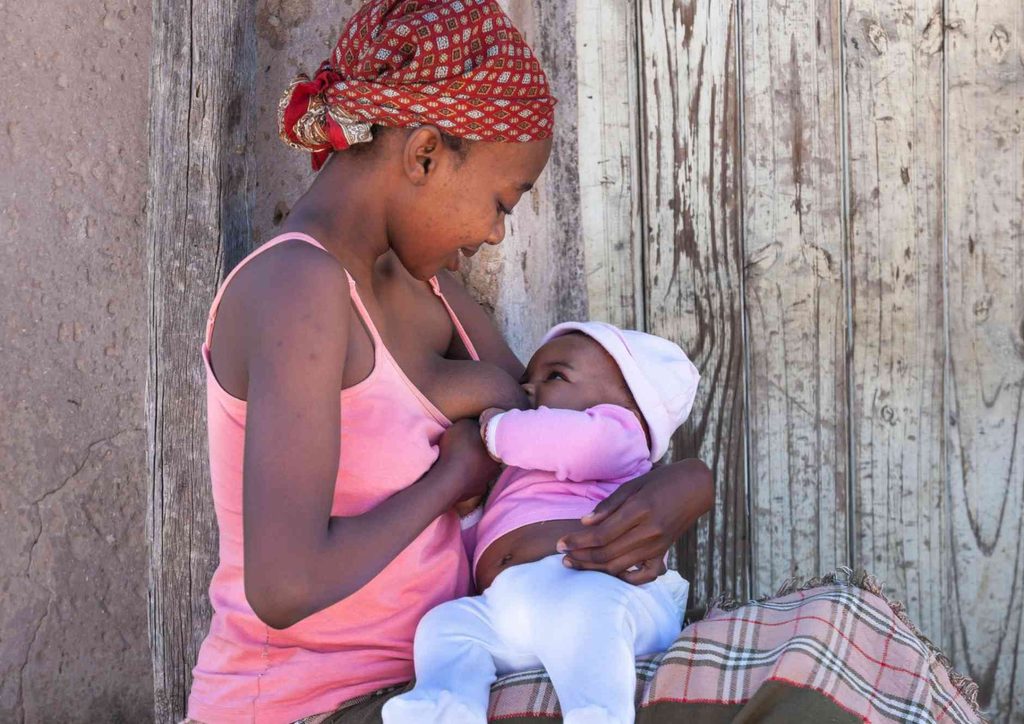
Red flag: Concerns about milk supply or your baby’s feeding
Speak with your GP, midwife, lactation consultant or child and family health nurse if you are worried about milk production, feeding effectiveness, wet nappies or your baby’s growth.
Red flag: Persistent fatigue, dizziness or inadequate food intake
Contact your GP or midwife if you are struggling to eat enough, feel persistently unwell or notice unexplained changes in your weight or health.
Red flag: Feeling very low or overwhelmed
Speak with your GP, midwife or child and family health nurse if low mood, anxiety or distress is affecting your daily life. Seek urgent help if you have thoughts of harming yourself or your baby.
“Your body needs nourishment, not punishment, and breastfeeding is a time to build habits that support your health rather than chase rapid changes in your weight”.
Jake Biggs, Nutrition Longevity
What to do this week
- Keep a water bottle and convenient snacks near your usual feeding area.
- Include a protein source and fibre rich carbohydrates in your main meals.
- Ask your GP, midwife or lactation consultant for individual advice if you have concerns about your nutrition, recovery or milk supply.

Final thoughts
Losing weight while breastfeeding is not about doing more, eating less or trying to get results as quickly as possible. It is about supporting your recovery, nourishing your body and building simple habits that work alongside the realities of caring for a baby.
Every breastfeeding journey is different. Some women notice changes in their weight naturally, while others find that their body holds onto weight for longer. Neither experience means you are doing anything wrong.
Focus on regular meals, staying hydrated, choosing nourishing foods and being kind to yourself during this stage of life. If you are concerned about your nutrition, energy levels or overall wellbeing, speak with your GP, midwife, lactation consultant or child and family health nurse for personalised advice.
The goal is not perfection. The goal is looking after your health while giving your body the support it needs during breastfeeding.

Weight loss while breastfeeding quiz
Test your understanding of safe, balanced nourishment during lactation, including calorie management, nutrient needs, hydration, exercise, and sustainable postnatal wellbeing.
1. What is the safest approach to managing food intake for weight loss while breastfeeding?
2. Is it necessary to force yourself to drink litres of extra water to boost milk production?
3. Which factors can make postpartum weight management or meal consistency challenging? Select all that apply.
4. You should immediately start an intermittent fasting or strict low-carb diet to accelerate weight loss while nursing.
5. What is a supportive mindset for weight management after having a baby?
Managing weight while breastfeeding is about supporting your body’s recovery, maintaining vital energy, and caring for your emotional wellbeing. Focus on flexible meal patterns, nourishing foods, and open communication with your healthcare team rather than strict rules or rapid targets.

Frequently asked questions
Is it safe to diet while breastfeeding?
A restrictive diet or crash diet is not recommended. Focus on regular, nourishing meals and discuss any planned dietary changes with your GP, midwife or an appropriately qualified nutrition professional.
Does breastfeeding help you lose weight?
Breastfeeding uses energy, but its effect on body weight varies between women. Appetite, hormones, sleep, recovery and other individual factors can influence weight changes, so breastfeeding does not guarantee weight loss.
What is the fastest way to lose weight while breastfeeding?
There is no safe fast track that is appropriate for everyone. Prioritise adequate nourishment, hydration and recovery, and speak with your GP or another suitable healthcare professional about whether weight management is appropriate for you.
Can I do intermittent fasting while breastfeeding?
It is best not to start intermittent fasting for weight management without individual medical advice. Restricting your eating window may make it harder to meet your nutritional needs, so discuss your circumstances with your GP or an appropriately qualified healthcare professional.

Keep reading
This article is general information, not personal medical or nutritional advice. Individual needs vary. For guidance tailored to you, book a consultation.