

The quick answer
Healthy lunches for weight loss combine protein, fibre rich carbohydrates, vegetables and healthy fats to help you stay satisfied throughout the afternoon. The aim is to build a balanced, practical lunch that fits your routine, supports your energy levels and makes sustainable weight loss easier without supports sustainable weight loss without relying on restrictive diets such as intermittent fasting or a ketogenic diet.
The short version
- Build your lunch around protein and fibre to help manage hunger and support sustainable weight loss without feeling deprived. Choose chicken, tuna, eggs, beans or lentils alongside wholegrain bread, brown rice or other fibre rich foods to create a satisfying meal.
- Include vegetables or fruit in your lunch to increase fibre, support fullness and help you maintain a balanced eating pattern for weight loss. Add spinach, tomato, cucumber and carrots to sandwiches and wraps, or enjoy a piece of fresh fruit alongside your meal.
- Plan your lunches ahead of time to make consistent weight loss choices easier and reduce reliance on takeaway when you are busy. Prepare chicken and vegetable bowls, wholegrain wraps or tuna salads the night before so you have a balanced, filling lunch ready to go.
Afternoon slump
The afternoon slump is the period when you may feel tired, less focused or hungry later in the day. Your lunch, sleep, hydration, activity levels and overall eating pattern can all influence how you feel and may even help speed up your metabolism.

| Comparison Area | Quick Fix Lunches | Wholefood Lunches | Clinical Takeaway |
|---|---|---|---|
| Appetite Control | Refined carbs trigger sharp glucose spikes and intense afternoon hunger. | Quality protein and fibre stabilise blood sugar and maintain fullness. | Protein rich lunches prevent grazing. |
| Nutritional Density | These meals lack essential vitamins and gut supportive fibre. | Fresh vegetables and lean proteins maximise daily nutrient intake. | Wholefoods protect metabolic health. |
| Afternoon Energy | Processed foods cause severe energy slumps and brain fog. | Balanced ingredients deliver steady physical and mental fuel. | Good lunches sustain daily focus. |
| Weight Management | Inadequate daytime satiety promotes late evening overeating. | Repeatable habits align with long term goals. | Satisfying meals secure lasting results. |

“Successful weight loss is not about eating as little as possible at lunch. It is about choosing satisfying, balanced meals that help you manage hunger, stay consistent and build habits you can maintain for life”.
Jake Biggs, Nutrition Longevity

| Diet Myth | Weight Loss Reality |
|---|---|
| Skipping lunch is an easy way to speed up weight loss. | Skipping lunch frequently triggers severe late afternoon hunger and cravings, leading to overeating or poor food choices later in the day. |
| Eating carbohydrates at lunch prevents body fat loss and causes afternoon energy slumps. | Quality complex carbohydrates paired with sufficient protein and fibre provide steady glucose release, supporting sustained afternoon energy and focus. |
| A plain garden salad is always the ultimate lunch choice for weight loss. | Salads lacking adequate protein and healthy fats fail to promote satiety, often leaving you hungry again within an hour or two. |
| Healthy weight loss lunches require complicated, time consuming meal prep every day. | Simple combinations of prepped lean proteins, canned legumes, and fresh veggies allow quick, nutritious lunch assembly in minutes. |
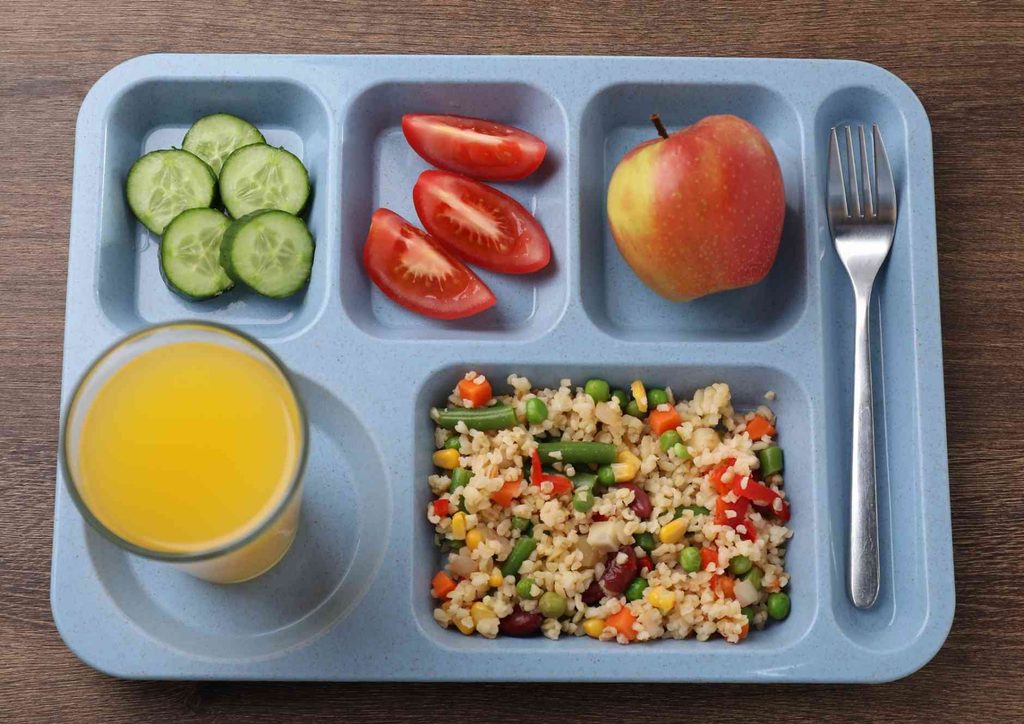
Healthy lunches for weight loss calculator
Discover evidence based lunchtime strategies tailored to your protein targets, fibre intake, and weight management goals. Complete your profile below to receive personalised guidance.
Your Lunch Strategy Diagnostic Summary
Your profile indicates that requires careful attention for successful results.
Your tailored lunch recommendations
Need a structured, professional weight loss program?
I will review your personal preferences and formulate an evidence based clinical strategy designed to help you achieve sustainable results safely.
Book a consultationThis interactive tool provides educational guidance to support safe weight management and is not a substitute for professional clinical nutrition or medical advice.
 16Week ProgramMenopause Weight Loss ProgramFor women in perimenopause and menopause
 16Week ProgramMen’s Weight Loss ProgramFor men with stubborn weight
“As a weight loss nutritionist, I built this interactive calculator to help you quickly identify the protein, fibre, and wholefood adjustments needed at lunch to eliminate afternoon cravings and achieve sustainable weight loss”.
Jake Biggs, Nutrition Longevity

Why lunch matters for weight loss
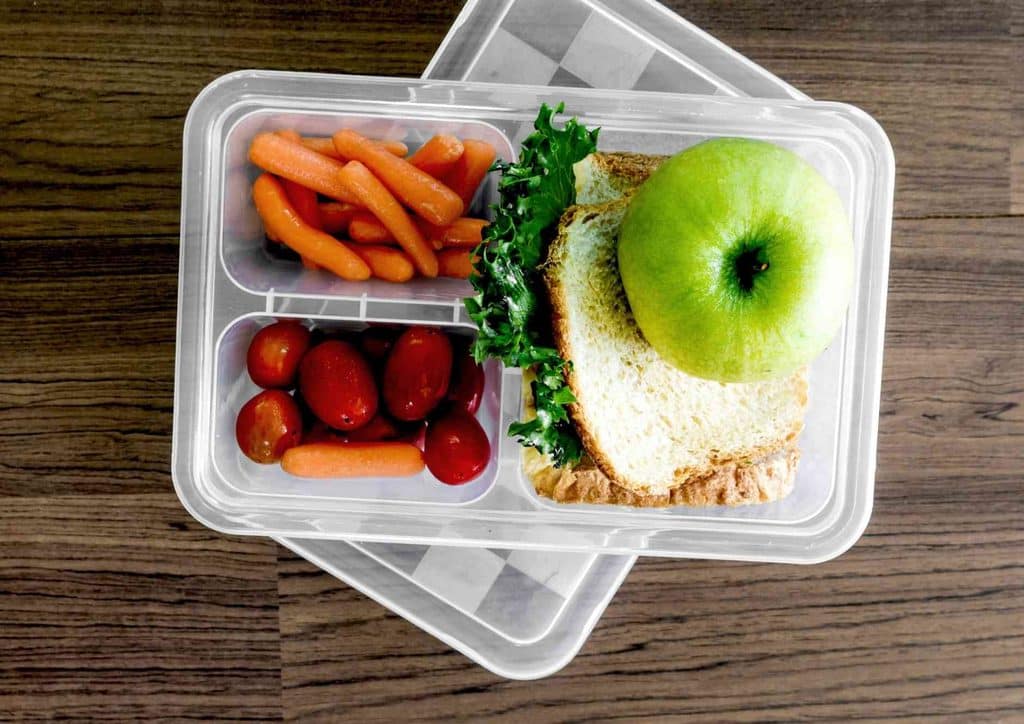
A balanced lunch for weight loss helps you manage hunger, maintain energy and make more consistent food choices throughout the day.
Skipping lunch or eating very little might seem like an easy way to reduce how much you eat, particularly for people considering medications or natural alternatives to Ozempic for weight loss. When that happens, it becomes harder to make food choices that match your longer term goals.
I encourage a more practical approach. Rather than trying to eat as little as possible, focus on eating enough of the best foods for weight loss as part of a balanced diet for weight loss.
| Common Assumption | Why Lunch Matters |
|---|---|
| Skipping lunch or eating very little is an easy way to reduce how much you eat overall | Undereating at midday leaves you extremely hungry by afternoon, making consistent food choices much harder and triggering evening overeating. |
| Any quick snack or light bite is sufficient to get you through the middle of the workday | A balanced lunch actively helps you manage hunger, maintain steady energy, and stay focused throughout the entire day. |
| Trying to eat as little as possible at midday is the most effective strategy for weight loss | Focusing on eating enough of the quality foods your body needs ensures lasting satisfaction rather than relying on restriction. |
| Midday meal choices have little impact on your long term health and weight goals | Structured, nourishing lunches build practical daily habits that naturally align with your long term weight management objectives. |

How a consistent lunch routine supports weight loss
Lunch is also an opportunity to establish a consistent eating routine. If you spend most of your day working, travelling or looking after your family, having a reliable lunch option means you are less likely to reach the afternoon without a plan.
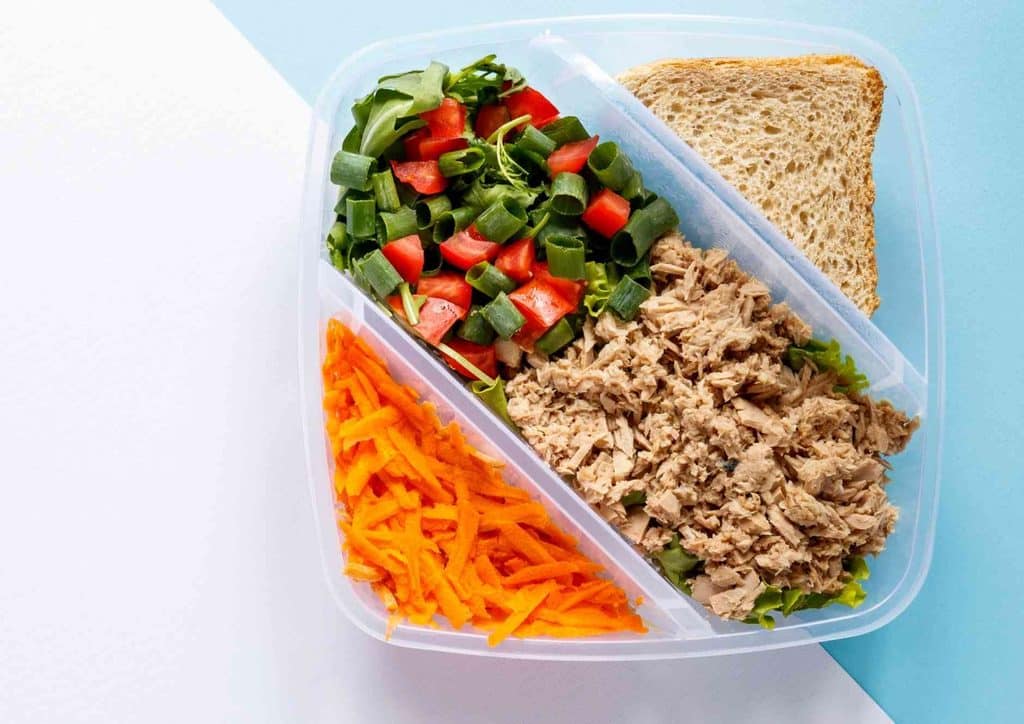
You do not need a complicated meal or expensive ingredients. A chicken and salad wrap, a tuna sandwich on wholegrain bread or leftover dinner can all work well.
Weight loss depends on your overall eating pattern over time, not whether you choose a particular food at lunchtime. Your lunch should support that pattern without making the rest of your day unnecessarily difficult.
| Fat Loss Marker | Unplanned Lunch Approach | Consistent Lunch Routine | Weight Loss Takeaway |
|---|---|---|---|
| Energy Balance Control | Skipping or rushing lunch leads to unintended excess calorie intake later in the day. | Eating a planned lunch maintains a steady energy deficit without evening hunger spikes. | Consistent lunches secure steady calorie deficits. |
| Fat Loss Retention | Inconsistent protein intake at midday accelerates lean muscle loss during calorie deficits. | Simple chicken wraps or tuna sandwiches supply essential protein to protect active muscle tissue. | Midday protein preserves muscle while burning fat. |
| Metabolic Rate Support | Irregular eating patterns trigger intense appetite swings and glucose fluctuations. | Regular wholefood lunches keep metabolic rate steady and appetite well regulated. | Routine meals optimise metabolic efficiency. |
| Long Term Fat Loss | Rigid rules or chaotic eating lead to weight rebound and lost momentum. | Repeatable lunch habits create predictable, long term body fat reduction. | Habitual routines guarantee lasting weight loss. |
What makes a lunch filling
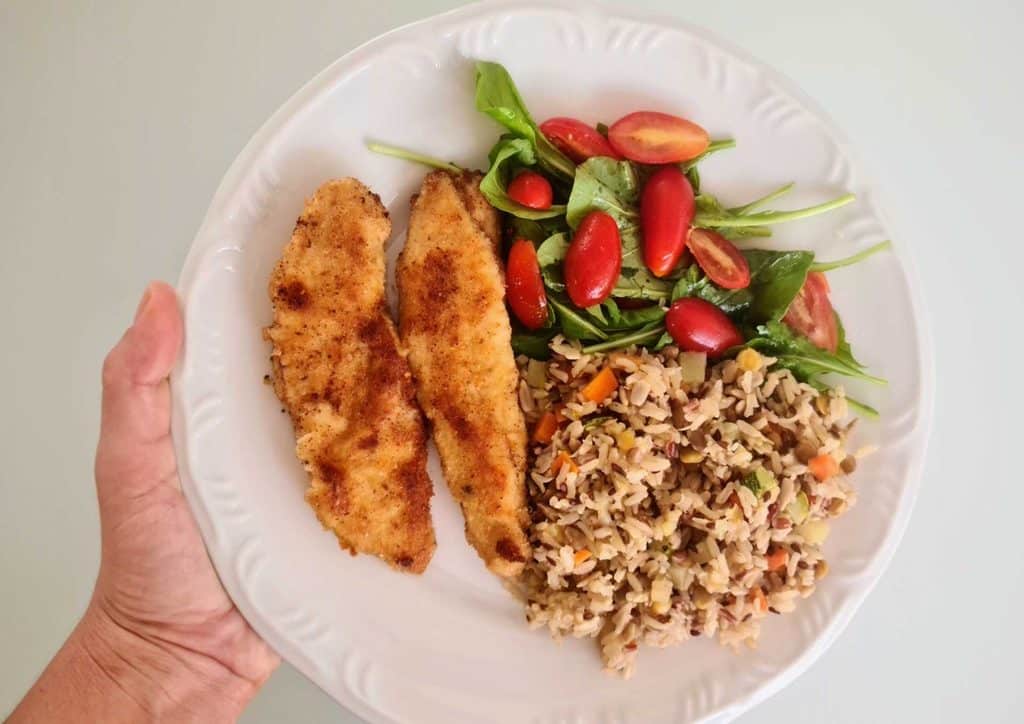
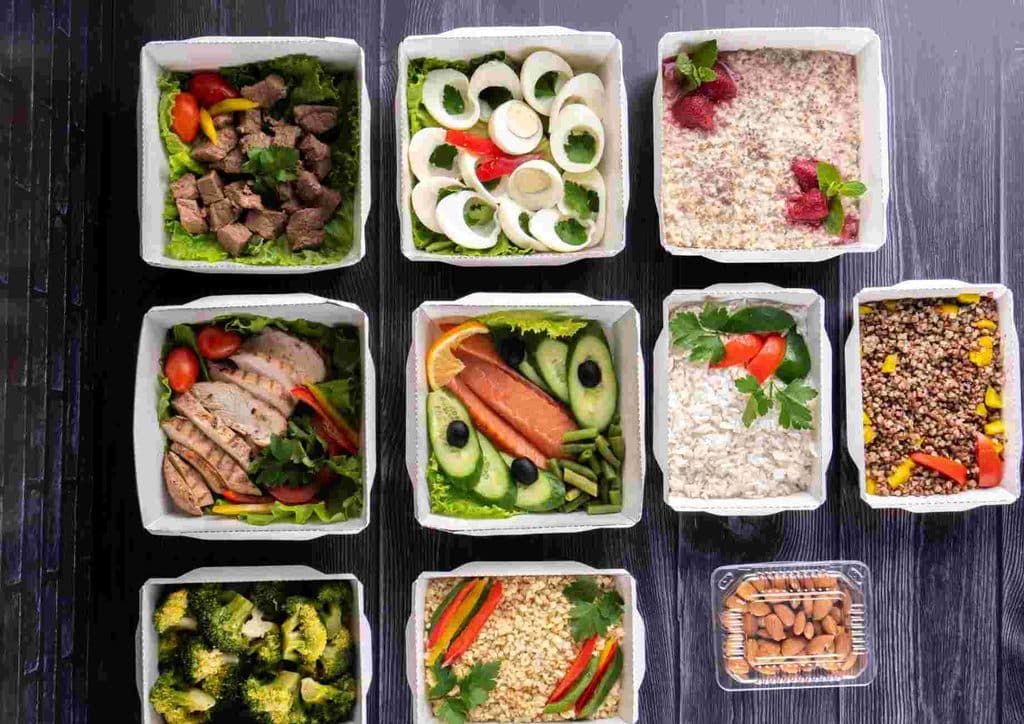
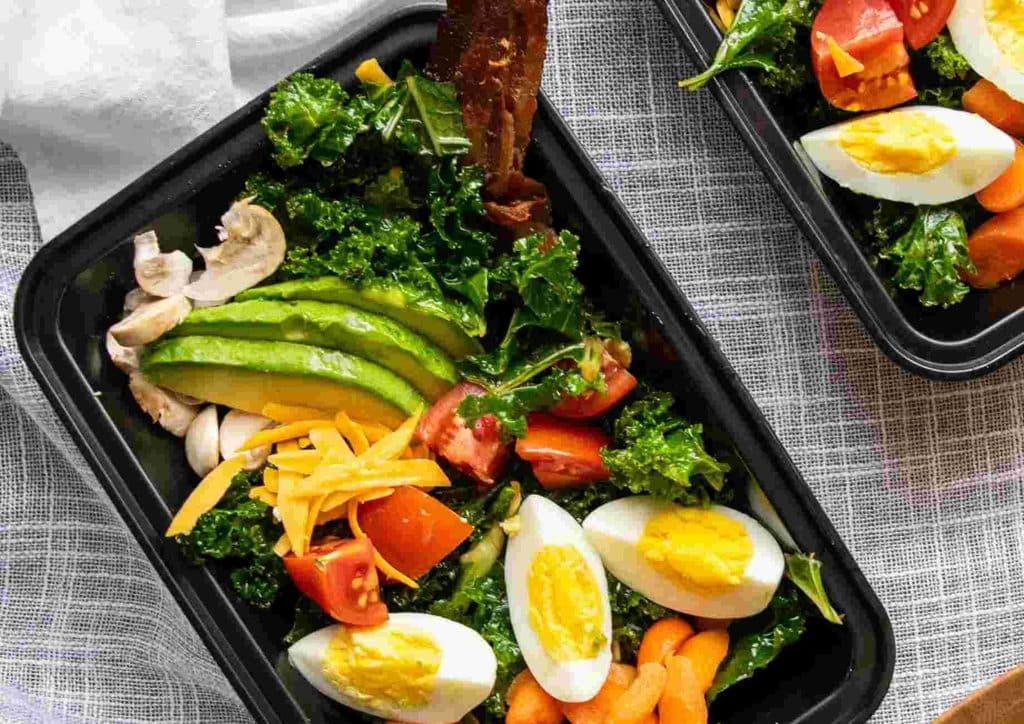
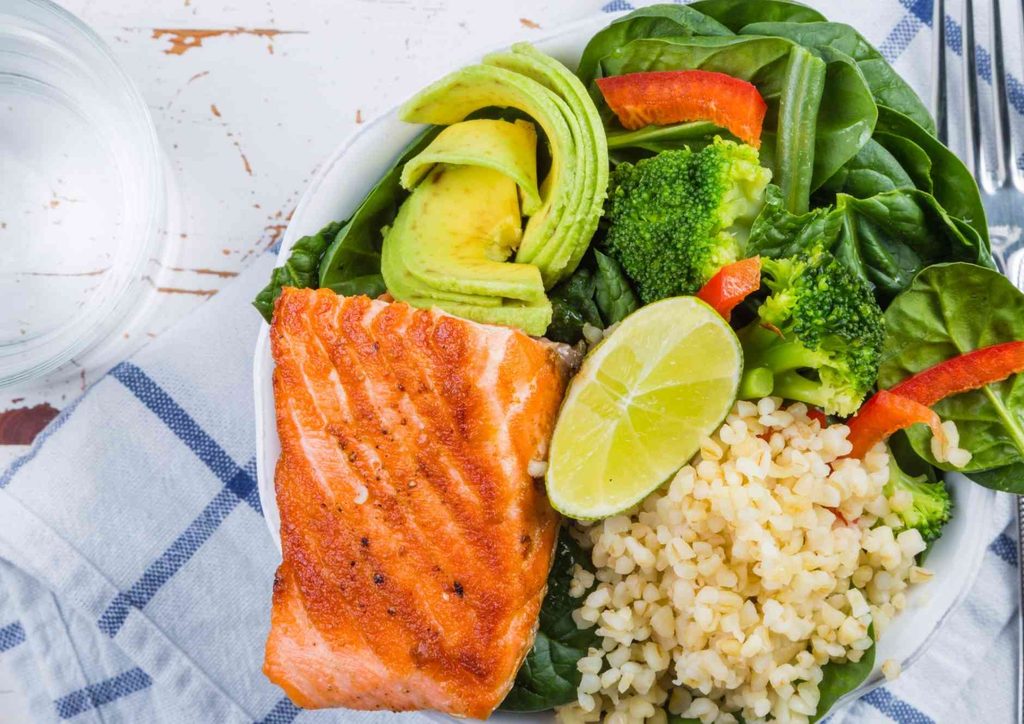
A filling lunch combines protein, fibre rich carbohydrates, colourful vegetables and a source of healthy fats in portions that suit your appetite and activity levels.
I use a straightforward formula when thinking about balanced meals: protein, fibre and colour, with healthy fats included where they fit.

| Filling Component | Incomplete Midday Meal | Balanced Filling Formula | Weight Loss Takeaway |
|---|---|---|---|
| Protein Foundation | Lacks sufficient protein, causing rapid hunger return and afternoon grazing. | Generous protein portions stimulate satiety hormones and preserve muscle mass. | Protein is vital for lasting midday fullness. |
| Fibre and Carbohydrates | Relies on refined starches that trigger blood glucose spikes and energy slumps. | Fibre rich carbohydrates slow digestion and provide steady, sustained energy. | Complex fibre prevents afternoon sugar cravings. |
| Colourful Vegetables | Omits vegetables, leaving meals low in volume and micronutrient density. | Vibrant vegetables add physical stomach volume and essential nutrients. | Coloured veggies maximise satisfaction without excess energy. |
| Healthy Fats | Removes all fat sources, resulting in unsatisfying meals and poor flavour. | Quality fats are included in suitable portions to enhance overall meal satisfaction. | Balanced fats complete a truly satisfying lunch. |
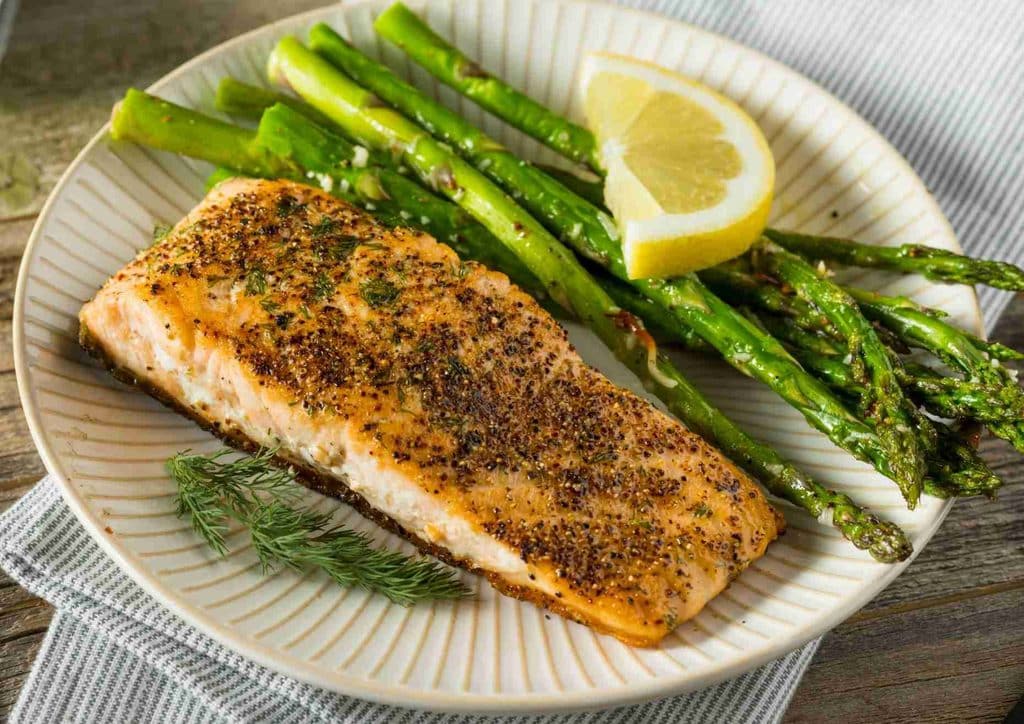
The four components of a filling lunch for weight loss
- Protein helps support muscle maintenance and contributes to fullness. Everyday options include eggs, chicken, fish, lean meat, tofu, Greek yoghurt and legumes.
- Fibre supports digestive health and can help meals keep you satisfied. You can get it from wholegrain bread, oats, brown rice, beans, lentils, vegetables, fruit, nuts and seeds.
- Colour means including a variety of vegetables or fruit. These provide different vitamins, minerals and other beneficial plant compounds, helping you build a more varied diet.
- Healthy fats also have a place at lunch. Avocado, olive oil, nuts and seeds can add flavour and help make a meal more satisfying. You do not need to eliminate fats to lose weight.

| Lunch Component | Core Function | Everyday Food Options | Weight Loss Benefit |
|---|---|---|---|
| Protein Foundation | Supports muscle maintenance and actively contributes to lasting fullness. | Eggs, chicken, fish, lean meat, tofu, Greek yoghurt, and legumes. | Protein preserves muscle while boosting satiety. |
| Dietary Fibre | Supports digestive health and keeps meals satisfying over time. | Wholegrain bread, oats, brown rice, beans, lentils, vegetables, and seeds. | Fibre slows digestion to prevent afternoon hunger. |
| Colourful Produce | Provides diverse vitamins, minerals, and beneficial plant compounds. | A wide variety of fresh colourful vegetables and seasonal fruit. | Vibrant variety maximises nutrient intake easily. |
| Healthy Fats | Adds rich flavour and enhances overall meal satisfaction. | Avocado, extra virgin olive oil, raw nuts, and seeds. | Balanced fats complete a truly satisfying lunch. |
How to put the formula into practice
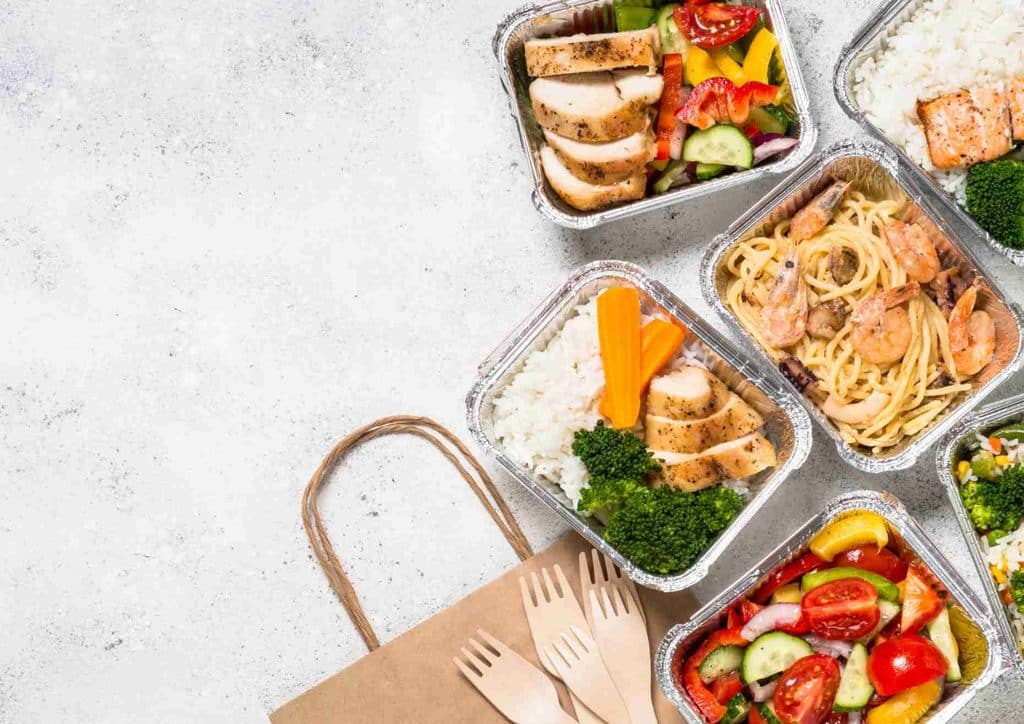
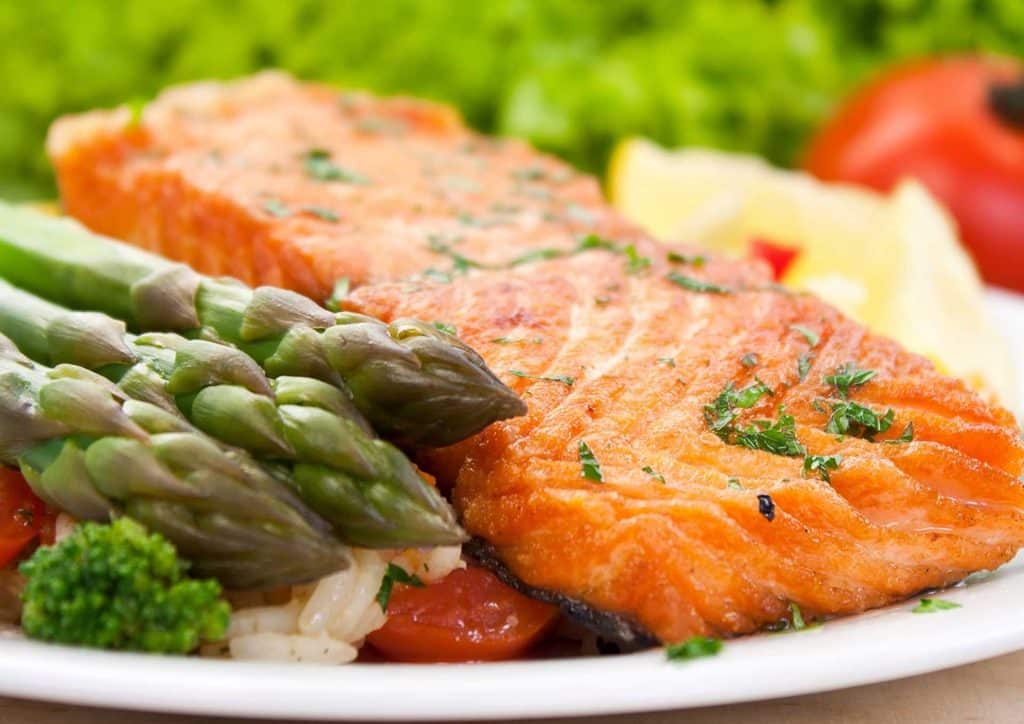
Consider a wholegrain chicken wrap with lettuce, tomato, grated carrot and avocado. The chicken provides protein, the wrap contributes carbohydrates and fibre, the vegetables add colour, and the avocado provides unsaturated fat.
Alternatively, combine tinned tuna, brown rice, cucumber, cherry tomatoes and olive oil for a simple lunch bowl.
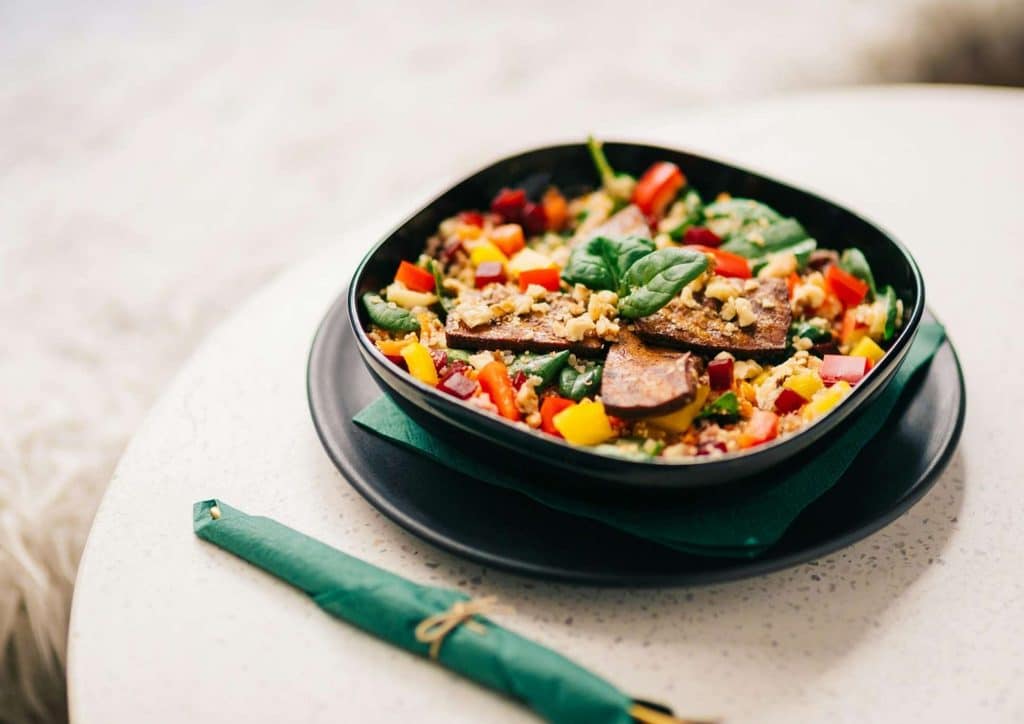
If you prefer a vegetarian option, try chickpeas with quinoa, roasted vegetables and a yoghurt dressing. Combining different plant foods can help you obtain protein and fibre without relying on meat.
| Lunch Option | Core Ingredients | Nutritional Breakdown | Weight Loss Advantage |
|---|---|---|---|
| Wholegrain Chicken Wrap | Chicken, lettuce, tomato, grated carrot, and avocado in a wholegrain wrap. | Chicken supplies protein, the wrap adds fibre, vegetables provide colour, and avocado delivers healthy fat. | A portable, balanced meal that controls afternoon hunger. |
| Tuna and Brown Rice Bowl | Tinned tuna, brown rice, cucumber, cherry tomatoes, and olive oil. | Tuna provides lean protein, brown rice offers complex carbs, and veggies add fresh micronutrients. | Quick assembly supports steady energy and fat loss. |
| Vegetarian Chickpea Bowl | Chickpeas, quinoa, roasted vegetables, and a yoghurt dressing. | Plant proteins and grains combine to deliver complete satisfaction without meat. | High fibre plant foods boost digestive health and fullness. |

Choosing the right portions for weight loss
There is no single combination you must follow. The amount of food you need depends on your appetite, body size, activity levels and individual circumstances.
When deciding what to include, it can help to understand the best foods for weight loss and how they fit into a balanced eating pattern, rather than focusing on individual foods as though they have special fat burning properties.

| Portion Factor | Rigid Portion Rules | Personalised Portion Approach | Weight Loss Takeaway |
|---|---|---|---|
| Individual Needs | Imposing strict, one size fits all serving sizes regardless of personal circumstances. | Adjusting food quantities based on your unique appetite, body size, and activity levels. | Portions must match your individual lifestyle. |
| Eating Pattern | Chasing individual superfoods believed to possess magical fat burning properties. | Focusing on how quality foods integrate smoothly into your broader balanced eating pattern. | Overall dietary patterns drive results. |
| Flexibility | Following rigid dietary combinations that create unnecessary daily meal stress. | Embracing diverse food choices without needing to follow a single strict meal formula. | Flexibility ensures long term consistency. |
| Sustainability | Relying on restrictive measurement protocols that are impossible to maintain long term. | Building intuitive portion awareness that naturally supports steady fat loss. | Sustainable habits guarantee lasting success. |

Healthy lunches to pack for work
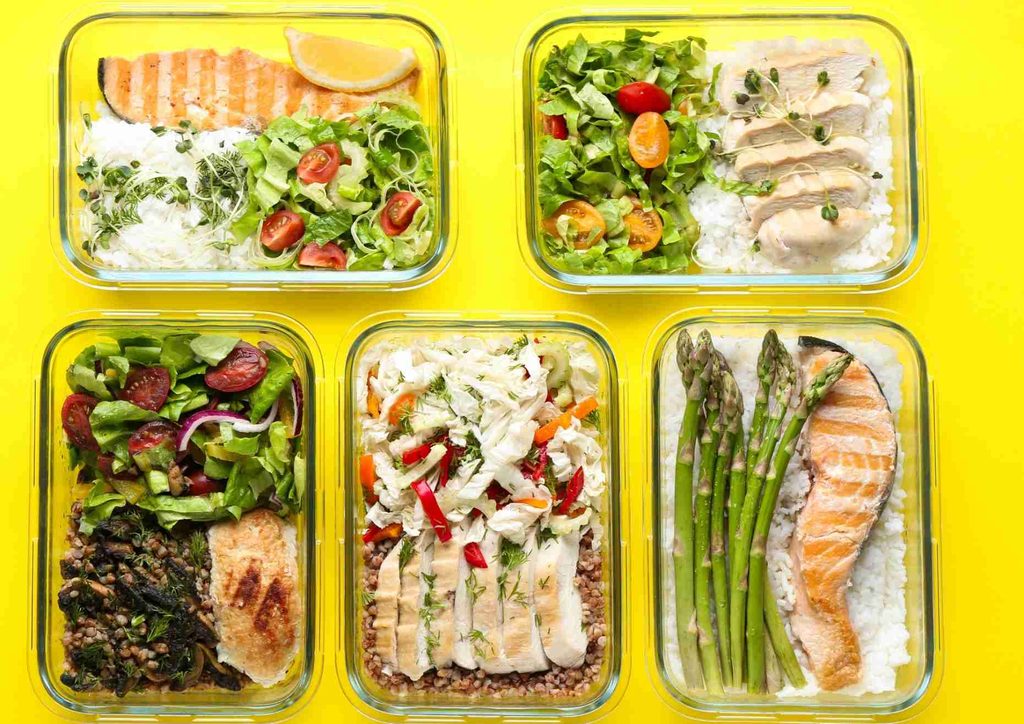
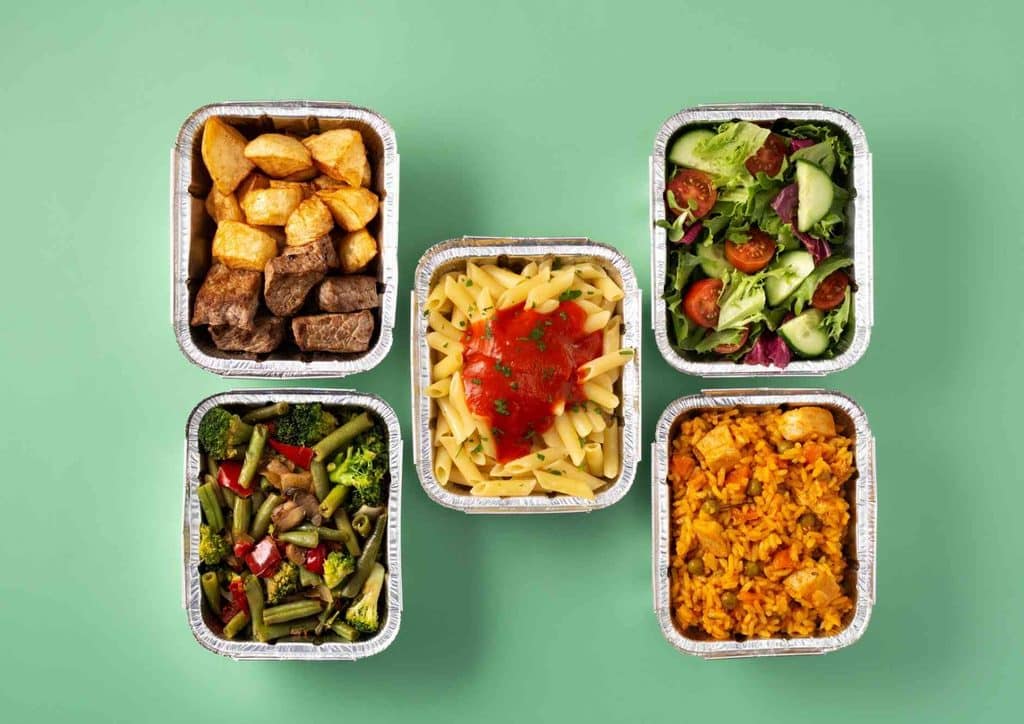
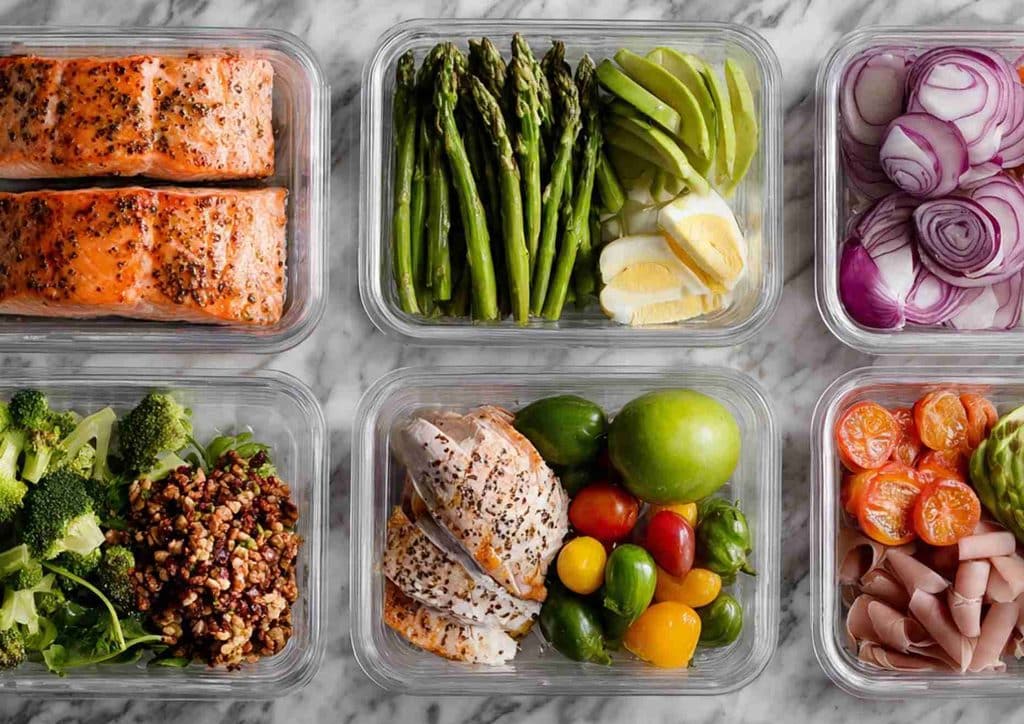
Healthy lunches for weight loss are easier to maintain when you choose meals that travel well, use familiar ingredients and require minimal preparation during the working day.
If you work in an office, travel between appointments or have limited access to a kitchen, portability matters just as much as nutrition.
Here are some practical options using ingredients readily available at Australian supermarkets.
| Lunch | Where it works | Why it keeps you full |
|---|---|---|
| Chicken and salad wholegrain wrap | Work or home | Protein from chicken, fibre from the wrap and vegetables, plus healthy fats if you add avocado |
| Tuna and brown rice bowl | Work or home | Tuna provides protein, while brown rice and vegetables contribute fibre and carbohydrates |
| Egg and avocado sandwich on wholegrain bread | Work or home | Eggs provide protein, wholegrain bread supplies fibre and avocado adds healthy fats |
| Chickpea and quinoa salad | Work or home | Chickpeas and quinoa contribute protein and fibre, with vegetables adding colour and variety |
| Leftover chicken and vegetable stir fry with rice | Work or home | A combination of protein, vegetables and carbohydrates makes a balanced meal |
| Greek yoghurt, oats, berries and nuts | Work or home | Protein from yoghurt, fibre from oats and berries, and fats from nuts create a convenient option |
How to keep packed lunches interesting
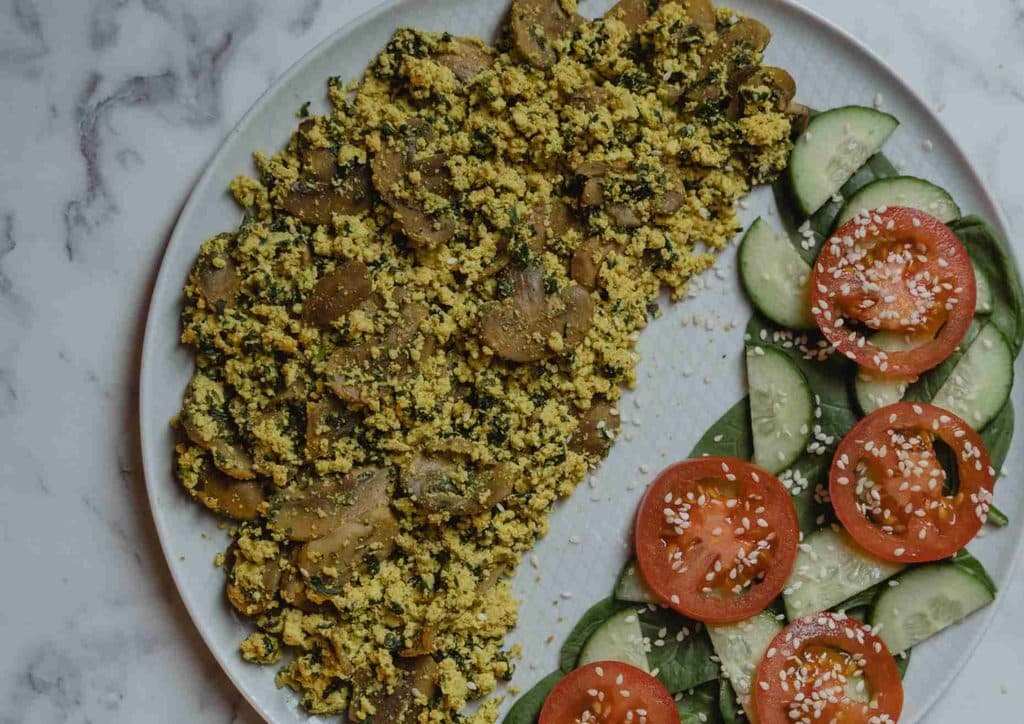
You do not need to prepare a different lunch every day. Start with two or three meals you enjoy and rotate the ingredients to create variety.
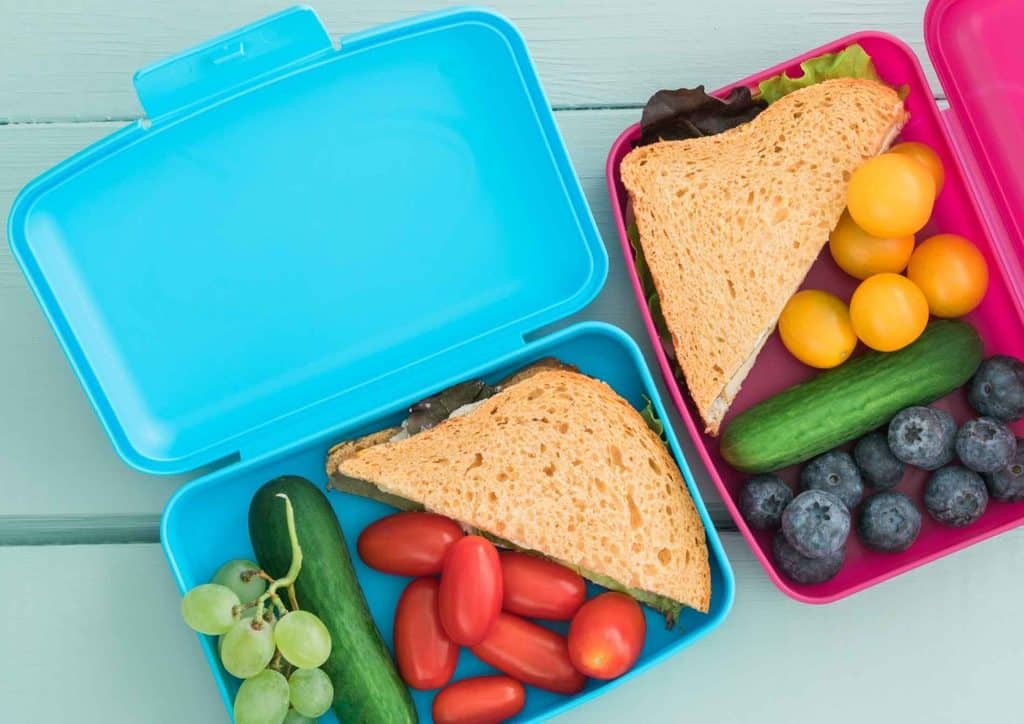
For example, cooked chicken can be used in a wrap one day and a rice bowl the next. Tinned beans can be added to a salad with a side serving of grapes, mixed into a grain bowl or served with leftover vegetables as part of a Mediterranean diet.
Keep ingredients such as wholegrain wraps, tinned tuna, chickpeas, microwaveable brown rice, eggs and frozen vegetables available for days when preparation time is limited.
If you prepare food in advance, refrigerate it promptly and follow food safety guidance for storage and transport. Use an insulated lunch bag with an ice pack when necessary.
Prepare tomorrow’s lunch after dinner
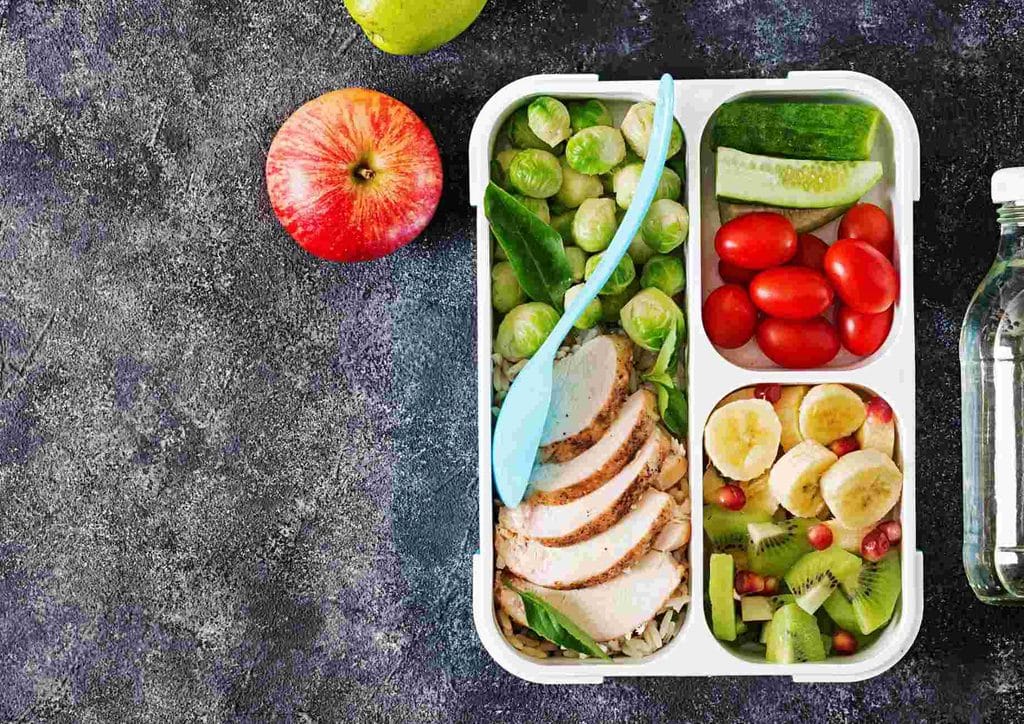
Set aside a few minutes to portion out leftovers, wash vegetables and prepare your protein source. Store everything safely in the fridge so your lunch is ready to grab before work.
Quick lunches at home
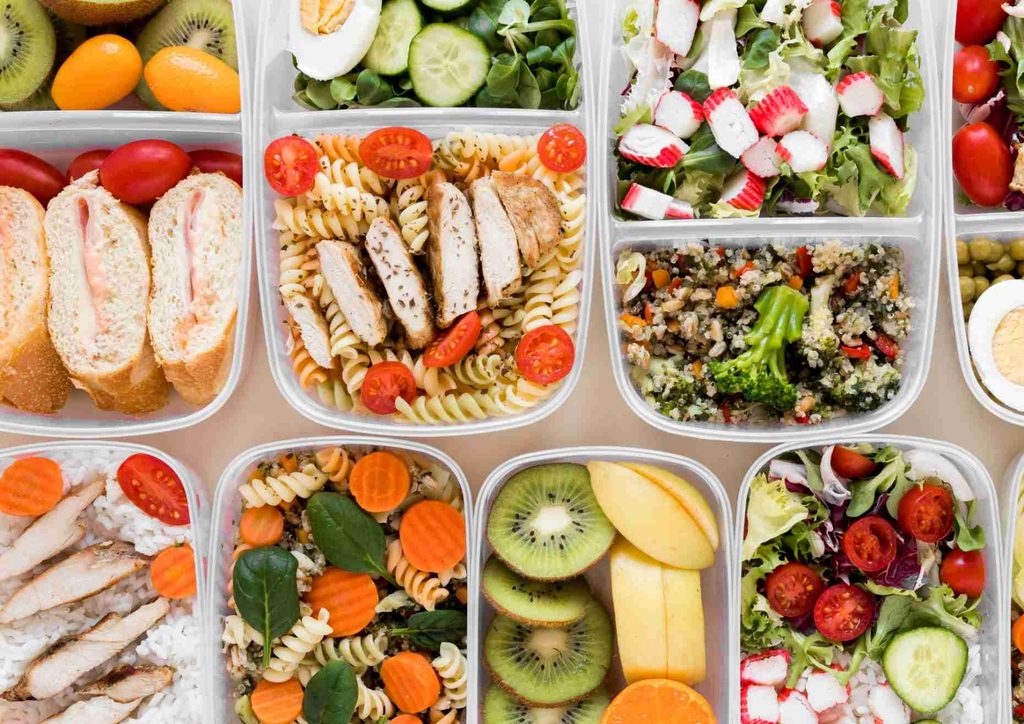
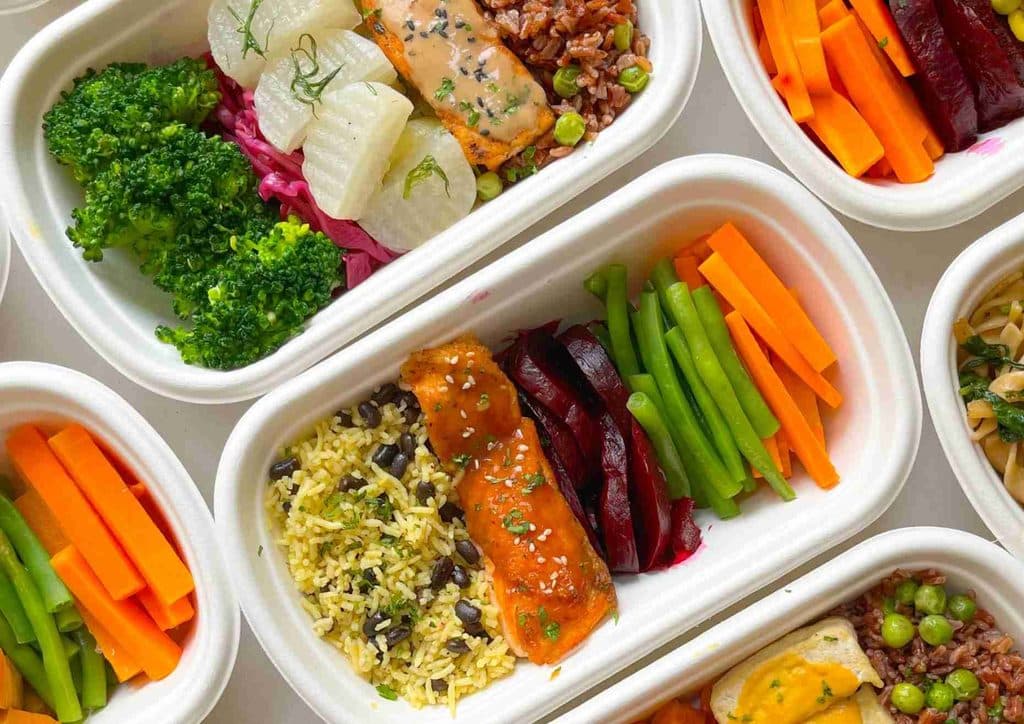
Quick lunches at home can support weight loss just as effectively as prepared meals, provided they offer a satisfying combination of protein, fibre and other nourishing ingredients.
Working from home can make lunch surprisingly easy to overlook. You might move from one task to another, snack while working or realise halfway through the afternoon that you have barely eaten.
Rather than waiting until you are extremely hungry, plan a simple meal that takes around five minutes to assemble.
| Work From Home Focus | Ad Hoc Grazing | Five Minute Assembly | Weight Loss Takeaway |
|---|---|---|---|
| Midday Routine | Working through lunch leads to continuous desk grazing and poor awareness of total food intake. | Taking a brief break to assemble a structured five minute meal establishes clear eating boundaries. | Structured breaks eliminate mindlessness grazing. |
| Appetite Management | Delaying lunch until extreme hunger sets in triggers urgent cravings for quick convenience foods. | Proactively preparing a fast wholefood lunch regulates appetite before severe hunger strikes. | Early meal timing prevents afternoon overeating. |
| Nutritional Satiety | Relying on light pantry snacks leaves your body lacking essential protein and dietary fibre. | Combining quick proteins, prepped greens, and fibre rich staples keeps you satisfied for hours. | Simple wholefood pairings ensure lasting fullness. |
| Fat Loss Efficiency | Assuming healthy lunches require complex cooking causes daily friction and inconsistency. | Assembling rapid nourishing meals supports fat loss goals just as effectively as prepped options. | Speed and simplicity drive long term compliance. |

Five minute wholefood lunch ideas for busy workdays
When you need a quick meal at home, simplicity is key to staying consistent with your health goals. Preparing a nourishing lunch does not require hours in the kitchen or complicated recipes; straightforward wholefood combinations can be assembled in just five minutes.
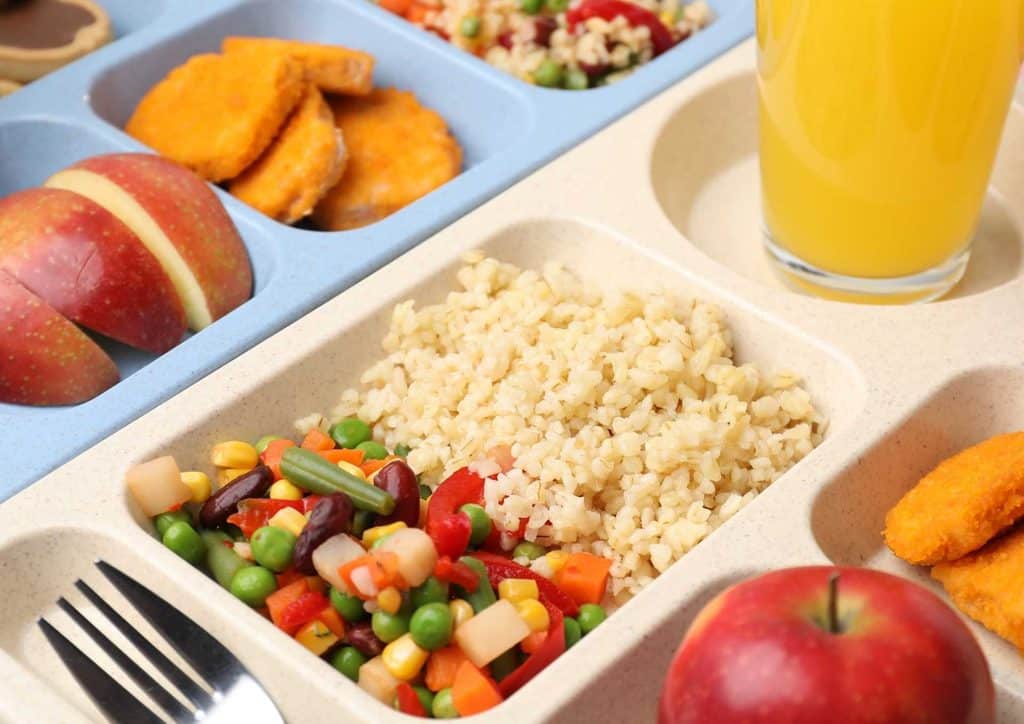
Substantial options such as eggs on wholegrain toast with spinach, a quick tinned tuna and bean salad, or a protein packed Greek yoghurt bowl topped with oats, berries, chia seeds and a side of coconut water if preferred. These offer an optimal balance of quality protein, dietary fibre, and healthy fats.
Focusing on these satisfying, minimal prep meals ensures you keep your energy steady and avoid the temptation of light, low nutrient snacks when genuine hunger hits.
| Lunch Concept | Inadequate Choice | Substantial Home Idea | Weight Loss Takeaway |
|---|---|---|---|
| Cooked Warm Meals | Relying on plain crackers or isolated fruit pieces when genuinely hungry. | Eggs on wholegrain toast with spinach and tomato, or a reheated leftover dinner bowl. | Hot wholefoods deliver deep, lasting satiety. |
| Cold Pantry Bowls | Grabbing light processed snacks that fail to satisfy protein or fibre requirements. | Tuna mixed with cannellini beans, cucumber, tomatoes, olive oil, and lemon juice. | Legumes and fish provide rapid, balanced fuel. |
| Sandwiches & Wraps | Eating refined white bread with butter or minimal fillings. | Wholegrain bread layered generously with chicken, egg, tuna, or hummus plus fresh salad. | Wholegrain sandwiches preserve steady glucose levels. |
| No Prep Bowls | Searching for single ingredient diet shortcuts or magic weight loss solutions. | Greek yoghurt topped with oats, berries, nuts, or chia seeds for high fibre volume. | Substantial quick bowls eliminate afternoon grazing. |
Keeping lunch meals filling and simple
These meals do not need to be elaborate to be useful. The important thing is to choose something substantial enough for your needs rather than relying on a handful of crackers or a piece of fruit when you are genuinely hungry.
Beating the afternoon slump
You can often make the afternoon slump easier to manage by eating a satisfying lunch, drinking enough water and paying attention to sleep, movement and your overall eating routine.
Feeling hungry or tired around three o’clock does not automatically mean you have done something wrong. It is worth looking at the full picture before deciding that your lunch needs to be smaller or that you need more willpower.

Good to know
A light salad alone often is not enough for a satisfying lunch, regardless of trends involving pink salt for weight loss or other popular nutrition shortcuts. Adding chicken, eggs, tofu, beans, wholegrains or another substantial food can make it more balanced.
What to do when you feel hungry at three o’clock
- Look at what you ate for lunch. A bowl of lettuce, cucumber and tomato may provide vegetables, but it might not contain enough food to meet your needs. Try adding a protein source, a fibre rich carbohydrate and a little healthy fat.
- Consider whether you are drinking enough water throughout the day, whether plain water, lemon water, or other hydrating fluids. Keep water nearby and drink regularly, particularly when you are active or working in a warm environment.
- Take a short movement break if your schedule allows. A walk outside or a few minutes away from your desk can help break up a long period of sitting.
- Consider whether you need an afternoon snack. If you are hungry between lunch and dinner, eating something nourishing is reasonable. Greek yoghurt with fruit, high protein banana smoothie, or wholegrain crackers with hummus are examples of healthy snacks for weight loss that actually keep you full.
- Consider your sleep and overall eating pattern. Poor sleep, irregular meals and a demanding schedule can all make it more difficult to manage energy and hunger.

| Focus Area | Common Oversight | Practical Action | Core Takeaway |
|---|---|---|---|
| Lunch Composition | Eating light, low-kilojoule greens without adequate macronutrients. | Combine lean protein, high-fibre complex carbs, and healthy fats. | Balanced meals stop mid-afternoon energy slumps before they start. |
| Hydration Levels | Mistaking mild fluid deficits for actual hunger pangs. | Keep water close by and drink consistently, especially in warm spaces. | Proper fluid intake rules out false appetite signals. |
| Workplace Movement | Staying seated through long hours of uninterrupted screen time. | Step away from your desk for a brief outdoor walk or stretch break. | Short active breaks reset focus and minimise fatigue. |
| Targeted Snacks | Grabbing ultra-processed snacks that trigger sugar crashes. | Choose Greek yoghurt with fruit, an apple with nuts, or hummus on wholegrain crackers. | Nutrient-dense snacks provide steady fuel to carry you to dinner. |
| Lifestyle Habits | Ignoring how poor sleep routines disrupt daily appetite control. | Prioritise regular sleep schedules and consistent eating times. | Restful sleep regulates hormones that govern hunger and cravings. |
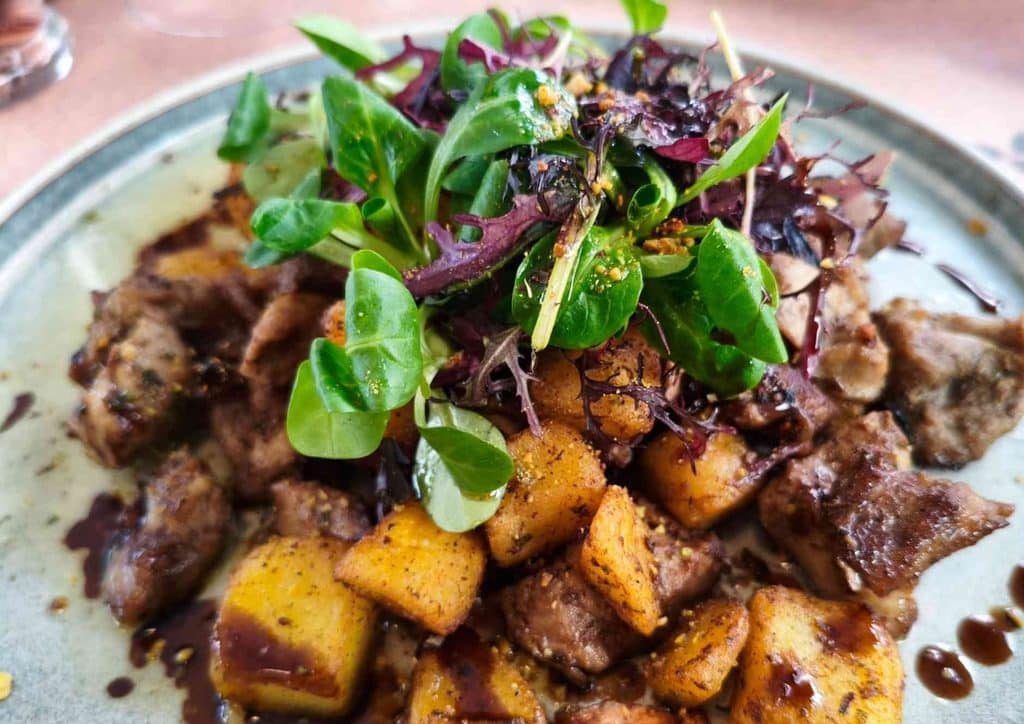
Addressing afternoon hunger requires balancing nutritious meals, staying hydrated, and maintaining healthy lifestyle routines.
Afternoon hunger is not a problem to be suppressed
I also encourage people to avoid treating afternoon hunger as a problem that must always be suppressed. Sometimes your body simply needs more food.
“A sustainable weight loss plan should leave you adequately nourished throughout the day, not constantly fighting hunger to prove that you are doing it correctly”.
Jake Biggs, Nutrition Longevity
Does exercise change what you should eat at lunch?
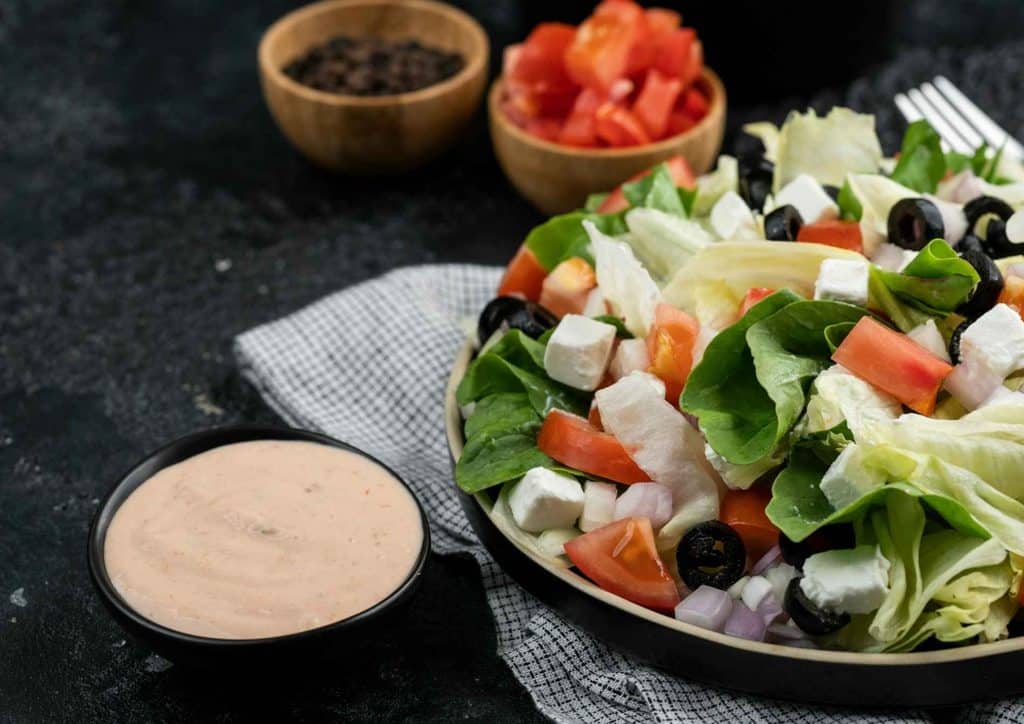
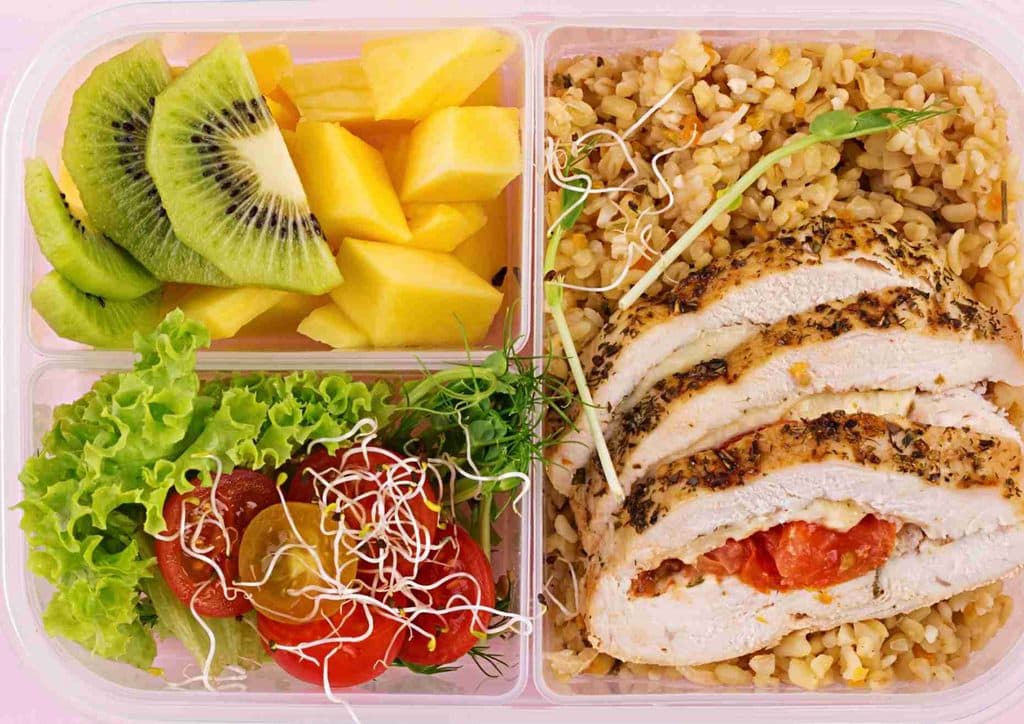
Your lunch needs may change depending on your training schedule, exercise intensity and personal appetite. If you train in the afternoon, including carbohydrates and protein at lunch can help you prepare for activity and support recovery as part of your overall eating pattern.
If you are exploring how to lose weight without exercise, remember that food choices are only one part of your health. Movement such as reformer pilates can support fitness, strength and general wellbeing, but your eating pattern should remain nourishing whether or not you exercise regularly.
| Consideration | Common Misconception | Optimal Meal Strategy | Key Takeaway |
|---|---|---|---|
| Training Demand | Assuming lunch requirements remain identical regardless of activity levels. | Adjust nutrient volume based on workout intensity, duration, and personal appetite. | Physical activity dictates midday energy needs. |
| Afternoon Workouts | Skipping carbohydrates before training or under-fueling during the day. | Include complex carbohydrates and lean protein to power performance and kickstart recovery. | Balanced fuel prepares your body for exercise. |
| Exercise-Free Days | Drastically restricting food intake on non-training or rest days. | Maintain a consistent, nutrient-dense eating pattern regardless of physical activity. | Nourishment remains essential with or without exercise. |
| Weight Management | Viewing exercise solely as a calorie burner rather than a pillar of health. | Pair sustainable food choices with movement to build strength and overall wellbeing. | Diet and movement work together for long-term health. |
Whether you are training intensely or resting, your lunch should support your daily vitality with adequate nourishment.

Carbohydrates and your midday meal
There is no need to remove carbohydrates from lunch simply because your goal is weight loss. Bread, rice, sweet potato, oats and other carbohydrate rich foods can fit into a balanced eating pattern.
If you regularly experience persistent fatigue, dizziness or unusual weakness, do not assume that a different lunch will solve the problem. These symptoms can have several causes and may need medical assessment.

| Focus Area | Common Misconception | Balanced Approach | Core Takeaway |
|---|---|---|---|
| Carb Restriction | Believing that eliminating bread, rice, or potatoes is mandatory for fat loss. | Include quality carbohydrate sources like oats and grains within a sensible eating pattern. | Carbohydrates can comfortably support weight management goals. |
| Persistent Fatigue | Assuming chronic dizziness, weakness, or tiredness can be fixed solely by changing lunch. | Seek professional medical assessment to investigate underlying health causes. | Unexplained symptoms require proper clinical evaluation rather than diet tweaks. |
Carbohydrates are a valuable component of a healthy midday meal, and ongoing physical symptoms should always be assessed by a medical professional.

How to make healthy lunches a consistent habit
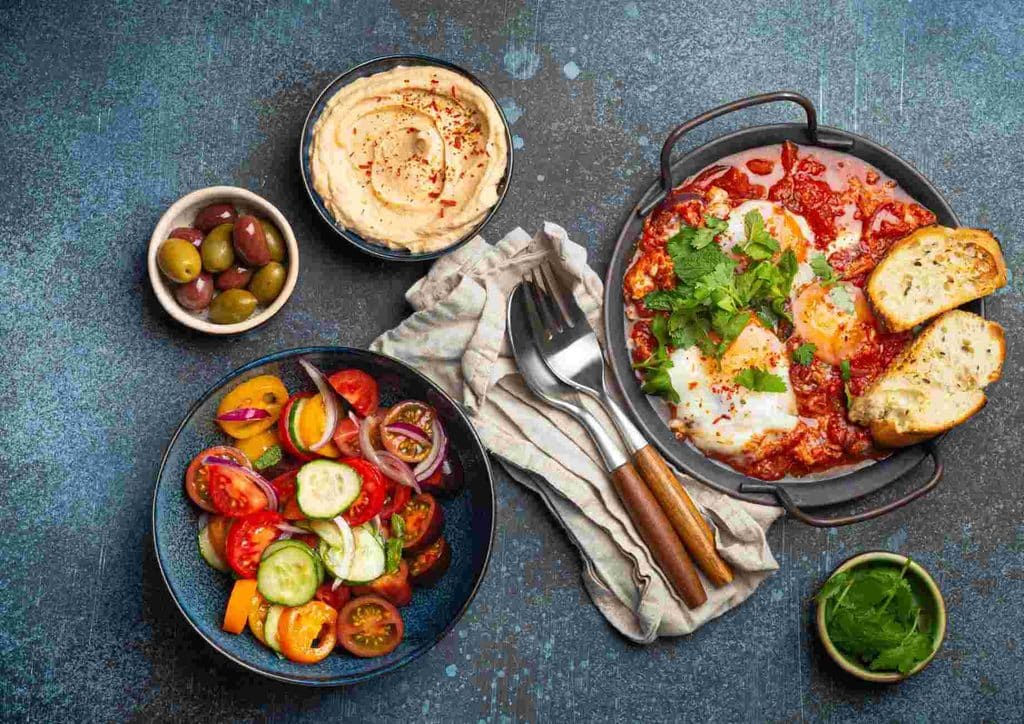
The easiest way to maintain healthy lunches for weight loss is to establish a small collection of meals you enjoy and make them convenient to prepare.
- You do not need to overhaul your entire diet at once, even if you have reached a weight loss plateau or feel your progress has slowed. Start with the part of your lunch routine that causes the most difficulty.
- If you regularly skip lunch, schedule a proper break. If you buy takeaway because you have nothing prepared, keep a few reliable ingredients at home or work. If you feel hungry shortly after eating, review the balance and amount of food in your meal.
It can also help to plan lunches alongside healthy dinners for weight loss and your evening meal routine. Cooking an extra portion of chicken, vegetables, rice or legumes at dinner gives you the foundation for the following day’s lunch without requiring another full cooking session.
| Habit Strategy | Common Pitfall | Practical Solution | Core Takeaway |
|---|---|---|---|
| Dietary Overhaul | Attempting to change your entire eating routine overnight. | Build a small collection of meals you genuinely enjoy and keep them convenient. | Incremental adjustments drive long-term consistency. |
| Skipping Meals | Working straight through lunch or getting caught without food. | Schedule dedicated breaks and keep reliable ingredients stocked at home or work. | Preparation prevents reliance on unplanned takeaway. |
| Cooking Efficiency | Starting every midday meal from scratch with no prior planning. | Cook extra portions of protein, vegetables, or grains during evening meals. | Dinner leftovers create effortless foundations for next-day lunches. |
Establishing sustainable lunch habits relies on reducing friction, planning ahead, and making nutritious choices convenient.
What to do this week
- Prepare one extra portion of dinner for tomorrow’s lunch.
- Include a protein source and fibre rich food in your lunch each day.
- Notice your afternoon hunger and energy levels without judging yourself rather than chasing quick fixes such as saunas for weight loss.
Consistency comes from making the routine manageable. Choose foods you enjoy, allow flexibility for busy days and remember that one less balanced lunch does not undo your progress.
When a weight loss nutritionist can help with personalised lunch meals and portions for weight loss
A weight loss nutritionist can help you create personalised lunch meals can help you create personalised lunch meals, whether your goal is general weight management or postpartum weight loss. If you are comparing weight loss nutritionists it can be useful to understand how much a weight loss nutritionist costs in Sydney.
Rather than relying on restrictive diets or eating the same meals every day, you can receive tailored lunch ideas based on your food preferences, lifestyle, nutritional needs and weight loss goals.
This may include choosing suitable protein sources, vegetables, fibre-rich complex carbohydrates and healthy fats to help you build balanced, nutritious lunches.
| Guidance Area | Restrictive Approach | Tailored Nutritionist Support | Core Takeaway |
|---|---|---|---|
| Meal Variety | Eating repetitive, monotonous foods or following rigid, unsustainable rules. | Receive diverse, custom lunch ideas tailored to your personal food preferences. | Enjoyment and flexibility drive long-term adherence. |
| Afternoon Satiety | Experiencing constant hunger and energy crashes due to inadequate fuel. | Combine appropriate protein, vegetables, fibre-rich carbs, and healthy fats. | Balanced macronutrients keep you satisfied all afternoon. |
| Goal Alignment | Applying generic diet templates that ignore individual lifestyle needs. | Build sustainable weight loss strategies centred around your unique routine. | Personalised nutrition supports lasting health outcomes. |
Collaborating with a weight loss nutritionist helps you design balanced, personalised lunches that foster sustainable weight loss without unnecessary restriction.
How a weight loss nutritionist personalises your lunch portions
Portion sizes are just as important as food choices, particularly for people wondering why they are not losing weight despite being in a calorie deficit. A weight loss nutritionist can help you understand how much to eat at lunch to support your individual energy requirements and weight loss goals without leaving you feeling hungry or deprived.
With a personalised healthy meal plan for weight loss, you can learn to balance your portions, manage hunger, maintain energy levels and develop consistent eating habits that make losing weight easier to sustain over the long term.
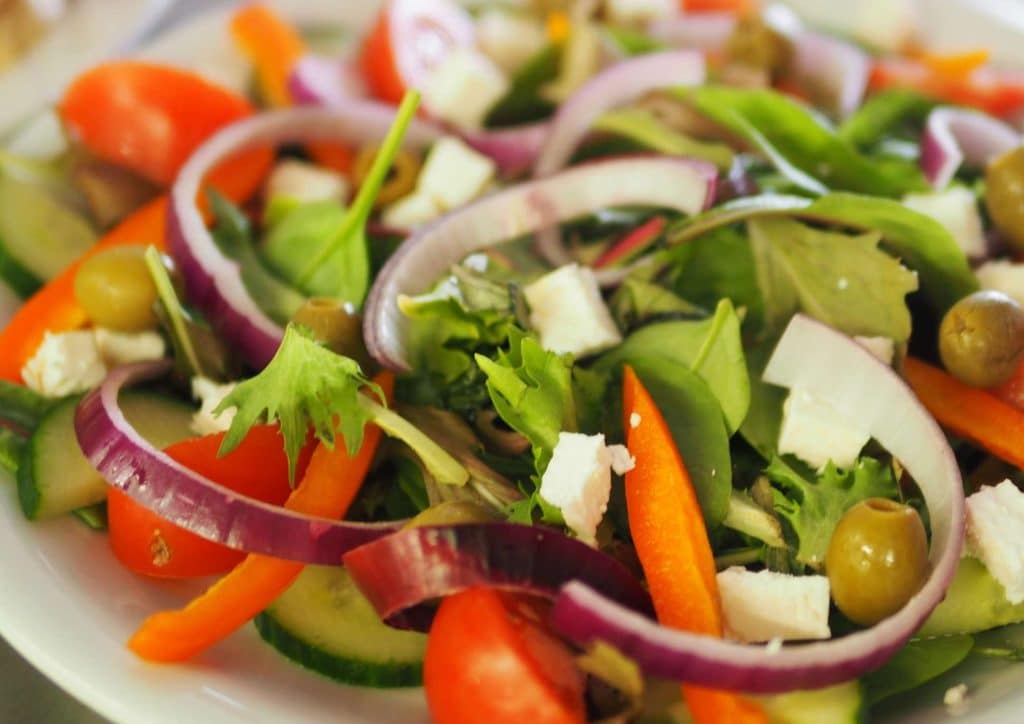
| Portion Strategy | Generic Restriction | Nutritionist Guidance | Core Takeaway |
|---|---|---|---|
| Energy Needs | Guessing portion sizes or cutting intake to the point of feeling deprived. | Calculate lunch volumes tailored to your individual metabolic and energy requirements. | Proper sizing supports fat loss without triggering hunger. |
| Habit Formation | Relying on short-term rules that make consistency difficult to maintain. | Develop sustainable portion awareness and routines that make long-term management easier. | Balanced portions foster lasting lifestyle habits. |
Mastering portion sizes with professional support ensures your midday meals maintain steady energy and align with your weight management goals.
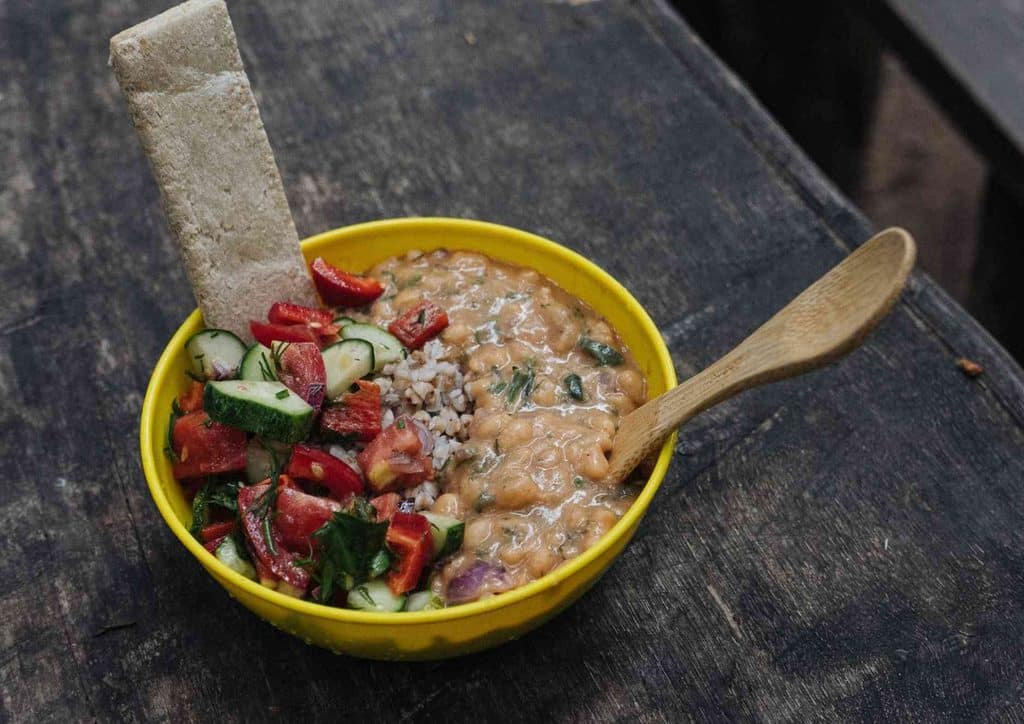
Final thoughts
Healthy lunches for weight loss do not need to be complicated, expensive or time consuming. Focus on combining protein, fibre rich carbohydrates, vegetables and healthy fats to create satisfying meals that help manage hunger and support consistent progress.
Whether you are packing a chicken and salad wrap for work, preparing a tuna and brown rice bowl or using leftovers from dinner, the goal is to choose lunches that fit your routine and keep you feeling satisfied throughout the afternoon.
The key to sustainable weight loss is consistency, not perfection. Plan a few lunches you enjoy, prepare ingredients ahead of time and adjust your portions to suit your appetite, activity levels and individual needs.
By building a reliable lunch routine without restrictive diets or unnecessary food rules, you can develop healthier eating habits that support your weight loss goals over the long term.
Healthy lunches for weight loss interactive calculator
Think you know how to build a midday meal that supports weight loss, steady energy, and long-term habits? Test your knowledge on lunch choices, satiety, and beating the afternoon slump.
1. A light salad consisting solely of lettuce, cucumber, and tomato is ideal for keeping you full until dinner.
2. What is a primary reason you might feel hungry or sluggish at 3:00 PM?
3. Is it necessary to eliminate carbohydrates from your lunch to achieve weight loss?
4. What is an effective strategy for making healthy lunches a consistent habit?
5. How can a weight loss nutritionist help with your lunch routine?
Sustainable weight loss relies on balanced midday meals, adequate hydration, and realistic habits you can maintain. You do not need to restrict entire food groups or starve yourself to succeed.
Frequently asked questions
What is a good lunch for weight loss?
A chicken and salad wholegrain wrap, tuna and brown rice bowl, or eggs on wholegrain toast can all provide a balanced combination of protein, fibre and other nourishing ingredients.
Are salads enough for lunch?
They can be, provided they contain enough food to satisfy you and include substantial ingredients such as protein, legumes, wholegrains or other sources of energy.
Is it OK to eat the same lunch every day?
Yes, if you enjoy it and it meets your nutritional needs. Varying ingredients occasionally can help you obtain a wider range of nutrients and keep meals interesting.
What should I eat for lunch if I train in the afternoon?
Choose a meal containing protein, carbohydrates and other nourishing ingredients, such as chicken with rice and vegetables or eggs on wholegrain toast. Adjust the amount and timing to your appetite, training demands and comfort.

Keep reading
This article is general information, not personal medical or nutritional advice. Individual needs vary. For guidance tailored to you, book a consultation.
Book a 60 minute consultation, in Bondi Junction or by Telehealth from anywhere in the world.