
The quick answer
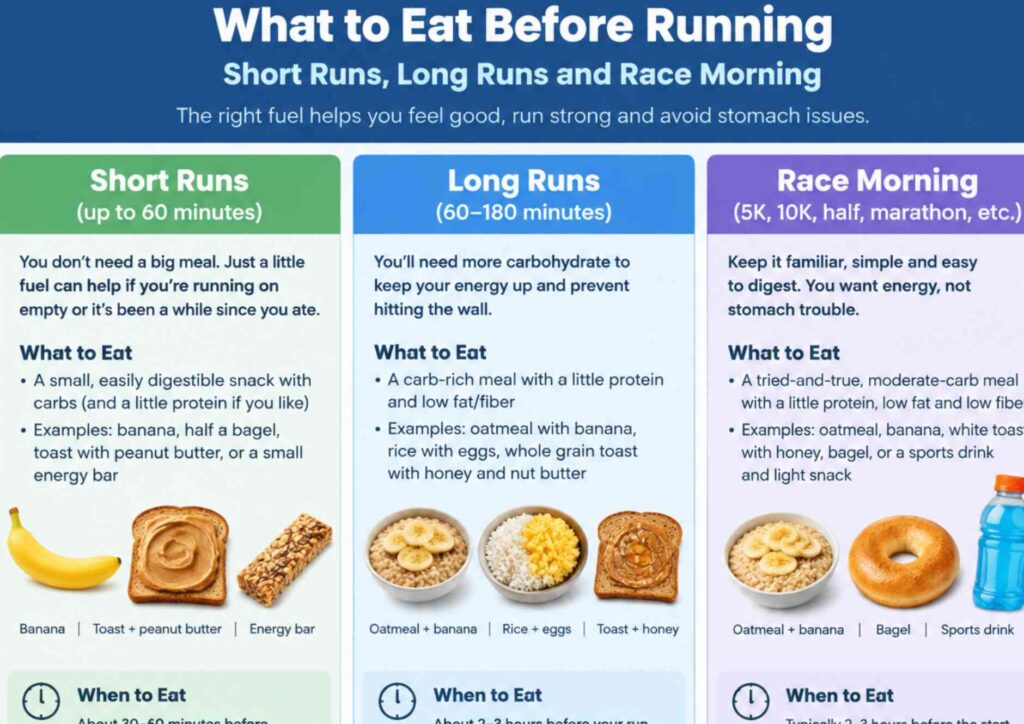
What to eat before running depends on how long and how hard you plan to run. For a short, easy run, you may need little or nothing beforehand, while a long run or race calls for a carbohydrate rich meal or snack that provides energy and gives your stomach enough time to settle.
The short version
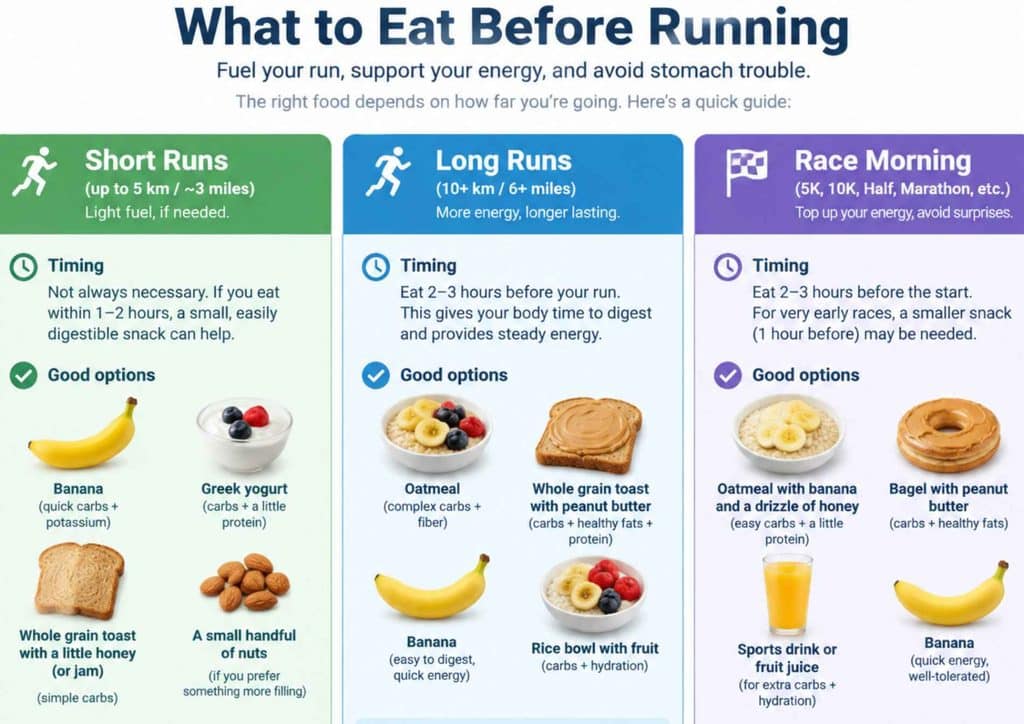
- Short runs: You generally do not need a substantial meal before a short, easy run, as your existing energy stores can provide sufficient fuel. However, eating a small carbohydrate rich snack can help you feel more energised if you are hungry or completing a higher intensity session.
- Long runs: The longer you run, the more important it becomes to start with adequate carbohydrate fuel to support endurance, maintain your pace and delay fatigue. A properly timed carbohydrate rich meal helps prepare your body for the increased energy demands of longer training sessions.
- Race morning: Your race day breakfast should be familiar, carbohydrate rich and tested repeatedly during training. Never experiment with new foods, unusually large meals or unfamiliar fuelling strategies on race morning when your performance and stomach comfort matter.
Pre run meal
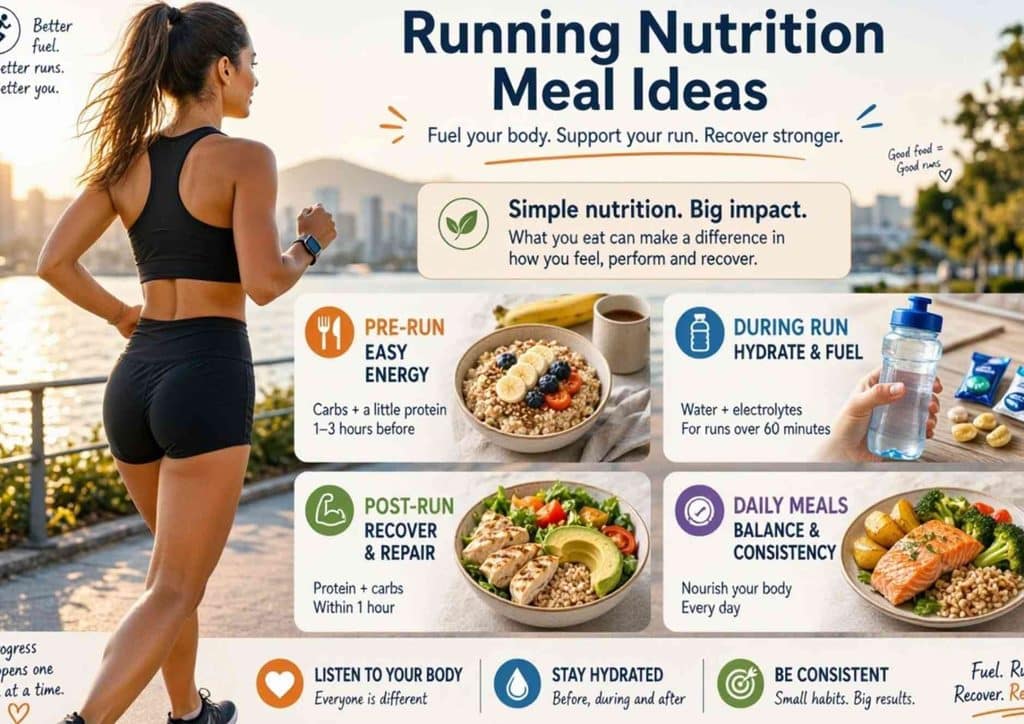
A pre run meal is food eaten before exercise to provide energy, support running performance and help you feel comfortable throughout your session. The amount, type and timing of food should reflect the distance, intensity and duration of your run.
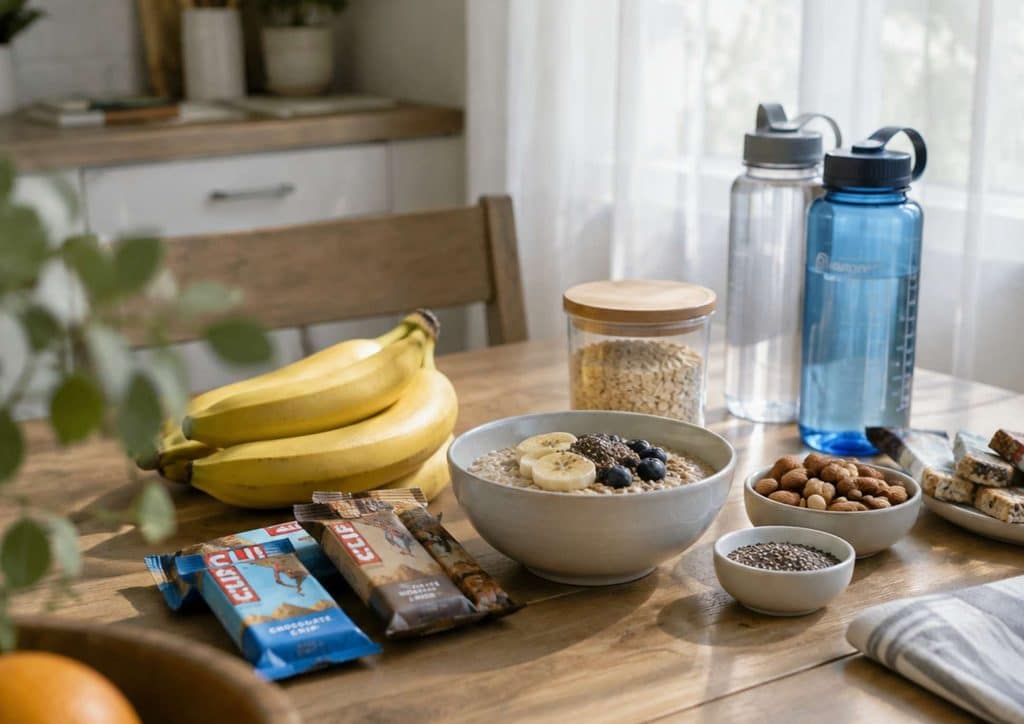
“You cannot expect your body to run stronger, go further and perform better if you consistently fail to give it the fuel it needs. Proper running nutrition is not about eating more, it is about eating strategically to get more out of every kilometre”.
Jake Biggs, Nutrition Longevity

| Run Type | What is happening | What to try |
|---|---|---|
| Short Runs (30 to 45 mins) | Existing glycogen stores easily cover energy demands for short efforts, meaning substantial pre run meals remain completely unnecessary. | Grab a small, carbohydrate rich snack like a banana or toast if hungry or tackling higher intensity, alongside proper hydration. |
| Long Runs (60 plus mins) | Extended mileage rapidly depletes muscle fuel, making adequate pre run carbohydrates essential to maintain pace and stave off exhaustion. | Eat a carbohydrate rich meal 2 to 3 hours beforehand to stock fuel reserves and power through increased energy demands. |
| Race Morning | Nerves elevate stress on digestion, while maximum performance requires fully topped up energy stores without risking stomach upset. | Lock in familiar, low fibre carbohydrates tested repeatedly during training, avoiding any new foods or large meals on race day. |
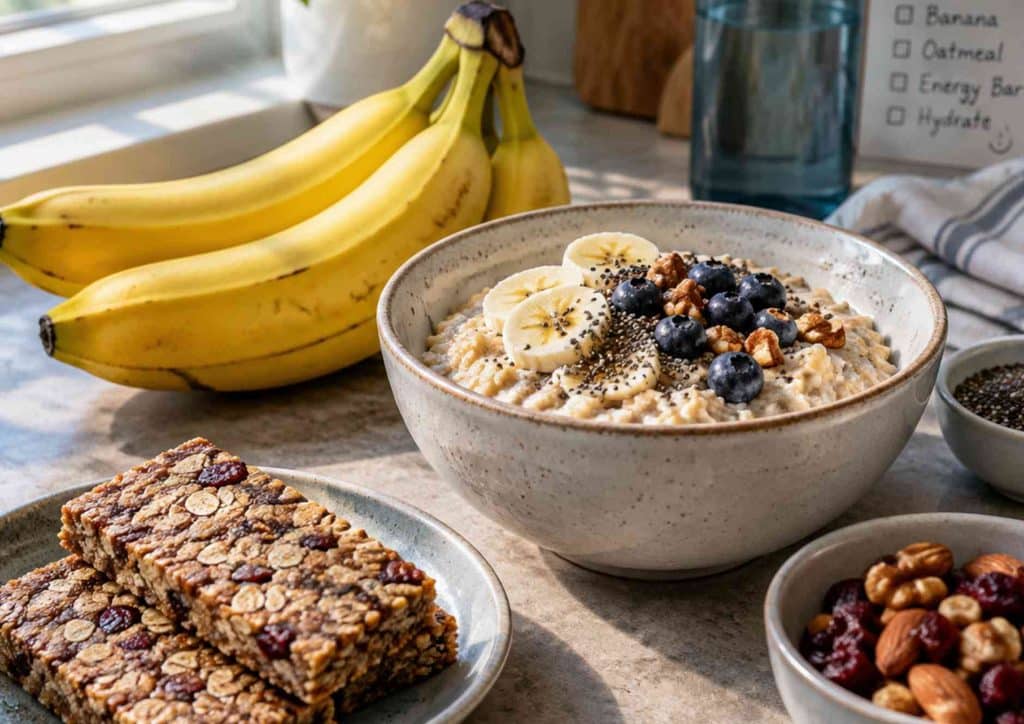
Personalised pre run nutrition calculator for running performance
Dial in your pre run fuelling to run stronger, hold pace deeper into your session, and protect stomach comfort. Select your run scenario and current habits below to generate a targeted pre run nutrition plan.
Your Pre Run Nutrition Blueprint
Preparing for a demands smart carbohydrate timing and stomach friendly choices that match your workload.
Your tailored recommendations
Want a personalised running nutrition plan?
I will review your weekly training load, fuelling tolerance, and performance goals to build a practical pre run and race day nutrition strategy tailored to your routine.
Book a consultationThis interactive calculator provides general sports nutrition guidance for runners and is not a substitute for individualised clinical or sports dietetic advice.
“Runners do not fail because they lack grit; they fail when they guess their fuelling instead of matching what is on their plate to the miles ahead. I built this interactive calculator so you can stop second-guessing short runs, long runs, and race mornings and start turning every session into real progress”.
Jake Biggs, Nutrition Longevity

Do you need to eat before a run?
No, you do not always need to eat before running, particularly if you are heading out for a short, comfortable session. However, eating beforehand becomes more important as your running distance, intensity and energy demands increase.
Your body stores carbohydrates as glycogen in your muscles and liver. These stored carbohydrates help fuel running, particularly when you increase your pace or exercise for longer periods.
If you run first thing in the morning, you have also gone several hours without eating. This does not automatically mean you need breakfast before every run, but it is worth considering how you feel, your training demands and what you ate the previous evening.
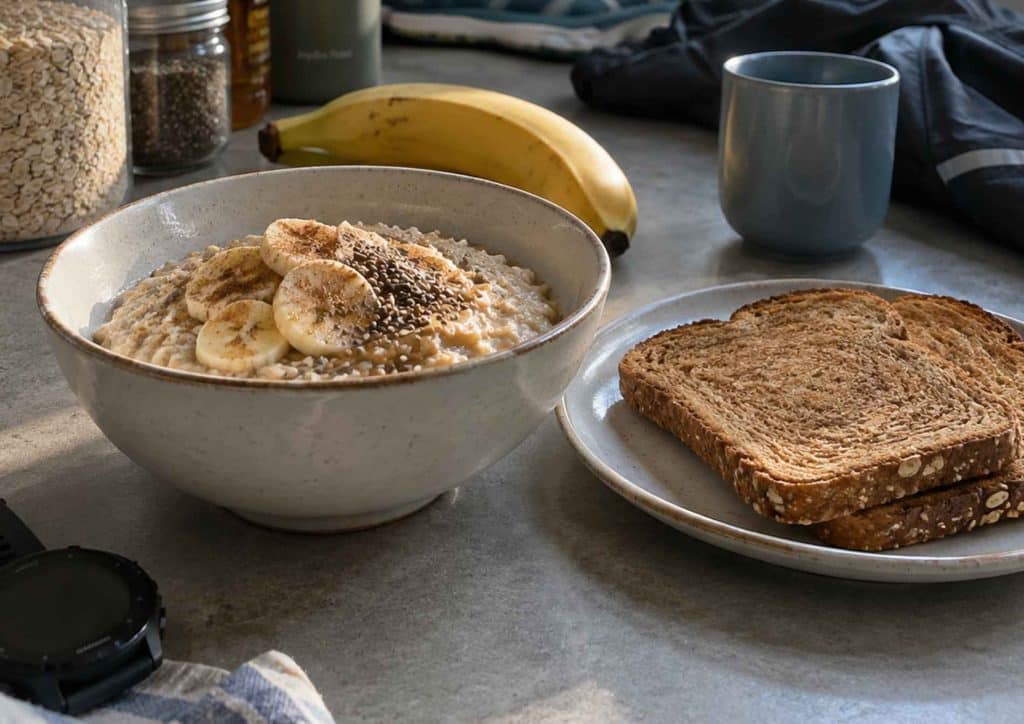
I often find that runners focus too heavily on burning calories during exercise rather than fuelling their training properly. Running without eating is not automatically more effective, and deliberately underfuelling can make it harder to maintain performance, recover and stay consistent.
If you are unsure how to structure your meals around your training, working with a running nutritionist or marathon nutritionist can help you establish an approach that supports both your running goals and overall nutrition. Understanding the role of a sports nutritionist and the cost of professional nutrition support can help you decide whether individual guidance is appropriate for your needs.

| Common Myth | Evidence Based Fact | Practical Takeaway |
|---|---|---|
| You must always eat before every single run, regardless of distance or intensity. | Existing muscle and liver glycogen stores readily fuel short, low intensity runs lasting under 45 minutes without requiring extra pre run food. | For short easy sessions, run without extra food if comfortable, keeping your primary focus on proper hydration beforehand. |
| Running completely on empty burns far more total body fat and speeds up overall weight loss. | Fasted sessions temporarily shift fuel use during light efforts, but severely limit interval intensity, total kilojoule burn, and session quality. | Fuel hard training sessions and long runs with carbohydrates so you can hold faster paces and maintain higher overall training output. |
| High protein shakes or high fat foods before a run supply fast, sustained energy. | Proteins and fats digest slowly, delaying gastric emptying and increasing the risk of stomach cramps, nausea, and heavy legs once your heart rate rises. | Prioritise simple, low fibre carbohydrates like white toast with honey or a banana, keeping fats and protein minimal right before running. |
| Eating a massive meal right before heading out for a long run guarantees peak endurance. | Large pre run meals direct blood flow straight to your digestive system, leading to heavy stomach distress, bloating, and sluggish performance on course. | Finish main carbohydrate rich meals 2 to 3 hours prior to long sessions or races, allowing ample time for smooth digestion. |

“You cannot expect your body to perform consistently when you repeatedly ask it to run without giving it the energy it needs”.
Jake Biggs, Nutrition Longevity

Before a short run
Before a short run lasting approximately 30 to 45 minutes, you generally do not need a substantial meal, particularly if the session is easy and you have eaten adequately throughout the previous day.
For many runners, heading out without breakfast is perfectly manageable for a short morning jog. Your existing glycogen stores can provide energy for this type of session.
However, there is an important distinction between an easy jog and a demanding running workout.
If you are doing intervals, hill sprints or a faster paced session, having something small beforehand may help you feel more energised and maintain your training intensity.

| Run Type | What Your Body Is Doing | What to Do |
|---|---|---|
| Easy Jog (30 to 45 mins) | Your muscle energy stores already hold enough fuel for short, light runs, making big pre run meals completely unnecessary. | Head out without eating if you feel good, and focus on drinking water before you start. |
| Hard Workout (Intervals, Hills, Speed) | Fast, tough runs burn through quick energy fast, leading to early fatigue if your tank is totally empty. | Eat a small, fast digesting snack like a banana or toast with honey to keep your energy high and hit target paces. |

What should you eat before a short morning run?
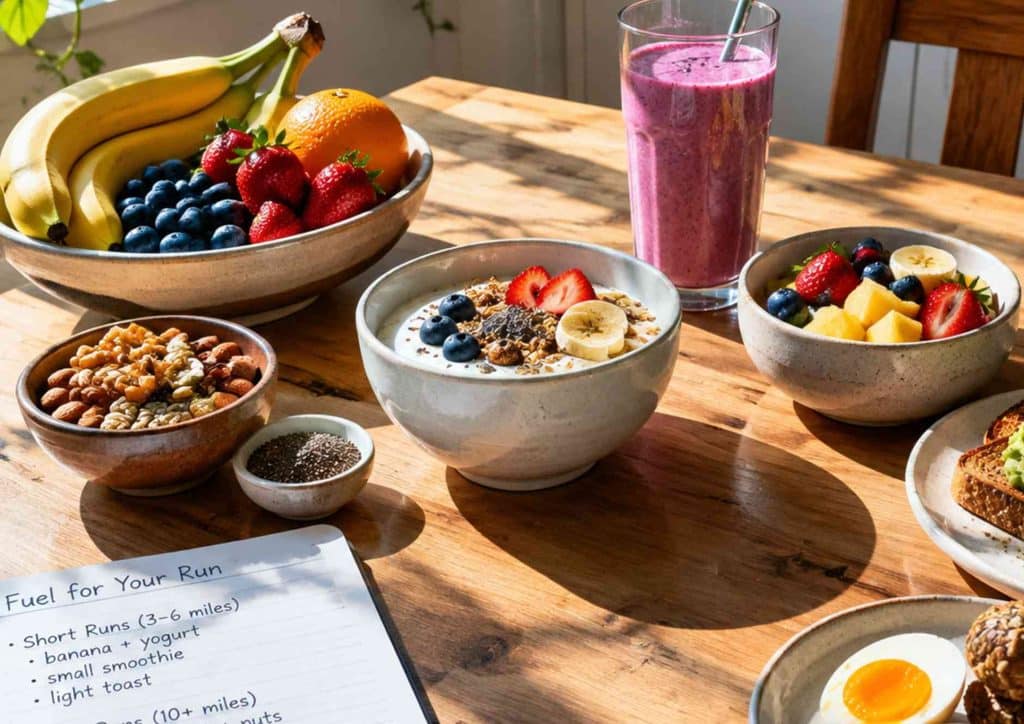
If you prefer eating before a short run, choose something small, familiar and relatively easy to digest, following the same principles used for selecting suitable pre-workout snacks.
Some practical options include:
- A banana.
- A slice of white toast with honey.
- A small serving of yoghurt, if you tolerate dairy.
- A small bowl of cereal with milk.
- A piece of fruit.
You do not need to force yourself to eat a full breakfast before a short run if you feel comfortable without it.
However, if you regularly feel light headed, unusually tired or excessively hungry during your runs, reconsider whether you are eating enough before training and throughout the day.

| Pre Run Snack | What Your Body Is Doing | What to Try |
|---|---|---|
| Banana or fresh fruit | Rapidly delivers simple, clean carbohydrates without pulling blood flow away to heavy digestion. | Grab a banana or piece of fruit 15 to 30 minutes before stepping out for instant, weightless energy. |
| White toast with honey | Low fibre, fast acting carbs instantly top up blood glucose to power through higher intensity paces. | Enjoy one slice of white toast with honey to sharpen workout focus without stomach heaviness. |
| Small serve of yoghurt | Combines easy carbs with a light protein base to stop stomach growling and calm pre run light headedness. | Spoon down a small serve of plain or vanilla yoghurt if you tolerate dairy and feel flat running empty. |
| Small bowl of cereal with milk | Topped up fuel stores and fluid intake in one simple, familiar morning option. | Have a light, familiar bowl of cereal 45 minutes prior if you prefer a tiny meal over running fasted. |

Should you eat after a short run?
Yes, particularly if you have skipped breakfast or have another training session later in the day. Recovery nutrition plays an important role after exercise and should be considered when planning your post-workout meals. Your post run meal should include carbohydrates for replenishing energy stores and protein to support muscle repair and recovery.
For example, eggs on toast with fruit, yoghurt with oats or a balanced breakfast with wholegrain toast and eggs are practical options.

| Recovery Focus | What Your Body Is Doing | What to Try |
|---|---|---|
| Post Run Refuelling Demand | Running drains stored muscle energy while causing micro breakdown in muscle tissue, making post run nutrition essential to kickstart recovery, especially if you ran fasted or plan to train again soon. | Eat a balanced meal combining quality protein for muscle repair with clean carbohydrates to restore glycogen within 30 to 60 minutes after finishing. |
| Eggs on Wholegrain Toast with Fruit | Delivers complete protein from eggs to rebuild muscle fibers alongside complex carbohydrates and antioxidants to replenish energy stores steadily. | Poach or scramble two eggs on toasted wholegrain bread, paired with a fresh piece of fruit like an apple or berries. |
| Greek Yoghurt with Oats & Honey | Combines fast acting and slow release carbohydrates with dense protein to restore muscle glycogen and keep post run appetite completely satisfied. | Bowl up high protein Greek yoghurt with rolled oats, a drizzle of honey, and sliced banana for a quick, zero fuss recovery meal. |

Before a long run
Before a long run lasting more than 60 to 90 minutes, I recommend eating a carbohydrate rich meal or snack beforehand to help provide energy for the session.
Long runs place greater demands on your stored carbohydrate reserves, making your overall running nutrition increasingly important. Starting with adequate energy availability can help you maintain your pace, reduce the likelihood of feeling excessively fatigued and support a more consistent training session.
This is where the approach to what to eat before running changes considerably.
Rather than relying on a coffee and hoping for the best, plan a meal that provides carbohydrates without leaving you feeling overly full.

| Long Run Shift | What Your Body Is Doing | What to Try |
|---|---|---|
| Glycogen & Pace Demands (60 to 90 plus mins) | Extended running steadily drains stored carbohydrates, making under fuelled starts a fast track to heavy legs, fading pace, and early exhaustion. | Eat a carbohydrate rich meal or snack beforehand so you start with full energy reserves and hold strong pacing longer. |
| Beyond Just Coffee | Caffeine alone cannot supply the ongoing glucose fuel required when your session stretches past an hour, leaving your tank dangerously low. | Plan a real carbohydrate base rather than relying on coffee alone, keeping portions light enough to avoid feeling stuffed. |
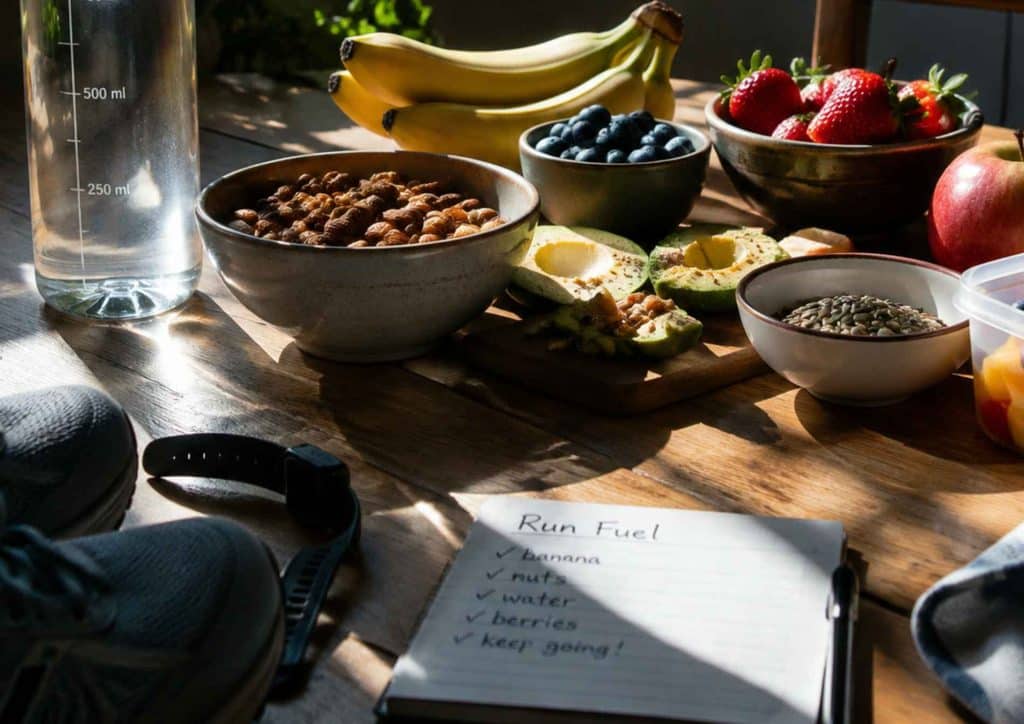
What are the best foods before a long run?
Focus on carbohydrate rich foods that you know your stomach tolerates.
Good options include:
- Porridge with banana and honey.
- White toast with jam or honey.
- Cereal with milk and a banana.
- Toast with a small amount of peanut butter and honey.
- Rice with a small amount of lean protein.
- A banana with a small bowl of cereal.
The goal is to provide enough carbohydrates to support your training without consuming a meal that takes too long to digest.

| Pre Long Run Meal | What Your Body Is Doing | What to Try |
|---|---|---|
| Porridge with Banana and Honey | Delivers steady, lasting carbohydrate fuel plus quick natural sugars to power through long miles without sudden energy crashes. | Cook rolled oats with water or milk, top with sliced banana and honey, and keep heavy extras light so your stomach stays comfortable. |
| White Toast with Jam or Honey | Provides fast absorbing, low fibre carbohydrates that top up energy stores rapidly without weighing down digestion. | Toast two slices of white bread with a generous spread of jam or honey when you want simple, reliable fuel. |
| Cereal with Milk and Banana | Stocks muscle glycogen and adds fluid volume in an easy to digest, familiar pre run combination. | Pair a bowl of familiar low fibre cereal with milk and sliced banana if your gut handles it smoothly during training. |
| Toast with Light Peanut Butter and Honey | Combines fast carbohydrate fuel with a small touch of fat and protein for steady energy without slowing stomach emptying. | Keep the peanut butter to a thin layer and add honey so carbs stay front and centre before extended running. |
| Rice with a Small Serve of Lean Protein | Supplies dense, easily digested carbohydrates alongside a modest amount of lean protein for longer pre run windows. | Eat a moderate bowl of white rice with a small portion of chicken, fish, or tofu well ahead of your start time. |
| Banana with a Small Bowl of Cereal | Delivers clean, accessible carbohydrate energy to top up your tank and protect pace late in long sessions. | Choose a moderate portion that fuels your run without leaving you feeling overly full before stepping out. |

How much should you eat before a long run?
Your portion size should reflect your body size, training intensity, running duration and individual tolerance.
For a longer training session, a more substantial carbohydrate based breakfast is generally appropriate than the small snack you might have before a short jog.
For example, someone preparing for a two hour training run will generally need to think more carefully about their pre run nutrition than someone completing a comfortable 30 minute session.
Remember that pre run food is only one part of the equation. For longer sessions, you also need to consider carbohydrate intake during the run and your recovery nutrition afterwards.

| Fuelling Factor | What Your Body Is Doing | What to Try |
|---|---|---|
| Portion Size & Meal Scale | Extended sessions drain far more glycogen than short jogs, so a light snack often falls short while an oversized meal can slow digestion. | Scale your carbohydrate portion to your body size, pace, and run length, aiming for a solid, comfortable meal rather than feeling stuffed. |
| Individual Gut Tolerance | Every runner digests food at a different speed, and pushing portions or timing too fast can trigger cramps or heaviness on the move. | Test your exact portion sizes during training runs and adjust based on how your stomach feels once you pick up speed. |
| Full Run Fuelling Equation | Pre run food tops up your starting tank, but long runs still require ongoing fuel during the session and smart recovery food afterward to bounce back strong. | Pair a solid pre run meal with carbohydrates during longer runs and a balanced protein plus carb meal once you finish. |

What if you are not hungry before a long run?
If you struggle to eat early in the morning, start with a smaller, easily digested carbohydrate option rather than forcing down a large breakfast.
A banana, toast with honey or a small serving of cereal can be a practical starting point.
You can also allow more time between waking up, eating and running so you are not trying to consume breakfast immediately before heading out the door.

| Morning Challenge | What Your Body Is Doing | What to Try |
|---|---|---|
| Zero Appetite Early | Forcing down a heavy breakfast when your stomach feels asleep can trigger nausea, cramps, and sluggishness before you even hit your stride. | Start with a small, easy to digest carbohydrate bite rather than a huge meal so you still get fuel without discomfort. |
| Quick Starter Fuel | Simple carbohydrates digest fast and deliver clean energy quickly without sitting like a brick in your stomach. | Try a banana, white toast with honey, or a small serve of cereal to ease into fuelling smoothly. |
| Rushed Morning Timing | Eating right before stepping out the door leaves too little time for digestion once your heart rate climbs on a long run. | Wake up a little earlier or give yourself extra breathing room between eating and running so your stomach settles. |

Practise your long run breakfast
Eat the same meal before several training sessions and adjust the portion size and timing according to how you feel. This helps you understand what your stomach tolerates before increasing your running distance.
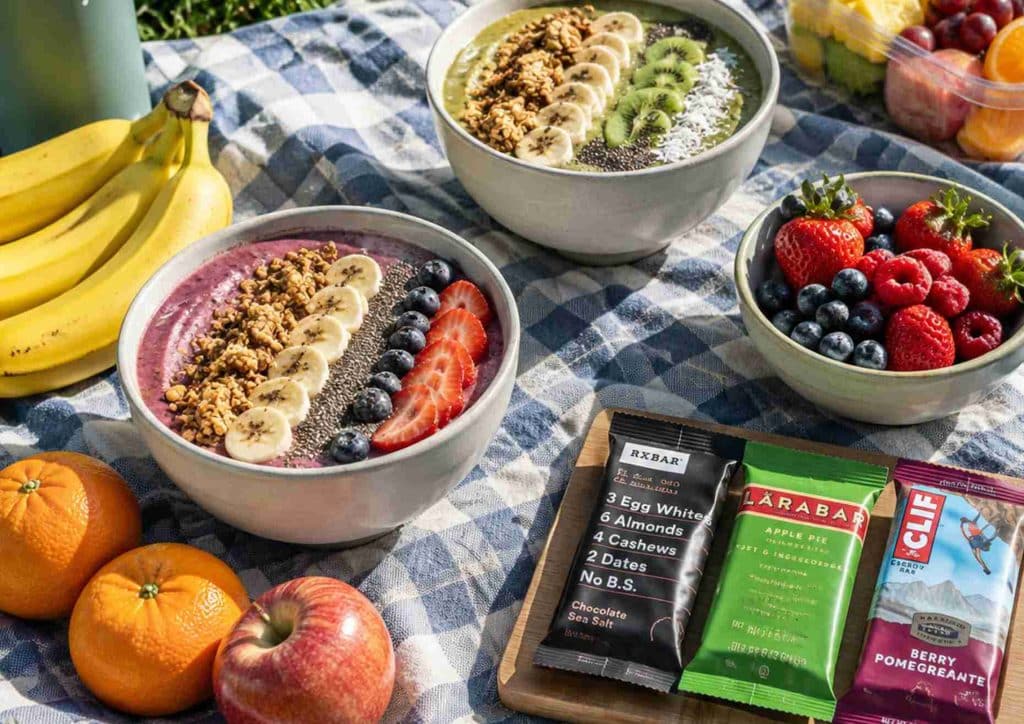
Race morning: what to eat before a half marathon or marathon
Before a half marathon or marathon, eat a familiar carbohydrate rich breakfast approximately two to four hours before the start, allowing enough time for digestion and avoiding unnecessary experimentation.
Race morning is not the time to introduce unfamiliar foods, suddenly increase your fibre intake or try a completely different breakfast.
Your goal is to start the race with adequate energy availability while feeling comfortable.
If you are preparing for a half marathon or marathon, your breakfast should already have been tested during your longer training sessions and practised alongside any carb loading approach you intend to use.
This is particularly important because nerves, excitement and changes to your normal routine can affect how your stomach feels on race morning.
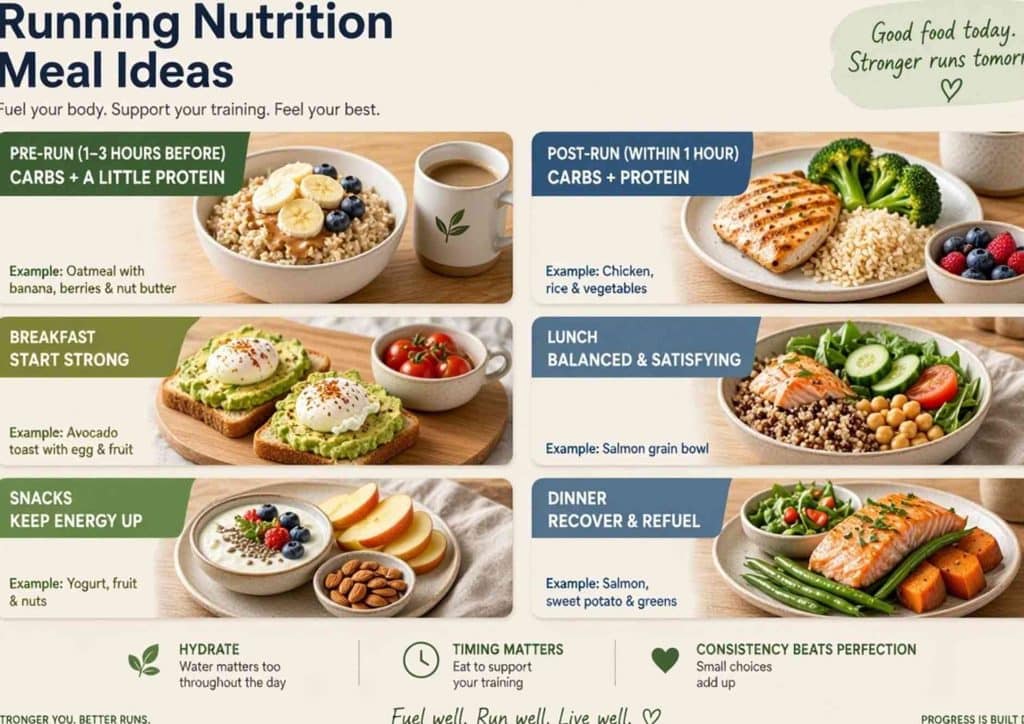
| Race Morning Rule | What Your Body Is Doing | What to Try |
|---|---|---|
| Timing Window (2 to 4 Hours Out) | A substantial carbohydrate meal needs time to empty from your stomach and top up muscle and liver energy before race stress hits. | Eat your main race breakfast 2 to 4 hours before the gun so fuel is ready and your stomach feels settled at the start line. |
| Zero New Experiments | Race nerves and travel routines can make a sensitive gut react sharply to unfamiliar foods or sudden extra fibre on race morning. | Stick strictly to proven, low fibre carbohydrate foods you have already nailed during long training runs. |
| Calm Gut Under Race Nerves | Adrenaline and excitement naturally shift digestion, making familiar, gentle fuel far easier to handle than a risky new breakfast. | Rehearse your exact race morning meal before long runs so it feels automatic, light, and reliable when race day arrives. |

What should you eat before a half marathon?
A half marathon breakfast should provide carbohydrates without being excessively large or difficult to digest.
Practical options include:
- Two slices of white toast with honey or jam.
- Porridge with banana and a little honey, if you tolerate oats well.
- A bowl of lower fibre cereal with milk.
- Toast with banana.
- A simple carbohydrate rich breakfast that you have already practised during training.
Your individual requirements will depend on how long you expect to run, your usual eating habits and your tolerance for food before exercise.

| Half Marathon Option | What Your Body Is Doing | What to Try |
|---|---|---|
| Two Slices of White Toast with Honey or Jam | Delivers fast, clean carbohydrate energy with low fibre so your tank fills up without sitting heavy when race pace begins. | Spread honey or jam generously on two slices of white toast 2 to 3 hours out for simple, reliable race fuel. |
| Porridge with Banana and Honey | Provides steady carbohydrate release plus quick natural sugars to power strong pacing across 21.1 km when oats suit your stomach. | Keep portions moderate and skip heavy toppings so your gut feels light and settled at the start line. |
| Lower Fibre Cereal with Milk | Supplies accessible carbohydrates and extra fluid in a familiar, easy to digest morning bowl before race nerves kick in. | Pick a low fibre cereal you already tolerate well in training and portion it to match your expected race time. |
| Toast with Sliced Banana | Combines fast acting starches and potassium rich fruit carbs to top up glycogen stores smoothly without bloating. | Top toast with sliced banana and a touch of honey if you want extra quick energy without a massive meal. |
| Practised Personal Carb Meal | Familiar fuel reduces digestive surprises when adrenaline rises, letting you focus fully on pacing and execution rather than stomach upset. | Adjust your exact serve based on how long you will be on your feet and your normal morning appetite. |

What should you eat before a marathon?
Before a marathon, carbohydrate intake becomes particularly important because the event places substantial demands on your stored energy reserves.
I recommend planning your breakfast around foods you have successfully tolerated during long training runs.
For example, you might have toast with honey, a banana and a suitable serving of cereal.
Avoid suddenly increasing your intake of foods that are high in fat, fibre or protein if you know they make you feel uncomfortably full.
You should also have a plan for carbohydrate intake during the marathon. Breakfast alone will not provide all the energy required to complete the distance.
If you are preparing for your first marathon or looking to improve your race day fuelling, a marathon nutritionist can help you organise your carbohydrate intake before, during and after the event.
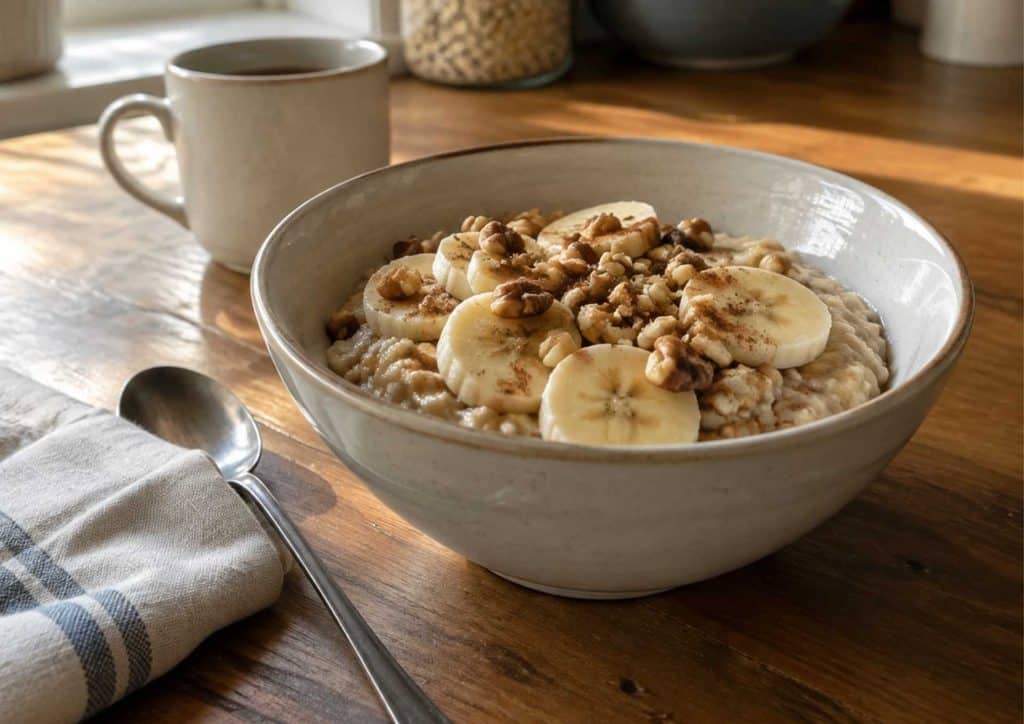
| Marathon Fuel Rule | What Your Body Is Doing | What to Try |
|---|---|---|
| Heavy Carbohydrate Demand | A full marathon drains massive amounts of stored muscle and liver glycogen, so starting with low energy reserves makes late race fade almost certain. | Build your morning meal around a solid serve of familiar carbohydrates such as toast with honey, a banana, and cereal. |
| Keep Fat, Fibre & Protein Light | Extra fat, heavy fibre, or large protein serves slow stomach emptying and pull blood toward digestion, raising the risk of cramps and heaviness on course. | Stick to low fibre, easy to digest foods you have already tested and tolerated well during your longest training runs. |
| Breakfast Plus On Course Fuel | Morning food tops up your starting tank, yet 42.2 km burns more energy than breakfast alone can supply, even with a great start. | Pair a strong pre race breakfast with a clear plan for taking in carbohydrates during the marathon and refuelling after you cross the line. |
| Tailored Race Day Plan | Every runner has unique gut tolerance, pace targets, and energy needs across long hours on foot, so guesswork often costs valuable minutes. | Lock in your exact before, during, and after marathon fuelling plan well ahead of race day with proven practice or targeted sports nutrition support. |
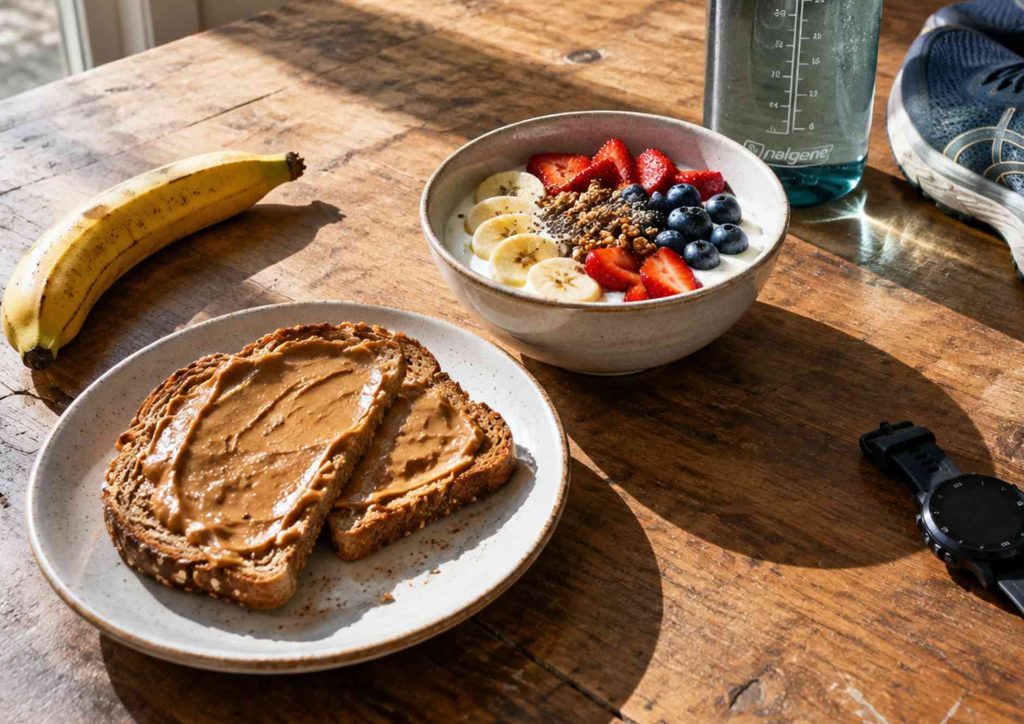
Is breakfast the most important meal before a race?
Breakfast can be particularly important before a long distance event, but the overall pattern of eating in the days leading up to your race matters too.
Your carbohydrate intake, hydration and general energy availability should be considered together rather than treating breakfast as an isolated meal.
I would rather see a runner eat a familiar, adequately sized breakfast than force down an enormous meal because they believe more food automatically means more energy.

| Race Fuel Pillar | What Your Body Is Doing | What to Try |
|---|---|---|
| Build Up Days Before Race | Muscle glycogen stores fill up over the days leading into a race, so a single morning meal cannot rescue an under fuelled week. | Prioritise steady carbohydrate intake, solid meals, and good hydration in the days before race day rather than pinning everything on breakfast. |
| Breakfast as One Piece | Race morning food works best alongside your prior fuelling, hydration status, and overall energy balance rather than acting in isolation. | Treat breakfast as a reliable top up that completes your wider race preparation instead of a last minute miracle fix. |
| Right Size Over Giant Meals | Forcing down an oversized breakfast can overload digestion and cause gut distress, whereas a comfortable serve fuels you cleanly. | Eat a familiar, well sized meal that matches your tolerance and leaves your stomach calm when race nerves hit. |

Foods that upset runners’ stomachs
Foods that are high in fat, fibre or difficult for you to digest can increase the likelihood of gastrointestinal discomfort during running, particularly when eaten too close to exercise.
Running itself places additional demands on your digestive system. The repeated movement, increased blood flow to working muscles and exercise intensity can all influence how your gastrointestinal tract feels.
This is why nutrition for runners needs to consider not only the nutritional value of food but also how comfortably you can digest it before exercise.

| Gut Disruption Factor | What Your Body Is Doing | What to Try |
|---|---|---|
| Heavy Fat & High Fibre Foods | Fat slows stomach emptying and heavy fibre ferments or sits longer in the gut, triggering cramps, bloating, and urgency once you start moving. | Dial back high fat, high fibre, or tricky foods close to runs and choose light, easy to digest carbohydrates instead. |
| Blood Flow & Bounce Stress | Running diverts blood away from digestion toward working muscles while constant up and down impact shakes your stomach and intestines. | Respect timing before workouts and keep pre run meals simple so your gut handles the physical bounce cleanly. |
| Comfort Over Nutrition Alone | Even wholesome, nutrient dense foods can backfire mid run if they digest slowly or clash with your individual gut tolerance under effort. | Judge pre run food by how smoothly your stomach settles under pace, saving heavy or high fibre staples for after your run. |

Foods to be careful with before running
Some foods are more likely to cause problems for certain runners, particularly when eaten shortly before a session. These include:
- Large servings of vegetables, beans and legumes.
- High fibre breakfast cereals.
- Large amounts of nuts and seeds.
- Fried foods and high fat meals.
- Very large meals.
- Foods containing ingredients that you personally struggle to tolerate.
- High amounts of dairy if you experience digestive discomfort after consuming it.
This does not mean these foods are unhealthy or should be removed from your everyday diet. Many are nutritious and provide valuable fibre, vitamins and minerals.
The important distinction is timing.
For example, a large bowl of high fibre cereal might be perfectly suitable for breakfast on a rest day but less comfortable immediately before a long run.
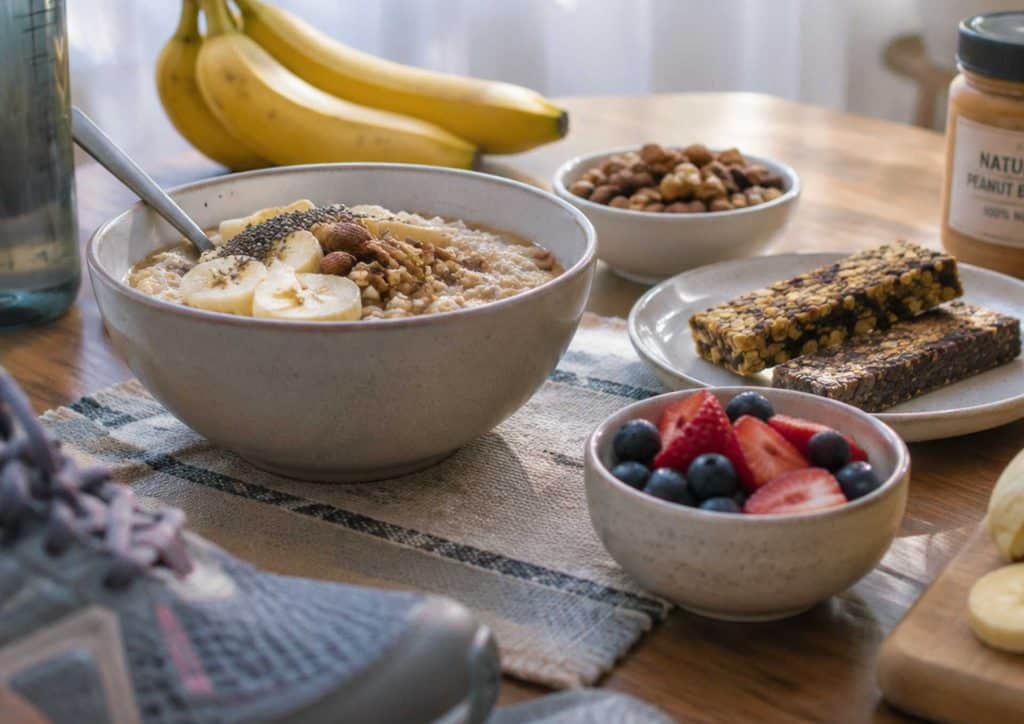
| Food to Watch Before Runs | What Your Body Is Doing | What to Try |
|---|---|---|
| Big Veg, Beans & Legumes | Bulky fibre and fermentable carbs stay put longer in the gut, increasing gas, bloating, and urgent bathroom stops once running starts. | Keep these nutritious staples in your everyday diet, but save big servings for rest days or well after your run. |
| High Fibre Cereals, Nuts & Seeds | Concentrated fibre and dense fats slow digestion and sit heavily on the stomach when blood flow shifts to working legs. | Swap to low fibre carbs before running and enjoy high fibre cereals, nuts, and seeds when your gut has plenty of downtime. |
| Fried, High Fat & Giant Meals | Heavy fats and oversized serves delay stomach emptying and force your digestive tract to work overtime right when you need quick energy. | Choose lighter, familiar carbohydrate portions before training and keep rich, bulky meals for later in the day. |
| Personal Triggers & Heavy Dairy | Individual food sensitivities or larger dairy serves can spark cramps or discomfort fast, especially under race nerves or higher speed. | Cut out personal trigger foods or excess dairy before runs and stick with options your stomach handles without complaint. |

Why does running cause stomach problems?
Running can trigger gastrointestinal symptoms because exercise changes blood flow, stimulates gut movement and creates repeated physical movement through the abdomen.
Some runners experience bloating, cramping, nausea or an urgent need to use the toilet, while others may also experience exercise-related muscle cramps during longer training sessions.
Eating too close to running, consuming large portions or choosing foods that do not agree with you can make these symptoms more noticeable.

| Symptom Trigger | What Your Body Is Doing | What to Try |
|---|---|---|
| Altered Blood Flow and Gut Motility | Exercise shifts blood toward working muscles and changes gut contractions, which can trigger bloating, cramping, nausea or urgent bowel movements. | Ease into intensity rather than sprinting straight out of the gate, and keep pre run fuel light so digestion stays smooth. |
| Vertical Bounce and Mechanical Jostling | Every stride sends repeated up and down movement through your abdomen, sloshing stomach contents and irritating a sensitive digestive tract. | Give your body time to settle after eating and avoid large fluid serves or bulky meals right before you start. |
| Timing, Portion Size and Food Fit | Eating too close to a run, serving oversized portions or choosing foods that disagree with you magnifies cramping, nausea and bathroom urgency. | Leave ample digestion time before running, keep portions modest and stick to foods your stomach tolerates well. |

How can you reduce digestive discomfort?
- Start by keeping your pre run meals relatively simple.
- Allow sufficient time between eating and running.
- Avoid unusually large meals immediately before exercise.
- Experiment with lower fibre carbohydrate options before longer sessions if fibre causes discomfort.
- Keep a simple record of what you eat, when you eat and how you feel during your run.
Remember that digestive tolerance is individual. There is no single pre run meal that works for every runner.
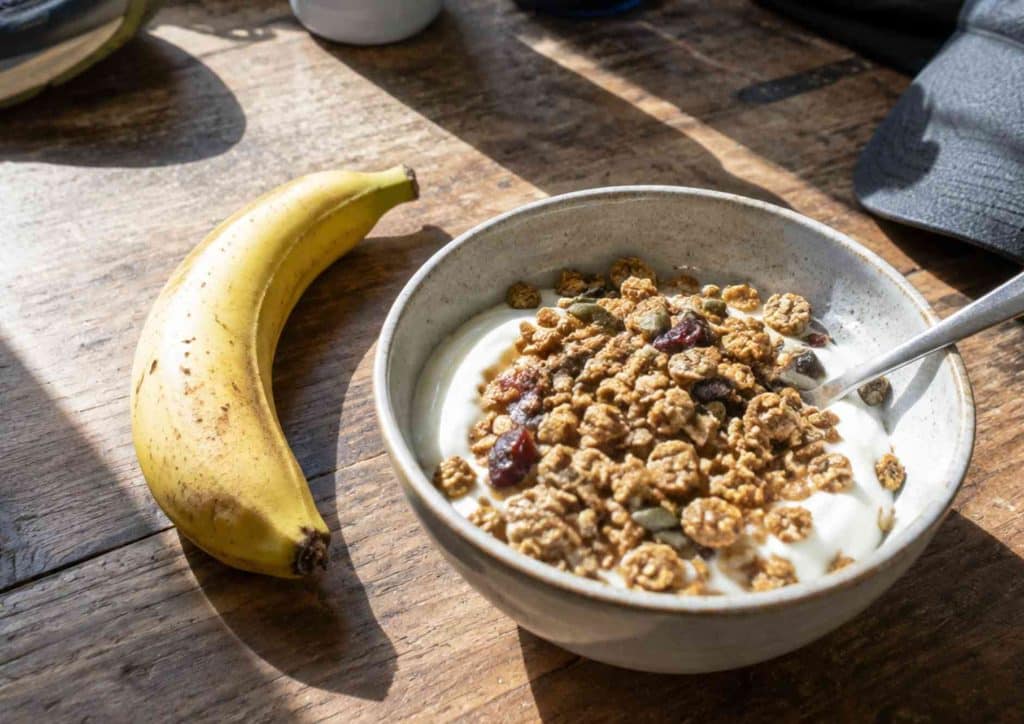
| Gut Comfort Habit | What Your Body Is Doing | What to Try |
|---|---|---|
| Simple Meals and Sensible Timing | Complex combinations and rushing out the door right after eating strain digestion once blood flow shifts toward working muscles. | Keep pre run meals simple, avoid oversized serves right before exercise and allow ample digestion time before you start. |
| Lower Fibre Carbs Before Long Runs | High fibre foods can slow gastric emptying and ferment in the gut under effort, triggering bloating or cramps on longer sessions. | Test lower fibre carbohydrate choices before longer runs when fibre bothers your stomach and save bulkier fibre for later. |
| Fuel Log and Personal Tolerance | Every runner has a unique gut threshold, so tracking what works helps spot subtle patterns before race day pressure hits. | Record what you eat, when you eat it and how your stomach feels during runs to build a reliable personal playbook. |

Test your race morning breakfast during training
Choose a breakfast you can comfortably eat before a long run and repeat it during training. Practise the timing, portion size and food choices so race morning feels familiar rather than experimental.

| Practice Area | What Your Body Is Doing | What to Try |
|---|---|---|
| Rehearse Choice and Timing | Repeating your exact pre run routine trains your gut to process fuel efficiently without unexpected distress under race intensity. | Select a comfortable carbohydrate breakfast and eat it at your planned race time before every key long run. |
| Lock in Portion Sizes | Testing exact portion amounts ensures you find the sweet spot between full energy stores and a light, calm stomach. | Fine tune your serving sizes during training sessions so you arrive at the start line energised rather than heavy. |
| Eliminate Race Morning Guesswork | Familiarity calms race day nerves and protects your digestive system from last minute experiments when excitement climbs. | Make your race morning meal completely automatic through repeated practice so nothing is left to chance on event day. |
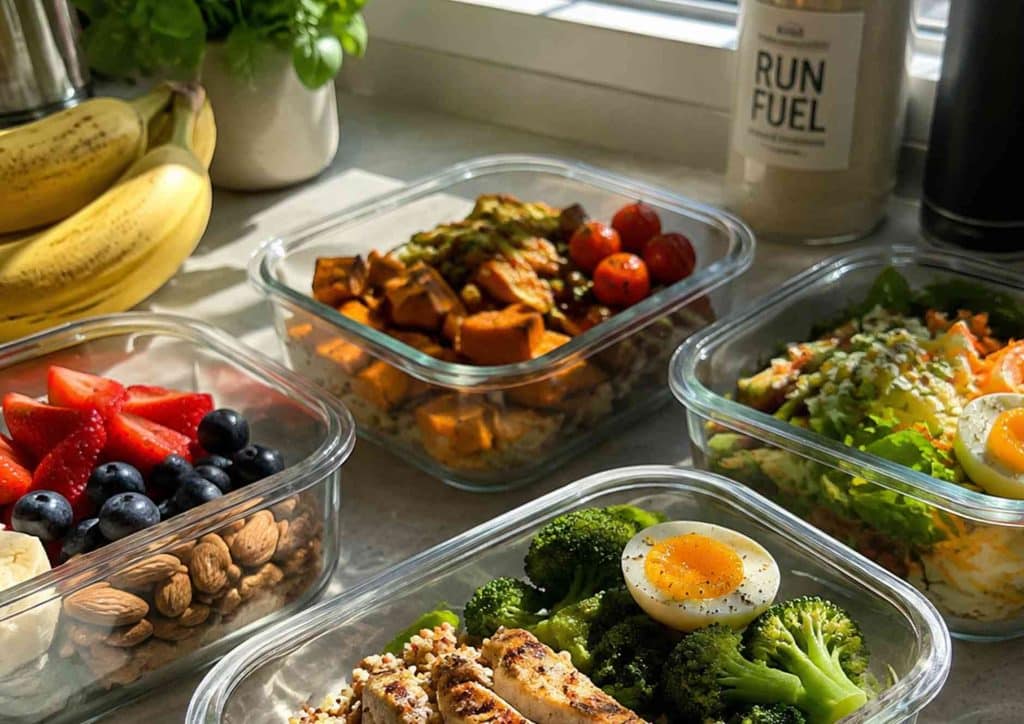
Good to know
Caffeine can improve alertness and may benefit endurance exercise performance in some people. However, individual responses vary, and caffeine can increase anxiety, affect sleep or cause gastrointestinal discomfort. You do not need caffeine to run well, and there is no reason to start using it if you do not already tolerate it.
| Caffeine Factor | What Your Body Is Doing | What to Try |
|---|---|---|
| Alertness and Endurance Performance | Caffeine stimulates the central nervous system, lowers perceived exertion and can sharpen focus across long endurance efforts. | Use caffeine strategically before key sessions if you already tolerate it well and enjoy the mental lift. |
| Individual Sensitivity and Side Effects | Response rates vary widely, with caffeine triggering elevated anxiety, disrupted sleep patterns or gut urgency in sensitive runners. | Monitor how your body reacts to coffee or gels, adjusting timing and dosage to protect sleep and digestive peace. |
| Optional Tool, Not a Requirement | Strong running performance relies primarily on solid training, consistent sleep and adequate carbohydrate fuelling rather than stimulants. | Skip caffeine entirely if you do not already use it, focusing instead on core nutrition and well rounded rest. |
Red flag: Ongoing digestive problems
If you regularly experience abdominal pain, persistent diarrhoea, blood in your stool, unexplained weight loss or significant digestive discomfort when running, speak with your GP. Do not assume these symptoms are simply a normal part of running or try to manage persistent problems through dietary changes alone.
What to do this week
- Eat a familiar carbohydrate rich snack before your next longer run.
- Practise your intended race morning breakfast during training.
- Record your meal timing and how your stomach feels during each session.
If you would like help putting this into practice, you can read more about is breakfast the most important meal.

How can a running nutritionist improve your running performance
Working with a running nutritionist can help you understand exactly how to fuel your body to support better running performance, improve endurance and optimise recovery while applying many of the core principles used in sports nutrition.
Your nutritional requirements change depending on your running distance, training intensity, weekly training volume and individual goals, making a personalised approach important for getting the most out of your training.
Whether you are building up to your first 5 km, improving your half marathon time or preparing for a full marathon, the right nutrition strategy can help you train more consistently and feel better during every session. Understanding what to eat before running is just one part of a wider approach that considers your daily nutrition, hydration, energy availability and recovery.

| Performance Pillar | What Your Body Is Doing | What to Try |
|---|---|---|
| Personalised Fuelling Strategies | Energy demands shift constantly with changes in weekly mileage, session intensity, target distances and unique metabolic rates. | Work with a running nutritionist to tailor your precise carbohydrate, protein and calorie targets to your exact training load. |
| Distance and Goal Alignment | Preparing for a first 5 km requires vastly different energy management compared to pacing half marathons or targeting a full marathon. | Structure your daily meal plan around your specific goal, ensuring high energy availability for tough sessions and recovery. |
| Complete 24 Hour Nutrition Approach | Pre run snacks are only one element, while overall daily nutrition, hydration habits and recovery meals drive long term adaptations. | Look beyond pre run food by optimizing baseline diet quality, fluid intake and post workout timing to train more consistently. |

Personalised running nutrition to optimise energy, endurance and stamina
A running nutritionist can help you determine how much energy and which nutrients your body needs to support your individual training demands.
This includes understanding your carbohydrate requirements, adequate protein intake and overall energy consumption to help maintain performance, support endurance and avoid inadequate fuelling, including understanding your protein requirements when muscle development is also a goal.
Rather than following generic dietary advice, your nutrition strategy can be tailored around your running schedule, food preferences, body composition goals and performance targets, including goals focused on losing fat while building muscle.
This helps establish practical eating habits that support your training while ensuring you are giving your body the energy it needs to perform.
| Tailored Strategy | What Your Body Is Doing | What to Try |
|---|---|---|
| Individualised Energy & Nutrient Targets | Matching carbohydrate needs, protein targets, and overall energy intake to training volume prevents under fuelling, fatigue, and performance drops. | Determine your exact daily macronutrient and caloric requirements based on your current mileage, intensity, and body composition goals. |
| Custom Routine & Schedule Integration | Generic diet rules often fail because they ignore personal work schedules, food preferences, training times, and specific stomach sensitivities. | Build practical, enjoyable meal habits around your training timetable so fuelling feels effortless and fits your daily routine. |
| Endurance & Stamina Optimisation | Sustained training performance requires consistent carbohydrate availability to protect muscle glycogen and maintain output over long distances. | Align your daily eating plan with your performance targets to ensure high energy availability for every session and faster recovery. |

Final thoughts
Understanding what to eat before running can make a significant difference to your energy levels, endurance, training consistency and overall running performance. While a short, easy run may require little or no food beforehand, longer training sessions and race day events demand a more deliberate approach to carbohydrate intake, meal timing and digestive comfort.
The most important thing is to find a fuelling strategy that works with your body, training demands and running goals. Practise your meals during training, avoid experimenting on race morning and remember that proper running nutrition extends beyond what you eat immediately before exercise.
Giving your body the energy and nutrients it needs is an important part of running stronger, recovering effectively and getting more out of every kilometre, whether your goal is improving performance or achieving weight loss through running.

What to actually eat before running quiz
Test your understanding of pre run carbohydrate fuelling, run duration scaling, gut comfort strategies, race morning preparation, and caffeine use.
1. Which macronutrient should lead your pre run meal or snack for quick, usable energy?
2. How should your pre run eating differ between a short jog and a long run or race?
3. What is the smartest move if you wake up without much appetite before a morning long run?
4. How should you approach your half marathon or marathon breakfast on race morning?
5. What should you keep in mind about caffeine and gut comfort before running?
Reliable pre run fuelling comes down to familiar carbohydrates, smart timing, individual tolerance, and practising your routine well before race day.

Frequently asked questions
Can I run on an empty stomach?
Yes, an easy short run can often be completed without eating beforehand. For longer or more intense sessions, eating beforehand is generally more appropriate to support energy availability and performance.
How long should I wait to run after eating?
Allow approximately 2 to 4 hours after a substantial meal and around 30 to 60 minutes after a small snack. Adjust this according to portion size, food choice and your individual digestive tolerance.
Is coffee OK before a run?
Yes, if you tolerate it comfortably. Be mindful that caffeine can cause stomach discomfort, an increased urge to use the toilet or feelings of anxiety in some runners.
What should I eat before running in the morning?
For a short easy run, you may not need breakfast. For a longer run, consider toast with honey, a banana or porridge, allowing enough time for digestion before starting.
Keep reading
This article is general information, not personal medical or nutritional advice. Individual needs vary. For guidance tailored to you, book a consultation.
Book a 60 minute consultation, in Bondi Junction or by Telehealth from anywhere in the world.