The quick answer
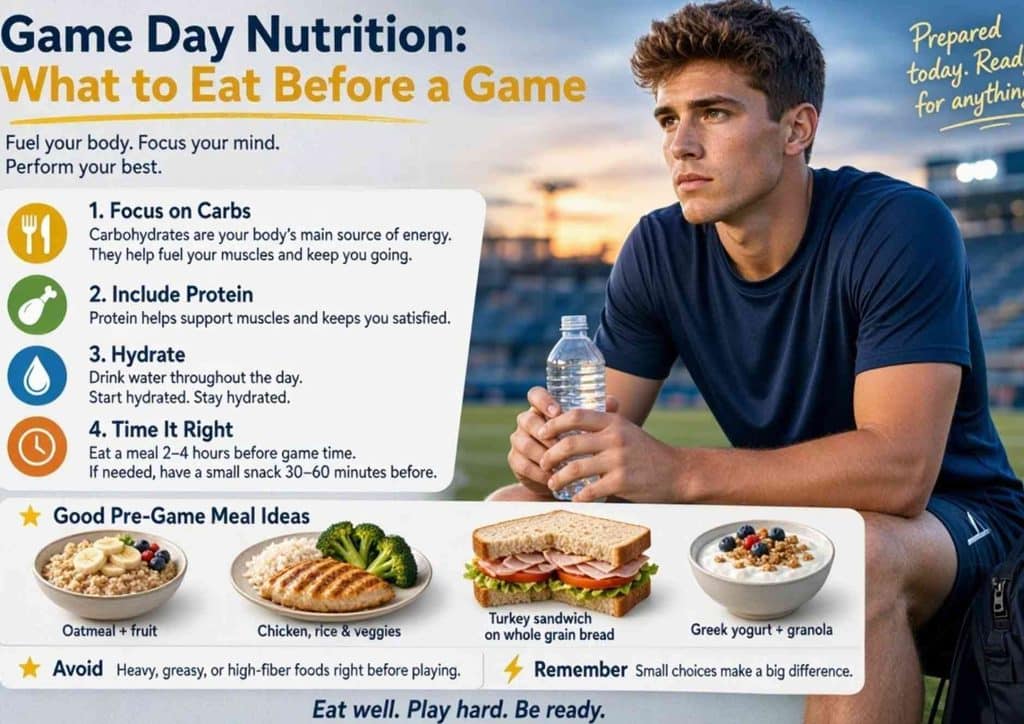
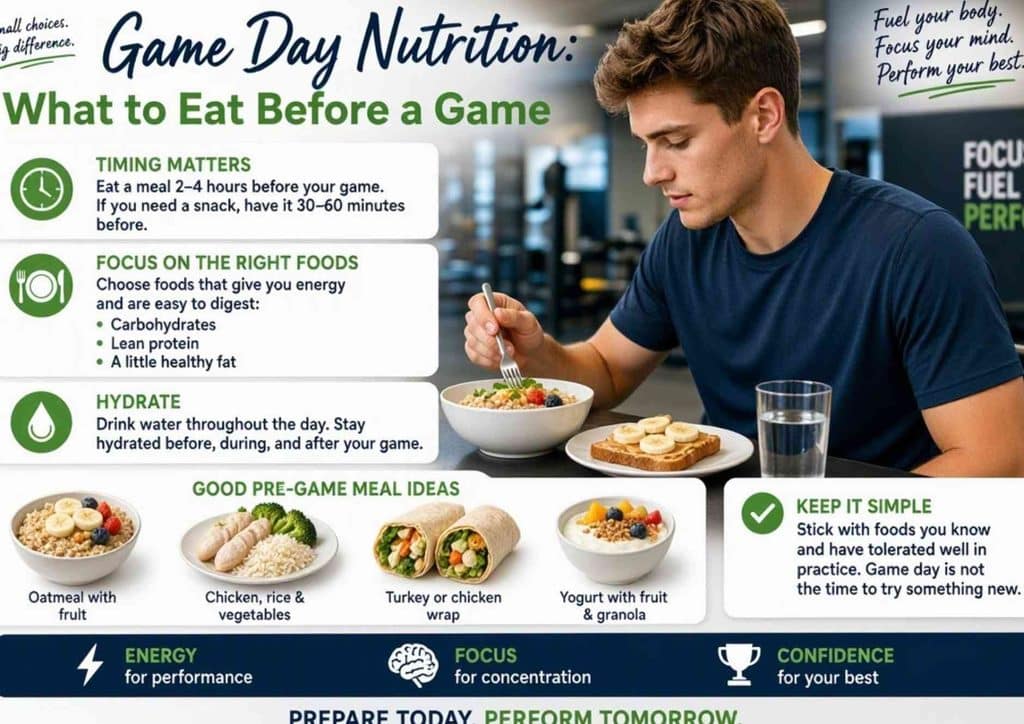
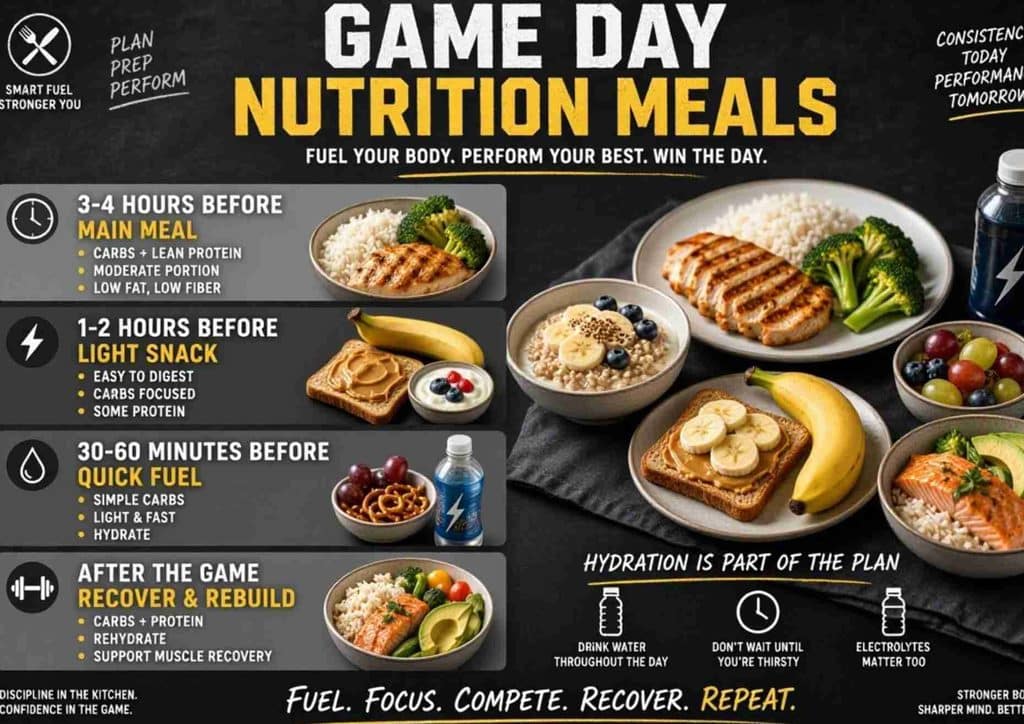
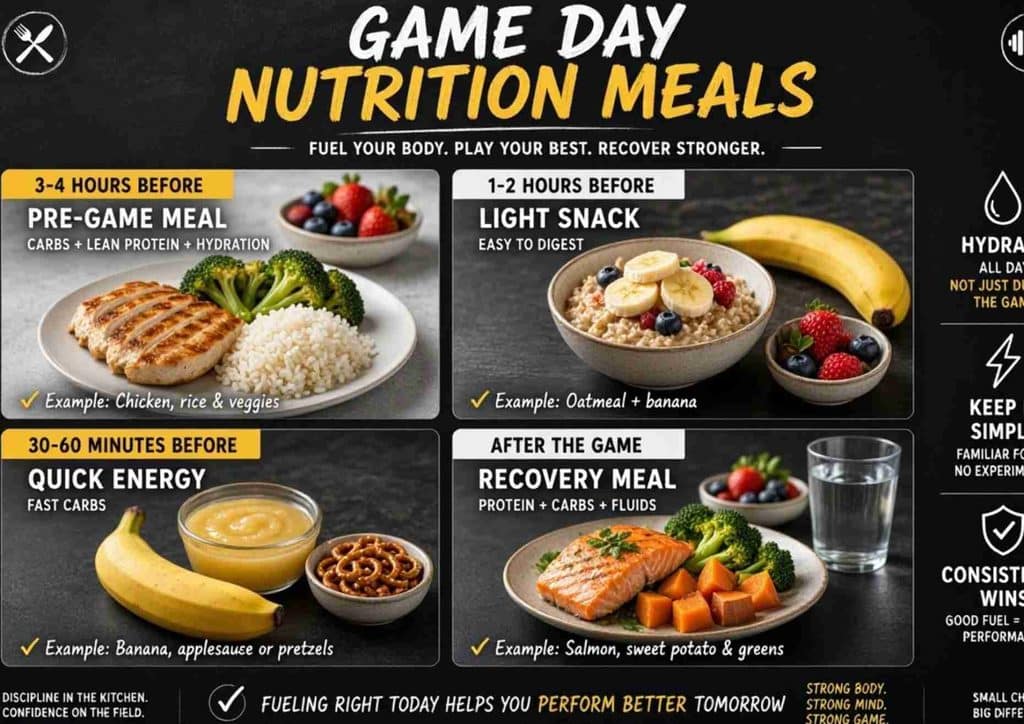
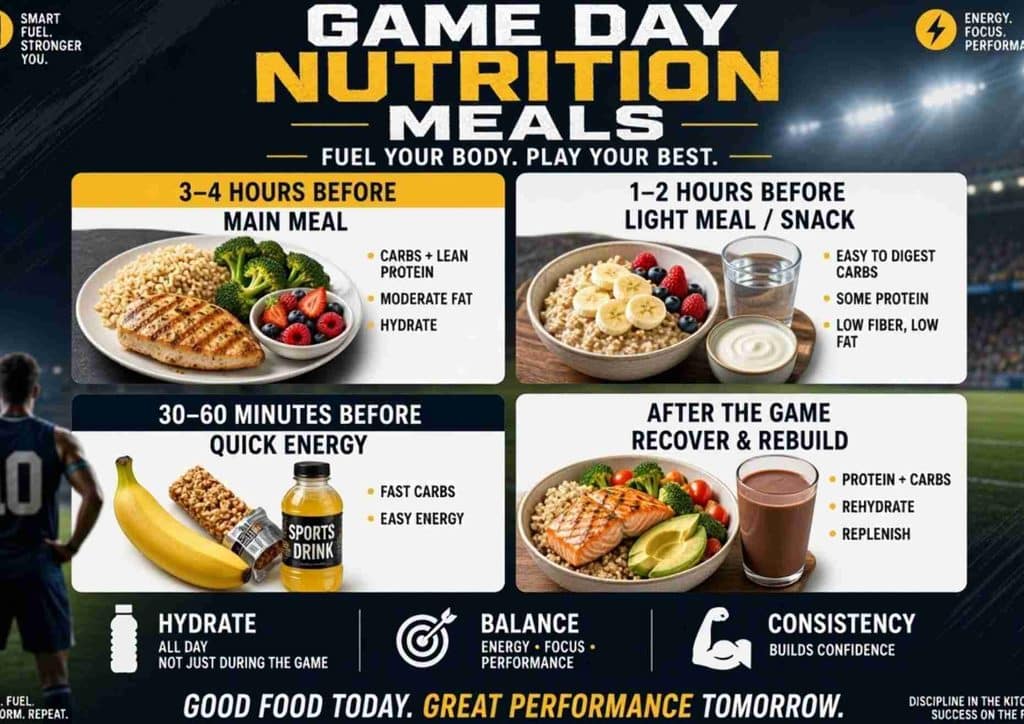
Game day nutrition starts with familiar, carbohydrate rich foods that provide energy before a game, with a moderate amount of protein to support your muscles. Aim to eat a main meal around 2 to 4 hours before kick off or play, followed by a small, easily digested snack closer to the game if needed.
The short version
- Fuel your body with the right foods before kick off. Prioritise carbohydrate rich foods such as rice, pasta, oats, potatoes, bread and fruit to provide the energy your muscles need for sprinting, accelerating, changing direction and maintaining concentration throughout the game.
- Get your pre game meal timing right. Aim to eat a substantial, familiar meal around 2 to 4 hours before kick off, giving your body time to digest and make that energy available for exercise.
- Stay fuelled and hydrated until the final whistle. Your nutrition should not stop once the game begins, particularly if you are playing for an extended period or competing in multiple matches.
Pre game meal
A pre game meal is the food you eat before playing sport to provide energy for running, sprinting, jumping and maintaining concentration. It should prioritise carbohydrates, include some protein and be comfortable to digest.

“Game day performance starts long before the first whistle. Fuel your body with the right nutrition, stay hydrated and give yourself the energy to perform with confidence from kick off to the final whistle”.
Jake Biggs, Nutrition Longevity
| When | What to eat | Example |
|---|---|---|
| Night before | Balanced carbohydrate rich dinner with protein | Chicken, rice and vegetables |
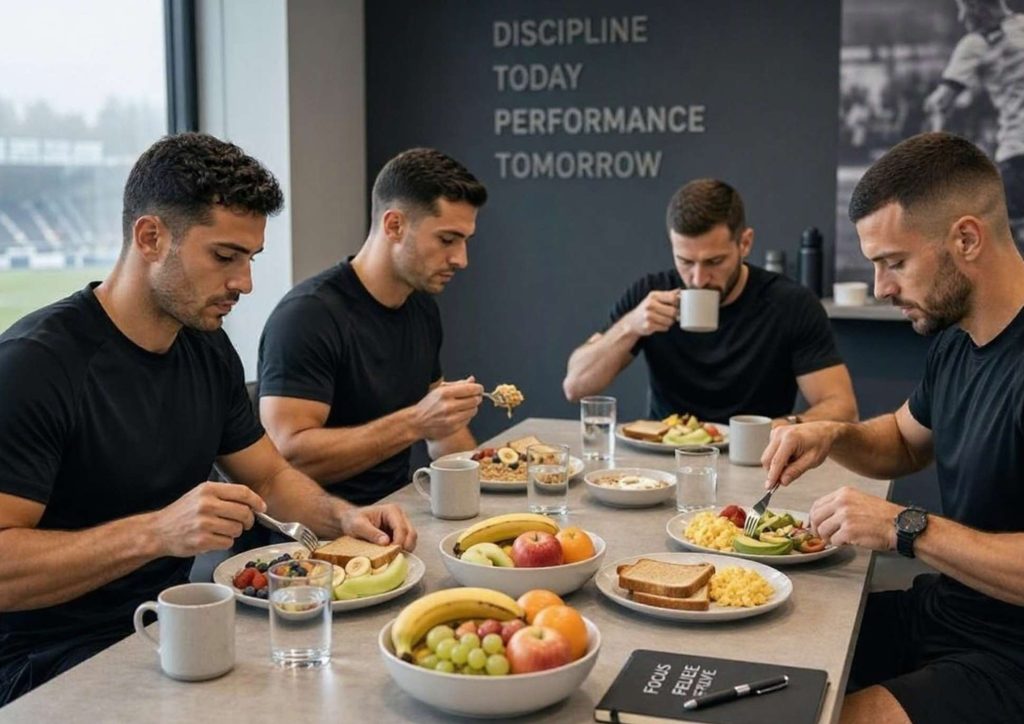
| 2 to 4 hours before | Main pre game meal | Porridge with banana or eggs on toast |
| 30 to 60 minutes before | Small carbohydrate snack if needed | Banana or toast with honey |
| Half time | Fluids and easily digested carbohydrates if needed | Water and banana |
| Between games | Carbohydrates and some protein | Chicken sandwich or pasta salad |
| After the final whistle | Carbohydrates, protein and fluids | Chicken with rice and vegetables |

Personalised what to eat before a game nutrition calculator
Plan your pre game meals, snacks and timing so you step onto the field, court or track energised and comfortable. Choose your game day details below to generate a practical fuelling guide.
Your Personalised Game Day Fuelling Blueprint
Playing a works best when your meals and snacks match your schedule, appetite and stomach comfort rather than leaving energy to chance.
Your tailored pre game recommendations
Want a personalised game day nutrition plan?
I will review your training load, match schedule, food preferences and gut tolerance to build a practical pre game and recovery plan tailored to your routine.
Book a consultationThis interactive tool provides general nutrition guidance before playing and is not a substitute for individualised clinical or dietetic advice.

“You do not need guesswork or rigid rules, nor do you need complicated food routines before playing. I built this interactive calculator to give you a clear, practical way to match your pre game meals, timing, snack choices, and fluid intake directly to your match schedule, game duration, appetite, and stomach comfort so that every performance feels stronger and more consistent”.
Jake Biggs, Nutrition Longevity
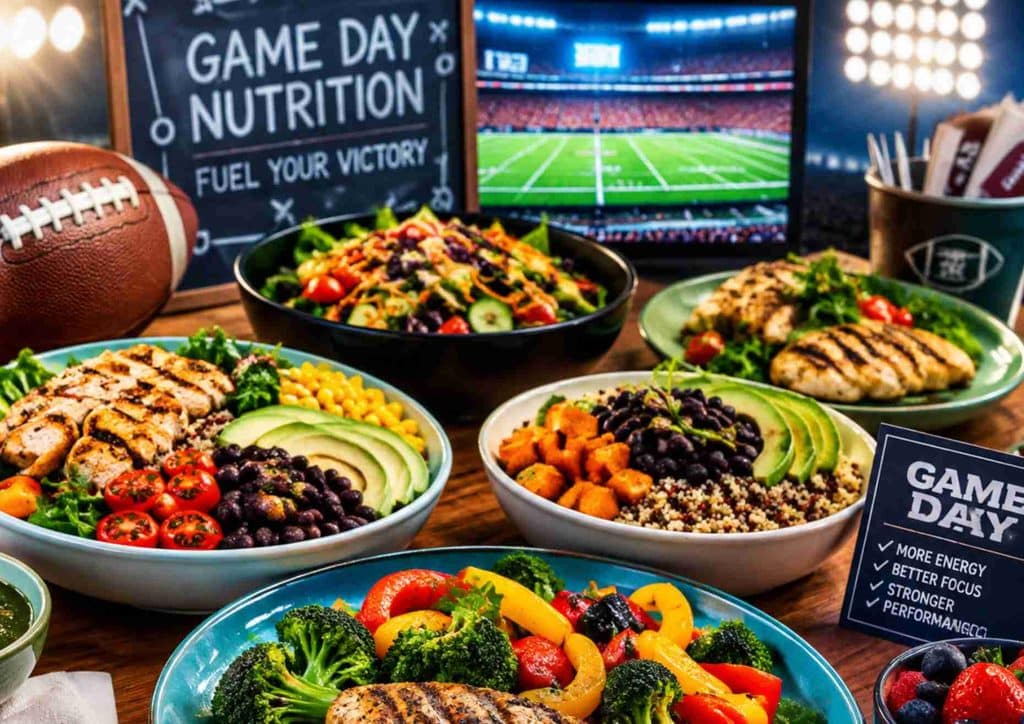
What should you eat before a game?
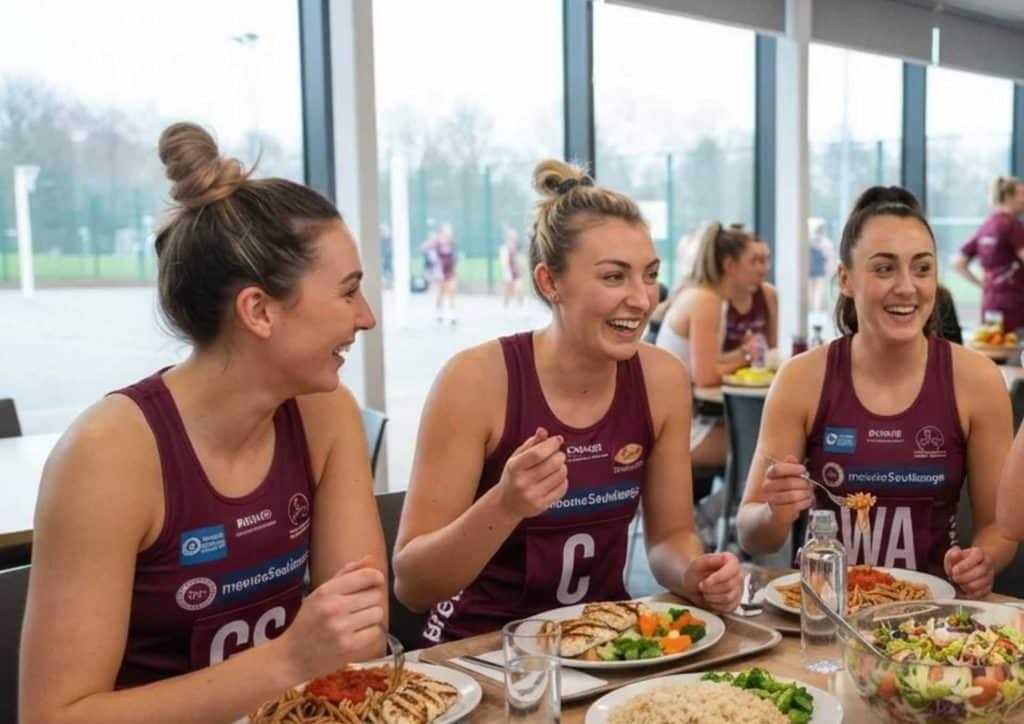
You should eat a carbohydrate rich meal containing familiar foods, moderate protein and relatively little fat before a game, following many of the same principles used when planning meals before training or endurance events. Carbohydrates are particularly important in team sports because they provide energy for repeated sprints, changes of direction and high intensity efforts.
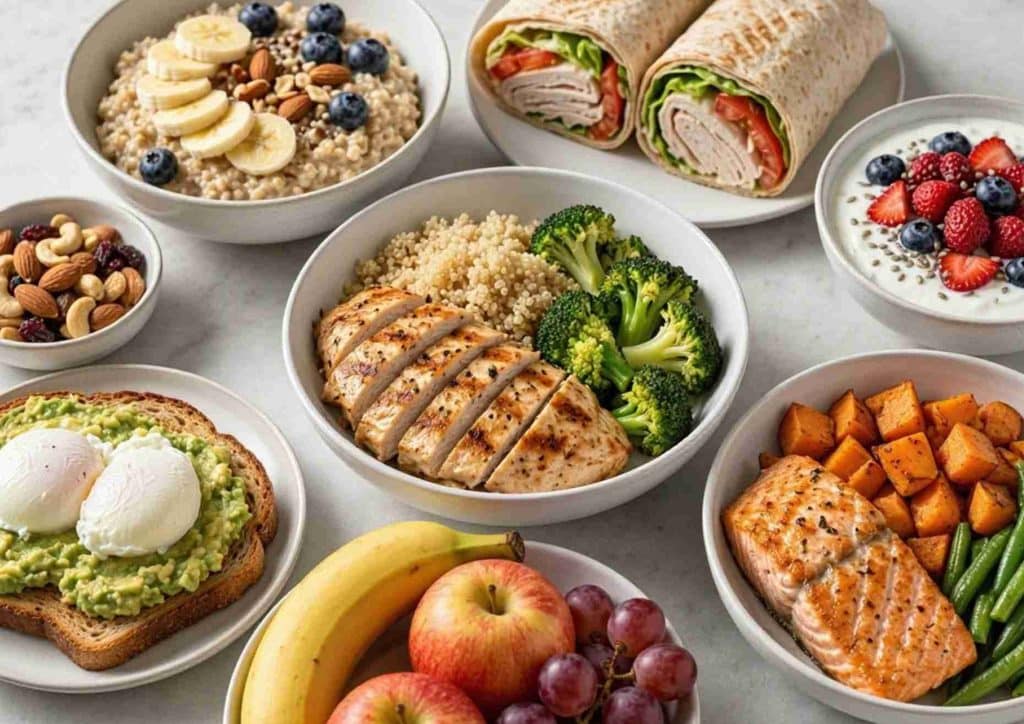
Good pre game food choices include:
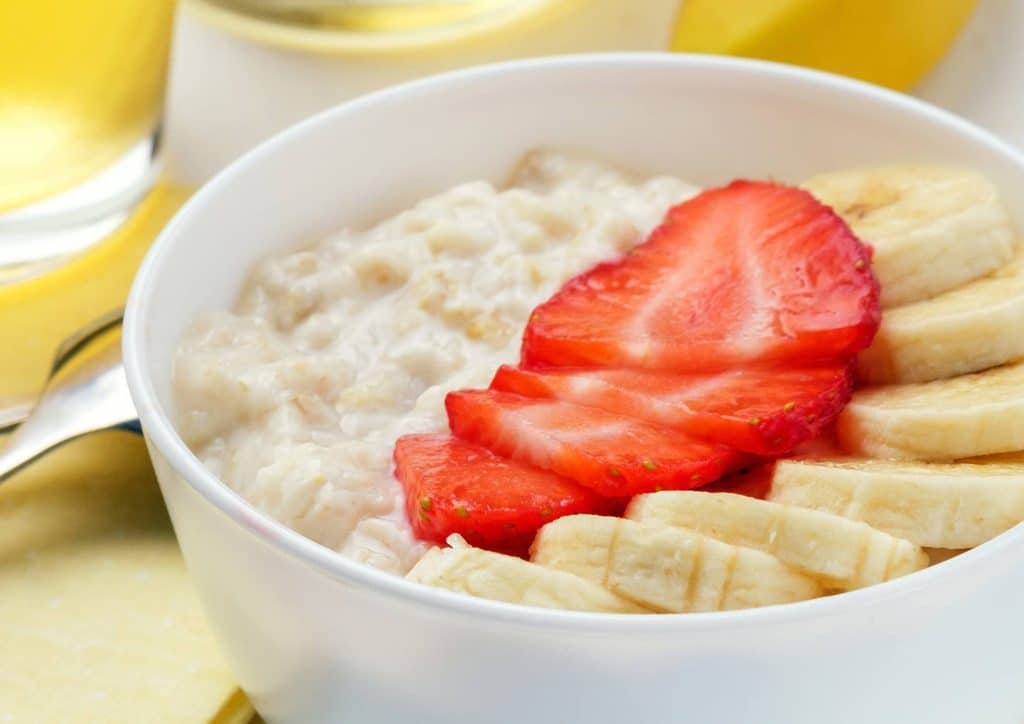
- Porridge with banana and honey.
- Toast with eggs and fruit.
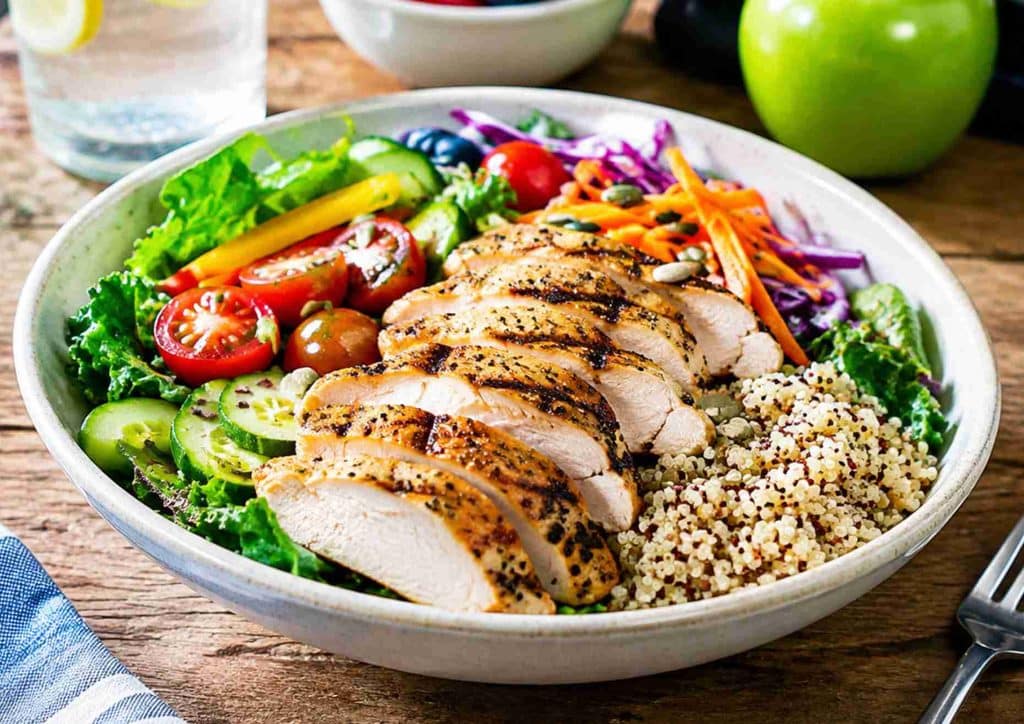
- Rice with chicken and cooked vegetables.
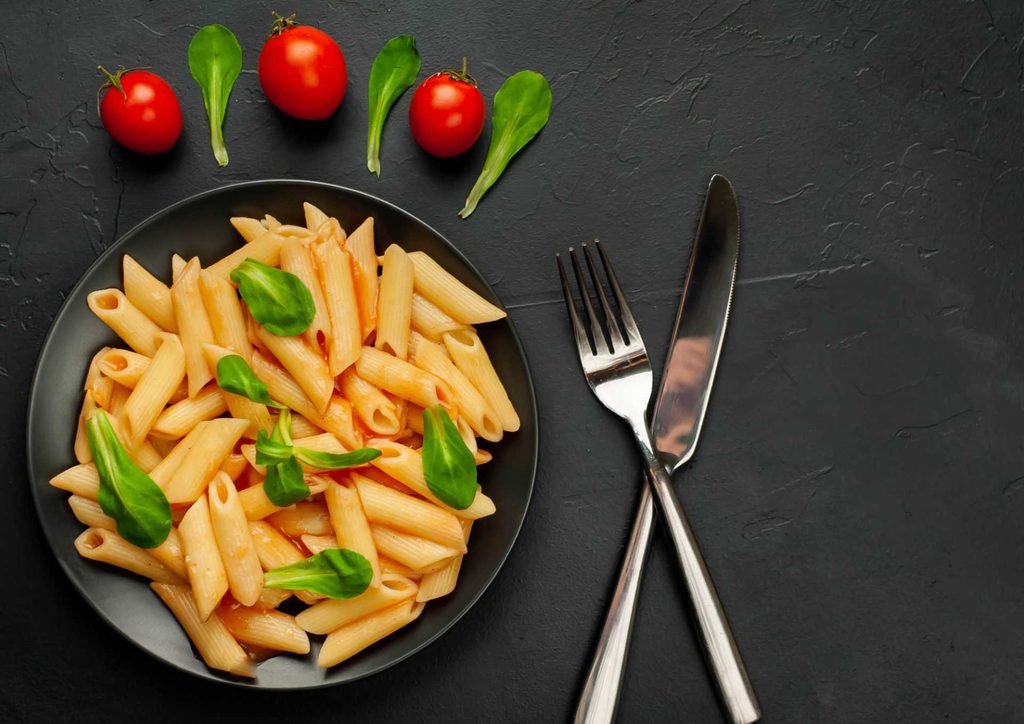
- Pasta with a light tomato based sauce.
- A sandwich with lean chicken or tuna.
- Yoghurt with fruit and cereal.
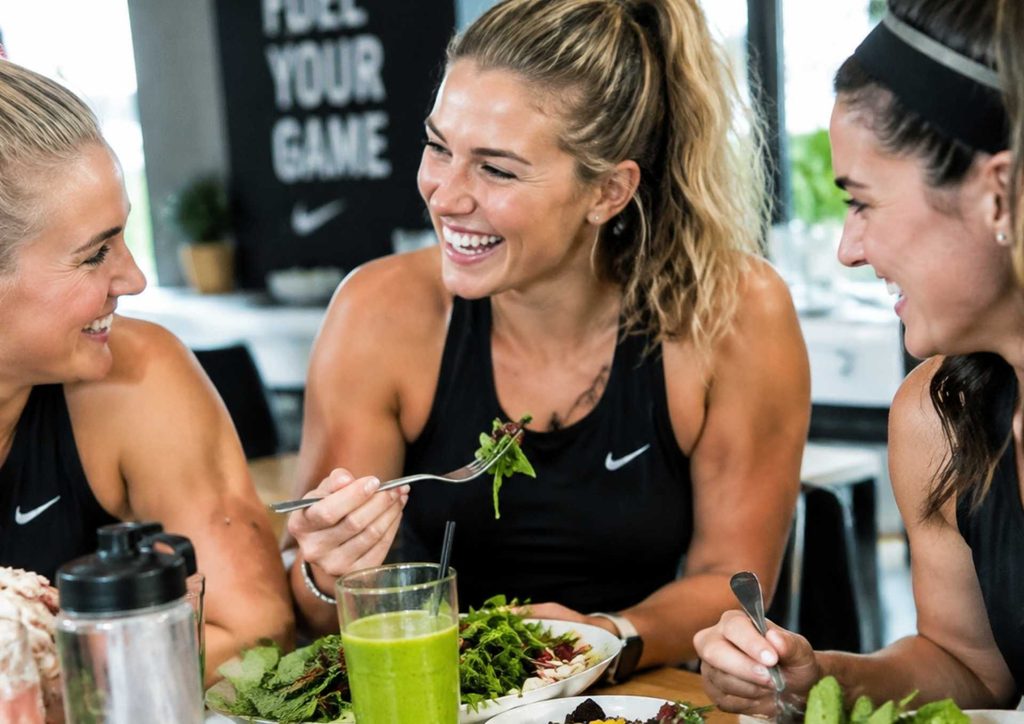
The amount you eat should reflect your body size, appetite, playing duration and training demands. A player completing a full soccer match may need a larger meal than someone playing a shorter recreational game.
If you play organised team sport, your nutrition should reflect the physical demands of your position, competition level and training schedule. Working with a soccer nutritionist, football nutritionist, netball nutritionist or cricket nutritionist can help you understand how to adjust your food intake around your sport.
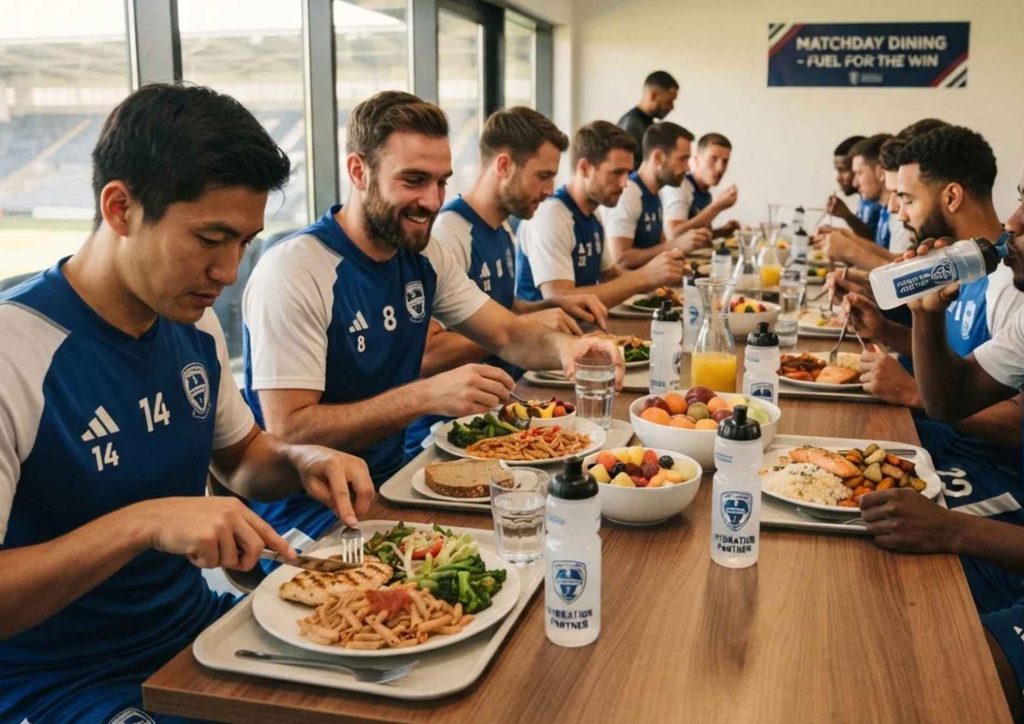
| Pre Game Focus | Nutritional Purpose | Recommended Food Options |
|---|---|---|
| Carbohydrate Base | Provides essential energy for repeated sprints, rapid changes of direction and high intensity efforts | Porridge with banana and honey, or pasta with a light tomato based sauce |
| Balanced Fuel | Combines familiar carbohydrates with moderate protein to support steady energy and satiety | Toast with eggs and fruit, or a sandwich with lean chicken or tuna |
| Easily Digested Meals | Keeps fats and heavy fibre lower before play to prevent stomach discomfort and sluggishness | Rice with chicken and cooked vegetables, or yoghurt with fruit and cereal |
| Individual Portioning | Adjusts overall intake to match body size, personal appetite, game duration and training demands | Scaled portion sizes tailored to pre match timing and player needs |

Why are carbohydrates important before sport?
Carbohydrates are your body’s primary fuel source during high intensity exercise. They help maintain muscle glycogen, which is stored carbohydrate that your muscles use when running, accelerating and repeatedly producing force.
Going into a game without eating enough can make it harder to maintain your energy and concentration, particularly during the second half or later stages of a tournament.
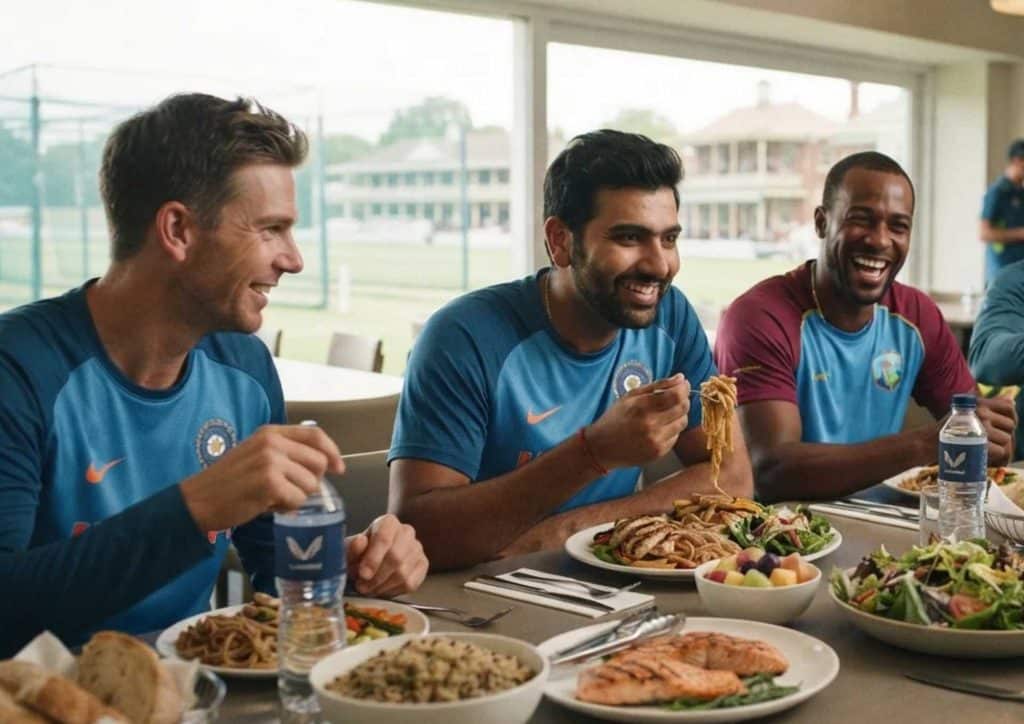
| Fuel Requirement | Body Mechanism | On Field Advantage |
|---|---|---|
| High Intensity Power | Serves as your body’s primary and most efficient energy source during maximal effort | Powers explosive sprints, sharp accelerations and repeated force production |
| Muscle Glycogen Protection | Tops up stored carbohydrate tanks directly inside active muscle tissue | Prevents sudden physical slowdowns and maintains working muscle output |
| Late Game Endurance | Delivers steady glucose supply to active muscles and the brain late in competition | Sustains work rate and sharp concentration through the second half or tournament play |
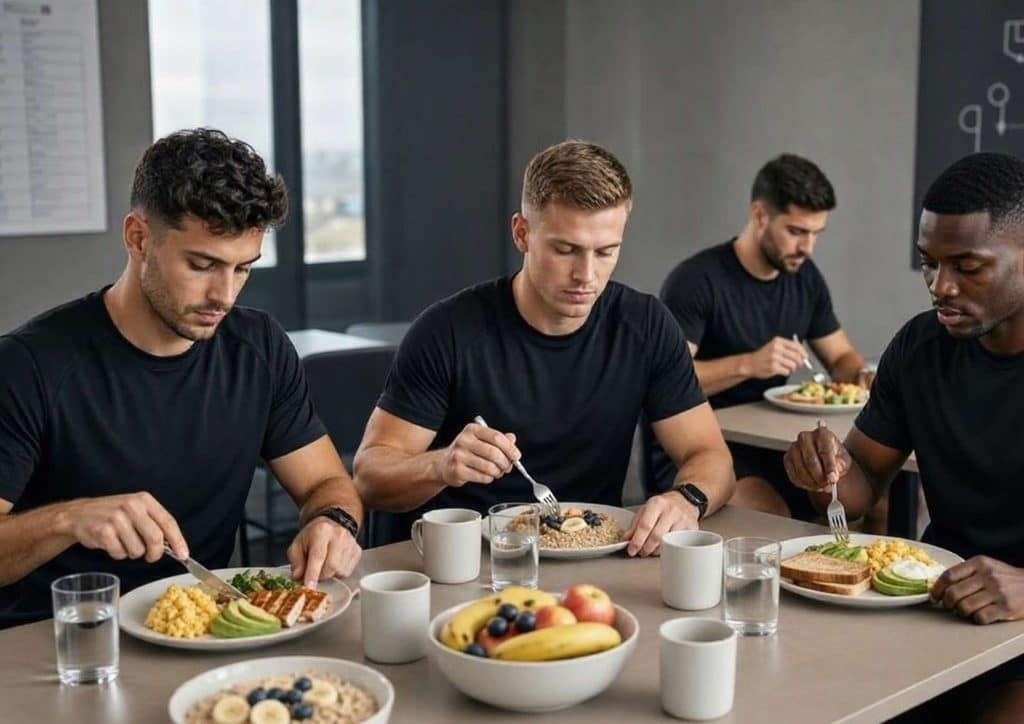
Should you eat protein before a game?
Yes, including a moderate amount of protein in your pre game meal can help support muscle maintenance and recovery, with your overall daily intake remaining important for active individuals aiming to support muscle growth and repair.
High protein foods include:
- Eggs.
- Chicken.
- Yoghurt.
- Milk.
- Tuna.
- Protein pancakes.
- Protein smoothie.
However, avoid making your pre game meal excessively high in protein at the expense of carbohydrates. You want enough fuel to perform, not a meal that leaves you feeling uncomfortably full.
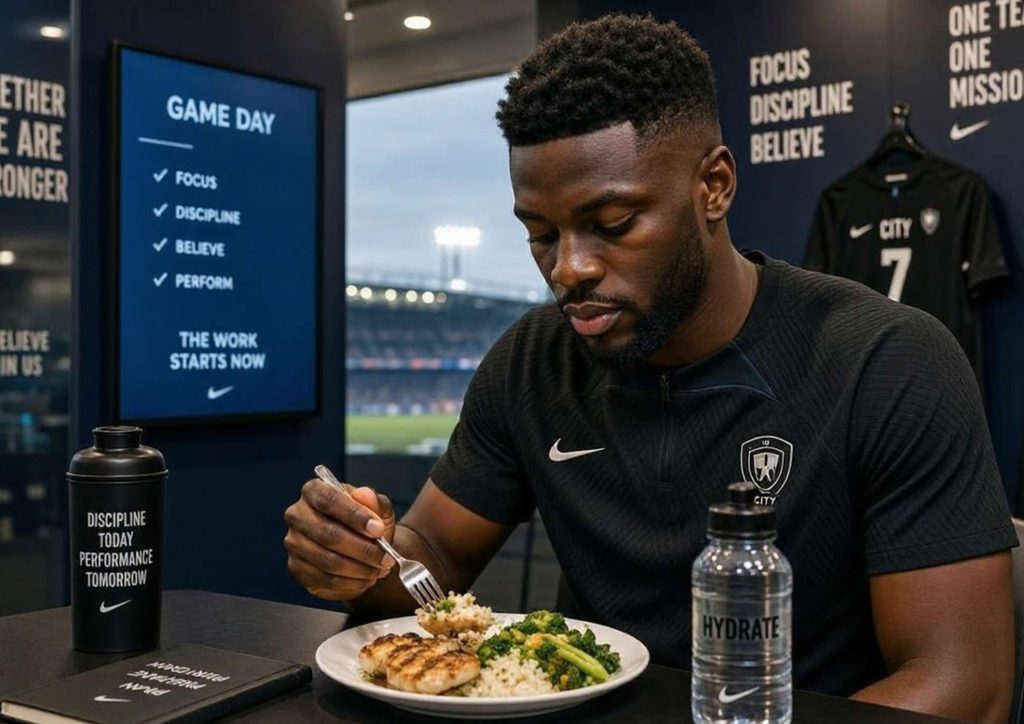
| Protein Role | Practical Advantage | Everyday Food Options |
|---|---|---|
| Muscle Support | Helps protect muscle tissue and kickstart recovery alongside your session | Eggs, chicken, yoghurt, milk and tuna |
| Carb First Balance | Keeps carbohydrates as the main energy driver so performance stays high | Moderate serve paired with rice, toast, oats or fruit |
| Stomach Comfort | Avoids heavy fullness and slow digestion before play begins | Sensible portions sized to your pre game window |
The night before
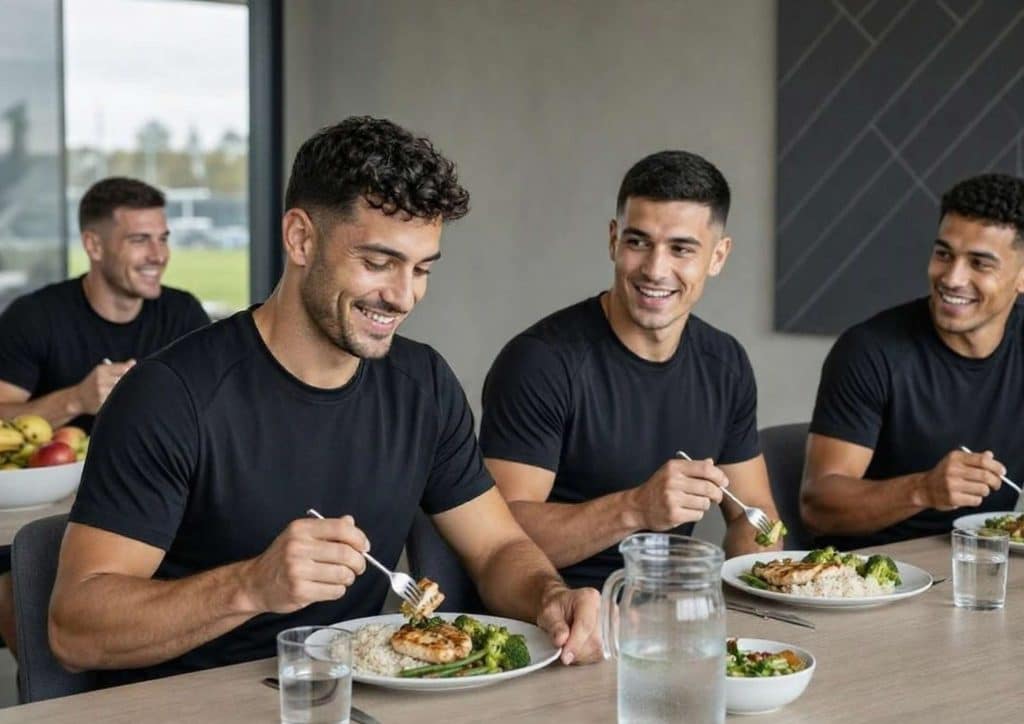
The night before a game, focus on eating a balanced dinner containing carbohydrates, protein and vegetables while drinking enough water. There is no need for an extreme diet or an unfamiliar meal to prepare your body for competition.
Good dinner options include:
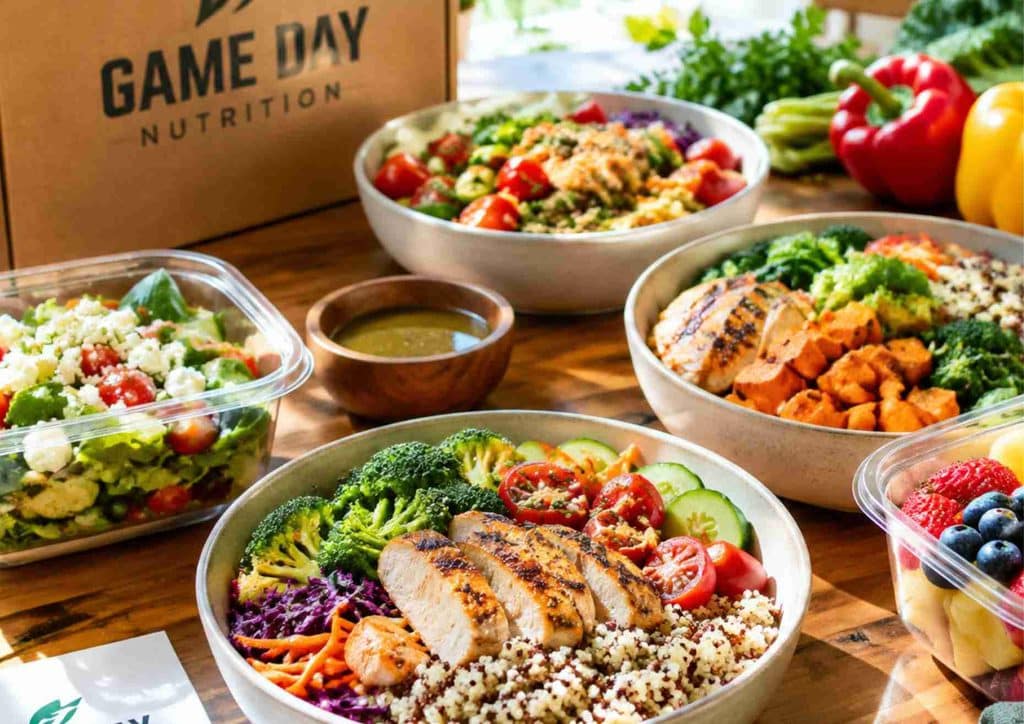
- Chicken with rice and vegetables.
- Pasta with lean beef and tomato sauce.
- Baked potatoes with chicken and salad.
- Rice with fish and cooked vegetables.
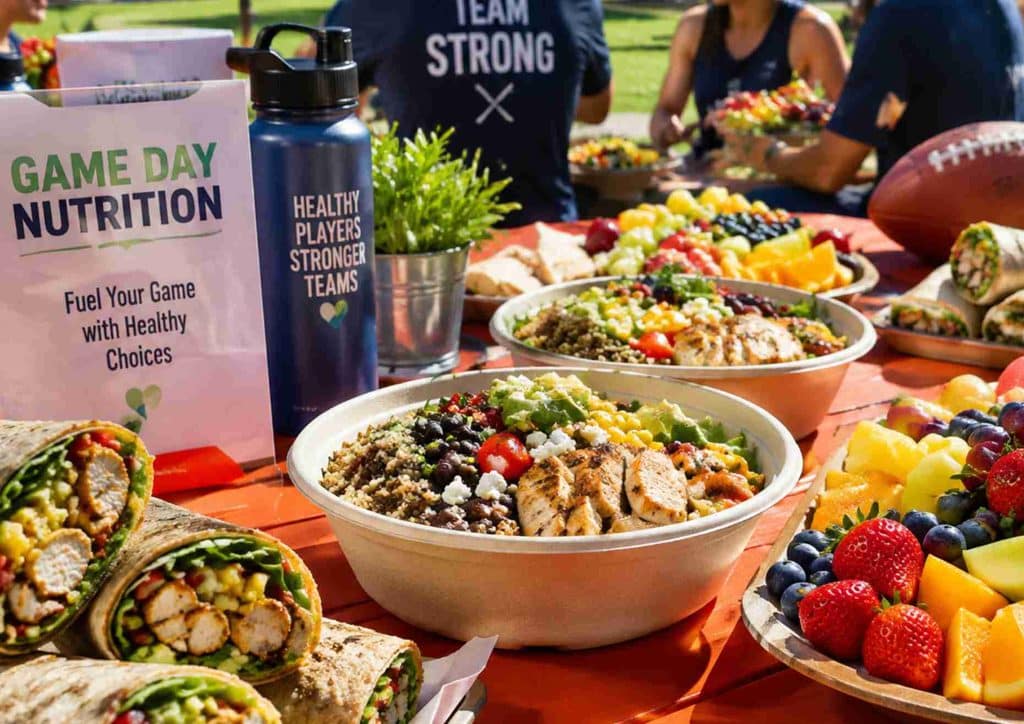
- Homemade chicken wraps.
| Evening Habit | Why It Pays Off | Easy Dinner Ideas |
|---|---|---|
| Balanced Dinner | Combines carbohydrates, protein and vegetables to top up energy stores naturally | Chicken with rice and vegetables, or pasta with lean beef and tomato sauce |
| Familiar Foods | Avoids extreme changes or heavy new meals that disrupt sleep or digestion | Baked potatoes with chicken and salad, or homemade chicken wraps |
| Steady Hydration | Keeps fluid levels topped up across the evening without forcing excess water | Rice with fish and cooked vegetables paired with regular water |
Should you eat more carbohydrates the night before?
Eating adequate carbohydrates the night before helps maintain muscle glycogen stores, particularly when you have another demanding game the following day, although more structured approaches are generally reserved for longer endurance events.
You do not need to force yourself to eat enormous portions. Focus on eating enough to satisfy your appetite and meet your activity demands.
| Key Principle | How It Helps | Practical Approach |
|---|---|---|
| Glycogen Top Up | Protects stored muscle energy ahead of a tough game the next day | Include steady carbohydrate serves at your evening meal |
| No Giant Portions | Prevents uncomfortable fullness, poor sleep and heavy mornings | Eat to match genuine appetite rather than forcing extra food |
| Demand Matched Fuel | Aligns evening intake with real game intensity and schedule | Scale portions naturally to your upcoming workload |
What foods should you avoid the night before?
Be cautious with foods that you know cause digestive discomfort, particularly large portions of fried foods, very rich meals and unfamiliar spicy dishes.
This is not about banning particular foods. It is about avoiding unnecessary digestive problems when you want to feel comfortable and ready to play.
| Trigger Risk | Why It Backfires | Better Mindset |
|---|---|---|
| Heavy Fried Foods | Slows digestion and leaves you feeling heavy or sluggish the next day | Skip large greasy serves when you want light, steady energy |
| Rich or Spicy Meals | Triggers stomach upset, reflux or restless sleep before game day | Stick to simple, settled meals your gut already handles well |
| No Strict Bans | Rigid food rules create stress without improving game day readiness | Choose comfort and easy digestion so you wake ready to play |
Game morning and the pre game meal
On game morning, eat a familiar breakfast that provides carbohydrates and allows enough time for digestion before playing. Ideally, have your main meal around 2 to 4 hours before the game, adjusting the timing and portion size to your appetite and tolerance.

| Morning Habit | Why It Works | Practical Rule |
|---|---|---|
| Familiar Breakfast | Delivers reliable carbohydrate energy without risking unfamiliar stomach upset | Stick to trusted morning staples you digest with ease |
| Two to Four Hour Window | Gives your body plenty of time to digest and absorb fuel before start time | Eat your main meal roughly two to four hours prior |
| Flexible Portions | Prevents heavy fullness or pre game hunger as start time approaches | Adjust meal size and timing to match your appetite and tolerance |
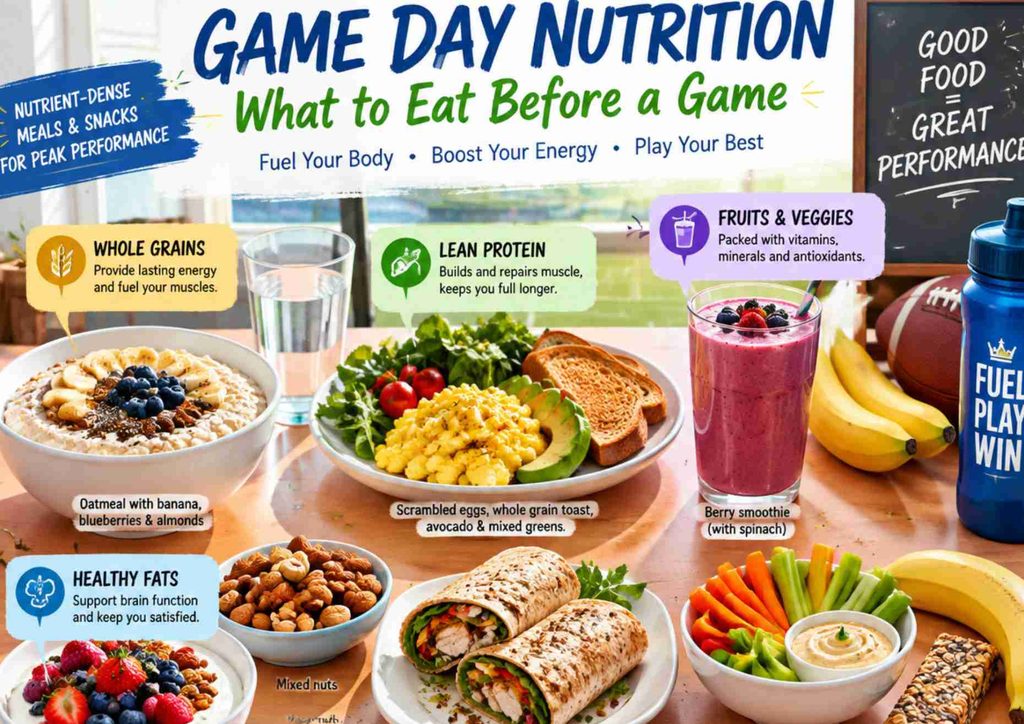
What are some good breakfast options?
Practical breakfast choices include:
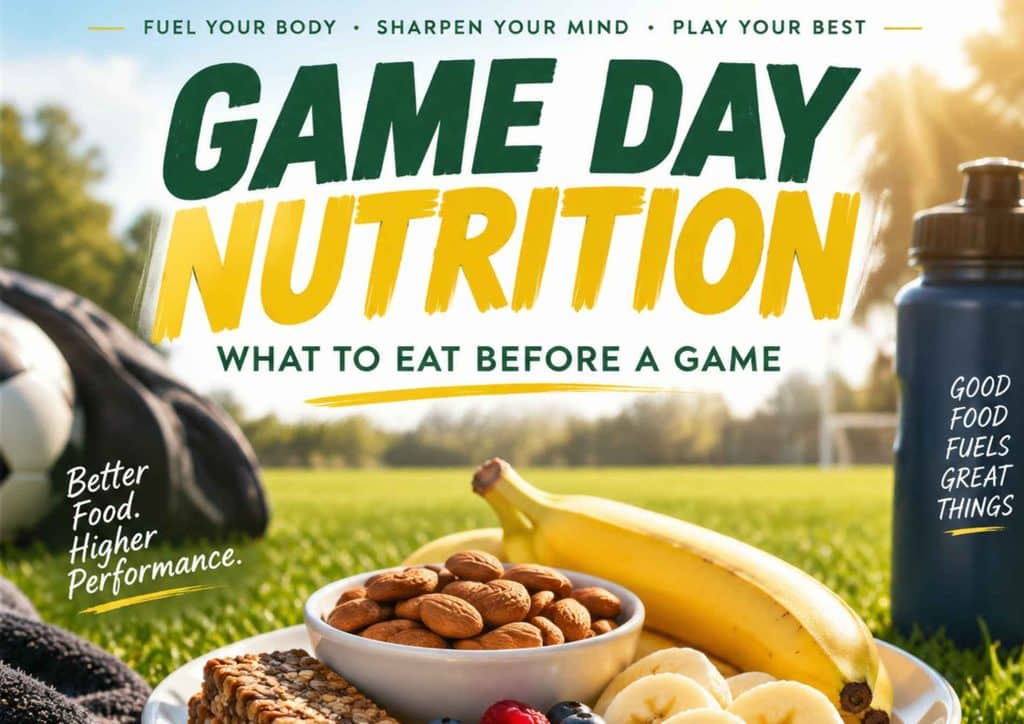
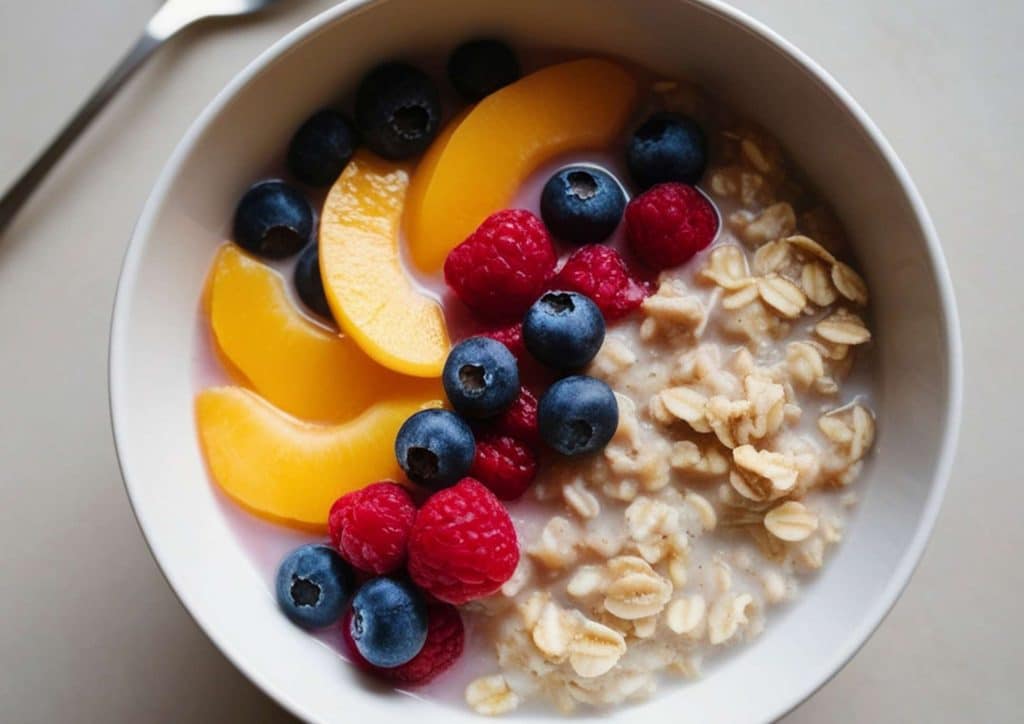
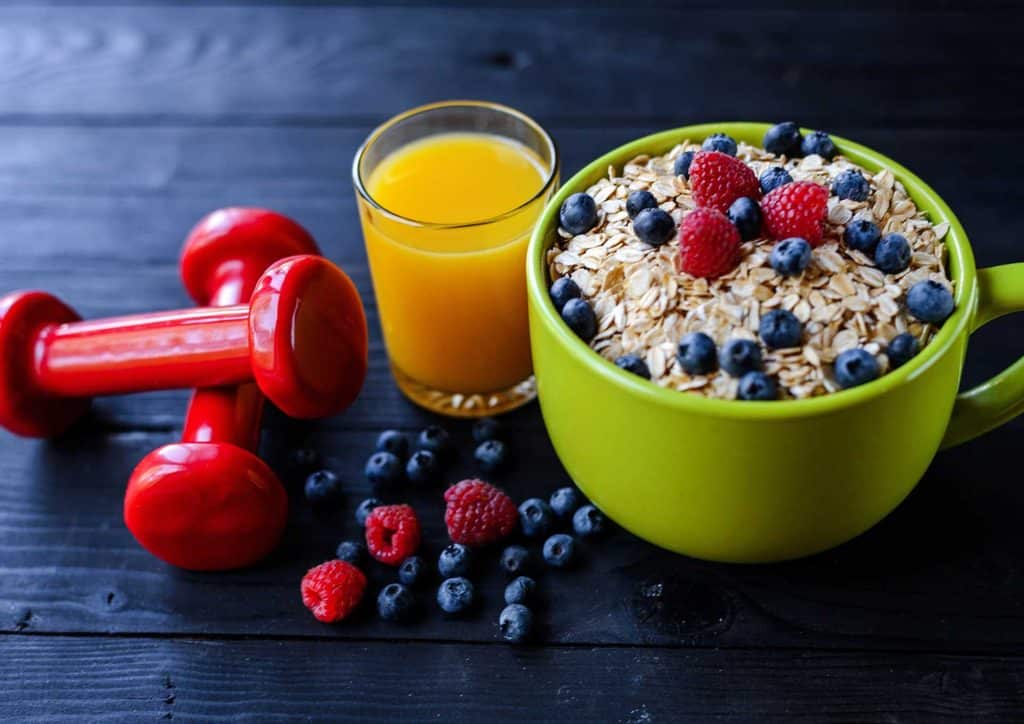
- Porridge with banana and honey.
- Toast with almond butter and sliced banana.
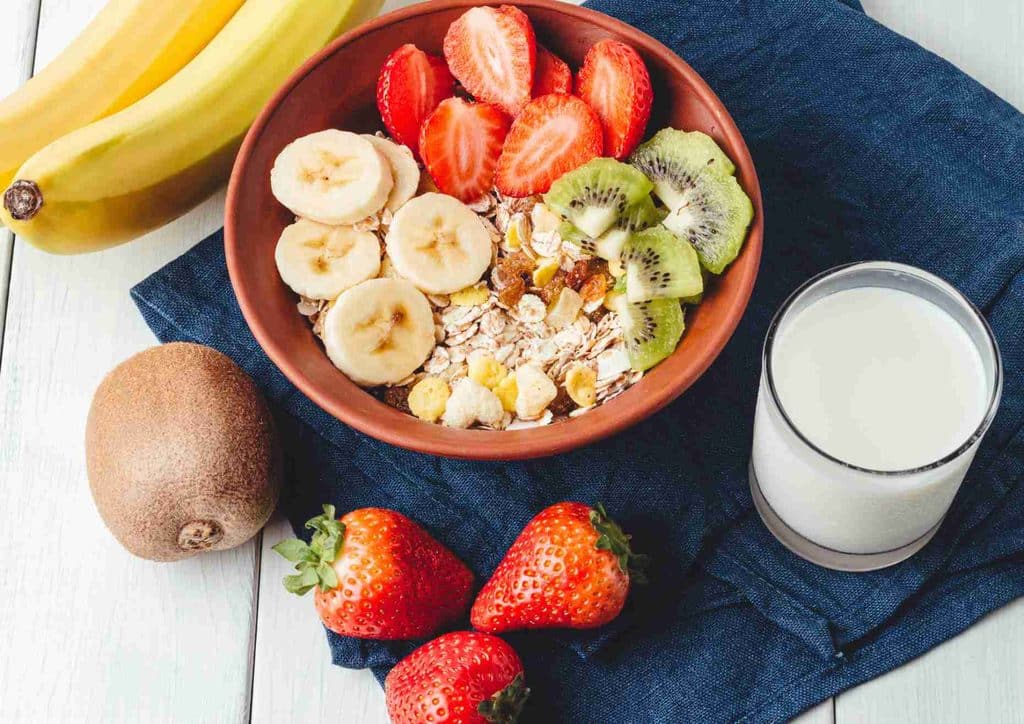
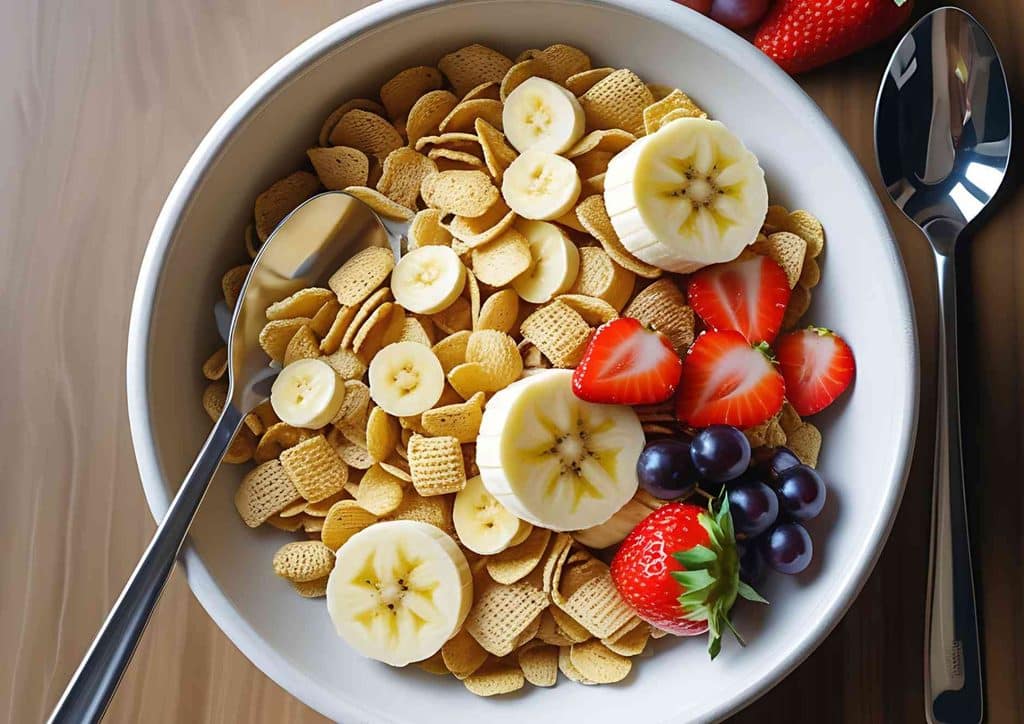
- Cereal with milk and fruit.
- Eggs on toast.
- Yoghurt with oats and berries.
A banana and toast if you have a smaller appetite.
If you are playing early in the morning, you might not feel comfortable eating a large breakfast. In that situation, choose a smaller carbohydrate rich meal and have an additional snack closer to the game if tolerated.
| Morning Style | Practical Advantage | Everyday Choices |
|---|---|---|
| Hearty Bowls | Delivers steady carbohydrate energy and comforting fullness for full morning appetites | Porridge with banana and honey, or cereal with milk and fruit |
| Balanced Plates | Combines carbohydrates with protein and healthy fats for lasting fuel | Eggs on toast, or yoghurt with oats and berries |
| Lighter Starts | Keeps early mornings comfortable without heavy fullness before playing | Toast with almond butter and banana, or a banana and toast |
| Split Fuelling | Suits early start times when a big breakfast feels tough to stomach | Small carb breakfast plus an easy snack closer to play if tolerated |
What should you eat 30 to 60 minutes before playing?
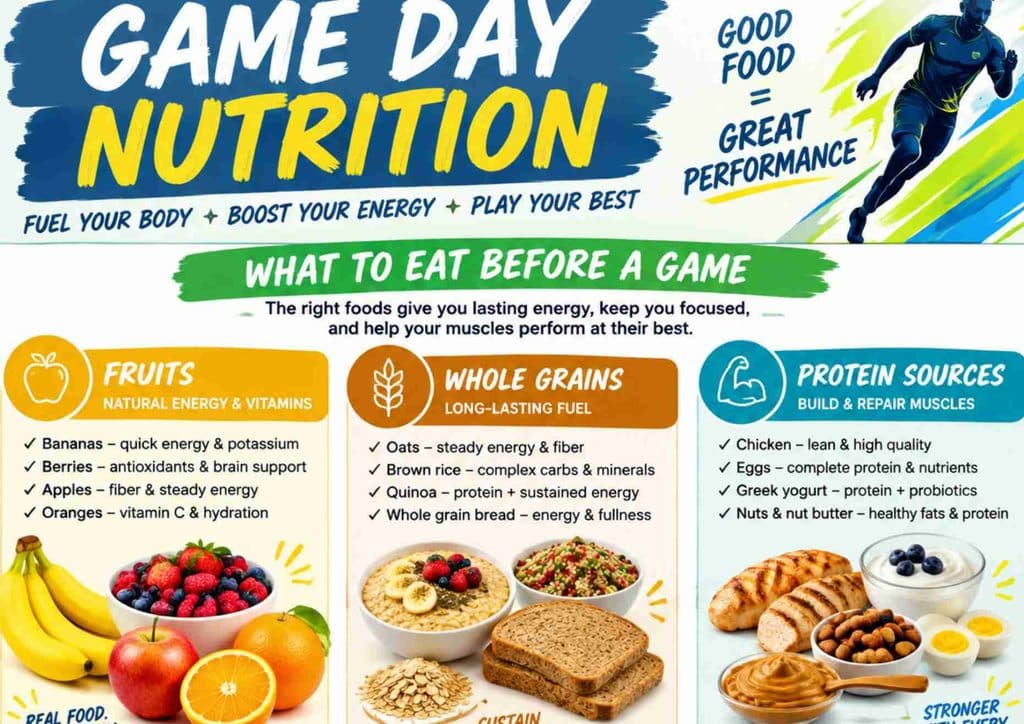
If you need additional energy before kick off, choose a small, easily digested carbohydrate snack, similar to the approach often used before training sessions. A banana, a slice of toast with honey or a small serve of cereal can be practical options.
Avoid experimenting with new foods immediately before competition. Your digestive system needs to feel comfortable while you are running, jumping and changing direction.

| Late Pre Game Step | Why It Matters | Smart Options |
|---|---|---|
| Light Top Up | Adds quick usable energy right before start without heavy stomach load | A banana, one slice of toast with honey or a small serve of cereal |
| Zero New Foods | Prevents cramps, stitch or stomach upset during running and jumping | Stick strictly to simple, familiar snacks your gut trusts |
| Only If Needed | Keeps your stomach settled when your earlier meal already covers your fuel needs | Small portion sized to appetite and how close start time is |
How much water should you drink before a game?
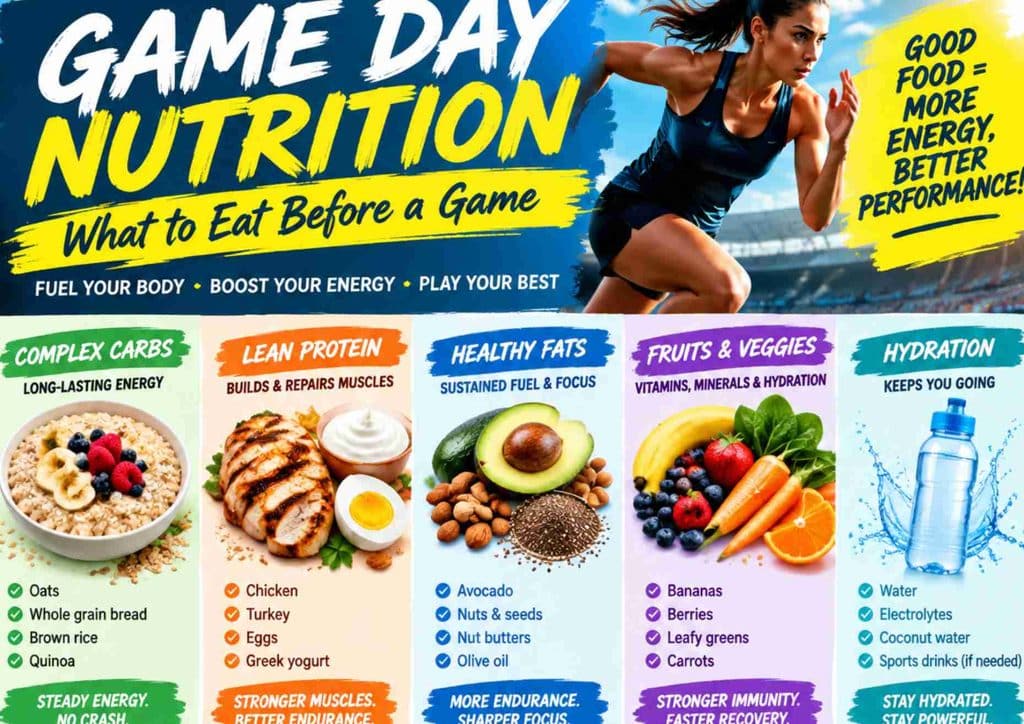
Drink water regularly throughout the morning rather than trying to consume a large amount immediately before playing. Your aim is to begin the game comfortably hydrated without feeling bloated.
| Hydration Strategy | Why It Works | Practical Action |
|---|---|---|
| Paced Morning Fluids | Absorbs efficiently into your system without overwhelming your bladder or stomach | Sip water steadily across the hours leading into the match |
| No Last Minute Chugging | Prevents a heavy, sloshing gut, bloating and stomach discomfort while running | Avoid gulping large volumes of fluid right before kickoff |
| Comfortable Balance | Ensures you start the game fully hydrated, light and ready to perform | Check for pale urine and drink enough to satisfy natural thirst |

Muscle glycogen
Muscle glycogen is the stored form of carbohydrate in your muscles. It provides an important source of energy during repeated high intensity movements in team sports.

Half time and between games
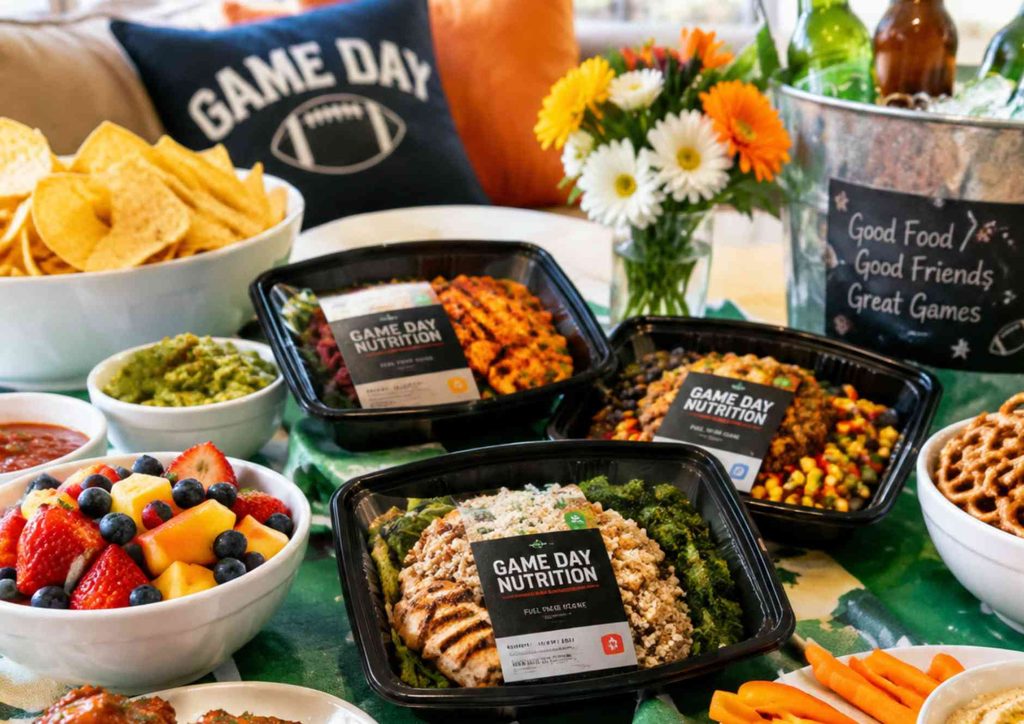
At half time, prioritise fluids and easily digested carbohydrates if you need additional energy for the second half. During shorter breaks, keep food choices simple because you have limited time to eat and digest.
| Break Priority | Why It Matters | Simple Action |
|---|---|---|
| Fluids First | Replaces sweat losses from the first half so energy and focus stay steady | Take steady sips of water or fluid without rushing |
| Fast Carbs | Tops up available energy for the second half when extra fuel is needed | Choose light, easy to digest carbohydrate options if hungry or low |
| Short Break Simplicity | Prevents stomach discomfort when time to eat and digest is tight | Keep portions small and straightforward during quick turnarounds |
What should you eat at half time?
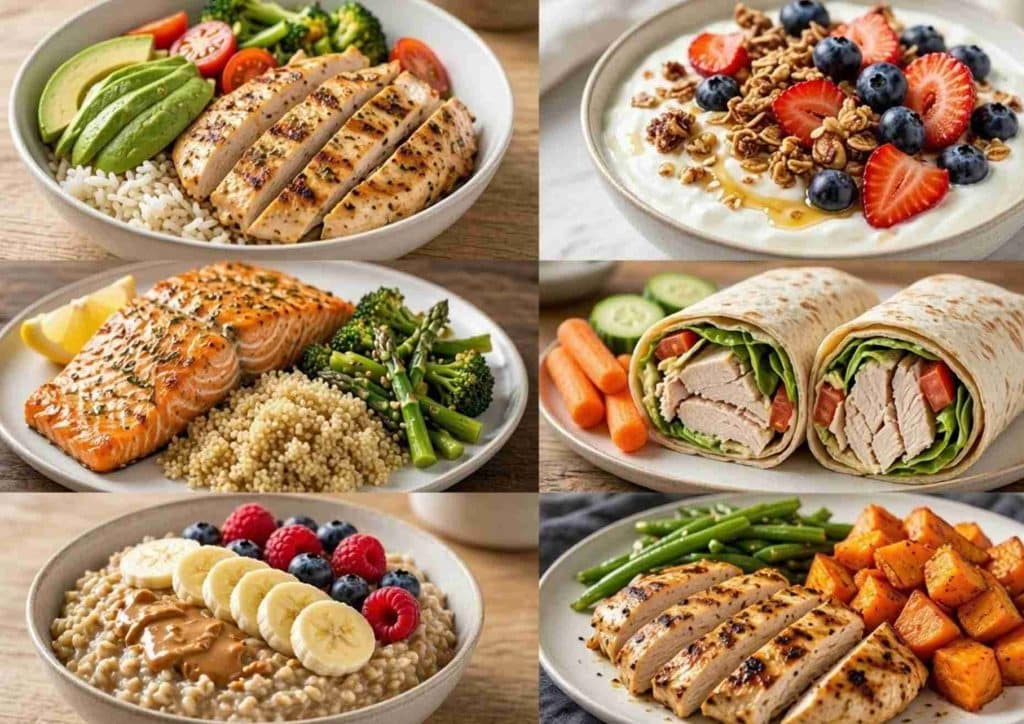
Depending on your sport, playing duration and individual needs, suitable options include:
- Banana.
- Orange slices.
- A small sandwich.
- A few plain crackers.
- A small handful of dried fruit.
- A small serve of easily digested carbohydrate rich food.
You do not necessarily need a large snack at half time. For shorter games, water and your normal pre game meal may be sufficient.
What should you eat between tournament games?
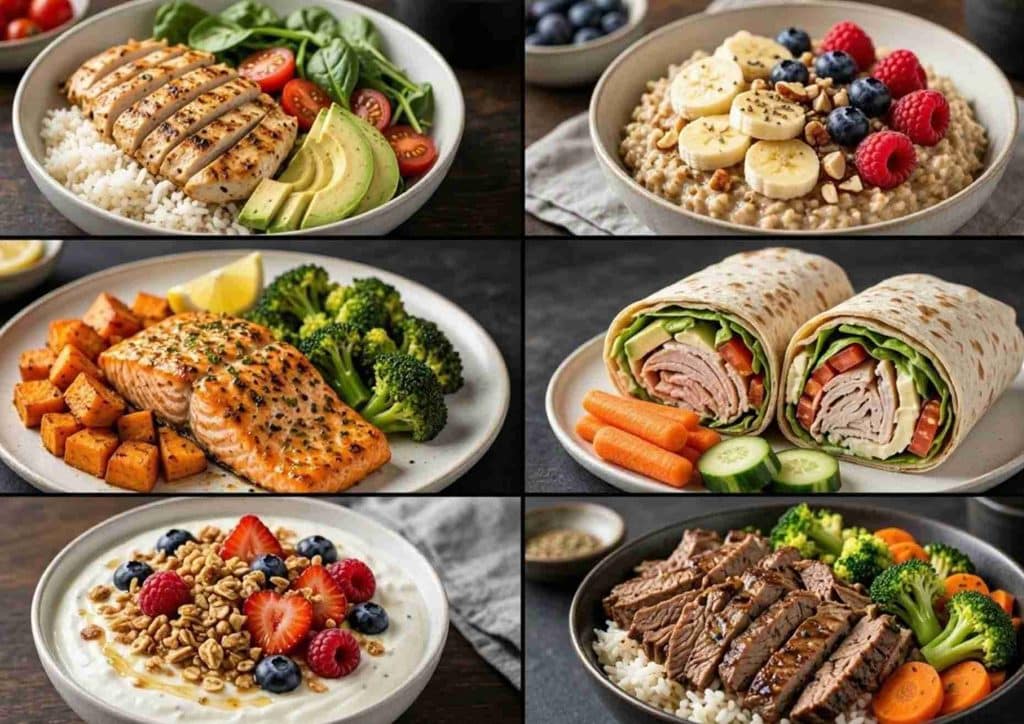
For players competing in multiple games throughout the day, eating between matches becomes particularly important. Your body needs opportunities to replace carbohydrate stores, maintain hydration and provide protein to support muscle recovery.
Practical options include:
- Chicken and rice.
- Sandwiches with lean protein.
- Pasta salad.
- Bananas and yoghurt.
- Fruit and cereal bars.
- Wraps with chicken and salad.
Allow enough time to digest larger meals before returning to competition. If the break is short, smaller snacks may be more comfortable.
| Tournament Priority | Why It Counts | Easy Options and Timing |
|---|---|---|
| Carb and Fluid Reset | Rebuilds depleted muscle fuel and replaces fluid losses across a busy day | Chicken and rice, pasta salad, bananas and yoghurt, plus steady water |
| Muscle Repair Support | Delivers protein between matches to support muscle recovery and readiness | Sandwiches with lean protein, wraps with chicken and salad, or yoghurt |
| Digestion Buffer | Prevents heavy stomachs and sluggishness when your next match starts | Fruit and cereal bars for tight turnarounds; leave digestion time for bigger meals |
Tournament preparation
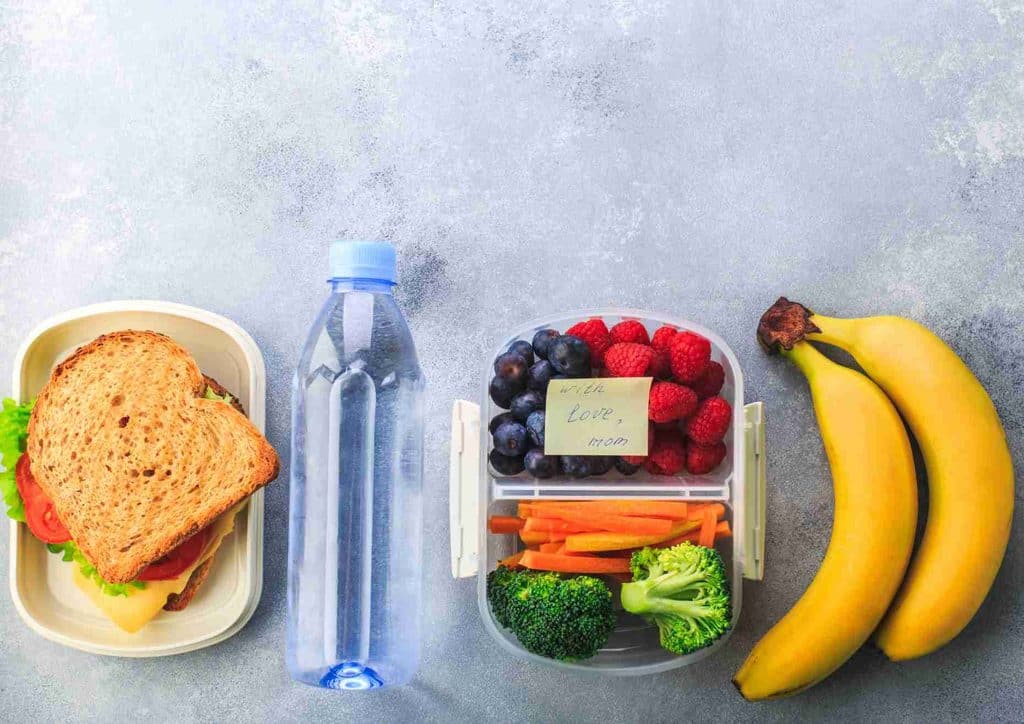
Pack a cooler bag with sandwiches, bananas, yoghurt, water and other familiar foods so you have practical options available between matches.
Good to know
Summer games can increase fluid losses through sweating, particularly during prolonged competition. Water is suitable for many shorter games, while longer sessions, repeated matches and heavy sweating may increase the need for electrolytes alongside fluids depending on your individual sweat losses.

After the final whistle
After the final whistle, eat a meal containing carbohydrates and protein to support muscle recovery, replenish energy stores and provide nutrients for muscle repair. Ideally, have a substantial meal within the next couple of hours, particularly if you have another training session or game coming up.

| Post Game Focus | Why It Matters | Simple Action |
|---|---|---|
| Carbs and Protein | Restores used energy stores and delivers building blocks for muscle repair | Eat a balanced meal combining carbohydrates and protein post match |
| Two Hour Window | Supports strong recovery, especially with another session or game soon | Aim for a substantial meal within the next couple of hours |
| Next Session Readiness | Helps bounce back faster so energy and muscles feel fresh again | Prioritise post game fuelling when back ups or training follow quickly |
What should you eat after playing?
Good post game meal options include many of the same foods commonly recommended after training:
- Chicken with rice and vegetables.
- Eggs on toast with fruit.
- Tuna and pasta salad.
- Beef with potatoes and vegetables.
- A chicken and salad wrap.
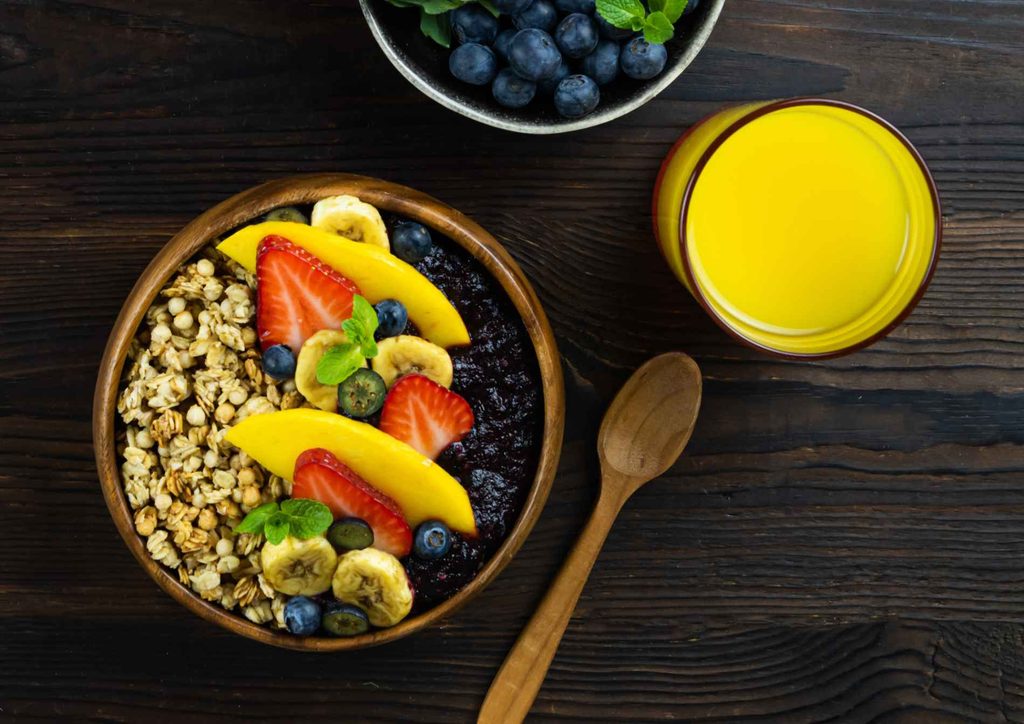
- Greek yoghurt with grapes and oats.
The combination of carbohydrates and protein is important. Carbohydrates help replenish muscle glycogen, while protein provides amino acids needed for muscle repair and adaptation.

| Recovery Pillar | How It Helps | Everyday Meal Choices |
|---|---|---|
| Glycogen Replenishment | Carbohydrates refill used muscle energy stores after high effort play | Chicken with rice and vegetables, or tuna and pasta salad |
| Muscle Repair and Adaptation | Protein supplies amino acids to rebuild working fibres and adapt stronger | Eggs on toast with fruit, or beef with potatoes and vegetables |
| Carb Plus Protein Pairing | Combines energy recovery and tissue repair in one practical meal | A chicken and salad wrap, or Greek yoghurt with fruit and oats |

Do you need a protein shake after a game?
No, you do not automatically need a protein shake after playing sport. Everyday foods such as eggs, chicken, milk, yoghurt, fish and lean meat can provide the protein required to support recovery.
For children and teenagers, prioritise regular meals, suitable snacks and adequate hydration rather than supplements. Their nutritional needs should be met through age appropriate food choices and portions.
| Recovery Rule | Why It Works | Simple Food Focus |
|---|---|---|
| Shakes Not Required | Everyday wholefoods deliver full recovery protein without extra powder or cost | Eggs, chicken, milk, yoghurt, fish and lean meat |
| Junior Players First | Growing bodies thrive on regular meals and fluids rather than supplements | Age appropriate meals, handy snacks and steady water |
| Complete Recovery Plate | Pairing everyday protein with carbohydrates and fluids covers post game needs | Build easy recovery meals from familiar kitchen staples |
Why is recovery nutrition important?
Your performance is influenced by more than what you eat immediately before a game. Consistently eating enough throughout the day helps support training, recovery, concentration and physical performance as part of a broader sports nutrition strategy.
A cricket nutritionist, for example, may consider the extended duration of matches when planning meals, snacks and hydration across an entire day of play.
| Recovery Impact | How It Helps | All Day Application |
|---|---|---|
| Sustained Daily Fuel | Keeps energy stores steady across training blocks rather than relying on one pre game meal | Eat regular, balanced meals and snacks throughout the day |
| Focus and Physical Output | Supports sharp decision making, stamina and force production under long demands | Pair steady carbs, protein and fluids across extended sessions or cricket matches |
| Faster Bounce Back | Aids tissue repair and readiness for the next training load or day of competition | Prioritise post session recovery and ongoing hydration across multi hour play |
Red flag: Feeling faint or unwell during games
If you regularly experience dizziness, fainting, unusual weakness or feeling unwell during exercise, stop playing and speak with your GP. Fainting during exercise, chest pain or severe breathing difficulties require urgent medical assessment.
“You cannot expect your body to perform at its full potential when you consistently give it less fuel than your sport demands”.
Jake Biggs, Nutrition Longevity
How can a sports nutritionist help?
A sports nutritionist can help you understand exactly how to fuel your body around training, competition and recovery. Rather than following generic meal plans or copying what professional athletes eat, the focus should be on understanding your individual nutritional requirements and building practical eating habits that fit your sport and lifestyle.
| Coaching Focus | Why It Matters | Practical Outcome |
|---|---|---|
| Tailored Fuelling | Matches nutrition timing and intake to your training load, competition schedule and recovery needs | Clear guidance on what, when and how much to eat around sessions |
| Beyond Generic Plans | Avoids one size fits all templates or copying pro routines built for different demands | Personalised targets shaped around your individual body and goals |
| Sustainable Habits | Builds realistic eating routines that work long term without rigid food rules | Everyday meals and snacks that fit smoothly into your sport and lifestyle |
Can a sports nutritionist create an individual game day meal plan?
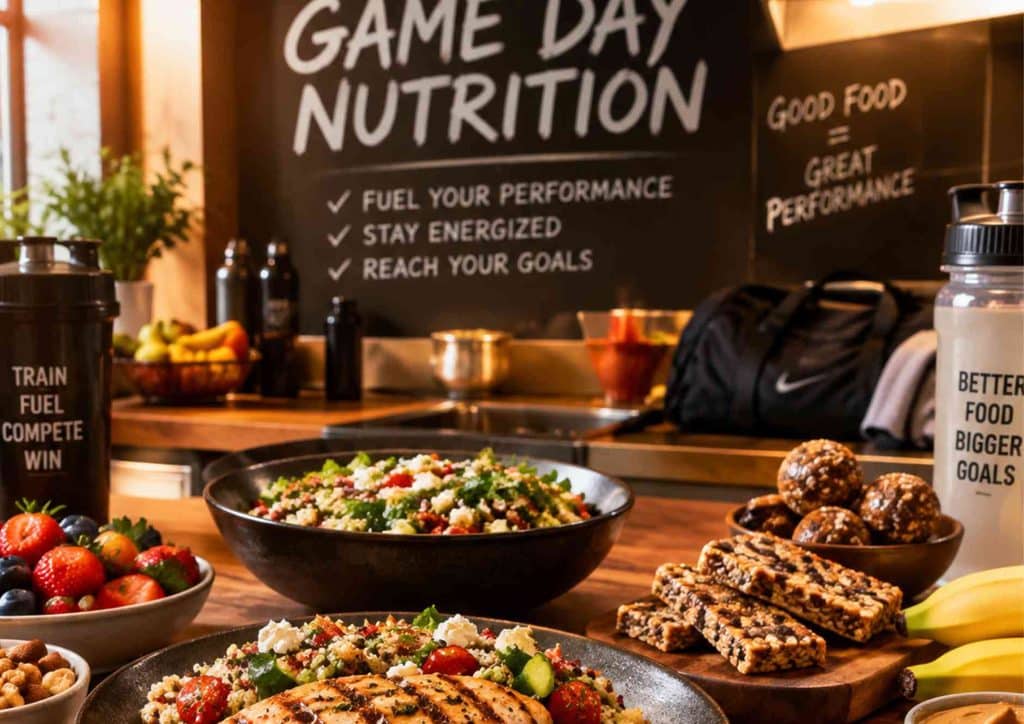
Yes. An individualised sports nutrition plan by a sports nutritionist can help organise what you eat the night before, on game morning, at half time and after competition. It can also account for your training schedule, playing position, appetite, food preferences and match times.
| Plan Element | What Gets Tailored | Game Day Benefit |
|---|---|---|
| Full Day Structure | Maps out meals and snacks from the night before through game morning, half time and post match | Removes guesswork across every stage of competition day |
| Role and Schedule Fit | Adjusts for training load, playing position, match start times and turnaround windows | Delivers the right fuel at the right time for your exact demands |
| Personal Comfort | Works around your natural appetite, gut tolerance and everyday food preferences | Keeps fuelling enjoyable, practical and easy to stick to |
Can a sports nutritionist help with energy levels during games?
A sports nutritionist can review your usual food intake, meal timing and hydration habits to identify opportunities to improve your fuelling strategy. This is particularly useful if you regularly struggle with maintaining energy throughout longer matches or tournaments.

| Review Area | What Gets Checked | Game Day Impact |
|---|---|---|
| Usual Food Intake | Spots under fuelling, low carbohydrate habits or missed meals before play begins | Builds fuller energy reserves for sustained effort across full matches |
| Meal and Snack Timing | Aligns pre game, half time and between match fuel with actual start and break times | Reduces late game fade during long matches or multi game tournaments |
| Hydration Habits | Evaluates fluid patterns leading in and across breaks so fatigue stays lower | Supports steadier stamina, focus and physical output until the final whistle |
Can a sports nutritionist help junior athletes?
Yes. Junior athletes have additional nutritional considerations because they are still growing and developing. Nutrition guidance should prioritise adequate energy, balanced meals, appropriate portions and healthy relationships with food. Supplements are not automatically necessary.
| Junior Priority | Why It Matters | Practical Focus |
|---|---|---|
| Growth Plus Sport | Growing bodies need extra energy for physical development alongside training and play | Adequate daily energy, balanced meals and age appropriate portions |
| Healthy Food Mindset | Builds a positive, relaxed relationship with eating during key developmental years | Everyday wholefoods without rigid food rules or adult dieting pressure |
| Food First Approach | Supplements are not automatically needed when meals and hydration are well set | Regular meals, handy snacks and steady fluids across school and sport |
Can a sports nutritionist help with recovery?
A sports nutritionist can help you structure meals and snacks around training and competition to support muscle recovery, replenish energy stores and maintain consistent nutritional intake throughout the week, including for individuals aiming to gain muscle mass.
| Recovery Advantage | Why It Matters | Practical Focus |
|---|---|---|
| Purposeful Training Fuel | Tailored meals and snacks around workouts and competition drive faster muscle repair and readiness | Targeted pre and post session nutrition built around your schedule |
| Rapid Energy Restoration | Refilling depleted muscle fuel promptly prevents lingering soreness and flat training sessions | Smart post workout protein and carbohydrate combinations |
| Unbroken Weekly Rhythm | Consistent nourishment across every training day eliminates energy crashes and builds lasting resilience | Structured, repeatable eating habits that sustain peak output |
What to do this week
- Eat a carbohydrate rich breakfast before training.
- Pack a banana and sandwich for your next game.
- Plan your post game meal before competition starts.
Final thoughts
Game day nutrition does not need to be complicated. You do not need expensive supplements, restrictive diets or complicated eating routines to prepare for competition, regardless of whether your primary goal is performance or changing body weight.
Start with the basics: eat enough carbohydrates, include protein throughout the day, drink water regularly and plan your meals around your playing schedule whether your goal is performance, improving body composition or supporting recovery.
Remember that what works for one player might not work for another. A full day of cricket, a soccer match, a netball competition and a football game all have different physical demands.
The important thing is to find an eating routine that supports your individual needs, feels comfortable and allows you to approach competition feeling prepared while remaining sustainable over time.
Good performance starts long before the referee blows the whistle. It starts with consistently giving your body the food, fluids and energy it needs.
What to eat before a game nutrition quiz
Test your game day fuelling knowledge across timing, carbohydrate focus, digestion comfort, pre match hydration, and avoiding last minute experiments.
1. When is the best window to eat a substantial pre game meal?
2. Which macronutrient should anchor your pre game meal for sustained energy?
3. What works best if your game starts early or you have a tight schedule?
4. How should you approach hydration leading into game day?
5. What is a golden rule for choosing your pre game meal?
Strong game day fuelling comes down to timely carbohydrates, steady hydration, and familiar foods that settle comfortably.
Frequently asked questions
What should I eat before a morning game?
Choose an easily digested carbohydrate rich breakfast such as porridge with banana, cereal with milk or toast with honey. Ideally, eat 2 to 4 hours before playing, or have a smaller snack if the game starts early.
Are lollies OK at half time?
Small amounts of lollies can provide quick carbohydrates, but they should not replace an overall balanced approach to game day nutrition. Bananas, fruit and other familiar carbohydrate rich snacks are practical alternatives.
What should kids eat before sport?
Children should eat familiar carbohydrate rich meals such as porridge, cereal, toast, sandwiches or fruit, with appropriate portions for their age and appetite. Avoid unnecessary supplements and prioritise regular meals, snacks and water.
What if I get nervous and can’t eat?
Try a smaller, easily digested option such as a banana, toast or a smoothie rather than forcing down a large meal. Practise your pre game eating routine during training so you know which foods feel comfortable before competition.

Keep reading
This article is general information, not personal medical or nutritional advice. Individual needs vary. For guidance tailored to you, book a consultation.
Book a 60 minute consultation, in Bondi Junction or by Telehealth from anywhere in the world.