

The quick answer
The mediterranean diet for weight loss works because it relies on whole foods and healthy fats that keep you full and satisfied. This can make sustainable weight loss more realistic because the Mediterranean approach feels enjoyable and flexible rather than unnecessarily restrictive.
The short version
- Focus on whole plant foods to support weight loss. Vegetables, fruit, legumes and wholegrains provide fibre and food volume, which can help make Mediterranean meals more filling while keeping overall energy intake easier to manage.
- Include healthy fats in portions that assist weight loss. Extra virgin olive oil, nuts, seeds and avocado are valuable parts of Mediterranean eating, however they are also energy dense, so keeping portions appropriate is important when your goal is weight loss.
- Keep portions in check to ensure the Mediterranean diet works for weight loss. Be particularly mindful of portions of olive oil, nuts, cheese, bread and other energy dense foods while keeping vegetables, protein and fibre rich foods prominent on your plate.
Mediterranean diet
A way of eating based on traditional foods from countries bordering the Mediterranean Sea, rich in vegetables, fruit, fish, olive oil, beans and wholegrains. This creates a strong foundation for a balanced diet for weight loss, without requiring entire food groups to disappear.
What the mediterranean diet actually is
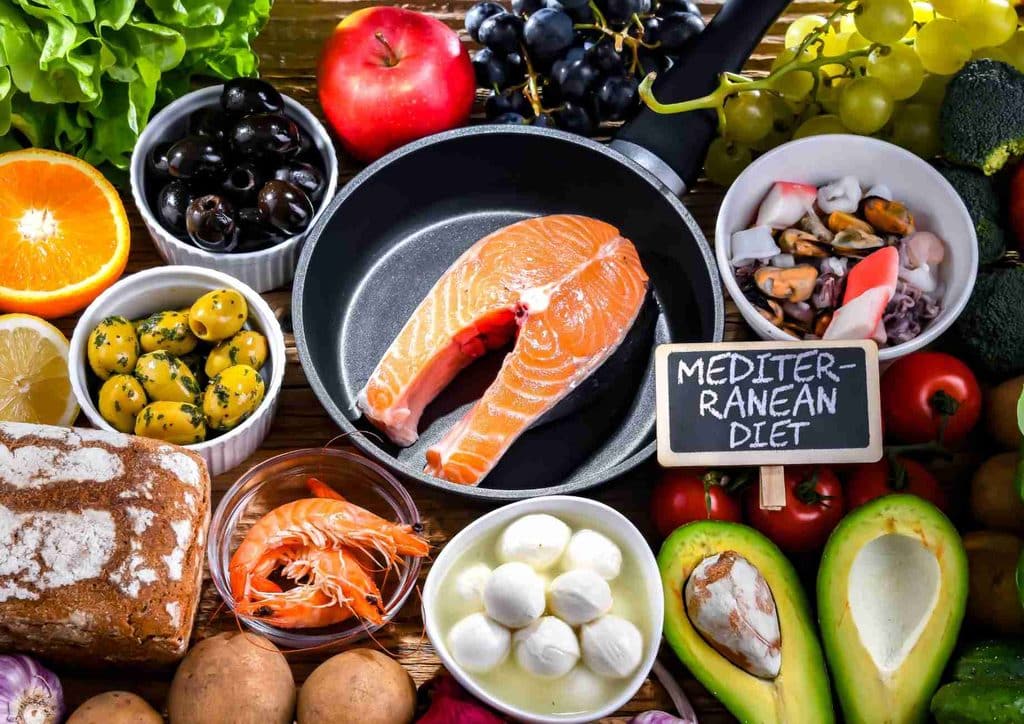
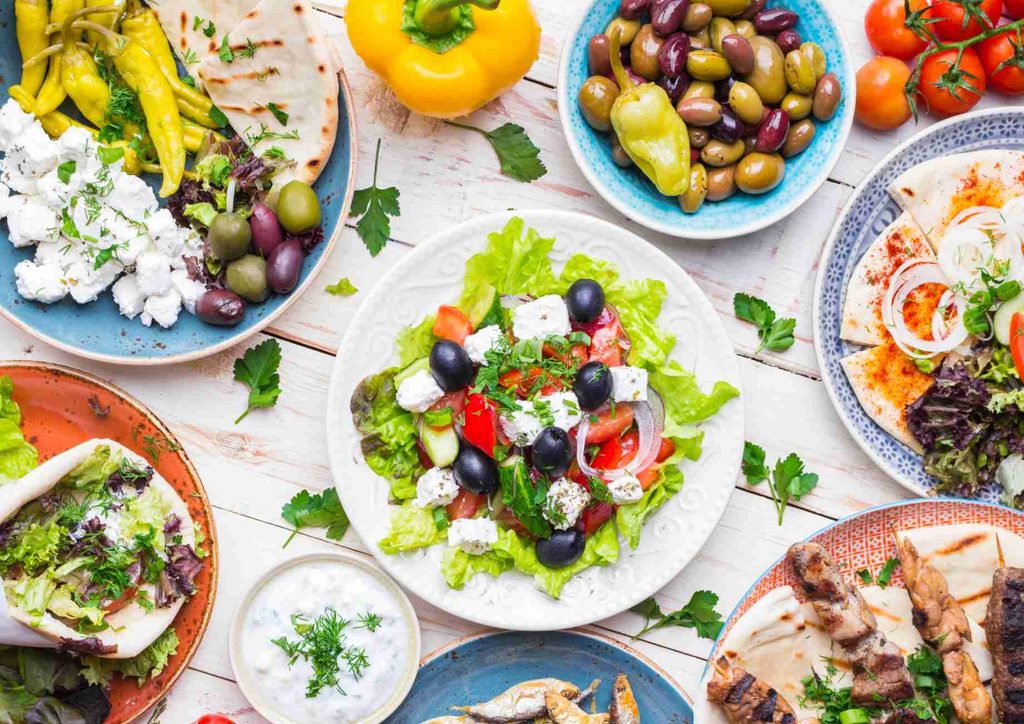
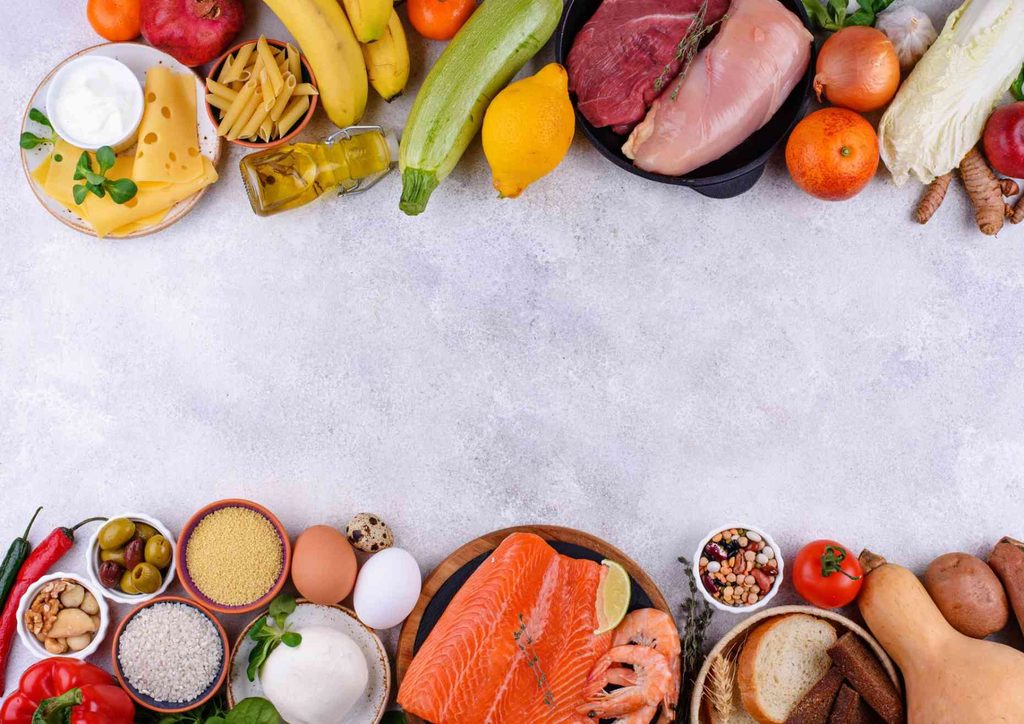
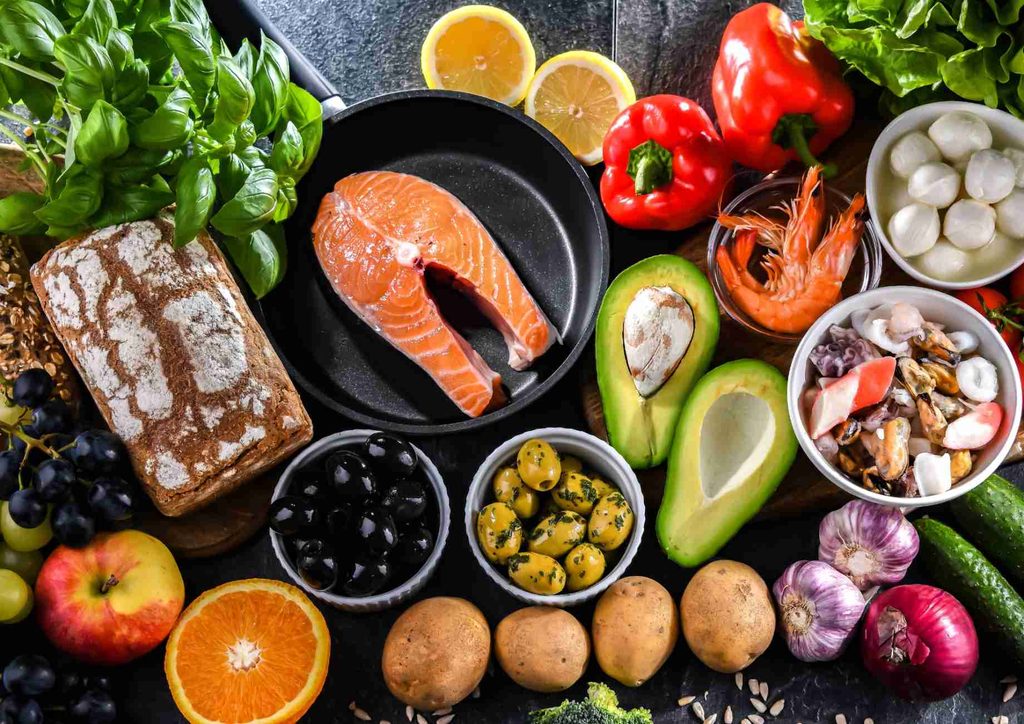
When people ask about the mediterranean diet for weight loss, they usually picture a plate piled high with fresh vegetables, grilled fish, extra virgin olive oil, and crusty wholegrain bread. It is not a rigid meal plan with strict rules or banned food groups. Instead, it is an eating pattern built around everyday whole foods that have nourished coastal communities for generations.
“Focus on whole plant foods like vegetables, fruit, legumes, and wholegrains to provide essential fibre and volume that make Mediterranean meals more filling. Choosing the best foods for weight loss often comes back to foods that provide plenty of fibre, protein and volume while helping you stay satisfied between meals”.
Jake Biggs, Nutrition Longevity
| Diet Myth | Weight Loss Reality |
|---|---|
| You must eliminate all carbohydrates like pasta and bread to lose weight | Wholegrains and sensible portions of pasta are a normal part of the Mediterranean pattern when paired with vegetables and olive oil. |
| Because extra virgin olive oil and nuts are extremely healthy, portion sizes do not matter | Even nutritious healthy fats are energy dense, so keeping an eye on your pour and serving size is important for weight loss. |
| To follow this way of eating in Australia, you need to buy expensive specialty imported products | Standard local supermarkets stock everything you need, from tinned legumes and fish to fresh seasonal vegetables, without breaking the bank. |
| The Mediterranean diet forces you to follow a rigid meal plan with strict food bans | It is a flexible eating pattern built around whole foods that naturally manage hunger, making it much easier to sustain a long-term calorie deficit. |
How to lose weight with the Mediterranean diet calculator
Discover how adopting a sustainable Mediterranean eating pattern can help you manage your energy, improve metabolic health, and achieve lasting weight loss without feeling deprived. Complete your profile below to receive a personalised Mediterranean roadmap.
Your Mediterranean Diet Weight Loss Diagnostic Summary
Your profile highlights that requires attention for sustainable weight loss.
Your Mediterranean weight loss roadmap
Need professional guidance for sustainable weight loss?
I will review your assessment results and create a structured, evidence-based nutrition plan designed to help you integrate Mediterranean eating principles and achieve your goals.
Book a consultationThis quiz provides educational guidance to support balanced weight management and is not a substitute for professional clinical nutrition or medical advice.
“I built this interactive calculator because generic weight loss advice often misses what can make a Mediterranean eating pattern practical and sustainable. It helps identify areas of your diet worth reviewing, giving you clearer direction on what to focus on for long term weight loss”.
Jake Biggs, Nutrition Longevity
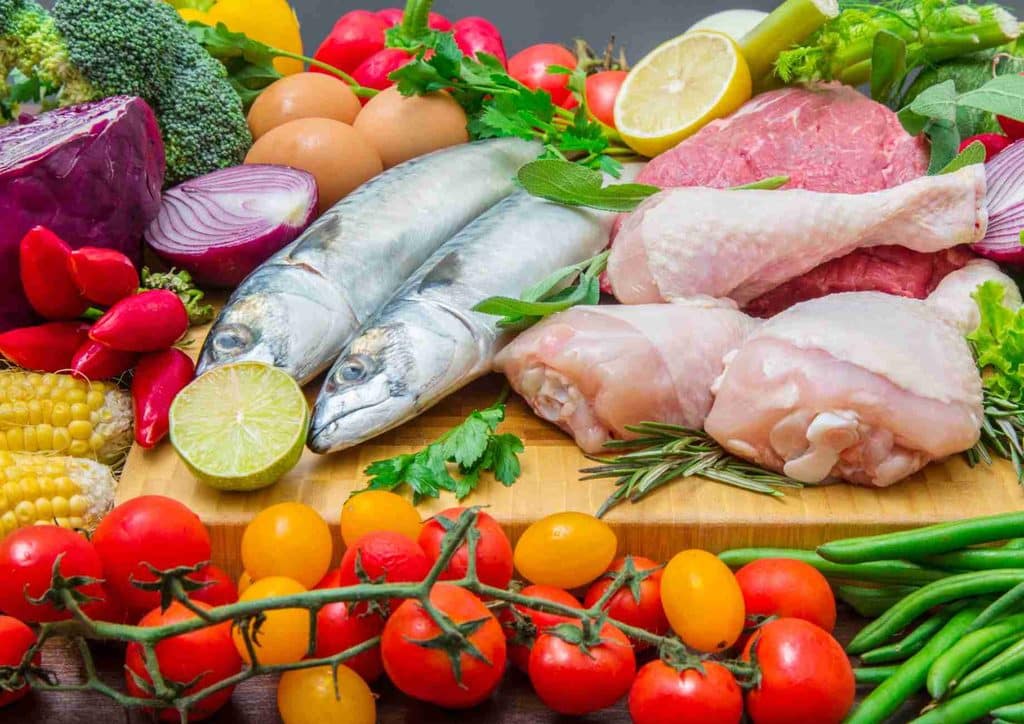
The core food groups
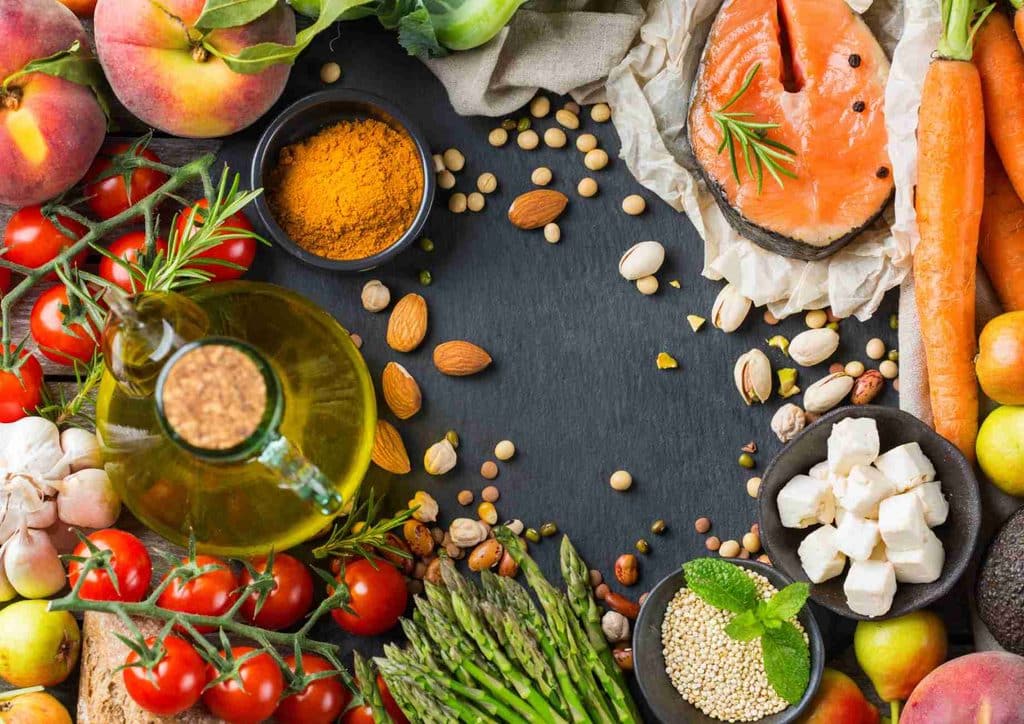
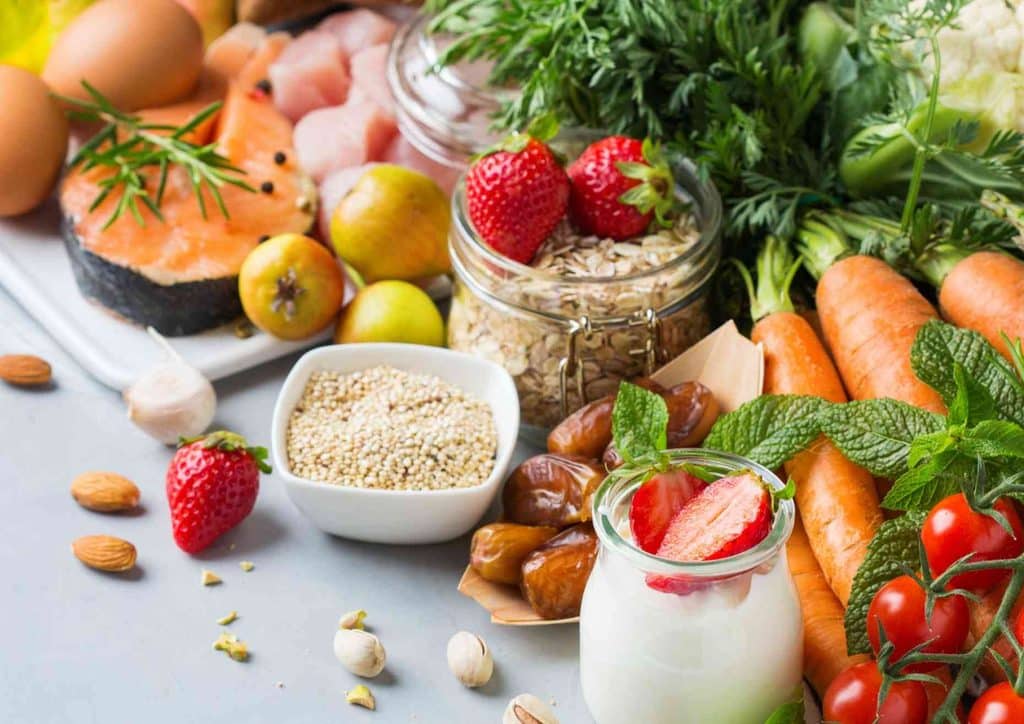
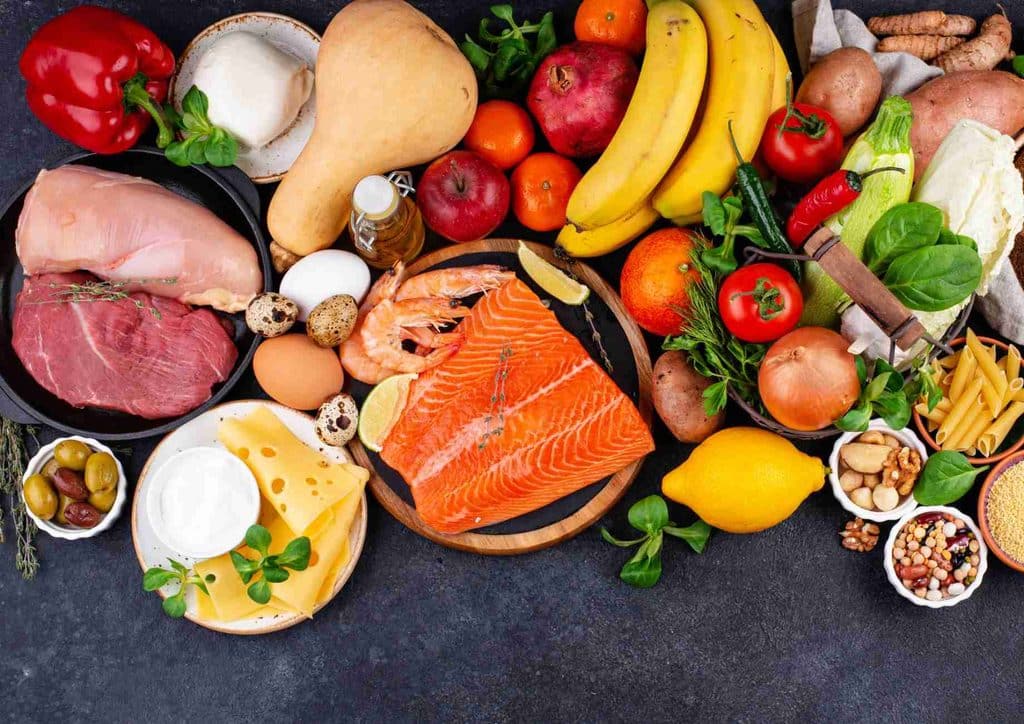
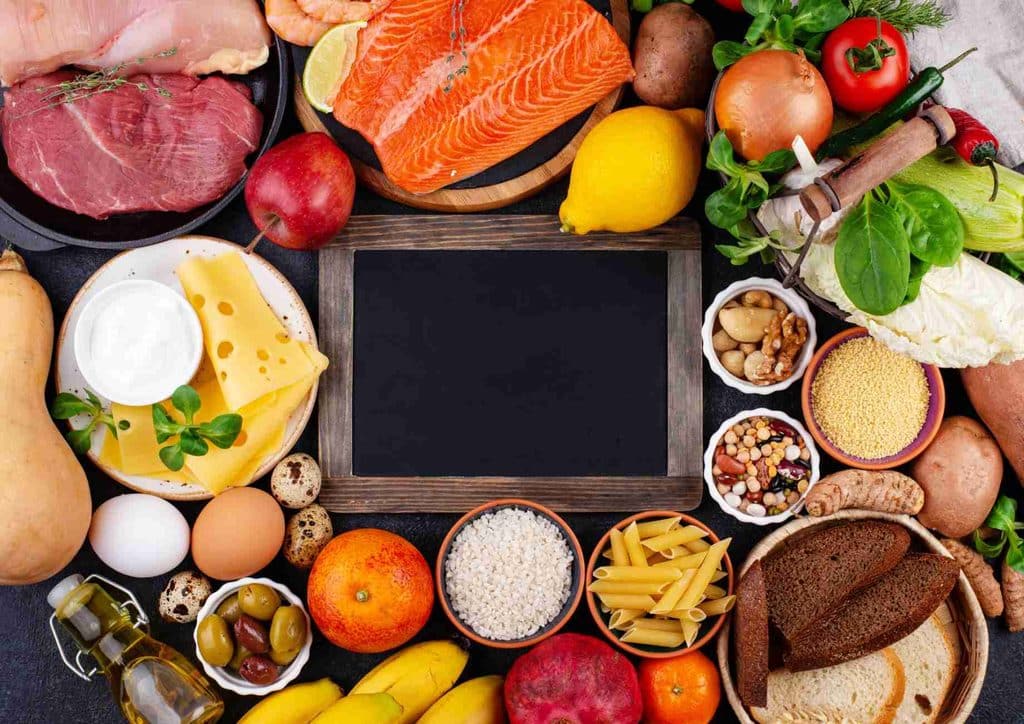
The foundation of the plate is always plant based, featuring an abundance of colourful vegetables, fresh fruit, herbs, and spices. Legumes, nuts and seeds provide fibre, protein and valuable nutrients throughout the week, while foods such as chia seeds can also fit naturally into this pattern.
Fruit also belongs here, including everyday options such as berries, apples and grapes, so there is no need to avoid fruit if you are aiming to lose weight.
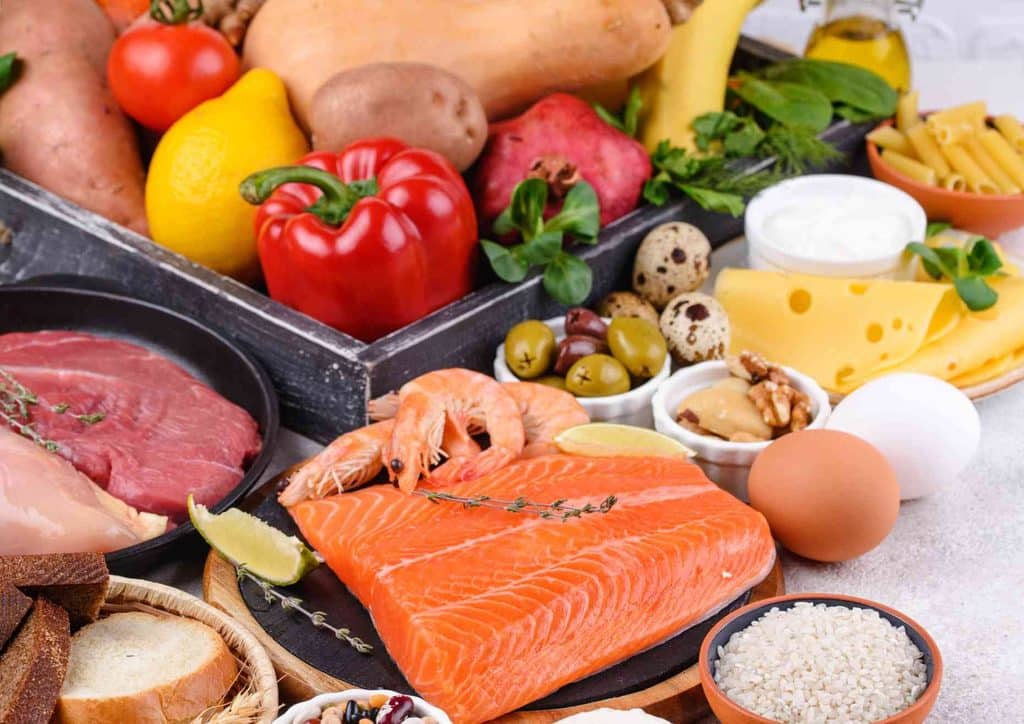
| Food Group | Key Mediterranean Staples | Role in Weight Loss & Health |
|---|---|---|
| Vegetables & Fruit | Leafy greens, tomatoes, capsicum, onions, seasonal fresh fruits, and root vegetables. | Provides essential dietary fibre and physical volume to make meals highly filling while keeping energy intake manageable. |
| Legumes & Wholegrains | Lentils, chickpeas, beans, wholegrain bread, oats, and sensible portions of pasta. | Delivers slow releasing complex carbohydrates that stabilise blood sugar, prevent crashes, and control appetite. |
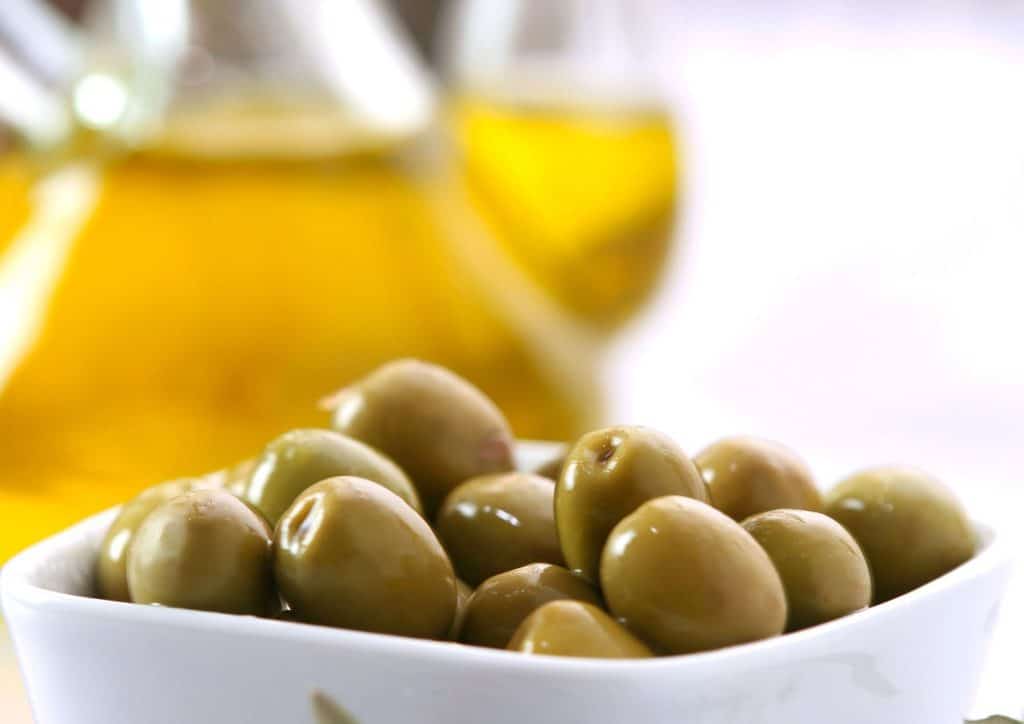
| Healthy Fats & Oils | Extra virgin olive oil, olives, raw nuts, seeds, and moderate avocado. | Supports heart health and satiety, though portions must be kept appropriate since fats are energy dense. |
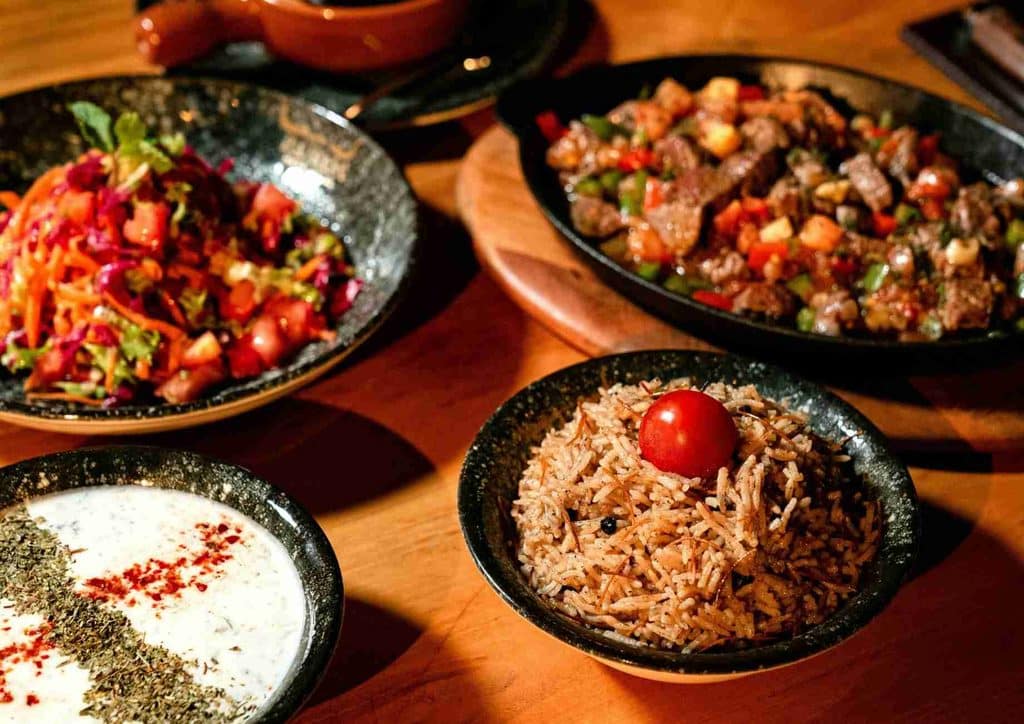
Fats and proteins
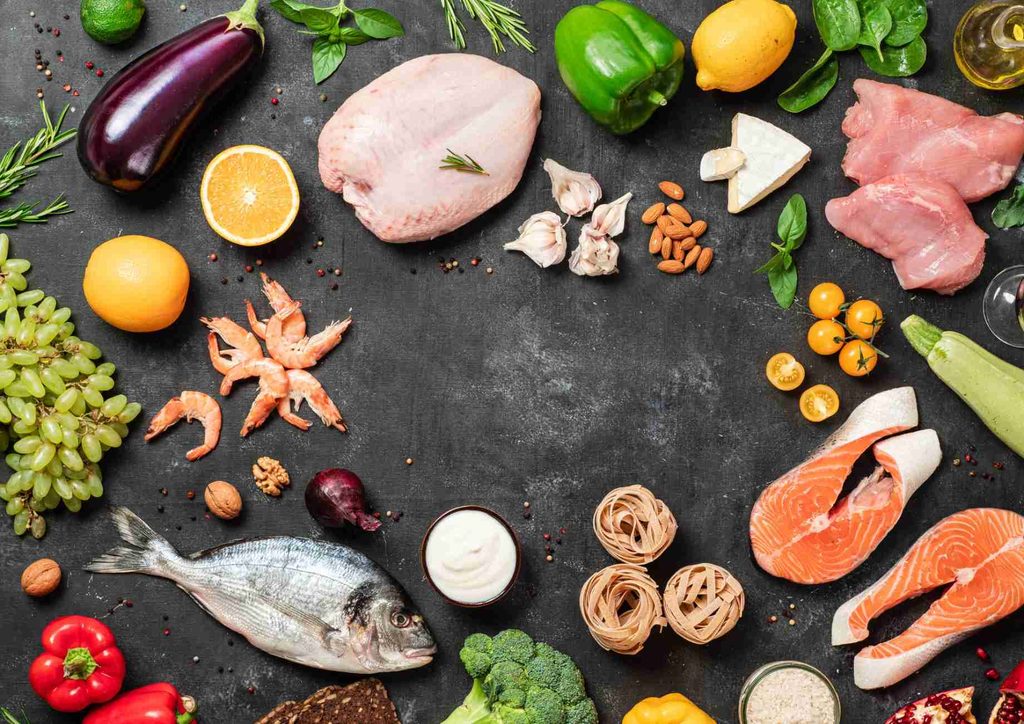
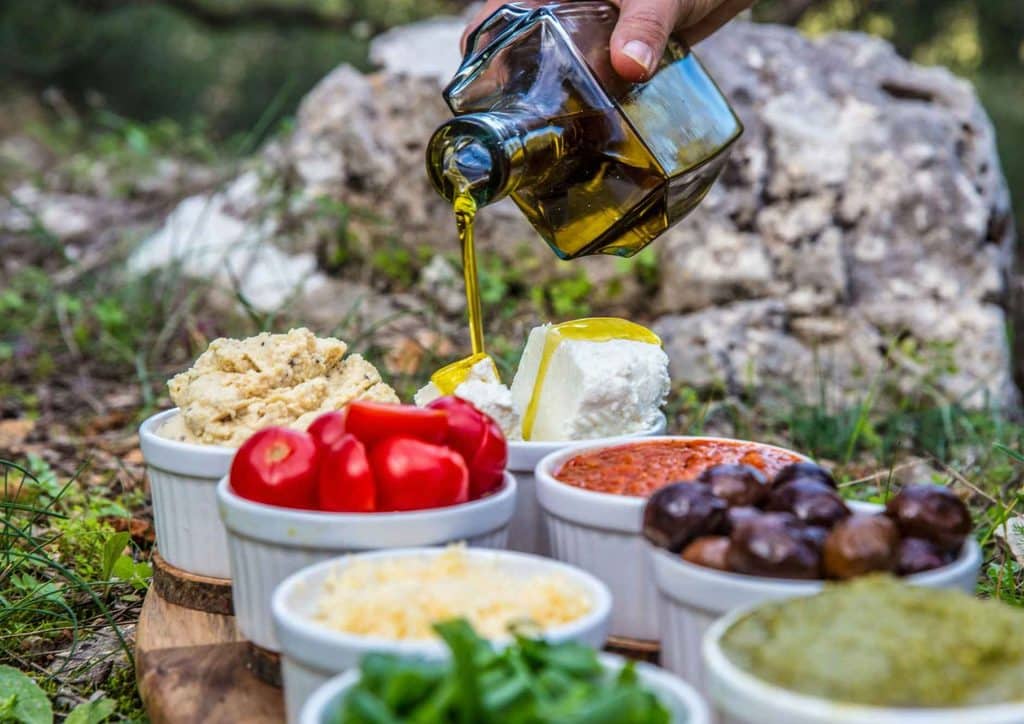
Extra virgin olive oil is the primary fat used for cooking and dressing. Building meals around high protein foods can also improve meal satisfaction and make it easier to construct balanced Mediterranean meals.
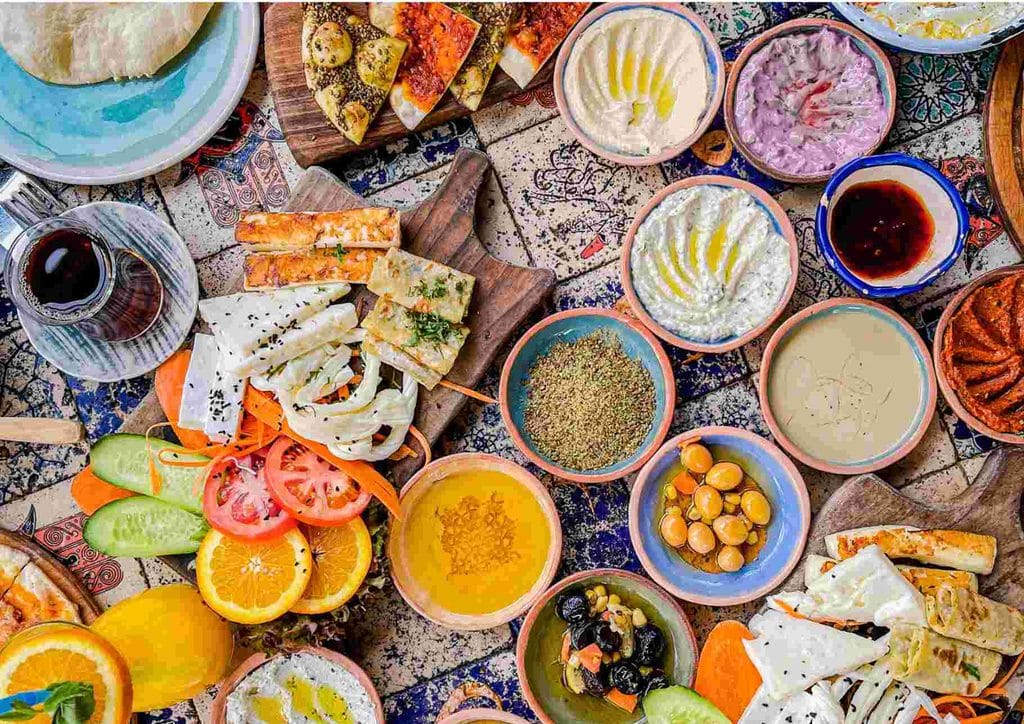
| Nutrient Category | Mediterranean Sources | Role in Weight Loss & Satiety |
|---|---|---|
| Quality Protein | Fresh fish, seafood, poultry, eggs, Greek yoghurt, and plant proteins like lentils and chickpeas. | Protects lean muscle mass during weight loss, stimulates key satiety hormones, and keeps hunger at bay between meals. |
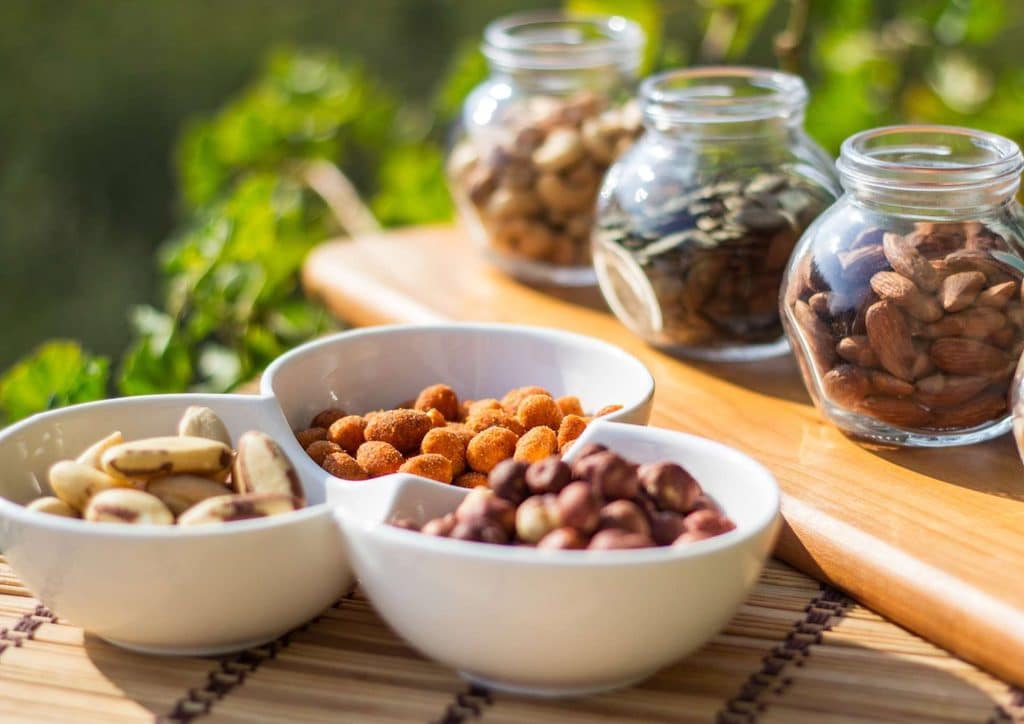
| Healthy Dietary Fats | Extra virgin olive oil, olives, almonds, walnuts, pumpkin seeds, and moderate avocado. | Provides sustained energy and enhances food flavour, though portions must be measured carefully due to high energy density. |
| Dairy & Moderation | Feta cheese, pecorino, and fermented yoghurts consumed in traditional moderate amounts. | Adds culinary satisfaction and calcium while requiring portion awareness to keep total daily energy intake in a deficit. |
Why it can work for weight loss
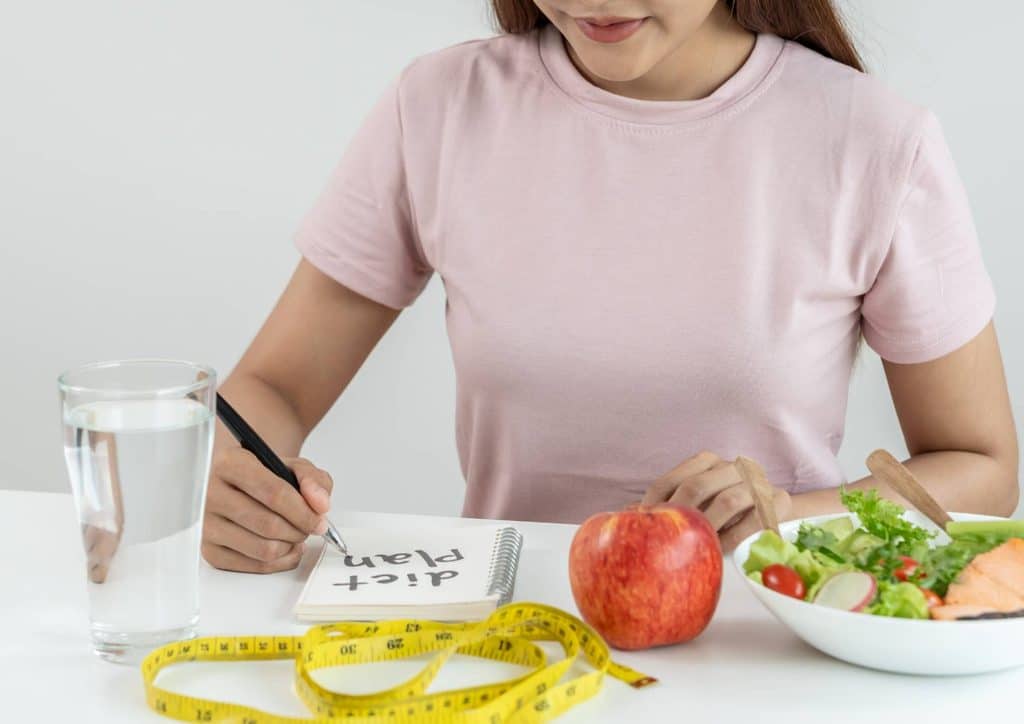
The main reason the mediterranean diet for weight loss works so well is that it naturally controls hunger. When your meals contain plenty of fibre from vegetables and legumes, paired with quality protein and healthy fats, your brain receives strong signals of fullness. Many of my clients find this approach far easier to maintain than a fad diet because they never feel starved or deprived.
Finding the perfect diet is really about finding a way of eating that fits your life and keeps you satisfied. That is also why intermittent fasting for weight loss should be viewed as an optional eating structure rather than something everyone must use to lose weight.
| Mechanism | Core Dietary Focus | Physiological & Weight Loss Result |
|---|---|---|
| High Volume & Satiety | Vegetables, fruits, legumes, and wholegrains. | Provides dietary fibre and water content that stretches the stomach lining, triggering natural satiety signals to make meals filling without excess energy. |
| Blood Sugar Stability | Quality protein (seafood, poultry, eggs) and complex carbohydrates. | Delivers steady energy, protects lean muscle mass during a deficit, and prevents the sharp crashes that drive constant snacking and sugar cravings. |
| Energy-Dense Fat Control | Extra virgin olive oil, nuts, seeds, avocado, and traditional cheeses. | Supplies heart-healthy fats and culinary satisfaction, while portion awareness ensures total daily energy intake remains in a weight loss deficit. |
Managing appetite naturally
Fibre slows down digestion while healthy fats delay stomach emptying, which naturally bridges the gap between meals without constant snacking.
If hunger keeps driving you towards convenience foods between meals, healthy snacks for weight loss can combine protein, fibre and whole foods to make your overall eating pattern easier to manage.
| Appetite Mechanism | Mediterranean Food Source | Physiological Effect on Hunger |
|---|---|---|
| Gastric Distension & Bulk | Vegetables, fruits, legumes, and wholegrains. | Physically stretches the stomach lining and slows gastric emptying, sending immediate fullness signals to the brain. |
| Hormone Suppression (PYY & GLP-1) | Fresh fish, seafood, poultry, eggs, and pulses. | Stimulates key satiety hormones that actively suppress hunger and keep you feeling satisfied between meals. |
| Blood Glucose Stability | Complex carbohydrates paired with extra virgin olive oil. | Prevents the sharp sugar crashes that trigger urgent cravings, maintaining steady energy and stable appetite control. |
Enjoyment over restriction
Because favourite foods like olive oil, cheese, and bread are included rather than banned, you can stick with the habits long enough to see real progress.
This is particularly important if you are trying to understand how to lose weight without exercise, because your overall eating pattern and energy intake still need attention even when structured exercise is limited.
| Restrictive Dieting Approach | Mediterranean Enjoyment Approach |
|---|---|
| Relies on strict food bans, eliminating entire groups like carbohydrates or fats, leading to constant psychological deprivation. | Embraces flexible whole foods, allowing wholegrains, pasta, and healthy fats as part of an enjoyable, sustainable daily routine. |
| Triggers extreme hunger and metabolic fatigue, frequently ending in binge eating and weight regain. | Leverages high fibre and protein to naturally control appetite, supporting a gentle energy deficit without constant willpower struggles. |
What goes on the plate
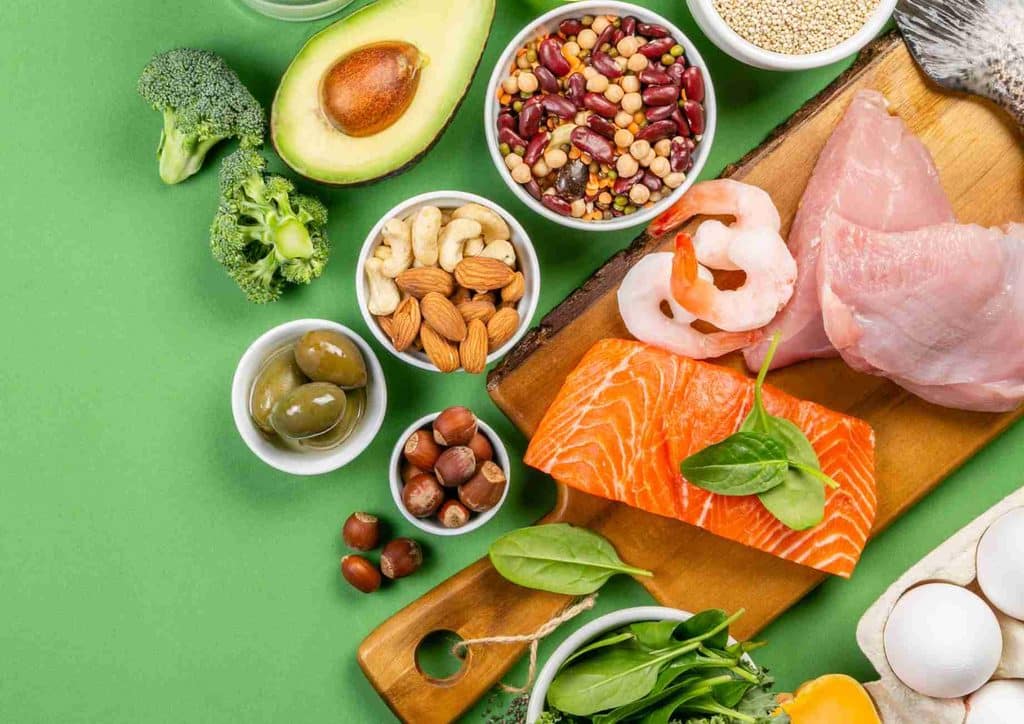
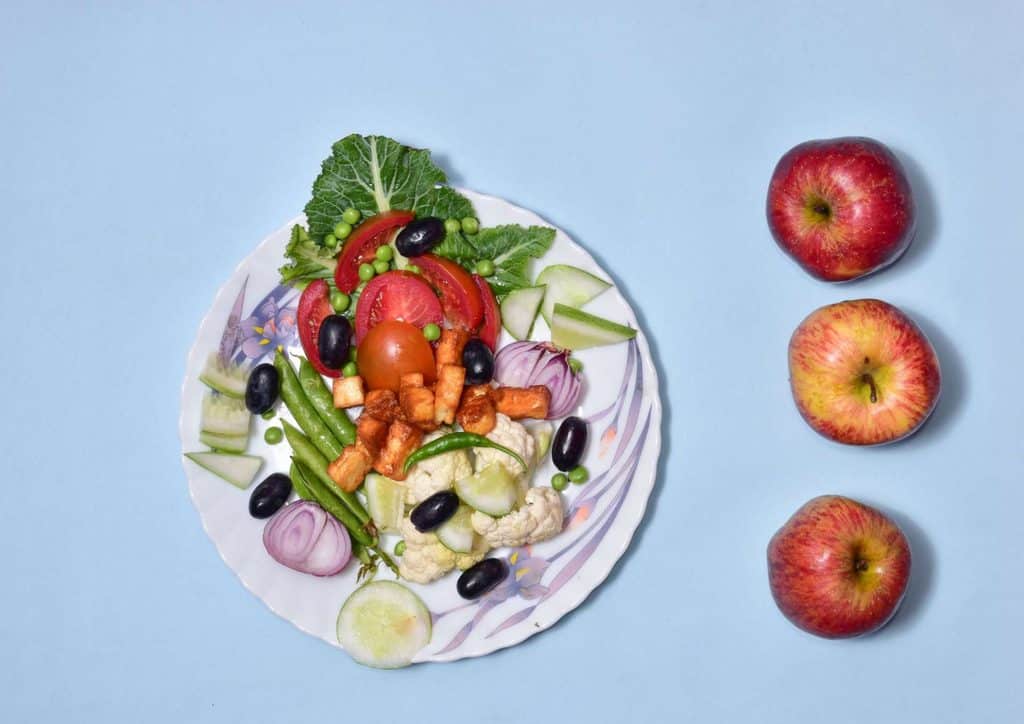
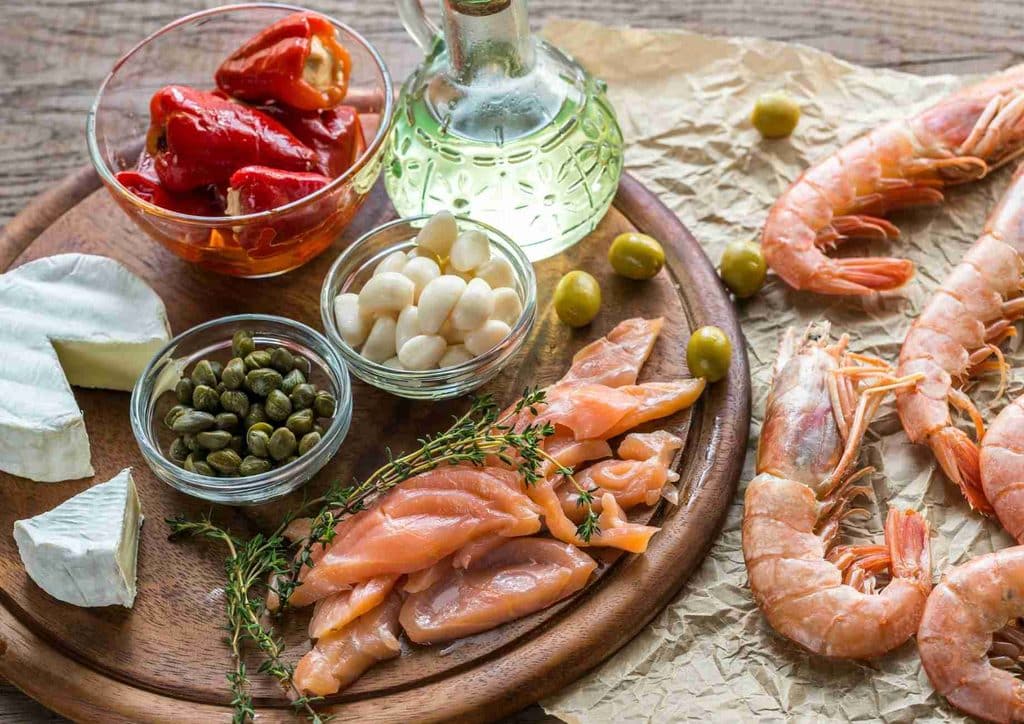
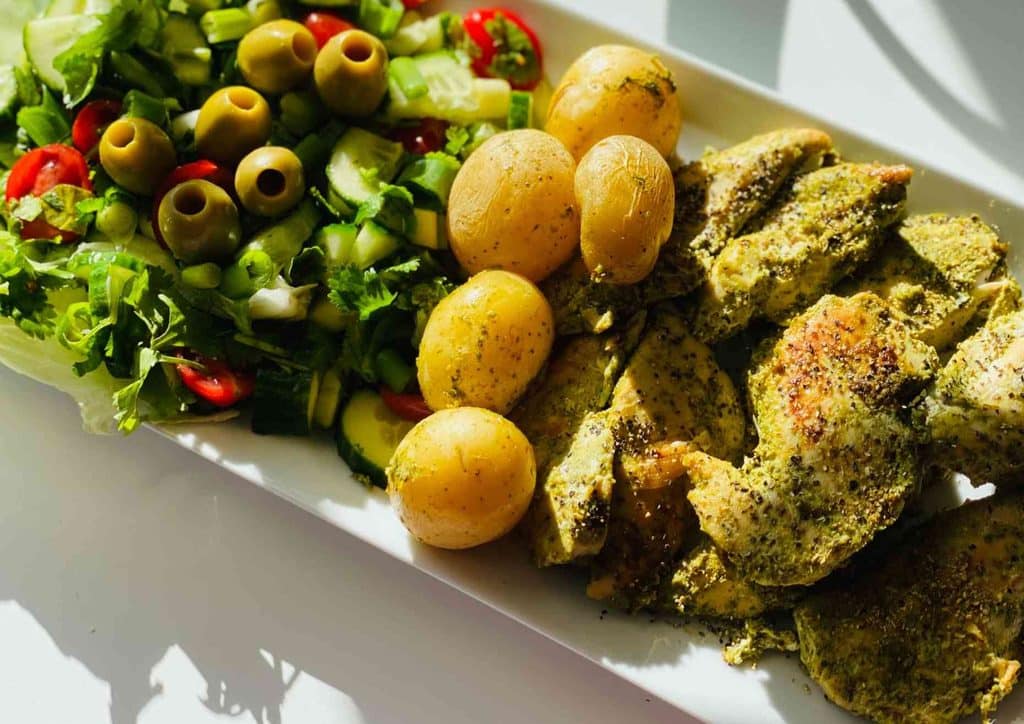
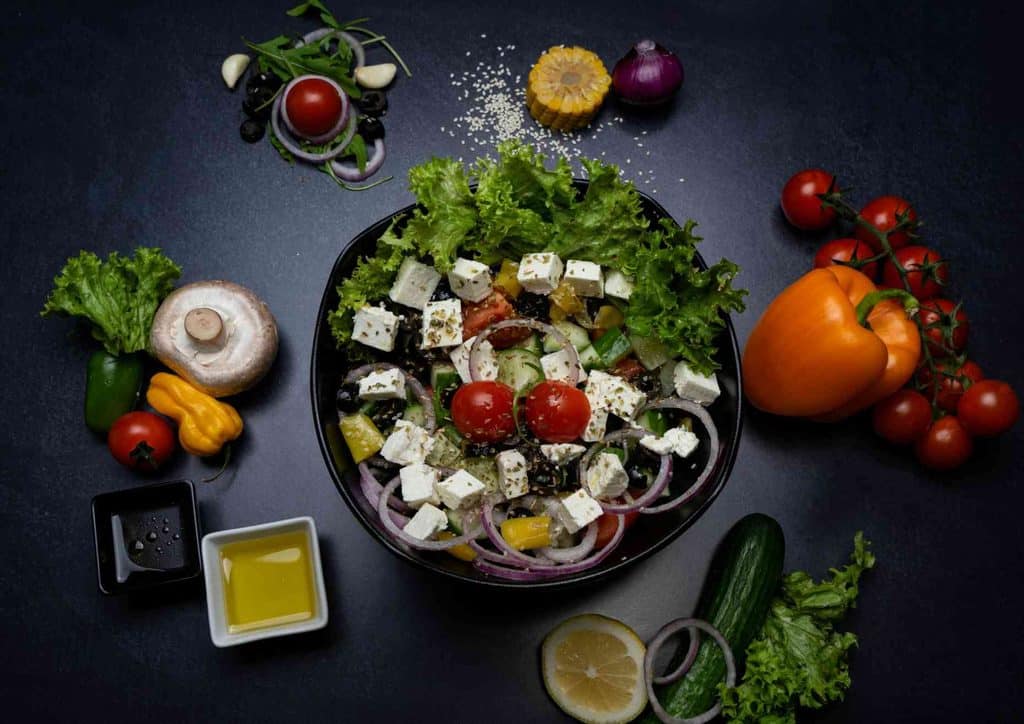
Your plate should feature vegetables as the main event rather than a tiny side dish. Add legumes like lentils or chickpeas a few times a week, choose fish and seafood regularly, and use extra virgin olive oil as your primary cooking fat. You do not need to cut out carbohydrates, and many people are surprised to learn that carbohydrates including pasta, rice and sweet potato are fine to include for weight loss when it is served in sensible portions and tossed with plenty of vegetables and olive oil.
| Plate Component | Traditional Food Choices | Practical Weight Loss Strategy |
|---|---|---|
| The Vegetable Foundation | Abundant fresh seasonal vegetables, leafy greens, and colourful salads. | Make vegetables the star of the meal rather than a tiny side dish to maximise volume and dietary fibre. |
| Proteins & Legumes | Fresh fish, seafood, lentils, chickpeas, and beans. | Incorporate pulses several times weekly and choose seafood regularly to support muscle retention and satiety. |
| Fats & Carbohydrates | Extra virgin olive oil and sensible portions of wholegrains or pasta. | Use extra virgin olive oil as your primary cooking fat and enjoy pasta in controlled portions tossed with vegetables. |
Building a balanced meal
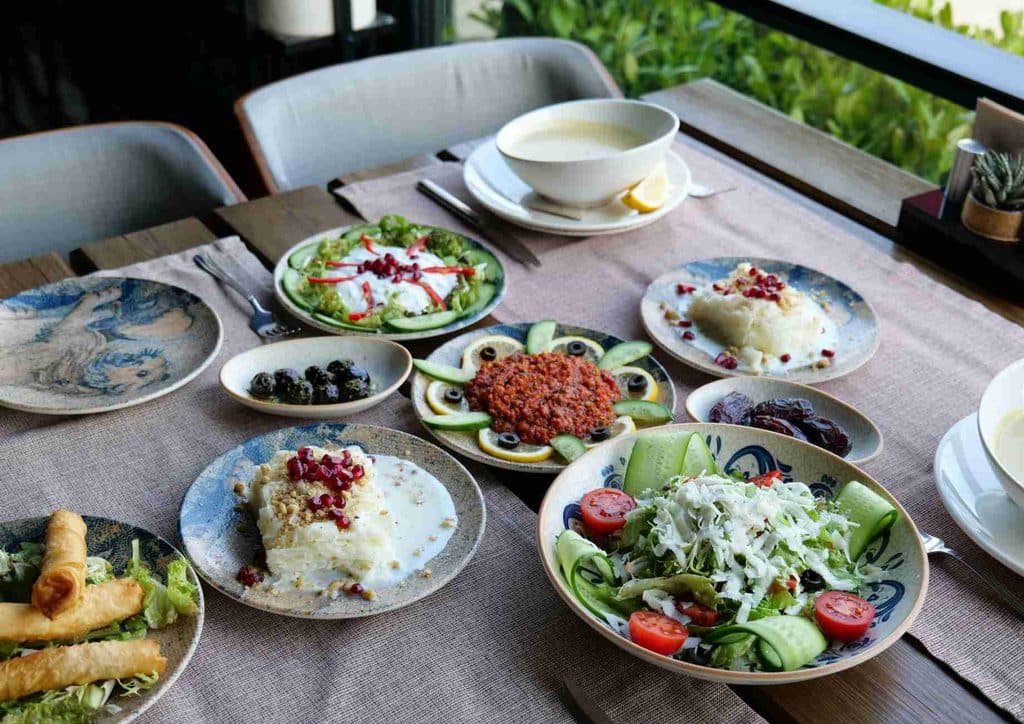
Fill half your plate with non starchy vegetables, a quarter with quality protein like fish or chicken, and the remaining quarter with wholegrains or starchy vegetables.
| Plate Proportion | Food Category & Examples | Metabolic & Satiety Benefit |
|---|---|---|
| One-Half (50%) | Non-starchy vegetables and leafy salads. | Maximises physical volume, dietary fibre, and micron intake while keeping total energy low. |
| One-Quarter (25%) | Quality lean protein like fish, seafood, or chicken. | Stimulates key satiety hormones and preserves muscle mass during an energy deficit. |
| One-Quarter (25%) | Wholegrains or starchy vegetables. | Delivers steady complex carbohydrates to fuel daily activity and maintain stable blood sugar. |
Dressing your food
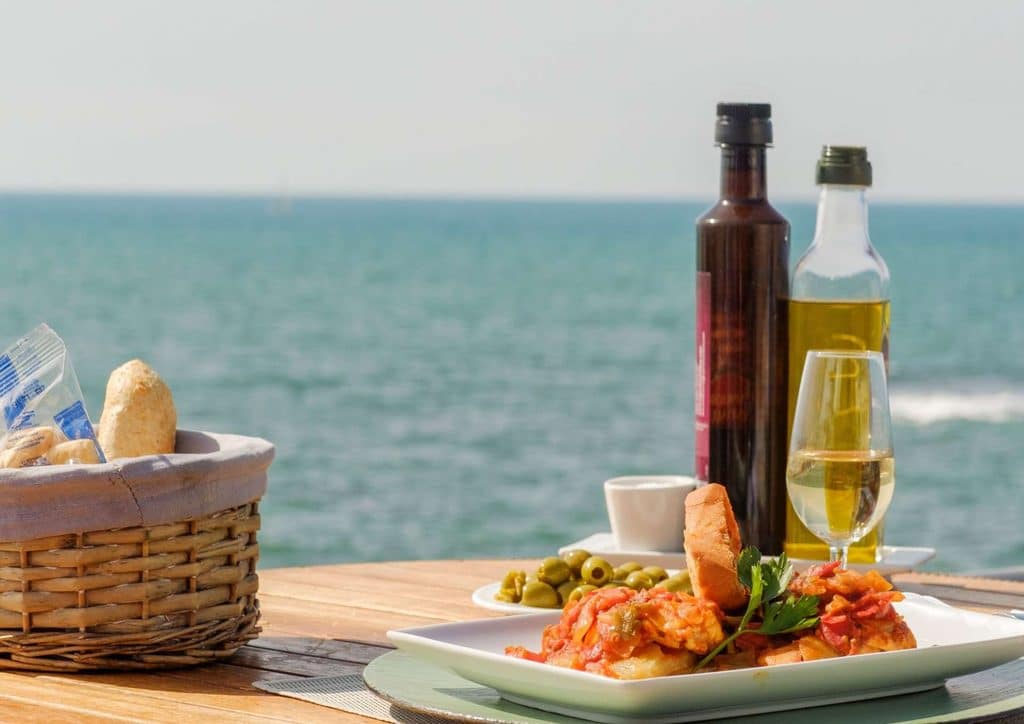
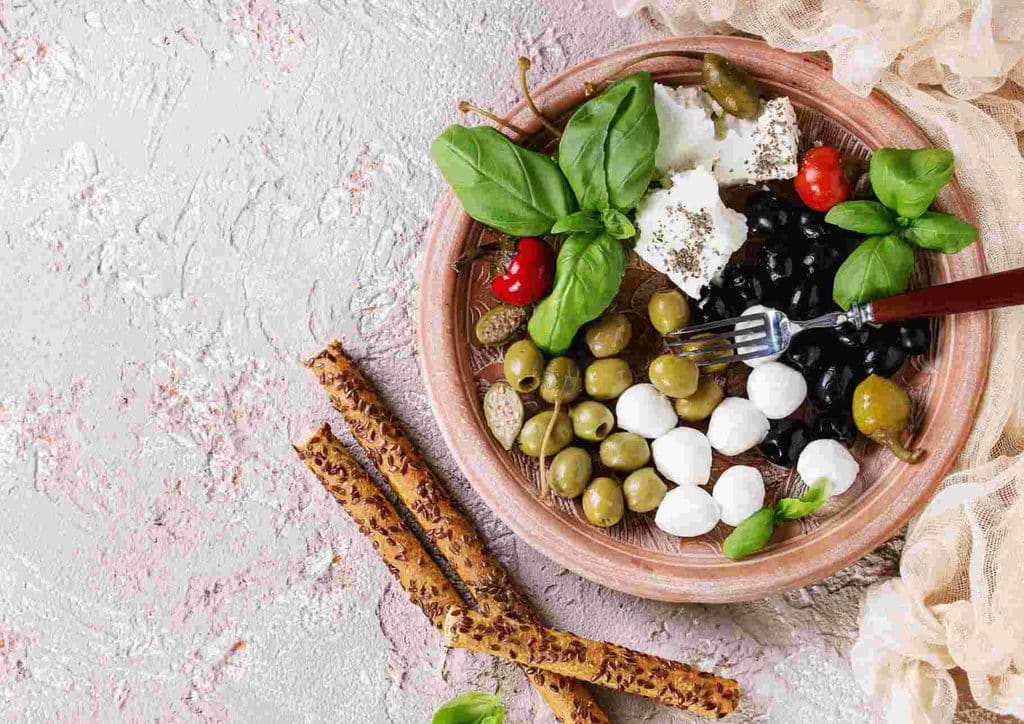
Swap heavy cream sauces for a simple drizzle of extra virgin olive oil, fresh lemon juice, garlic, and herbs.
| Traditional Condiment or Sauce | Mediterranean Flavour Alternative | Nutritional Impact on Weight Loss |
|---|---|---|
| Heavy cream sauces and processed dressings | Extra virgin olive oil, fresh lemon juice, garlic, and herbs | Replaces saturated fats with heart healthy monounsaturated fats and vibrant natural flavours while keeping energy density under control. |
A Mediterranean day, Australian style
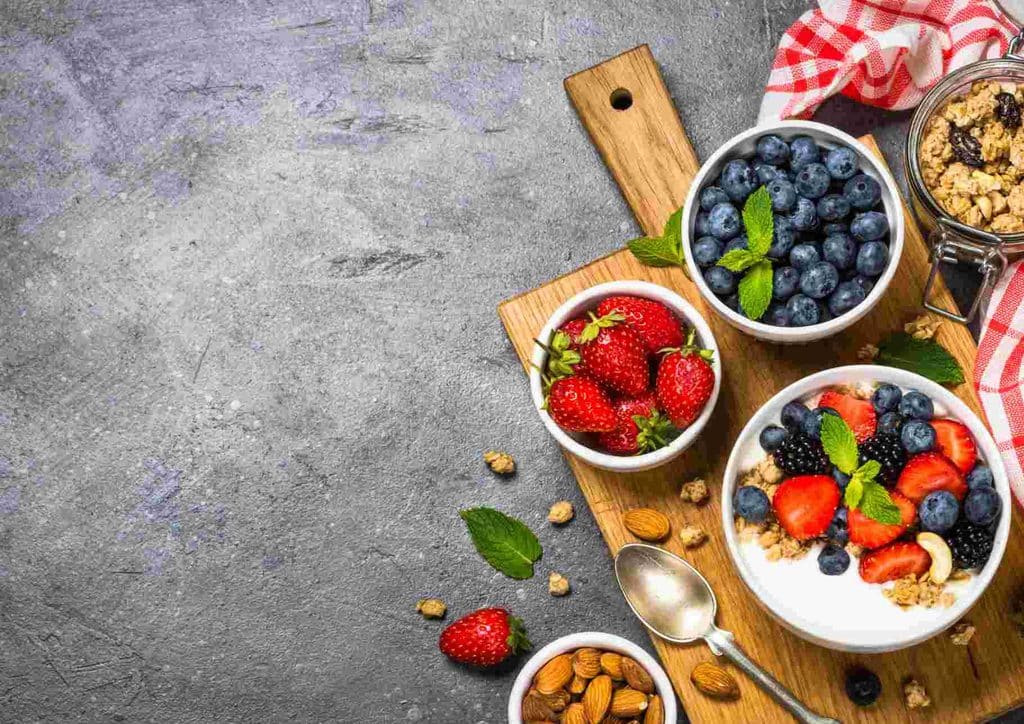
Breakfast might be plain yoghurt with fresh berries and a small handful of walnuts. Lunch could be a tin of tuna mixed with cherry tomatoes, cucumber, olives, and a squeeze of lemon, served with a slice of wholegrain sourdough. Dinner can be grilled lamb cutlets or baked fish served alongside a large roasted vegetable salad dressed with olive oil and lemon juice.
As a weight loss nutritionist, I always encourage people to use fresh local produce that is easy to find at any standard Australian supermarket. If you are unsure how to personalise that approach, understanding what is a weight loss nutritionist can help clarify the role nutrition support can play in developing an eating pattern around your individual needs.
People also commonly ask can a nutritionist help to lose weight, particularly when they understand the basics of healthy eating but struggle to translate them into consistent everyday habits. If you are seeking local support, knowing how to choose the best weight loss nutritionist in Sydney and the costs can help you look beyond quick fixes and focus on qualifications, approach and whether the advice suits your individual needs.
| Daily Meal | Australian Produce Selection | Nutritional Benefit for Weight Loss |
|---|---|---|
| Breakfast | Plain yoghurt with fresh berries and a small handful of walnuts. | Provides quality protein, antioxidants, and healthy fats to start the day with steady satiety. |
| Lunch | Tuna mixed with cherry tomatoes, cucumber, olives, and lemon on wholegrain sourdough. | Delivers lean protein, high vegetable volume, and complex carbohydrates to prevent afternoon energy crashes. |
| Dinner | Grilled lamb cutlets or baked fish with a roasted vegetable salad, olive oil, and lemon. | Supports muscle retention and satisfaction with nutrient dense local produce and measured healthy fats. |
Quick breakfast options
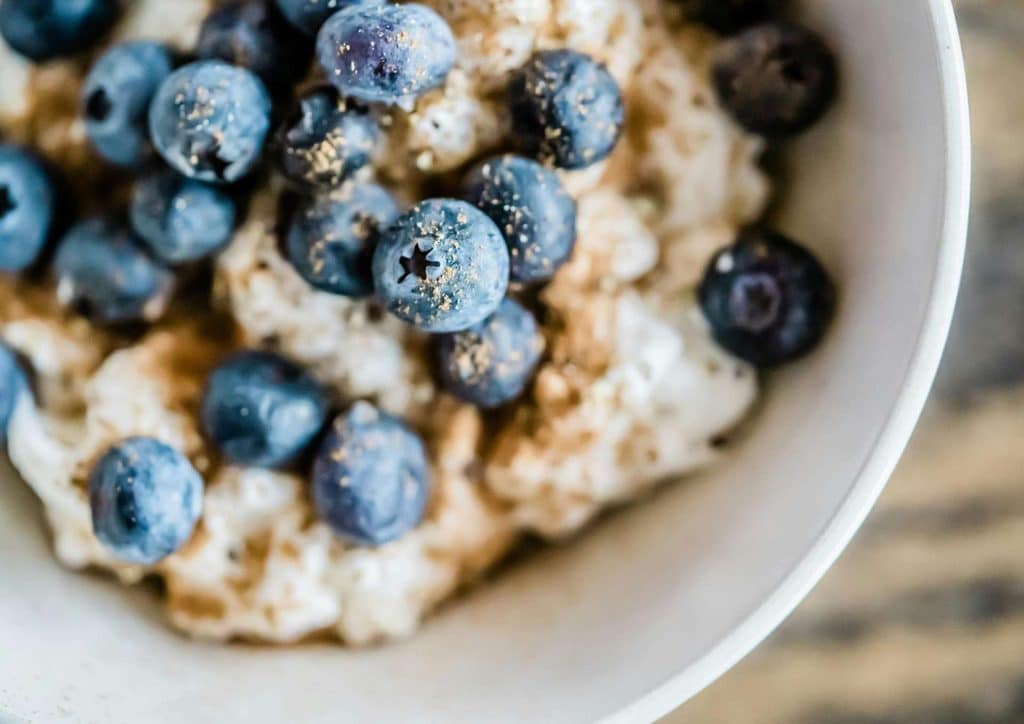
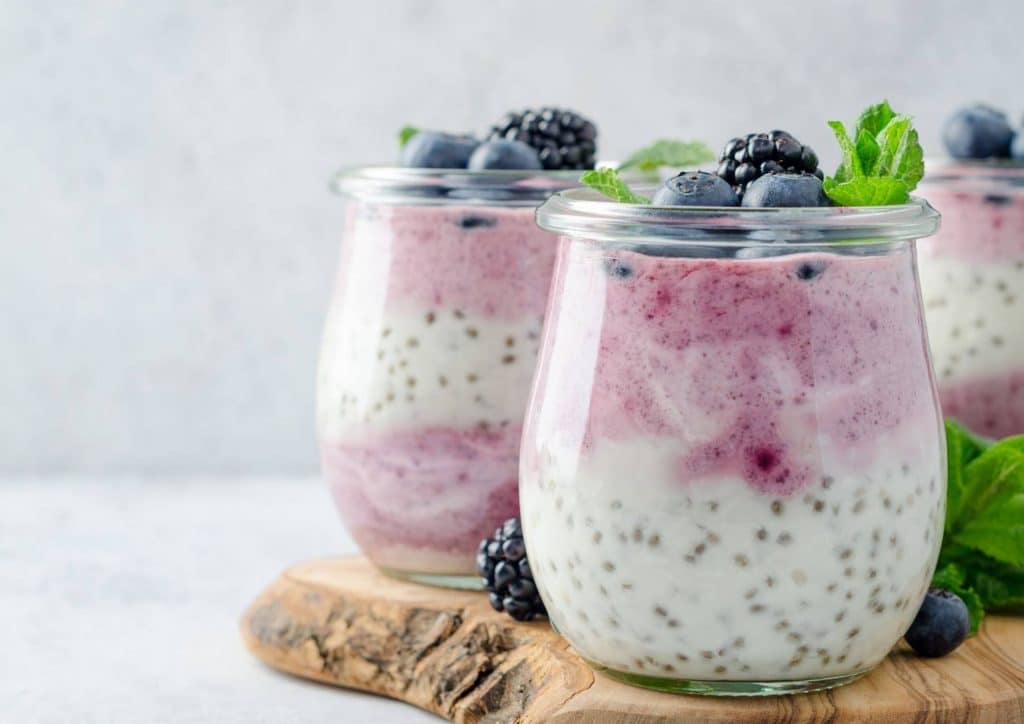
Mornings can be rushed, so a bowl of rolled oats topped with cinnamon, berries, and chia seeds offers a quick and nourishing start. You could also make a high protein banana smoothie or protein pancakes.
| Breakfast Choice | Ingredients & Preparation | Nutritional Benefit for Weight Loss |
|---|---|---|
| Spiced Berry Oats | Rolled oats topped with cinnamon, fresh berries, and a sprinkle of chia seeds. | Delivers soluble fibre and complex carbohydrates for a fast, nourishing start that sustains energy and controls morning appetite. |
| Greek Yoghurt & Walnut Bowl | Natural Greek yoghurt layered with fresh seasonal berries and a small handful of raw walnuts. | Provides high protein and healthy fats to trigger satiety hormones and prevent mid morning snacking. |
| Avocado & Egg Sourdough | One poached egg served on a slice of toasted wholegrain sourdough with mashed avocado and lemon. | Combines quality lean protein with heart healthy fats and wholegrain fibre to stabilise blood glucose levels. |
| Mediterranean Breakfast Wrap | Scrambled eggs with baby spinach and crumbled feta wrapped in a wholegrain flatbread. | Offers a portable, protein rich meal packed with vegetable volume to keep you full for hours. |
| Quick Chia & Seed Pot | Chia seeds soaked overnight in milk or yoghurt, topped with sliced banana and cinnamon. | Prepped in advance for ultra fast mornings, delivering omega three fatty acids and sustained slow releasing energy. |
Easy work lunches
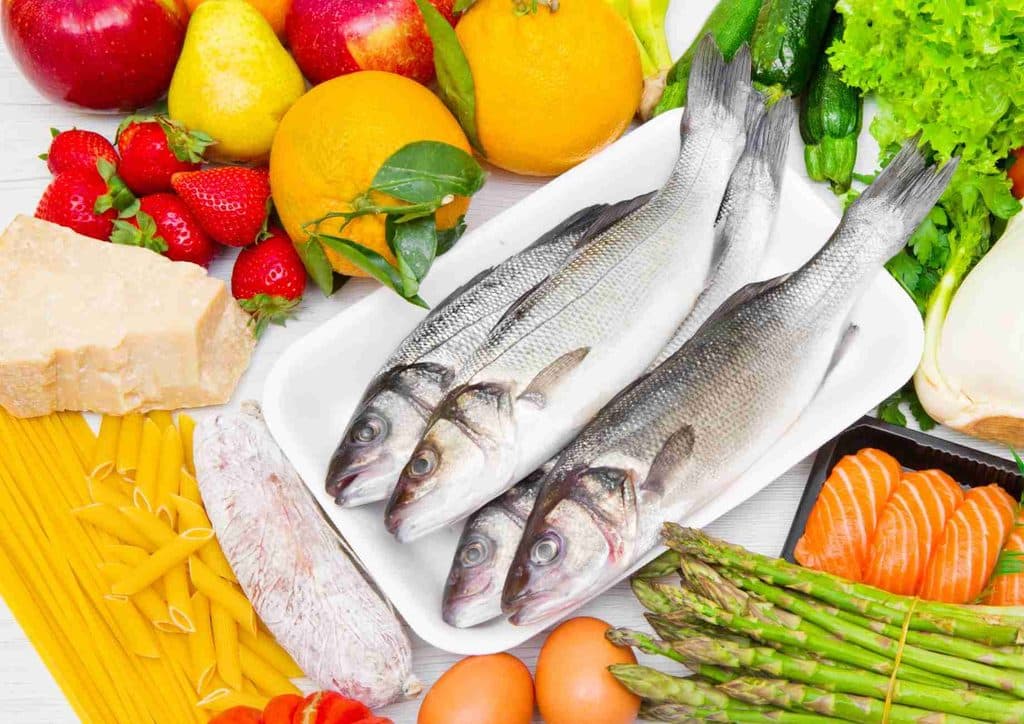
Leftovers from dinner make exceptional lunches, or you can assemble a quick salad using tinned chickpeas, canned fish, and prewashed greens with a glass of coconut water.
| Lunch Choice | Ingredients & Preparation | Nutritional Benefit for Weight Loss |
|---|---|---|
| Tuna & Sourdough Salad | A tin of tuna mixed with cherry tomatoes, cucumber, olives, and lemon, served with wholegrain sourdough. | Delivers lean protein, high vegetable volume, and complex carbohydrates to prevent afternoon energy crashes. |
| Chickpea & Feta Salad Bowl | Canned chickpeas tossed with diced capsicum, cucumber, red onion, crumbled feta, and extra virgin olive oil. | Provides plant based protein and rich dietary fibre to physically fill the stomach and control appetite for hours. |
| Mediterranean Chicken Wrap | Sliced leftover grilled chicken breast with baby spinach, shredded carrot, and a dollop of tzatziki in a wholegrain wrap. | Offers a convenient, protein dense midday meal that protects lean muscle mass during an energy deficit. |
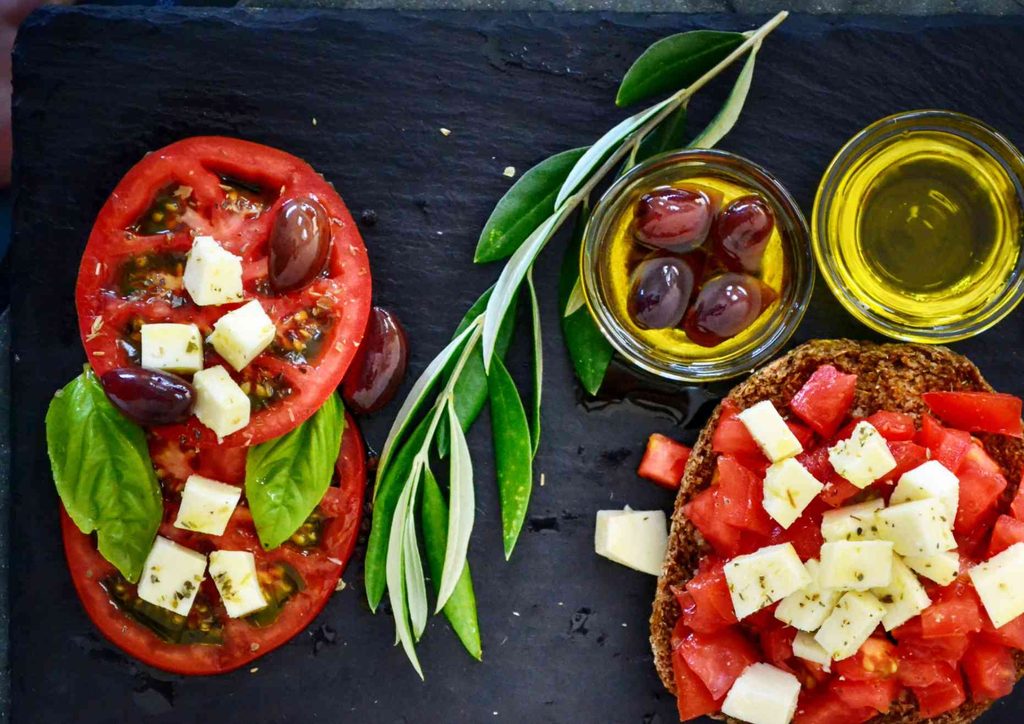
| Tomato, Basil & Mozzarella Plate | Sliced ripe tomatoes, fresh mozzarella, and basil leaves drizzled with extra virgin olive oil and balsamic, with wholemeal crackers. | Keeps total energy density low while delivering satisfying fats and fresh, hydrating produce. |
| Leftover Roasted Veg & Grain Bowl | Batch cooked quinoa or brown rice topped with roasted Mediterranean vegetables and a tin of salmon or sardines. | Combines omega three fatty acids with slow releasing complex carbohydrates for sustained afternoon concentration and fullness. |
Where people go wrong with it
The most common mistake is overdoing the calorie dense items like olive oil, nuts, and cheese. While these foods are nutritious, they are still high in energy, so pouring half a cup of olive oil over a salad will stall your progress very quickly. Another pitfall is assuming that buying expensive imported products is required, when frozen vegetables and tinned fish work just as well.
If you are not losing weight in a calorie deficit or have hit a weight loss plateau, it is worth looking carefully at actual portions and overall intake rather than immediately assuming the Mediterranean diet itself is the problem. If you are asking why am I not losing weight, the answer can involve more than one part of your eating pattern, lifestyle and individual circumstances, which is why I would assess the bigger picture rather than blame a single food.
| Common Pitfall | The Mistake Made | Clinical Correction for Weight Loss |
|---|---|---|
| Overdoing Energy-Dense Staples | Pouring excessive amounts of extra virgin olive oil, eating large handfuls of nuts, or heavy cheese usage. | Measure oils with a teaspoon or tablespoon and monitor portion sizes so healthy fats enhance meals without halting your calorie deficit. |
| Believing Expensive Imports Are Required | Assuming you need costly specialty gourmet items to succeed on a Mediterranean eating pattern. | Use standard Australian supermarket staples such as frozen vegetables, tinned tuna or salmon, and canned lentils, which are affordable and equally nutritious. |
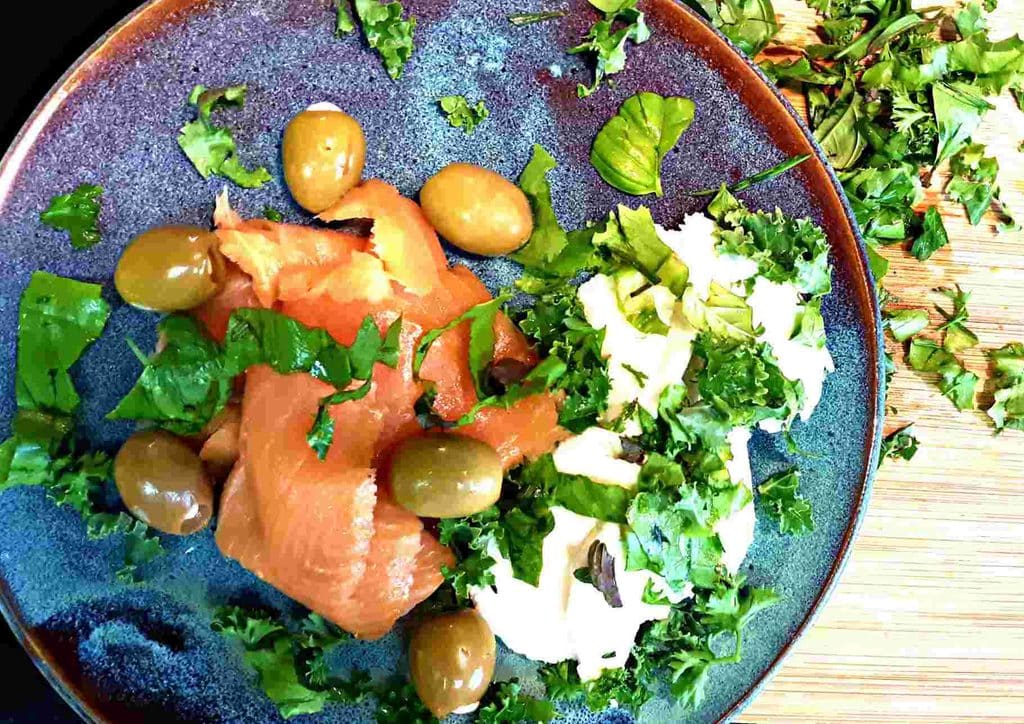
Portion awareness with fats
Even healthy fats pack a heavy energy punch, so measure your oil with a spoon rather than pouring it straight from the bottle.
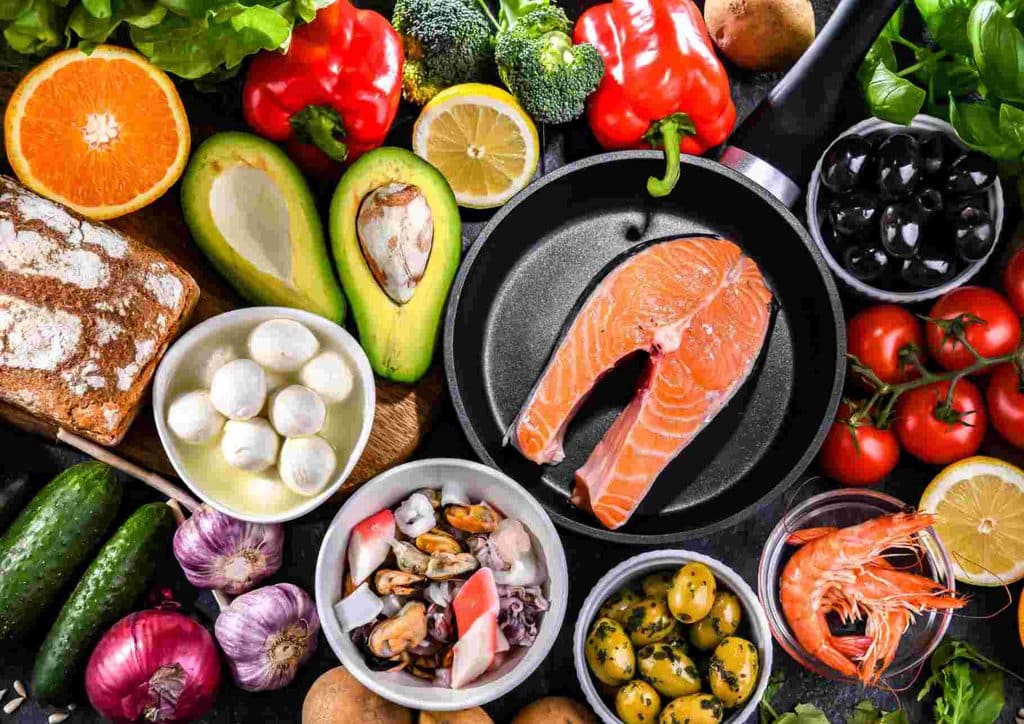
| Fat Source | Common Pouring Habit | Clinical Weight Loss Strategy |
|---|---|---|
| Extra Virgin Olive Oil | Pouring straight from the bottle onto pans or salads without measuring. | Measure oil with a spoon rather than free pouring to keep total daily energy intake aligned with your fat loss goals. |
| Raw Nuts & Seeds | Snacking directly from a large bag while working or watching television. | Pre portion a small handful into a small dish to enjoy the heart healthy benefits without overconsuming energy. |
| Traditional Cheeses | Grating generous layers of feta or parmesan over every meal. | Treat cheese as a flavour enhancer rather than a main ingredient, using measured amounts to keep calories in check. |
| Avocados & Olives | Adding whole avocados and large bowls of olives to meals daily. | Keep portions to a quarter or half an avocado per serving, balancing these satisfying fats against your overall daily energy deficit. |
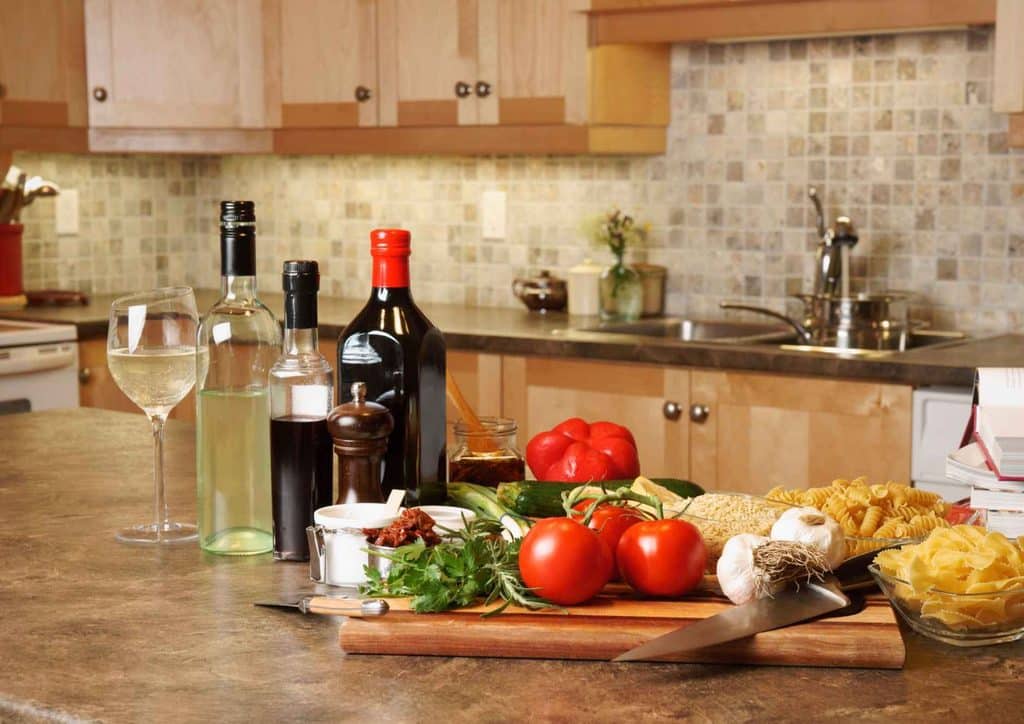
Avoiding the imported trap
You do not need gourmet specialty stores to eat this way, as local supermarkets stock everything you need at a fraction of the cost.
Expensive powders and trending ingredients are not required either, which is worth remembering when you come across claims about pink salt for weight loss.
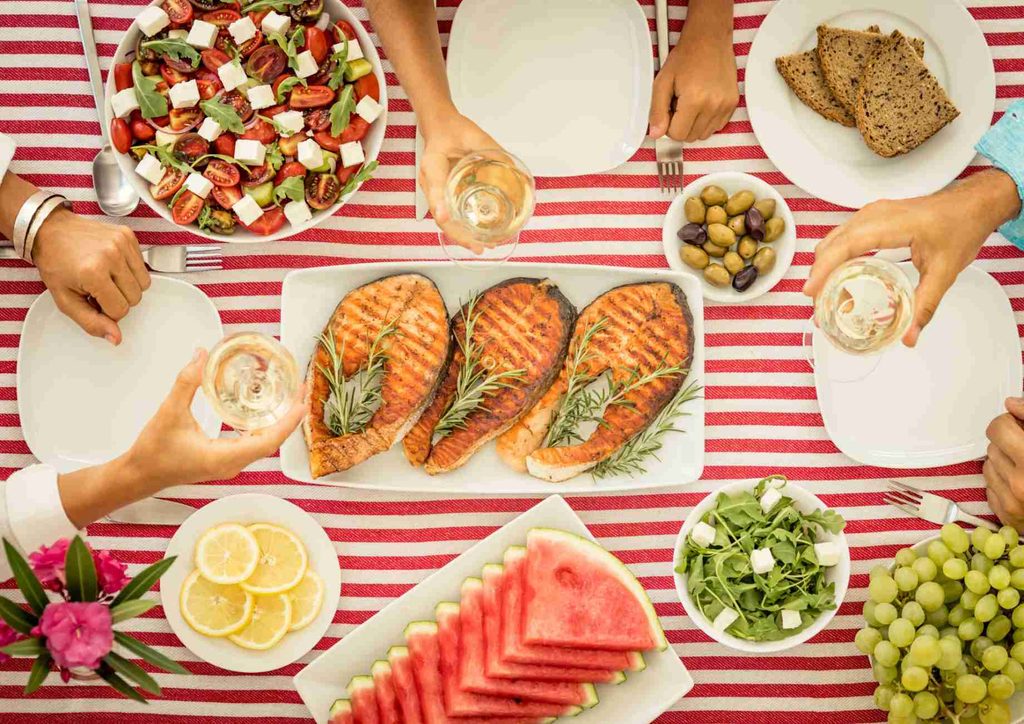
| Usual choice | Mediterranean swap | Why it helps | ||
|---|---|---|---|---|
| White bread | Sourdough or wholegrain bread | Provides more fibre to keep you full | ||
| Butter | Extra virgin olive oil | Replaces saturated fat with heart healthy monounsaturated fat | ||
| Sweetened yoghurt | Plain Greek yoghurt with fresh fruit | Cuts out hidden added sugars | ||
| Creamy pasta sauce | Tomato, garlic and olive oil sauce | Lowers the energy density of the meal |
Good to know
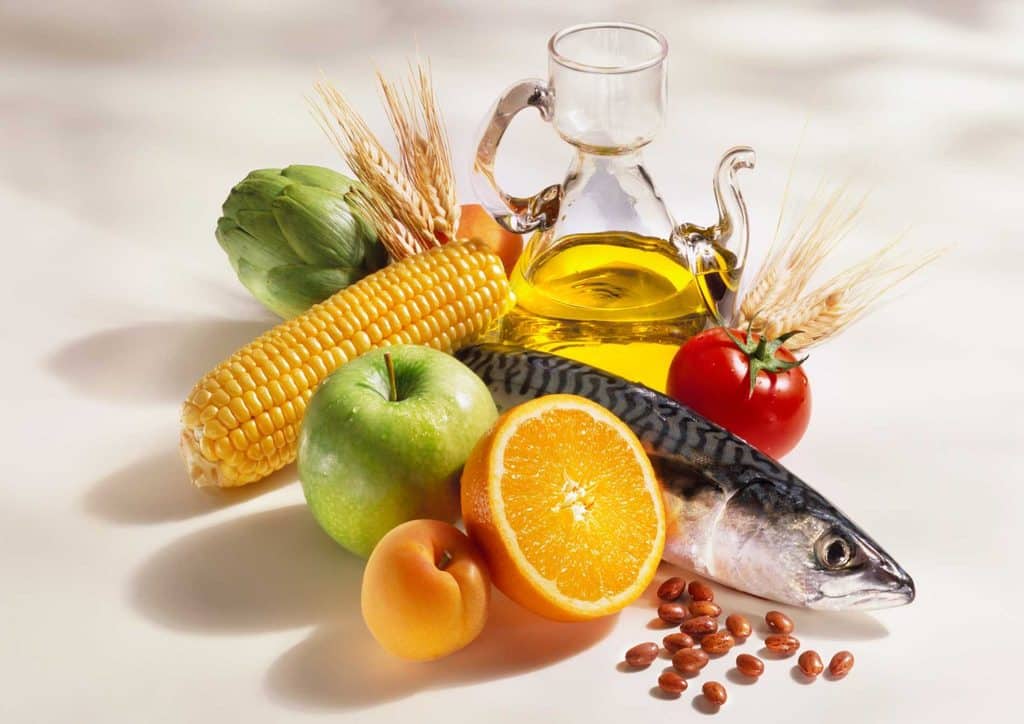
Extra virgin olive oil is fantastic for your health, but because it contains around 120 calories per tablespoon, keeping an eye on your pour makes a big difference to your daily energy intake. The same principle applies across the diet, because nutritious does not mean calorie free, and portions still matter when weight loss is the goal.
Quick weeknight assembly
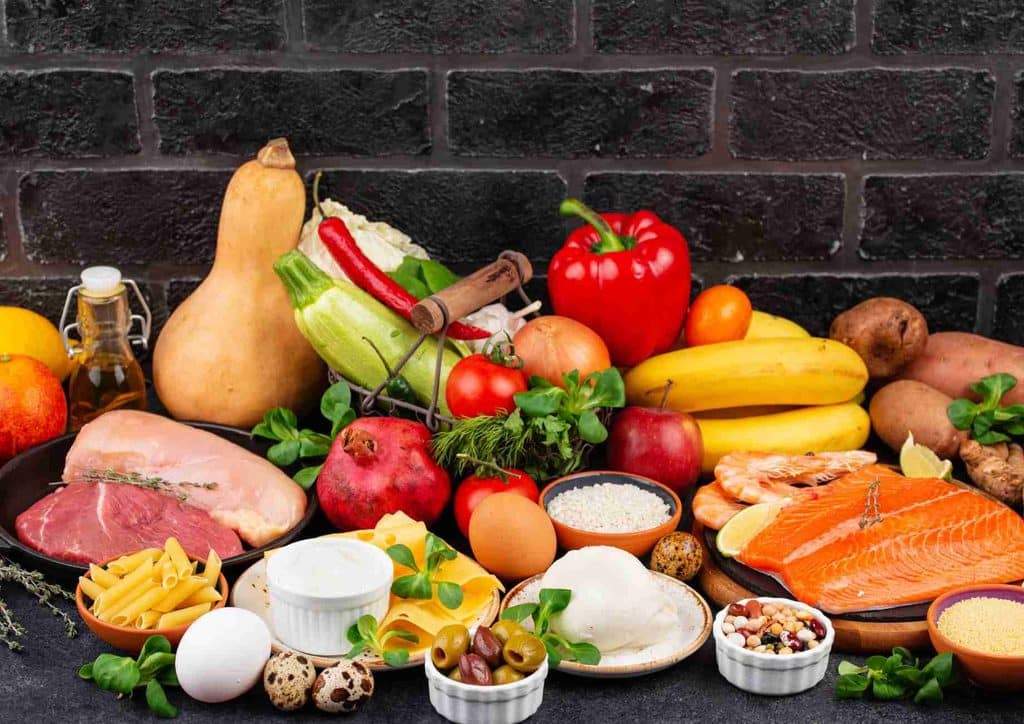
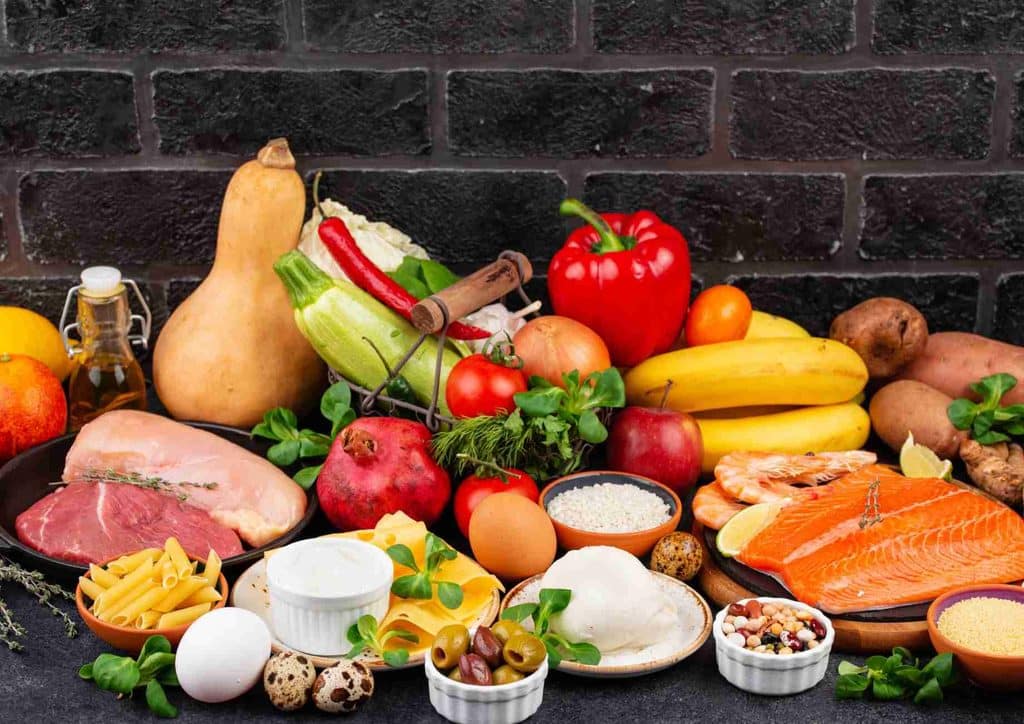
Keep tinned chickpeas, canned tuna, and prewashed salad greens in the pantry so you can pull together a balanced meal in five minutes after a long day at work. Keeping convenient ingredients available makes it easier to eat well consistently, which matters far more than searching for shortcuts on how to lose weight fast.
| Practical Tip & Focus | Key Detail & Food Source | Clinical Benefit for Fat Loss |
|---|---|---|
| Olive Oil Energy Awareness | Extra virgin olive oil contains substantial energy per tablespoon, requiring mindful measurement. | Keeping an eye on your pour makes a substantial difference to your daily energy intake and fat loss progress. |
| Rapid Weeknight Assembly | Keep tinned chickpeas, canned tuna, and prewashed salad greens in the pantry. | Allows you to pull together a balanced, nutritious meal quickly after a long day at work without reaching for takeaway. |
| Budget Friendly Staples | Utilise standard Australian supermarket basics like frozen vegetables and tinned fish. | Provides identical nutritional benefits to expensive gourmet imports while keeping your weekly food budget firmly under control. |
| Sustainable Habit Building | Focus on food volume, dietary fibre, and satisfying protein rather than strict food bans. | Supports long term weight management by eliminating the psychological deprivation that triggers binge eating and weight regain. |
What to do this week
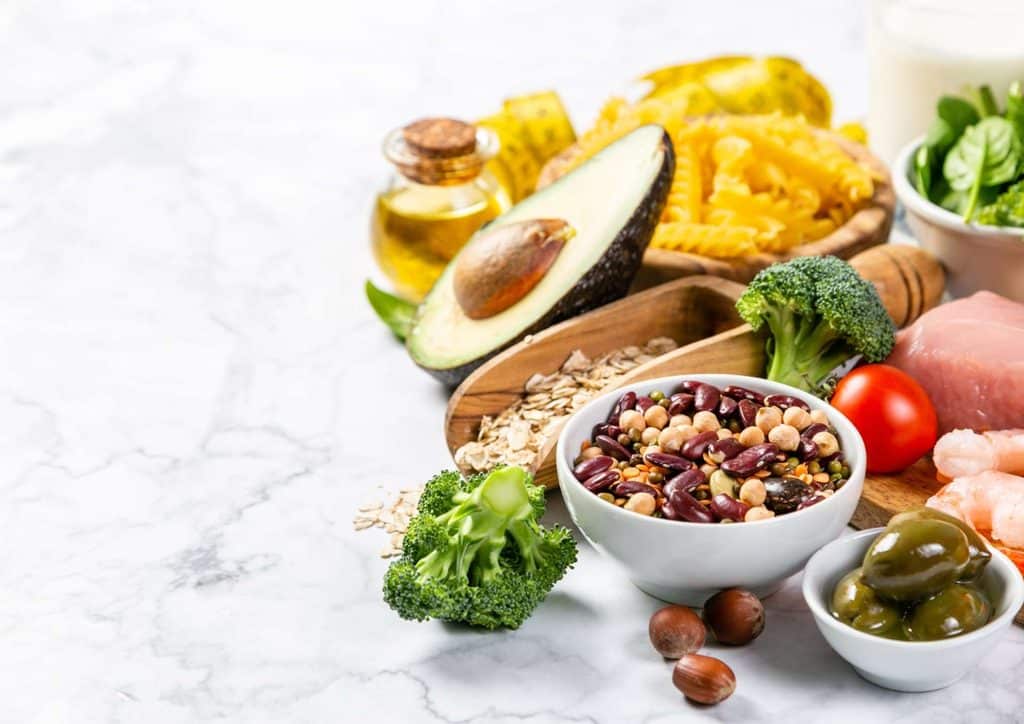
- Swap butter for olive oil.
- Add a tin of lentils to your soup.
- Eat one extra serve of vegetables daily.
Final thoughts
When your primary goal is sustainable weight loss, the Mediterranean approach works because it naturally manages your energy intake through high fibre and satisfying fats. Instead of battling constant hunger or cutting out entire food groups, you create a gentle and sustainable energy deficit by crowding out ultra processed foods with genuinely nourishing ingredients.
Lasting long term weight loss is never about strict rules or quick fixes, but rather about building a realistic routine that you can maintain month after month. By keeping your portions in check, enjoying everyday Australian produce, and focusing on foods that keep your blood sugar steady, you achieve steady progress while actually enjoying what is on your plate.
Achieving weight loss with the Mediterranean diet quiz
Think you know how the Mediterranean eating pattern drives sustainable weight loss? Test your understanding of whole foods, fats, and daily habits.
1. The Mediterranean diet requires you to completely cut out carbohydrates like pasta and bread.
2. What is the primary fat source used in traditional Mediterranean cooking?
3. Because extra virgin olive oil and nuts are extremely healthy, portion sizes do not matter for weight loss.
4. To follow this way of eating in Australia, you need to buy expensive specialty imported products.
Achieving weight loss with the Mediterranean diet comes down to enjoying whole, nourishing foods that keep you full. By focusing on plants, quality fats, and sensible portions, you can achieve lasting results.
Frequently asked questions
Can you lose weight on the Mediterranean diet?
Yes, you will lose weight if the overall energy from your food is lower than what your body burns.
Is olive oil fattening?
It can contribute to weight gain if you consume too much because it is energy dense, but in moderate amounts it is a healthy choice.
Can I have bread and pasta on the Mediterranean diet?
Yes, as long as you choose wholegrain varieties where possible and keep your portion sizes sensible.
Is the Mediterranean diet good for the whole family?
It is one of the healthiest eating patterns for people of all ages, from children to grandparents.
Keep reading
This article is general information, not personal medical or nutritional advice. Individual needs vary. For guidance tailored to you, book a consultation.
Book a 60 minute consultation, in Bondi Junction or by Telehealth from anywhere in the world.