

The quick answer
Healthy snacks for weight loss are those that combine protein and fibre to keep your hunger in check between meals. When chosen wisely, these snacks stabilise your energy and prevent overeating later in the day. Getting this balance right is the foundation of any sustainable weight loss phase.
The short version
- Prioritise protein and fibre at snack time to stay fuller for longer and reduce hunger between meals. Greater satiety makes it easier to maintain the calorie deficit required for weight loss.
- Choose snacks that provide maximum fullness for lower calorie density. Checking nutrition panels helps you avoid calorie-dense options that can quickly erode your daily calorie deficit.
- Pre-portion your snacks rather than eating directly from the packet. Controlling portion size prevents mindless overeating and keeps your total calorie intake aligned with your weight loss target.
Satiety
The feeling of being comfortably full after eating.
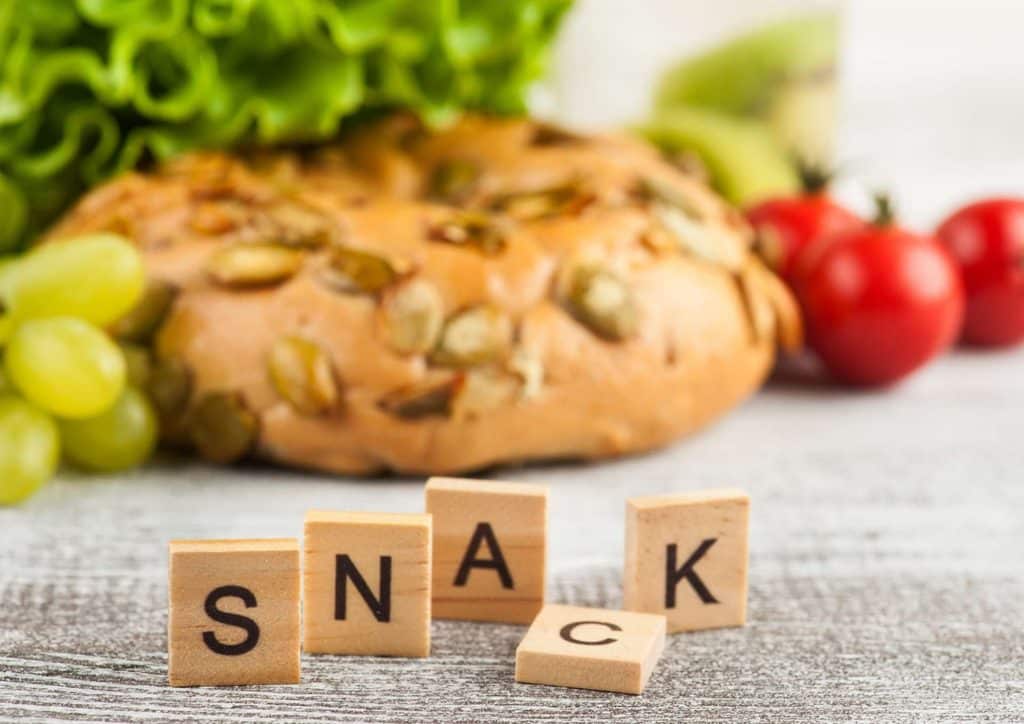
Do snacks help or hurt weight loss?
Snacks help weight loss when they bridge the gap between meals without blowing out your daily energy intake. Many people think snacking is a bad habit, but it is actually a useful tool when you are genuinely hungry. If you skip snacks and arrive at dinner ravenous, you are far more likely to eat past the point of comfort. On the other hand, grazing all day on biscuits or sweet treats will stall your progress. The key is to treat a snack as a mini meal that keeps your blood sugar steady, rather than an excuse to graze. When you focus on healthy snacks for weight loss, you give your body the steady nourishment it requires.
“The best weight loss snack is not the one with the fewest calories. It is the one that keeps you satisfied enough to eat fewer calories across the day”.
Jake Biggs, Nutrition Longevity
| Snack Myth | Weight Loss Reality |
|---|---|
| You need to completely stop snacking to lose weight | Snacking can still fit into a weight loss diet. Choosing filling, portion-controlled snacks can help manage hunger while keeping your total calorie intake within your weight loss target. |
| The lowest-calorie snack is always the best choice for weight loss | Calories matter, but so does satiety. Snacks containing protein and fibre can keep you fuller for longer, making it easier to maintain the calorie deficit required for weight loss. |
| A snack labelled healthy is automatically good for weight loss | Healthy does not necessarily mean low in calories. Checking serving sizes and nutrition panels can help prevent calorie-dense snacks from quietly pushing your intake above your weight loss target. |
| Eating directly from the packet will not make much difference | Large packets make it easier to consume more than you intended. Pre-portioning snacks creates a clear stopping point and gives you greater control over the calories you consume. |
Finding the balance between meals
Striking the right balance means eating enough to bridge the gap without spoiling your appetite for dinner. Portion control and mindfulness play a massive role here.
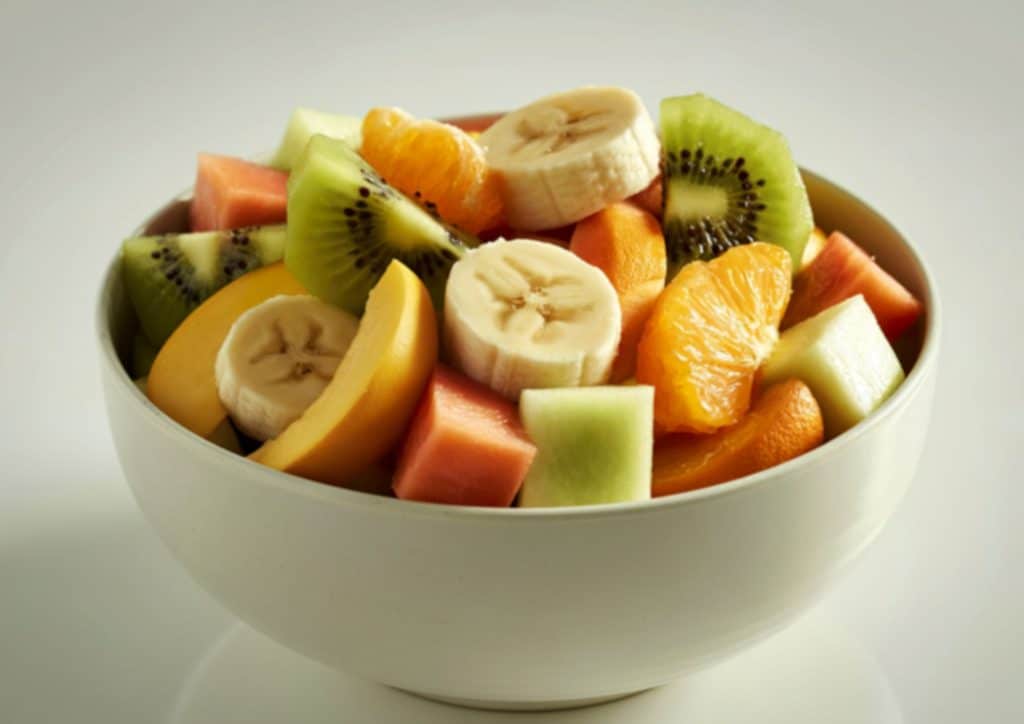
How to lose weight with healthy snacks calculator
Discover how strategic, nutrient-dense snacking can help you manage your appetite, avoid blood sugar crashes, and support sustainable weight loss without feeling deprived. Complete your profile below to receive a personalised snacking roadmap.
Your Healthy Snacks for Weight Loss Diagnostic Summary
Your profile highlights that requires immediate attention for sustainable weight loss.
Your roadmap for smarter weight loss snacking
Need professional guidance for sustainable weight loss?
I will review your assessment results and create a structured, evidence-based nutrition plan designed to help you master your snacking habits and achieve your goals.
Book a consultationThis quiz provides educational guidance to support balanced weight management and is not a substitute for professional clinical nutrition or medical advice.
“I built this interactive calculator because generic weight loss advice completely misses the mark when it comes to daily snacking habits. Most people know they should eat healthier but struggle to identify whether their afternoon energy crashes stem from poor protein and fibre pairings or simply a lack of preparation. This tool cuts through the confusion by pinpointing your specific snacking stumbling block instantly, giving you a clear roadmap to take control of your appetite and achieve sustainable results”.
Jake Biggs, Nutrition Longevity
What makes a snack filling?
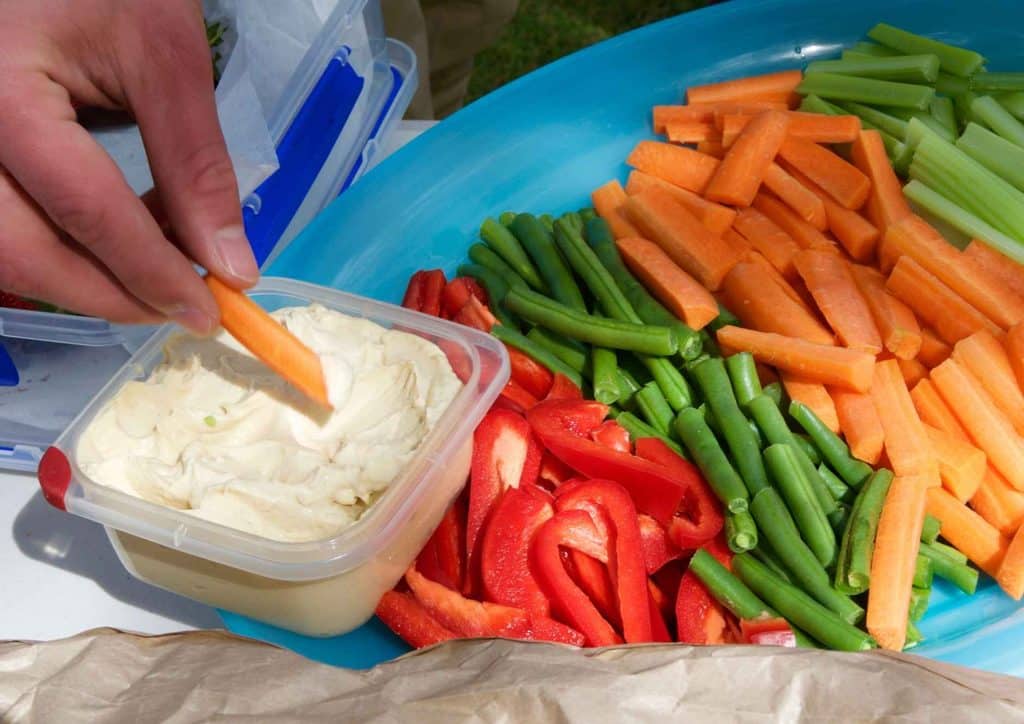
A filling snack always contains a source of protein paired with fibre. Protein slows down digestion and stimulates hormones that signal fullness to your brain, while fibre adds bulk and slows the absorption of food. When you eat a snack made entirely of refined carbohydrates, like plain crackers or a piece of white toast, it digests too quickly and leaves you hungry an hour later. You can think of protein and fibre as the dual engine of satiety. Adding a handful of high protein foods to your afternoon routine can completely change how you feel until dinner.
| Low Satiety Snacks | High Satiety Snacks |
|---|---|
| Dominated by refined carbohydrates and added sugars that provide a rapid burst of energy followed by a severe crash. | Built on a strong foundation of protein and fibre that slows down digestion and delivers sustained, steady energy. |
| Lacks physical volume and dietary bulk, leaving your stomach feeling empty shortly after finishing eating. | Provides high water content and physical bulk that stretches the stomach lining to trigger natural satiety signals. |
| Fails to trigger adequate peptide release, meaning your brain does not register that you have eaten enough food. | Stimulates key satiety hormones to actively switch off your appetite and prevent unnecessary grazing. |
| Promotes a frustrating cycle of constant snacking and ongoing afternoon food cravings. | Keeps your appetite completely controlled and bridges the gap smoothly between your main daily meals. |
The role of macronutrients
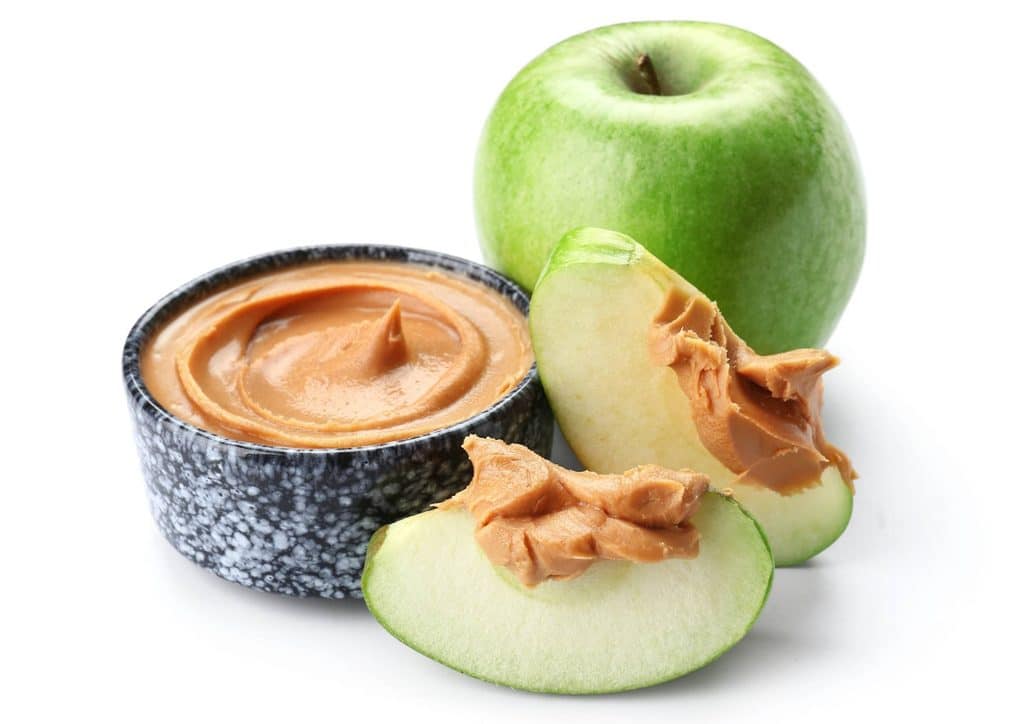
Strategic snacking relies on how individual nutrients interact with your appetite regulation systems. Protein drives satiety by suppressing hunger hormones, while complex carbohydrates deliver sustained energy without the spikes caused by refined options. Dietary fibre creates physical bulk and slows digestion, and healthy fats prolong satisfaction. Combined with water, which adds volume and prevents thirst from masquerading as hunger, these elements form a powerful framework for managing weight.
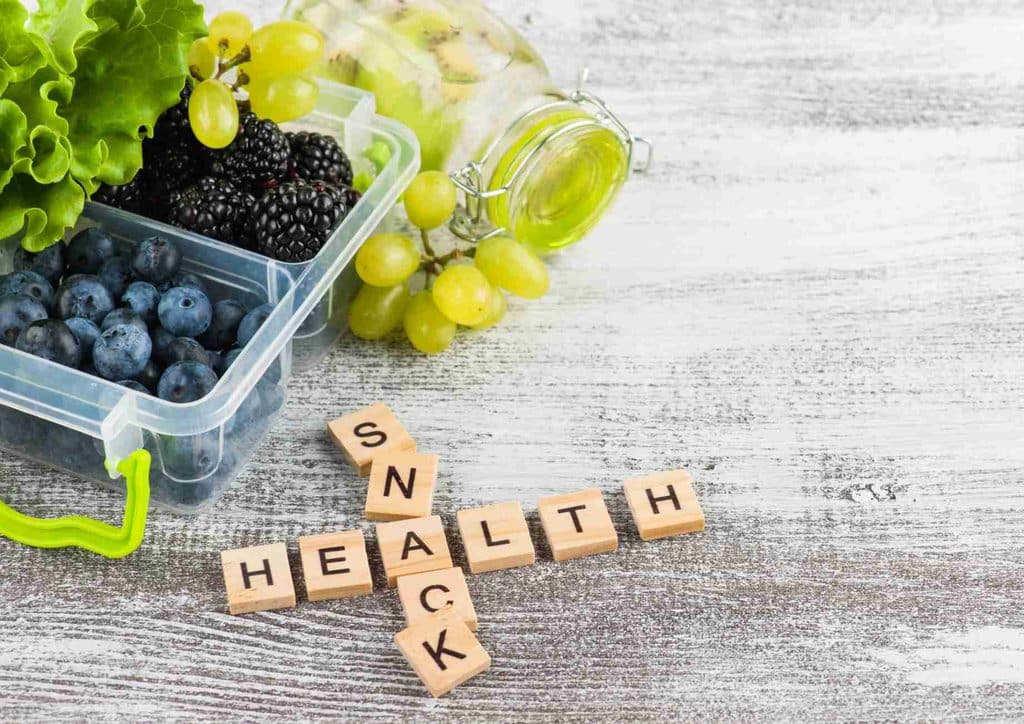
| Nutrient | Physiological Role In Satiety And Snacking |
|---|---|
| Protein | Stimulates satiety hormones such as peptide YY while suppressing ghrelin, and requires more energy to digest to protect lean muscle mass. |
| Carbohydrate | Delivers immediate energy. Complex structures provide steady glucose release, whereas refined options cause rapid blood sugar crashes and cravings. |
| Dietary Fibre | Soluble fibre slows gastric emptying by forming a gel matrix, while insoluble fibre adds physical bulk to trigger stomach stretch receptors. |
| Dietary Fat | Provides energy density and slows digestion significantly by delaying stomach emptying, promoting extended satisfaction. |
| Water | Adds zero calorie physical volume to stretch the stomach lining and activates mechanoreceptors, while preventing thirst from masquerading as hunger. |
Healthy snacks for weight loss, sorted by situation
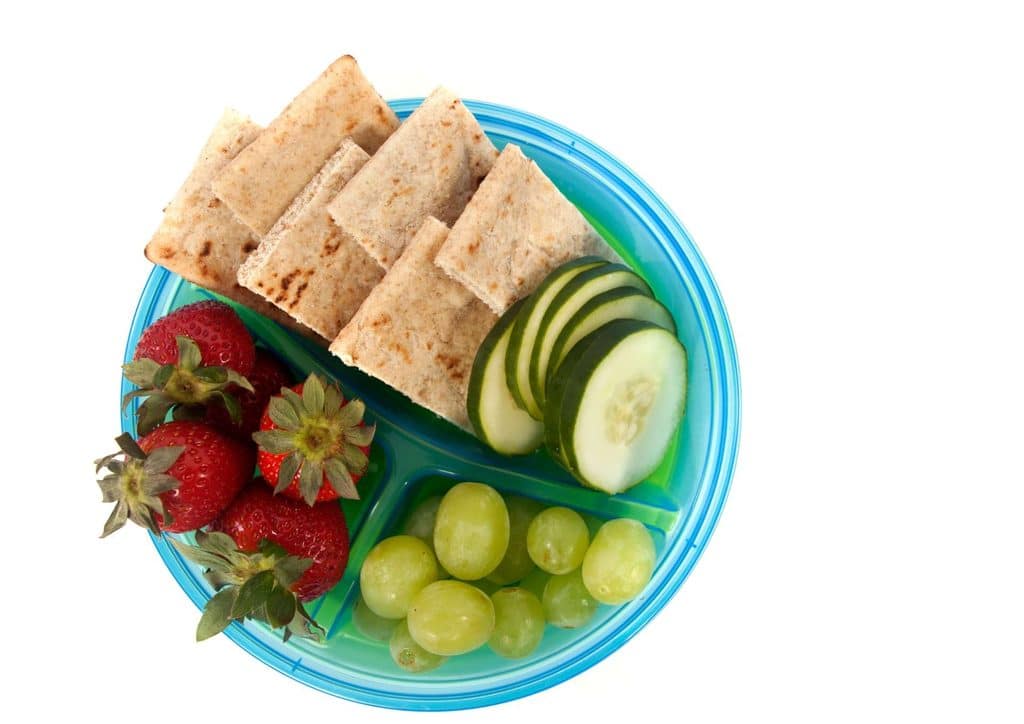
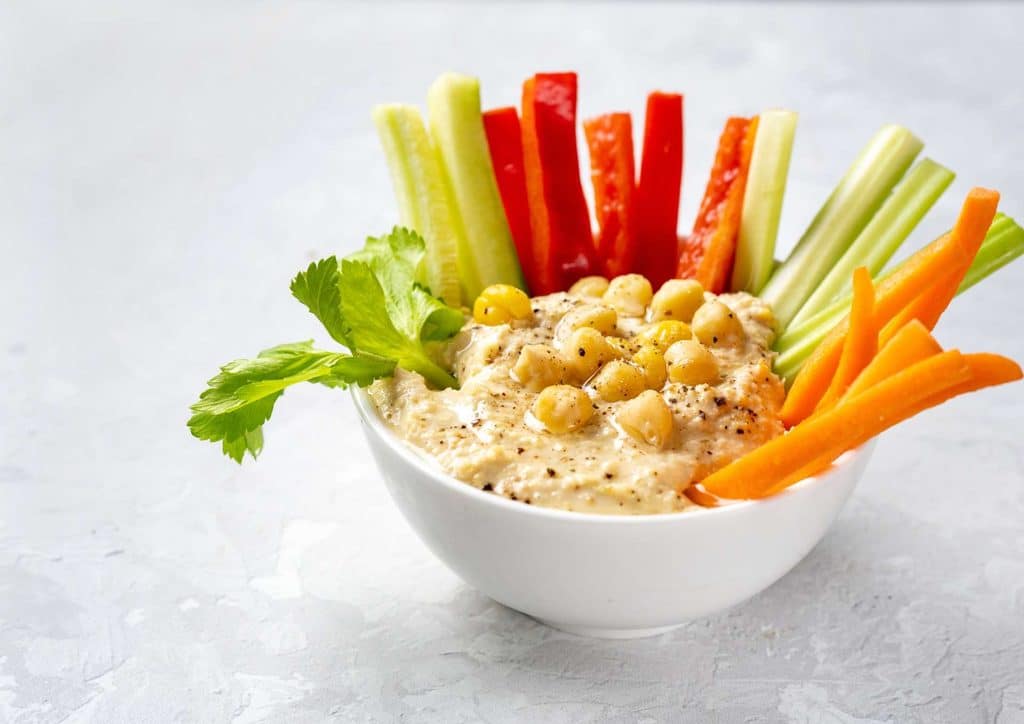
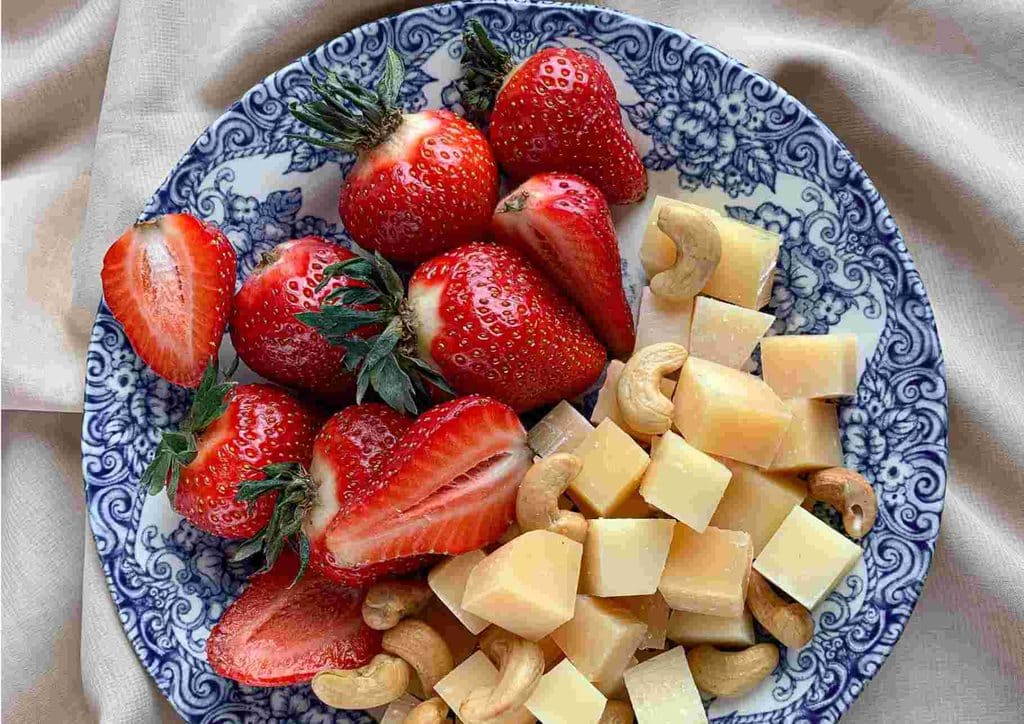
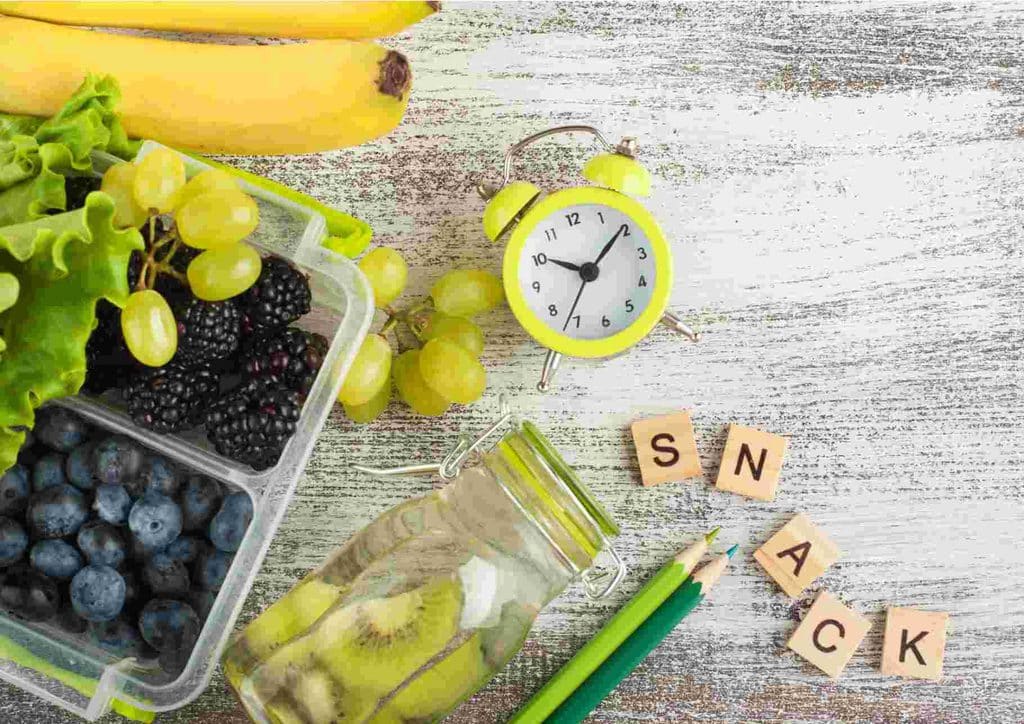
Finding the right snack depends entirely on where you are and what you are doing. At your desk, a small tub of Greek yoghurt with a handful of berries is a reliable option. After a training session, you want something that helps your muscles recover, such as boiled eggs on whole grain toast. During the classic three o’clock slump, keeping a piece of fruit like grapes for weight loss alongside a small handful of raw almonds is practical and satisfying. In the evening, a warm herbal tea with a small square of dark chocolate or a handful of roasted chickpeas can stop the mindless wandering to the pantry.
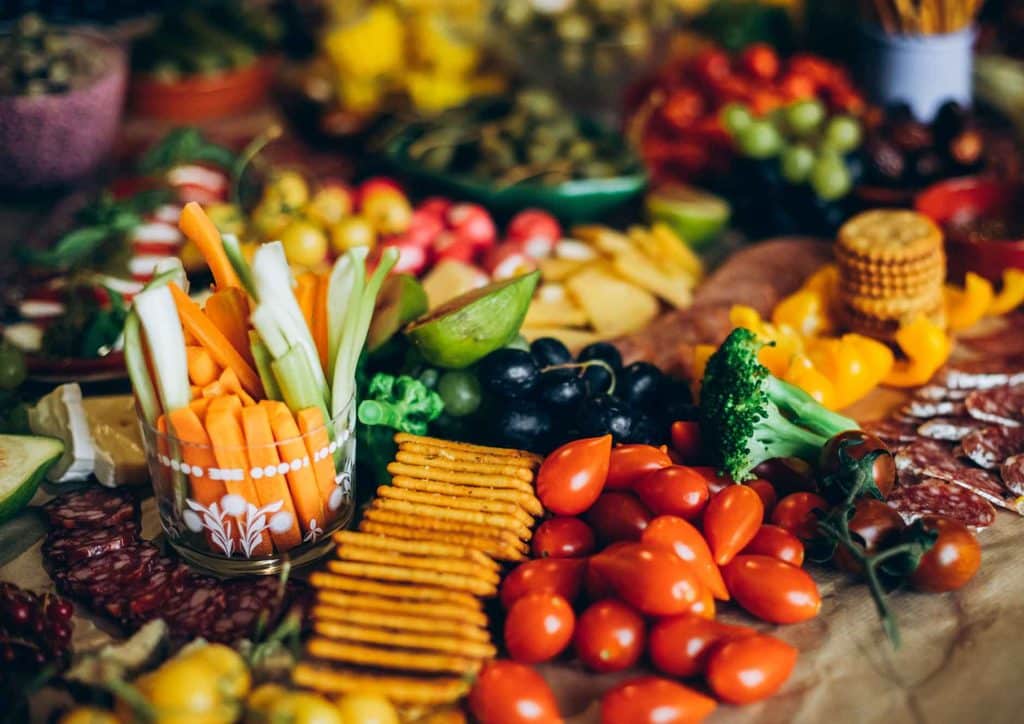
| Context And Setting | Optimal Nourishment Option | Why It Keeps You Full |
|---|---|---|
| Desk Workspace | Greek yoghurt topped with fresh berries to maintain steady mental focus and stable energy during deep work blocks. | Delivers a powerful combination of dairy protein and soluble fibre that delays digestion and stabilises blood sugar. |
| Post Exercise | Boiled eggs resting on whole grain toast to facilitate muscle recovery and replenish glycogen stores effectively. | Combines complete amino acids with complex carbohydrates to repair tissue and sustain prolonged satiety. |
| Afternoon Slump | Fresh grapes paired with a small portion of raw almonds to conquer the 3 pm fatigue wave cleanly. | Pairs high water content fruit with healthy fats and protein to slow gastric emptying and stop sugar cravings. |
| Evening Wind Down | Warm herbal tea accompanied by roasted chickpeas to halt mindless pantry browsing and support relaxation. | Provides plant based protein and dense dietary fibre that physically stretches the stomach and satisfies evening urges. |
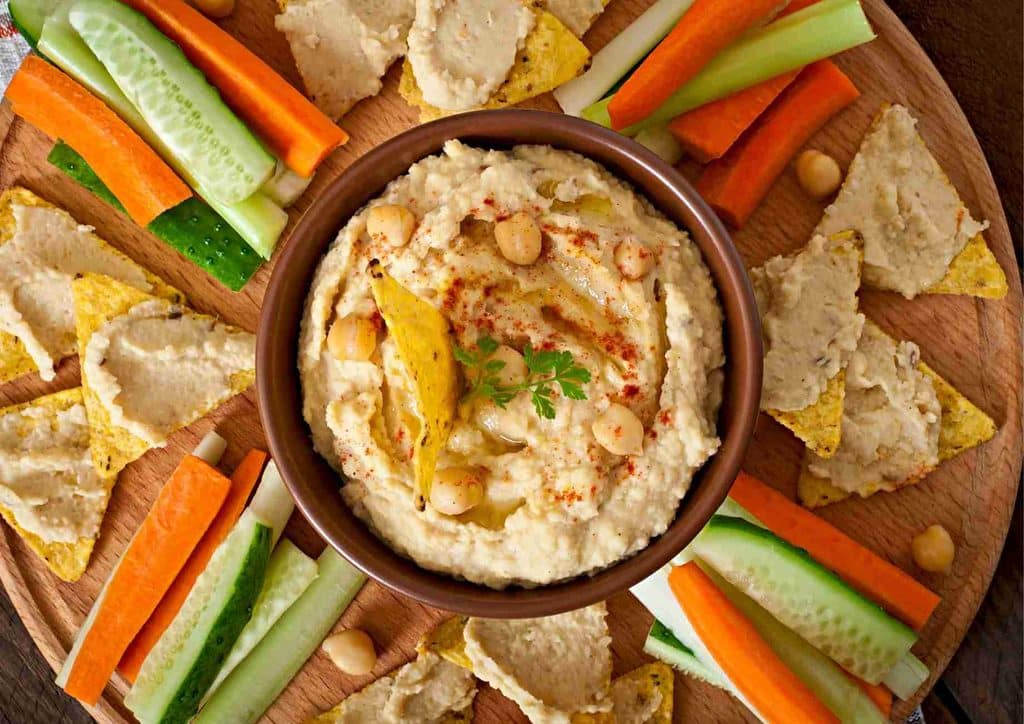
Matching food to your environment
Tailoring your choices to your immediate environment stops impulsive vending machine runs. Having the right foods on hand makes healthy eating effortless.
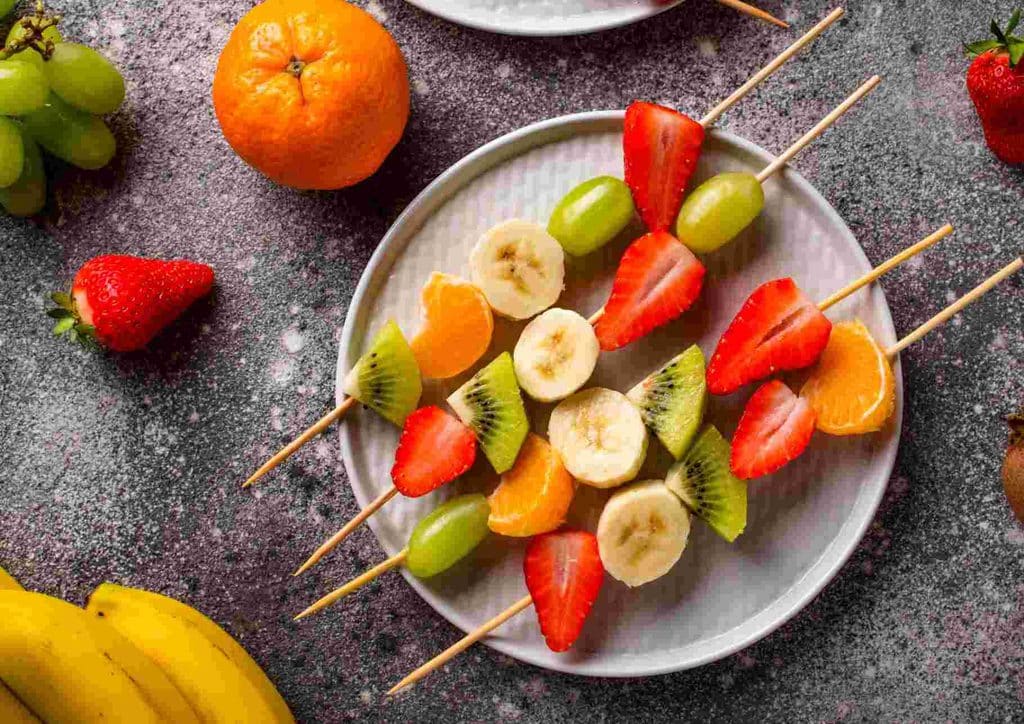
Good to know
Combining protein and fibre slows gastric emptying, which means food stays in your stomach longer and keeps physical hunger signals quiet for hours.
Prep ahead
Portion out your snacks into small containers on Sunday so you can grab them easily during a busy work week.
Snacks that look healthy but aren’t
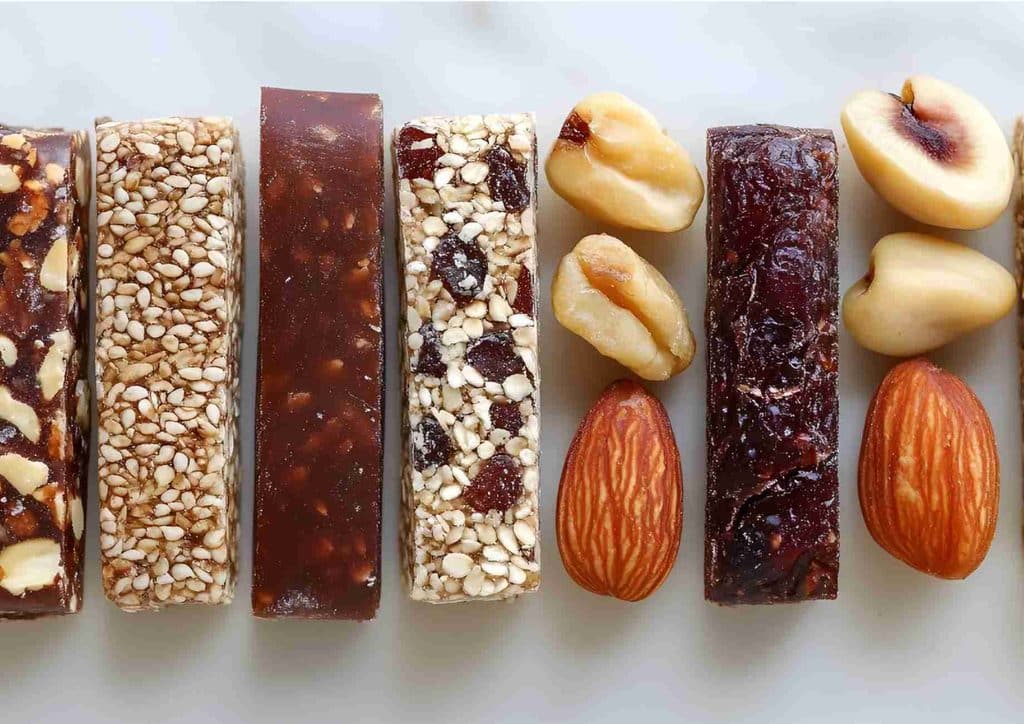
Many packaged foods use clever marketing to look like healthy snacks for weight loss when they are actually full of sugar and refined oils. Store bought muesli bars, flavoured yoghurts, and baked vegetable crisps often contain as much sugar as a chocolate bar. They cause a quick spike in your blood sugar followed by a sharp crash, which leaves you feeling hungrier than before you ate. Always check the ingredient list for hidden sugars and make sure you see real food components rather than a long list of syrups and additives. Learning to read these labels is one of the best weight loss strategies you can adopt.
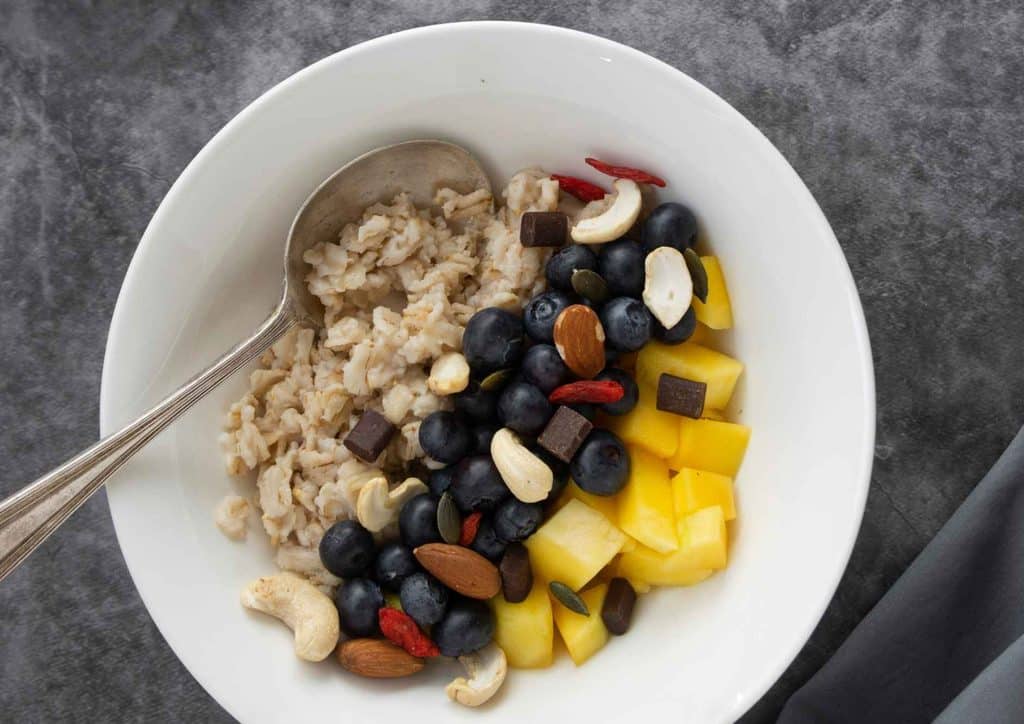
| Deceptive Snack | The Hidden Catch | Smart Alternative |
|---|---|---|
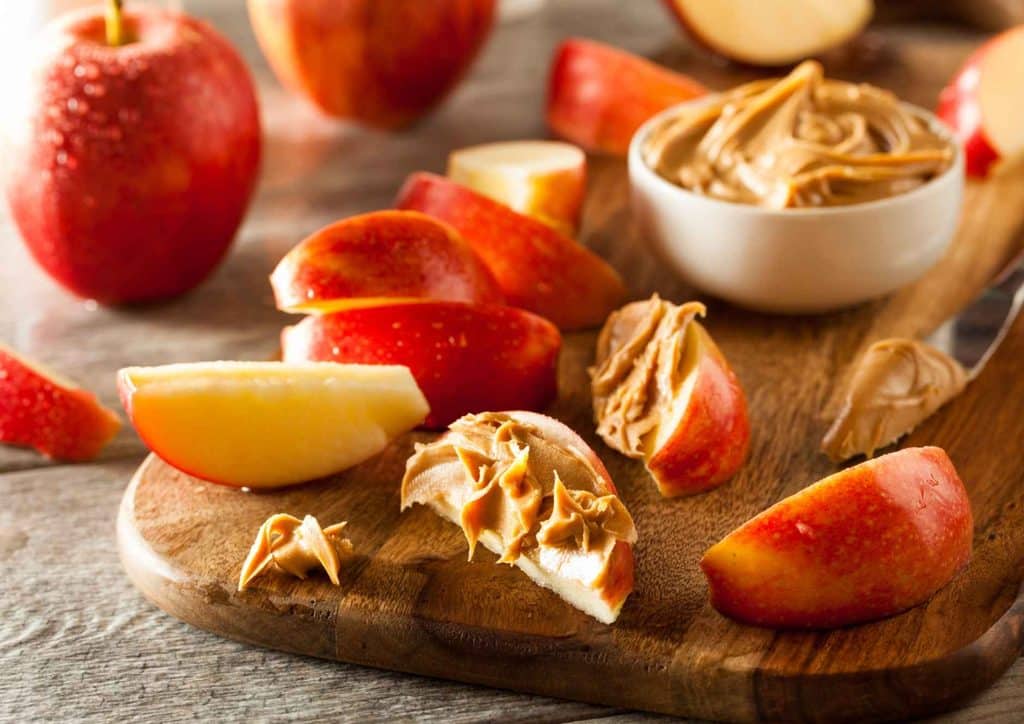
| Granola Bars | Often loaded with refined sugars, syrups, and oils that spike blood glucose levels despite whole grain branding. | Plain rolled oats mixed with protein powder and natural peanut butter. |
| Store Bought Smoothies | Delivers a massive dose of fruit fructose without chewing, leading to rapid digestion and minimal satiety. | Home blended smoothie with spinach, protein powder, and frozen berries. |
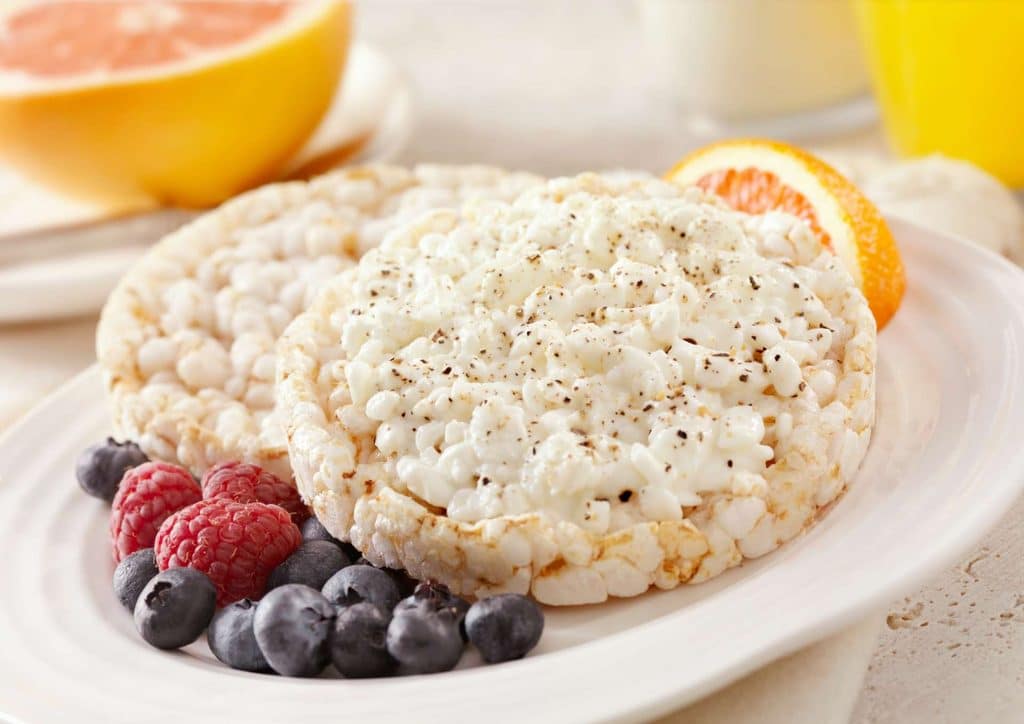
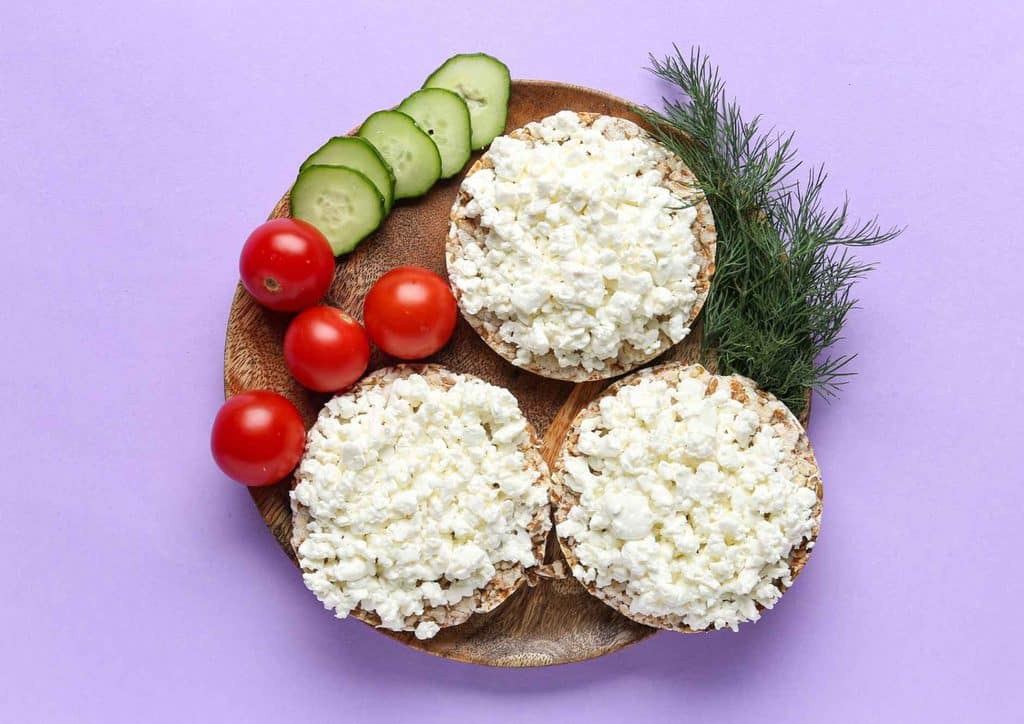
| Rice Cakes | Extremely low in fibre and protein, causing an almost immediate return of hunger shortly after eating. | Whole grain crispbreads topped with smashed avocado and boiled eggs. |
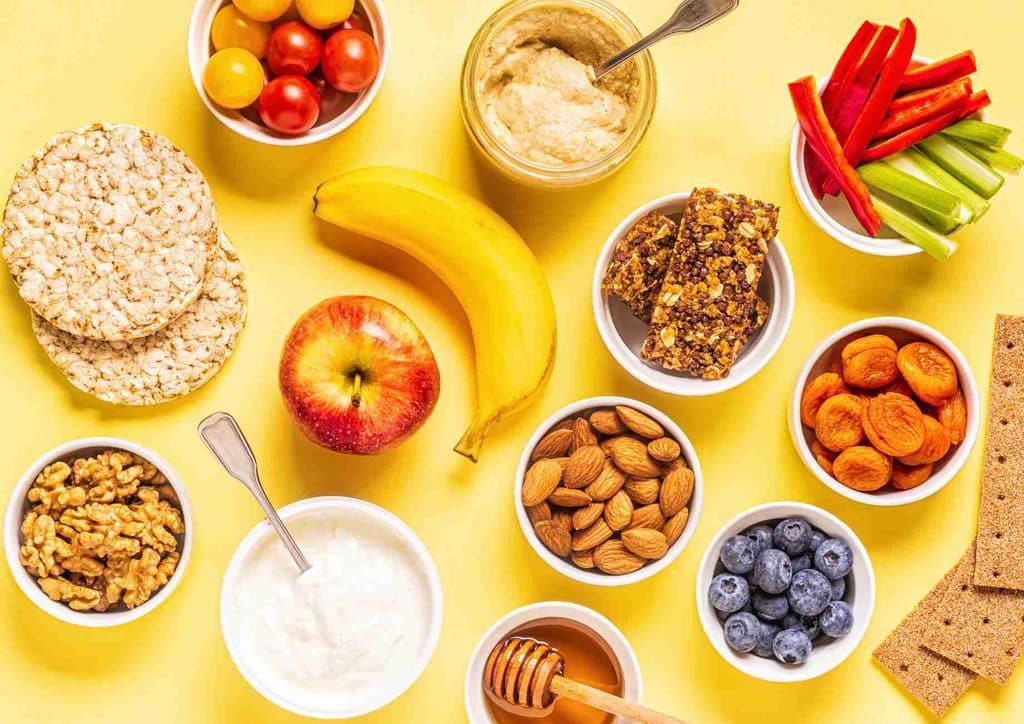
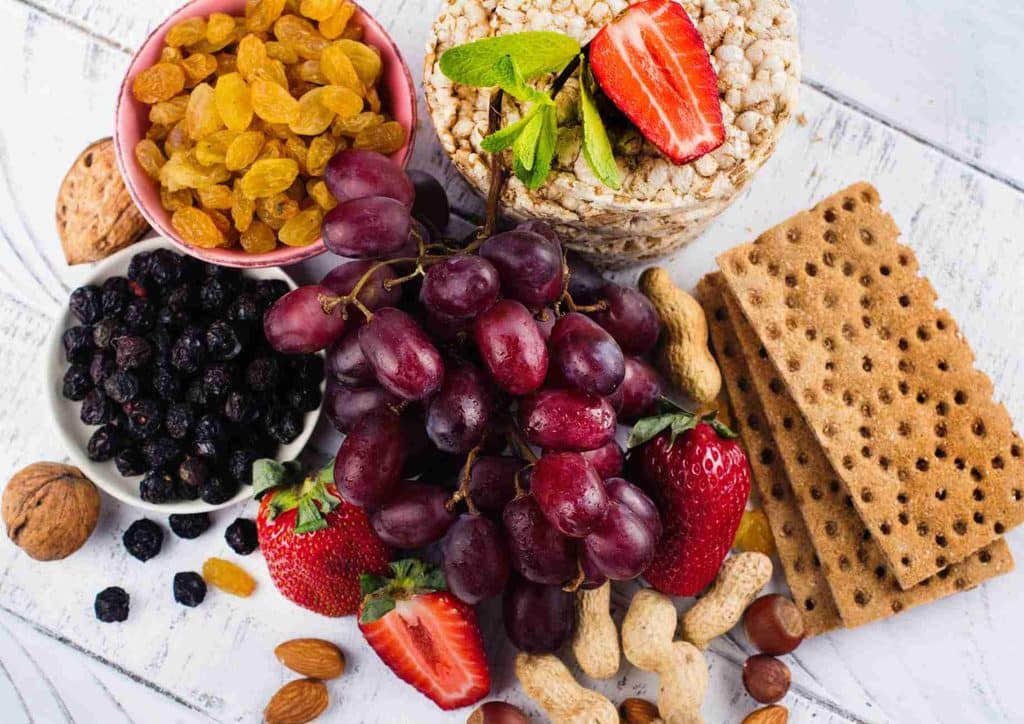
| Dried Fruit Mixes | Concentrated sugars and dense calories make portion control difficult, easily surpassing a meal in energy intake. | Fresh seasonal fruit paired with a measured handful of raw almonds. |
Spotting clever marketing traps
Front of package health claims can easily mislead shoppers. Always flip the package over to check the ingredient list and nutrition panel.
| Marketing Claim | The Reality Behind The Label | What To Check Instead |
|---|---|---|
| Made With Whole Grains | The product may contain only a tiny fraction of whole grains mixed with large amounts of refined flour and added sugars. | Check the ingredient list to ensure whole grains appear as the primary item. |
| Gluten Free | Often marketed as a health halo, but many gluten free snacks compensate for texture with extra fats, starches, and sugars. | Review the nutrition panel for total calorie and sugar content rather than just dietary labels. |
| Source Of Fibre | Legal definitions can require minimal amounts, meaning you get very little actual fibre alongside a high carbohydrate load. | Look for at least 4 grams of dietary fibre per serving on the nutritional panel. |
| No Added Sugar | Frequently relies on concentrated fruit juices, honey, or syrups that affect your blood sugar just like standard table sugar. | Scan ingredient lists for words ending inose or various syrups and fruit juice concentrates. |

Red flag: Uncontrolled hunger
See a GP if your hunger or cravings are constant, intense, or accompanied by unusual fatigue or thirst.
How to stop snacks turning into grazing
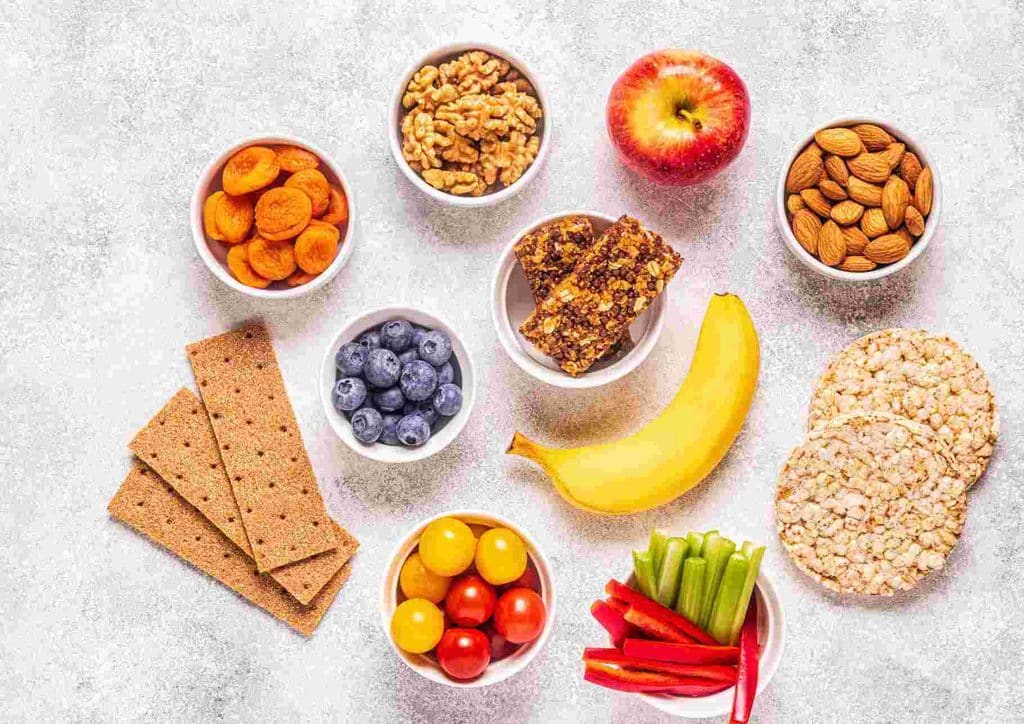
Grazing happens when eating becomes an automatic response to boredom, stress, or tiredness rather than physical hunger. To break this cycle, pause for a moment before you reach for food and ask yourself if you are truly hungry or just seeking comfort. Portion your snack out onto a small plate instead of eating straight from a large packet so you can actually register that you have eaten. Drinking a large glass of water and waiting ten minutes can also clarify whether your body actually needs fuel. If you find this cycle hard to break on your own, working out how a nutritionist can help you lose weight can give you tailored structure.
| Actionable Strategy | How It Works In Practice | Behavioural Benefit |
|---|---|---|
| Portion Before Eating | Transfer a measured single serving into a small bowl rather than eating directly from a large package. | Creates a firm visual stopping point that prevents endless hand to mouth consumption. |
| Remove Distractions | Sit down away from computer screens, phones, and televisions while consuming your snack. | Allows your brain to register satiety signals properly and enhances meal satisfaction. |
| Create Physical Friction | Store tempting snack foods out of sight on high pantry shelves rather than leaving them on desks or counters. | Introduces a conscious pause that interrupts automatic impulse eating and boredom grazing. |
| Pause And Hydrate | Drink a glass of water or herbal tea and wait five minutes when an urge to snack arises. | Distinguishes true physiological hunger from mild thirst, fatigue, or psychological cravings. |
Breaking automatic eating habits
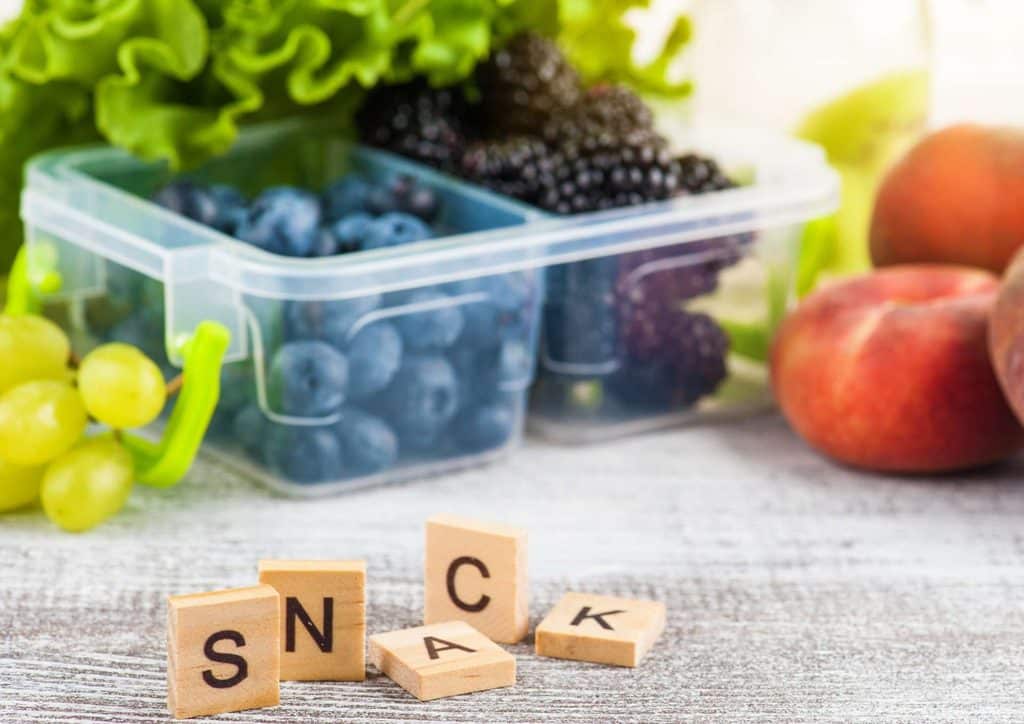
Creating a small speed bump before eating, like pouring food into a bowl instead of eating from the packet, brings awareness back to your meal.
“True satisfaction comes from nourishing your body with intention, not from grazing your way through an afternoon”.
Jake Biggs, Nutrition Longevity
| Actionable Strategy | How It Works In Practice | Behavioural Benefit |
|---|---|---|
| Portion Before Eating | Transfer a measured single serving into a small bowl rather than eating directly from a large package. | Creates a firm visual stopping point that prevents endless hand to mouth consumption. |
| Remove Distractions | Sit down away from computer screens, phones, and televisions while consuming your snack. | Allows your brain to register satiety signals properly and enhances meal satisfaction. |
| Create Physical Friction | Store tempting snack foods out of sight on high pantry shelves rather than leaving them on desks or counters. | Introduces a conscious pause that interrupts automatic impulse eating and boredom grazing. |
| Pause And Hydrate | Drink a glass of water or herbal tea and wait five minutes when an urge to snack arises. | Distinguishes true physiological hunger from mild thirst, fatigue, or psychological cravings. |
What to do this week
- Plan your afternoon snacks in advance.
- Drink a glass of water before reaching for food.
- Choose snacks with both protein and fibre.
Final thoughts
Successful weight loss is not about eating perfectly or eliminating snacks altogether. It is about choosing foods that control hunger, managing portions and creating a calorie deficit you can realistically maintain.
The the most optimal snacks for weight loss combine protein, fibre and nutrient-dense whole foods to keep you satisfied without adding excessive calories. When your snacks are planned strategically, they can become a powerful tool for controlling appetite, preventing overeating and keeping your weight loss progress moving in the right direction.
Achieving weight loss with healthy snacks quiz
Think you know how snacking fits into a sustainable weight loss plan? Test your understanding of protein, fibre, and appetite control.
1. Snacking between meals always causes weight gain and should be avoided completely.
2. What are the two key macronutrients that make a snack truly filling?
3. Many packaged muesli bars and flavoured yoghurts are as high in sugar as a chocolate bar.
4. What is the best way to handle a busy week when you are trying to avoid impulsive food choices?
Mastering your snacks comes down to choosing real food combinations that satisfy physical hunger. By pairing protein with fibre and planning ahead, you can keep your energy steady all afternoon.
Frequently asked questions
Should I snack if I am trying to lose weight?
Yes, if you are genuinely hungry between meals and it helps you avoid overeating later.
What is a good snack before bed?
A small, light option containing protein and tryptophan, like a small tub of yoghurt or a warm cup of milk.
Are protein bars a healthy snack?
Most are highly processed and act more like confectionery, so whole food options are usually a better choice.
How many snacks a day is too many?
Most people do well with one or two deliberate snacks, while needing more than that suggests your main meals lack substance.
Keep reading
This article is general information, not personal medical or nutritional advice. Individual needs vary. For guidance tailored to you, book a consultation.
Book a 60 minute consultation, in Bondi Junction or by Telehealth from anywhere in the world.