
The quick answer
Running for weight loss can be effective because it increases the amount of energy your body uses, helps improve fitness and supports a healthy lifestyle. However, the scales do not always move as expected because increased hunger, eating back the energy you burn, water retention, muscle changes and inconsistent eating habits can all affect your results.
The short version
- Running can be a powerful tool for weight loss because it increases the energy your body uses, but running alone will not guarantee results if you are consistently eating back the energy you burn. Your overall calorie intake, portion sizes and consistency with your eating habits ultimately determine whether you lose weight.
- Successful weight loss while running depends on fuelling your body properly, not starving yourself or ignoring hunger. Eating the right foods in appropriate amounts helps you maintain energy, recover from training and avoid the intense hunger that can lead to overeating later in the day.
- Weight loss from running is not always immediately reflected on the scales because exercise related water retention, muscle changes and normal weight fluctuations can temporarily mask your progress. You may be making positive changes to your fitness and eating habits without seeing an immediate reduction in your weight.
Compensation eating
This happens when you eat more after exercise because your appetite increases or you feel you have earned extra food. It can happen without you realising and may offset some of the additional energy you use during your runs.
“Running can help you lose weight, but success is not about running further or eating less. It is about fuelling your body properly, creating a sustainable calorie deficit and staying consistent long enough to see results”.
Jake Biggs, Nutrition Longevity

| Reason | What is happening | What to try |
|---|---|---|
| Eating more after running | Increased appetite or larger portions may offset the energy used during exercise. | Plan satisfying meals and appropriate snacks. |
| Water retention | Exercise related muscle repair can temporarily increase fluid levels. | Allow recovery time and look at longer term weight trends. |
| Muscle changes | Changes in muscle tissue can influence your scale weight. | Consider clothing fit, measurements and running performance. |
| Inconsistent eating | Weekday eating habits may differ considerably from weekends. | Establish consistent habits throughout the week. |
| Underestimating portions | Oils, sauces, snacks and drinks can add additional energy. | Review portion sizes without becoming overly restrictive. |
| Insufficient recovery | Too much exercise and inadequate recovery can affect energy, appetite and training consistency. | Include rest days and adequate nutrition. |

Personalised calculator for successful weight loss with running
Achieve sustainable body composition changes while running strong, recovering well, and keeping your energy steady. Complete your details below to receive tailored strategies for weight loss alongside your running routine.
Your Weight Loss & Running Blueprint
Moving from works best with a modest, sustainable energy deficit that protects your running performance and lean muscle.
Your tailored recommendations
Want a personalised weight loss & running nutrition plan?
I will review your weekly mileage, appetite patterns, and training goals to build a practical nutrition and running strategy tailored to your routine.
Book a consultationThis interactive calculator provides general educational guidance for runners and is not a substitute for individualised clinical or sports dietetic advice.
“I created this interactive calculator to help you understand how running, calorie intake and your daily energy requirements work together to support weight loss. My aim is to help you find the right balance between fuelling your runs, maintaining a sensible calorie deficit and achieving sustainable weight loss without starving yourself or compromising your energy and recovery”.
Jake Biggs, Nutrition Longevity

Does running help with weight loss?
Yes, running can help with weight loss because it increases your daily energy expenditure and can contribute to a calorie deficit. However, running alone does not guarantee weight loss because your overall food intake and daily habits still determine whether you maintain a calorie deficit over time.
If your goal is to lose weight, you need to consume less energy than your body uses over time. This is a fundamental principle of weight loss, regardless of whether you run, walk, cycle or go to the gym.
Running is particularly useful because it can burn a considerable amount of energy, improve cardiovascular fitness and establish a consistent exercise routine, although you can also lose weight without exercise.
However, I often find people concentrate heavily on how many kilometres they run without giving the same attention to their nutrition. You might run several times a week, but if your appetite increases and you regularly eat more than your body needs, your weight may stay exactly where it is.
This does not mean running is ineffective. It simply means exercise needs to work alongside your eating habits to achieve sustainable weight loss.

| Common Myth | Evidence Based Fact | Practical Takeaway |
|---|---|---|
| Running more automatically leads to steady weight loss without looking at food intake. | Exercise increases energy expenditure, but heightened post-run appetite and larger portions often offset the kilojoules burned during training. | Pair consistent running with structured, protein-rich meals and mindful portion sizes across the entire week. |
| Running fasted on an empty stomach burns significantly more body fat over time. | While fasted sessions temporarily shift fuel use toward fat during the run, overall fat loss still depends on sustained weekly energy balance and training quality. | Fuel longer or harder runs with a light carbohydrate snack so you can train effectively and avoid rebound overeating later. |
| If the scales do not drop after a big week of running, your routine is failing. | Muscle tissue repair, glycogen replenishment, and temporary fluid retention frequently mask gradual body fat loss on single weigh-ins. | Track progress across three to four week trends alongside clothing fit, recovery quality, and running performance. |
| Cutting carbohydrates sharply is the fastest way to lose weight as a runner. | Low carbohydrate availability impairs session intensity, increases perceived effort, and elevates fatigue and injury risk during regular running blocks. | Maintain a modest, sustainable energy deficit while keeping quality carbohydrates timed around your runs. |
How does running help burn calories?
Running requires your muscles to use energy. The amount you use depends on several factors, including your body weight, running speed, distance, terrain and how long you exercise. Generally, running for longer or at a higher intensity requires more energy than a shorter, easier run.
However, I would not recommend using running as a way to earn food or compensate for what you have eaten. Your nutrition should support your activity, not become a reward system based on how much exercise you complete.
For weight loss, consistency is much more important than trying to burn as many calories as possible during every session.
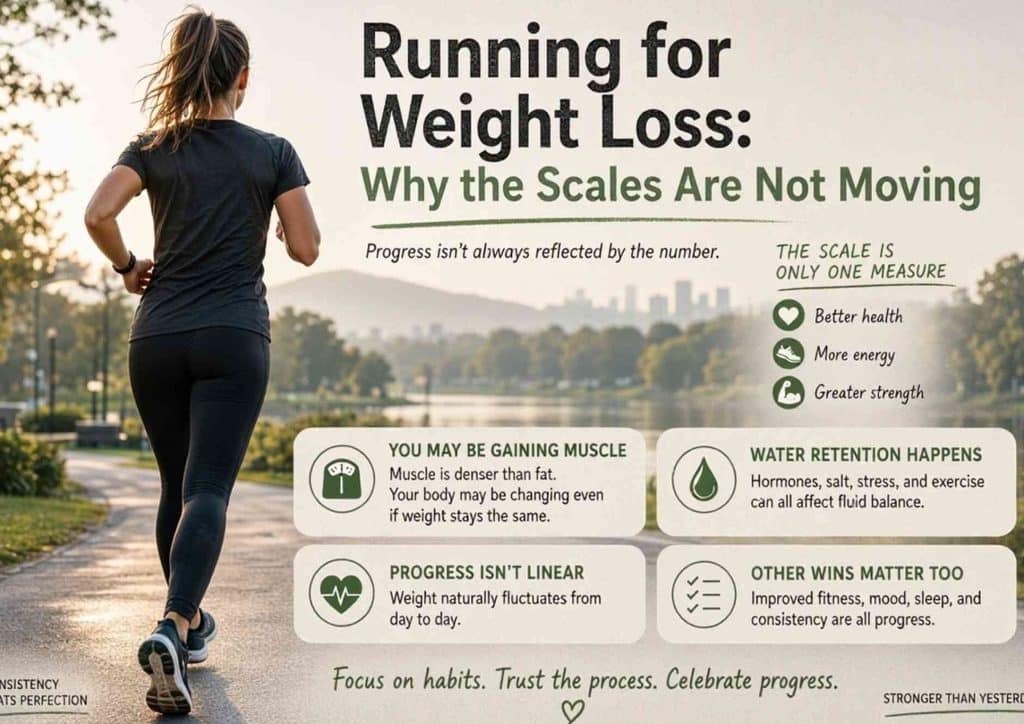
| Core Principle | How It Works | Practical Application |
|---|---|---|
| How Running Drives Energy Expenditure | Running demands continuous muscular work, cardiovascular output, and coordination, drawing directly on stored fuel depending on body mass, pace, distance, terrain, and duration. | Recognise that longer runs and higher-intensity efforts naturally require more energy than shorter, relaxed sessions. |
| Stop Treating Runs as Permission to Eat | Using kilometres to earn meals or work off food turns training and nutrition into a transactional cycle rather than supporting recovery and daily health. | Fuel your body consistently to support running performance and appetite regulation rather than reacting to fitness tracker numbers. |
| Why Steady Habits Beat All-Out Calorie Burn | Pushing for maximum kilojoule burn every session drives exhaustion, spikes rebound hunger, and raises injury risk instead of building lasting momentum. | Prioritise repeatable weekly running volume paired with balanced daily nutrition for sustainable body composition results. |
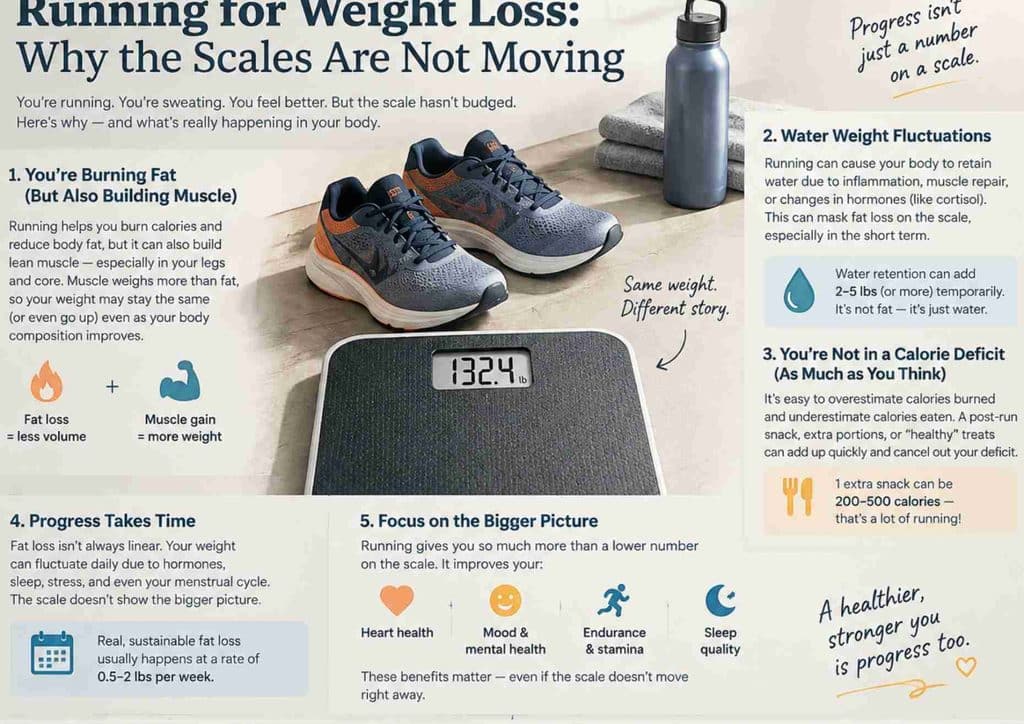
Can you lose weight by running three times a week?
Yes, running three times a week can contribute to weight loss, provided your overall eating habits support a calorie deficit. You do not need to run every day to make progress. In fact, allowing time for recovery is important, particularly if you are relatively new to running.
Three manageable sessions can be more sustainable than trying to run six days a week and eventually becoming exhausted, injured or excessively hungry. I would also encourage you to maintain your everyday movement, including walking, rather than assuming your scheduled runs are the only activity that matters.

| Key Factor | Why It Matters | Practical Takeaway |
|---|---|---|
| Energy Deficit Through Eating Habits | Running three times a week can support weight loss, but progress still depends on your overall eating habits creating a sustainable energy deficit. | Pair your three weekly runs with structured, balanced meals rather than relying on exercise alone to drive weight loss. |
| Recovery Over Daily Running | You do not need to run every day to see results, and allowing proper recovery time is especially important if you are newer to running. | Use non-running days to recover well so your energy, joints, and training consistency stay strong. |
| Sustainability vs. Overdoing It | Three manageable sessions are often far more sustainable than pushing for six days a week and risking exhaustion, injury, or excessive hunger. | Choose a weekly running frequency you can maintain consistently over months without burning out or spiking rebound appetite. |
| Everyday Movement Beyond Runs | Your scheduled runs are not the only movement that counts, as daily activity outside workouts plays a meaningful role in overall energy expenditure. | Keep up regular everyday movement, including walking, across both running and rest days. |
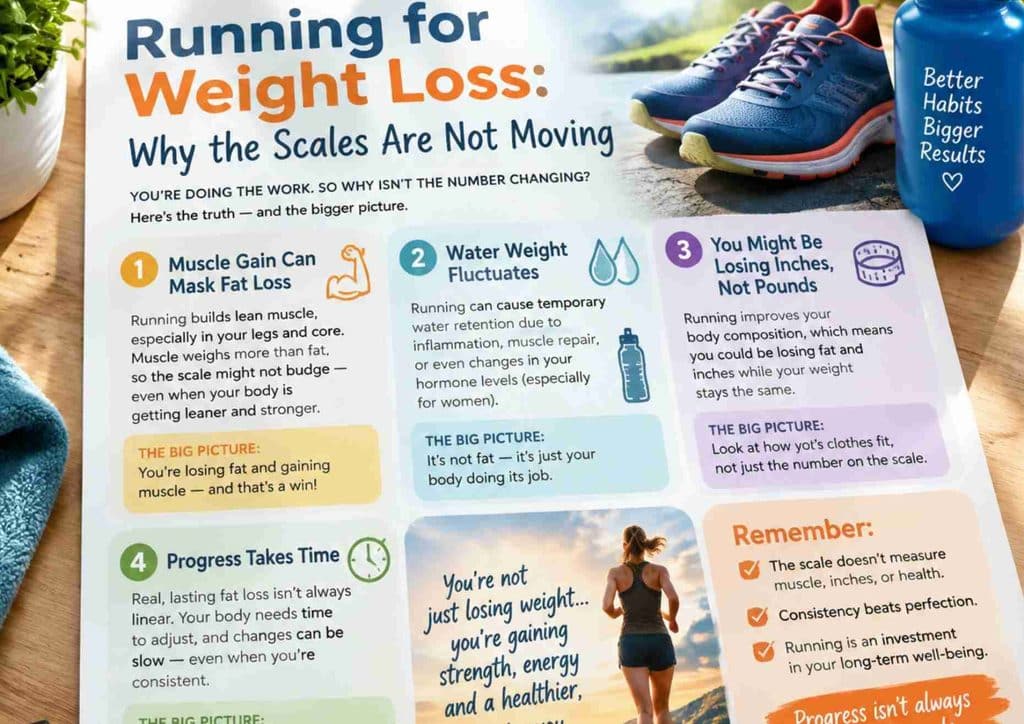
Why the scales are not moving
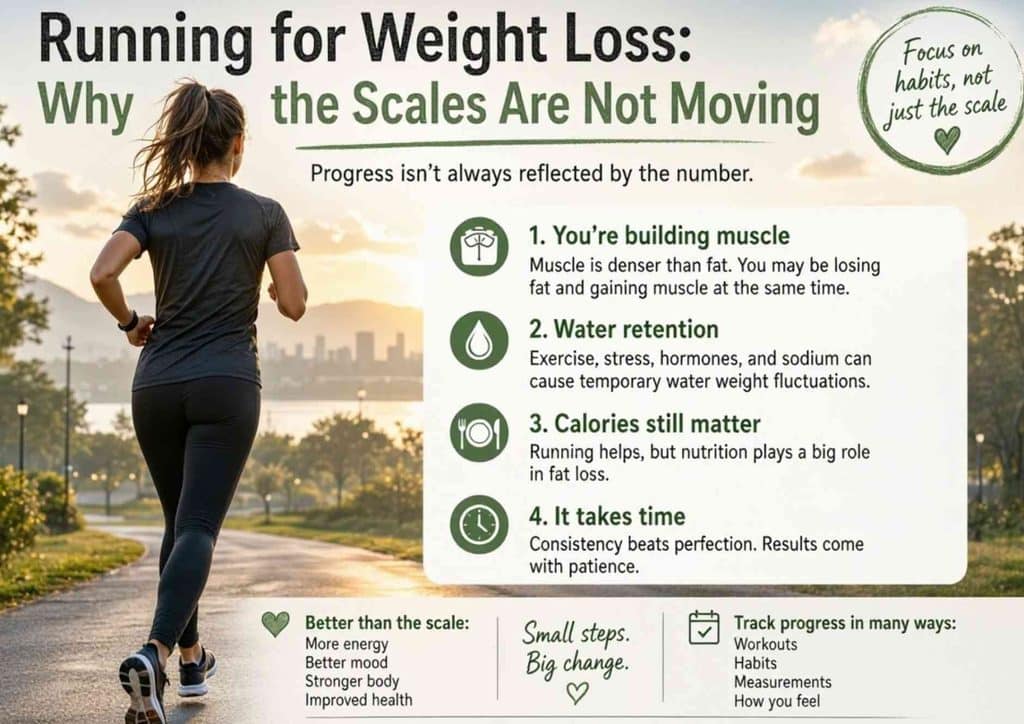
If you are wondering why you are not losing weight, your increased energy expenditure from running may be offset by food intake, water retention or changes in your body composition. It is also possible that your calorie deficit is smaller than you think or that normal weight fluctuations are temporarily hiding progress.
This is where many people become frustrated. They start running, become more active, make an effort with their eating and expect the scales to respond immediately.
When they do not, they assume something is wrong with their metabolism or that running is not working. Before making drastic changes, I would look at the following factors.
| Potential Factor | What Is Happening | Practical Takeaway |
|---|---|---|
| Offsetting Food Intake | Increased energy expenditure from running can easily be matched by higher food intake, leaving your overall calorie deficit smaller than expected. | Review overall weekly eating habits and portion sizes calmly rather than assuming your metabolism has stalled. |
| Water Retention & Normal Fluctuations | Temporary fluid retention and normal day-to-day weight fluctuations frequently hide genuine progress when you start running or increase activity. | Avoid judging progress from immediate, single weigh-ins and look at multi-week trends instead. |
| Body Composition Shifts | Changes in body composition can keep scale weight steady even while your fitness and physical shape are improving. | Assess progress alongside clothing fit, energy levels, and running performance before making drastic changes. |
| Unrealistic Immediate Expectations | Starting a running routine and improving eating habits often triggers frustration when the scales do not drop straight away, leading people to abandon what is actually working. | Stay consistent with your current habits and evaluate key lifestyle factors before slashing food or overtraining. |

You are eating more without realising
Running can increase your appetite, particularly when you increase your distance or intensity. You might find yourself having larger meals, adding extra snacks or reaching for more calorie dense foods because you feel particularly hungry after exercise.
There is nothing wrong with eating more when your body needs additional energy. The important thing is understanding whether your overall intake is still appropriate for your weight loss goal. For example, you might run for 40 minutes and then have a large smoothie, a handful of nuts, a protein bar and a substantial meal afterwards.
Individually, these foods can all be part of a healthy diet. However, their combined energy content can be considerably higher than you realise. I would rather see you eat satisfying meals and plan your snacks than try to ignore your hunger and eventually overeat.

| Common Pattern | How Energy Adds Up | Better Approach |
|---|---|---|
| Heightened Post-Run Appetite | Increasing running distance or intensity naturally stimulates hunger, leading to larger meals, extra snacks, or more energy-dense foods after exercise. | Respect your increased energy needs while checking that total daily intake still fits your weight loss goal. |
| Stacking Healthy Foods | A large smoothie, handful of nuts, protein bar, and substantial meal after a 40-minute run are all nutritious on their own, yet together pack considerably more energy than realised. | Look at the combined energy of your post-run choices rather than judging each healthy food in isolation. |
| Ignoring Hunger Until You Overeat | Trying to push through post-run hunger with strict willpower often triggers rebound overeating later in the day. | Plan satisfying main meals and purposeful snacks ahead of time so hunger stays steady and controlled. |

You are retaining water after running
Water retention is another common reason the scales can appear stuck. Running, particularly when you increase your training intensity or distance, places physical demands on your muscles.
Your body responds to exercise by initiating repair and recovery processes, while supplements such as creatine can also influence water stored in your muscles.
This is particularly common when you introduce hill running, interval training, longer distances or a new exercise routine. It is important not to mistake temporary changes in water weight for fat gain, particularly when understanding what saunas actually do for weight loss.

| Training Trigger | Physiological Response | Smart Perspective |
|---|---|---|
| Higher Intensity or Distance | Stepping up running demands places extra physical stress on working muscles, activating repair and recovery pathways that draw temporary fluid into tissue. | Recognise post run fluid shifts as a normal part of adaptation rather than a setback in your fat loss progress. |
| Hills, Intervals, Longer Runs & New Routines | Unaccustomed loads, such as hill repeats, speed intervals, longer distances, or starting a new routine, frequently cause noticeable short term spikes on the scales. | Expect temporary scale bumps after novel or demanding sessions and allow recovery time before drawing conclusions. |
| Fluid Fluctuations vs. True Fat Gain | Short term water retention can make the scales read higher even when your food intake has stayed well within your weight loss targets. | Avoid mistaking temporary water weight for body fat gain from eating too much, and track longer term trends instead. |

You are building or maintaining muscle
Changes in body composition can influence your weight, particularly during body recomposition, when you lose fat and build muscle, meaning the scales do not always tell the complete story.
I would not suggest ignoring your weight altogether, but I would encourage you to look at other indicators as well. Consider how your clothes fit, whether your running performance is improving, your energy levels and how consistently you are following your eating plan.
These can provide useful information that a single scale reading cannot.

| Progress Indicator | What It Reflects | How to Use It |
|---|---|---|
| Muscle & Body Composition Shifts | Starting a running routine or pairing running with resistance training supports muscle maintenance and growth, which can keep scale weight steady even as your body composition improves. | Remember that the scales only measure total mass and cannot distinguish between body fat and lean muscle tissue. |
| Clothing Fit & Physical Shape | Positive shifts in lean muscle and body fat often show up around your waist, hips, and shoulders well before major drops appear on the scales. | Pay attention to how your everyday clothes and running gear fit alongside regular weigh-ins. |
| Running Performance & Daily Energy | Faster paces, stronger endurance, and steadier daytime energy signal that your fitness and fuelling are moving in the right direction. | Use training improvements and energy levels as meaningful evidence that your routine is working. |
| Consistency With Your Eating Plan | Repeatable nutrition habits drive long-term results far more reliably than reacting to a single day's scale reading. | Keep tracking scale trends over time while grounding your confidence in steady adherence to your eating plan. |

Your calorie deficit is smaller than you think
If you are not losing weight in a calorie deficit, this is something worth looking at carefully. You might believe you are eating in a calorie deficit, but small amounts of additional food and drinks throughout the day can add up.
Cooking oils, dressings, sauces, nuts, takeaway meals, alcohol and larger portion sizes can all contribute more energy than people realise. You do not need to weigh every ingredient or track every mouthful for the rest of your life, or rely on unrealistic approaches to speed up your metabolism.
However, if you are not losing weight, review your food intake, portion sizes and activity levels, remembering that losing belly fat requires an overall reduction in body fat.

| Hidden Source | How It Erodes a Deficit | Practical Adjustment |
|---|---|---|
| Cooking Oils, Dressings & Sauces | Pours of olive oil, creamy dressings, and rich sauces add substantial energy quickly without visibly bulking up your plate. | Measure oils and sauces intentionally for a short spell so you know what a realistic serving looks like. |
| Nuts, Takeaway Meals & Alcohol | Handfuls of nuts, restaurant or takeaway meals, and drinks with alcohol pack high energy density into relatively small volumes. | Factor weekend takeaways, drinks, and snacking into your broader weekly picture rather than viewing meals in isolation. |
| Gradual Portion Creep | Slightly larger bowls, generous scoops of carbs or protein, and extra bites across the day can shrink a modest deficit down to maintenance. | Check portion sizes calmly without feeling forced to weigh every ingredient or track every mouthful forever. |
| Assuming Metabolic Resistance | Jumping straight to the conclusion that your metabolism is broken often overlooks subtle shifts in intake, consistency, or daily movement. | Audit your food intake, portion sizes, weekly consistency, and activity levels objectively before making drastic changes. |

You are expecting results too quickly
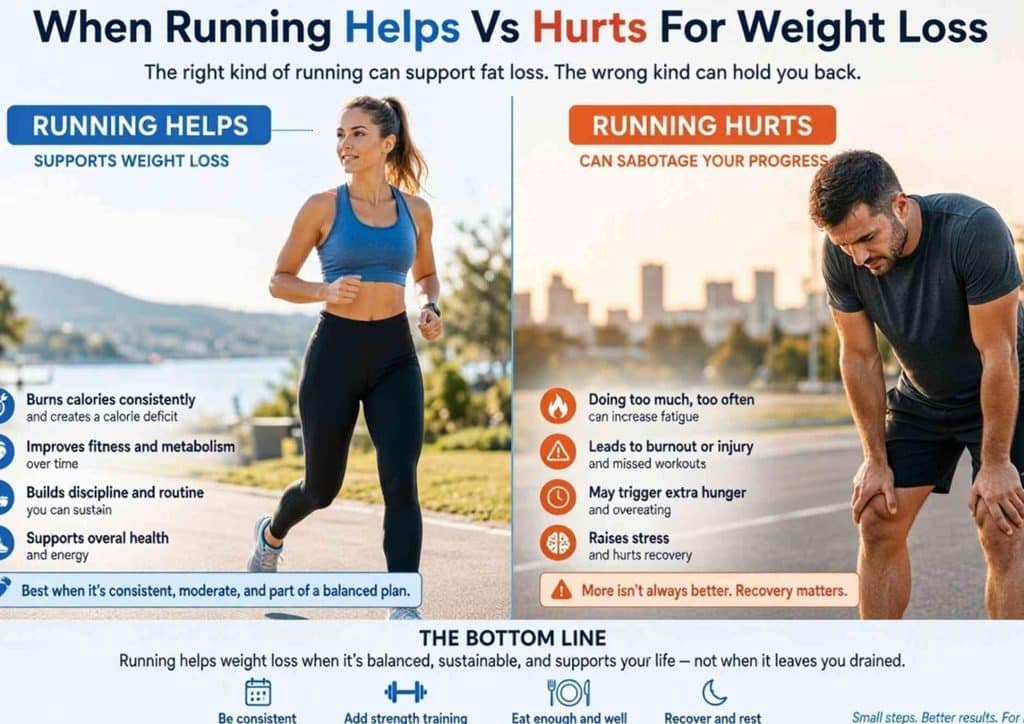
Your weight naturally fluctuates from day to day. Food in your digestive system, hydration, sodium intake, carbohydrate intake and hormonal changes can all influence the scales, which is important to understand when considering pink salt for weight loss.
One higher reading does not mean you have gained weight, just as one lower reading does not necessarily mean you have made meaningful progress. I prefer looking at the overall trend rather than making decisions based on individual weigh ins.
| Fluctuation Factor | What Influences the Scales | Better Habit |
|---|---|---|
| Digestion, Hydration & Bowel Movements | Undigested food in your gut, shifting hydration levels and normal bowel patterns move scale weight up and down even when body fat is unchanged. | Treat single weigh ins as snapshots of temporary inputs rather than a verdict on your fat loss progress. |
| Sodium, Carbohydrates & Hormones | Higher sodium or carbohydrate intake and natural hormonal shifts draw in extra water, causing short term rises or dips on the scales. | Stay calm when a higher number appears after salty or carb rich meals, as it reflects fluid shifts rather than instant fat gain. |
| One High or Low Reading | A sudden spike does not mean you have gained real weight, and a single drop does not guarantee lasting progress on its own. | Avoid changing your nutrition or training plan in reaction to one day's reading. |
| Overall Weight Trend | Looking across weeks smooths out daily noise and reveals whether your underlying energy balance is actually moving you forward. | Focus on multi week weight trends rather than making decisions from individual weigh ins. |
Are you eating back what you burn?
You may be eating back the energy you use during running without realising it, particularly if your appetite increases after exercise. This is one of the main reasons people can run regularly without seeing the weight loss they expected.
I want to make something clear: eating after a run is not a problem. Your body needs energy to recover, and deliberately avoiding food when you are hungry is not a sensible long term strategy.
The issue is when exercise creates the impression that you can eat unlimited amounts afterwards without affecting your overall calorie intake. For example, you might finish a run feeling hungry and decide you deserve a large breakfast, an extra coffee with milk, a pastry and something sweet later in the morning.
There is nothing inherently wrong with any of these foods. However, if your overall intake regularly exceeds your energy requirements, your weight may not change.

| Key Aspect | What Happens After Running | Practical Takeaway |
|---|---|---|
| Post Run Hunger and Unseen Intake | Exercise often stimulates appetite, making it easy to eat back the energy burned during a run without realising it, which is a common reason regular runners do not see expected weight loss. | Pay attention to how post run hunger shapes your overall intake across the day rather than assuming running guarantees a deficit. |
| Eating After a Run Is Necessary | Your body genuinely needs energy to recover after running, and forcing yourself to ignore hunger is rarely a sustainable long term approach. | Eat after running to support recovery, while keeping portions aligned with your broader weight loss goal. |
| The Unlimited Fuel Trap | Feeling as though a run gives you licence to eat freely afterwards, such as pairing a large breakfast with an extra milky coffee, a pastry and a sweet treat later, can easily exceed your energy needs. | Enjoy foods you like without guilt, but keep an eye on total energy when stacking multiple treats or large portions after a run. |

Why do runners feel so hungry?
There are several reasons your appetite might increase when you start running.
- You are using additional energy. Your body needs fuel to support your activity and recovery.
- Longer or more intense runs can leave you feeling particularly hungry afterwards, especially if you have not eaten adequately beforehand.
- Thirdly, some people underestimate how much food they need to feel satisfied. They might eat a very small breakfast, run later in the morning and then experience significant hunger throughout the afternoon.
This can create a cycle of restricting food, becoming extremely hungry and then eating considerably more than intended.
I would rather prevent that cycle by establishing a sensible eating routine rather than relying on restrictive approaches such as intermittent fasting for weight loss.

| Appetite Driver | Why Hunger Spikes | Smart Strategy |
|---|---|---|
| Rising Energy Demands | Running places a clear metabolic demand on your body, requiring steady fuel to power both your training sessions and muscular recovery. | Honour your heightened energy needs with nourishing, balanced meals instead of fighting natural hunger cues. |
| Underfuelling Before Hard or Long Runs | Tackling longer distances or demanding sessions on an empty tank amplifies post run hunger signals and leaves you ravenous afterwards. | Fuel your body properly before demanding runs so you finish strong and avoid uncontrollable cravings later. |
| Underestimating Daily Satiety Needs | Starting the day with a skimpy breakfast before a morning run frequently triggers relentless afternoon hunger that derails portion control. | Build substantial, protein rich meals earlier in the day so your appetite stays calm and predictable. |
| The Restrict and Overeat Trap | Deliberately holding back food backfires into overwhelming hunger, driving rebound overeating that erases your weekly progress. | Break the cycle permanently by establishing a structured, sustainable eating routine that keeps you genuinely satisfied. |
Should you eat back the calories burned running?
You do not automatically need to replace every calorie your running watch or fitness tracker says you have burned. These devices can provide useful estimates of activity, but their energy expenditure readings are not precise measurements of your individual requirements.
If you automatically add every reported exercise calorie to your daily food allowance, you may unintentionally overestimate how much additional food you need. Instead, consider your overall hunger, training demands, recovery and weight trend.
A longer run will generally require more attention to fuelling than a short, easy session. The goal is to eat enough to support your running while maintaining an appropriate overall calorie intake.

| Core Principle | Why It Matters | Winning Strategy |
|---|---|---|
| Fitness Trackers Only Estimate | Running watches offer rough activity snapshots rather than exact measurements of your personal metabolic expenditure. | Stop automatically adding every reported calorie back onto your plate after a run. |
| The Trap of Overestimating Intake | Treating watch readouts as an exact food allowance quietly erases your energy deficit and stalls steady fat loss. | Anchor your nutrition to genuine hunger cues, recovery quality and multi week weight trends rather than wrist data. |
| Scaling Fuel to Real Training Load | A gruelling long run demands far more targeted recovery nutrition than a brief, relaxed jog around the block. | Match your fuelling purposefully to session demands so you perform strongly while protecting your overall deficit. |

Plan your post run snack
If you are hungry after running, choose healthy snacks for weight loss that provide protein and carbohydrates. Greek yoghurt with fruit, eggs on wholegrain toast or a banana with yoghurt are practical options. You do not need to skip food to make your run count.

How to fuel your runs and still lose weight
One mistake I want to avoid is the idea that you need to eat as little as possible to lose weight while running. This approach can backfire.
When you consistently underfuel your body, you may experience excessive hunger, poor recovery, reduced training performance, fatigue and difficulty maintaining your routine. You might initially feel motivated by eating less and exercising more, but this is not necessarily sustainable.
I want your eating habits to support your running while following a balanced diet for weight loss that provides a manageable calorie deficit.

| Nutrition Focus | Impact on Running and Weight Loss | Winning Habit |
|---|---|---|
| Purposeful Protein and Carbohydrate Balance | Pairing ample protein with tailored carbohydrate servings fuels strong workouts, accelerates tissue repair and keeps appetite under control during a weight loss phase. | Centre every meal around quality protein and scale your carbohydrates to match daily running demands. |
| Rejecting Severe Calorie Restriction | Starving yourself while running regularly backfires into overwhelming hunger, flat training sessions, slow recovery and lingering exhaustion. | Fuel your body properly so you feel energised on the road and stay consistent week after week. |
| A Manageable, Long Term Deficit | Extreme dieting paired with heavy exercise often sparks initial excitement, yet quickly collapses once fatigue and cravings take over. | Choose a moderate, realistic calorie deficit that protects running performance while driving steady weight loss. |

Prioritise protein at each meal
Protein is important because it supports muscle maintenance and repair, and understanding how much protein you need to build muscle is particularly useful when you are regularly exercising. Combining protein with a high-fibre diet for weight loss can also help you feel satisfied after meals and manage your appetite.
Some of the best high-protein foods for weight loss include:
- Chicken breast and lean meats.
- Fish and seafood.
- Eggs.
- Greek yoghurt.
- Cottage cheese.
- Tofu and tempeh.
- Lentils, chickpeas and beans.
Whether you eat meat or follow a vegetarian diet for weight loss, I recommend including a source of protein with breakfast, lunch and dinner.
For example, Greek yoghurt with fruit and chia seeds for breakfast, chicken with vegetables and rice for lunch, and fish with potatoes and salad for dinner.
Do not eliminate carbohydrates
Carbohydrates are an important fuel source for running, particularly during longer or more intense sessions. I often see people trying to lose weight by cutting out carbohydrate foods. However, removing carbohydrates is not necessary for weight loss, and understanding keto versus low carb for weight loss can help you choose an approach that suits your needs.
You can enjoy these foods as part of a calorie-controlled eating plan, including Mediterranean-style foods that can support weight loss. The amount you need will depend on your training volume, intensity and overall energy requirements, particularly when considering carb loading before a race.
Some practical carbohydrate sources include:
Choosing the best foods for weight loss can help you build satisfying meals that support your running.

| Key Principle | Why Carbohydrates Matter | Practical Approach |
|---|---|---|
| Primary Fuel for Running Performance | Carbohydrates power your muscles during running, especially across longer distances and higher intensity sessions. | Keep quality carbohydrates in your diet so you can run strongly and recover well while losing weight. |
| No Need to Cut Everyday Staples | Cutting out bread, rice, pasta and potatoes is unnecessary for weight loss and often makes eating plans harder to sustain. | Include familiar carbohydrate foods within a calorie controlled diet rather than banning entire food groups. |
| Tailoring Intake to Your Training | Your ideal carbohydrate amount depends on weekly running volume, session intensity, personal preferences and total energy needs. | Scale portions up around demanding training days and keep servings moderate on lighter or rest days. |
| Practical Carbohydrate Sources | Wholesome options such as oats, wholegrain bread, rice, potatoes, sweet potatoes, fruit, wholegrain pasta and quinoa provide steady fuel and nutrients. | Choose sensible portions and pair them with quality protein and vegetables for satisfying, balanced meals. |
Eat enough before your run
Whether you need to eat before running depends on the timing, duration, intensity and your personal tolerance. For a short, easy run, some people feel comfortable exercising before breakfast. However, you do not need to run on an empty stomach to lose weight, and choosing appropriate pre-workout snacks can help provide energy before training.
A banana, toast, oats or yoghurt can be practical options. If you are running early in the morning and do not feel like eating a full meal, a smaller snack may be sufficient. I would not recommend forcing fasted running as a weight loss strategy. Your overall eating habits matter much more than whether you eat immediately before a particular session.

| Session Context | What Your Body Needs | Practical Approach |
|---|---|---|
| Short, Easy Morning Runs | Some runners feel comfortable heading out before breakfast for brief, low intensity jogs, depending on personal gut tolerance. | Choose what feels best for your stomach rather than forcing yourself to train fasted for weight loss. |
| Longer or Demanding Sessions | Harder efforts and extended distances demand accessible energy so you can maintain pace and feel comfortable throughout. | Fuel beforehand with light, easily digested choices such as a banana, toast, oats or yoghurt. |
| Early Starts With Low Appetite | Waking up early often leaves little desire or time to digest a full breakfast before lacing up your shoes. | Keep it simple with a small, quick snack to top up energy without weighing your stomach down. |
| Fasted Running Versus Overall Habits | Skipping food before a run offers no special fat loss advantage when total daily nutrition stays the same. | Focus on consistent, balanced eating across the entire week rather than stressing over a single pre run meal. |
What should you eat after running?
After running, focus on choosing appropriate post-workout meals that replace energy and provide the nutrients needed for recovery. A weight loss-friendly breakfast, lunch, or dinner can also be an effective pre-run meal when eaten close to a run.
Some examples include:
- Eggs on wholegrain toast with avocado.
- High protein banana smoothie.
- Chicken with rice and vegetables.
- Tuna with a wholegrain sandwich.
- Protein pancakes.
You do not need an expensive recovery supplement after every run, although whey protein can be a convenient way to increase your protein intake to support weight loss. For most recreational runners, ordinary foods can provide everything needed to support recovery.

| Recovery Priority | What Your Body Needs | Practical Options |
|---|---|---|
| Replenish and Rebuild | Combining quality protein with carbohydrates restores depleted energy stores and supplies the building blocks needed for muscle repair. | Build your post run meal around a solid source of both protein and carbohydrates. |
| Simple Whole Food Meals | Balanced everyday dishes satisfy hunger naturally while delivering essential nutrients without complicated preparation. | Try eggs on wholegrain toast with avocado, Greek yoghurt with oats and berries, chicken with rice and vegetables, a wholegrain tuna sandwich or a milk, yoghurt and fruit smoothie. |
| Skip Expensive Supplements | Specialised sports nutrition products and costly recovery powders are unnecessary after routine sessions for recreational runners. | Rely on ordinary, nourishing foods to support recovery and keep your nutrition simple and sustainable. |

Do not forget hydration
Hydration is important for running performance, temperature regulation and recovery. Make sure you drink water regularly throughout the day and understand whether coconut water is good for weight loss before relying on it as a hydration option.
For longer runs, particularly in warm weather, your fluid and electrolyte requirements may increase, which is relevant when understanding what causes muscle cramps during exercise.
Sweat losses vary considerably between individuals, so there is no single fluid target that suits every runner. Remember that drinking more water does not directly cause weight loss, and lemon water does not have a special fat-burning effect.

| Hydration Focus | Why It Matters | Practical Habit |
|---|---|---|
| Consistent Daily Fluid Intake | Steady hydration supports running performance, temperature regulation and effective post run recovery. | Sip water regularly across the day rather than waiting until intense thirst sets in. |
| Longer Sessions and Warm Conditions | Extended runs and hot weather raise fluid and electrolyte losses, which differ widely from one runner to another. | Increase fluids and add electrolytes during longer or sweaty sessions instead of relying on a rigid one size fits all target. |
| Hydration Versus Weight Loss | Drinking extra water will not directly burn body fat, yet optimal hydration keeps energy levels and training output strong. | Treat hydration as a foundation for healthy bodily function and consistent running rather than a direct fat loss shortcut. |

Good to know
A hard run can temporarily increase your scale weight because your muscles retain additional water during recovery. This is a normal short term response to exercise and does not automatically mean you have gained weight.
When to get a plan
A personalised approach can help you balance your food intake with your running schedule and understand how to lose weight safely without crashing.
I would start by looking at your current routine rather than immediately telling you to eat less or run more.
- How often are you running?
- How long are your sessions?
- Are you eating enough before and after exercise?
- Are you recovering properly?
- What does your usual breakfast, lunch and dinner look like?
These questions help establish whether your current eating habits are supporting your goals.

| Assessment Area | What Gets Audited First | Why It Matters |
|---|---|---|
| Training Volume and Duration | Examining how often you run and how long each session lasts reveals your true weekly movement and recovery load. | Aligns food intake with real running demands instead of defaulting to eat less or run more. |
| Pre and Post Run Fuelling | Reviewing whether you eat enough before and after workouts uncovers hidden hunger triggers and sluggish recovery. | Prevents extreme appetite swings while protecting energy levels and training consistency. |
| Recovery Quality | Checking how well you bounce back between runs shows if your current nutrition is supporting tissue repair and stamina. | Keeps your body resilient so weight loss never comes at the expense of burnout. |
| Everyday Meals and Appetite | Looking closely at your typical breakfast, lunch and dinner clarifies how daily habits shape hunger and energy balance. | Creates a sustainable, personalised plan without severe restriction or guesswork. |
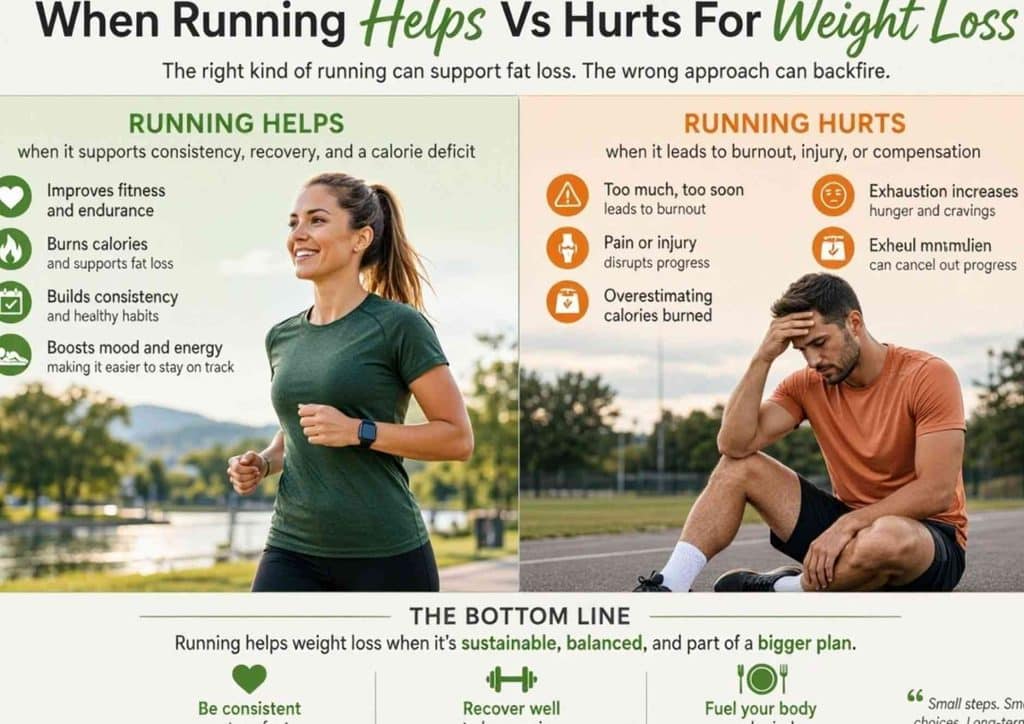
Why consistency matters more than running harder
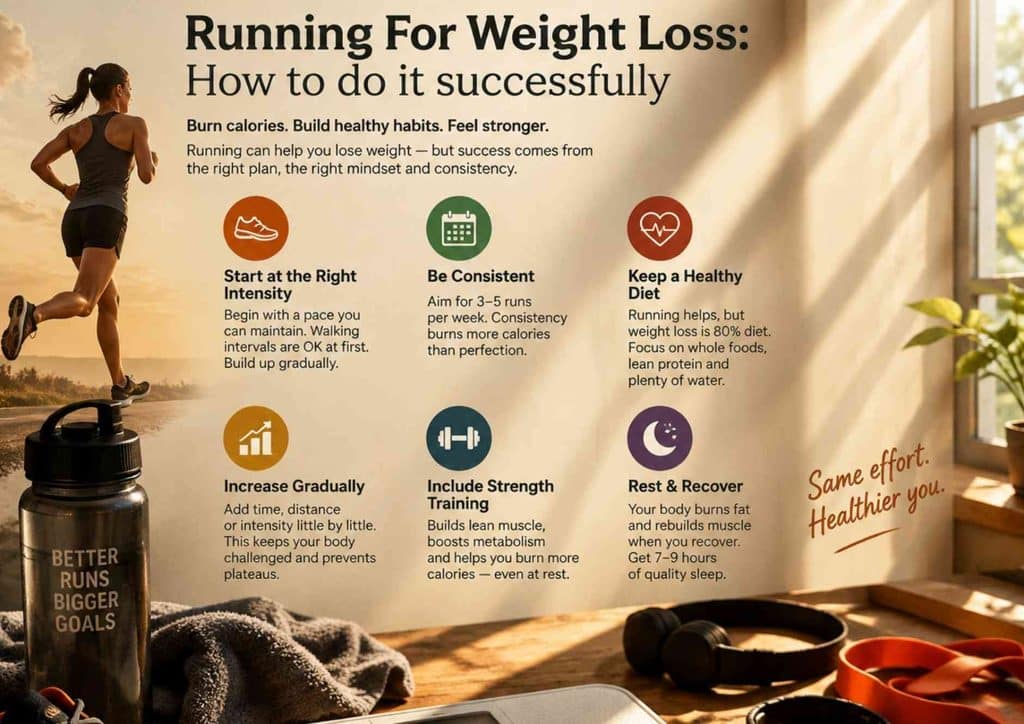
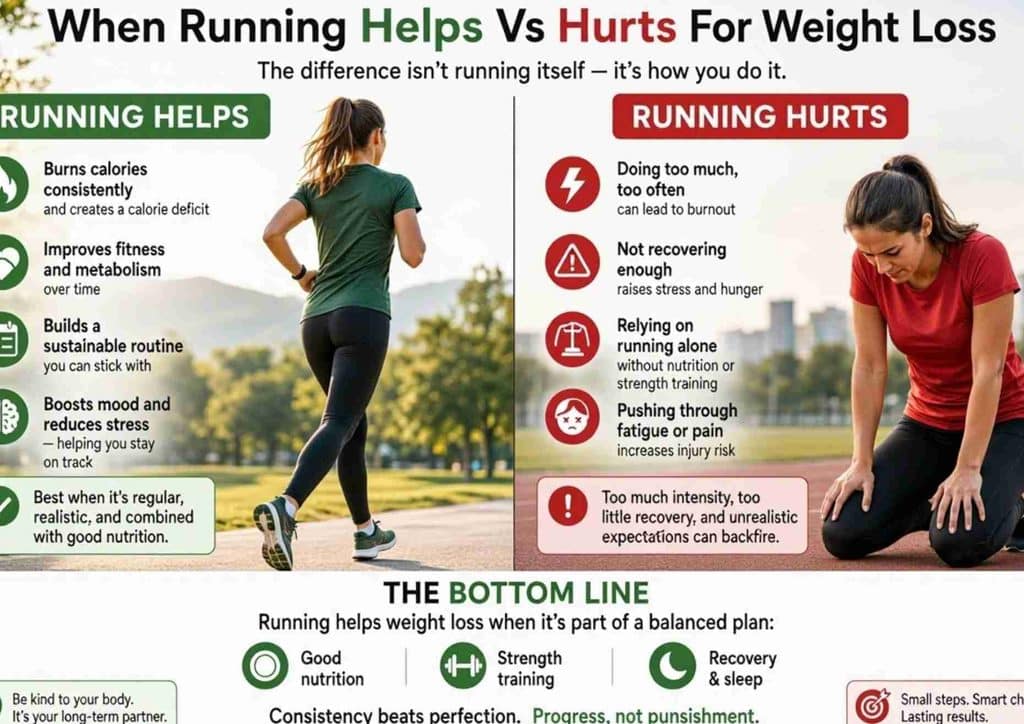
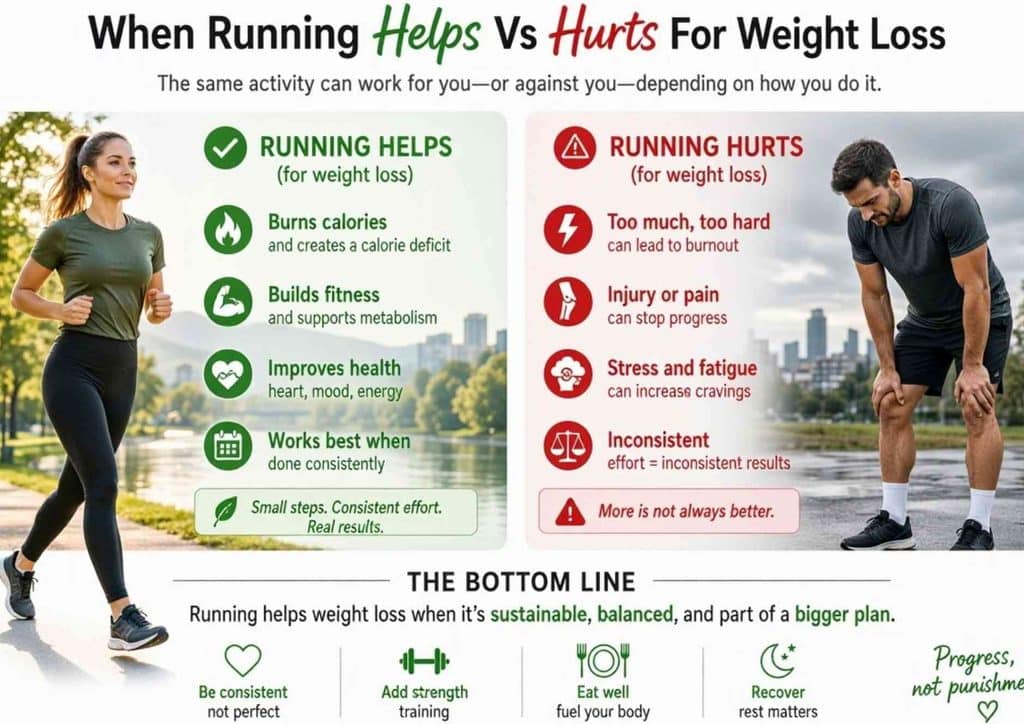
It is easy to assume that running faster, further or more frequently will automatically produce better weight loss results. However, increasing your training volume without considering recovery and nutrition can create problems.
You might become increasingly hungry, experience persistent tiredness or struggle to maintain your usual routine. A manageable running schedule combined with consistent eating habits is often much more practical.
You should also consider other forms of exercise. Strength training can support muscle maintenance, while activities such as reformer pilates can complement your running routine. You do not need to turn every day into a demanding exercise session.
| Training Focus | What Happens in Practice | Smarter Approach |
|---|---|---|
| Escalating Speed, Distance or Frequency | Pushing running volume higher without accounting for recovery and nutrition triggers relentless hunger, lingering fatigue and burnout. | Prioritise a sustainable weekly rhythm over punishing sessions that derail your normal routine. |
| Repeatable Training and Nutrition Habits | Steady, manageable running paired with consistent eating delivers far better long term weight loss than short bursts of extreme effort. | Build habits you can maintain week after week rather than chasing exhausting daily workouts. |
| Balanced Complementary Movement | Strength training protects lean muscle mass during weight loss, while reformer pilates builds core stability and mobility alongside running. | Blend resistance work and lower impact movement into your week so every day does not feel like a gruelling run. |

How to know whether your approach is working
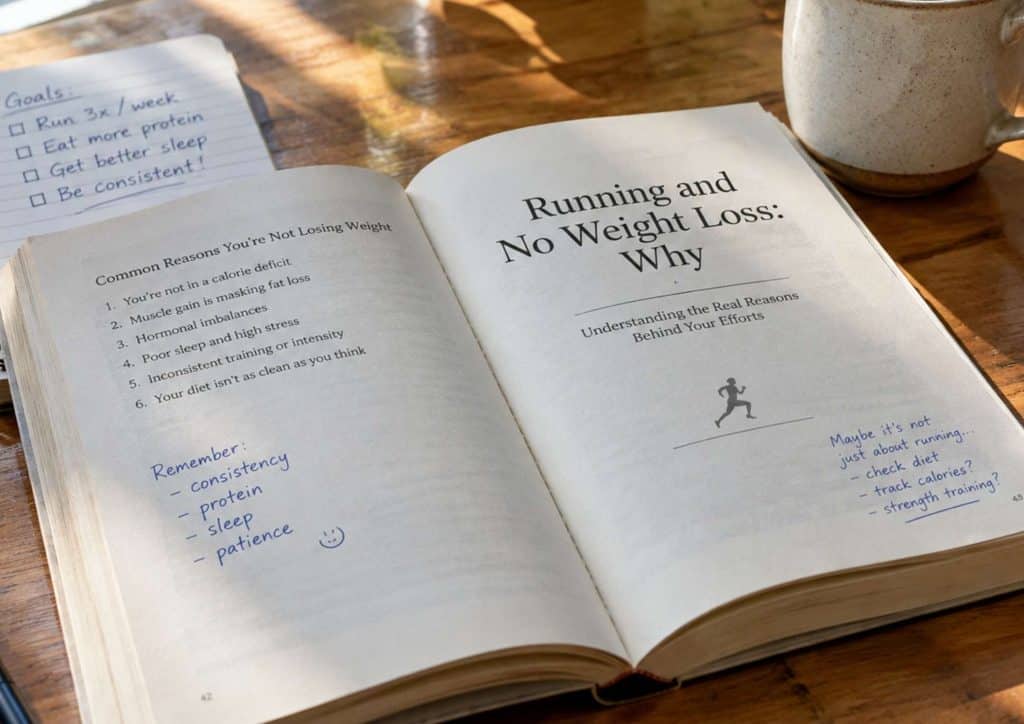
I encourage people to look at several indicators rather than relying entirely on the scales.
Consider the following:
- Your average weight over several weeks.
- Whether your clothes are fitting differently.
- Your running performance and endurance.
- Your energy levels throughout the day.
- Your hunger and appetite.
- How well you are recovering between sessions.
- Whether your eating habits feel sustainable.
If your weight trend is not changing despite consistent habits, it may be time to consider how to break a weight loss plateau and review your overall energy intake and exercise routine.
| Progress Indicator | Evaluation Focus | Strategic Value |
|---|---|---|
| Weight Trends and Body Shape | Tracking your average weight over several weeks alongside changes in how clothes fit. | Filters out daily fluid fluctuations to reveal genuine changes in body composition and long term progress. |
| Performance and Energy | Monitoring running endurance, daily energy levels, and recovery quality between training sessions. | Ensures your nutrition plan properly fuels physical output without causing chronic fatigue or burnout. |
| Appetite and Sustainability | Assessing hunger cues, appetite regulation, and whether daily eating habits feel manageable. | Confirms your approach is realistic and repeatable long term rather than relying on restrictive willpower. |
| Targeted Adjustments | Reviewing total energy intake and exercise routine when progress plateaus despite consistent habits. | Favours small, calculated refinements over drastic food cuts, preserving muscle tissue and metabolic health. |

How a weight loss nutritionist can help
Understanding what a weight loss nutritionist does can help you determine how much to eat, structure your meals and fuel your running while working towards a realistic weight loss goal.
A weight loss nutritionist can help you understand how to put healthy eating advice into practice and determine whether working with a nutritionist can help you lose weight.
Your running schedule, work commitments, appetite, food preferences and recovery requirements all influence what an appropriate weight loss eating plan looks like, making it important to choose the right weight loss nutritionist in Sydney.

| Core Support Pillar | Practical Challenge | Personalised Strategy Advantage |
|---|---|---|
| Quantitative Guidance | Understanding exact intake requirements, meal structures, and how to fuel running while targeting weight loss. | Replaces general advice with clear, structured targets for portions and meal timing tailored to your goals. |
| Lifestyle Implementation | Translating nutritional knowledge into consistent, everyday habits around work commitments and busy schedules. | Bridges the gap between knowing what to eat and seamlessly putting it into practice in real life. |
| Individual Integration | Balancing running schedules, appetite changes, food preferences, and recovery needs across training cycles. | Creates a flexible and sustainable eating plan that supports physical performance while managing total energy intake. |

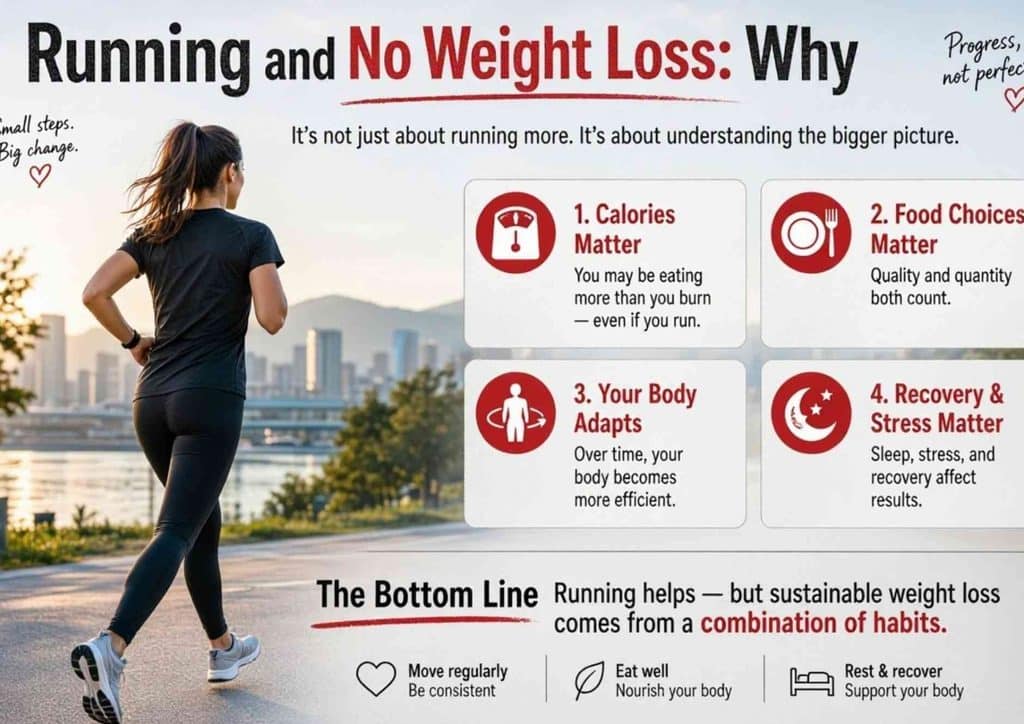
Understanding your calorie requirements
A weight loss nutritionist can help estimate your energy requirements and establish an appropriate calorie deficit without unnecessarily restricting your food intake. This is particularly important if you are increasing your running distance or training for an event.
| Energy Factor | Individual Influence | Nutritionist Approach |
|---|---|---|
| Baseline and Activity Needs | Age, body size, daily activity levels, and exercise routines shape your baseline energy expenditure. | Estimates total energy requirements accurately rather than relying on generic online calculators or extreme rules. |
| Measured Calorie Deficit | Creating a sustainable deficit for weight loss without triggering excessive hunger or under fuelling. | Sets a sensible energy target that supports steady progress while protecting training energy and daily vitality. |
| Rising Mileage and Events | Increasing running distance or preparing for events raises energy demands and recovery requirements. | Adjusts intake dynamically so you fuel your training and race preparation without compromising your goals. |

Creating a practical eating plan around running
Your healthy meal plan for weight loss should reflect when you exercise and how much training you complete. For example, your nutritional requirements on a rest day may differ from those on a day when you complete a longer run.
A running nutritionist can help you understand how to distribute your meals and snacks throughout the day. This might include planning breakfast before an early morning run, choosing an appropriate lunch after training and ensuring you have enough food to manage your appetite later in the afternoon.
The aim is to create a routine built around easy meals for weight loss that works in real life, rather than a rigid meal plan that becomes difficult to follow.

| Planning Element | Training and Lifestyle Context | Practical Nutrition Strategy |
|---|---|---|
| Training Day Scaling | Energy and carbohydrate needs shift between rest days, short runs, and longer training sessions. | Adjusting portion sizes and meal timing around daily workload rather than eating identically every day. |
| Meal and Snack Timing | Coordinating pre run breakfast, post training lunch, and afternoon snacks around work and appetite swings. | Distributing food evenly across the day to support recovery, steady energy, and afternoon appetite control. |
| Real World Flexibility | Rigid meal plans often break down when schedules, cravings, or social commitments shift. | Building adaptable meal combinations and practical habits that fit everyday life sustainably. |

Addressing weight loss plateaus
If your weight has stopped changing, it is worth looking at the bigger picture. Sometimes the issue is portion sizes, inconsistent eating or additional snacks after exercise.
Other times, your training demands, recovery, sleep or normal fluctuations in body weight need closer consideration. A weight loss nutritionist can help identify areas that may need adjusting and develop a practical strategy based on your circumstances.
The aim is not to keep reducing your food intake every time the scales stop moving. It is to understand what is happening and make sensible changes.

| Plateau Area | Potential Contributing Factor | Sensible Adjustment |
|---|---|---|
| Intake and Portions | Gradual increases in portion sizes, inconsistent eating patterns, or extra post exercise snacks. | Reviewing daily habits and portion awareness without resorting to extreme or reactive food cuts. |
| Training and Recovery | Changing training demands, recovery quality, sleep patterns, or normal short term body weight fluctuations. | Assessing stress, sleep, and workload alongside nutrition to see what is genuinely stalling progress. |
| Individualised Strategy | Continuously dropping calories every time the scales stall can increase fatigue and hunger. | Working with a weight loss nutritionist to pinpoint the real bottleneck and apply targeted, sustainable changes. |

When should you speak to your GP?
Running and weight loss should not come at the expense of your health, particularly when considering postpartum weight loss. If you experience missed or irregular periods, persistent tiredness, frequent injuries, dizziness or ongoing problems recovering from exercise, speak with your GP.
It is also important to seek appropriate professional support if you have a history of disordered eating, are losing weight while breastfeeding or find yourself becoming excessively preoccupied with food, calories, exercise or your weight.
You should not feel that you need to push through these problems to achieve a particular number on the scales.

| Warning Sign Area | Symptoms to Watch For | Appropriate Action |
|---|---|---|
| Hormonal and Energy Signals | Missed or irregular periods, persistent tiredness, dizziness, or ongoing difficulty recovering between sessions. | Book a GP review promptly rather than dismissing symptoms as normal signs of training harder or eating less. |
| Musculoskeletal Strain | Frequent injuries or persistent niggles that interrupt running consistency and tissue recovery. | Seek medical assessment to check for under fuelling, bone health concerns, or overload before pushing through pain. |
| Relationship With Food and Weight | History of disordered eating or growing preoccupation with food, calories, exercise, or scale weight. | Reach out to your GP and a qualified health professional for supportive, non punitive care that prioritises wellbeing. |

Red flag: Persistent fatigue, missed periods or frequent injuries
Speak with your GP if you experience these symptoms, particularly if you are increasing your running while restricting your food intake. If you have a history of disordered eating, seek individualised support rather than following a restrictive weight loss plan.

Final thoughts
Running can absolutely form part of a successful weight loss approach, but it is important to understand that exercise is only one part of the picture. If you are running regularly and the scales are not moving, I would not immediately suggest running further or eating less.
One mistake I want to avoid is the idea that you need to eat as little as possible to lose weight while running, as understanding nutrition for runners is essential for fuelling your training, supporting recovery and achieving your weight loss goals.
Look at the big picture:
- Are you eating more because your appetite has increased?
- Are your portions appropriate?
- Are you fuelling your sessions properly?
- Are you allowing enough time for recovery?
- Could temporary water retention be influencing your weight?
These are much more useful questions than simply assuming you need to work harder. I also want you to remember that you do not need to starve yourself, avoid carbohydrates or run on an empty stomach to achieve weight loss.
A sensible calorie deficit, balanced nutrition, sufficient protein, appropriate carbohydrates and consistent physical activity provide a much more sustainable foundation.
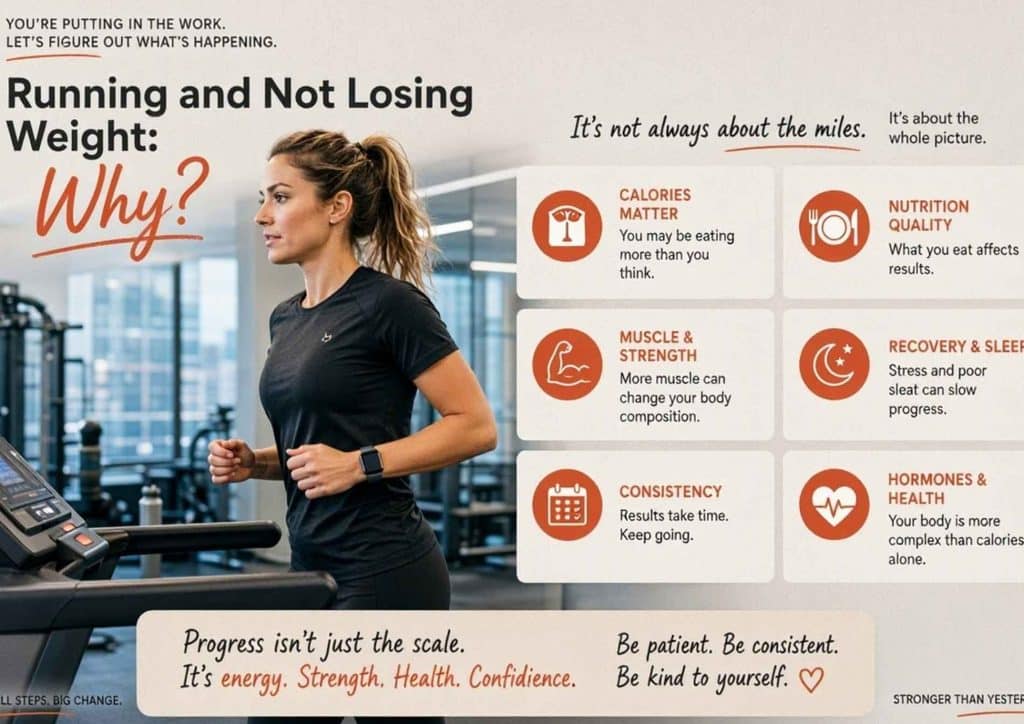
“You do not need to run yourself into the ground to lose weight. You need an eating routine that supports your running, manages your appetite and works consistently with your lifestyle".
Jake Biggs, Nutrition Longevity

What to do this week
- Plan your meals around your running schedule and include protein at each main meal.
- Choose a balanced snack after longer runs instead of relying on willpower when you are extremely hungry.
- Look at your weight trend over time rather than reacting to individual scale readings.

Why aren't the scales changing despite running quiz
Test your understanding of multi factor progress tracking, sensible plateau adjustments, calorie requirements, and health warning signs while running for weight loss.
1. Which approach is most effective when evaluating whether your nutrition and running plan is working?
2. How should you respond if your weight trend stalls despite consistent habits?
3. Why is establishing an appropriate calorie deficit particularly important when increasing running distance or training for an event?
4. What makes working with a weight loss nutritionist valuable when combining running and weight loss?
5. When should you speak with your GP during a running and weight loss journey?
Sustainable weight loss while running relies on tracking broader indicators, making sensible adjustments, fuelling training properly, and protecting your health.

Frequently asked questions
Is running or walking better for weight loss?
Both can support weight loss by increasing your energy expenditure. Running generally uses more energy per minute, but walking can be easier to maintain regularly and is an excellent option for people who prefer lower impact exercise.
Why do I gain weight when I start running?
Starting a running routine can temporarily increase water retention as your muscles adapt and recover. Increased appetite, changes in food intake and normal weight fluctuations can also contribute.
Should I run on an empty stomach to burn fat?
No, you do not need to run on an empty stomach to lose weight. Your overall calorie intake matters much more than whether you eat before running. Choose the approach that supports your energy, comfort and training requirements.
How often should I run to lose weight?
Three manageable running sessions per week can be a reasonable starting point for many people. Your ideal frequency depends on your fitness, experience, recovery and overall exercise routine. Consistency and appropriate nutrition matter more than running every day.

Keep reading
This article is general information, not personal medical or nutritional advice. Individual needs vary. For guidance tailored to you, book a consultation.
Book a 60 minute consultation, in Bondi Junction or by Telehealth from anywhere in the world.